In This Guide
- Top 5 Tips for Last-Minute RV Rental in Namibia
- Before You Book - Class, Dates, Insurance
- How much does it cost to rent an RV in Namibia
- Is a 4x4 RV necessary for Namibia
- What are the safety tips for RV travel in Namibia
- What permits do you need for an RV trip in Namibia
- When is the best time to RV in Namibia
- Pre-Trip Prep - Packing Checklist for Namibia
- On the Road - Driving, Fueling, Navigation
- At the Campground - Setup, Hookups & Etiquette
- Last-Minute RV Rental-Specific Tips for Namibia
- Common Mistakes to Avoid in Namibia
- Top Cities for RV Rental in Namibia
- Practical Information for RVers in Namibia
- What You Shouldn't Miss
- Why Book with Bandana Caravan
- Final Thoughts
- Frequently Asked Questions
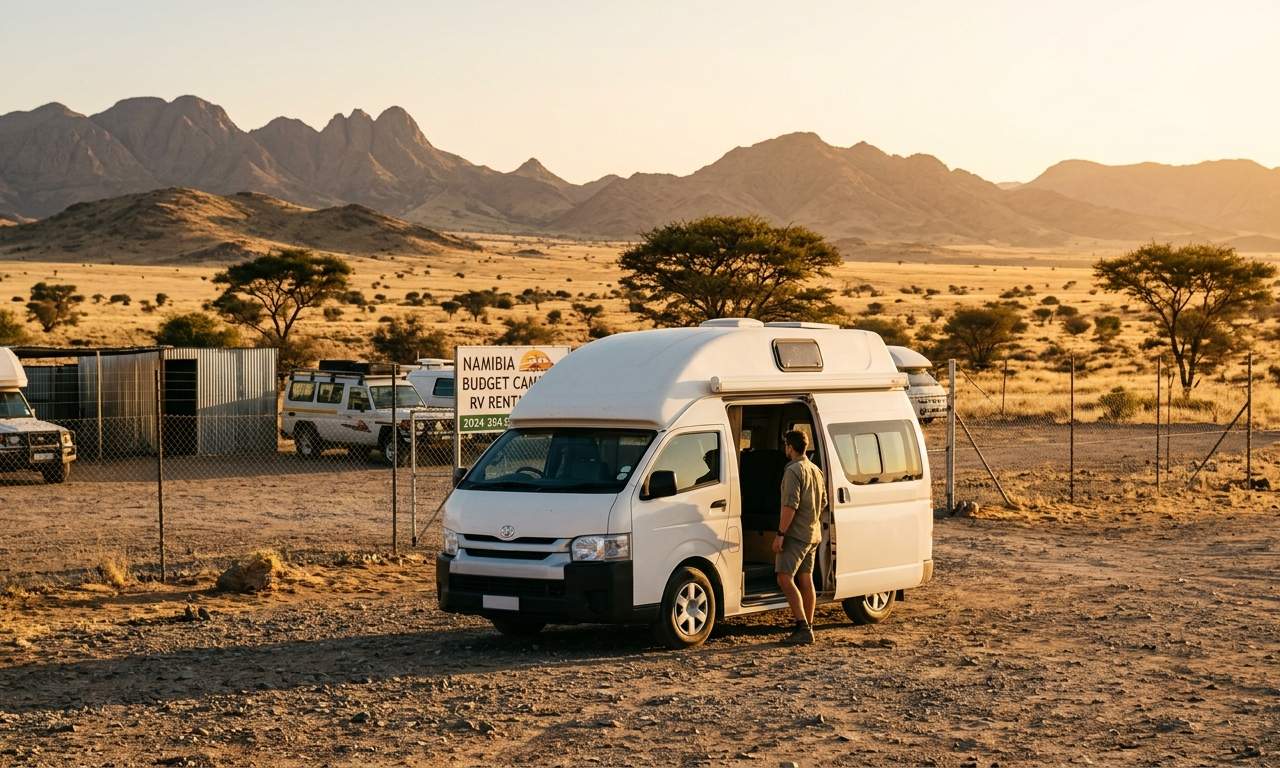
Namibia offers an unparalleled adventure for motorhome travelers, blending vast, dramatic landscapes with incredible wildlife. Planning a last-minute RV rental in Namibia can seem daunting, but with the right approach and a dash of flexibility, you can embark on an unforgettable journey through this Southern African gem. Whether you're chasing the red dunes of Sossusvlei, the abundant wildlife of Etosha National Park, or the haunting beauty of the Skeleton Coast, a rented campervan provides the freedom to explore at your own pace. For live availability and current prices, start with our RV Rental Namibia - Complete Guide 2026 guide.
At Bandana RV, we're true RV specialists, not just a travel agency side department. We genuinely know RV travel and love helping people discover it. We're with you before, during, and after your booking, ensuring full transparency with no hidden fees and 24/7 support. We sell the way we'd like to buy, always putting your adventure first.
Top 5 Tips for Last-Minute RV Rental in Namibia
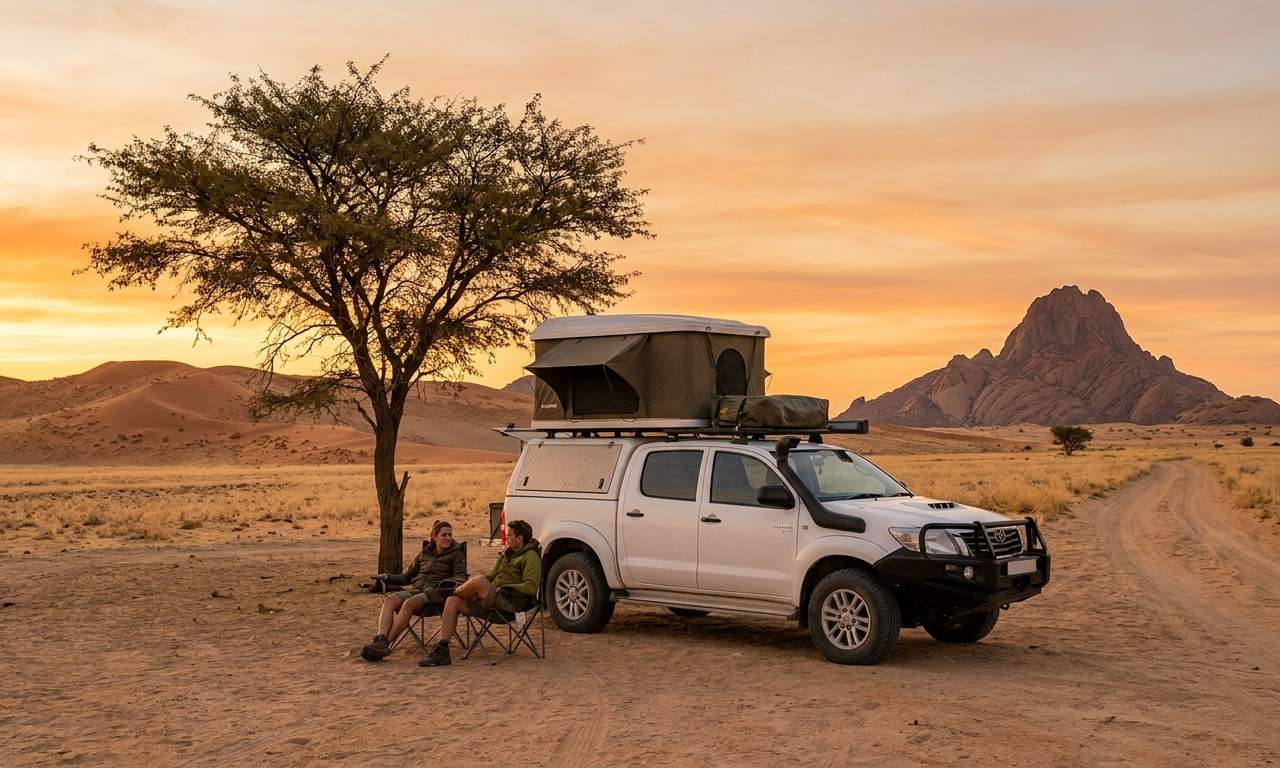
Securing a last-minute RV rental in Namibia requires strategic thinking and flexibility to ensure a smooth trip. Firstly, being flexible with your vehicle type and potential pickup/drop-off locations significantly increases your chances of finding availability, especially for popular 4x4 campervans like the Patagonia Camper 4x4 double cab. Regularly checking Bandana's booking platform for new cancellations or last-minute deals can also uncover unexpected opportunities. Secondly, ensure all essential travel documents, such as your standard car driver's license and an International Driving Permit (IDP), are prepared well in advance, even if your trip is quickly approaching. Thirdly, prioritize confirming your insurance coverage immediately upon booking to travel with complete peace of mind, perhaps opting to upgrade to a top-level deductible for extra protection. Fourthly, always have a backup plan for accommodation or alternative transport in mind, just in case your desired RV model or dates are unexpectedly unavailable at the eleventh hour. Finally, remember that slow travel is key in Namibia; aim for an average of 100-150 km per day to truly immerse yourself in the unique landscapes and culture.
Before You Book - Class, Dates, Insurance
When booking a last-minute RV rental for Namibia, remaining flexible on your chosen RV class is paramount due to dynamic availability. While 4x4 RVs are highly recommended for specific challenging routes like the Epupa Falls road or remote sections of Kaokoland, many popular destinations are perfectly accessible with 2WD vehicles on well-maintained gravel roads. You might find a Class B campervan like the "Camper 2 - LOKI" available, or a more spacious Class C motorhome like the "MHC24" if you're lucky. Lock in your preferred dates as soon as possible, as last-minute rentals in Namibia can be limited, particularly during peak dry season from May to October. Basic insurance coverage is always included with your rental; however, for maximum peace of mind, you can select options to include the most comprehensive coverage during your search on Bandana, where all relevant insurance choices will be clearly displayed.
🎬 Video coming soon
How much does it cost to rent an RV in Namibia
The cost to rent an RV in Namibia typically ranges from NAD 1,500 to NAD 4,500 per day (approximately $80 to $240 USD) in 2026, with prices fluctuating significantly based on the vehicle type, rental duration, and season. For instance, a compact campervan like the "rent a campervan example Matrix M 670 SL Platinum" might be at the lower end, while a larger, more luxurious motorhome such as the "Euro Deluxe" could command higher rates. Beyond the daily rental fee, comprehensive trip budgeting must account for several ancillary costs: fuel is a major expense given Namibia's vast distances, often consuming a significant portion of your budget. National park entry fees, for example, Etosha National Park, average NAD 150 per person per day plus NAD 50 per vehicle, while campsite charges can range from NAD 150 for basic facilities to NAD 500+ for luxury spots with amenities. Activity costs, such as guided safaris or quad biking, also add to the total. Last-minute rentals sometimes offer discounted rates on less popular models, but prime vehicles often command standard or even higher prices due to limited availability. For a detailed guide on budgeting and finding great value, explore our "RV Rental in Namibia - Prices and Best Deals 2026" and "Cheap RV Rental in Namibia - Budget Guide 2026" articles. For families planning a longer adventure, a two-week trip could range from $2000-$5000 USD for the rental alone, excluding other expenses. Couples might find more economical options in smaller campervans, budgeting around $1500-$3500 USD for a similar duration. RV PLANET routes offer tools to itemize and track every expense along the way for easy budgeting, ensuring no surprises. On the routes offered through RV PLANET routes, you can itemize and track every expense along the way for easy budgeting.
For those seeking luxury, our "Luxury RV Rental in Namibia - Premium Prices 2026" provides insights into high-end options. Flexibility is your best friend when looking for the cheapest last-minute RV rental in Namibia; consider traveling during the shoulder or off-peak seasons (November-April) when demand is lower, and be open to different vehicle classes or even slightly varying pickup locations like Swakopmund or Walvis Bay instead of just Windhoek. Using Bandana’s comparison platform allows you to see final prices across 50+ suppliers, helping you identify the best available deals.
Is a 4x4 RV necessary for Namibia
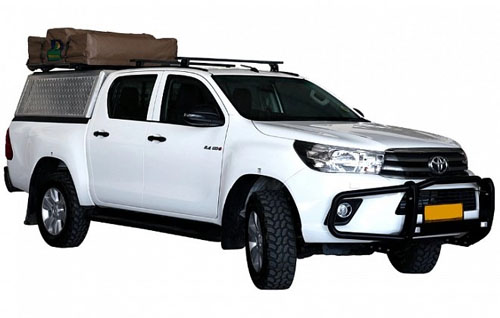
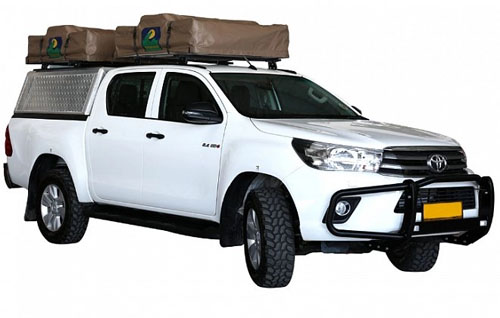
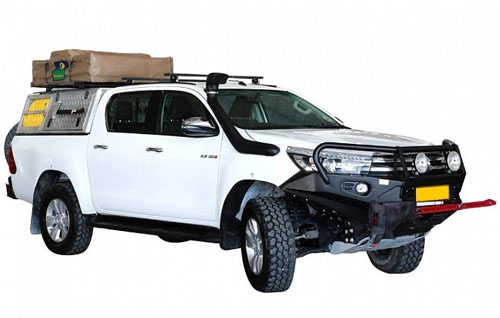
A 4x4 RV is highly recommended for traveling in Namibia, particularly if your itinerary includes venturing into remote areas, national parks with sandy tracks like parts of Etosha, or challenging routes such as those leading to Epupa Falls or through Damaraland's wilderness. Vehicles like the 2 Person 4WD Camper or "Patagonia Camper 4x4 double cab" offer superior traction and ground clearance, crucial for navigating the diverse terrains of the country. While standard 2WD RVs, such as many Class C motorhomes with a 75-liter fuel tank, can manage most main paved roads (like the B1 highway) and well-maintained gravel roads (e.g., C34 to Cape Cross), a 4x4 provides enhanced safety and peace of mind when encountering unexpected soft sand, corrugations, or river crossings. Evaluate your planned route carefully; if you intend to stick to major towns and primary paved routes, a 2WD might suffice for a comfortable ride. However, for true exploration of Namibia's rugged and secluded beauty, a 4x4 is a valuable investment that expands your access to unforgettable locations. You can also review our "RV Driving Deals in Namibia - Routes and Savings 2026" for route-specific vehicle advice.
What are the safety tips for RV travel in Namibia
For RV travel in Namibia, prioritizing safety involves a keen understanding of local road conditions, respectful interaction with wildlife, and implementing personal security measures. Drive cautiously on the numerous gravel roads, which can be unpredictable; maintain a safe distance from wildlife, never feed or approach animals, and be highly vigilant for potential hazards like large trucks, livestock, or even wild animals crossing unpaved routes, especially at dawn and dusk. Always keep your rented motorhome's doors locked, even when driving, and always park overnight in designated and secure campgrounds, like those often found near popular attractions. Having a satellite phone or emergency contact information readily available is crucial for remote areas with limited cell service. Equipping your vehicle with basic first aid supplies and carrying sufficient water reserves, such as an extra 20-liter jerry can, are also essential precautions for this vast country. Remember, drive slowly and carefully, and you can drive almost anywhere without issues. No need to stress-just use common sense and pay attention.
What permits do you need for an RV trip in Namibia
For an RV trip in Namibia, international visitors primarily require a valid passport, and it is highly recommended to carry an International Driving Permit (IDP) alongside your national driver's license. The IDP effectively translates your license into multiple languages, facilitating easier communication with local authorities. Entry into Namibia's national parks and protected areas, such as Etosha National Park or Namib-Naukluft Park, necessitates purchasing park entry permits at the gate or designated offices; these fees are typically paid daily per person and per vehicle. While specific road rules in Namibia largely align with international standards, always adhere to posted speed limits-120 km/h on tarred roads, 80 km/h on gravel roads-and always yield to animals, particularly wildlife, which can appear unexpectedly. Be aware of any temporary road closures, especially during the rainy season. If you're considering a multi-country Southern Africa trip, remember that cross-border vehicle permits from your rental company are mandatory, so discuss these details well in advance when booking your one-way RV rental in Namibia.
When is the best time to RV in Namibia
The best time to RV in Namibia generally falls during the dry winter months, from May to October, when temperatures are milder, typically ranging from 20-25°C (68-77°F) during the day and dropping to cool nights. During this period, skies are predominantly clear, and wildlife viewing is optimal as animals congregate around fewer water sources, making sightings easier, especially in Etosha National Park. This dry season also offers excellent conditions for stargazing due to minimal cloud cover and avoids the extreme heat of summer, which can make daytime travel and outdoor activities less comfortable, with temperatures often exceeding 35°C (95°F). Conversely, the summer rainy season, from November to April, brings lush green landscapes and the birth of many baby animals, offering a different kind of beauty. However, be prepared for very high temperatures, occasional heavy rains that can lead to flash floods, potentially affecting road conditions and access to some areas, and an increase in mosquitoes. Your choice of a "Weekly RV Rental in Namibia - Pricing 2026" can also be influenced by these seasonal variations in demand and availability.
Pre-Trip Prep - Packing Checklist for Namibia
Preparing for Namibia's diverse climate with a practical packing list is crucial to ensure comfort and readiness for various conditions, from scorching desert days to chilly nights. Consider the duration and activities of your RV trip when selecting items, especially regarding water and power management in remote areas where resources are scarce. Essential documents should be secured and readily accessible for a smooth travel experience throughout your rented motorhome adventure.
- Lightweight, breathable clothing (long sleeves/pants for sun & bugs)
- Warm layers for cool evenings/early mornings (especially in winter), potentially a warm fleece jacket
- Wide-brimmed hat & UV-blocking sunglasses
- Sturdy closed-toe shoes for walking/hiking on varied terrain
- Sandals or flip-flops for camp comfort
- Reusable water bottles (2-3 liters per person recommended daily, plus a 20L reserve container)
- Cooler bag for perishables, even if your "cruise america rv rental example Explorer" has a 90-liter refrigerator.
- Basic cooking utensils (always check what's included with your RV rental) and maybe some spices from home. Cooking up a storm in your mobile kitchen is part of the fun! For ideas, check out our RV-friendly recipes playlist.
- Non-perishable food items & snacks for remote stretches
- Comprehensive first-aid kit (incl. antiseptic, bandages, pain relievers, anti-diarrhea meds, rehydration salts)
- Sunscreen (high SPF, water-resistant) & strong insect repellent (DEET-based for malaria areas)
- Headlamp or flashlight with spare batteries (essential for stargazing and camp navigation)
- GPS device or offline maps (e.g., Tracks4Africa app) downloaded to your phone, as cell service can be spotty.
- Valid Passport/Visa (if applicable, ensure validity for at least 6 months beyond travel dates)
- International Driving Permit (IDP) - highly recommended for all non-Namibian licenses.
- Original Driver's License from your home country.
- RV Rental Agreement & Insurance Details (print physical copies)
- Digital & physical copies of all important documents (passport, visa, flight tickets, etc.)
- Contact numbers for emergencies & roadside assistance from your rental supplier (Bandana's post-booking coordination ensures you have these).
- Power bank/portable charger for electronics.
At the Campground - Setup, Hookups & Etiquette
Upon arrival at a Namibian campground, select a suitable pitch and take a moment to assess the layout before beginning your RV setup. Connect your rented motorhome to electrical power (if available) before connecting the water hose, and then attach your waste hoses, following the reverse procedure when preparing for departure to maintain optimal hygiene. Most organized campgrounds offer basic electrical hookups (typically 220V), fresh water, and waste disposal points. Observe campground quiet hours, generally from 10 PM to 6 AM, ensuring that generators (if applicable to your model like the "MHC30") are not running and noise is kept to a minimum. Adhere strictly to 'Leave No Trace' principles by properly managing all waste, utilizing designated bins, and respecting wildlife habitats-never leave food out unattended or approach wild animals. Many national and state parks in Namibia offer a mix of pre-bookable and first-come-first-serve spots, so if you're traveling spontaneously, calling ahead to check availability is always a good idea.
Last-Minute RV Rental-Specific Tips for Namibia
When planning a spontaneous RV trip in Namibia, be prepared for limited choices in motorhome models; prioritize immediate availability over specific features. Embracing flexibility in your itinerary is crucial, as popular campsites or sought-after routes might be fully booked, requiring spontaneous adjustments or alternative discoveries. Have all necessary travel documents, including your International Driving Permit, ready before you even start searching, as time for additional preparation will be minimal. Prioritize immediate booking upon finding a suitable RV, as last-minute availability can change rapidly due to the dynamic pricing model, similar to flight tickets. Finally, pack versatile clothing and essential gear, like a reliable power bank for your electronics, as you might not have time for specialized shopping once you arrive in a major city like Windhoek or Swakopmund. Always remember that many national/state parks reserve 25-30% of spots for first-come-first-serve arrivals, so even last-minute, you'll find a spot-if not at the first campground, then the next one. Just call ahead before driving.
Common Mistakes to Avoid in Namibia
To ensure a smooth RV adventure in Namibia, several common mistakes should be actively avoided by first-time renters. Firstly, driving too fast on gravel roads is a frequent error; instead, reduce your speed to 60-80 km/h and maintain full concentration to avoid accidents and tire damage, which can be costly and time-consuming to repair in remote areas. Secondly, underestimating Namibia's vast distances and travel times can lead to exhaustion and rushed experiences; factor in extra time for unpaved roads, frequent wildlife sightings, and numerous photo opportunities. A good rule of thumb is to travel slowly, aiming for a maximum of 100-150 km per day on average, allowing you to truly feel the place, connect to the culture, the food, and the scenery. Thirdly, not carrying enough water or fuel is a critical oversight; always ensure you have sufficient reserves, at least 20 liters of water per person per day and an extra 20-liter fuel tank, especially when heading into remote areas where services are few and far between. Fourthly, ignoring road signs, especially those for wildlife, is dangerous; remain vigilant for animals on the road and heed all warning signs diligently. Fifthly, always engage respectfully with local communities and learn basic greetings to foster positive interactions, showing respect for local cultural etiquette. Lastly, failing to secure your camping spots in advance, particularly during peak season (May-October), can leave you without a place to stay; even for last-minute trips, call ahead before driving to check campsite availability.
Top Cities for RV Rental in Namibia
Namibia offers several key cities where you can pick up your rented motorhome or campervan and begin your adventure. These locations serve as excellent starting points for exploring the country's diverse landscapes:
- Windhoek: As the capital and largest city, Windhoek is the primary hub for RV rentals in Namibia. Most international flights arrive here, making it a convenient starting point for any Namibian itinerary. From Windhoek, you can easily head north to Etosha, west to the coast, or south to the desert. Our "RV Rental Windhoek - Complete Guide 2026" offers extensive information.
- Swakopmund: This charming coastal town, known for its German colonial architecture and adrenaline activities, is another popular pick-up location. It's an ideal base for exploring the Skeleton Coast and the Namib Desert's coastal reaches.
- Walvis Bay: South of Swakopmund, Walvis Bay is Namibia's main port and offers RV rental options, particularly convenient for those focusing on marine wildlife and desert excursions.
- Windhoek - Airport: Picking up your RV directly at Windhoek's Hosea Kutako International Airport (WDH) offers maximum convenience for arriving travelers, allowing you to hit the road without delay.
- Swakopmund - Airport: While smaller, Swakopmund also has an airport that might offer rental pick-up, ideal for direct access to the coast.
- Walvis Bay - Airport: Similar to Swakopmund, Walvis Bay's airport can serve as a convenient pick-up point, especially if flying in domestically.
- Etosha National Park region (e.g., near Okaukuejo): While not a large city, some specialized 4x4 campervan rentals might be arranged closer to national park entrances, allowing for immediate immersion into wildlife viewing.
- Lüderitz: For those planning to explore the diamond coast and the ghost town of Kolmanskop, picking up an RV in Lüderitz could be an option, though less common.
Practical Information for RVers in Namibia
Successful RV travel in Namibia hinges on understanding local practicalities. Firstly, road rules dictate driving on the left side of the road, and speed limits are typically 120 km/h on paved roads (like the B1) and 80 km/h on gravel roads, which make up the majority of the network. These speeds should be reduced significantly on unpaved surfaces, especially when encountering wildlife or poor conditions. For emergencies, the national police number is 10111, while medical emergencies can be reached at 112 (general emergency number). Secondly, reliable connectivity is crucial for a smooth trip; local SIM cards from providers like MTC or Telecom Namibia are readily available in major towns (Windhoek, Swakopmund) and offer good coverage in populated areas, though signal strength will diminish in remote regions. Lastly, camping laws in Namibia generally require staying in designated campsites within national parks, private reserves, or organized facilities; wild camping is strictly prohibited within national parks to protect the fragile environment and wildlife. However, outside of protected areas, common sense and local inquiry can sometimes yield suitable spots for responsible overnight stops, though organized campgrounds are always the safest and most convenient option.
When it comes to budgeting for your full trip, including ancillary costs like fuel, campsite fees, and activities, tools on RV PLANET routes allow you to itemize and track every expense for easy financial management.
What You Shouldn't Miss
Looking for expert insights from Avi Bandana? Top 5 Adventures - recommendations from Avi Bandana:
- Sossusvlei and Deadvlei: Witness the iconic towering red dunes and the ancient, petrified trees of Deadvlei, especially at sunrise or sunset for breathtaking photography. You'll want to take your time here, spending at least 2-3 days in the Namib-Naukluft Park.
- Etosha National Park Safari: Spend several days driving your rented motorhome through Etosha, stopping at various waterholes to observe a phenomenal array of wildlife, including elephants, lions, rhinos, and countless antelope species. Consider staying at Okaukuejo Camp to see animals visit the floodlit waterhole at night.
- Skeleton Coast Adventure: Explore the eerie beauty of the Skeleton Coast, known for its shipwrecks, seal colonies, and dramatic, desolate landscapes. Access to certain remote parts requires special permits, emphasizing the need for a capable 4x4 RV.
- Fish River Canyon: Hike or simply marvel at the grandeur of Africa's largest canyon, a truly vast and awe-inspiring natural wonder in southern Namibia.
- Damaraland and Twyfelfontein: Discover ancient rock engravings at Twyfelfontein, a UNESCO World Heritage site, and search for the desert-adapted elephants and rhinos unique to this rugged, beautiful region, often best explored with a 4x4 camper.
Final Thoughts
Embarking on a last-minute RV adventure in Namibia is an exhilarating prospect, promising unparalleled freedom and immersion in one of Africa's most breathtaking landscapes. While spontaneity adds excitement, a little preparation and flexibility will go a long way in ensuring a memorable and stress-free trip. Remember, the journey itself is the reward in Namibia, so embrace the slow pace, soak in the stunning scenery, and let the vastness of the desert captivate your spirit.
With Bandana's transparent pricing, robust support, and access to a wide range of quality rental motorhomes and campervans from top suppliers, your last-minute dream trip to Namibia is well within reach. Don't let the idea of last-minute planning deter you; instead, see it as an opportunity for unexpected discoveries and a truly authentic Namibian experience. Discover top destinations, planning tips, all in one place!
Ready to hit the road? Compare last minute rv Rental Prices for Namibia Now and start planning your unforgettable Namibian expedition!