For live availability and current prices, start with our RV Rental Europe - Complete Guide 2026 guide.
In This Guide
- Top 5 Tips for last minute rv rental RV Rental in Europe
- Before You Book - Class, Dates, Insurance
- Pre-Trip Prep - Packing Checklist for Europe
- On the Road - Driving, Fueling, Navigation
- At the Campground - Setup, Hookups and Etiquette
- last minute rv rental-Specific Tips for Europe
- Common Mistakes to Avoid in Europe
- What is the 3-3-3 rule for RV travel?
- What is the 444 rule for RV?
- Is Europe RV friendly?
- Can you sleep anywhere in a campervan in Europe?
- How much does it cost to rent an RV in Europe?
- How much is a 1 week RV rental?
- Is it cheaper to rent an RV or stay in hotels?
- Is $100 a day enough in Europe?
Europe offers an unparalleled adventure for travelers seeking spontaneity and the freedom of the open road, and a last-minute RV rental can be your ticket to exploring its diverse landscapes and cultures. Imagine waking up to the Swiss Alps, enjoying a fresh croissant in a quaint French village, or witnessing the Northern Lights from your cozy mobile home - all within a flexible timeframe. For live availability and current prices, start with our RV Rental Europe - Complete Guide 2024 guide, which provides a comprehensive overview of European RV adventures.
Top 5 Tips for last minute rv rental RV Rental in Europe
Securing a last-minute RV rental in Europe is entirely possible with a strategic approach, focusing on flexibility and quick decision-making. First, booking your chosen motorhome immediately is critical, as last-minute options dwindle quickly, especially for popular models like a 4-berth "Euro Deluxe" Class C motorhome and during peak seasons. Second, embrace flexibility with both your travel dates and pickup/drop-off locations, as expanding your search radius can reveal more available options and potentially better deals. Third, consider smaller RVs or campervans, such as a "Combi Van" with seating for 4, as these are often easier to maneuver on Europe's diverse roads, fit into smaller campsites, and tend to have more last-minute availability compared to larger Class A or C models.
Fourth, review your insurance options carefully, ensuring you understand what is covered, especially for unforeseen events or breakdowns in a foreign country. While basic insurance is included with Bandana rentals, you can upgrade to a top-level deductible for extra peace of mind. Finally, prepare for digital navigation by downloading offline maps and considering a local SIM card for reliable internet connectivity, which will be invaluable for on-the-fly route adjustments and finding campsites. By adopting these flexible strategies, your spontaneous European motorhome journey can be as smooth and enjoyable as any pre-planned adventure.
Before You Book - Class, Dates, Insurance
Choosing an RV class for last-minute travel in Europe often means prioritizing what's currently available over specific preferences, as popular models are booked quickly. Smaller campervans (Class B), such as a "V3" motorhome measuring 6.36m in length with a 100L fresh water tank, and compact motorhomes are generally more suitable for navigating European roads, which often feature narrower streets in historic towns, and offer easier parking solutions. Locking in your flexible travel dates immediately is crucial for last-minute rentals due to limited vehicle availability, which directly impacts pricing; for instance, a one-week rental during the last two weeks of August could be 15-20% more expensive than the first two weeks of September.
Basic insurance is always included with Bandana bookings; however, to see prices including the most comprehensive coverage, select that option during your search, and all relevant insurance options will be displayed transparently. It's highly recommended to consider additional coverage options such as roadside assistance, breakdown cover, and comprehensive travel insurance specifically for Europe to ensure peace of mind throughout your journey. Understanding the nuances of options like "One-Way RV Rental in Europe - Price Guide 2024" can help you budget for potential drop-off fees or compare options if your plans involve picking up and returning in different cities. On the routes offered through RV PLANET routes, you can itemize and track every expense along the way for easy budgeting.
Pre-Trip Prep - Packing Checklist for Europe
A well-prepared packing list for a European RV trip is essential for comfort and readiness, especially given the diverse conditions and activities you might encounter. First, adapt your clothing to the specific regions and seasons you plan to visit, prioritizing layers and versatile items for varying climates; for example, packing lightweight clothing for southern Italy but also a waterproof jacket for the Nordic countries. Essential documents include your passport, an International Driving Permit (IDP) alongside your domestic driver's license (minimum age 21 for most rentals), necessary visas (if applicable), and comprehensive travel insurance, which is crucial for covering unexpected medical emergencies or trip cancellations.
When it comes to the kitchen, consider bringing a small, personal cooking set, reusable bags for groceries, and an adapter for European electrical outlets, typically a CEE 7/4 "Schuko" or CEE 7/7 plug with 220-240V. Bandana vehicles are usually equipped with standard kitchenware, but having personal items can enhance your cooking experience on the road. For safety, items such as a first-aid kit, a reflective vest (mandatory in many countries like France and Germany), and a warning triangle are often legally required to be carried in European vehicles. Finally, for more ideas on budget planning and what to include beyond the rental cost, consult resources like our "Cheap RV Rental in Europe - Budget Guide 2024" or look into RV PLANET routes to itemize and track every expense along the way.
🎬 Video coming soon
On the Road - Driving, Fueling, Navigation
Navigating Europe by RV requires an understanding of diverse road rules, fuel types, and efficient navigation systems to ensure a smooth journey. Familiarize yourself with European road signs, country-specific speed limits (e.g., 90 km/h in rural areas of France, 120 km/h on motorways), and specific driving laws, which can include mandatory safety equipment like a breathalyzer in France. When driving a rented motorhome, especially larger Class C vehicles, remember to drive slowly and carefully; you can drive almost anywhere without issues, no need to stress, just use common sense and pay attention to signage.
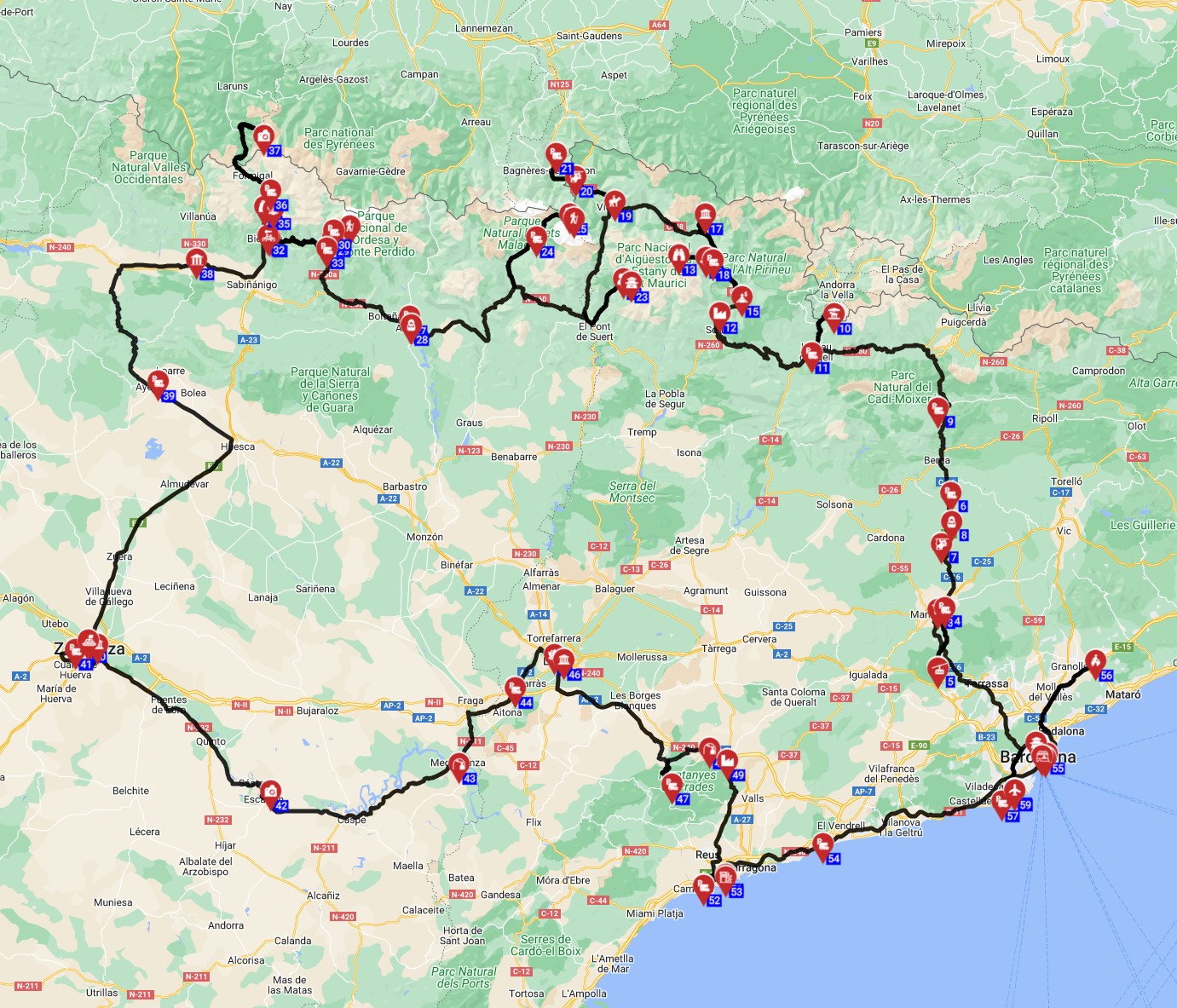
Understanding European fuel types such as Diesel (often labeled Gazole, Gasóleo, or Diesel) and Petrol (Essence, Benzina, or Benzin), their availability, and average costs (typically €1.70-€2.00 per liter) across different countries is crucial for budgeting; consider reviewing "RV Rental in Europe - Prices and Best Deals 2024" for a more detailed look at ancillary costs. Utilize GPS apps with robust offline map capabilities, such as Google Maps or Maps.me, and consider purchasing a local SIM card for reliable internet connectivity and real-time traffic updates, which can be invaluable for last-minute route adjustments. Be aware of European road tolls, mandatory vignettes (sticker passes for motorways in countries like Switzerland and Austria, costing €40-€90 annually), and potential congestion charges, especially when driving into city centers where public transport is often a better option for a mobile home traveler. For more practical route planning, consider pre-planned itineraries like the Toulouse Round trip.
At the Campground - Setup, Hookups and Etiquette
Efficient campground setup and adherence to local etiquette are key to enhancing your rented RV experience in Europe, ensuring a smooth and enjoyable stay. Properly connecting water, waste (grey and black water), and electricity hookups is a sequential process crucial for safety and hygiene. This involves attaching your fresh water hose to a potable water source, connecting your wastewater hose to a designated dump station, and plugging into electrical pedestals, which often require specific adapters for European electricity hookups, such as a CEE 7/4 'Schuko' or CEE 7/7 plug for 220-240V systems. A typical "MH23 Medium - Economy" motorhome with a 115 Liter fresh water tank will need a regular refill every 2-3 days, depending on usage.
Respecting quiet hours, generally observed in the evenings (e.g., 10 PM to 7 AM) and early mornings at most European campgrounds, is paramount for the comfort of all campers. Always leave your campsite pristine, dispose of waste responsibly, and follow local guidelines for recycling and waste management. While Bandana does not provide campsite booking services during your rental, for finding campsites and campgrounds during your trip, we recommend using RV PLANET (rvplan.net) – a great resource for locating available spots along your route. You'll find a spot; if not at the first campground, then the next one. Always call ahead before driving to confirm availability, especially during popular travel times or if you're on a spontaneous trip.
last minute rv rental-Specific Tips for Europe
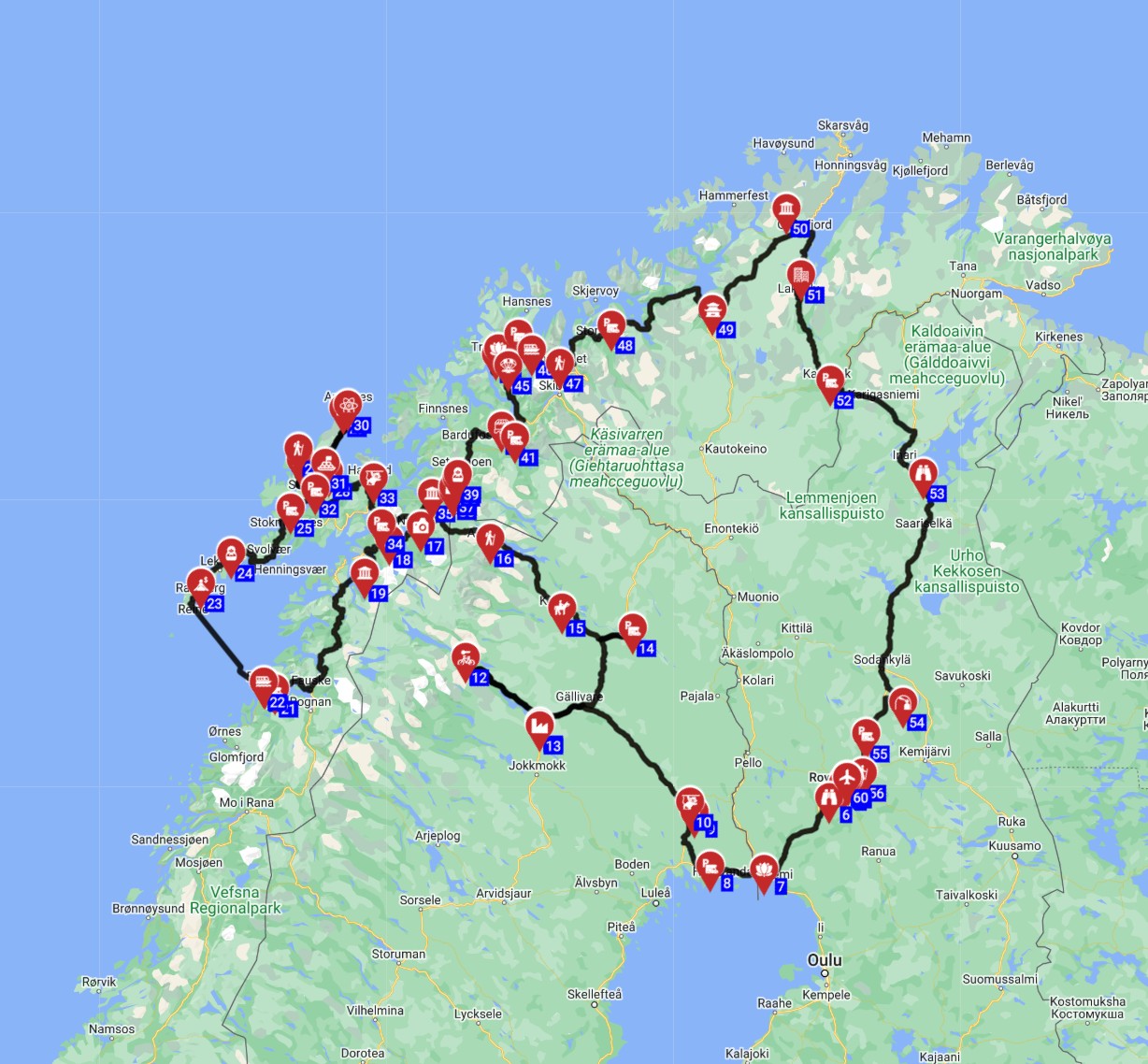
Last-minute RV travel in Europe benefits significantly from strategic planning tailored to your specific traveler profile and preferences. For families, prioritize renting motorhomes like a 6-berth "Euro Deluxe" with adequate sleeping arrangements and consider routes that include kid-friendly attractions, such as the 1 amusement park and 2 family activities found on the "
Regardless of your group, embracing flexibility in your itinerary is crucial, as last-minute availability may necessitate adjusting your route or preferred campsites. Many national and state parks reserve only 25-30% of spots for advance bookings, with the rest available first-come-first-serve, offering opportunities for spontaneous travelers. We also recommend researching "RV Rental Deals in Europe - Latest Offers 2024" for potential last-minute discounts. Remember, Bandana is a true RV specialist, dedicated solely to motorhome and campervan rentals, not a travel agency side department, ensuring expert advice tailored to your needs.
Common Mistakes to Avoid in Europe
Avoiding common pitfalls can significantly improve a last-minute RV trip to Europe, leading to a smoother and more enjoyable experience. First, instead of assuming universal driving laws, always research country-specific regulations, including speed limits, required safety equipment, and unique road signs; for example, the mandatory reflective vest in France. Second, rather than relying solely on credit cards, carry some local currency for small purchases, market stalls, or unexpected cash-only situations, as not all vendors accept cards, especially in rural areas. Third, instead of neglecting comprehensive travel insurance, ensure you have robust medical coverage, roadside assistance, and breakdown cover for your rented RV, as basic insurance might not cover all eventualities.
Fourth, avoid driving an oversized RV into historic European city centers; instead, park on the outskirts and utilize efficient public transport, as narrow streets and limited parking can cause stress. Remember: drive slowly and carefully, and you can drive almost anywhere without issues. No need to stress - just use common common sense and pay attention. Finally, instead of overlooking campsite bookings in peak season, reserve popular spots, especially when planning a spontaneous trip, to guarantee a place to stay. While many parks offer first-come-first-serve spots, popular ones fill quickly. You'll find a spot; if not at the first campground, then the next one. Always call ahead before driving to confirm availability. For more insights on flexible booking, check out "Weekend RV Rental in Europe - Pricing 2024".
What is the 3-3-3 rule for RV travel?
The 3-3-3 rule for RV travel recommends driving no more than 300 miles (approximately 480 km, or roughly 3 hours), arriving at your destination by 3 PM, and staying for at least 3 nights at each location. This guideline promotes a more relaxed pace, significantly reduces travel fatigue, and allows for deeper exploration and enjoyment of each destination, aligning perfectly with the slow travel philosophy of experiencing local culture and scenery. Following the 3-3-3 rule can be particularly beneficial for last-minute trips in Europe, as it reduces the pressure to rush and increases the chances of securing available campsites upon arrival, especially since many spots are first-come-first-serve. Adhering to this rule helps in securing campsites, as arriving earlier increases availability, particularly without prior reservations, and allows more time to explore nearby attractions.
What is the 444 rule for RV?
The 4-4-4 rule for RV travel suggests driving a maximum of 4 hours, arriving by 4 PM, and staying for at least 4 nights at each stop. This guideline offers an even more leisurely travel pace than the 3-3-3 rule, making it suitable for those seeking extensive relaxation and minimal driving stress. It provides ample time for setting up your rented motorhome, exploring the local surroundings, and engaging in activities without feeling rushed. Adopting the 4-4-4 rule can significantly enhance the experience for last-minute travelers by reducing the daily stress of finding new spots and promoting a more settled travel style, allowing you to immerse yourself in a single area, enjoy local markets, or hike scenic trails. This slower tempo is ideal for fully enjoying European landscapes, culture, and utilizing campsite amenities without constant movement.
Is Europe RV friendly?
Europe is generally very RV friendly, offering a well-developed network of campsites, designated parking areas (known as Aires de Service in France or Stellplätze in Germany), and stunning scenic routes ideal for motorhome travel. Many European countries have specific infrastructure, signage, and regulations designed to accommodate motorhomes and campervans, making it a popular choice for families and couples. Smaller RVs and campervans, like a "Category Van" or a "Combi Van", are often more suitable for navigating Europe's narrower roads, historic towns, and mountain passes, where a larger Class A or C motorhome might be more challenging. An International Driving Permit (IDP) is frequently recommended alongside your domestic license, and specific safety equipment (e.g., reflective vests, warning triangles, spare bulb kits) is mandatory in some countries. RVing in Europe provides unmatched flexibility in travel, allowing you to explore diverse cultures and landscapes at your own pace, especially if you follow the recommended slow travel pace of 100-150 km per day.
Can you sleep anywhere in a campervan in Europe?
No, you generally cannot sleep anywhere in a campervan in Europe without potential legal repercussions; wild camping rules vary significantly by country and region, with many areas having strict prohibitions. Many European countries permit overnight parking in certain public areas or designated spots for RVs, but sleeping outside formal campsites or approved 'aires' or 'stellplätze' may be illegal and result in fines ranging from €50 to €500 or more. It is crucial to research the specific regulations for each country and even local municipalities you plan to visit, as laws regarding wild camping and overnight parking differ widely. Designated RV parking areas often provide basic services like water and waste disposal, making them a safe and legal option for overnight stays. Always look for signs indicating overnight parking restrictions and consider using apps like 'Park4night' to find legal and safe overnight spots, or consult resources like RV PLANET (rvplan.net) for comprehensive campsite listings.
How much does it cost to rent an RV in Europe?
The cost to rent an RV in Europe can vary widely, typically ranging from €70 to €250+ per day, depending on the RV size, season, rental duration, and booking lead time. Last-minute rentals may sometimes find discounted rates if a company has surplus inventory, but more often, they face higher prices due to limited availability, especially during peak seasons (June-August) when rates can increase by 10-25%. Smaller campervans (Class B), such as a "Combi Van" or a "Patagonia Camper 4x4 double cab" designed for a couple, are generally less expensive than larger motorhomes (Class C or A) like a 6-berth "MH6 - FRIGG", making them a popular choice for budget-conscious or last-minute travelers. The total cost also includes mandatory basic insurance, potential add-ons (e.g., mileage packages, kitchen kits), and sometimes one-way drop-off fees if applicable, which can range from €150-€500. Prices are usually higher in popular tourist regions and during summer months and major holidays. For a detailed breakdown of costs and deals, refer to "RV Rental in Europe - Prices and Best Deals 2024".
How much is a 1 week RV rental?
A 1-week RV rental in Europe can range approximately from €490 to €1,750 or more, depending significantly on factors like the RV model, time of year, pickup location, and included amenities. This estimate typically covers the base rental cost; however, additional expenses such as insurance upgrades (optional top-level deductible for peace of mind), mileage fees, extra drivers, and one-way drop-off charges can add significantly to the total cost. For example, a compact 2-berth campervan in off-peak season might start around €70/day (€490/week), while a spacious 6-berth Class C motorhome during summer could easily exceed €250/day (€1,750/week). Renting during off-peak seasons (e.g., late autumn, early spring) generally offers lower weekly rates compared to the peak summer months or holiday periods. Last-minute availability for a 1-week rental might be limited, potentially driving up prices or restricting your choice to less popular models or locations. To get an accurate estimate, always obtain a detailed quote that includes all potential fees and taxes for your specific dates and desired RV type, keeping an eye on "RV Rental Deals in Europe - Latest Offers 2024".
Is it cheaper to rent an RV or stay in hotels?
Renting an RV in Europe can often be cheaper than staying in hotels, particularly for families of 4-6 people or for longer trips of a week or more, as it effectively combines transportation and accommodation costs into one package. An RV also allows for extensive self-catering, significantly reducing food expenses compared to dining out or relying on hotel restaurants for every meal; a well-stocked "MH23 Medium - Economy" with its refrigerator and gas stove allows you to prepare most meals. However, a comprehensive cost comparison must include all RV rental fees, fuel (averaging €1.70-€2.00 per liter), campsite fees (which can range from €0-€50 per night), road tolls, vignettes, and potential attraction costs versus hotel rates, separate transportation (flights, trains, car rental), and restaurant bills. The cost-effectiveness of an RV rental increases with the number of travelers sharing expenses and the duration of the trip, as fixed costs like the rental fee are spread out. Budget-conscious travelers can further save money by utilizing free overnight parking spots (where permitted) and cooking most of their meals onboard, especially with the help of an RV PLANET routes itinerary to track and budget all expenses.
Is $100 a day enough in Europe?
A budget of $100 (approximately €90-€95) per day for a rented RV trip in Europe is quite tight but potentially manageable for a solo traveler or couple, primarily through careful planning and diligent self-catering. This budget would need to meticulously cover fuel (expecting around €20-€30 daily for 100-150 km of driving), modest campsite fees (aiming for budget-friendly or free spots like Aires de Service, which can cost €0-€20), groceries for cooking (budgeting €25-€35 daily for two people), and minimal activities or paid attractions. It would likely not accommodate significant splurges on dining out, extensive shopping, or premium campsites and attractions; for these, a budget closer to $150-$200 per day is more realistic. Last-minute travelers might find this budget particularly challenging if prime budget campsites are unavailable, leading to more expensive alternatives or longer drives to find free spots. To stay within this budget, prioritize cooking your own meals, choosing free or low-cost activities, and being highly efficient with fuel consumption and route planning. For example, a campervan like the "Paradise Camper 4x4 double cab" offers a compact, fuel-efficient option for budget-conscious couples.
What You Shouldn't Miss
- **The Romantic Road, Germany:** Drive through picturesque medieval towns like Rothenburg ob der Tauber and Fussen on this 460 km (285 miles) scenic route, perfect for a week-long RV journey.
- **Norwegian Fjords:** Explore the dramatic coastal landscapes and waterfalls of Geirangerfjord and Sognefjord, often best accessed via motorhome, with numerous scenic stops and camping options.
- **Tuscan Countryside, Italy:** Wind through rolling hills, vineyards, and olive groves, stopping at charming villages like San Gimignano and Siena, enjoying local food and wine from your RV kitchen.
- **The Wild Atlantic Way, Ireland:** Traverse over 2,500 km (1,550 miles) of rugged coastline, ancient sites, and vibrant towns, offering breathtaking views and ample opportunities for seaside camping.
- **Dolomites Road Trip, Italy:** Experience the stunning mountain passes and valleys of the Italian Dolomites, offering incredible hiking and panoramic views.
Looking for expert insights from Avi Bandana? Top 5 Adventures - recommendations from Avi Bandana
Final Thoughts
Embarking on a last-minute RV adventure in Europe offers an incredible sense of freedom and discovery, allowing you to chase the sun, explore historic cities, or simply relax amidst stunning natural beauty on your own terms. While spontaneity is part of the charm, a little preparation in understanding vehicle classes, insurance, and local driving nuances can make all the difference. Remember, with a rented motorhome or campervan, you have a mobile headquarters to venture out and create unforgettable memories, whether it's for a week-long journey or an extended road trip.
At Bandana Caravan, we are committed to making your last-minute RV rental in Europe seamless and transparent. We're here to provide the support and information you need to confidently hit the road. So, pack your bags, choose your route, and get ready for the European adventure of a lifetime. Travel slowly, embrace the unexpected, and let the journey unfold!
Discover top destinations, planning tips, all in one place! Compare last-minute motorhome prices for Europe now.