For live availability and current prices, start with our RV Rental Canada - Complete Guide 2026 guide.
In This Guide
- Top 5 Tips for Last Minute RV Rental in Canada
- Before You Book — Class, Dates, Insurance
- Pre-Trip Prep — Packing Checklist for Canada
- On the Road — Driving, Fueling, Navigation
- At the Campground — Setup, Hookups & Etiquette
- Last-Minute RV Rental Specific Tips for Canada
- Common Mistakes to Avoid in Canada
- How much does a last minute RV rental trip to Canada cost?
- What are popular multi-day RV itineraries in Canada?
- Can you boondock an RV in Canada, and what are the rules?
- What are key wildlife safety tips for RVing in Canada?
- How reliable is cell service and Wi-Fi for RVers in remote Canada?
- What are the rules for RVing with pets in Canada?
- How should RVers prepare for emergencies in remote Canadian areas?
- What cultural etiquette should RVers know in Canada?
- What are some off-the-beaten-path RV destinations in Canada?
Top 5 Tips for Last Minute RV Rental in Canada
Securing a last-minute RV rental in Canada requires a strategic approach to maximize your chances of finding the perfect mobile home on wheels. Flexibility is your greatest asset when planning spontaneously. Be open to different RV classes, models, and even pick-up or drop-off locations, as this significantly broadens your availability. Sometimes, a cancellation might open up a sought-after vehicle that wasn't visible just hours before, so regularly checking rental company websites is a smart move.
To potentially snag better last-minute deals and ensure more availability, consider traveling during Canada's shoulder seasons – spring (May-June) or fall (September-October). While summer offers the warmest weather, it's also peak season, meaning higher demand and prices. Even before you confirm your RV, it’s wise to book essential campground reservations in popular national or provincial parks, as these coveted spots fill up months in advance, even for spontaneous travelers. Finally, always scrutinize your rental agreement; confirm all inclusions and exclusions to prevent unexpected costs or limitations upon pickup.
For tips tailored to your specific trip, talk to Bandana RV.
Before You Book — Class, Dates, Insurance
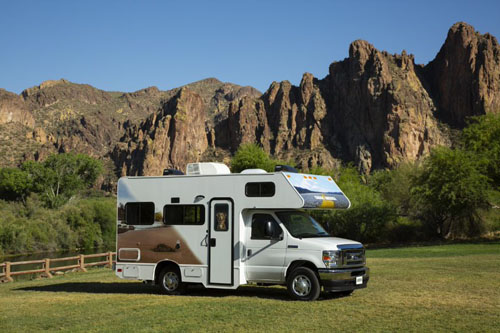
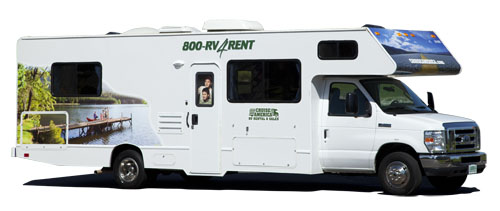
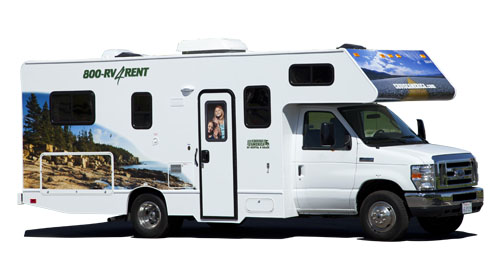
When looking for a last-minute RV rental in Canada, prioritizing availability often dictates your choice of vehicle class. If agility and easier navigation are key, a Class B camper van is an excellent option. For families or groups needing more space, Class C motorhomes offer a good balance of amenities and maneuverability. For ultimate comfort and space, Class A motorhomes provide a luxurious experience, but availability might be more challenging for spontaneous bookings. Balancing your needs with what's readily available is crucial.
Flexibility with your travel dates, even by a day or two, can significantly impact last-minute RV availability and pricing. By being open to departing or returning on slightly different days, you can capitalize on unexpected openings or more favorable rates. Basic insurance is typically included with all RV rentals, but to see prices that reflect the most comprehensive coverage, select that option during your search. This will display all relevant insurance packages, allowing you to make an informed decision about your coverage.
For tips tailored to your specific trip, talk to Bandana RV.
Pre-Trip Prep — Packing Checklist for Canada
Preparing for a last-minute RV trip in Canada, especially when dealing with potentially varied climates and activities, requires a comprehensive packing strategy. Ensuring you have the right clothing layers is essential for adapting to Canada's diverse weather conditions. This typically includes waterproof outer layers, insulating fleeces or down jackets, and breathable t-shirts for varying temperatures.
Comfortable and sturdy footwear is key for exploring; pack hiking boots for trails and comfortable shoes for general wear. Don't forget essentials like sleepwear and any personal items you can't live without. For on-board living, pack basic cooking utensils, cutlery, plates, bowls, and mugs. A portable cooler is useful for extra food storage, and don't forget dish soap and sponges for cleanup. Reusable water bottles are a must for staying hydrated on the go.
Safety and practicalities are also crucial. A well-stocked first-aid kit is indispensable. In wilderness areas, consider carrying bear spray and familiarizing yourself with its proper use. A flashlight or headlamp, a multi-tool, and an emergency roadside kit are vital for unexpected situations. Lastly, ensure you have all necessary documents: your driver's license, passport (if crossing from the US), RV rental agreement, and travel insurance documents. Keep credit cards and some Canadian cash handy for places that may not accept cards.
For tips tailored to your specific trip, talk to Bandana RV.
On the Road — Driving, Fueling, Navigation
Driving an RV in Canada requires a brief adjustment to the metric system. Speed limits are posted in kilometers per hour (km/h), and distances are measured in kilometers. Familiarize yourself with these units before you start driving to ensure compliance and safe travel.
Fuel in Canada is sold by the liter. When budgeting for fuel or estimating your range, remember that one US gallon is approximately 3.785 liters. Fuel prices vary by province but are generally comparable to, or slightly higher than, prices in the United States. It’s advisable to utilize an RV-specific GPS system, as these can account for vehicle height and weight restrictions, which are common on some routes. Always supplement your GPS with physical maps or offline digital maps, as cell service can be unreliable in many remote Canadian regions. On the routes offered through RV PLANET routes, you can itemize and track every expense along the way for easy budgeting.
For tips tailored to your specific trip, talk to Bandana RV.
At the Campground — Setup, Hookups & Etiquette
Upon arriving at your Canadian campsite, the standard RV setup procedure ensures both safety and convenience. After parking and leveling your rented RV, the typical utility hookup sequence prioritizes safety and hygiene: connect your sewer hose first, ensuring a secure and tight seal. Next, connect your fresh water, ideally using a pressure regulator to protect your RV's plumbing system from fluctuating water pressure.
Finally, connect your electrical power, confirming that the voltage compatibility matches your RV's requirements. Remember to observe campground quiet hours, which are commonly enforced from 10 PM to 7 AM, to maintain a peaceful environment for all campers. Respecting wildlife is also crucial; always secure your food and dispose of waste properly in designated receptacles. This helps prevent attracting animals to your campsite and maintains a natural balance.
For tips tailored to your specific trip, talk to Bandana RV.
Last-Minute RV Rental Specific Tips for Canada
For families embarking on a last-minute RV adventure across Canada, planning routes with shorter driving segments and incorporating stops for kid-friendly activities or necessary naps can significantly enhance the journey's smoothness. If you're budget-conscious, maximizing savings involves researching free overnight parking options, such as designated rest stops or retail parking lots (always with permission), alongside traditional campgrounds.
Seniors might find RV classes offering easier maneuverability and more accessible layouts, like smaller Class C or Class B models, to be more comfortable for spontaneous trips. Luxury seekers, even on a last-minute booking, can elevate their experience by inquiring about premium add-ons such as kitchen kits, linen packages, or unlimited generator usage to ensure maximum comfort. For ideas you can prep on the road, watch our RV-friendly recipes playlist on YouTube.
For tips tailored to your specific trip, talk to Bandana RV.
Common Mistakes to Avoid in Canada
A common pitfall for first-time RV renters in Canada is underestimating the impact of the metric system. Instead of being caught off guard, familiarize yourself with km/h for speed limits and liters for fuel measurements before hitting the road to navigate signs and pump prices smoothly.
Underestimating travel distances and times between Canadian destinations can lead to rushed trips. Always factor in extra time for spontaneous scenic stops, potential border crossings if coming from the US, and unexpected delays. Neglecting to book popular national or provincial park campgrounds in advance, even for last-minute trips, can leave you without a spot; instead, check booking sites regularly for cancellations. Assuming consistent cell service and Wi-Fi across all regions is another mistake; plan for periods of limited connectivity by downloading maps and entertainment offline.
Finally, ignoring wildlife safety guidelines, particularly in national parks, is dangerous. Always secure food, maintain a safe distance from animals, and carry bear spray if applicable, ensuring a safer experience for everyone.
For tips tailored to your specific trip, talk to Bandana RV.
How much does a last minute RV rental trip to Canada cost?
The cost of a last-minute RV rental trip to Canada varies significantly based on RV class, duration, season, and pick-up location. Your budget should account for rental fees, insurance, fuel, campground fees, activity costs, and potential hidden expenses.
Expect daily rental rates to range from approximately CAD $100 for smaller campervans to over CAD $400 for luxury Class A motorhomes. Last-minute deals might offer discounts, but demand can also drive premiums depending on availability. Fuel will be a substantial part of your budget; remember Canada sells fuel by the liter (about 3.785 liters per US gallon), and prices fluctuate by province but are generally comparable to or slightly higher than US rates. Budget for campground fees, which can range from CAD $25 for basic unserviced sites to CAD $80+ for full-hookup sites in popular national parks, plus potential activity fees.
Always account for potential hidden costs such as mileage charges, preparation fees, provincial sales taxes (GST/PST), and possible one-way drop-off fees, which can add an additional 15-25% to your base rental cost.
What are popular multi-day RV itineraries in Canada?
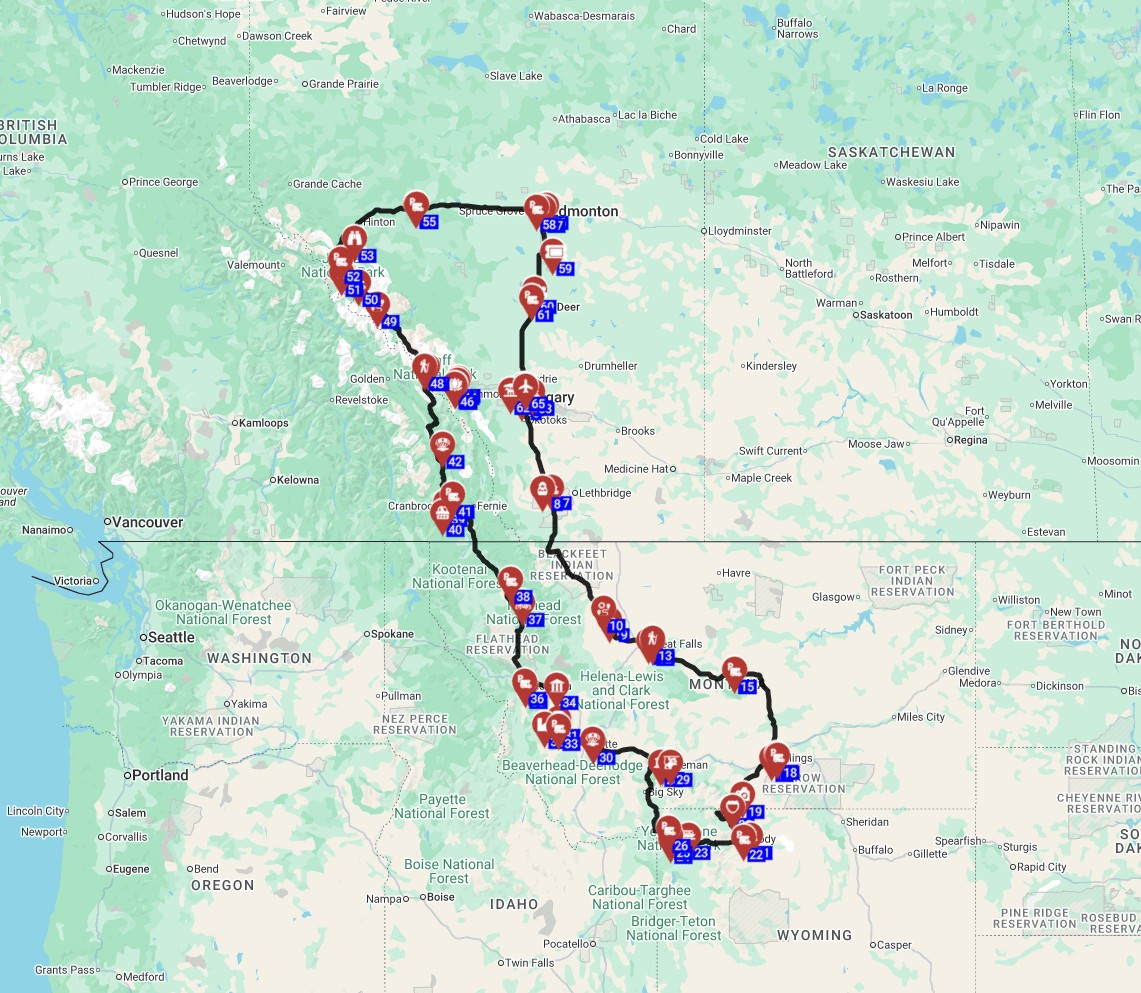
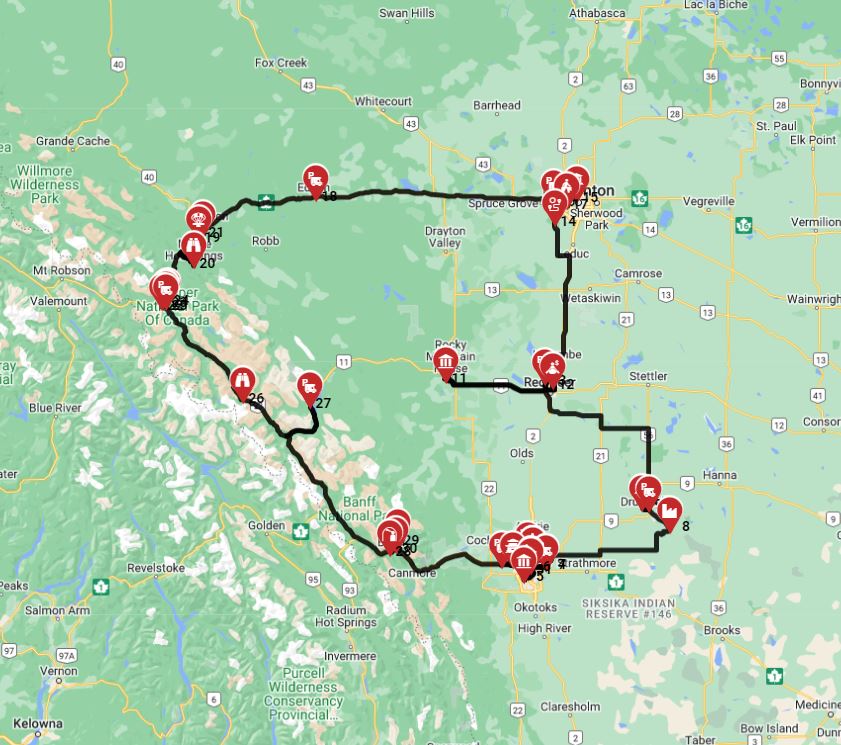
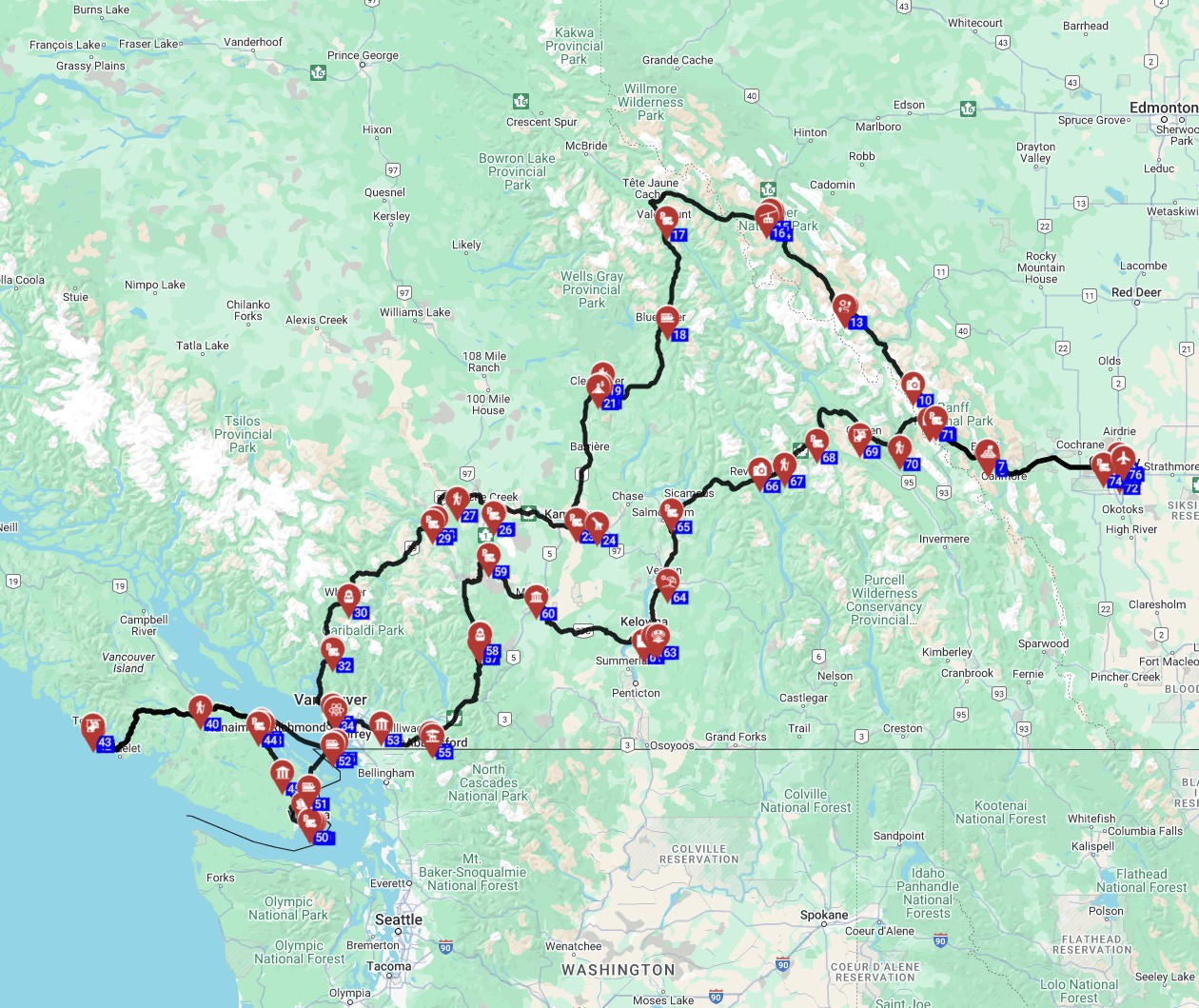
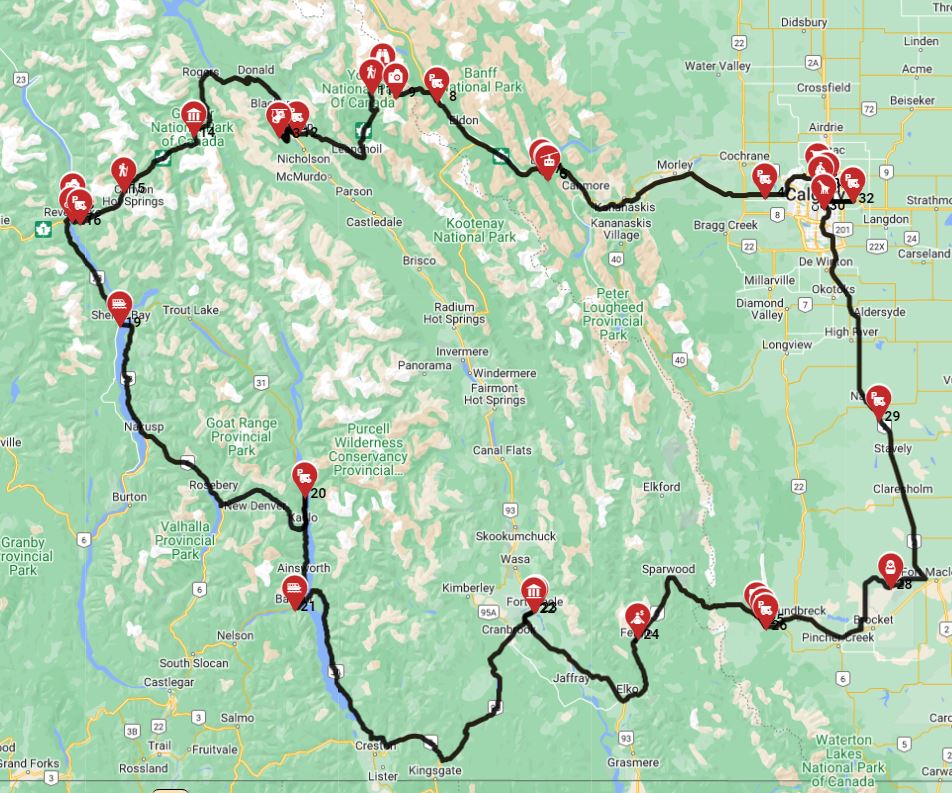
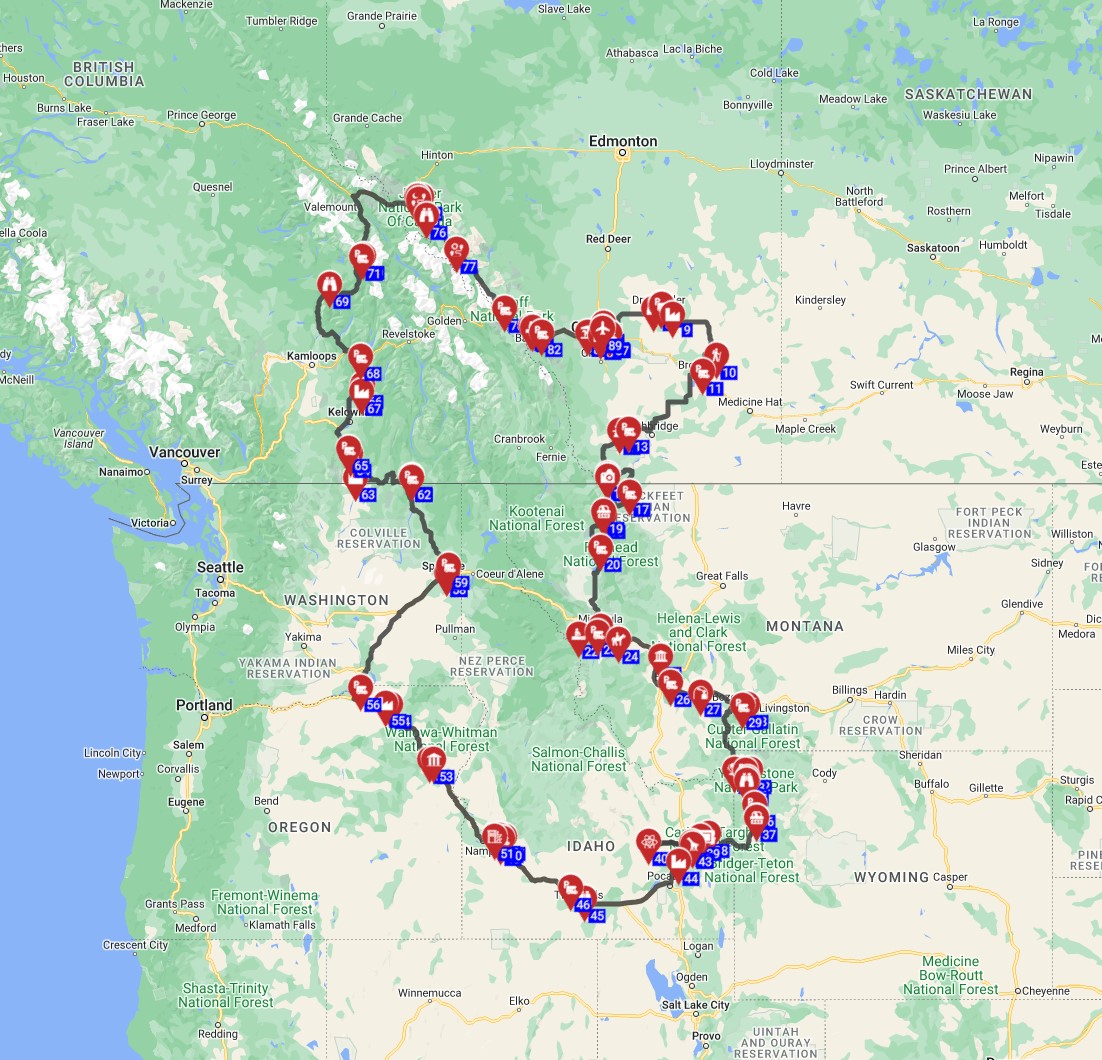
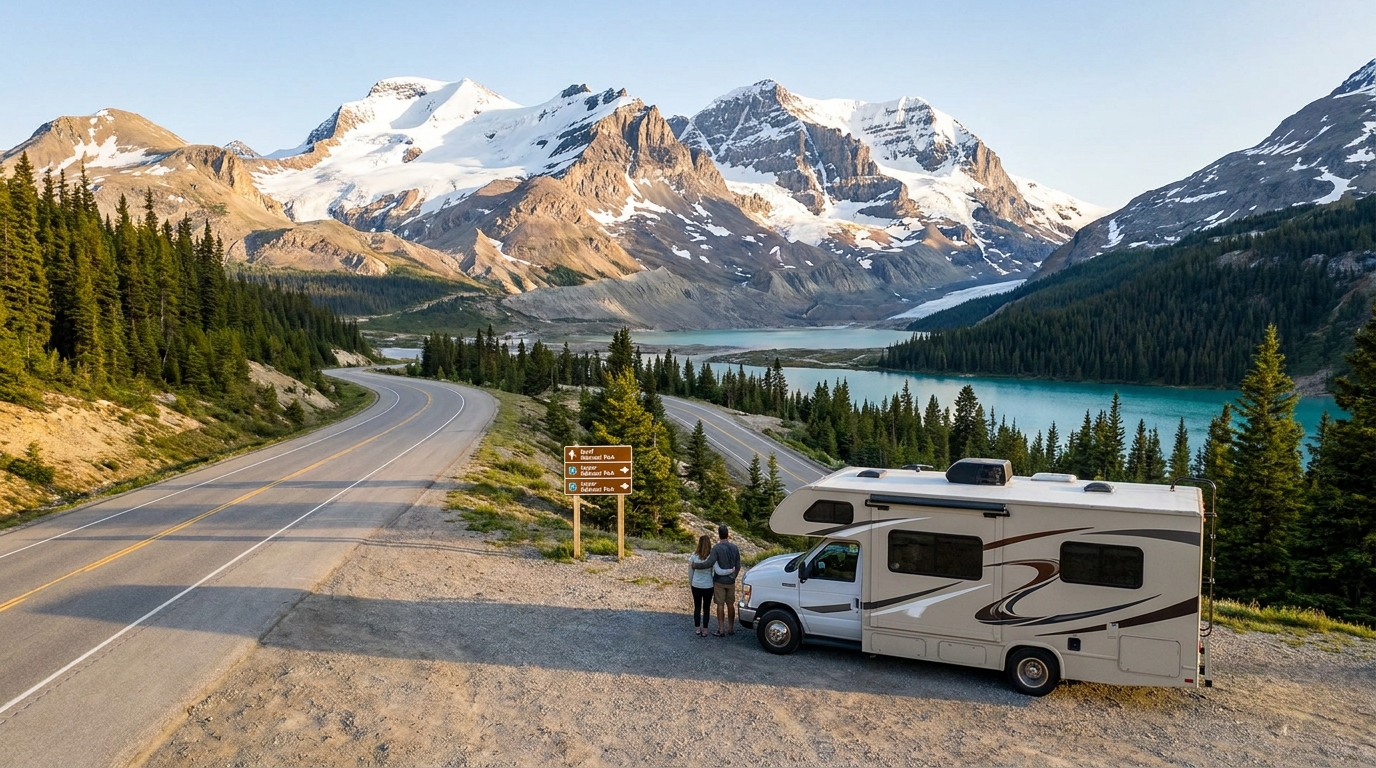
Popular multi-day RV itineraries in Canada often blend scenic drives with specific activities like hiking, cultural immersion, and culinary exploration, offering a richer experience than just following a route. For a classic Rockies adventure, consider exploring Banff and Jasper National Parks, focusing on iconic hikes like Johnston Canyon, wildlife spotting, and sampling local cuisine in Banff town.
An East Coast journey might involve a loop through Nova Scotia, New Brunswick, and Prince Edward Island, featuring lobster boils, the scenic Cabot Trail, and historical tours. For a Western Canada experience, the Pacific Rim Highway on Vancouver Island is excellent for whale watching, surfing in Tofino, exploring ancient forests, and visiting Indigenous cultural sites.
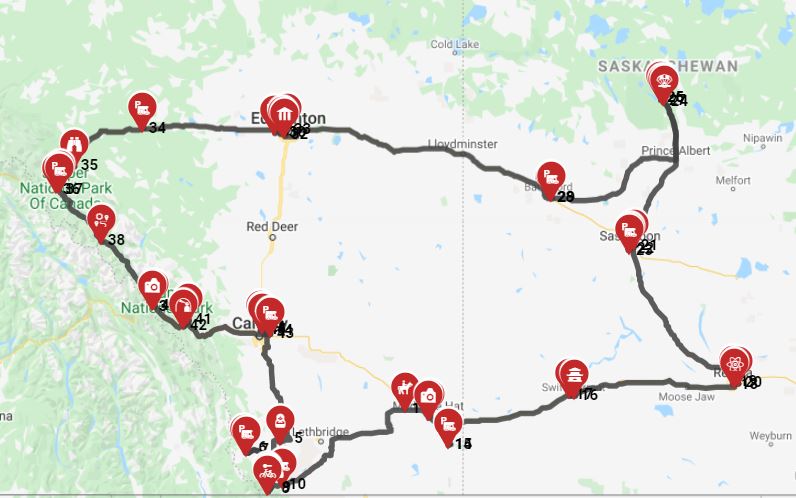
Central Canada offers routes through Ontario's Algonquin Provincial Park for canoeing and wildlife viewing, or a trip around the Great Lakes, stopping in charming small towns known for crafts and eateries. For an extensive cross-country exploration, consider the
, a 15-day, 4,886 km journey that includes experiences like visiting an aquarium, art gallery, beach, and numerous historical sites.Can you boondock an RV in Canada, and what are the rules?
Boondocking, or dispersed camping, is generally permitted on Crown land in Canada, which is public land managed by provincial or federal governments, provided you adhere to specific regulations and etiquette. It's essential to remember that these regulations vary significantly by province and territory; always consult provincial forestry or natural resources websites for specific rules regarding length of stay (often capped at 14-21 days), fire restrictions, and designated permitted zones.
Suitable boondocking locations can often be found along resource roads, in designated Crown land areas, or sometimes in municipal parking lots after checking local bylaws for overnight parking permissions. Crucial boondocking etiquette includes strictly practicing 'Leave No Trace' principles: pack out all garbage, be self-sufficient with water and waste management, and always respect the privacy of other campers and local residents. It's generally advised to avoid boondocking in national or provincial parks unless you are in designated backcountry or overflow areas, as these locations typically have strict rules against unauthorized overnight parking and may require permits.
What are key wildlife safety tips for RVing in Canada?
Key wildlife safety tips for RVing in Canada, especially in national parks and remote areas, focus on understanding animal behavior and implementing preventative measures to avoid dangerous encounters with creatures like bears, moose, and deer. Always store food and scented items securely inside your RV or in bear-proof containers, and never leave food or garbage unattended outside your campsite, as this can attract wildlife.
When hiking, make noise to avoid surprising animals, carry bear spray and know how to use it effectively, and travel in groups whenever possible for added safety. It's crucial to maintain a safe distance from all wildlife; never approach, feed, or attempt to interact with animals, even if they appear docile, as their behavior can be unpredictable. Be particularly vigilant when driving, especially at dawn and dusk, as moose and deer frequently cross roads, and collisions with these large animals can be extremely dangerous.
How reliable is cell service and Wi-Fi for RVers in remote Canada?
Cell service coverage and Wi-Fi availability for RVers exploring remote Canadian regions can be unreliable and spotty, typically being most consistent along major highways, within towns, and in popular tourist areas. Major providers like Bell, Telus, and Rogers offer the most extensive coverage, but even their networks have significant gaps in vast wilderness areas and many national parks, necessitating careful planning for connectivity.
For improved connectivity, consider purchasing a local SIM card with a Canadian plan or exploring satellite-based communication devices for emergency situations where cellular signals are nonexistent. Many campgrounds, especially private ones, offer Wi-Fi, but it can often be slow, costly, or limited to specific areas like the main office or recreation building. Best practices for staying connected include downloading maps, entertainment, and important documents offline, and always informing someone of your itinerary when traveling to remote areas without reliable service.
What are the rules for RVing with pets in Canada?
RVers traveling with pets in Canada must be aware of specific rules, including border crossing requirements and regulations concerning pet-friendly attractions and campgrounds across different provinces. When crossing the US-Canada border, pets generally need proof of current rabies vaccination; the certificate must be in English or French, and sometimes an official veterinary health certificate is required depending on the animal and origin.
Many campgrounds across Canada welcome pets, but they typically require them to be kept on a leash, prohibit them from certain areas like beaches or playgrounds, and mandate owners to clean up after them promptly. National Parks often enforce stricter pet policies, sometimes restricting pets from specific trails to protect wildlife or requiring them to remain within designated camping areas, so always check park regulations in advance. It's essential to research pet policies for specific attractions, parks, and accommodations beforehand, as rules can vary widely, and never leave pets unattended in an RV for extended periods, particularly in warm weather.
How should RVers prepare for emergencies in remote Canadian areas?
RVers should prepare for emergencies in remote Canadian areas by carrying a comprehensive emergency kit, establishing a communication plan, and knowing how to access breakdown assistance and medical services. A robust emergency kit should include essentials like extra food and water (at least 72 hours' worth), blankets, a well-stocked first-aid kit, a flashlight, spare RV parts (fuses, belts), basic tools, and tire repair supplies.
Develop a communication strategy: inform a trusted contact of your route and expected return time, carry a satellite messenger or SPOT device for areas without cell service, and ensure your cell phone is fully charged, along with a power bank. Before departing, research local emergency numbers (911 in most areas) and the contact information for your RV rental company's roadside assistance program. Familiarize yourself with the nearest towns, hospitals, or medical clinics along your planned route, and consider carrying a basic medical information card for each traveler in case of medical emergencies.
What cultural etiquette should RVers know in Canada?
RVers in Canada should be mindful of various cultural nuances and etiquette, particularly when visiting French-speaking regions or Indigenous cultural sites, to ensure respectful and positive interactions. In Quebec and other French-speaking areas, a simple greeting like 'Bonjour' or 'Bonsoir' when addressing people is highly appreciated, and attempting a few basic French phrases can significantly enhance your experience and foster goodwill.
When visiting Indigenous cultural sites or communities, always seek permission before taking photographs, dress respectfully, and adhere to any specific guidelines provided by elders or community leaders. Canadians are generally known for their politeness and respect for personal space; common courtesies include saying 'please' and 'thank you,' holding doors open, and queueing patiently. Be aware of differing social norms regarding alcohol consumption (for instance, open alcohol containers are prohibited in vehicles) and observe local customs related to public spaces and noise levels in campgrounds.
What are some off-the-beaten-path RV destinations in Canada?
Beyond the most popular tourist spots, Canada offers numerous off-the-beaten-path RV destinations and unique local experiences that provide a deeper immersion into its diverse landscapes and cultures. Consider exploring the Gaspésie Peninsula in Quebec, known for its rugged coastline, charming fishing villages, and the iconic Percé Rock, offering stunning drives and opportunities to savor fresh seafood.
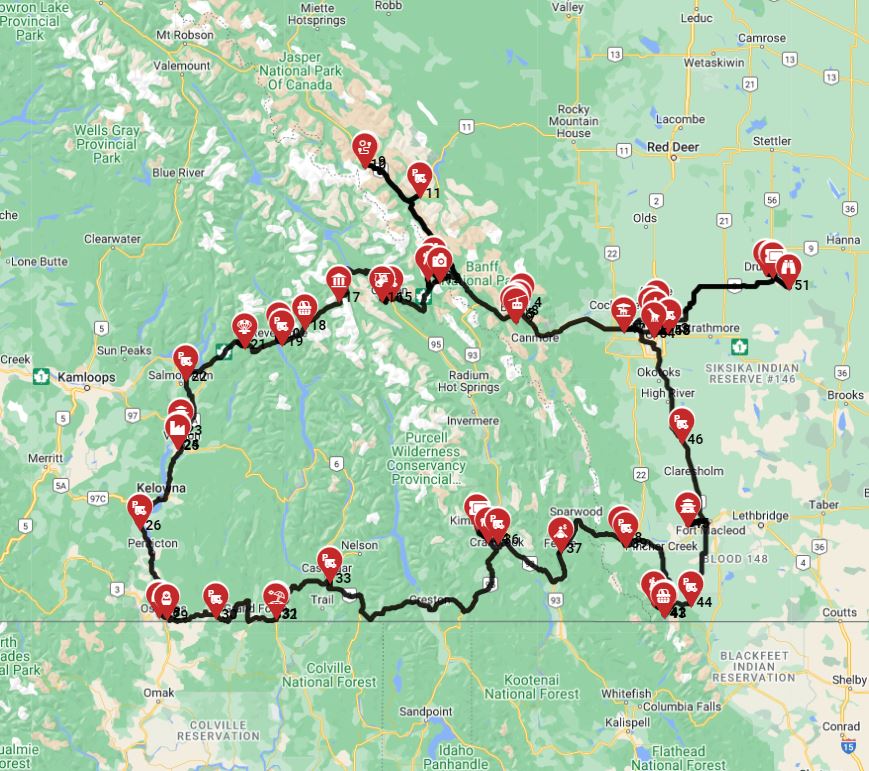
In Manitoba, Whiteshell Provincial Park presents vast forests, pristine lakes, and Canadian Shield landscapes perfect for kayaking, fishing, and hiking, often with fewer crowds than more famous parks. Drive through British Columbia's beautiful Kootenay Rockies, focusing on smaller towns like Nelson or Fernie, for access to natural hot springs, independent breweries, and world-class mountain biking. Discover Northern Ontario's vast and wild landscapes, with destinations like Lake Superior Provincial Park, offering dramatic cliffs, ancient pictographs, and remote camping experiences far from major tourist hubs.
What You Shouldn't Miss
- Explore the vast Canadian Rockies, including Banff and Jasper National Parks, for iconic hikes and breathtaking scenery.
- Drive the scenic Cabot Trail on Nova Scotia's Cape Breton Island for dramatic coastal views and charming fishing villages.
- Whale watch and surf on Vancouver Island's Tofino coast, then explore the ancient rainforests nearby.
- Discover the rugged beauty of Quebec's Gaspésie Peninsula, with its striking coastline and the famous Percé Rock.
- Experience the tranquility of Manitoba's Whiteshell Provincial Park with its countless lakes and pristine wilderness.
- Venture off the beaten path in the Kootenay Rockies of British Columbia to find natural hot springs and vibrant mountain towns.
Final Thoughts
Embarking on a last-minute RV adventure in Canada is an incredible way to experience the country's diverse landscapes and vibrant culture. While spontaneous travel often comes with its own set of challenges, being prepared and flexible can lead to an unforgettable journey. Remember to leverage resources like RV PLANET (rvplan.net) for planning your route and finding unique stops along the way.
From the majestic Rockies to the charming Maritime provinces, Canada offers endless opportunities for exploration. With a little planning and the right mindset, your last-minute RV rental can transform into the road trip of a lifetime. Embrace the freedom of the open road and discover the beauty of Canada at your own pace!