In This Guide
- Top 5 Tips for RV Rental in Alaska
- Before You Book - Class, Dates, Insurance
- Pre-Trip Prep - Packing Checklist for Alaska
- On the Road - Driving, Fueling, Navigation
- At the Campground - Setup, Hookups & Etiquette
- RV Rental-Specific Tips for Alaska
- Common Mistakes to Avoid in Alaska
- What is the 3-3-3 rule for RVs?
- What is the 4-4-4 rule for RV travel?
- Should I rent an RV in Alaska?
- What do I need to know before renting an RV?
- How much rent RV in Alaska average cost?
- Is it cheaper to rent an RV or stay in a hotel?
- What is the best time of year to RV to Alaska?
- What not to forget on an RV trip?
- What You Shouldn't Miss
- Why Book with Bandana Caravan
- Final Thoughts
- Frequently Asked Questions
An RV rental in Alaska offers unparalleled freedom to explore the Last Frontier, allowing you to immerse yourself in vast wilderness, stunning glaciers, and abundant wildlife at your own pace. With a rented motorhome, you're not just booking accommodation and transport; you're securing a mobile basecamp for adventure, enabling spontaneous detours and breathtaking overnight stays.
For live availability and current prices, start with our RV Rental Alaska - Complete Guide 2026 guide. We've helped tens of thousands of travelers craft their perfect RV vacations since 2001, providing direct partnerships with over 50 leading RV suppliers worldwide, including trusted names like El Monte and Cruise America. Our commitment to full price transparency means no hidden fees and no surprises when you embark on your Alaskan journey.
Alaska's expansive landscapes call for a well-planned, yet flexible, approach to RV travel. Whether you dream of a week-long trip through Denali National Park or an extended road trip along the coast, understanding the unique aspects of RVing here will make your adventure smoother and more enjoyable.
Top 5 Tips for RV Rental in Alaska
Navigating Alaska in a rented RV is an unforgettable experience, and these top five tips will help ensure a smooth journey. First, booking your RV rental in Alaska well in advance, especially 3-4 months before your trip, helps secure your preferred Class C motorhome or campervan and dates during the peak season from June to August. Second, embrace Alaska's unique challenges, such as vast distances between towns, variable weather, and the ever-present wildlife; these elements add to the adventure but require respect and preparation.
Third, realistically plan your itinerary to account for scenic stops and potential road conditions; traveling slowly, averaging 100-150 km per day, allows you to truly connect with the culture, food, and scenery. Fourth, budget comprehensively, extending beyond just the rental fees to include significant costs like fuel (which can be 20-40% higher than in the contiguous USA), campground fees ($20-$70 per night), and activity permits. Fifth, pack smartly with layered clothing for unpredictable weather, essential safety gear like bear spray, and provisions for limited services in remote areas. On the routes offered through RV PLANET routes, you can itemize and track every expense along the way for easy budgeting.
Before You Book - Class, Dates, Insurance
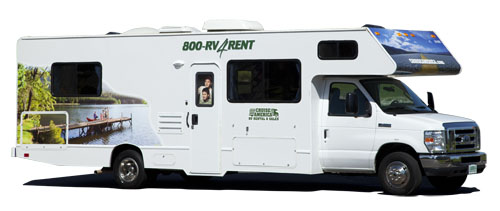
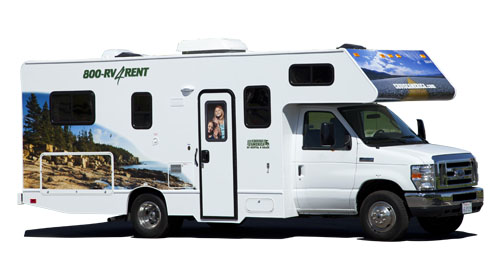
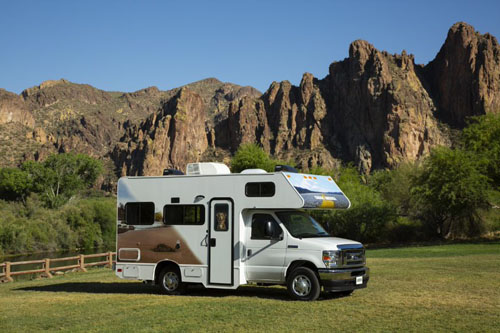
Choosing an RV class for an Alaska trip involves considering your group size, desired comfort level, and maneuverability on varying roads. For instance, a Class C motorhome like the "alaska rv rental example Category B" (ideal for 2 couples or a family of 2+2) offers a balance of space and handling, with features such as showers and toilets. Alternatively, a smaller campervan, perhaps an "Active Classic" or "Juliette Family 5" from our fleet, is perfect for couples seeking more agility and ease of parking.
Locking in rental dates several months in advance is crucial, particularly for popular summer travel in Alaska. While many national and state parks reserve only 25-30% of their spots online, leaving the rest for first-come, first-serve arrivals, popular campgrounds can still fill up. Don't stress too much- you'll find a spot; if not at the first campground, then the next one. Just call ahead before driving. For detailed pricing by duration, consult our Weekly RV Rental in Alaska - Pricing 2026 guide.
Understanding insurance options is vital for peace of mind while exploring Alaska's diverse terrain. Basic insurance is always included with your rental. To see prices including the most comprehensive coverage, select that option during your search; all relevant insurance options will then be shown. You can also upgrade to a top-level deductible for extra peace of mind, ensuring you're well-protected against the unexpected.
Pre-Trip Prep - Packing Checklist for Alaska
A comprehensive packing checklist tailored for Alaska's climate is essential to prepare for variable conditions and remote locations. Layered clothing, waterproof outerwear, and sturdy hiking boots are fundamental for any Alaskan adventure, as weather can change rapidly from sunny to rainy and cool. Even in summer, evenings can be chilly, so consider warm hats and gloves.
Essential kitchen items ensure self-sufficiency, allowing you to prepare delicious meals in your rented motorhome. A typical RV will include a gas stove, a refrigerator, and basic cooking utensils, but consider bringing specialized items for your favorite RV-friendly recipes playlist. Critical safety gear, such as bear spray (and knowing how to use it), a first-aid kit, and a whistle, addresses potential wilderness encounters. Don't forget potent insect repellent for mosquitoes and other biting insects, which can be prolific.
Important documents, including your rental agreements and identification, should be readily accessible. A standard car driver's license is sufficient for all motorhome classes (Class A, Class B, and Class C) in Alaska, and an International Driving Permit (IDP) is recommended for visitors from non-English-speaking countries, though not always mandatory. Remember that the minimum rental age is 21, with no young driver surcharges.
On the Road - Driving, Fueling, Navigation
Navigating Alaska requires awareness of unique road conditions like frost heaves, gravel sections, and long stretches between services. Drive slowly and carefully, and you can drive almost anywhere without issues. No need to stress - just use common sense and pay attention to road signs and conditions. Even large Class A motorhomes can navigate Alaskan roads with ease when driven mindfully. Always keep your headlights on, even during the day, as it significantly increases visibility for wildlife and other vehicles.
Strategic fueling is important due to fewer gas stations in remote areas; always keep your tank topped off, especially before entering areas with limited services. Prices for fuel in Alaska are generally higher than in the lower 48 states, so factor this into your daily expenses. For comprehensive budgeting and tracking all trip costs, including fuel, tolls, and campground fees, remember that RV PLANET routes allow you to itemize and track every expense along the way.
Reliance on GPS and physical maps is advisable, as cell service can be intermittent or nonexistent outside major towns. Download offline maps before you leave and consider carrying a satellite communication device for emergency situations in truly remote areas. Vigilance for wildlife, such as moose, caribou, and bears, is critical for safe driving. Reduce speed, especially at dawn and dusk, and maintain a safe distance when viewing animals. Remember, they have the right of way!
At the Campground - Setup, Hookups & Etiquette
Setting up camp in Alaska involves leveling your RV, connecting utilities, and securing your site respectfully. Always ensure your RV is level for proper function of appliances and comfort, using leveling blocks if necessary. Following the correct hookup order- sewer first, then water and electric- prevents contamination and ensures proper function of your systems.
Adhering to quiet hours, managing generator use, and practicing Leave No Trace principles are fundamental to campground etiquette in Alaska. Many campgrounds have specific rules about generator hours, typically from 8 AM to 10 AM and 4 PM to 8 PM, to maintain peace for all campers. Proper food storage and waste disposal are crucial for bear safety in Alaskan campgrounds; always use designated bear lockers or store all food and scented items inside your hard-sided RV.
For finding campsites and campgrounds during your trip, we recommend using RV PLANET (rvplan.net) - a great resource for locating available spots along your route. This is particularly helpful in Alaska, where popular areas like Denali National Park have restricted RV access beyond Savage River, requiring campers to rely on shuttle services deeper into the park.
RV Rental-Specific Tips for Alaska
Alaska offers diverse experiences for every type of RV traveler. For families, consider renting a larger Class C motorhome like the "alaska rv rental example Category C" with bunk beds and separate sleeping areas (3 double beds are often available) to accommodate children and ensure nap-friendly drives. Seniors might prefer smaller, more maneuverable Class B campervans, such as an "alaska rv rental example Paradise S/T" which often features automatic transmission and ergonomic layouts for comfortable travel with its ideal fit for a couple.
Budget travelers can explore free overnight spots, often referred to as boondocking, in designated areas on public lands, practicing self-sufficiency with waste, water, and power management. Luxury seekers, on the other hand, can opt for premium RV models with enhanced amenities and consider add-ons like extra mileage packages or a top-level deductible for greater peace of mind on their Alaskan adventure. Regardless of your style, always remember to travel slowly, max 100-150 km per day on average, to truly experience the magic of Alaska.
Consider utilizing the Alaska Marine Highway System for unique travel routes, allowing you to ferry your RV between coastal communities like Juneau and Skagway that are not connected by road. This offers a distinctive perspective of Alaska's islands and coastal landscapes. Planning a one-way RV rental in Alaska to incorporate this ferry system can open up incredible itinerary options.
Common Mistakes to Avoid in Alaska
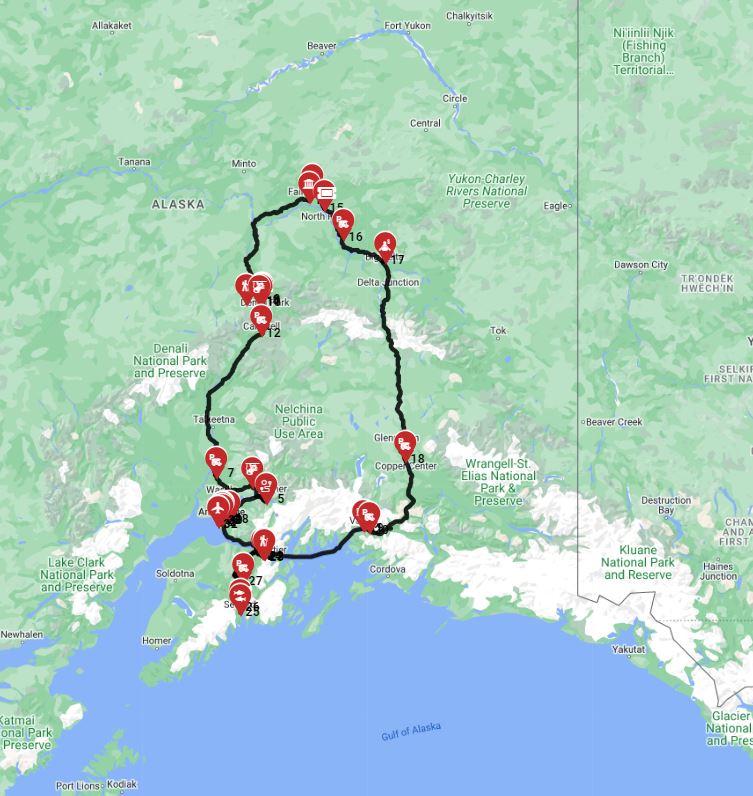
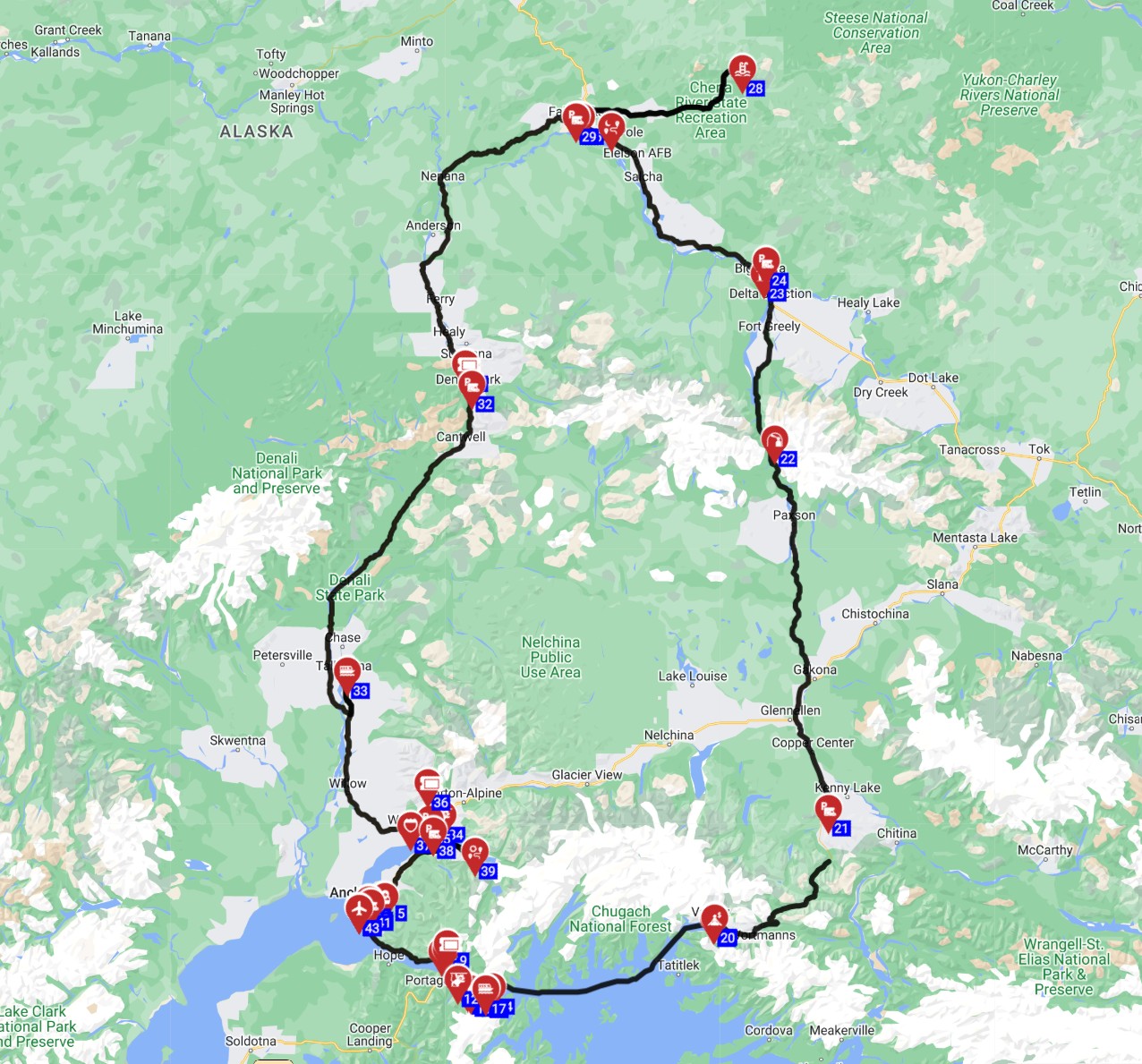
One top mistake first-time RV renters make in Alaska is underestimating distances and driving times; instead, build in extra time for scenic stops, wildlife viewing, and unexpected delays on sometimes rugged roads. For example, a route like the "
Another common error is ignoring weather forecasts; instead, prepare for rapid changes and pack layers for all conditions, even in summer. Temperatures can swing dramatically, and rain is always a possibility. Not reserving campgrounds in popular areas like Denali National Park is another pitfall; while many spots are first-come, first-serve, high-demand locations fill quickly. Booking well in advance or calling ahead for availability is always a good strategy.
Being unprepared for wildlife encounters is a serious mistake; instead, learn bear safety protocols, carry bear spray, and know how to store food safely. Over-relying on cell service for navigation and communication is also problematic; instead, download offline maps and consider a satellite messenger for remote areas. Finally, failing to understand Denali National Park's specific RV access regulations and shuttle system can lead to frustration. Private vehicles are generally restricted beyond Savage River, so plan to use park shuttles to explore deeper into the park. For more planning assistance, explore our available pre-planned routes for Alaska via RV PLANET (rvplan.net).
What is the 3-3-3 rule for RVs?
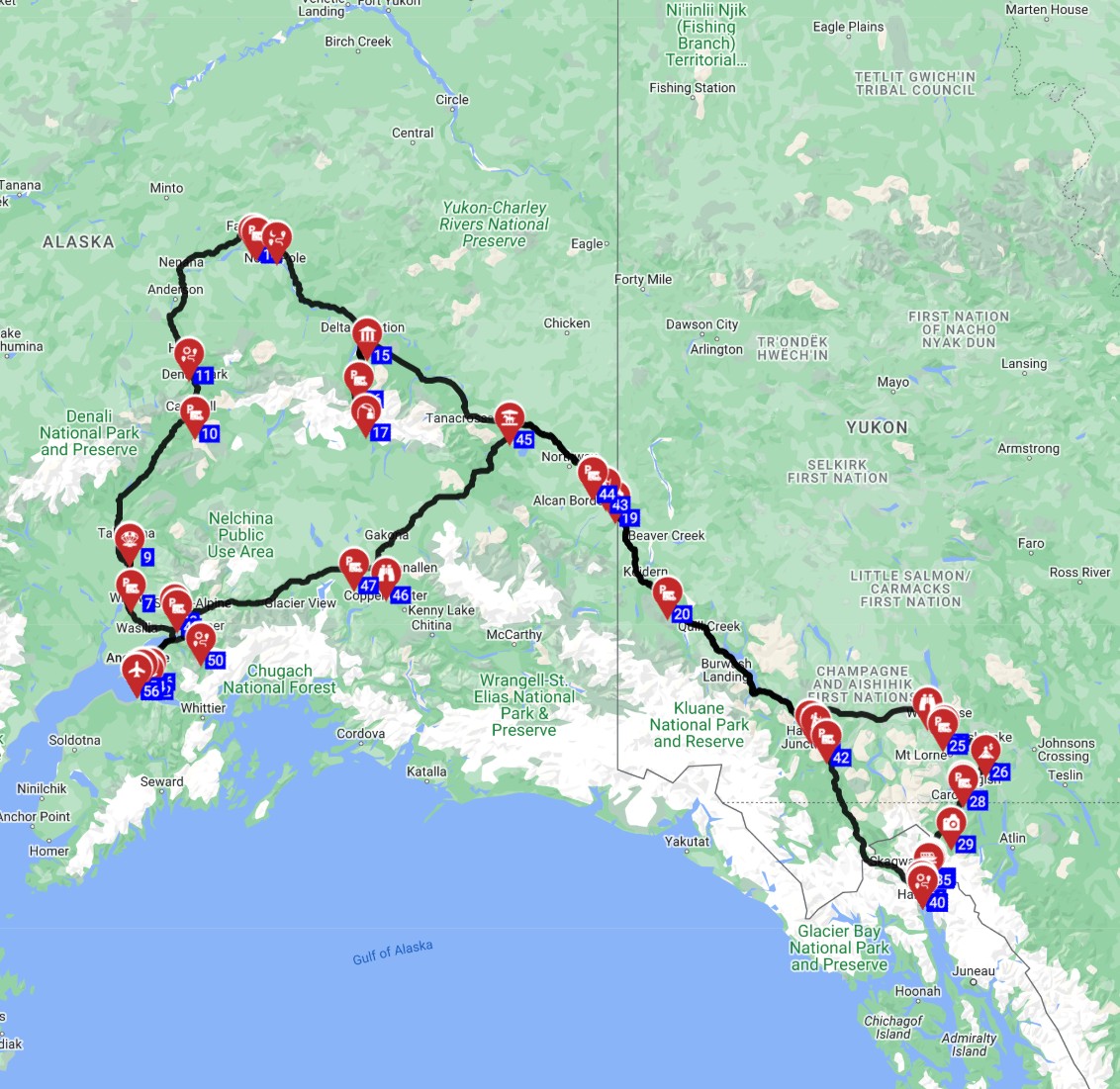
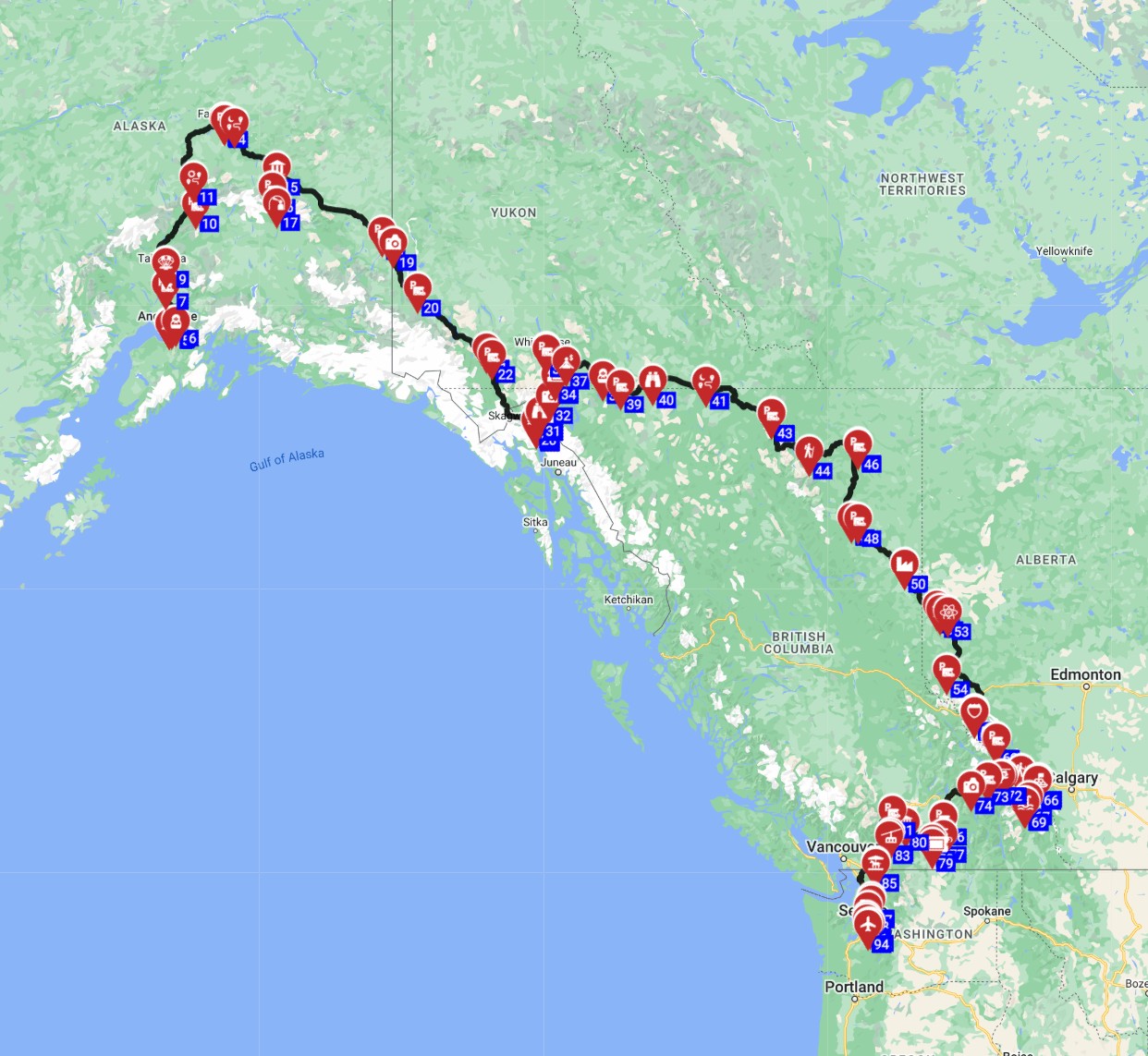
The 3-3-3 rule for RVs suggests a safe travel pace: drive no more than 300 miles (approximately 480 km) a day, arrive at your campground by 3 PM, and stay for at least 3 nights. This guideline is designed to prevent driver fatigue, allow ample time for camp setup and relaxation, and encourage deeper exploration of each destination. Adhering to the 3-3-3 rule in Alaska helps account for long stretches of road, potential wildlife delays, and the need for frequent fuel stops, especially given the expansive distances in regions like the Alaska-Yukon Discovery Trail, which spans over 3500 km.
What is the 4-4-4 rule for RV travel?
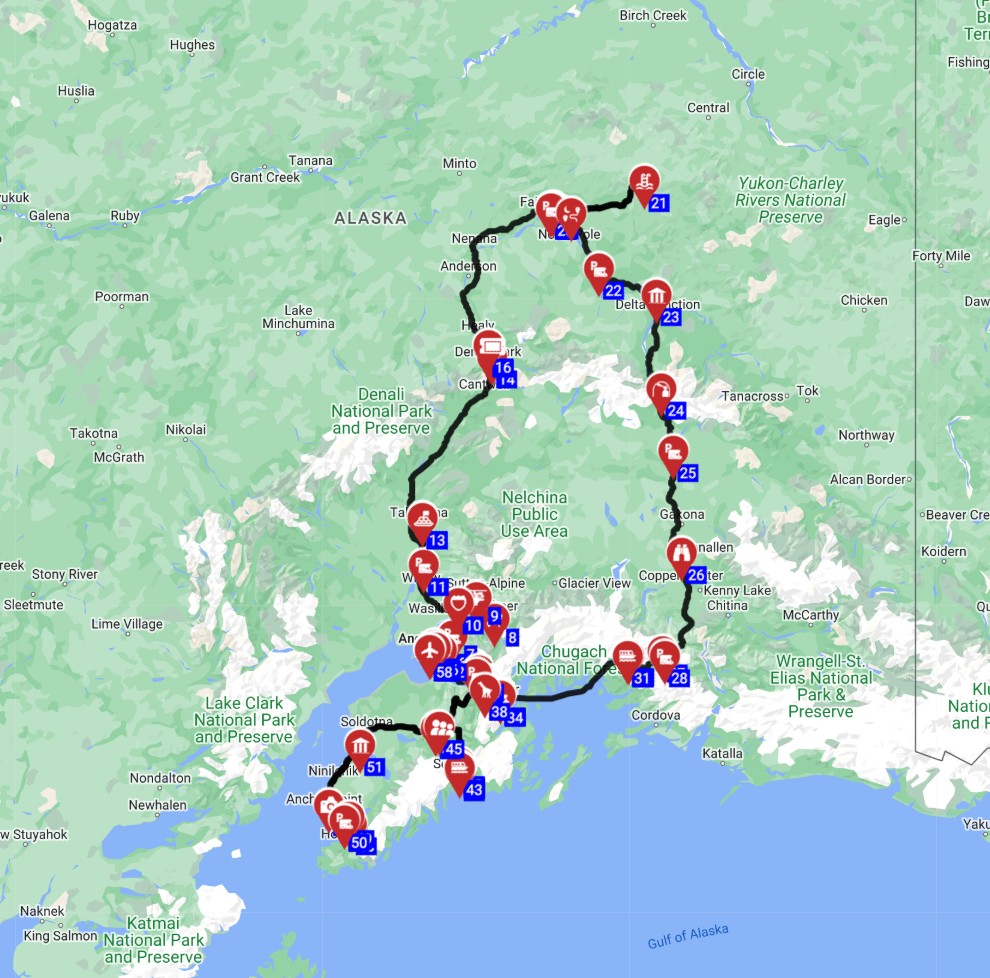
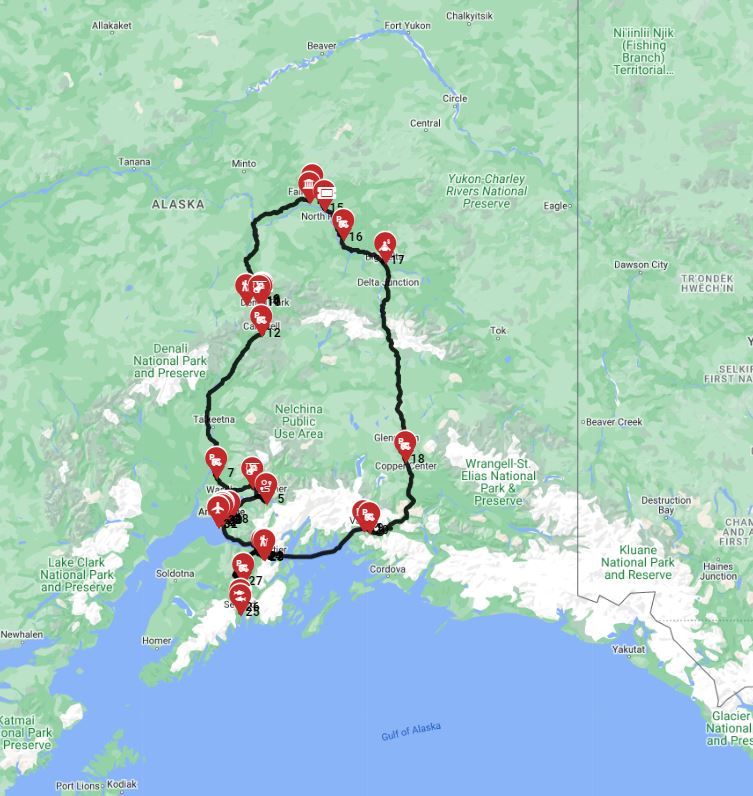
The 4-4-4 rule for RV travel is a variation of safe travel guidance, advising driving no more than 400 miles (approximately 640 km) a day, arriving by 4 PM, and staying for at least 4 nights, offering a slightly more relaxed pace than the 3-3-3 rule while still promoting rest. This approach provides more flexibility in daily mileage while still prioritizing sufficient time at each stop and adequate rest for drivers. In Alaska, the 4-4-4 rule can be beneficial for covering larger distances between major attractions, like those on the "
Should I rent an RV in Alaska?
Renting an RV in Alaska is highly recommended for travelers seeking flexibility, immersive nature experiences, and the ability to explore remote areas at their own pace. An RV provides the freedom to change plans, stop at breathtaking viewpoints, and truly soak in the vast Alaskan wilderness, with the convenience of having your accommodation and kitchen always with you. It offers a comfortable base for encountering wildlife and accessing state and national parks like Denali National Park, which has specific RV access policies.
While offering unparalleled independence, RV travel in Alaska also requires careful planning for services, road conditions, and wildlife safety. You'll need to be mindful of fuel stops in remote areas and plan for intermittent cell service. Overall, if you crave adventure and the ability to dictate your own journey, a rented motorhome or campervan is an ideal choice for exploring Alaska.
What do I need to know before renting an RV?
Before renting an RV, it's crucial to understand rental agreements, insurance options, vehicle classes, driving requirements, and the specific rules and regulations of your intended travel destinations, especially in unique environments like Alaska. You'll need to check driver's license requirements; a standard car license is sufficient for all motorhome classes, and the minimum rental age is 21. For visitors from non-English-speaking countries, an International Driving Permit (IDP) is recommended but not always mandatory.
Be aware of security deposits, mileage limits (which are often an additional cost), and any restrictions on generator usage in campgrounds. Many rental companies offer optional mileage packages and convenience kits for kitchen and bedding. Familiarize yourself with the RV's systems through a comprehensive walkthrough before departing, covering water, waste, electric, and propane; our partners like Cruise America often provide helpful instructional videos. Bandana RV, as true RV specialists, is here to provide booking support and post-booking coordination to ensure you have all the information you need.
🎬 Video coming soon
How much rent RV in Alaska average cost?
The average cost to rent an RV in Alaska can range from $150 to $400 per night, depending on the RV class (e.g., a compact campervan like the "Paradise Family 5" versus a larger Class C motorhome like the "29′ Class C Motorhome"), time of year, rental duration (week-long trips often have better daily rates than shorter ones), and included amenities. This baseline rental cost typically covers the vehicle itself, but additional expenses significantly impact the total trip budget. For current and dynamic pricing, always check our RV Rental in Alaska - Prices and Best Deals 2026 guide.
Factor in fuel costs, which can be substantial given Alaska's vast distances and higher gas prices compared to the lower 48 states; expect to pay 20-40% more per gallon. Budget for campground fees, which can range from $20 to $70 per night for federal, state, or private campgrounds. Include food budgeting, as self-catering in an RV can be more economical than restaurant dining, but grocery prices in Alaska can be higher. Consider activity permits for national parks or excursions, and optional add-ons like extra mileage packages, generator usage fees ($5 per hour is common), or a top-level deductible for peace of mind. Remember, Bandana offers full transparency on prices, so what you see is what you pay.
Is it cheaper to rent an RV or stay in a hotel?
Whether it's cheaper to rent an RV or stay in a hotel in Alaska largely depends on trip duration, group size, and travel style, with RVs often becoming more cost-effective for longer trips or larger groups, especially when considering self-catering. An RV combines accommodation and transportation costs, potentially saving money on car rentals and multiple hotel rooms, particularly for a family of 4-6 people.
However, RVs incur additional expenses such as fuel, campground fees, and propane for cooking and heating, which are not typically part of a hotel stay. For shorter, week-long trips or solo travelers, hotels might be simpler and more comparable in cost. For extended family adventures of a week or more, an RV often provides better value, greater flexibility, and the unique experience of a mobile home exploring the Alaskan wilderness. Our detailed RV Rental Deals in Alaska - Latest Offers 2026 can help you compare costs effectively, and with RV PLANET routes, you can itemize and track every trip expense for easy budgeting.
What is the best time of year to RV to Alaska?
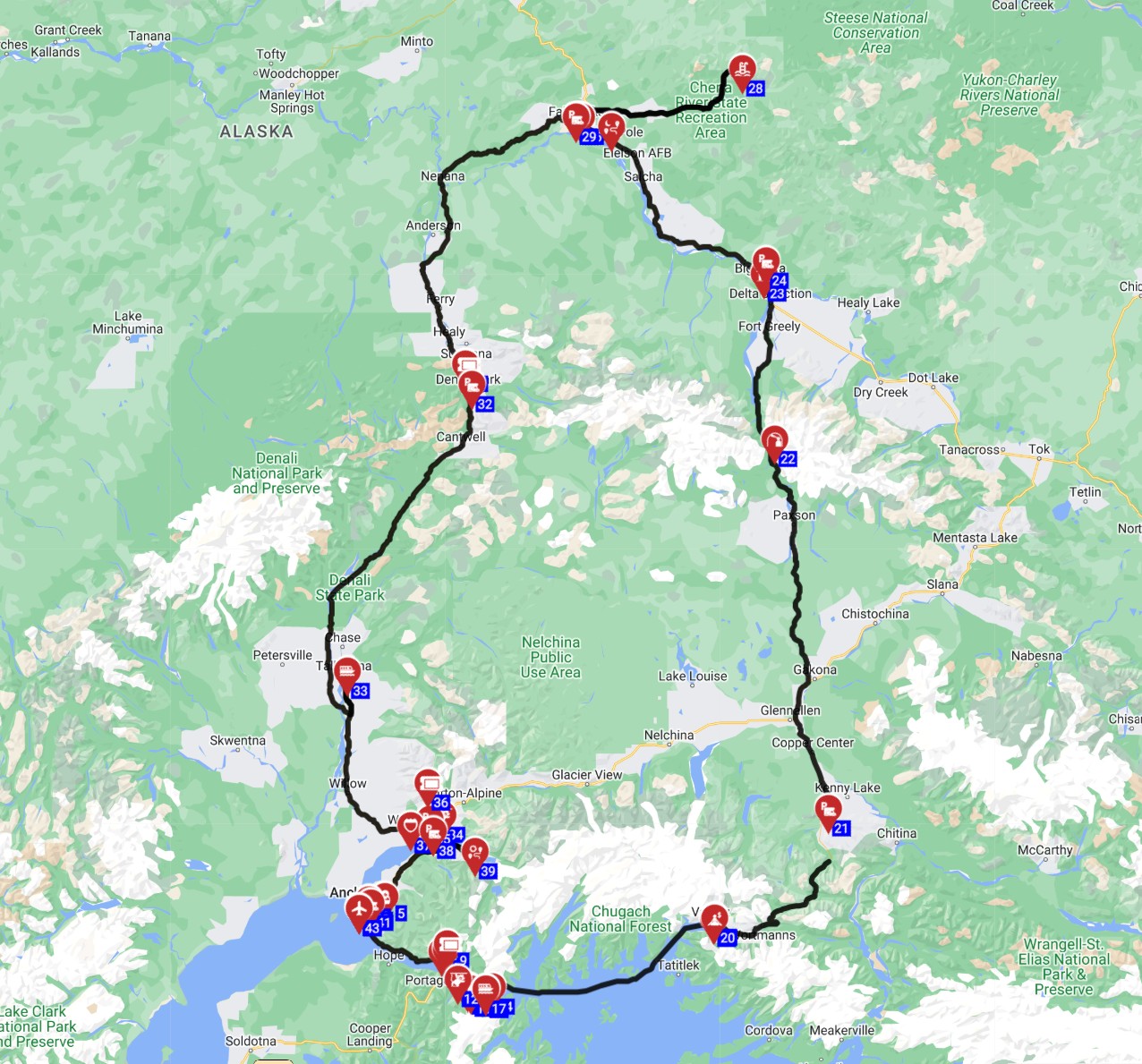
The best time of year to RV to Alaska is typically from late May through early September, as this period offers the warmest weather, longest daylight hours, and most accessible attractions and campgrounds. Peak season, from mid-June to mid-August, provides the most consistent mild weather, with average daily temperatures around 15-20°C, and nearly 24-hour daylight in northern regions, perfect for maximizing exploration time across a 2-week adventure. During this time, you can comfortably explore routes like the
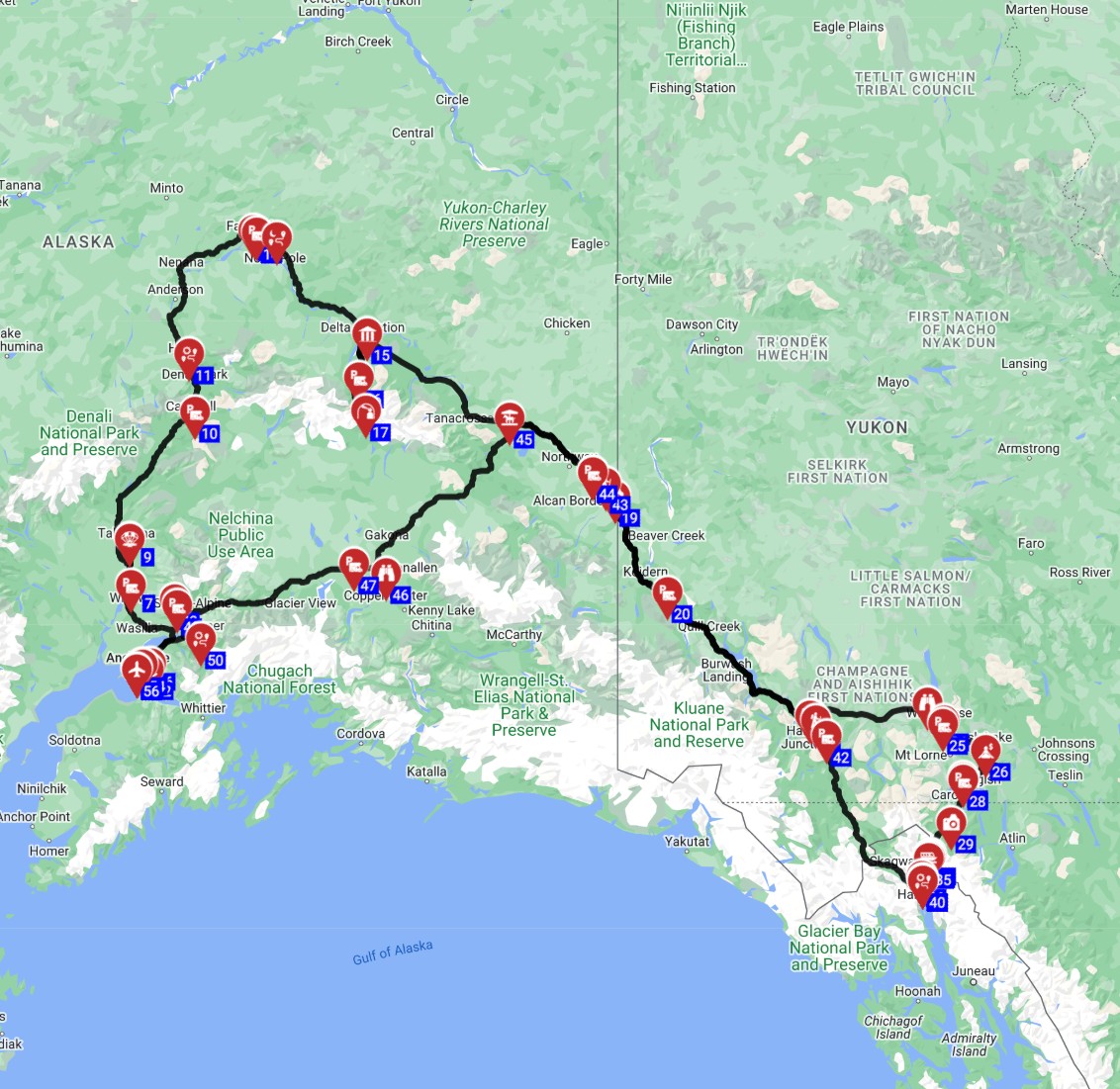
Shoulder seasons (late May/early June and late August/early September) can offer fewer crowds, lower prices, and excellent opportunities for wildlife viewing, albeit with cooler temperatures and shorter daylight. Consider specific interests like fishing, hiking, or northern lights viewing, as these can influence the ideal travel window; the northern lights are best viewed from late August through April. Many campgrounds, especially those with 80+ sites in state parks, remain open through September, offering great off-peak experiences.
What not to forget on an RV trip?
Beyond standard travel essentials, an RV trip in Alaska requires remembering specific items like leveling blocks for uneven campsites, hookup hoses for water and sewer, and Alaska-specific gear such as bear spray, powerful bug repellent, and layers for varied weather. A comprehensive first-aid kit is crucial, as are emergency tools for minor roadside repairs. Given potential road conditions like frost heaves, having a basic toolkit can save time and stress.
For Alaska, don't forget quality blackout curtains or eye masks to manage sleep during nearly 24-hour daylight in summer. Binoculars are a must for wildlife viewing, and a cooler can be handy for overflow groceries, especially if you plan to stock up in larger cities. Consider a satellite communication device for areas with limited cell service, and always carry physical maps as a backup to GPS. Additionally, if traveling with pets, ensure you have their vaccination records and are aware of any park-specific pet regulations to avoid issues.
What You Shouldn't Miss
- Drive the Seward Highway: This 200 km (125 miles) stretch from Anchorage to Seward is a designated National Scenic Byway, offering stunning views of Turnagain Arm, glaciers, and wildlife. Look for beluga whales, Dall sheep, and eagles along the route.
- Explore Denali National Park: While private RV access is limited to the first 24 km (15 miles) of the park road, the internal shuttle bus system provides access to deeper wilderness, offering unparalleled views of Denali and opportunities for wildlife sightings. Consider securing a campground reservation well in advance.
- Take an Alaska Marine Highway Ferry: Experience a unique "road trip by sea" by ferrying your RV between coastal towns like Juneau, Skagway, or Valdez. This offers breathtaking fjord views and access to areas unreachable by road.
- Visit Kenai Fjords National Park: Take a scenic boat tour from Seward to see tidewater glaciers, marine wildlife like orcas and puffins, and the stunning Exit Glacier, which is accessible via a short hike from your RV.
- Experience the Midnight Sun: During summer, especially in interior and northern Alaska, the sun barely sets. Embrace the long daylight hours for extended hiking, fishing, or simply enjoying the perpetual twilight. Be sure your RV has good blackout blinds!
- Discover the Gold Rush History in Skagway: Immerse yourself in the Klondike Gold Rush era with a visit to Skagway. Drive your RV to this charming town and consider a ride on the White Pass and Yukon Route railway for a step back in time.
Looking for expert insights from Avi Bandana? Top 5 Adventures - recommendations from Avi Bandana
Avi Bandana, our founder, has explored Alaska extensively in a motorhome. His top recommendation is to combine a land-based RV tour with a segment on the Alaska Marine Highway System. "This allows you to see both the vast interior and the stunning coastal fjords, giving you a complete picture of Alaska's diverse beauty. Don't rush; take a two-week trip, travel slowly, and immerse yourself in the local experiences. And always have good binoculars ready for wildlife!" he advises.
Final Thoughts
Exploring Alaska in a rented RV is an adventure unlike any other, promising freedom, breathtaking scenery, and unforgettable encounters with nature. With a little preparation and the right mindset, you'll find yourself navigating stunning landscapes with confidence and ease. Remember, the journey is just as important as the destination, so take your time, savor every moment, and let the spirit of the Last Frontier guide your way.
Whether you're planning a two-week adventure or an extended road trip, Bandana RV is here to support you with full transparency, expert advice, and a wide selection of motorhomes and campervans. Get inspired for your next trip! Start planning your Alaskan RV rental today and discover the magic that awaits.
Find RV Rentals in Alaska and begin your incredible journey into the wild heart of the USA.