In This Guide
- What last minute rv rental RV Rental Costs in Greece (CurrentYear)
- Seasonal Pricing - Peak vs. Shoulder vs. Off-Season in Greece
- What's Included vs. What's an Add-On
- Hidden Costs to Budget For in Greece
- How to Save on last minute rv rental RV Rental in Greece
- Is it cheap to rent an RV in Greece?
- What are the rules for wild camping in Greece?
- How safe is it to drive an RV in Greece?
- Can you take a motorhome on a ferry in Greece?
- What are the rules for driving an RV in Europe?
- Where can I dump grey water in Greece?
- Is it worth driving a motorhome in Greece?
Greece, a land of ancient wonders, stunning coastlines, and vibrant culture, offers an incredible experience for those exploring by a rented RV. Imagine the freedom of waking up to a different Aegean view each day, or parking your comfortable home-on-wheels near an ancient ruin. A last minute rv rental in Greece offers unparalleled flexibility for your adventure. For live availability and current prices, start with our RV Rental Greece - Complete Guide 2026 guide.
What last minute rv rental RV Rental Costs in Greece (CurrentYear)
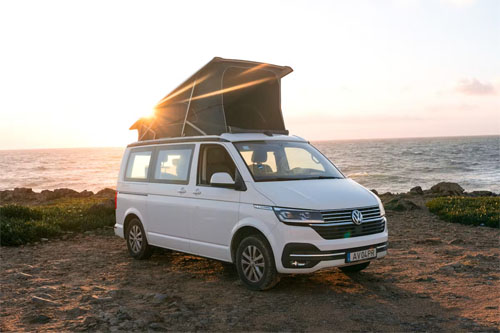
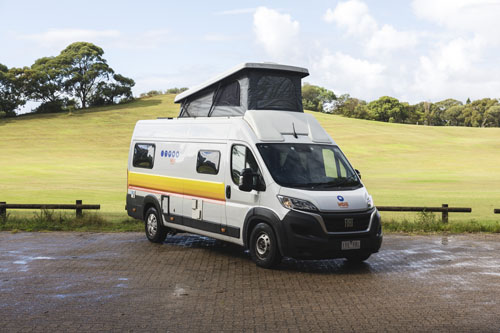
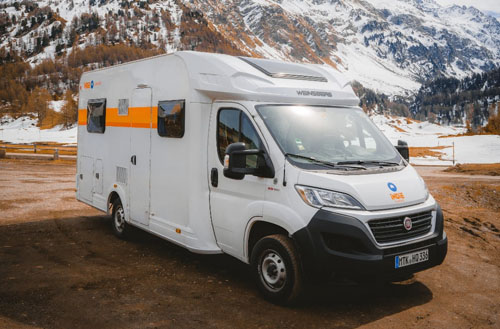
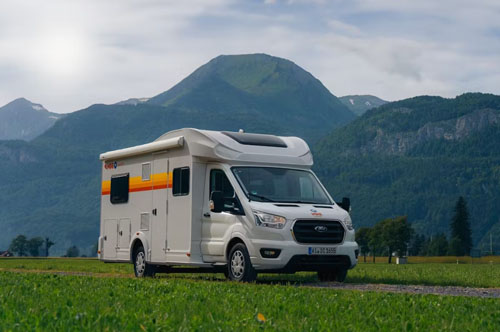
Last minute rv rental costs in Greece are dynamic, changing daily based on factors like seasonality, availability, and supplier promotions, much like flight tickets. For example, a compact campervan like the "Category Van" might average €70-€120 per day in April, which is typically the cheapest month, but could rise to €180-€250+ in July. Larger motorhomes, such as a 6-berth "Group G" Class C motorhome ideal for families, can range from €150-€250 per day in the shoulder season to €350-€450+ during peak summer. Prices are always finalized at the actual booking time, reflecting current market conditions.
For couples, a compact campervan or Class B motorhome like the "Active Classic" or "Duo" offers a balance of comfort and maneuverability, with typical costs ranging from €80-€200 per day. Families with kids, on the other hand, might prefer a spacious Class C motorhome such as the "MHC28" or "Group E", which can accommodate 6-7 people and offer features like bunk beds and larger living areas. These typically command higher daily rates, from €150-€350, due to their size and amenities, but offer significant savings on accommodation and dining compared to traditional hotel stays for a large family. We provide full price transparency, so what you see is what you pay, with no surprise fees at pickup.
Seasonal Pricing - Peak vs. Shoulder vs. Off-Season in Greece
RV rental prices in Greece fluctuate dramatically throughout the year, with significant changes across seasons that savvy travelers can leverage. Peak season, spanning July and August, generally sees the highest daily rental rates, often up to 50-70% higher than off-season prices, with daily price changes based on limited availability and high demand. For example, a "Category Medium" motorhome might cost €280 per day in August compared to €120 in April.
Shoulder seasons, which include May-June and September-October, offer an excellent balance of pleasant weather, fewer crowds, and more moderate rental prices, often 20-30% lower than peak season. These periods are ideal for exploring sites like the ancient ruins of Delphi or the monasteries of Meteora without the intense summer heat or tourist throngs. Off-season, from November to April (excluding major holidays like Easter), typically provides the lowest rental rates, with April often being the cheapest month for a last minute rv rental in Greece. While some smaller campsites or ferry services might have reduced schedules, the tranquility and cost savings can make it a very appealing time for a week-long RV adventure, especially for those interested in a "Week-Long RV Driving Tour in Greece 2026" without the summer rush.
What's Included vs. What's an Add-On
What's included in an RV rental in Greece varies significantly by vehicle type and rental supplier, so it's essential to confirm specifics during the booking process. Basic insurance is universally included, providing fundamental coverage, but comprehensive insurance options with top-level deductible reimbursement are typically available as optional upgrades for extra peace of mind. Many suppliers on our platform, including prominent partners like Apollo and Britz, clearly list what is covered.
Common add-ons for a rented motorhome frequently include additional mileage packages beyond a standard daily allowance (e.g., 100-200 km/day), generator usage fees for some Class A motorhomes, and essential kits like kitchenware (pots, pans, utensils) and bedding/linen kits. Some smaller campervans, like the "Active Small," might offer more minimalist inclusions, whereas a larger "Motorhome MC6 Gold" would come with a more extensive base package. Our platform allows you to compare options with or without kitchen utensils, tableware, and bedding directly in the search results, ensuring full transparency in your choices. You can also look for models that list features like a refrigerator (e.g., the "cruise america rv rental example Explorer" includes a 90-liter refrigerator) or shower facilities, directly within the vehicle description.
Hidden Costs to Budget For in Greece
Beyond the advertised rental fee, travelers must budget for several ancillary costs when enjoying a last minute rv rental in Greece to avoid surprises. Tolls are prevalent on major Greek motorways, such as the Egnatia Odos, and can quickly add up, often requiring cash payment or specific electronic transponders that some rental partners offer as a pre-purchase option. A roughly 100 km stretch can cost €5-€10 in tolls. On the routes offered through RV PLANET routes, you can itemize and track every expense along the way for easy budgeting.
Campsite fees vary significantly by location and season, ranging from €15-€40 per night for a basic pitch to €50-€80+ for premium spots with electricity and full amenities in popular coastal areas during peak season. Fuel costs are a significant expense, as a Class C motorhome like the "Cruise America Explorer" might consume 11 liters per 100 km, and diesel prices in Greece typically hover around €1.70-€2.00 per liter. LPG (autogas) refill costs also need consideration if your rented RV uses it for appliances. Dump station charges are generally integrated into campsite fees, but dedicated service points might charge €5-€15. For those looking for pre-planned routes and the ability to itemize and track every expense along the way for easy budgeting, RV PLANET routes are an invaluable resource.
How to Save on last minute rv rental RV Rental in Greece
Saving on a last minute rv rental in Greece is very achievable through strategic planning and embracing flexibility. One of the most impactful ways to reduce costs is by booking during the shoulder or off-season, where daily rates can be 20-40% lower; for instance, a "Combi Van" might be €80/day in May versus €150/day in August. Traveling in a smaller RV class, such as a compact campervan like the "Category Van" with features like "RV size - Small" and "Ideal for a couple," can significantly reduce both rental fees and fuel consumption, as it typically uses less fuel than a larger Class C. A standard driver's license is sufficient for all motorhomes, so no need for additional training or costs.
Opting for longer rental durations, such as a two-week adventure instead of a single week, often translates to a better daily rate. Pre-paying tolls, seeking campsites that offer discount cards, and cooking more meals in your RV's kitchen (check out our RV-friendly recipes playlist for inspiration!) can also substantially reduce overall trip expenses. Monitoring flex-rate drops, especially for spontaneous travelers, can sometimes lead to advantageous last-minute deals. If you're considering a longer journey, our "One-Way RV Driving in Greece - Route Planner 2026" guide can help you find options with potential savings on return fees.
Is it cheap to rent an RV in Greece?
Renting an RV in Greece can indeed be a relatively affordable way to explore the country, especially when compared to the cumulative costs of separate hotel bookings, car rentals, and dining out for a week-long trip. The perception of "cheap" is subjective, but with daily rental rates for smaller campervans starting around €70-€100 in the off-peak season, it offers excellent value. A 2-berth "Duo" campervan provides a compact living space (140/190cm bed) and basic amenities like a 65-liter fridge and toilet for an economical price.
By implementing cost-saving strategies such as self-catering using your RV's kitchen facilities, choosing economical campsites over luxury resorts, and traveling during the shoulder seasons (May, June, September, October), an RV trip can easily become a budget-friendly adventure. While initial rental prices for Class A or larger Class C motorhomes, like a "MHC30" designed for 9 people with a 46kg gas bottle, might appear higher, the flexibility to cover both accommodation and transport for a group makes the overall cost highly competitive. Compare final prices across our suppliers on Bandana Caravan to see what you pay, with no surprise fees.
What are the rules for wild camping in Greece?
Wild camping, often referred to as free camping, is generally illegal in Greece by national law since 1977, carrying potential fines up to €300 per person and vehicle. However, a significant 'grey area' of local tolerance exists in very remote and non-touristy regions, particularly away from organized campsites and protected sites, provided campers remain discreet and respectful. Authorities are more lenient with self-contained motorhomes, which include facilities like a shower and toilet, when parked for a night in less conspicuous locations, leaving no trace.
Strict enforcement is common in popular tourist hotspots, designated wildlife areas, and national parks, where fines are rigorously applied. For finding appropriate, discreet spots, many RVers rely on community-driven mobile applications like Park4Night and iOverlander, which provide user-submitted locations, reviews, and tips on local acceptance. When considering such an option, always prioritize safety by choosing well-lit areas, respecting local customs, avoiding private land, and being prepared for minimal services. The fundamental rule is always to practice 'leave no trace' principles: pack out all trash, avoid disturbing nature, and ensure no evidence of your stay remains, preserving Greece's pristine landscapes.
How safe is it to drive an RV in Greece?
Driving a rented RV in Greece can be a safe and profoundly rewarding experience, provided drivers are well-prepared for the country's unique road conditions and local driving customs. Greek roads can present challenges such as extremely narrow village streets, particularly in older towns, and winding mountain passes with sharp bends that demand careful navigation. For instance, a larger Class C motorhome like the "Explorer" (7.1m length) will require more vigilance than a compact "Category Van" (small RV size) on these routes.
Greek drivers can be assertive; defensive driving and an awareness of local habits, such as using the hard shoulder to allow faster traffic to pass, are advisable. Road signage is generally good, often bilingual in Greek and English, but a reliable GPS navigation system is highly recommended for micro-navigation in less familiar or rural areas. It’s also wise to research unofficial dirt tracks leading to remote beaches, as these might not be suitable for all RV sizes. Remember to drive slowly and carefully, and you can drive almost anywhere without issues. No need to stress - just use common sense and pay attention. For more specific advice, consult our "Driving an RV in Greece - Complete Guide 2026".
Can you take a motorhome on a ferry in Greece?
Yes, motorhomes and campervans can absolutely be taken on ferries to access Greece's numerous islands and connect various mainland regions, offering a unique way to explore the archipelago. However, this aspect of your trip requires meticulous planning, often advanced booking, and careful budgeting due to the substantial and complex costs involved. Ferry tickets for RVs are typically calculated not just by the number of passengers but predominantly by the vehicle's total length and height, including any roof-mounted equipment or bicycle racks.
For example, a 7-meter long Class C motorhome like the "MHC24" might incur a vehicle fare that is more than double that of a standard car, sometimes even exceeding the combined passenger fares for two people. It is crucial to accurately measure your rented motorhome (e.g., 7.15m length of a "MIC" motorhome) and provide precise dimensions during booking to avoid issues or additional charges at the port. Booking well in advance, especially for popular routes to islands like Crete or Santorini during peak season, is highly recommended to secure a spot and potentially better rates. Boarding procedures involve arriving at the port early, following specific lane assignments for vehicles, and being prepared to navigate tight spaces on the ferry deck. Opting for larger, more stable vessels, if available, can also make for a more comfortable crossing with a bigger RV. Don't forget that one-way rentals are available with most suppliers, which can be useful when planning your ferry routes.
What are the rules for driving an RV in Europe?
While general European driving rules apply, driving a rented RV in Greece involves specific regulations that travelers should be aware of to ensure a smooth journey. Speed limits for RVs are often lower than for standard cars, typically 90 km/h on motorways and 50 km/h in urban areas, so always observe local signage carefully. Greece operates a comprehensive electronic toll system on its major motorways; understanding how to pay (cash, credit card, or potentially a pre-purchased electronic transponder from your supplier) is crucial to avoid fines.
Mandatory equipment to carry in your RV in Greece typically includes a warning triangle, a first-aid kit, and a reflective safety vest for each occupant, which should be readily accessible. While environmental zones (LEZs) are less common for RVs in Greece compared to some other major European cities, it's always wise to check for any city-specific restrictions if you plan to drive into urban centers like Athens or Thessaloniki. Parking a larger RV, such as a "MH-A" Class A motorhome with a length of 8.8m, can be challenging in crowded towns and cities; always adhere to designated parking areas and avoid obstructing traffic or scenic views. Drive slowly, a maximum of 100-150 km per day on average, to truly connect with the culture, food, and scenery.
Where can I dump grey water in Greece?
Designated grey and black water dump points in Greece are primarily found at official campsites, which remain the most reliable and legal places for responsible waste disposal. Unlike some other European countries, dedicated public sani-stations outside of campgrounds are less common, making planning for waste disposal crucial for RV travelers.
Mobile applications like Park4Night and iOverlander are invaluable resources for locating user-submitted dump points, water refill stations, and LPG (autogas) stations across Greece, often providing coordinates and recent reviews from fellow RVers. Some larger petrol stations or truck stops on major routes might have facilities, but it's not guaranteed, so always inquire beforehand. Responsible disposal is paramount: never dump grey or black water directly into natural environments, as it is illegal, environmentally damaging, and disrespectful to Greece's pristine landscapes and local communities. Always plan your route with an awareness of available facilities, especially when opting for a spontaneous last minute rv trip, to ensure you can responsibly empty tanks before they overflow. For finding campsites and campgrounds during your trip, we recommend using RV PLANET (rvplan.net) - a great resource for locating available spots along your route.
Is it worth driving a motorhome in Greece?
Driving a rented motorhome or campervan in Greece is overwhelmingly worth it for travelers seeking unparalleled freedom, the ability to explore diverse landscapes at their own pace, and a unique, immersive cultural experience. The primary advantages include the flexibility to change itineraries spontaneously, allowing you to chase a beautiful sunset or linger longer at a charming village. You can access remote beaches and archaeological sites that are often inaccessible by public transport, making your journey truly bespoke. Plus, the self-sufficiency to cook your meals (think fresh Greek produce!) and sleep comfortably wherever you legally park transforms the travel experience. A campervan like the "Category Van" offers compact convenience, while a "Euro Deluxe" motorhome (a large RV size with 3 double beds) provides ample space for a bigger family or group of friends.
While challenges exist, such as navigating narrow roads (as discussed in "How safe is it to drive an RV in Greece?") or understanding the ferry logistics for RVs, these are often outweighed by the benefits of a personalized journey. An RV trip allows for deeper cultural immersion by enabling stays in smaller villages and supporting local businesses directly, enhancing the travel experience beyond typical tourist routes. It provides a comfortable 'home on wheels,' which can be particularly appealing for families or those who prefer not to constantly pack and unpack. Ultimately, for adventurers valuing independence and exploration, a motorhome journey through Greece offers a profoundly memorable and rewarding way to discover its ancient history and breathtaking natural beauty. We encourage slow travel, max 100-150 km per day on average, to take time to feel the place, connect to the culture, the food, and the scenery.
What You Shouldn't Miss
- Meteora Monasteries: Witness the awe-inspiring monasteries perched atop towering rock pillars. Park your RV at nearby campgrounds for incredible sunrise views.
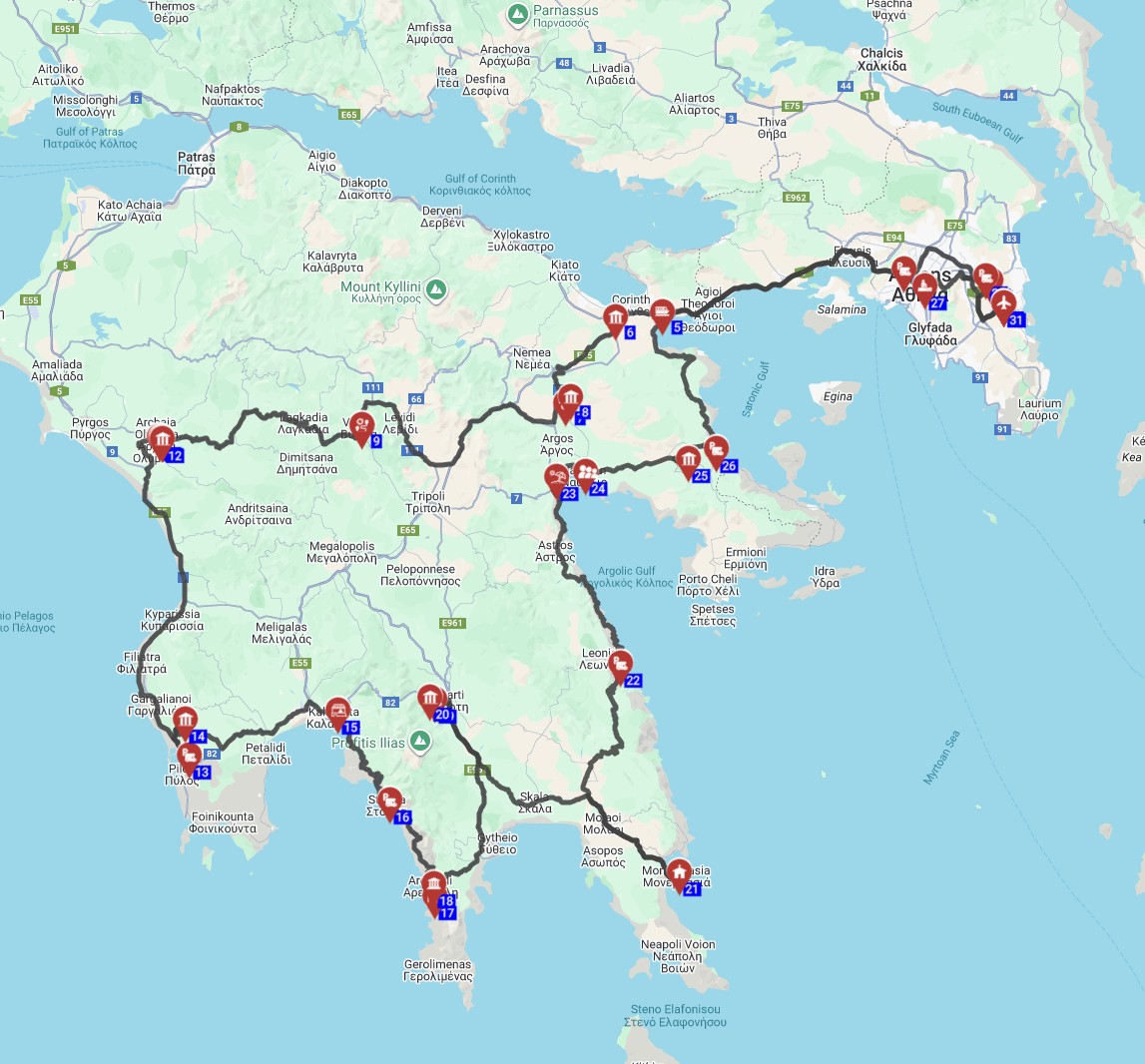
- Peloponnese Coastal Drive: Embark on a scenic drive along the Peloponnese peninsula, discovering ancient Olympia, charming fishing villages, and pristine beaches. The winding roads are a joy for a rented motorhome.
- Crete's Hidden Coves: Take a ferry (plan ahead!) to Crete and explore its diverse landscapes, from the Samaria Gorge to secluded beaches accessible only by your adventurous campervan.
- Thessaloniki's Culinary Scene: Immerse yourself in the vibrant food culture of Thessaloniki. Park on the outskirts and use public transport to explore the city's markets and tavernas.
- Ioannina and the Zagori Villages: Head to the mountainous region of Epirus, park your RV and hike to discover the unique stone bridges and picturesque villages of Zagorochoria.
- Looking for expert insights from Avi Bandana? Top 5 Adventures - recommendations from Avi Bandana
Final Thoughts
Embarking on a last minute rv adventure in Greece is an invitation to uncover ancient history and breathtaking natural beauty at your own pace. With the right preparation, an understanding of local customs, and the freedom of your rented home-on-wheels, you're set for an unforgettable journey. Whether you're island-hopping on ferries or navigating charming village streets, the Greek experience promises a blend of discovery and relaxation that only RV travel can offer.
Remember to embrace the spirit of slow travel, allowing yourself to truly connect with the vibrant culture, delicious food, and stunning scenery. Bandana Caravan is here to support you before, during, and after your booking, ensuring a seamless and transparent rental experience. We are true RV specialists, ready to help you find the perfect motorhome or campervan for your Greek escape.
🎬 Video coming soon
Ready to discover the magic of Greece with the freedom of a rented RV? Compare Last Minute RV Rental Prices for Greece Now.