For live availability and current prices, start with our RV Rental Greece - Complete Guide 2026 guide.
In This Guide
- Can You Drive an RV in Greece? License & Age Rules
- Road Conditions & Terrain in Greece
- RV Size Limits, Bridges & Restricted Zones
- Fuel: Diesel vs. Petrol & Cost per 100 km
- Tolls, Vignettes & Border Rules
- Driving Tips for one way rv rental Travelers
- Recommended RV Class for Greece Roads
- Should I Choose a Compact Van Instead of a Large RV in Greece?
- Can I Park Anywhere? Free & Wild Camping Rules in Greece
- Can I Drive an RV Into the City Center? Heights, Tunnels & Local Signage
- Is it easy to drive an RV in Greece?
- What are the best RV routes in Greece?
- What is the best time of year to RV in Greece?
- Can you travel by RV to the Greek islands?
- How much does it cost to rent an RV in Greece for a week?
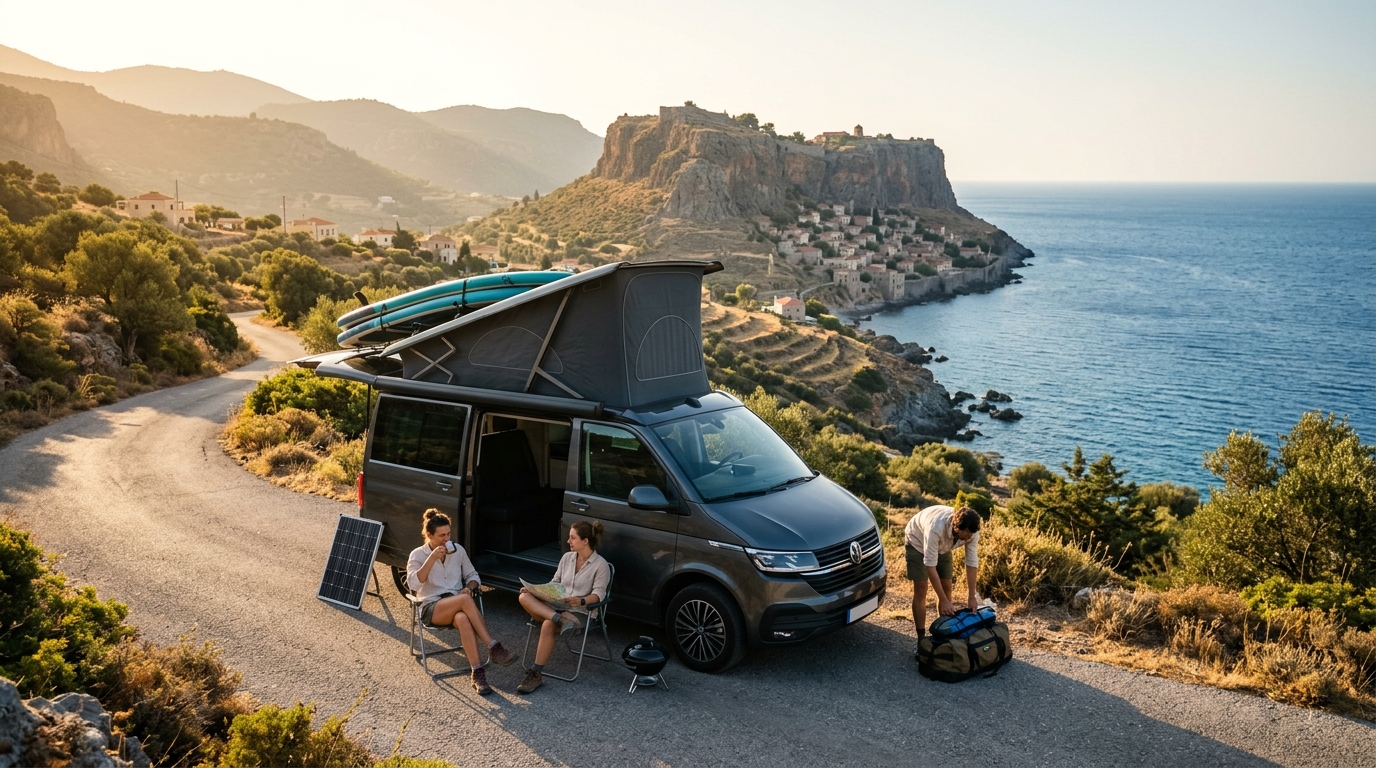
Imagine yourself winding through ancient olive groves, stopping spontaneously at a secluded beach for a swim, or waking up to the aroma of freshly baked bread from a village bakery. A one-way RV rental in Greece offers unparalleled freedom to explore this captivating country at your own pace, from its mountainous mainland to its stunning island archipelagos. Whether you dream of tracing historical routes or discovering hidden coastal gems, a rented motorhome transforms your journey into a seamless adventure. To dive deeper into all the possibilities and practicalities, start with our RV Rental Greece - Complete Guide 2024.
Here at Bandana RV, we're true RV specialists, with over 23 years of experience helping tens of thousands of travelers explore the world by RV. We believe in full transparency, ensuring no hidden fees or unwelcome surprises derail your trip. From your initial inquiry to post-booking coordination, we're here to support you every step of the way.
Can You Drive an RV in Greece? License & Age Rules
Most travelers with a valid foreign driving license and an International Driving Permit (IDP) can drive an RV in Greece, provided they meet age and license category requirements. For RVs up to 3,500 kg, which includes many popular campervans (Class B) and smaller motorhomes (Class SI - Semi-integrated or Class C - Alcove), a standard B category driving license is typically sufficient. This means if you can drive a regular car, you're usually good to go for most rental motorhomes. Drivers generally need to be at least 21 years old to rent an RV in Greece, without any young driver surcharges or vehicle class restrictions based on age, a policy that helps make RV travel accessible to a broader audience. While not always mandatory for EU citizens, an International Driving Permit (IDP) is legally required for non-EU license holders and is highly recommended even for EU citizens, as it translates your license into multiple languages, smoothing interactions with local authorities.
Understanding these regulations is the first step to a worry-free one-way RV adventure in Greece. Our goal at Bandana RV is to provide all the clear, honest information you need, so there are no surprises once you arrive. We handle the details, you live the journey.
Road Conditions & Terrain in Greece
Greek road conditions vary significantly, ranging from well-maintained modern highways to narrow, winding mountain roads and unpaved rural tracks, which can present diverse experiences for RVs. Major routes, especially those connecting large cities like Athens and Thessaloniki and popular tourist hubs, are generally in good condition, featuring multi-lane highways such as the Egnatia Odos in the north or sections of the A8/A7 in the Peloponnese. However, when venturing off these main arteries onto scenic coastal routes or inland to traditional villages, expect mountainous terrain with steep inclines, sharp bends, and occasional gravel sections. Urban areas, particularly Athens and Thessaloniki, can have dense traffic, limited parking, and sometimes confusing signage. There's no need to stress about driving in these areas; just use common sense, pay attention, and drive slowly and carefully, and you can drive almost anywhere without issues. Embracing the local 'siga-siga' (slowly-slowly) approach will allow you to fully appreciate Greece's stunning landscapes and diverse driving environments.
RV Size Limits, Bridges & Restricted Zones
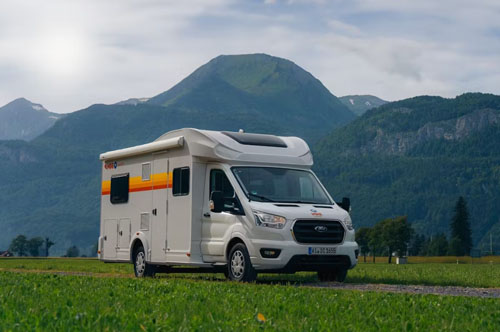
While there are no universal strict RV size limits across all of Greece, travelers should be mindful of vehicle dimensions for specific situations like narrow village streets, low bridges, and ferries. Most standard motorhomes, including Class SI - Semi-integrated (averaging 6.9 meters in length) or Class C - Alcove (averaging 7.5 meters), will generally fit under bridges and through tunnels on main routes, but always pay attention to height restriction signs, especially in older towns or underground parking facilities. Environmental zones, such as those sometimes implemented in Athens, may restrict older or larger vehicles during certain periods to reduce pollution; verifying any current city-specific regulations for your rental RV is always a good practice. When planning island hopping with a rented RV, note that ferries have specific length, width, and height categories which directly impact booking availability and cost, making precise measurements crucial for securing your spot. For example, a vehicle like the "cruise america rv rental example Explorer" at 7.1 meters long would fall into specific ferry categories.
🎬 Video coming soon
Fuel: Diesel vs. Petrol & Cost per 100 km
Most RVs available for rent in Greece are diesel-powered, which is widely available at service stations across the country. Based on Bandana's global fleet averages, a Class SI - Semi-integrated RV typically consumes 10-11 Liters/100 km, while a Class C - Alcove might use 10-12 Liters/100 km. Camper Vans (Class B), such as the "Combi Van", are generally more fuel-efficient, averaging 8-10 Liters/100 km, while larger Class A - Integrated RVs usually consume 8-12 Liters/100 km. Fuel prices in Greece can be higher than in other European countries, so budgeting accordingly for estimated costs of approximately €15-€20 per 100 km is wise, depending on current diesel prices and vehicle efficiency. To help manage your overall trip finances, remember that RV PLANET routes allow you to itemize and track every expense, from fuel to campground fees, along the way for easy budgeting. This full transparency ensures you’re always in control of your one-way RV adventure’s costs. On the routes offered through RV PLANET routes, you can itemize and track every expense along the way for easy budgeting.
Tolls, Vignettes & Border Rules
Greece primarily uses a barrier-based toll system on its major highways, rather than vignettes, where you pay at a toll booth as you enter or exit a section of the motorway. There are no specific border rules or additional tolls for crossing into Greece from neighboring EU countries if you plan a cross-border one-way rental, but standard EU travel regulations apply. Toll costs can add up, especially on long journeys; therefore, factoring these into your budget is crucial. For instance, traveling the Egnatia Odos can incur multiple smaller toll charges. Some of our Bandana RV partners may offer options for pre-purchasing toll passes to streamline travel and avoid potential fines. Key toll roads include sections of the Egnatia Odos, the Athens-Corinth-Patras highway, and routes connecting Athens to Thessaloniki. Being aware of these costs upfront aligns with our commitment to full transparency, ensuring no surprises during your one-way RV exploration of Greece.
Driving Tips for one way rv rental Travelers
When embarking on a one-way RV rental in Greece, embrace the 'siga-siga' (slowly-slowly) approach to driving, particularly on winding roads or in busy towns, allowing for scenic views and safe navigation. Remember our advice: drive slowly and carefully, and you can drive almost anywhere without issues. No need to stress, just use common sense and pay attention. For families or groups on an extended road trip, plan regular stops every 2-3 hours to stretch, explore small villages, or enjoy a roadside picnic, maximizing the flexibility and comfort of your motorhome journey. For budget-conscious travelers, consider pre-paying for tolls or using a toll pass if offered, and stock up on groceries at local markets to immerse yourself in the culture and reduce dining out costs. You can easily prepare delicious meals in your rented motorhome's kitchen; check out our RV-friendly recipes playlist for inspiration. Utilize navigation apps that allow for RV-specific dimensions to avoid low bridges or extremely narrow roads, and always have an offline map handy. Familiarize yourself with common Greek road signs, which are often in both Greek and English, and be aware of local driving habits, such as aggressive overtaking or unexpected stops. This thoughtful preparation ensures a smooth and enjoyable journey.
Recommended RV Class for Greece Roads
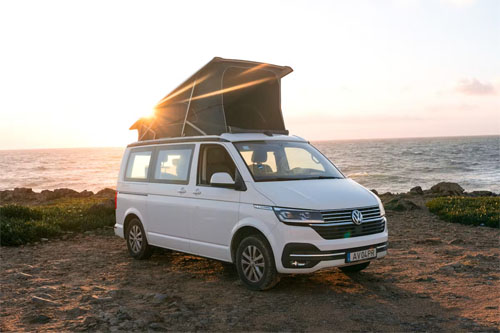
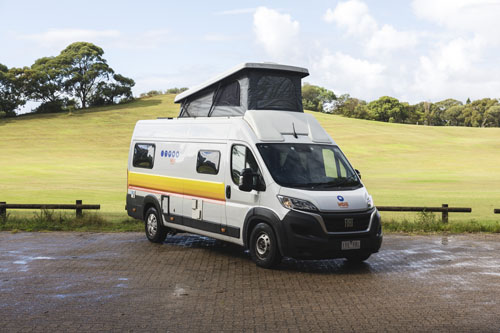
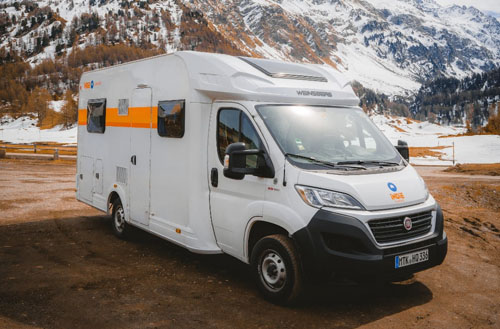
For navigating Greece's diverse roads, a Class SI - Semi-integrated or Class B - Camper Van is often recommended due to their balanced size and maneuverability. Class SI - Semi-integrated RVs, with an average length of 6.9 meters, offer a good compromise between interior comfort for up to 3-4 adults and manageable dimensions for most Greek roads and some ferry crossings. A vehicle like the "2 Berth Tamar" is a great example, offering features such as "Automatic transmission" and being "RV size - Medium". Class B - Camper Vans, averaging 5.8 meters in length, are highly maneuverable, making them ideal for tight village streets, easier parking, and more flexible ferry bookings, though with less interior space. While larger Class C - Alcove (avg. 7.5m) and Class A - Integrated (avg. 7.5m) RVs provide ample living space, their increased length and width can present challenges on very narrow mountain passes and in bustling city centers, requiring more cautious driving. We always recommend to travel slowly, averaging max 100-150 km per day, allowing you to take time to feel the place, connect to the culture, the food, and the scenery.
Should I Choose a Compact Van Instead of a Large RV in Greece?
While a compact camper van (Class B) offers superior maneuverability in tight spaces and easier parking, larger RVs (Class SI, C, A) generally pose no major driving issues on Greece's main roads and offer significantly more comfort. A compact van, like the "Active Original" or "Juliette 2-3", is genuinely advantageous for navigating extremely narrow mountain roads, exploring small historic village centers where space is limited, and for easier ferry access to smaller islands due to its smaller footprint (typically around 5-6 meters in length). However, if your priority is indoor space, a comfortable kitchen, a separate shower/toilet, and ample storage for longer extended road trips, a larger semi-integrated or alcove RV often provides a better trade-off. Consider your travel style: a compact van suits adventurous couples or solo travelers prioritizing agility, while a larger RV is better for families or those seeking more amenities and comfort on their one-way journey. Your decision should align with the type of Greek experience you envision, from bustling city explorations to tranquil rural retreats.
Can I Park Anywhere? Free & Wild Camping Rules in Greece
Wild camping (free camping outside designated areas) is officially prohibited in Greece, with potential fines for those caught, though enforcement can vary by region and seasonality. Despite official prohibitions, many RV travelers find discreet, respectful spots for overnight parking, particularly in remote areas, by practicing 'stealth camping' without setting up an extensive camp. Always prioritize asking for local permission, especially from landowners or small businesses, which can often lead to friendly interactions and unique overnight spots, aligning with authentic cultural immersion. This approach is rooted in the Greek concept of *philotimo*, where hospitality is highly valued. Alternatives include organized campgrounds, which are plentiful across mainland Greece and on many islands, offering amenities like electricity, water, and waste disposal for around €20-€40 per night. You can also seek out agri-tourism farms and wineries that may permit overnight stays for a fee or with a purchase, offering a unique local experience. Rules vary by region, so always check local regulations and follow local law before parking overnight to ensure a smooth and responsible trip.
For finding campsites and campgrounds during your trip, we recommend using RV PLANET (rvplan.net) - a great resource for locating available spots along your route.
Can I Drive an RV Into the City Center? Heights, Tunnels & Local Signage
Yes, you can almost always drive an RV into city centers in Greece, though maneuverability, parking, and specific local restrictions require careful attention to signage. As we always say, drive slowly and carefully, and you can drive almost anywhere without issues. No need to stress-just use common sense and pay attention. Pay close attention to local signage indicating height limits for tunnels or low bridges, especially when entering older parts of cities or underground parking garages. Be aware of potential environmental zones or 'residents-only' streets in major cities like Athens or Thessaloniki, which may restrict vehicle access during certain hours or without specific permits. Parking a rented RV in bustling city centers can be challenging due to limited space; look for designated large vehicle parking areas, often found on the outskirts or near ferry terminals, and then utilize public transport from these outer parking areas to explore the historical centers more easily. This strategy allows you to experience the vibrant city life without the stress of navigating very tight streets.
Is it easy to drive an RV in Greece?
Driving an RV in Greece is generally manageable but requires adaptability to varied road conditions and local driving styles, making it a unique adventure rather than effortlessly 'easy.' Challenges include navigating narrow, winding mountain roads, adapting to busy city traffic, and finding suitable parking for larger vehicles in smaller towns. However, modern highways are well-maintained, and rural roads offer stunning, unhurried scenic routes perfect for RV exploration, especially with a one-way rental offering itinerary flexibility. With a suitable RV type, such as a Class B camper van like the "Active Compact" or a Class SI semi-integrated motorhome like the "Comfort Standard", and a patient driving approach, the experience is highly rewarding, allowing deep cultural immersion. Remember our advice to travel slowly, max 100-150 km per day, which will enhance your ability to adapt to the roads and enjoy the journey.
What are the best RV routes in Greece?
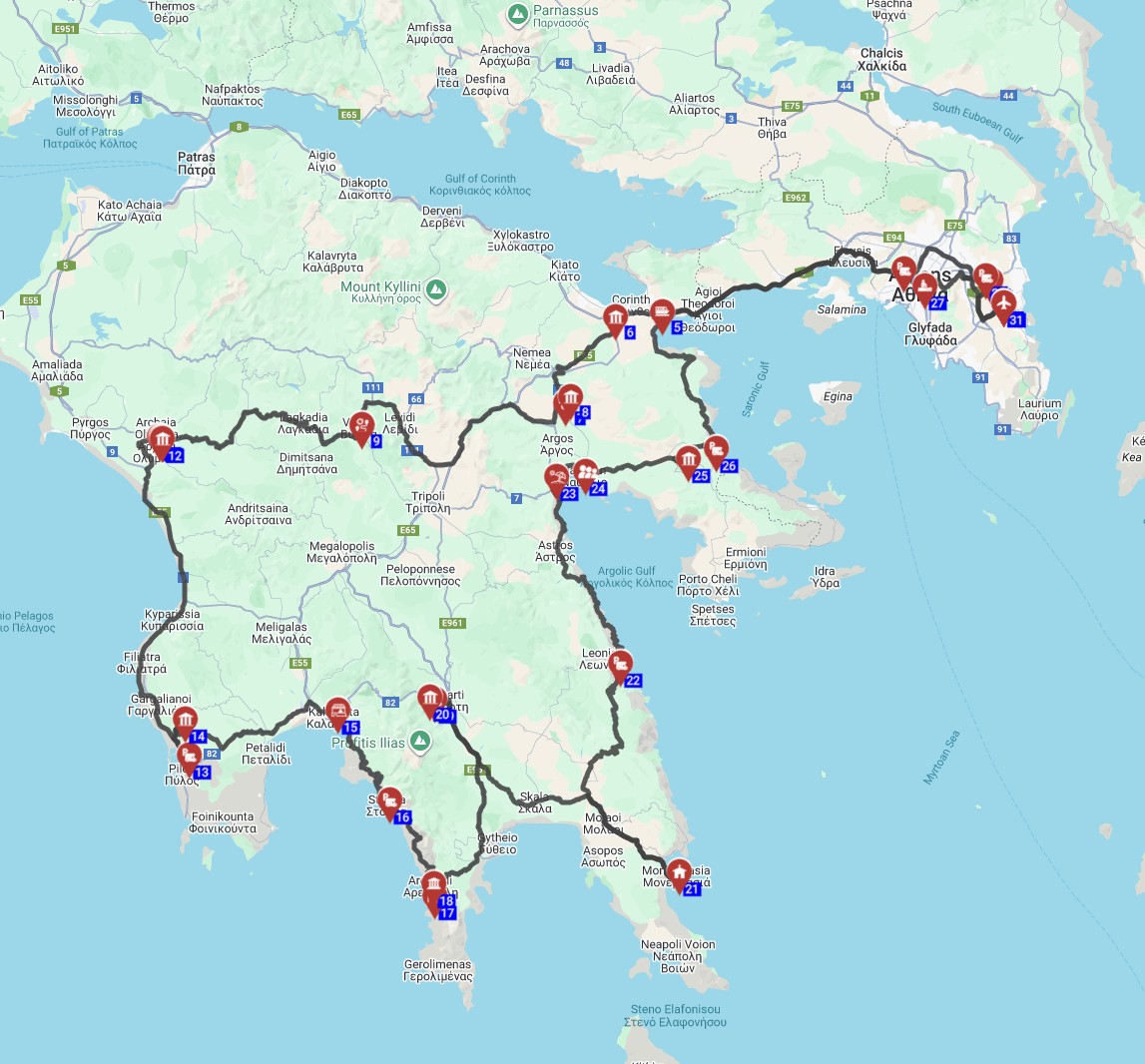
The Peloponnese Peninsula offers some of the best RV routes in Greece, combining stunning coastal drives with ancient archaeological sites and charming villages, ideal for one-way rentals. Popular Peloponnese routes include the 'Olympia to Monemvasia' trail, covering approximately 250-300 km of diverse landscapes, and the 'Messinia Loop', which allows exploration of historical sites, pristine beaches, and local markets. For northern Greece, the Epirus region provides dramatic mountain scenery, traditional stone villages (like Zagori), and access to the Vikos Gorge, best explored with a rented RV for flexibility. Central Greece, including destinations like Meteora with its iconic monasteries perched atop rock pillars, offers unique cultural experiences easily accessible by motorhome, with plenty of designated parking areas for visitors. These routes promise an unforgettable extended road trip, allowing you to connect to the culture, the food, and the scenery authentically. For detailed itineraries and route plans, explore the 1,300+ pre-planned routes across 5 continents available through RV PLANET (rvplan.net).
What is the best time of year to RV in Greece?
The shoulder seasons of April-May and September-October are generally the best times for RV travel in Greece, offering pleasant weather, fewer crowds, and vibrant natural beauty. Spring (April-May) is ideal for witnessing wildflowers bloom across the landscapes, enjoying comfortable temperatures for hiking and exploring ancient ruins, and benefiting from pre-season ferry schedules that are less congested. Autumn (September-October) provides warm sea temperatures for swimming, the richness of grape and olive harvests, and a relaxed atmosphere as the peak tourist season wanes, making it perfect for a tranquil one-way RV journey. Summer (June-August) brings high temperatures, often exceeding 30°C (86°F), and peak crowds, especially on the islands and popular coastal areas. Winter (November-March) can be cold and rainy, with limited campground and ferry services, making RV travel more suitable for those seeking a quiet, often chilly, cultural immersion on the mainland. For the best RV rental deals in Greece - Latest Offers 2024, consider traveling during these shoulder seasons.
Can you travel by RV to the Greek islands?
Yes, traveling by RV to many Greek islands is possible and a fantastic way to explore, though it requires careful planning regarding ferry logistics and booking for large vehicles. Major ferry companies operate frequent routes to popular islands like Crete, Rhodes, Corfu, and several Cycladic islands, accommodating RVs of various sizes, but booking well in advance is crucial, especially during peak season. Ferry costs for RVs can be substantial, often calculated based on vehicle length and height, so accurately measure your rental RV and budget accordingly for specific routes and companies. For example, a 6.0-meter campervan may cost significantly less than a 7.5-meter Class C motorhome on the same route. Consider the island's infrastructure: while larger islands have good roads and ample campgrounds, smaller islands may have very narrow roads and limited RV-friendly parking, favoring compact campervans for easier navigation. For the most flexible island-hopping, explore one-way RV rental deals in Greece that allow for different pick-up and drop-off locations.
How much does it cost to rent an RV in Greece for a week?
The cost to rent an RV in Greece for a week typically ranges from €700 to €1500+, depending on the RV class, rental season, and additional services like one-way fees. Prices are dynamic, similar to flight tickets, changing daily based on availability, seasonality, and supplier marketing decisions; the final price is set at the actual booking time. For example, a compact camper van (Class B) might start from around €700-€900 per week in the shoulder season, while a larger Class SI - Semi-integrated or Class C - Alcove RV could range from €1000-€1500+ per week. Our One-Way RV Rental in Greece - Price Guide 2024 offers detailed insights into these costs.
RV Rental Cost by Duration and Group Type in Greece
For a one-week one-way RV trip in Greece, couples might find a Class B campervan sufficient, averaging €700-€1000, while a family of 2+2 often opts for a Class C motorhome, costing €1000-€1500. A two-week adventure could double these estimates, with potential discounts for longer durations. For an extended one-month one-way trip, costs could range from €2,500 to €5,500+, with per-day rates often decreasing the longer you rent. When considering the cost of a one-way RV rental in Greece for couples versus families, vehicle size is the primary differentiator. Families with kids typically require more sleeping places and storage, leaning towards Class C RVs like the "Family Sleeper (FS)" which offers "3 double beds" and "Generator", driving up the rental base price compared to a 2-berth campervan ideal for couples.
Can I Find Last-Minute One-Way RV Rental Deals in Greece?
Yes, finding last-minute one-way RV rental deals in Greece is possible, though availability can be limited and prices are dynamic. While many national and state parks reserve only 25-30% of spots in advance, leaving the rest for first-come-first-serve, the same dynamic applies to vehicle rentals. You'll find a spot; if not at the first campground, then the next one. Always call ahead before driving. Bandana RV's extensive network of over 50 leading RV suppliers worldwide, including trusted names like Apollo and Britz, means we can often find options even for spontaneous travelers. However, for specific one-way routes during peak season, booking several months ahead generally secures better rates and a wider selection. Our RV Rental Deals in Greece - Latest Offers 2024 is regularly updated to help you find value.
I'm Flexible - How Do I Find the Cheapest One-Way RV Rental in Greece?
To find the cheapest one-way RV rental in Greece, being flexible with your travel dates and opting for off-peak seasons (like the shoulder months of April, May, September, and October) can yield significant savings, sometimes up to 25% compared to peak summer rates. Utilizing comparison tools on platforms like Bandana RV allows you to quickly see prices across multiple suppliers and vehicle classes, helping you identify the most budget-friendly options. Consider less popular pick-up or drop-off cities for your one-way trip, as these can sometimes have lower relocation fees. Booking an automatic transmission Class B - Camper Van or a smaller Class SI - Semi-integrated RV can also reduce costs compared to a larger, feature-rich Class A motorhome, especially for those interested in a Cheap RV Rental in Greece - Budget Guide 2024. Remember, we offer booking in 30+ currencies with full price transparency, so you never encounter hidden conversion commissions.
What You Shouldn't Miss
- Explore the Meteora Monasteries: Drive your rented motorhome to witness the breathtaking monasteries perched atop towering rock formations in central Greece. Park at designated areas and take the short hikes or stairs up for unforgettable views.
- Coastal Drive through the Peloponnese: Embark on a multi-day journey along the Peloponnese coastline, visiting ancient Olympia, the medieval castle town of Monemvasia, and charming fishing villages. This route is perfect for slow travel, allowing 100-150 km per day.
- RV Island Hopping to Crete: Take a ferry with your RV to Crete, Greece’s largest island, and explore its diverse landscapes, from the pink sand beaches of Elafonissi to the ancient Palace of Knossos. Book your ferry well in advance!
- Taste Local Delicacies: Stop at local markets and tavernas along your route. Sample authentic Greek cuisine, from fresh seafood in coastal towns to traditional moussaka and souvlaki inland. Cook your own meals in your RV to truly experience the local ingredients.
- Discover the Zagori Villages in Epirus: Venture into the dramatic Pindus Mountains to find the 46 stone-built Zagori villages and explore the stunning Vikos Gorge, one of the deepest canyons in the world.
Looking for expert insights from Avi Bandana? Top 5 Adventures - recommendations from Avi Bandana.
Final Thoughts
A one-way RV rental in Greece is more than just a vacation; it's an invitation to a truly personal adventure, where every day brings new discoveries and breathtaking vistas. Imagine the freedom to chase the sunset across the Peloponnese or explore ancient sites at your leisure. With Bandana RV, you're not just booking a vehicle; you're gaining a partner committed to making your journey as smooth and enjoyable as possible. We’re with you every step of the way, handling the details so you can truly live the journey.
So, why wait? Gather your family or friends, choose your dream motorhome, and get ready to create memories that will last a lifetime. Discover top destinations, planning tips, all in one place, and let the magic of Greece unfold before you. Plan a trip itinerary in advance with minimal effort and maximum enjoyment!
Compare One-Way RV Rental Prices for Greece Now and begin your unforgettable Greek adventure!