For live availability and current prices, start with our RV Rental France - Complete Guide 2026 guide.
In This Guide
- What last minute rv rental RV Rental Costs in France (2024)
- Seasonal Pricing - Peak vs. Shoulder vs. Off-Season in France
- What's Included vs. What's an Add-On
- Hidden Costs to Budget For in France
- How to Save on last minute rv rental RV Rental in France
- What are the rules for wild camping and using Aires de Service for RVs in France?
- What is the detailed cost breakdown for RVing in France beyond rental fees?
- When and Where Should You Book Campsites in France for Your RV?
- What are the Best Times to RV in France for Weather, Crowds, and Events?
- What Should You Pack for an RV Trip in France?
- What Cultural Nuances and Etiquette Should RVers Know in France?
- How to Handle Connectivity and Utilities (Propane, Water, Electricity) in a French RV?
- What Emergency Procedures and Safety Tips are Essential for RVers in France?
- What are Some Recommended RV Itineraries or Regional Spotlights in France?
- What Should Foreigners Consider When Renting an RV in France?
- What are the Logistics for Multi-Country RV Travel from France?
- Top Cities for RV Rental in France
France, with its diverse landscapes, historic cities, and world-renowned cuisine, offers an unparalleled adventure for motorhome travelers. Imagine waking up to the aroma of fresh croissants in a charming Provençal village, or perhaps parking your rented campervan with a view of the majestic Mont Blanc. For live availability and current prices, start with our RV Rental France - Complete Guide 2024 guide, which covers everything from popular routes to essential travel tips.
Securing a last-minute RV rental in France is absolutely possible, and can even sometimes yield unexpected availability. While planning ahead often grants more choices, the dynamic pricing structure means that excellent deals can surface closer to your desired departure date. Bandana RV specializes in connecting you with the perfect motorhome or campervan for your spontaneous French escape, ensuring full transparency with no hidden fees and dedicated support before and after your booking.
What last minute rv rental RV Rental Costs in France (2024)
RV rental costs in France during 2024 are dynamic and fluctuate based on demand, vehicle class, and how close to the travel date you book. April is typically the cheapest month for RV rental in France, often presenting rates 15-20% lower than the summer peak, with an average daily price for a compact campervan like the "Category Van" starting around €80-€120. Larger Class C motorhomes, such as the "rv rentals example Comfort Class," can range from €150-€300+ per day during shoulder season. Prices are never fixed; they change daily, similar to flight tickets, so the final price is always set at the actual booking time. To ensure you have the most up-to-date pricing for your specific dates and vehicle preferences, use the search box at the top of our page. This allows you to compare final prices across a wide range of suppliers, ensuring what you see is what you pay, with no surprise fees at pickup.
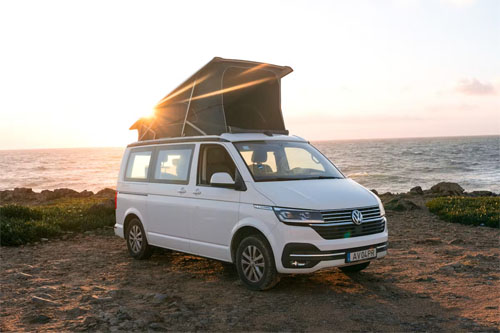
For couples, a compact campervan like the "Paradise S/T" offers excellent value, often priced between €90-€180 per day depending on the season, while families might consider a 4-berth Class C motorhome averaging €160-€280 per day. For a more expansive adventure, a luxury Class A motorhome like the "rent rv example E3" could start from €250-€450+ daily. Our booking platform displays real-time "flex-rates," providing precise costs that include standard inclusions and allow you to compare options efficiently. Many travelers find that a one-week rental starts from approximately €700-€1,200 for a smaller campervan, while a two-week adventure might cost €1,300-€2,300, offering a better daily rate. For a month-long journey, the daily rate becomes even more economical, potentially dropping by 10-15% compared to shorter rentals.
Seasonal Pricing - Peak vs. Shoulder vs. Off-Season in France
RV rental prices in France vary significantly by season, with peak periods seeing the highest rates and demand. Peak season, typically from July to August, brings warmer weather and school holidays, causing daily rental rates to increase by 30-50% compared to off-peak periods, often ranging from €180-€400+ per day for a Class C motorhome. Shoulder seasons, May-June and September-October, offer an ideal balance of pleasant weather, fewer crowds, and moderate pricing, with average daily rates for a 4-berth campervan ranging from €120-€250. This is an excellent time for a Week-Long RV Driving Tour in France 2024.
Off-season, which spans November to March, generally provides the lowest rates, sometimes as low as €70-€150 per day for a compact campervan, alongside fewer tourists. While some coastal campsites may close, many larger parks and those in popular regions remain open, and winter-ready vehicles are available. Prices can change significantly day-to-day, especially during peak periods, so checking current prices for specific dates through our comparison platform is always recommended to capture the best last-minute rv rental France deals. Remember that flexibility with your travel dates can often lead to substantial savings, allowing you to enjoy the charm of France without the peak season crowds.
What's Included vs. What's an Add-On
Basic insurance is always included with RV rentals in France, providing essential coverage for your journey. This typically covers third-party liability and often includes a standard deductible, which can range from €1,000 to €3,000 depending on the supplier and vehicle class. For enhanced protection and peace of mind, you can upgrade to a top-level deductible reimbursement plan, reducing your out-of-pocket exposure in case of damage. To see prices including the most comprehensive coverage, simply select that option during your search; our platform will then display all relevant insurance options.
Common add-ons, which vary by RV and rental station, often include mileage packages, generator usage, kitchen kits, and bedding. A kitchen kit usually consists of cooking utensils, plates, and cutlery, while bedding typically includes sheets, blankets, and pillows. Our platform offers clear comparison toggles for these amenities like kitchen utensils, tableware, and bedding, making it easy to see what’s included and what can be added for an extra fee, ensuring full transparency in your booking. Always verify the exact inclusions and optional add-ons for your specific booking before finalizing, so there are no surprises at pickup. For example, a "hire campervan example Paradise S/T" for a couple might include basic kitchenware, but a larger "rv rentals example Comfort Class" designed for families could have a more extensive list of standard inclusions.
Hidden Costs to Budget For in France
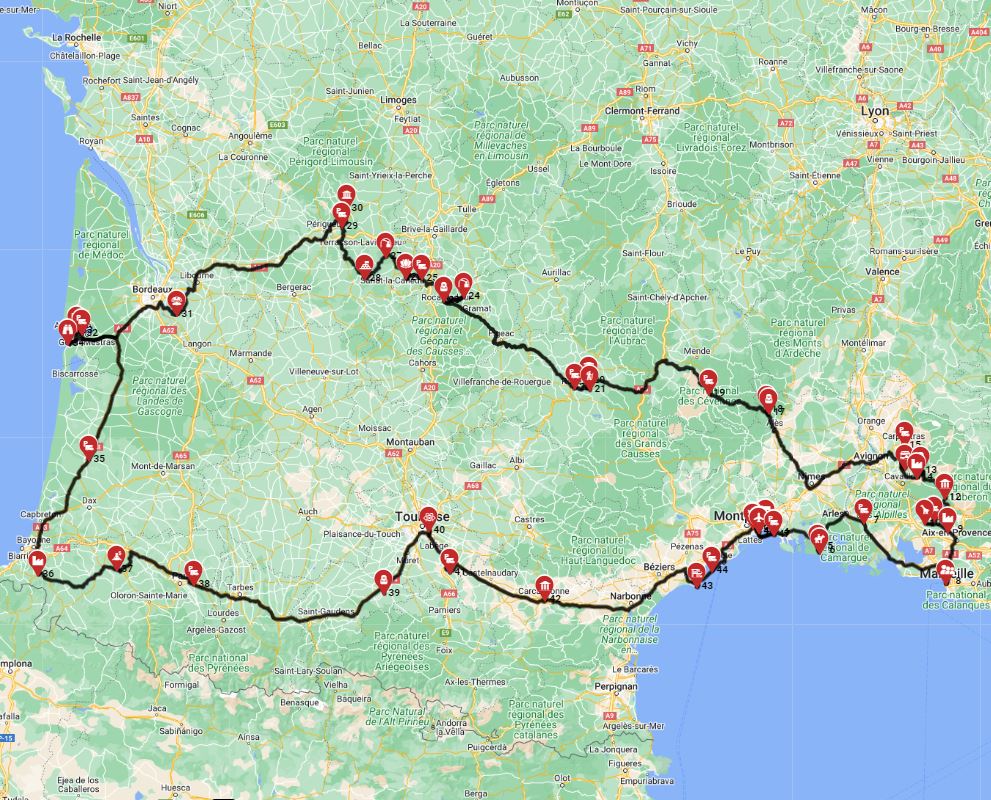
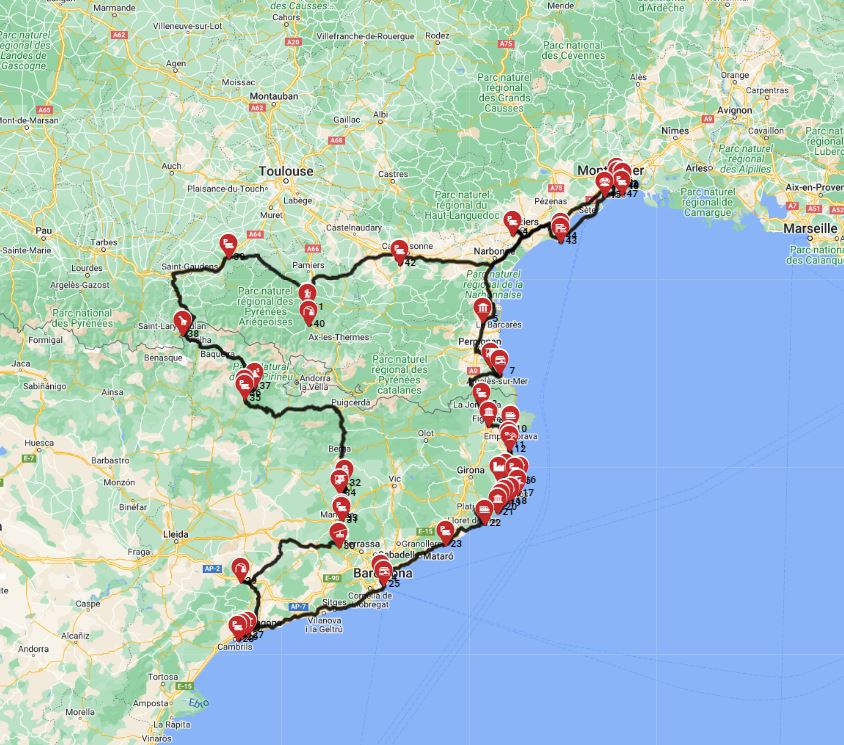
Beyond the RV rental fee, several hidden costs should be factored into your France travel budget, totaling an estimated €80-€150 per day for a family. Key expenses include highway tolls, which are prevalent on many French motorways; a typical week-long trip could easily accrue €50-€150 in tolls for a Class C motorhome. Daily campsite fees typically range from €25-€50 per night, depending on the location and amenities, while spontaneous stops at 'aires de service' for overnight parking might be free or incur a nominal fee of €5-€15. Fuel consumption is another significant variable; diesel and petrol prices in France average around €1.80-€2.00 per liter, which is generally higher than in North America. On the routes offered through RV PLANET routes, you can itemize and track every expense along the way for easy budgeting.
For easier budgeting, it's worth noting that on RV PLANET routes, travelers can itemize and track every expense along the way, simplifying financial planning. Some RV rentals allow pre-purchasing toll-road usage or offer a Liber-t tag, which can streamline payment and sometimes avoid higher on-the-spot charges. Additionally, budget for propane refills (often €20-€40 per tank, depending on size), occasional dump-station charges (usually €2-€5), and groceries (approximately €40-€70 per day for a family of four for basic meals). Entrance fees for attractions like châteaux or museums typically range from €10-€20 per person. Always inquire about all potential extra charges at pickup to ensure a clear and comprehensive budget for your French adventure.
How to Save on last minute rv rental RV Rental in France
Flexibility is your best friend when looking to save on a last-minute RV rental in France. Booking your adventure during the shoulder seasons of May-June or September-October typically offers a balance of excellent weather and lower prices compared to the peak summer months, potentially saving you 10-20% on daily rates. Consider shorter Class B campervans like the "Active Pop Top" for fuel efficiency, which can save 5-8 liters per 100 km compared to larger Class C motorhomes. Pre-paying tolls where possible or investing in a Liber-t tag for French motorways can help avoid higher on-the-spot charges and streamline your travel. Additionally, utilizing any campground discount cards or fuel discount cards offered by your rental provider can further reduce daily expenses.
Opting for a smaller RV class, if your group size allows, will generally result in lower rental rates and better fuel efficiency; a 2-berth campervan might average 8-10 L/100 km, while a 6-berth can consume 12-15 L/100 km. While last-minute bookings can sometimes yield great deals, prices are dynamic and change daily based on availability and demand. Regularly monitoring flex-rate drops, especially for unbooked vehicles closer to the date, can help you snatch a bargain. Remember that longer rental durations, typically a week or more, often come with a lower daily rate, making a two-week adventure more cost-effective per day than a shorter trip. Our platform allows you to effortlessly compare Motorhome Prices for France to find the best value.
What are the rules for wild camping and using Aires de Service for RVs in France?
Wild camping, also known as boondocking, is generally restricted in France, particularly in protected areas, coastal zones, and private land without explicit permission. While local regulations can vary, unauthorized overnight parking outside designated areas is often prohibited and can result in fines ranging from €135 to €1,500. France, however, boasts an extensive and well-developed network of 'aires de service' specifically designed for RVs, providing designated, often free or low-cost, overnight parking spots and essential services like fresh water, grey water disposal, and black water emptying points.
These 'aires de service' are a fantastic resource for RV travelers, with thousands available across the country, many managed by local municipalities. Some may offer electrical hookups for a small fee, typically €3-€5 for a few hours. Always adhere to local signage and regulations, as restrictions can vary greatly by municipality and region; some have time limits (e.g., 24-48 hours), while others are seasonal. It’s crucial to practice responsible etiquette by leaving no trace, respecting quiet hours (often 10 PM to 7 AM), and utilizing designated facilities, ensuring these valuable resources remain available for all. For finding campsites and campgrounds during your trip, we recommend using RV PLANET (rvplan.net) - a great resource for locating available spots along your route, including details on 'aires de service'.
What is the detailed cost breakdown for RVing in France beyond rental fees?
Beyond the actual rental fees for your motorhome or campervan, an RV trip in France involves several significant ancillary costs that typically add up to €80-€150 per day for a family. Fuel, primarily diesel or petrol, represents a substantial portion of the budget, with prices generally ranging from €1.80-€2.00 per liter. For a Class C motorhome consuming 12 L/100 km and traveling 150 km daily, this equates to approximately €32-€36 in fuel costs per day. Highway tolls are prevalent on French motorways, with typical charges adding €10-€20 per 100 km, leading to a daily average of €15-€30 depending on your route.
Campsite fees are another primary expense, varying widely from €15 per night for basic municipal sites to €50+ for premium private campgrounds with extensive amenities. Groceries for meals cooked in your RV's kitchen, enjoying fresh local produce, can average €40-€70 per day for a family of four; don't forget to check out our RV-friendly recipes playlist for inspiration! Dining out, even casually, will add significantly, with a simple lunch costing €15-€25 per person and dinner €30-€50+. Entrance fees for popular attractions like museums, châteaux, or national parks usually range from €10-€20 per adult. Miscellaneous costs such as propane refills (€20-€40 per tank, lasting 5-10 days), parking in cities (€5-€20), and occasional dump-station charges (€2-€5) also need to be accounted for, ensuring a realistic total trip cost. Remember that RV PLANET routes allow travelers to itemize and track every expense, making budgeting easy and transparent.
When and Where Should You Book Campsites in France for Your RV?
Booking campsites in France is highly recommended, especially during the peak season from July to August, when popular regions like the Côte d'Azur, Provence, Brittany, and the Dordogne experience high demand. For these peak periods and desirable locations, it is wise to secure your spot several months in advance, particularly for sites offering specific amenities like swimming pools or prime views. Many national and state parks reserve only 25-30% of their spots for advance bookings; the rest are available on a first-come, first-served basis, so don't despair if you're a spontaneous traveler.
Outside peak season, spontaneity is much more feasible, though booking a few days ahead can still be a smart move for popular destinations or weekends. You'll find a spot; if not at the first campground, then the next one. It's always a good idea to call ahead before driving a long distance. Utilize online booking platforms like those linked from RV PLANET (rvplan.net) and campsite directories to find and reserve sites. Many municipal sites (Camping Municipal) offer excellent value and facilities, often with pitches ranging from €15-€30 per night, providing a reliable and affordable option throughout France. Even in larger cities, you'll often find urban campsites or 'aires de service' that offer convenient access, making it easy to drive your rented RV and explore.
What are the Best Times to RV in France for Weather, Crowds, and Events?
The shoulder seasons of May-June and September-October are ideal for an RV adventure in France, offering the best balance of pleasant weather, fewer crowds, and accessible rental rates. Spring (April-May) is excellent for blooming landscapes, such as the cherry blossoms in the Loire Valley or the early wildflowers in Provence, with average temperatures ranging from 10°C-20°C and a tranquility that precedes the summer rush. Autumn (September-October) provides comfortable temperatures of 15°C-25°C, vibrant fall foliage, and abundant opportunities to experience grape harvests in regions like Bordeaux or Alsace, along with local food festivals celebrating regional produce.
Summer (July-August) offers guaranteed warmth and lively events, but it also comes with high tourist numbers, peak prices, and potential for very hot temperatures, especially in the south, where it can reach 30°C-35°C. While popular, summer can mean more competition for campsites and attractions. Winter (November-March) provides the lowest rates and fewest crowds, with temperatures from 0°C-10°C, making it suitable for exploring Christmas markets in Alsace or enjoying the serene beauty of the French Alps. For a comprehensive overview, our RV Rental Europe - Complete Guide 2024 offers insights into broader seasonal travel trends.
What Should You Pack for an RV Trip in France?
For an RV trip in France, essential items include a European power adapter (CEE 17 blue plug) for 230V mains supply, and appropriate water hose connectors, as hookup standards can vary slightly. You'll need compulsory vehicle safety equipment: a high-visibility vest for each occupant (easily accessible, not in the trunk) and a warning triangle are legally required; while spare bulbs for external lights are highly recommended. While rentals usually include basic kitchenware and bedding, confirming exact inclusions with your supplier is crucial, as some offer extensive kits while others provide only the essentials.
Consider packing a basic French phrasebook or translation app, as English isn't universally spoken in rural areas. Insect repellent is useful, particularly during summer evenings in wooded or lakeside areas. Comfortable walking shoes are a must for exploring charming villages and natural parks. Don't forget a well-stocked first-aid kit, copies of important documents (passport, driver's license, rental agreement, insurance), and any specific medications. A sturdy insulated bag can be handy for fresh market finds. For a typical "Patagonia Camper 4x4 double cab," storage is compact, so packing efficiently is key. Always remember, a standard car driver's license is sufficient for driving all motorhome classes in France, and an International Driving Permit (IDP) is recommended for non-EU drivers for added ease.
What Cultural Nuances and Etiquette Should RVers Know in France?
Navigating cultural nuances in France enriches your RV travel experience, starting with basic greetings. Always initiate interactions with a polite "Bonjour" (good day) or "Bonsoir" (good evening) and express gratitude with "Merci" (thank you); a little French goes a long way, especially outside major tourist hubs. Be aware of French driving habits: drivers can be assertive, roundabouts are prevalent, and the importance of priority rules (often to the right, unless otherwise indicated) is paramount. Drive slowly and carefully, and you can drive almost anywhere without issues. No need to stress - just use common sense and pay attention, especially in cities where a "rent rv example MiniVan" or "Category Van" can be quite nimble.
Meal times are typically later than in some other countries, with lunch around 12:30 PM - 2:00 PM and dinner often starting after 7:30 PM. Many smaller shops, especially in rural towns, might close for a two-hour lunch break, usually from 12 PM - 2 PM. Show respect for local customs, particularly in quaint villages, by keeping noise levels down, especially in residential areas or small 'aires de service', and dressing modestly when visiting religious sites. When using public facilities or local businesses, always aim to be courteous and patient. Engaging with locals, even with limited language, often leads to memorable experiences and genuine connections.
How to Handle Connectivity and Utilities (Propane, Water, Electricity) in a French RV?
For internet connectivity during your RV trip in France, consider purchasing a local French SIM card from providers like Free Mobile or Orange upon arrival; data plans are readily available and more cost-effective than international roaming. Alternatively, renting a portable Wi-Fi hotspot can provide connectivity for multiple devices. Electricity hookups in French campsites typically require a European CEE 17 blue plug adapter for 230V mains supply; most rented RVs come with the necessary cables, but it's always wise to confirm. These hookups provide stable power for your RV's onboard appliances and charging needs.
Propane cylinders might differ in fitting and exchange systems from those in your home country. Familiarize yourself with French standards, such as 'Le Cube' or 'Twiny' systems, and know where to exchange or refill them at larger supermarkets or gas stations. Water fill-up points and waste disposal facilities ('aires de service') are widespread throughout France, providing convenient access to fresh water and black/grey water emptying for a small fee or often free. Always confirm the availability and functionality of these services for your specific RV type, such as a "2 Berth Hi Top" campervan, to ensure smooth utility management on the road. For additional driving insights, including navigating service stations, refer to our Driving an RV in France - Complete Guide 2024.
What Emergency Procedures and Safety Tips are Essential for RVers in France?
For RVers in France, the universal European emergency number is 112, providing direct access to police, fire, or medical assistance from any phone, free of charge. Familiarizing yourself with basic French phrases for emergencies, such as "Au secours!" (Help!) or "J'ai besoin d'un médecin" (I need a doctor), can be extremely beneficial. Before your trip, ensure your travel and vehicle insurance provides comprehensive coverage for breakdowns, accidents, and medical emergencies across Europe. It’s also crucial to understand your specific rental company's breakdown assistance procedures and have their 24/7 contact numbers readily available, as real people are behind you before, during, and after your booking, assisting with coordination.
To prevent theft, always lock your RV, secure valuables out of sight (especially when parked in cities like Paris or Marseille), and choose well-lit, reputable parking or campsites. When driving, adhere to speed limits (remembering that RVs over 3.5 tonnes have specific, often lower, limits) and be extra cautious on narrow rural roads. Carry a printed copy of your rental agreement, insurance details, and passport/ID. It’s also wise to keep a supply of bottled water, a flashlight, and a portable power bank. Drive slowly, max 100-150 km per day on average, to reduce fatigue and allow for better road awareness. For tips on managing fuel costs and longer journeys, explore our Budget RV Driving in France - Save on Fuel 2024 guide.
What are Some Recommended RV Itineraries or Regional Spotlights in France?
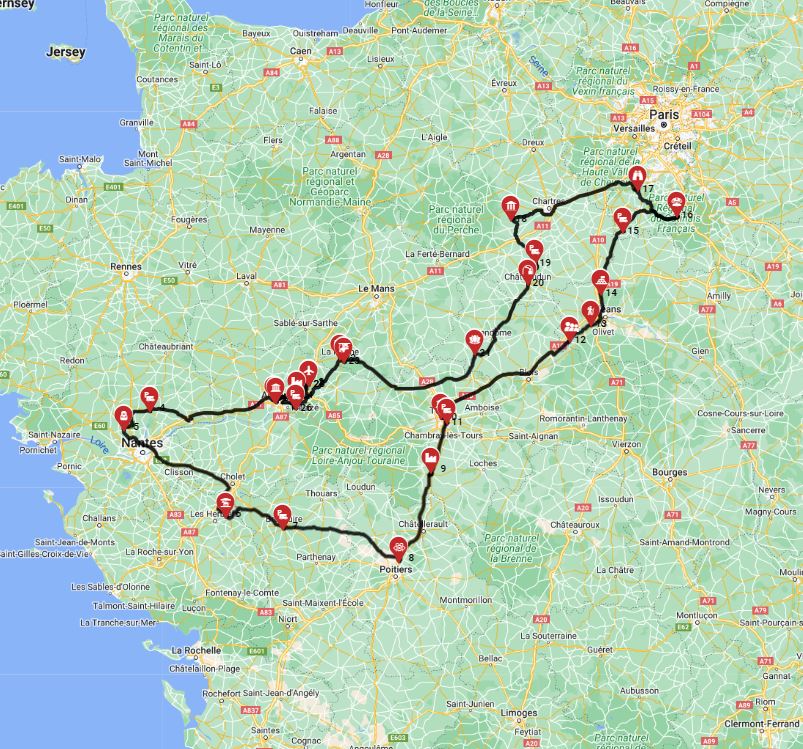
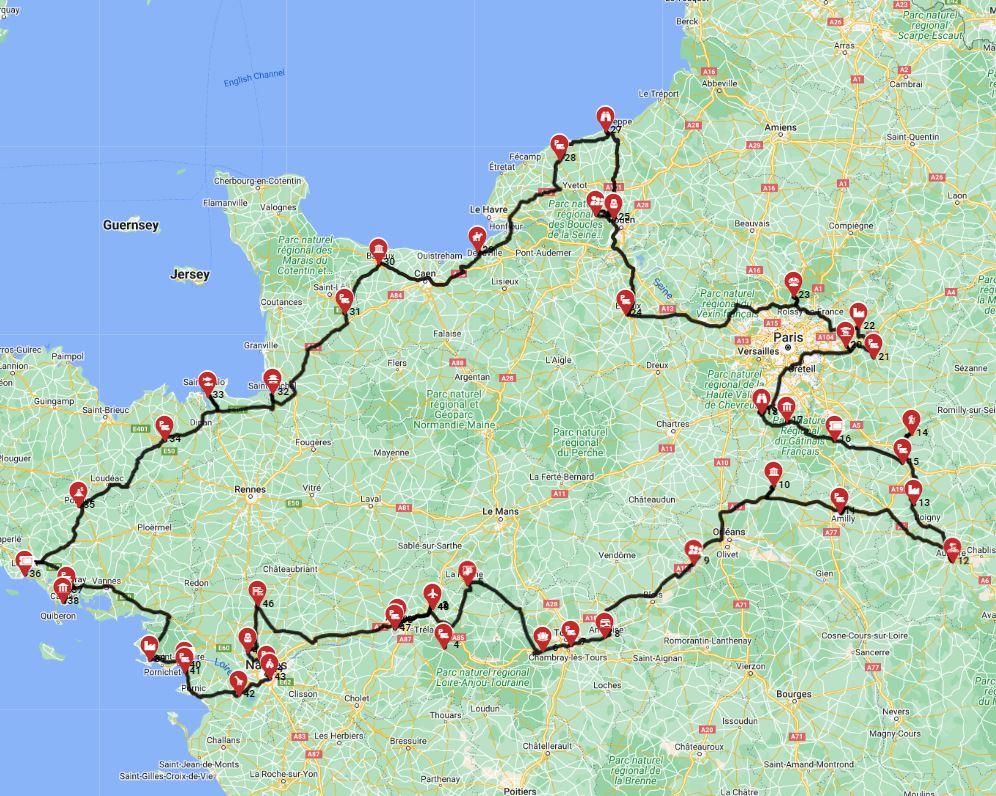
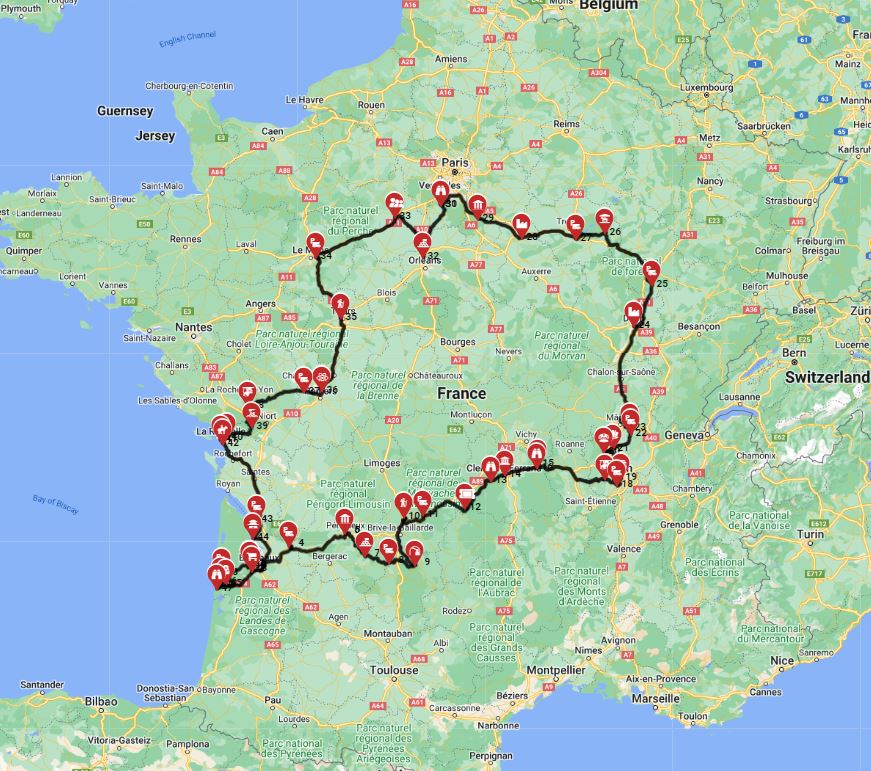
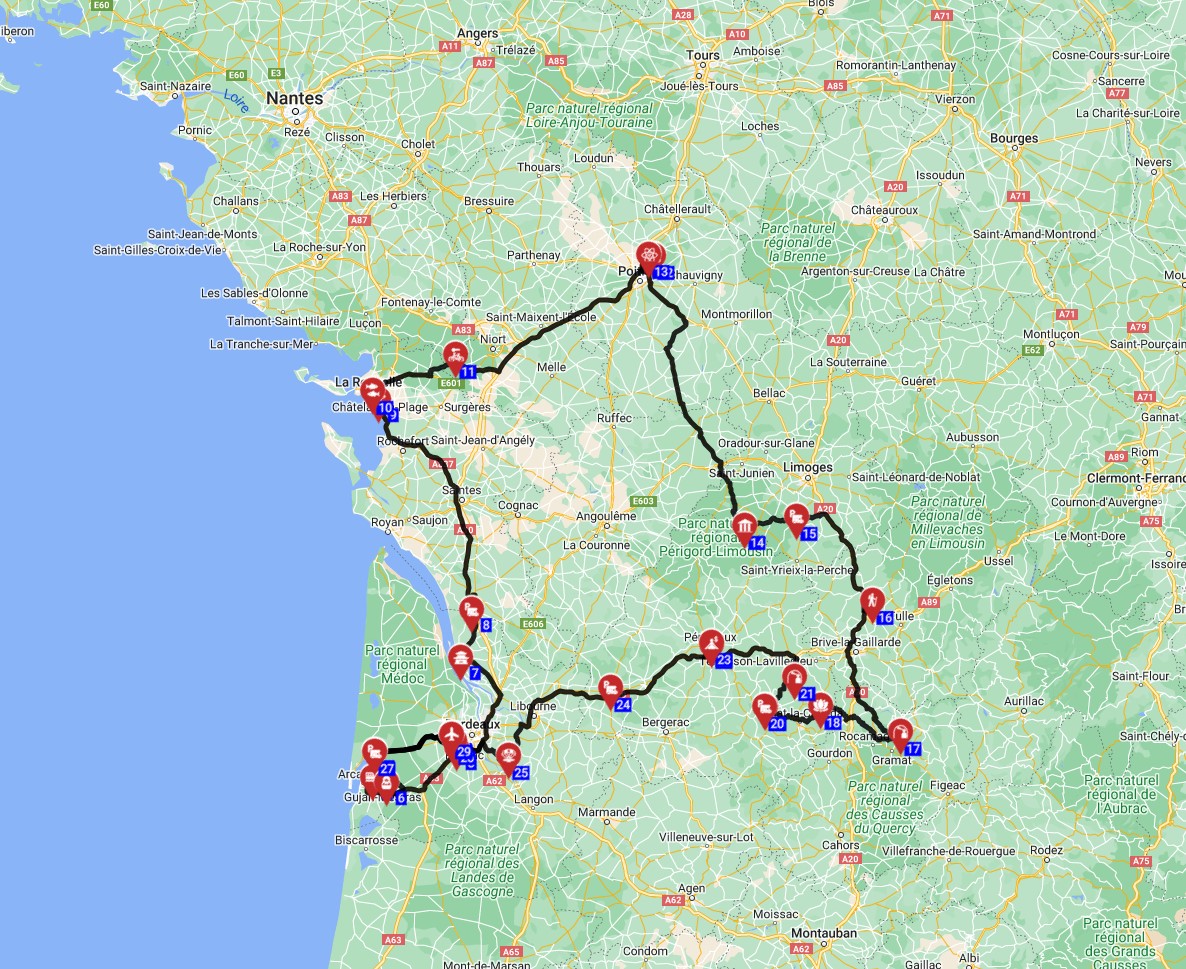
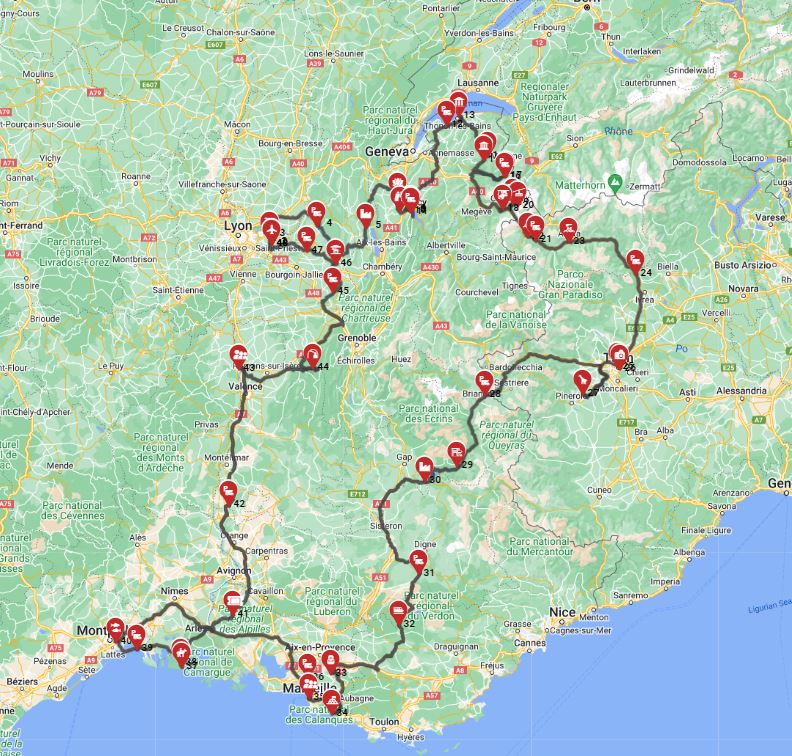
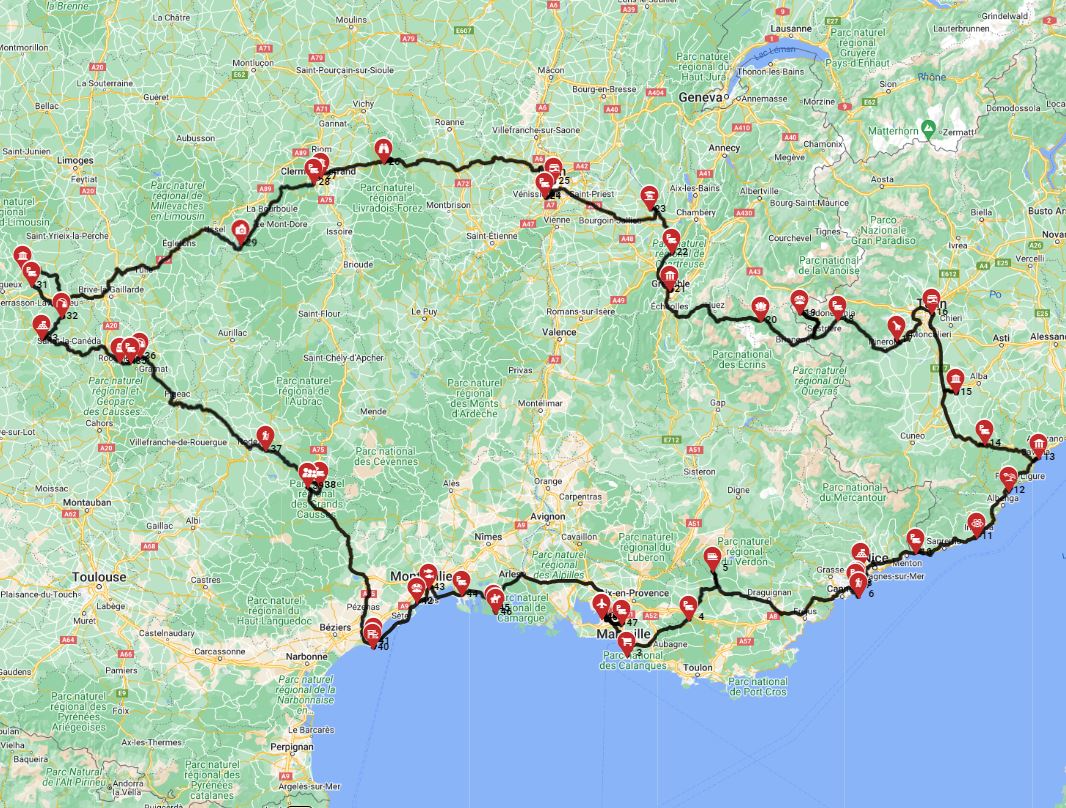
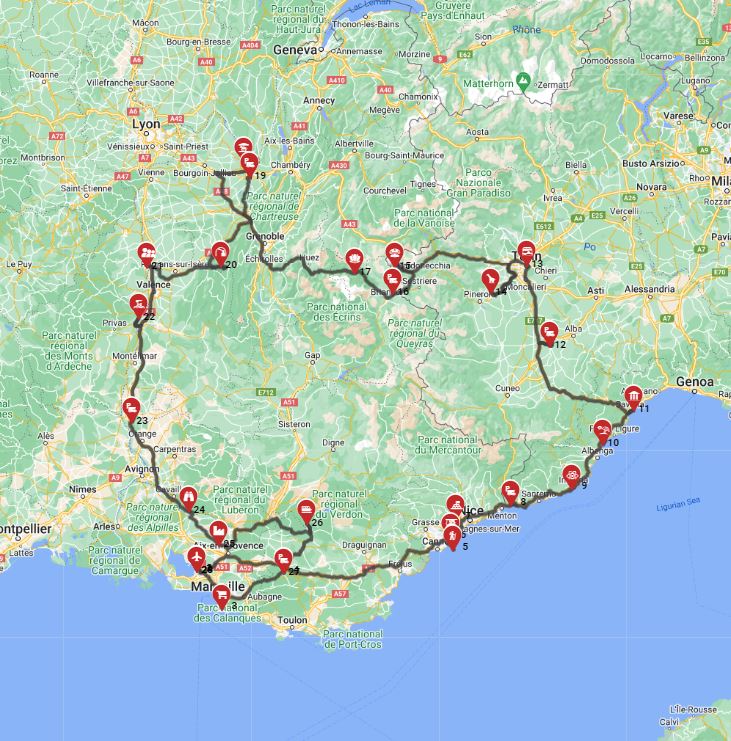
France offers a wealth of incredible RV itineraries, allowing you to immerse yourself in diverse landscapes and cultures at your own pace. One highly recommended route is exploring the historic Châteaux of the Loire Valley, where you can spend a week-long trip visiting majestic castles like Chambord and Chenonceau, interspersed with charming towns. Another captivating journey is discovering the vibrant lavender fields of Provence in summer (late June to mid-July), combining picturesque hilltop villages, Roman ruins, and delectable Mediterranean cuisine. Imagine parking your rented motorhome near Gordes or Sault, surrounded by fragrant purple blooms.
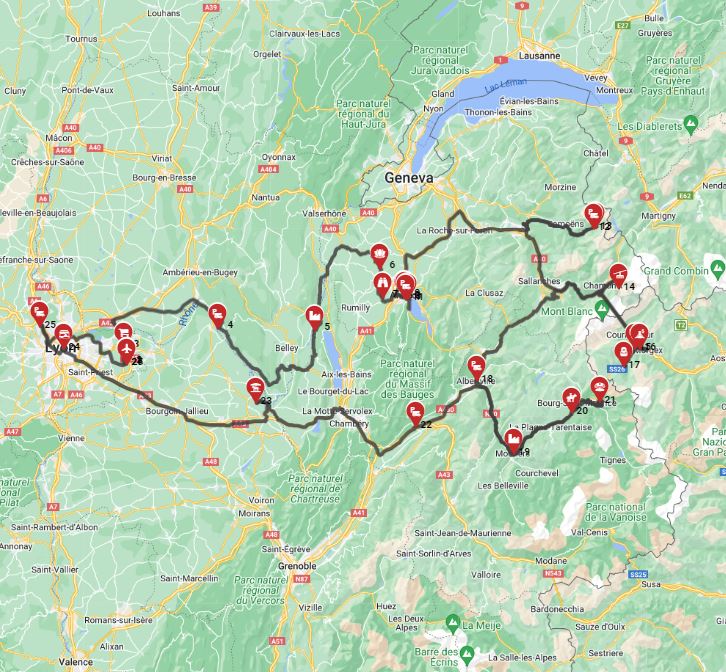
For wine enthusiasts, the Alsace Wine Route winds through quaint villages, vineyards, and half-timbered houses near the German border, offering exquisite tastings and a unique cultural blend. Alternatively, journey through Brittany's rugged coastline, ancient megaliths, and seafood-rich ports for a distinct cultural experience. The Dordogne region provides prehistoric cave paintings, medieval villages, and beautiful rivers perfect for canoeing. For those seeking alpine adventures, the French Alps offer stunning mountain drives and opportunities for hiking and exploring charming resort towns. Our RV Driving Deals in France - Routes and Savings 2024 can help you discover these routes and more, while Luxury RV Driving in France - Scenic Routes 2024 provides options for a more upscale journey.
What Should Foreigners Consider When Renting an RV in France?
When renting an RV in France as a foreigner, several key considerations ensure a smooth and enjoyable trip. Most importantly, a standard car driver's license is sufficient for driving all motorhome classes (Class A, Class B, and Class C) in France. No special license or additional permits are required. However, an International Driving Permit (IDP) is highly recommended for visitors from non-English-speaking countries, as it provides a translation of your license, although it is not legally mandatory in most cases. The minimum rental age for an RV in France is 21 years; there are no young driver surcharges and no vehicle class restrictions based on age, making RV travel accessible for younger adventurers.
It is crucial to verify insurance options for non-residents; comprehensive coverage for European travel is essential. Most rental agreements include basic liability, but opting for additional coverage or a top-level deductible reimbursement upgrade offers greater peace of mind. Familiarize yourself with the rental terms, including mileage limits (some offer unlimited mileage packages), fuel policies, and any one-way rental fees if you plan to pick up in one city and drop off in another. For instance, One-Way RV Driving in France - Route Planner 2024 highlights potential fees for such flexibility. Consider the size of the RV that best suits French roads and camping infrastructure; while larger RVs like a "Cruise America Explorer" (7.1m length) are common, smaller campervans are often easier to maneuver through charming, narrow village streets.
What are the Logistics for Multi-Country RV Travel from France?
Planning a multi-country RV adventure from France requires careful coordination to ensure a seamless journey across European borders. Always confirm with your rental company that your rented RV is permitted for multi-country travel; most major suppliers like El Monte, Cruise America, Apollo, and Britz allow it within the Schengen Area, but some may have specific restrictions or require an additional "cross-border" fee, typically ranging from €50 to €150. Ensure your insurance coverage extends to all countries you plan to visit, as some policies might require specific endorsements for international travel. Bandana RV works with over 50 leading RV suppliers worldwide, offering flexible options for your European travels.
Research and understand the different road toll systems and unique traffic laws for each country you enter. For example, some countries like Switzerland or Austria require a 'vignette' (toll sticker) for motorways, while others, like Italy, use a barrier system similar to France. Fuel prices, currency conversions, and language differences will also vary across borders, so be prepared for these changes. A Class B campervan, such as the "Combi Van" (5m length), is ideal for navigating diverse European roads. Remember that many national parks across Europe also have a limited number of first-come, first-served camping spots, allowing for spontaneous detours. For broader European travel, consult our RV Rental Europe - Complete Guide 2024 for essential information.
Top Cities for RV Rental in France
France offers numerous vibrant cities perfect for picking up your motorhome and starting your adventure. Paris is a popular gateway, providing excellent access to a wide variety of motorhomes and campervans, including compact options like the "Category Van" or a larger "Group E" alcove model for families. From Paris, you can easily venture into the Loire Valley or head south. Nice, located on the French Riviera, is ideal for exploring the stunning Mediterranean coastline and the charming villages of Provence, offering a sun-soaked starting point.
- Paris: The capital offers the widest selection of rental vehicles and is a perfect hub for beginning your journey north or south.
- Nice: Your gateway to the French Riviera, Provence, and even onward into Italy, with many coastal campsites nearby.
- Marseille: France's oldest city, providing access to the Calanques National Park and the vibrant Provençal region.
- Bordeaux: The heart of France's wine country, offering easy access to vineyards, historic towns, and the Atlantic coast.
- Lyon: A gastronomic capital, centrally located for exploring the Alps, Burgundy, or heading south towards Provence.
- Toulouse: Known as the "Pink City," a great base for exploring the Occitanie region, the Pyrenees, and connections to Spain.
- Nantes: A dynamic city in Western France, perfect for discovering Brittany, the Loire Atlantique coast, and historical châteaux.
- Strasbourg: Situated in Alsace, offering unique Franco-German culture, Christmas markets, and easy access to the Black Forest in Germany.
Each city offers a unique starting point to uncover the beauty of France with your rented RV. Many rental depots are located near airports or major train stations, making pickup and drop-off convenient.
What You Shouldn't Miss
- **The Lavender Fields of Provence:** During late June to mid-July, experience the breathtaking spectacle of vibrant purple lavender fields in full bloom around Valensole or Sault.
- **The Loire Valley Châteaux:** Explore the magnificent castles such as Chambord, Chenonceau, and Villandry, each telling centuries of French history.
- **Alsace Wine Route:** Drive through picturesque villages like Colmar and Riquewihr, sampling exquisite local wines directly from independent winemakers.
- **Dordogne's Prehistoric Caves and Medieval Villages:** Visit the Lascaux caves with ancient cave art and charming villages like Sarlat-la-Canéda.
- **The French Alps:** Enjoy stunning mountain vistas, hiking, and charming alpine towns around Annecy or Chamonix.
- **Côte d'Azur Coastal Drive:** Cruise along the beautiful Mediterranean coast, from Nice to Saint-Tropez, with numerous seaside towns and beaches.
Looking for expert insights from Avi Bandana? Top 5 Adventures - recommendations from Avi Bandana
🎬 Video coming soon
Final Thoughts
A last-minute RV rental in France offers an incredible opportunity for a spontaneous and enriching adventure. Whether you're drawn to the sun-drenched vineyards, the historic châteaux, or the rugged coastlines, traveling by motorhome provides unparalleled freedom and flexibility. Don't let the idea of last-minute planning deter you; with dynamic pricing and various vehicle classes available, from a nimble campervan for two to a spacious Class C for the whole family, your dream French road trip is within reach.
Embrace the journey, take your time to savor each moment, and connect with the local culture. With Bandana RV, you're supported every step of the way, with transparent pricing and expert advice. So pack your bags, set your itinerary (or don't!), and get ready to discover the magic of France on your terms. Plan a trip itinerary in advance with minimal effort and maximum enjoyment, or simply hit the road!
Find last minute rv Rentals in France and embark on an unforgettable journey today!