In This Guide
- The 5 RV Families Compared for South Europe
- Class A (Integrated) — Best For
- Price Comparison by RV Class in South Europe
- Class SI (Semi-Integrated) — Best For
- Class C (Alcove) — Best For
- Class B (Campervan) — Best For
- Class TC (Truck Camper) — Best For
- Side-by-Side Comparison Table
- Our Recommendation for last minute rv rental Travelers in South Europe
- What RV is best for Southern Europe?
- What are the best RV routes in Southern Europe?
- Can you wild camp in Southern Europe?
- Is it safe to travel in an RV in Europe?
- How much does it cost to rent an RV in Southern Europe?
- Where can I park my RV in European cities?
- What are the rules for RVs in Europe?
- What do I need to know about driving an RV in Europe?
- What is the best way to plan an RV trip?
The 5 RV Families Compared for South Europe
Choosing the right RV family is critical for a last-minute rental in South Europe, significantly impacting maneuverability, comfort, and suitability for local terrain and climate. Your decision should align with your group size, desired trip length, and willingness to navigate potentially narrow roads and diverse landscapes. Last-minute availability might influence your initial choices, making it essential to understand the strengths of each RV type. Smaller RVs, such as campervans, generally offer greater flexibility and ease of access to many charming, yet compact, Southern European destinations, which can be a significant advantage when booking spontaneously.
Class A (Integrated) — Best For
Class A integrated motorhomes offer the most luxurious and spacious experience, making them best suited for families or groups prioritizing comfort and extensive amenities on their South Europe trip. Bandana's fleet typically averages 7.5 meters in length and sleeps 4.4 people, comfortably accommodating around 4 adults, with a robust load capacity of 209.5 kg. Their common fuel consumption ranges between 11-12 liters per 100 km, reflecting their larger size and integrated design. While providing exceptional living space, their considerable size can be a trade-off, potentially challenging navigation on South Europe's narrower country roads or parking in historic city centers, which is a key consideration for spontaneous travel.
Price Comparison by RV Class in South Europe
Because pricing for RV rentals in South Europe is flex-rate, costs fluctuate based on demand, season, and how last-minute your booking is. The table below pulls real example prices from Bandana's live search, providing an estimate across various RV classes and rental durations. Generally, smaller, more agile RVs like campervans tend to be more budget-friendly than larger, amenity-rich Class A or C motorhomes. Keep in mind that rental prices are just one component of your overall trip cost, with fuel, tolls, and camping fees also contributing significantly. These prices update daily; for the most current live numbers, use the search box at the top of the page. On the routes offered through RV PLANET routes, you can itemize and track every expense along the way for easy budgeting.
Live April Price Comparison — RV Class × Trip Length
| Trip length | Class A | Class B | Class C | Class SI | Class TC |
|---|---|---|---|---|---|
| 1 week 15/04 → 22/04 | Check prices | 640.41 € EUR | 883.21 € EUR | 836.80 € EUR | Check prices |
| 2 weeks 15/04 → 29/04 | Check prices | 981.96 € EUR | 1,369.66 € EUR | 1,305.26 € EUR | Check prices |
| 1 month 01/04 → 30/04 | Check prices | 1,571.85 € EUR | 2,266.79 € EUR | 2,133.39 € EUR | Check prices |
Estimates only — flex-rate prices change daily based on availability and season.
Class SI (Semi-Integrated) — Best For
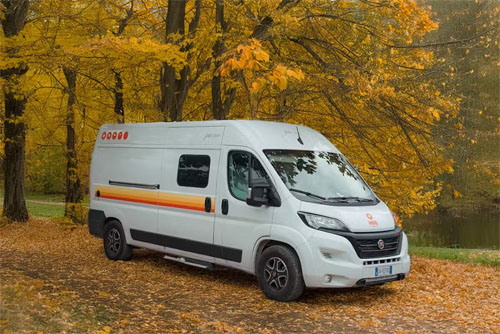
Class SI semi-integrated motorhomes represent a versatile and balanced choice, ideal for last-minute RV travelers in South Europe seeking comfort without sacrificing too much maneuverability. Bandana's fleet typically averages 6.9 meters in length, sleeps 3.8 people, comfortably accommodating 3.4 adults, and boasts an average load capacity of 72.2 kg. With common fuel consumption around 10-11 liters per 100 km, they offer a good blend of efficiency and living space. They often outperform larger Class A models in navigating smaller roads and provide more amenities than Class B campervans, making them suitable for couples or small families exploring diverse Southern European landscapes, even on short notice.
Class C (Alcove) — Best For
Class C alcove motorhomes are specifically best for families and larger groups on a last-minute RV rental in South Europe, primarily due to their characteristic over-cab sleeping area that maximizes capacity. Bandana's fleet typically averages 7.5 meters in length, offering significant space, and sleeps 5.8 people, designed for 4.4 adults, with a load capacity of 42.4 kg. Their fuel consumption typically ranges from 10-12 liters per 100 km, making them a cost-efficient option for family travel. These RVs are well-suited for varied South European road conditions, providing ample room and comfort for families, though their height might require attention for certain low bridges or tunnels, which is an important consideration for last-minute planning.
Class B (Campervan) — Best For
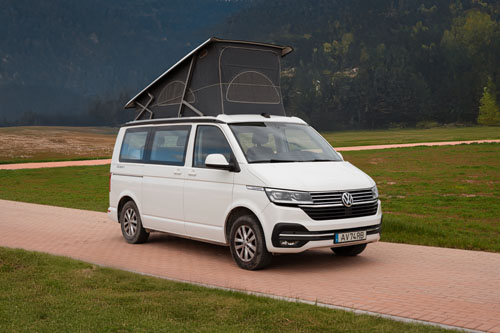
Class B campervans are exceptionally well-suited for last-minute RV rentals in South Europe, excelling in maneuverability, fuel economy, and ease of access to remote or urban locations. Bandana's fleet typically averages 5.8 meters in length, sleeps 3.2 people, with space for 2.7 adults, and has a load capacity of 37 kg, making them compact and agile. They are known for excellent fuel economy, typically around 10 liters per 100 km, reducing travel costs on spontaneous trips. Ideal for adventurous couples or solo travelers, campervans allow for seamless navigation through narrow village streets, efficient city parking, and a more immersive connection with local culture, which is perfect for those seeking immediate adventure.
Class TC (Truck Camper) — Best For
Class TC truck campers are best for last-minute RV adventurers in South Europe seeking unparalleled flexibility and off-grid exploration capabilities. Bandana's fleet typically averages 5.5 meters in length, sleeps 2.4 people, suitable for 2.1 adults, and has a stated load capacity of 0 kg (this likely indicates the load capacity is intrinsic to the truck base or is an unrecorded data point). Common fuel consumption ranges from 12-17 liters per 100 km, reflecting the robust nature of the combined truck and camper unit. Their detachable design allows for an independent base vehicle, perfect for reaching secluded spots or navigating challenging South European terrains that larger RVs cannot access, offering a truly unique, spontaneous adventure profile when time is of the essence.
Side-by-Side Comparison Table
This comparison table offers a concise overview of the key features of each RV family, aiding last-minute travelers in South Europe to quickly identify the best fit. It highlights crucial metrics such as average length, sleeping capacity, fuel consumption, and ideal use cases for the diverse landscapes of Southern Europe. Use this table to weigh priorities like space versus maneuverability or budget versus amenities, informing your rental choice for your spontaneous getaway.
| Family | Avg Length (m) | Sleeps | Fuel Use (L/100 km) | Best Use Case in South Europe |
|---|---|---|---|---|
| Class A (Integrated) | 7.5 | 4.4 | 11-12 | Luxury, large groups, comfort on main roads |
| Class SI (Semi-integrated) | 6.9 | 3.8 | 10-11 | Balanced comfort and maneuverability, couples/small families |
| Class C (Alcove) | 7.5 | 5.8 | 10-12 | Families with kids, maximum sleeping capacity, cost-effective |
| Class B (Campervan) | 5.8 | 3.2 | ~10 | Agile city/village travel, couples/solo, spontaneous trips |
| Class TC (Truck Camper) | 5.5 | 2.4 | 12-17 | Off-road adventure, remote destinations, ultimate flexibility |
Our Recommendation for last minute rv rental Travelers in South Europe
For last-minute RV rental travelers in South Europe, our primary recommendation is the **Class B Campervan** due to its unmatched agility, fuel efficiency, and ease of parking in diverse environments. Their compact size (avg. 5.8m) makes them perfect for navigating the region's often narrow roads and historic city centers, offering the greatest flexibility for spontaneous itinerary changes. A strong runner-up is the **Class SI Semi-integrated motorhome**, which provides a comfortable balance of living space (avg. 6.9m, sleeps 3.8) and manageable driving dimensions. Semi-integrated RVs offer more amenities and sleeping capacity than campervans, making them ideal for small families or couples seeking extra comfort without the bulk of larger RVs, still performing well on varied South European routes.
What RV is best for Southern Europe?
The best RV for Southern Europe largely depends on your travel style, group size, and desired flexibility, often favoring smaller, more agile vehicles for navigating diverse landscapes. For last-minute spontaneity and urban exploration, Class B Campervans (avg. 5.8m) are ideal due to their maneuverability and ease of parking in historic towns and coastal villages. Small families or couples seeking a balance of comfort and reasonable size will find Class SI Semi-integrated motorhomes (avg. 6.9m) to be an excellent choice. While larger Class C Alcoves (avg. 7.5m) suit bigger families, be aware they might be more challenging on very narrow or winding South European roads. Consider the region's varied terrain, from the winding Amalfi Coast to mountainous ranges and bustling cities, which generally rewards the versatility of more compact RVs.
What are the best RV routes in Southern Europe?
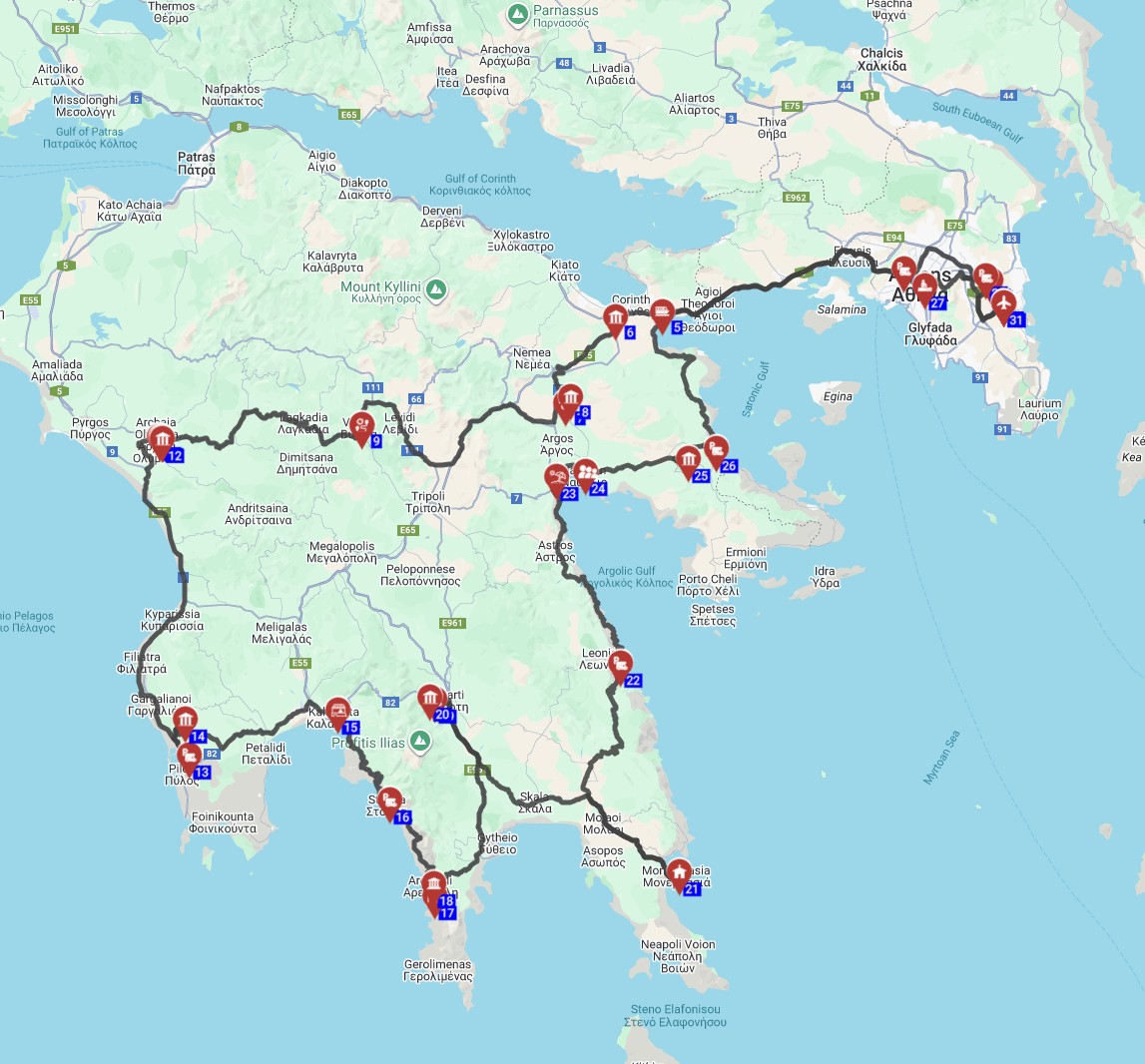
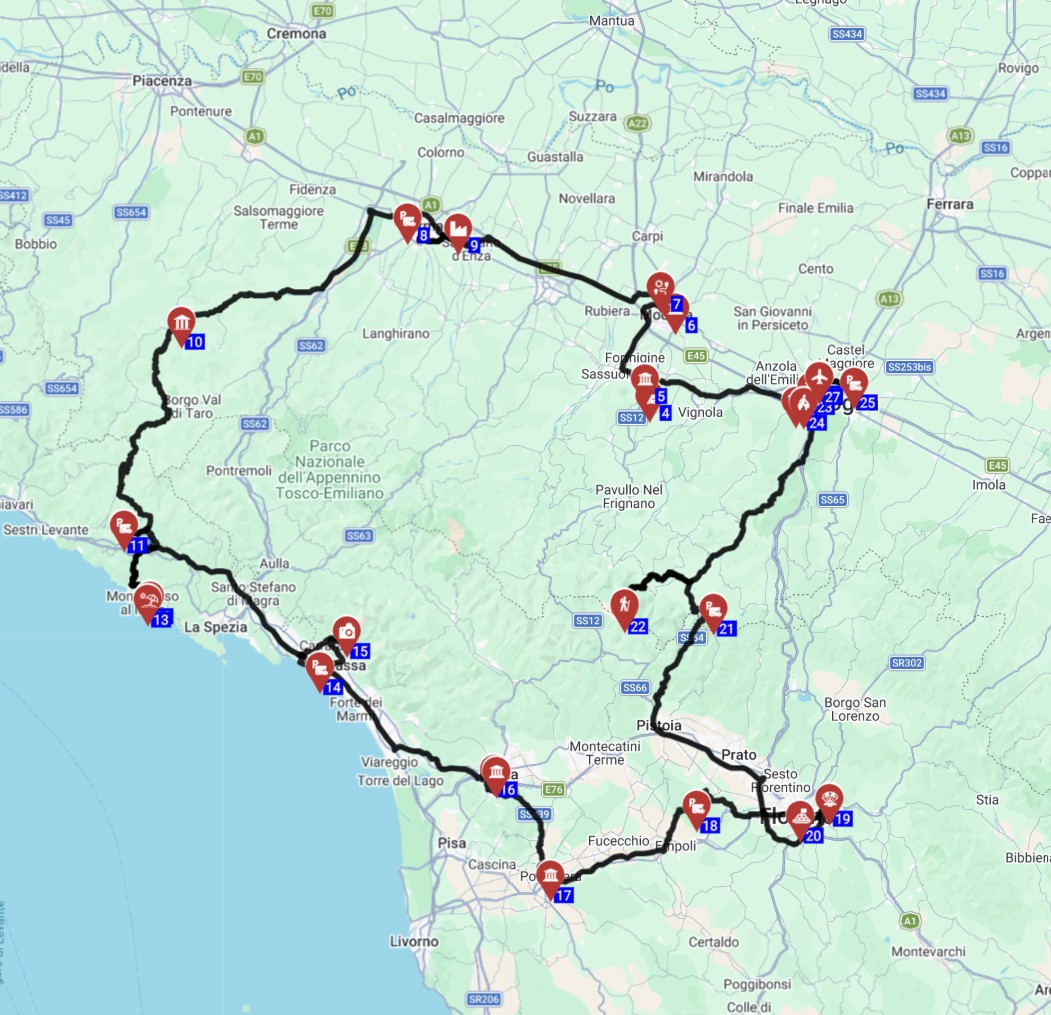
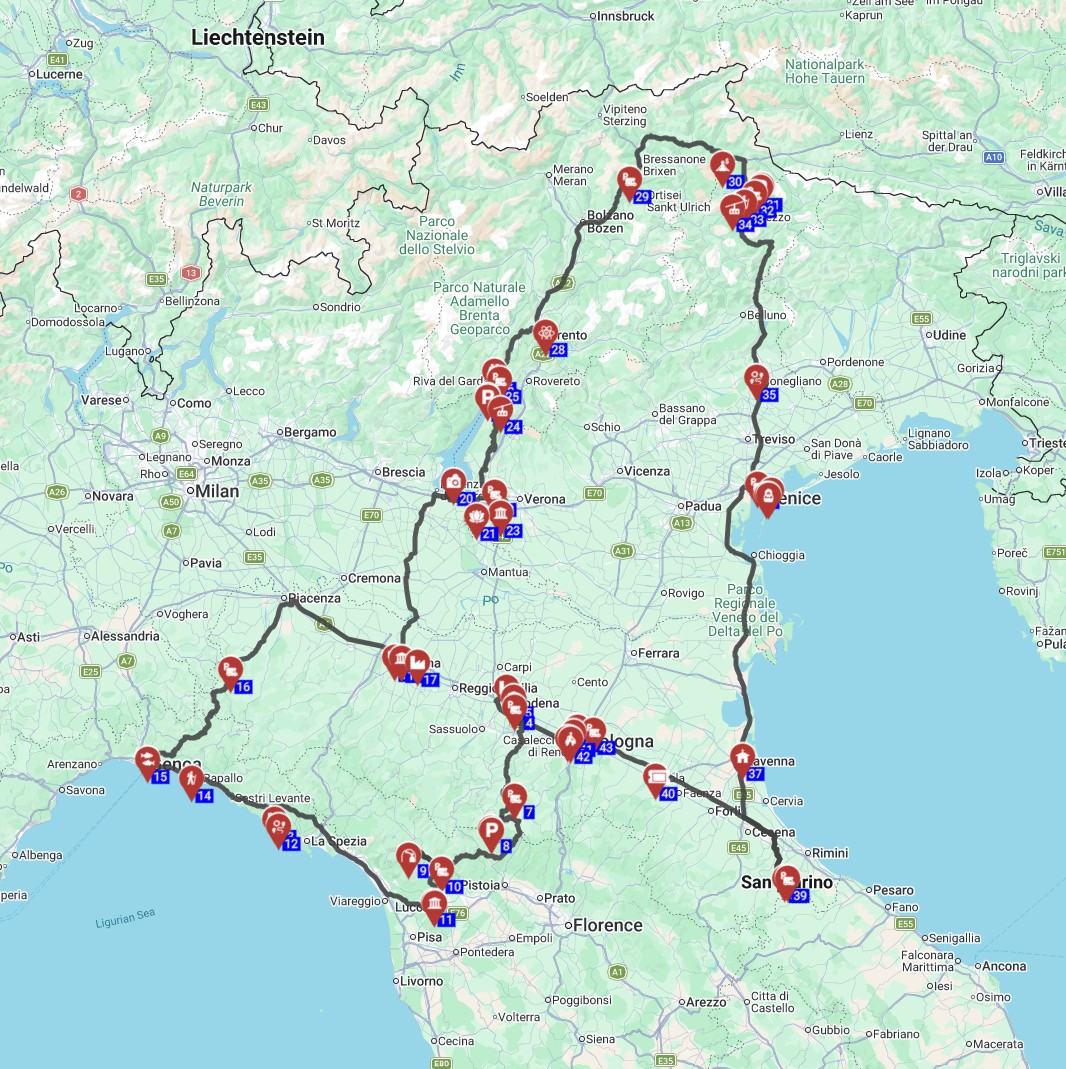
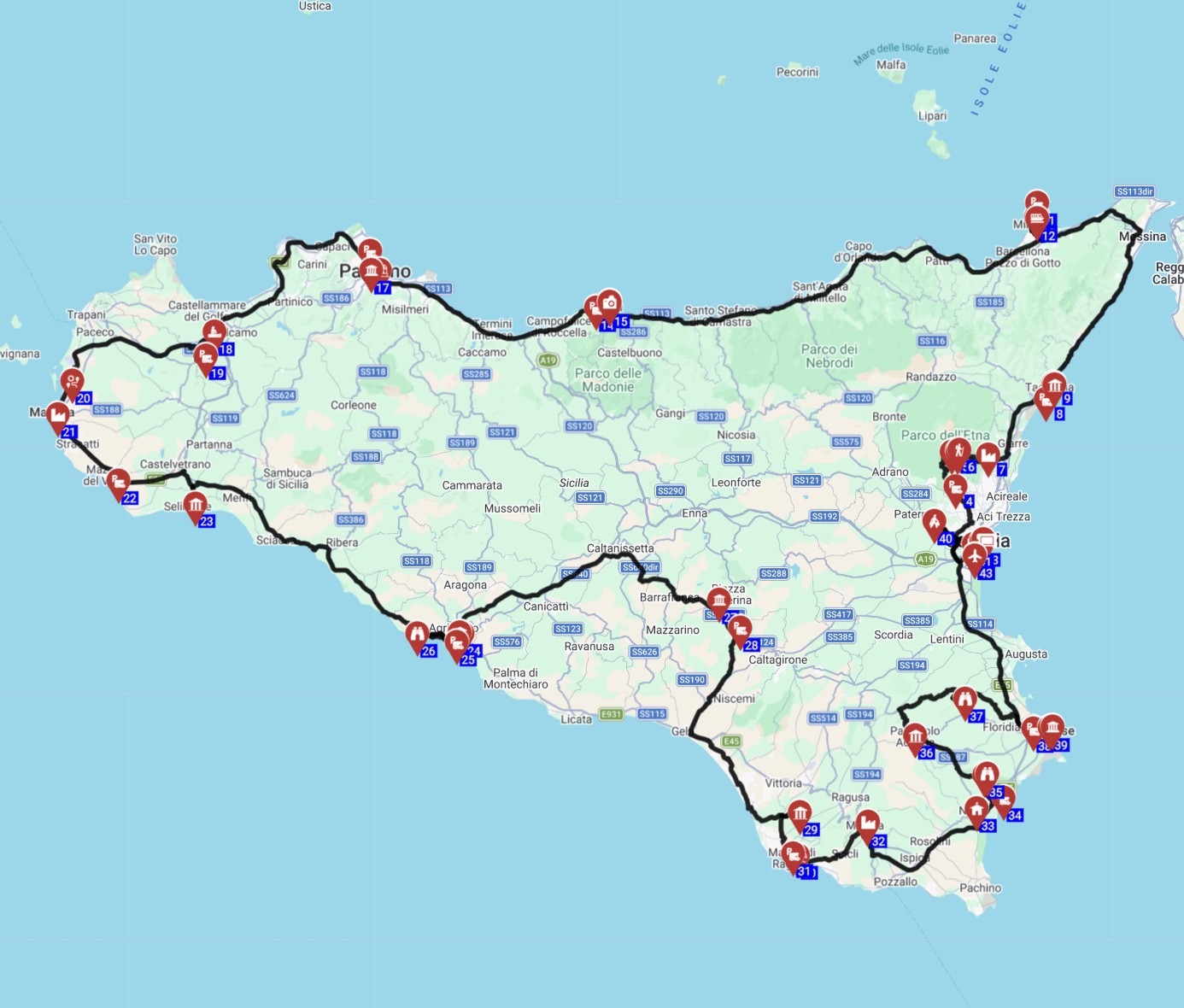
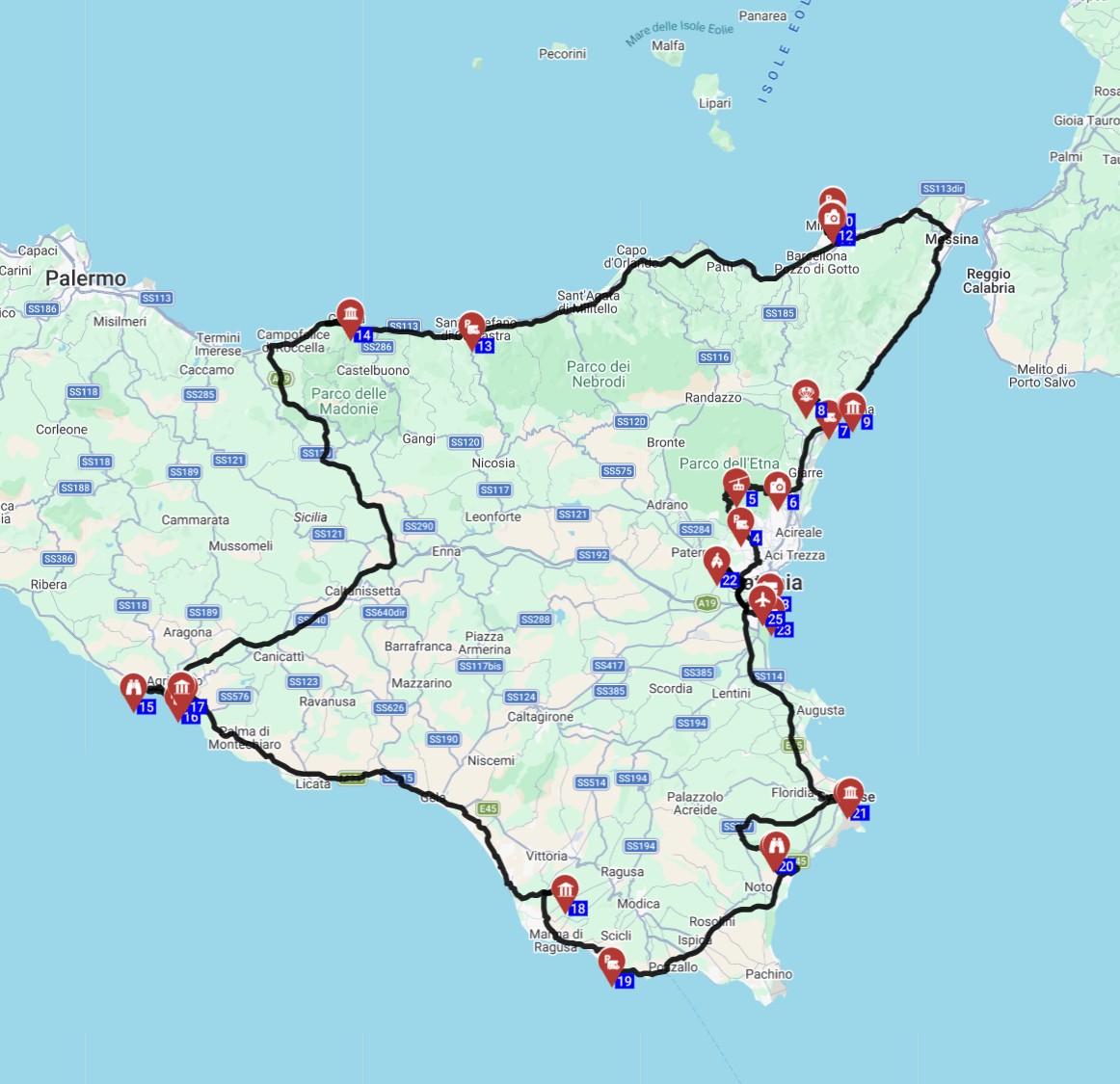
Southern Europe offers an abundance of stunning RV routes, from breathtaking coastal drives to historic inland journeys, many providing opportunities for authentic cultural immersion and less-explored experiences. Consider scenic drives like Portugal's Alentejo coast, Italy's Tuscan countryside for wine and history, or the dramatic landscapes of the Spanish Pyrenees, all perfect for RV exploration. For off-the-beaten-path adventures, explore the hidden coves of Croatia's Dalmatian coast, the ancient ruins in Greece's Peloponnese, or the unique villages of Sicily. Many regions offer 'agricamper' or 'farm stay' networks (e.g., Portugal EasyCamp, España Discovery) that allow RVers to stay on farms, connect with locals, and sample regional cuisine. Leverage apps like Park4Night or Campercontact to discover highly-rated scenic stops, local markets, and overnight parking areas that are unique to RV travel, enriching your spontaneous journey.
Can you wild camp in Southern Europe?
Wild camping regulations vary significantly by country in Southern Europe, with most jurisdictions generally prohibiting it or allowing it only under very specific and often restrictive conditions. In countries like Portugal and Spain, strict laws often prohibit traditional wild camping outside designated areas, but overnight parking in an RV is often tolerated if no 'camping behavior' (e.g., awnings out, chairs set up) is displayed. Italy and Greece tend to have tighter restrictions, especially near coastal or tourist-heavy areas, making private campgrounds or municipal 'Aires de Service' the most reliable options for last-minute travelers. It's crucial to research specific regional and national laws before attempting to wild camp, as local regulations can differ greatly and fines can be substantial. Always prioritize responsible waste disposal and minimal environmental impact, respecting local customs and supporting sustainable travel practices.
Is it safe to travel in an RV in Europe?
Traveling in an RV in Southern Europe is generally safe, but preparedness for specific regional risks and knowing how to access emergency support networks is crucial, especially for those booking last-minute. Be aware of potential petty crime, especially in crowded tourist areas; always secure your RV, keep valuables out of sight, and choose well-lit, populated parking locations. Prepare for varying weather conditions, from intense summer heat to sudden thunderstorms, ensuring your RV's systems are in order and you have local emergency contact information. Familiarize yourself with the universal European emergency number (112) and consider comprehensive travel insurance that includes roadside assistance and medical coverage. Utilize local RV communities and apps to gain real-time insights on safe parking spots and any current regional advisories or risks.
How much does it cost to rent an RV in Southern Europe?
The cost to rent an RV in Southern Europe for a last-minute trip encompasses more than just the daily rental fee, including various hidden costs and regional price differences. Beyond the base rental rate (which can range from €50-€150/day for campervans to €150-€300+/day for larger motorhomes), budget for significant expenses like fuel, tolls, and camping pitch fees. Fuel consumption for Bandana's fleet typically ranges from 10-17 liters per 100 km; fuel prices vary across countries, often being higher in Italy than Spain or Portugal. Tolls can be substantial, especially for RVs in countries like Italy and France, and don't forget costs for water, waste disposal (at specific 'Aires de Service'), and propane. To save money on a last-minute trip, consider utilizing free overnight parking spots where allowed, cooking most meals, and looking for loyalty programs or off-season deals. For ideas you can prep on the road, watch our RV-friendly recipes playlist on YouTube.
Where can I park my RV in European cities?
Parking an RV in Southern European cities, particularly in historic centers, presents unique logistical challenges due to narrow streets, restricted zones, and limited large vehicle spaces. The best strategy is often to seek out designated RV parking areas or 'Aires de Service' located on the city outskirts, which typically offer public transport connections to the center. Many larger cities provide 'Park and Ride' (P+R) facilities, allowing you to park your RV safely outside the city core and commute using public transportation. Be highly aware of 'Zona a Traffico Limitato' (ZTLs) in Italian cities and similar low-emission zones elsewhere, which restrict vehicle access and can result in significant fines if violated without a permit. Apps like Park4Night and Campercontact are invaluable resources for finding verified RV-friendly parking spots, including free and paid options, and service points near urban areas.
What are the rules for RVs in Europe?
Rules for RVs in Europe involve a combination of general traffic laws, specific vehicle dimension and weight regulations, and increasingly, environmental restrictions in urban areas. A standard B driving license generally covers RVs up to 3,500 kg, which includes most campervans and smaller motorhomes, but always verify your specific RV's weight and license requirements. Be aware that speed limits for RVs are often lower than for cars in many European countries, and mandatory safety equipment (e.g., reflective vests, warning triangles) must be carried. Many Southern European cities, particularly in Italy and Spain, have introduced environmental zones (e.g., Crit'Air vignettes in France) that may restrict access for older or less eco-friendly RVs. Adhering to responsible waste disposal practices, respecting noise regulations, and supporting local economies sustainably are crucial ethical considerations for RVers in the region.
What do I need to know about driving an RV in Europe?
Driving an RV in Southern Europe requires specific knowledge beyond standard car driving, particularly concerning vehicle dimensions, varied road conditions, and local traffic regulations. Familiarize yourself with your RV's exact height, width, and length to safely navigate narrow village roads, low bridges, and tunnels, often marked with explicit restrictions. Be prepared for diverse road conditions, from well-maintained highways to winding mountain passes and unpaved rural tracks, which may require careful maneuvering. Understand the toll systems, as many South European countries (e.g., Italy, France) have extensive toll roads, and charges can be higher for larger RVs; consider a toll tag for convenience. Ensure you have all necessary documentation, including your valid driving license, potentially an International Driving Permit, vehicle registration, and proof of insurance, readily accessible for last-minute checks.
What is the best way to plan an RV trip?
The best way to plan an RV trip, even a last-minute one, involves a balance of detailed preparation and embracing spontaneity to fully enjoy Southern Europe's diverse offerings. Begin with a flexible itinerary outlining key destinations and experiences, then research specific RV-friendly sites, overnight parking options, and potential 'Aires de Service' for water/waste. Utilize a combination of general mapping tools and specialized RV apps (e.g., Park4Night, Campercontact) to find suitable routes, camping spots, and points of interest. Actively seek opportunities for authentic cultural immersion, such as staying at local farm campsites, visiting bustling regional markets, or participating in local festivals to connect with the area. Always pack essentials, conduct a thorough vehicle check before departure, and maintain flexibility to adapt to unexpected discoveries or last-minute changes, which are often the highlights of an RV adventure.
What You Shouldn't Miss
- Drive a Class B campervan along Portugal's scenic coastal roads, stopping at hidden coves and charming fishing villages spontaneously.
- Explore the rolling hills and vineyards of Tuscany by RV, sampling local wines and enjoying farm-to-table dining at an agriturismo.
- Navigate the dramatic Pyrenees mountains in Spain with a versatile Class SI motorhome, discovering remote trails and breathtaking vistas.
- Immerse yourself in the history of Greece by RV, visiting ancient ruins in the Peloponnese and enjoying authentic meals at seaside tavernas.
- Experience the unique "Portugal EasyCamp" network by staying overnight at local farms and vineyards, enjoying direct interaction with producers and tasting regional specialties.
- Utilize RV-friendly parking apps like Park4Night to discover charming, lesser-known overnight spots in small Spanish towns, enhancing your spontaneous travel experience.
Final Thoughts
Embarking on a last-minute RV adventure in South Europe offers incredible flexibility and the chance for truly spontaneous discoveries. By understanding the strengths of each RV class and planning with essential resources, you can navigate the region's beauty with ease and comfort.
Remember, the freedom of the open road is amplified when you have the right vehicle for the journey. Whether you choose the compact agility of a campervan or the balanced comfort of a semi-integrated motorhome, an RV rental is your key to unlocking the diverse landscapes and rich culture of Southern Europe.
So, take the leap! Compare your options, book with confidence, and prepare for an unforgettable road trip. Your spontaneous South European adventure awaits!