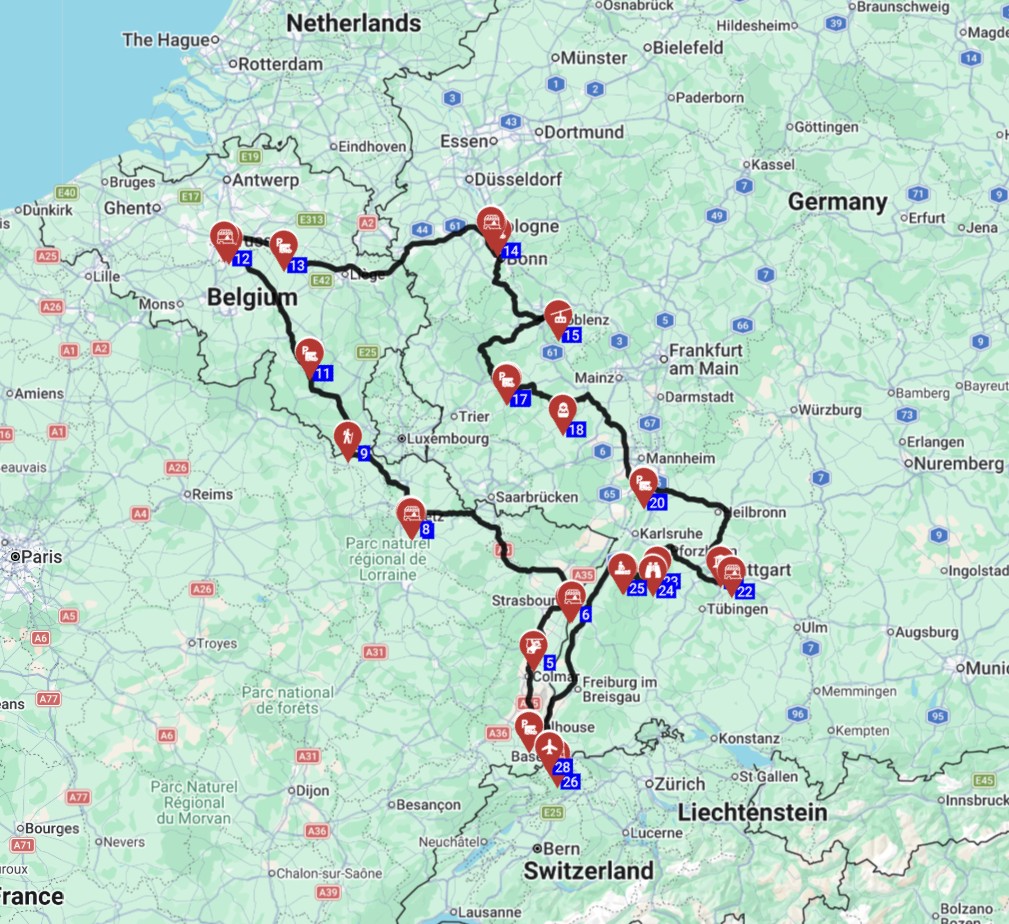
In This Guide
- Best West Europe RV Itinerary for last minute rv rental - Overview
- 7-Day Classic Route in West Europe
- 14-Day Extended Journey in West Europe
- Recommended RVPlan Trip for West Europe
- Must-See Stops Along the Way (Avi Bandana Picks)
- Daily Driving Distances & Drive Times in West Europe
- Best RV Class for This Itinerary - Couple & Family Picks
- Is a last-minute RV trip to Europe affordable?
- What are the best RV rental companies in West Europe?
- Can I rent an RV in one West European country and drop it off in another?
- What documents do I need to rent an RV in West Europe?
- What's the difference between an RV and a campervan for European travel?
- How much does it cost to rent an RV in West Europe per week?
- What is the best time of year for RV travel in West Europe?
- Are there specific driving rules for RVs in different West European countries?
- How do I find campsites for RVs in West Europe?
- What are the common challenges of RV travel in West Europe?
- What is the average fuel consumption for an RV in West Europe?
- How to stay connected while RVing in West Europe?
- Is wild camping allowed in West Europe for RVs?
- What unique cultural etiquette should RV travelers know for West Europe?
- How can I manage waste and water responsibly while RVing in West Europe?
- What are the best navigation apps for RVs in West Europe?
- How can I save money on food while RVing in West Europe?
- What safety and security tips are essential for RV travel in West Europe?
Best West Europe RV Itinerary for last minute rv rental - Overview
Exploring West Europe's diverse landscapes and rich cultures by RV offers unparalleled freedom and flexibility, especially with a last minute RV rental. We recommend a minimum duration of 7 days, though ideally 14 days or more, to truly immerse yourself in the region's charm. Opting for shoulder seasons, typically April-June and September-October, often provides pleasant weather with fewer crowds, enhancing your travel experience. On average, planning to cover approximately 100-150 km per day allows you to savor each stop, delving into iconic cities and picturesque countryside at a comfortable pace. For live availability and current prices, start with our RV Rental West Europe - Complete Guide 2026 guide.7-Day Classic Route in West Europe
A classic 7-day last-minute RV itinerary through West Europe can immerse you in a blend of French, Luxembourgish, and German culture. This route is designed for travelers who prefer a dynamic trip, moving between major highlights. * **Day 1: Paris, France → Reims, France** (145 km / 90 mi). Enjoy a scenic drive to Reims, a city synonymous with Champagne. Explore its famous Champagne houses and magnificent cathedral. You can sleep comfortably at Camping Municipal de Reims. * **Day 2: Reims, France → Luxembourg City, Luxembourg** (190 km / 118 mi). Journey to Luxembourg City and wander through its historic Old Quarter and the impressive Bock Casemates. Camping Kockelscheuer offers a great overnight stay. * **Day 3: Luxembourg City, Luxembourg → Trier, Germany** (50 km / 31 mi). A short drive takes you to Trier, Germany's oldest city, famed for its incredibly preserved Roman ruins, particularly the Porta Nigra. City-Camping Trier provides a convenient base. * **Day 4: Trier, Germany → Cochem, Germany (Moselle Valley)** (60 km / 37 mi). Venture into the enchanting Moselle Valley to Cochem, where you can explore the majestic Reichsburg Castle and enjoy a leisurely Moselle river cruise. Camping Cochem is a popular choice for RVers. * **Day 5: Cochem, Germany → Strasbourg, France** (180 km / 112 mi). Head back into France to Strasbourg, where the stunning Strasbourg Cathedral and the charming La Petite France district await. Consider Camping de Strasbourg for your overnight stay. * **Day 6: Strasbourg, France → Colmar, France** (70 km / 43 mi). Discover the fairytale town of Colmar with its well-preserved Old Town and picturesque "Little Venice." Camping de l'Ill Colmar offers a peaceful spot. * **Day 7: Colmar, France → Return to Paris, France** (480 km / 298 mi). This is a longer travel day, designed for returning to your departure city, highlighting the need for efficient planning to cover such a distance within a 7-day last minute RV trip to West Europe.14-Day Extended Journey in West Europe
An extended 14-day RV adventure through West Europe allows for deeper exploration, blending historical sites with natural beauty and giving you more flexibility for a last minute RV rental. This itinerary weaves through France, Belgium, the Netherlands, and Germany. * **Days 1-3: The French Start (Paris to Loire Valley)** * **Day 1: Paris, France → Chartres, France** (90 km / 56 mi). Begin your journey with the magnificent Chartres Cathedral. Sleep comfortably at Camping Municipal de Chartres. * **Day 2: Chartres, France → Amboise, France (Loire Valley)** (130 km / 81 mi). Explore the royal Château d'Amboise and Leonardo da Vinci's last home, Clos Lucé. Camping de l'Île d'Or awaits. * **Day 3: Amboise, France → Saumur, France** (80 km / 50 mi). Visit Château de Saumur and experience the Cadre Noir equestrian show. Spend the night at Camping de l'Île d'Offard. * **Days 4-6: Normandy & Brittany's Charm** * **Day 4: Saumur, France → Mont Saint-Michel, France** (220 km / 137 mi). This longer day leads to the breathtaking Mont Saint-Michel Abbey and causeway. Camping Haliotis is a great option nearby. * **Day 5: Mont Saint-Michel, France → Saint-Malo, France** (55 km / 34 mi). Discover the historic walled city of Saint-Malo and its Grand Bé island. Stay at Camping les Chevrets. * **Day 6: Saint-Malo, France → Bayeux, France** (120 km / 75 mi). Immerse yourself in history with the Bayeux Tapestry and significant WWII sites. Camping Municipal de Bayeux provides a convenient stop. * **Days 7-9: Exploring Belgium's Historical Gems** * **Day 7: Bayeux, France → Bruges, Belgium** (350 km / 217 mi). This is a substantial travel day, perfect for a long drive to cross borders and arrive at the picturesque canals and Markt Square of Bruges. Camping Memling offers a good spot. * **Day 8: Bruges, Belgium → Ghent, Belgium** (55 km / 34 mi). Explore Ghent's Gravensteen Castle and Saint Bavo's Cathedral. Camping Blaarmeersen is a good choice. * **Day 9: Ghent, Belgium → Brussels, Belgium** (55 km / 34 mi). Discover the grandeur of Grand Place and the unique Atomium in Brussels. Camping Grimbergen is available for your motorhome. * **Days 10-12: The Dutch Discoveries** * **Day 10: Brussels, Belgium → Rotterdam, Netherlands** (150 km / 93 mi). Experience Rotterdam's modern architecture and the iconic Markthal. Park your RV at Camping Rotterdam. * **Day 11: Rotterdam, Netherlands → Amsterdam, Netherlands** (75 km / 47 mi). Explore Amsterdam's famous canals and world-class museums. Camping Zeeburg Amsterdam is a popular RV park. * **Day 12: Amsterdam, Netherlands → Utrecht, Netherlands** (50 km / 31 mi). Visit Utrecht's impressive Dom Tower and charming canals. Stay at Camping De Berekuil. * **Days 13-14: German Grandeur (Return to Cologne)** * **Day 13: Utrecht, Netherlands → Cologne, Germany** (200 km / 124 mi). A comfortable travel day to Germany, featuring the iconic Cologne Cathedral and Old Town. Camping Stadt Köln offers excellent facilities. * **Day 14: Departure from Cologne.**Recommended RVPlan Trip for West Europe
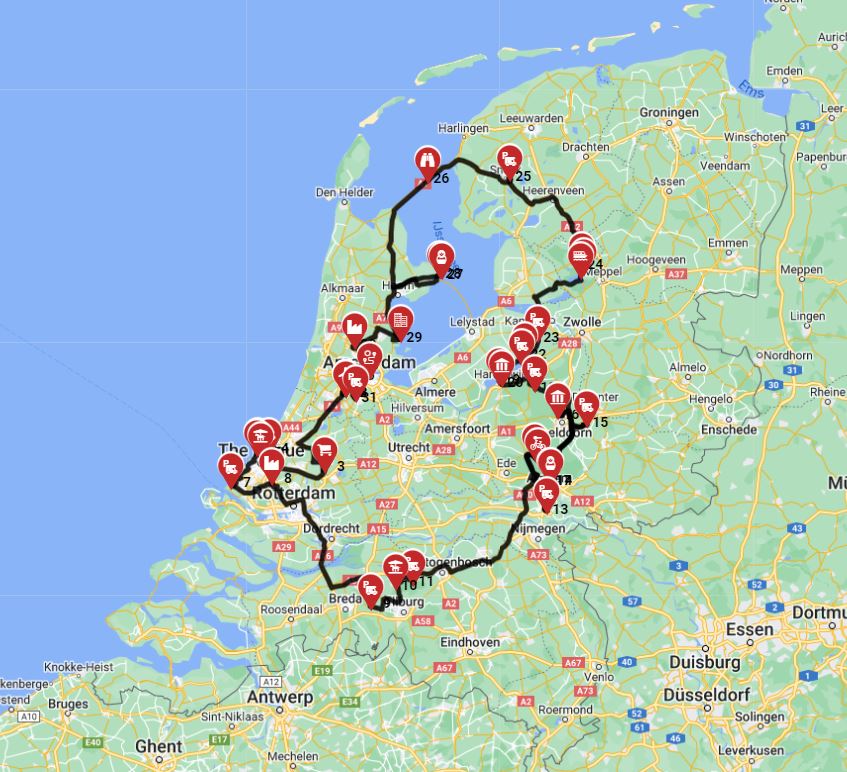
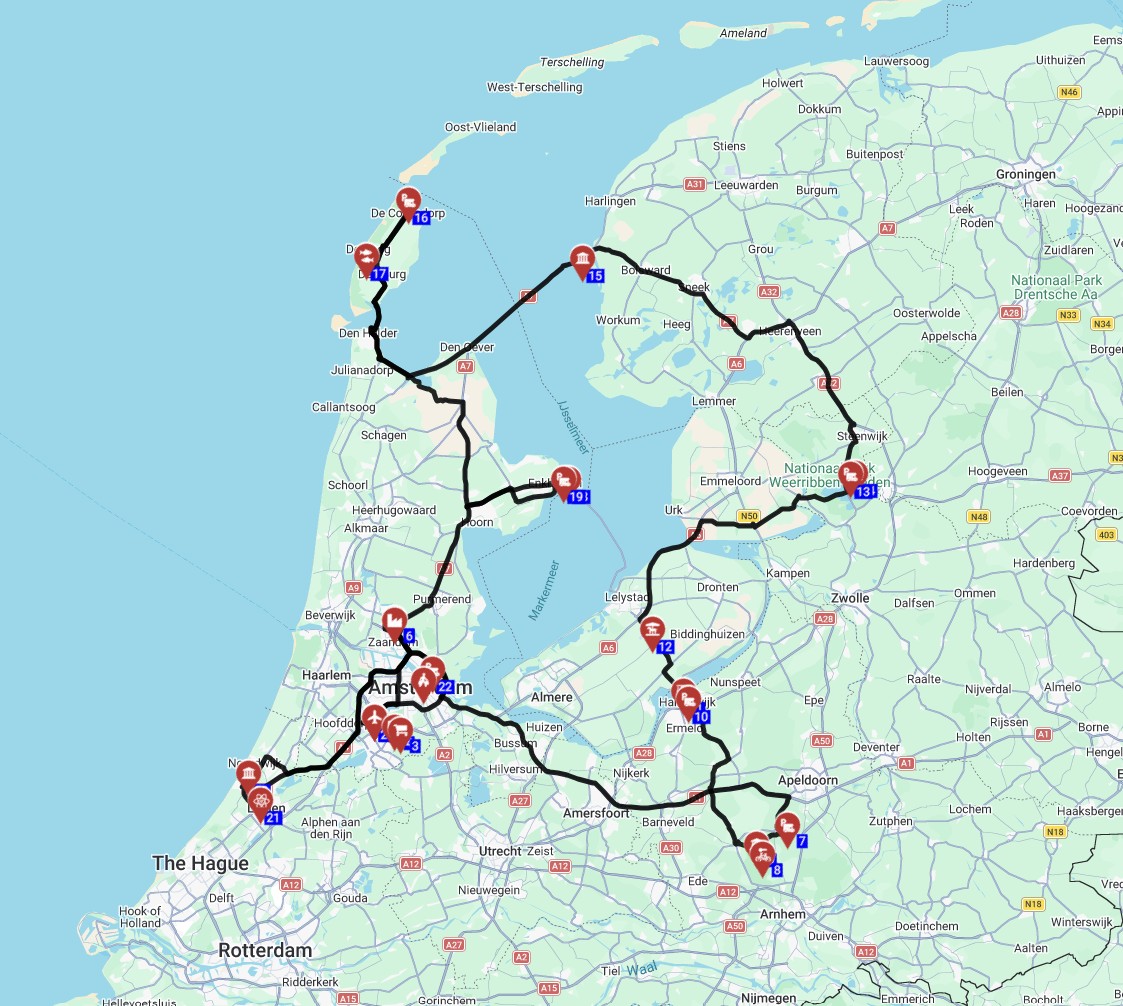
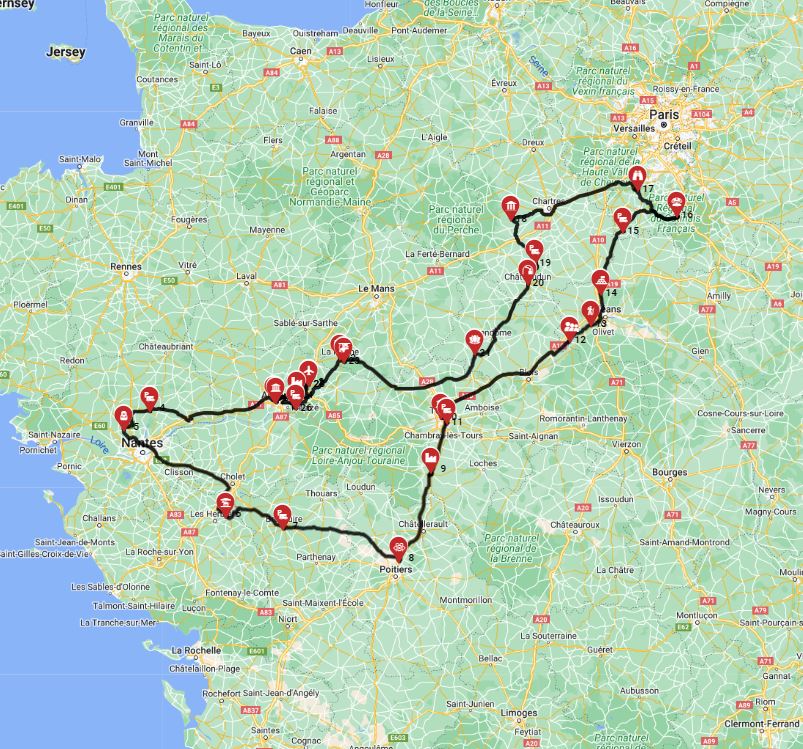
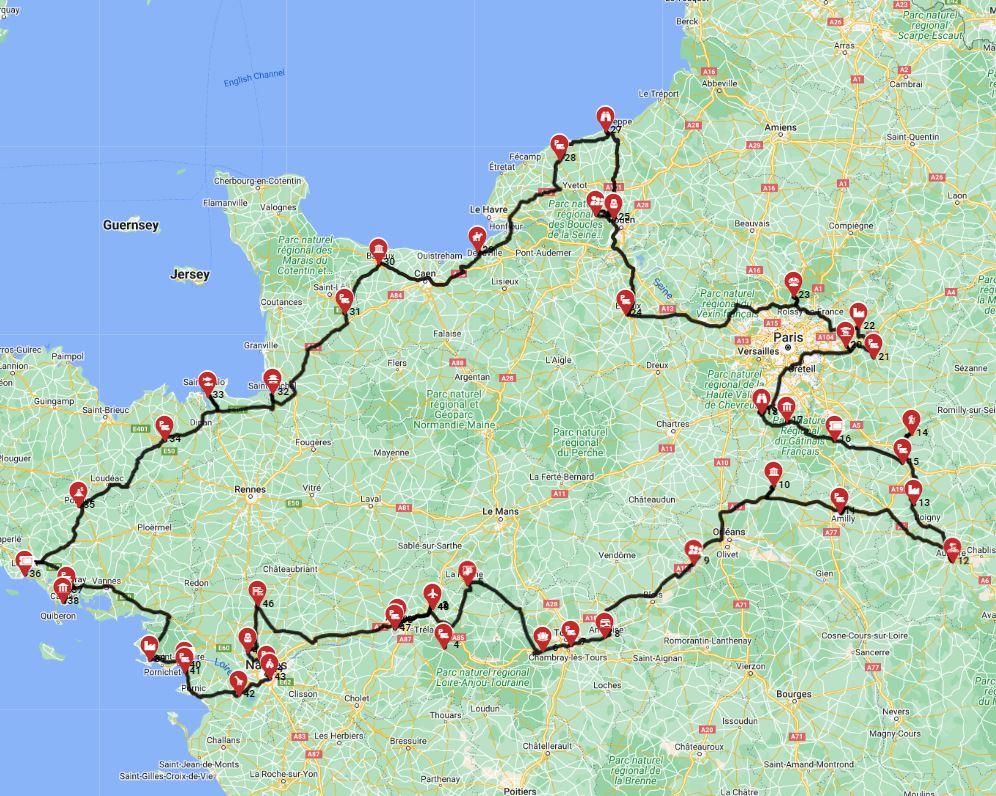
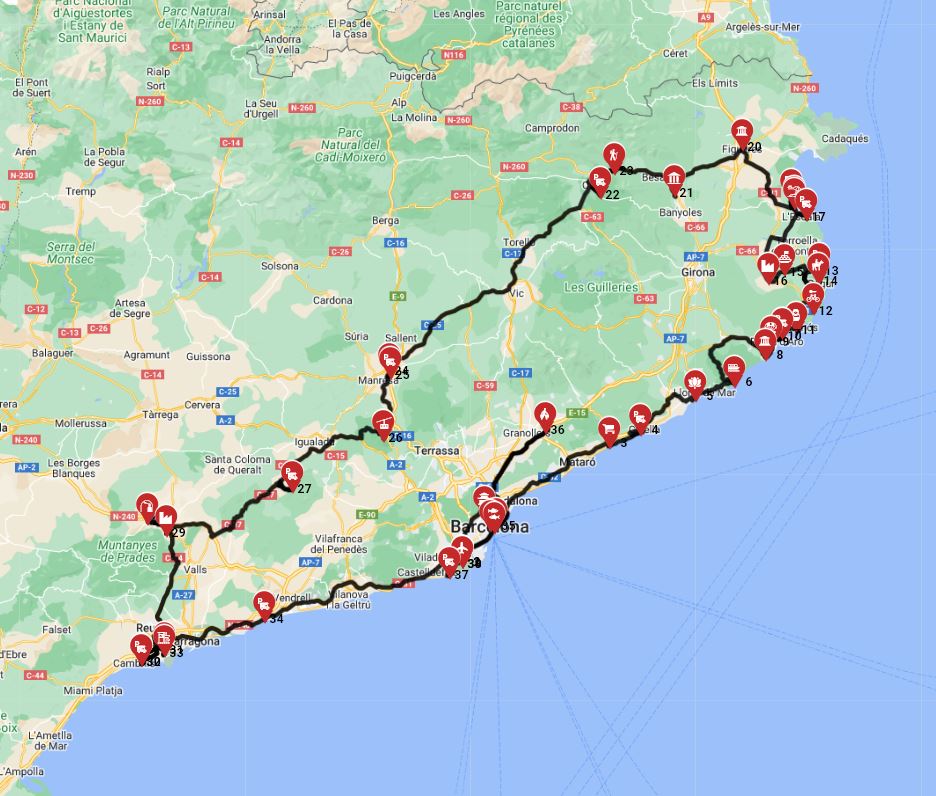
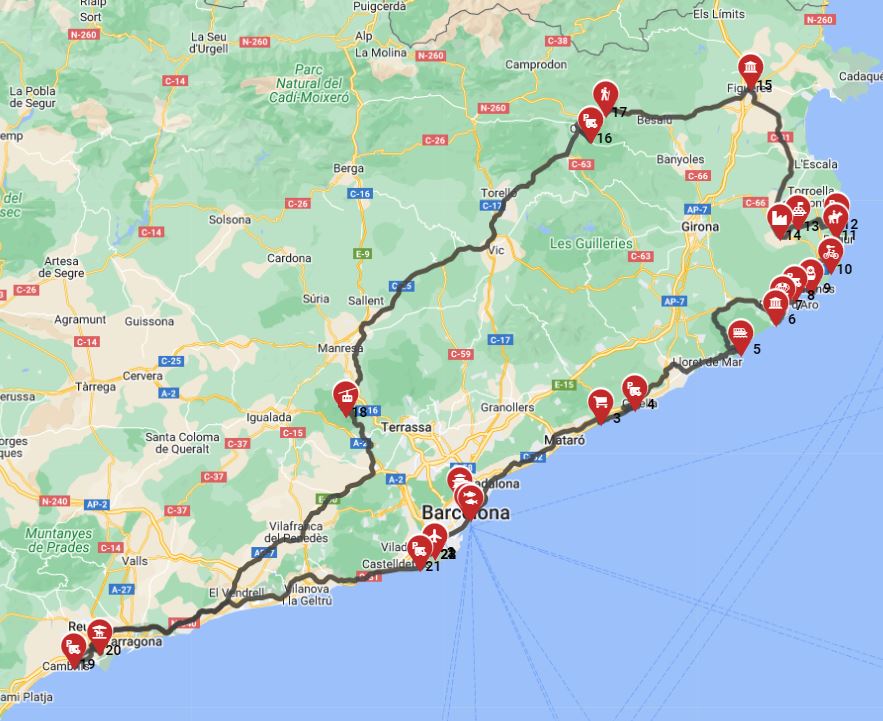
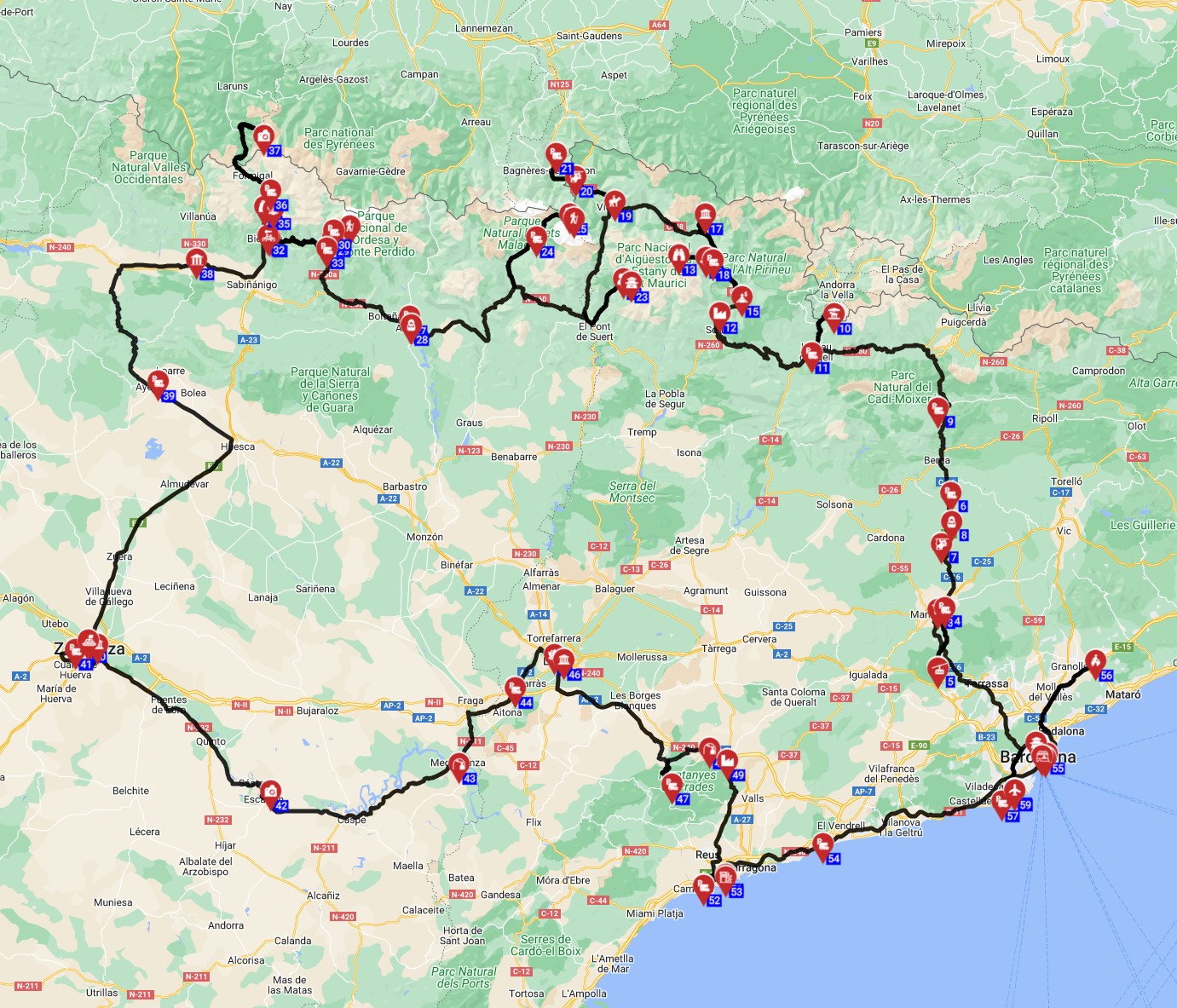
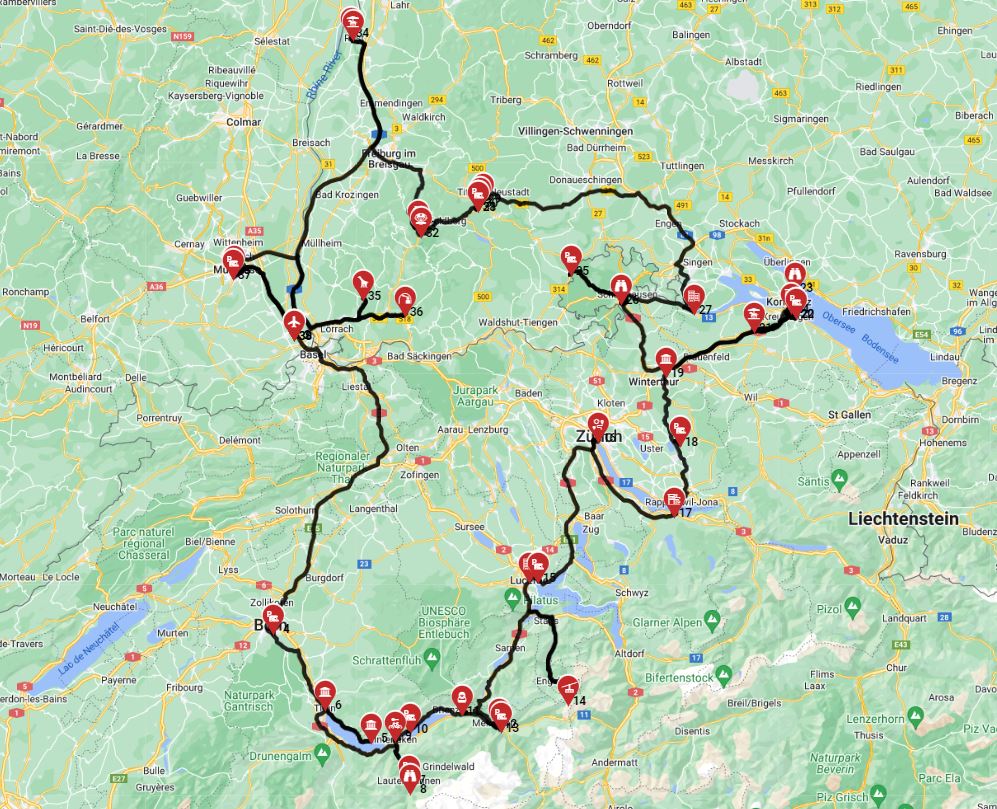
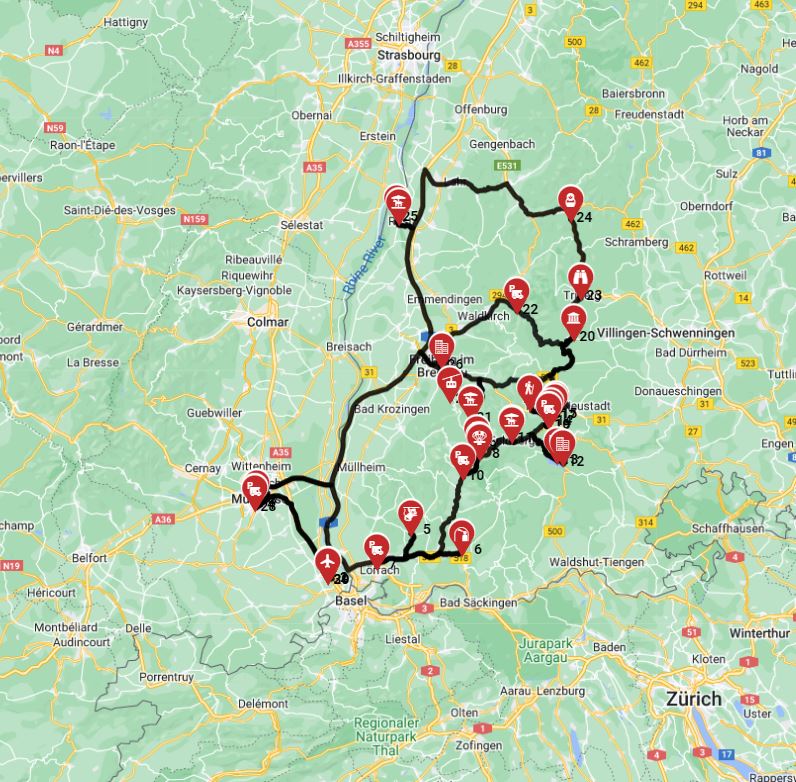
For travelers seeking a truly hassle-free last minute RV rental experience in West Europe, Bandana's 'Rent&Plan' service offers expertly curated itineraries. These pre-designed routes eliminate the planning headache, providing detailed suggestions for stops, attractions, and RV-friendly campsites. By utilizing RV PLANET (rvplan.net), our sister company, you can choose from over 1,300 pre-planned routes across 5 continents, including a variety of West Europe RVPlan trips tailored to different durations and interests. This gives you a 25% planning discount, rewarding you for a smart start to your adventure. Imagine yourself on a carefully crafted route through the Rhine Valley or along the French Riviera, knowing every turn has been considered by true RV specialists.Must-See Stops Along the Way (Avi Bandana Picks)
Looking for expert insights from Avi Bandana? Top 5 Adventures - recommendations from Avi Bandana:- Immerse yourself in local culture beyond typical tourist spots. Visit a local olive oil mill in Provence, France, to understand regional craftsmanship firsthand.
- For authentic dining, seek out traditional restaurants often found off the main thoroughfares, serving regional specialties made with local ingredients, like a hearty German schnitzel or Belgian moules-frites.
- Don't miss the vibrant traditional market experiences, such as the Marché des Lices in Rennes, France, or the Mercat de Sant Josep de la Boqueria in Barcelona, Spain, to sample local produce and street food.
- Consider exploring local industry sites, like a craft brewery in Bruges, Belgium, or a pottery workshop in Portugal, for a unique insight into the region's heritage and economy.
- Experience the breathtaking natural beauty of the Swiss Alps with a drive through scenic passes, or the dramatic coastlines of Portugal, allowing time for leisurely hikes and stunning views.
Daily Driving Distances & Drive Times in West Europe
Avi Bandana, our founder, recommends maintaining an average of no more than 100 miles or 150 km per day when traveling by rented RV in West Europe. This mindful pace is crucial for truly enjoying the journey, allowing for spontaneous discoveries, deeper exploration of each region, and avoiding travel fatigue. Drive slowly and carefully, and you can drive almost anywhere without issues. No need to stress - just use common sense and pay attention. Driving times can fluctuate significantly based on various factors, including road conditions, traffic density, and the specific type of roads you're on (motorways versus charming, but slower, scenic routes). For instance:- Driving from Paris to Brussels (approximately 300 km / 186 mi) typically takes around 3.5 to 4 hours, depending on traffic in urban areas.
- A journey from Munich to Salzburg (approximately 140 km / 87 mi) usually takes about 1.5 to 2 hours, offering picturesque views.
- Traveling from Florence to Rome (approximately 270 km / 168 mi) can take 3 to 3.5 hours, with tolls to consider.
Best RV Class for This Itinerary - Couple & Family Picks
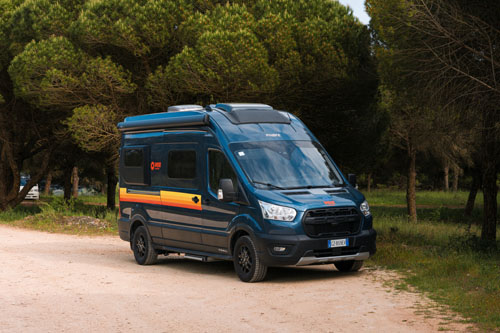
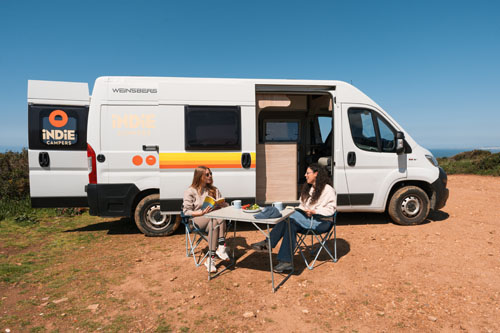
Choosing the right RV for your last minute adventure in West Europe is key to comfort and maneuverability. For couples, the **Class B - Camper Van** is an ideal choice for navigating West Europe's narrower roads and compact city centers. Our fleet typically features Class B vans with an average length of 5.8 meters and sleeping places for up to 3.2 individuals, comfortably accommodating 2-3 adults. Their compact size (averaging a 2.7 adult capacity) offers excellent maneuverability and easier parking, making them perfect for last-minute trips where flexibility is paramount. A "Category Van" like this often includes front air conditioning, a shower, and a toilet. For families, the **Class C - Alcove** motorhome provides ample space and comfort, suitable for longer journeys and multiple travelers. Our Class C vehicles average 7.5 meters in length, offering 5.8 sleeping places and comfortably accommodating 4-5 adults (averaging 4.4 adults capacity). The distinctive sleeping area over the cab is particularly popular with children, providing a designated space for family travel without feeling cramped. A "Group D" motorhome, for example, often features bunk beds, front air conditioning, a shower, and a toilet, making it ideal for families. Remember, Bandana's 'Rent&Plan' service combines your RV rental with a ready-made itinerary, offering a seamless and stress-free planning experience.Is a last-minute RV trip to Europe affordable?
A last-minute RV trip to West Europe can be surprisingly affordable with strategic planning and flexibility on dates and locations. Prices are dynamic, similar to flight tickets, changing daily based on availability, seasonality, and supplier marketing decisions. Renting during shoulder seasons (April-June, September-October) or the off-season generally offers lower prices compared to peak summer. Consider opting for a smaller RV class, such as a campervan (Class B), which is typically more fuel-efficient and less expensive to rent, potentially saving €20-€50 per day compared to larger models. Booking slightly in advance, even if it's just a few weeks, can still yield better rates than truly day-to-day last-minute bookings. Comparing prices across various rental platforms like Bandana helps find the best deals with full transparency and no hidden fees. When estimating costs, remember that your budget should include not just rental fees, but also estimated expenses for fuel, tolls, campsites, and food. Fuel is a significant cost, with average consumption for RVs ranging from 10-12 liters/100 km, so planning routes to minimize long drives helps save money. For easy budgeting and tracking all these ancillary costs, we highly recommend exploring RV PLANET routes, where you can itemize every expense along the way.What are the best RV rental companies in West Europe?
Several reputable RV rental companies operate across West Europe, and platforms like Bandana serve as excellent aggregators to compare options from various trusted suppliers. We partner directly with over 50 leading RV suppliers worldwide, including recognized names like El Monte, Cruise America, Apollo, and Britz, to bring you a wide selection of motorhomes and campervans. The 'best' company often depends on your specific needs, such as the type of RV, preferred pick-up/drop-off locations, included amenities, and customer service reviews. Aggregator platforms offer the advantage of a wide selection and transparent pricing, allowing you to easily filter by RV class (e.g., Class SI - Semi-integrated, Class C - Alcove, Class B - Camper Van), capacity, and features. When choosing a supplier, look for companies with comprehensive insurance options, clear mileage policies, and robust roadside assistance for peace of mind during your last-minute adventure. Our commitment to full transparency means you'll always know the full cost upfront, with no surprises.Can I rent an RV in one West European country and drop it off in another?
Yes, one-way RV rentals across different West European countries are generally possible, but they typically incur additional fees. Many major rental companies offer this flexibility, especially between popular cities or countries such as picking up in Paris and dropping off in Berlin. These 'one-way fees' compensate the rental company for repositioning the vehicle back to its original location, and the cost can vary significantly depending on the countries involved, the distance, and the season, potentially ranging from €200 to €800. It's crucial to inquire about one-way options and associated costs when booking, as availability can be limited, especially for last-minute rentals. Planning your route and considering a circular trip can often save on these fees. Cross-border travel within the Schengen Area is seamless, but you must ensure your rental agreement permits international travel, and be aware of any country-specific regulations like road tolls or vignettes that might apply to your "One-Way RV Rental in West Europe - Price Guide 2026". Bandana offers 24/7 support to help you compare these options and finalize your booking with complete clarity.What documents do I need to rent an RV in West Europe?
To secure a rented motorhome in West Europe, you will typically need a few essential documents: a valid car driver's license, your passport, and a major credit card. A standard car driver's license is sufficient for all motorhome classes (Class A, Class B, and Class C), and no special license, CDL, or additional permits are required. Your domestic driver's license must be valid for the entire rental period and usually must have been held for at least one or two years, depending on the rental company and country regulations. For visitors from non-English-speaking countries, an International Driving Permit (IDP) is highly recommended for clarity and ease of communication, although it is not mandatory in all cases. A valid passport or national ID card is required for identification purposes during the rental process. The credit card will be used for both payment and for a security deposit, which can be substantial (often €1000-€2500). The minimum rental age for RVs in West Europe is 21, and there are no young driver surcharges or vehicle class restrictions based on age with Bandana's partners.What's the difference between an RV and a campervan for European travel?
The primary difference between a rented RV (motorhome) and a rented campervan for European travel lies in size, maneuverability, and integrated amenities. Campervans, often referred to as Class B vehicles in our fleet, are built on van chassis and are considerably more compact. For example, a Class B - Camper Van like the "Combi Van" averages 5 meters in length and 1.95 meters in width, offering basic living facilities including a small kitchen and bed. Their size, with typical fresh water tanks of 60 liters and waste water tanks of 30 liters, makes them excellent for navigating West Europe's narrower roads and city centers. They are ideal for couples or solo travelers seeking flexibility and easier access to cities, often consuming 9-12 liters/100 km of fuel. RVs or motorhomes (e.g., Class C - Alcove, Class SI - Semi-integrated) are larger vehicles, providing more spacious living areas, separate sleeping zones, and often full bathrooms with showers and larger kitchens. A Class C - Alcove like the "F4" averages 6.99 meters in length and 2.35 meters in width, with fresh water tanks of 118 liters and waste water tanks of 110 liters, offering ample space for families of up to 5. While these motorhomes provide more comfort and amenities, they can be more challenging to navigate through historic town centers and find parking. Understanding these practicalities of European RVs, which tend to be smaller overall than North American models, is key to selecting the right vehicle for your adventure.How much does it cost to rent an RV in West Europe per week?
The weekly cost to rent an RV in West Europe varies significantly, typically ranging from €700 to €2000+, depending on several factors including the RV class, season, rental duration, and specific pick-up location. For example, a compact campervan (Class B) might start from around €650-€800 per week in the off-season, while a larger, family-sized motorhome (Class C) could cost €1200-€2000+ per week during peak summer. Peak season (July and August) will consistently see the highest prices, sometimes double or triple the cost of off-season rentals, so booking well in advance is essential if traveling during these months. Shoulder seasons (spring and autumn) offer a balance of good weather and moderate prices, making them ideal for a last-minute trip if you can be flexible. Your detailed budget should account for the base rental fee, mandatory insurance, a security deposit (typically €1000-€2500, not an optional upgrade unless specified), mileage charges (if applicable), and any additional equipment rentals (e.g., kitchen kit, bicycle rack). Don't forget to factor in significant operational costs like fuel (average 10-12 liters/100 km), road tolls, campsite fees (typically €20-€50 per night), and food expenses. For more detailed insights into costs, refer to our "RV Rental in West Europe - Prices and Best Deals 2026" itinerary.What is the best time of year for RV travel in West Europe?
The best time of year for RV travel in West Europe is generally during the shoulder seasons-late April to early June and September to October-offering a superb balance of pleasant weather, fewer crowds, and more favorable rental prices. During these periods, you can enjoy milder temperatures ideal for outdoor activities and easier access to popular attractions without the intense heat and heavy tourist traffic of mid-summer. Summer (July and August) is peak season, bringing the warmest weather but also crowded campsites, higher prices, and more traffic on popular routes. Booking well in advance (3-6 months) is essential if traveling during these months, though last-minute deals can sometimes be found if you are flexible with dates and locations. Winter travel (November to March) offers unique experiences like Christmas markets or skiing, but many campsites close, and driving conditions can be challenging with snow and ice, especially in mountainous regions. Considering your specific destination is also crucial; southern West Europe (Spain, Portugal) is delightful in spring and autumn, while the cooler northern regions (Netherlands, UK) are best enjoyed in late spring or early autumn.Are there specific driving rules for RVs in different West European countries?
Yes, driving rules for rented RVs can vary significantly between different West European countries, encompassing speed limits, toll systems, and urban access restrictions, making prior research essential. Drive slowly and carefully, and you can drive almost anywhere without issues. No need to stress - just use common sense and pay attention. Speed limits for RVs are often lower than for cars, especially for vehicles over 3.5 tonnes (which many Class C and Class A motorhomes exceed). For example, France and Spain have specific RV speed limits, while Germany's famous Autobahn has advisory speeds but mandatory limits on many sections. Toll systems vary widely: France uses *péage* (toll booths), Germany has no car tolls but a truck toll (LKW-Maut) that some larger RVs might fall under, and Switzerland and Austria require a *vignette* (a sticker for a period of use). Many European cities have low emission zones (LEZs) or environmental zones, requiring specific stickers (e.g., Crit'Air in France, Umweltplakette in Germany) to enter. RVs often need to comply with these rules, and non-compliance can result in fines of €68-€135. Additionally, parking rules for larger vehicles differ, and some historic town centers are inaccessible to RVs, making planning ahead with navigation apps vital.How do I find campsites for RVs in West Europe?
Finding campsites for RVs in West Europe is made easy by numerous dedicated apps, websites, and guidebooks that cater specifically to motorhome travelers. Popular resources include Park4Night, Campercontact, and the ACSI CampingCard & Guide, providing a wealth of options from basic pitches to full hookups. Park4Night and Campercontact are widely used mobile apps featuring user-generated content, offering thousands of locations including official campsites, 'aires de services' (France) or 'stellplatze' (Germany/Austria) which are designated overnight parking spots with basic services, and even some informal spots where permitted. ACSI provides a comprehensive guide and a discount card for off-season camping at thousands of sites, potentially saving 10-20% on nightly rates. Other online booking platforms like Camping.info or Pitchup also list numerous RV-friendly campsites with various amenities, from basic pitches to full hookups, typically costing €20-€50 per night. While Bandana does not help find campsites during your rental, for finding campsites and campgrounds during your trip, we recommend using RV PLANET (rvplan.net), a great resource for locating available spots along your route and even planning your entire journey.What are the common challenges of RV travel in West Europe?
Common challenges of RV travel in West Europe include navigating narrower roads, particularly in historic towns and rural areas, adapting to diverse country-specific regulations, and managing logistical aspects like waste disposal. Unlike North American RVs, European models are generally smaller-a typical Class C motorhome is 7.5 meters long-but still require careful maneuvering. Road infrastructure can be a significant challenge; ancient villages often have extremely narrow streets, low bridges (under 3.5m clearance is common), and tight turns that large RVs may struggle with or be prohibited from entering. Parking in cities is also notoriously difficult and expensive, often requiring dedicated RV parking outside the city center. Understanding country-specific driving laws (speed limits, emission zones), camping rules (especially regarding wild camping), and fuel types (diesel is predominant, available at 90%+ of stations) requires prior research. Different electrical hookups (e.g., CEE 17 blue plugs for 230V) and waste disposal systems also necessitate awareness. Other challenges include potential language barriers (especially in rural areas), finding appropriate waste disposal points ('sani-stations' or 'dump points'), and managing expectations regarding connectivity and Wi-Fi availability in more remote areas. Despite these, with preparation and common sense, these challenges are easily manageable, and the freedom of an RV adventure far outweighs them.What is the average fuel consumption for an RV in West Europe?
The average fuel consumption for a rented RV in West Europe typically ranges from 10 to 12 liters per 100 kilometers for most popular classes, significantly influencing the overall budget. This figure can vary based on the specific RV model, driving style, road conditions (e.g., mountainous terrain vs. flat highways), and vehicle load. For Bandana's global fleet, a Class SI - Semi-integrated RV generally consumes 10-11 liters/100 km, offering good efficiency for its size. A Class C - Alcove RV, popular for families, is typically in the 10-12 liters/100 km range, which is still quite economical for its capacity. Smaller Class B - Camper Vans, such as a "Category Van" (typically under 6 meters long with a 75L fuel tank), tend to be the most fuel-efficient, often consuming 8-10 liters/100 km, making them a more economical choice for longer journeys or tighter budgets. Larger Class A - Integrated motorhomes, despite their size, can be quite efficient, with our fleet typically consuming 8-12 liters/100 km, though some older or larger models might use more. Fuel type is almost exclusively diesel for modern European RVs, so ensure you refuel with the correct type.How to stay connected while RVing in West Europe?
Staying connected while RVing in West Europe is relatively easy thanks to robust mobile networks and various Wi-Fi solutions available across the region. The best options include purchasing local SIM cards, utilizing eSIMs, or investing in a portable Wi-Fi hotspot. For short trips, check if your home mobile plan offers affordable international roaming. For longer trips (more than a week), consider purchasing a local prepaid SIM card in your first country of travel (e.g., Orange or Vodafone in France/Spain, Telekom or Vodafone in Germany), typically costing €15-€30 for ample data. EU 'Roam Like At Home' regulations mean a SIM purchased in one EU country can be used at no extra cost for data, calls, and texts in other EU countries. eSIMs offer digital convenience, allowing you to switch data plans without physical SIM cards; providers like Airalo or Holafly offer regional European data plans for 5GB to 20GB. Portable Wi-Fi devices (MiFi) can create a personal hotspot, useful if you're traveling with multiple devices. Many campsites across West Europe offer Wi-Fi, though quality and speed can vary from basic to high-speed internet. Recommended navigation apps like Google Maps, Waze, and specialized RV apps (e.g., CoPilot RV) work well with mobile data or can download offline maps to ensure you're always on the right track, even in areas with spotty coverage.Is wild camping allowed in West Europe for RVs?
Wild camping for RVs in West Europe is largely prohibited or heavily restricted in most countries, with rules varying significantly by nation, making it a critical area of research for your last minute RV rental. Generally, sleeping overnight in a rented motorhome outside designated campsites or approved parking areas is illegal or strongly discouraged. Countries like Portugal, the UK, France, Germany, and Spain have strict laws against wild camping, particularly on private land or in protected natural areas, often resulting in hefty fines of €60-€500. Exceptions may exist in Scotland and parts of Scandinavia, where 'right to roam' laws are more lenient, but even there, responsible practices (leave no trace, no fires) are paramount. Instead of wild camping, West Europe offers an extensive network of legal alternatives: 'aires de services' (France) or 'stellplatze' (Germany/Austria). These are designated parking areas for motorhomes, often free or low-cost (€5-€20), providing basic services like water, waste disposal, and safe overnight parking. Always check local regulations specific to your planned destination using apps like Park4Night or Campercontact. Adhering to local ecological guidelines and responsible waste disposal practices is crucial to minimize environmental impact and ensure continued access for all RV travelers.What unique cultural etiquette should RV travelers know for West Europe?
RV travelers in West Europe should be aware of various cultural etiquette norms that can differ significantly between countries and even regions, enhancing their travel experience by respecting local customs. Greetings often involve a handshake or a polite verbal address like 'bonjour' in France, 'guten Tag' in Germany, or 'hola' in Spain, even with strangers. Tipping customs vary; in some countries like France, a service charge is often included, while in others like Germany, a small tip (5-10%) for good service is appreciated. Meal times can also differ; for instance, dinner is typically later in Spain (9-10 PM) than in Germany (6-7 PM). When in campsites, maintaining quiet hours (often 10 PM to 7 AM) is expected, as is respecting privacy and keeping your pitch tidy. Avoid hanging laundry too prominently, and be mindful of noise levels from any equipment or music. On the road, driving courtesy is important. In many countries, it's polite to flash your lights to acknowledge a driver who has let you pass, and giving way to pedestrians is generally expected, especially at crossings. Learning a few basic phrases in the local language (e.g., 'hello,' 'thank you,' 'excuse me,' 'where is the toilet?') is always appreciated and can significantly improve interactions.How can I manage waste and water responsibly while RVing in West Europe?
Managing waste and water responsibly while RVing in West Europe is essential for sustainable travel and adhering to local ecological guidelines. This primarily involves using designated facilities for grey and black water disposal and proper recycling. Never discharge grey water (from sinks/showers) or black water (from toilets) onto the ground; doing so is illegal and environmentally harmful, potentially resulting in fines of €50-€200. Utilize 'sani-stations' or service points found at virtually all campsites, *aires/stellplatze*, and some large rest stops, which are specifically designed for emptying tanks. Most European countries have excellent recycling programs. Separate your waste into designated bins for plastics, paper, glass, and general waste at campsites or public recycling points, which are typically well-marked. Minimize plastic use by carrying reusable water bottles, shopping bags, and coffee cups. Conserve fresh water by taking shorter showers, turning off the tap while brushing teeth, and using water-efficient cleaning methods. Refill your fresh water tanks only at potable water sources, often found at the same service points where you dispose of waste. This mindful approach ensures you minimize your environmental footprint and comply with local regulations.What are the best navigation apps for RVs in West Europe?
The best navigation apps for RVs in West Europe go beyond standard mapping by offering RV-specific routing that accounts for vehicle dimensions and weight, crucial for safe navigation. Highly recommended apps include CoPilot RV, Sygic Truck & RV, and Park4Night. CoPilot RV and Sygic Truck & RV allow you to input your RV's height (e.g., 3.2 meters for a typical Class C), weight, and length (e.g., 7.5 meters), providing routes that actively avoid low bridges, narrow roads, and weight-restricted areas that are common in historic European towns. Park4Night is indispensable for finding overnight parking spots, campsites, and service points. While not a primary navigation app, it integrates well by showing thousands of user-reviewed locations suitable for RVs across West Europe, often including details on amenities and accessibility. Standard apps like Google Maps and Waze are useful for general directions and real-time traffic updates but do not account for RV dimensions, so use them with caution. For reliable navigation, particularly in areas with spotty mobile data coverage, consider downloading offline maps for the regions you'll be visiting, as recommended in our "RV Travel Guide to West Europe - Tips and Top Spots 2026" video.How can I save money on food while RVing in West Europe?
Saving money on food while RVing in West Europe is primarily achieved by cooking most meals in your rented RV and strategically shopping at local supermarkets and markets. Eating out frequently, especially in tourist hotspots, can quickly become a major expense, with restaurant meals often costing €15-€30 per person. Stock up on groceries at major supermarket chains like Lidl, Aldi, Carrefour, or E. Leclerc, which offer competitive prices and a wide selection of fresh produce and local specialties. Look for local 'hypermarkets' on the outskirts of towns for the best selection and value. Explore local farmers' markets (*marchés* in France, *Wochenmärkte* in Germany) for fresh, seasonal produce, artisanal cheeses, and baked goods, often at better prices than smaller convenience stores. This also offers an authentic cultural experience and a chance to interact with local vendors. Plan your meals in advance and pack lunches and snacks for daytime excursions; enjoying a picnic with local delicacies purchased from a market is often more affordable and just as delightful as a restaurant meal. For inspiration on what to cook in your RV, check out our RV-friendly recipes playlist.What safety and security tips are essential for RV travel in West Europe?
Essential safety and security tips for RV travel in West Europe focus on securing your vehicle, being aware of your surroundings, and knowing how to respond in emergencies, particularly important for a last-minute RV rental. Petty crime, especially theft from vehicles, can occur in popular tourist areas, so always lock your RV doors and windows when leaving it unattended, and at night. Consider additional security measures like alarms, steering wheel locks, or external door locks for extra peace of mind. Avoid leaving valuables in plain sight; use a safe or secure them out of view, such as in locked compartments. Park overnight in well-lit, designated campsites or secure *aires/stellplatze* (typically costing €10-€30 per night). Avoid isolated or unlit areas, and when parking in cities, use secure parking garages if possible, or busy public car parks, ensuring your vehicle fits the height restrictions (often 2.5-3 meters). Keep emergency contact information readily accessible, including the universal European emergency number 112, your rental company's 24/7 roadside assistance, and your travel insurance provider. Drive defensively, be aware of differing road conditions and local driving habits, and take regular breaks (every 2-3 hours) to avoid fatigue. Be cautious of scams, especially at petrol stations or rest stops, where opportunistic thieves may operate. Remember, you can upgrade to a top-level deductible for extra peace of mind, reducing your financial risk in case of an incident.What You Shouldn't Miss
- **The Romantic Rhine Valley, Germany:** Cruise along the Rhine, dotted with medieval castles and charming vineyards. Don't miss a wine tasting in a historic village like Bacharach.
- **The Lavender Fields of Provence, France:** If traveling in June or July, witness the breathtaking purple landscapes and visit a traditional lavender distillery.
- **The Swiss Alps - Scenic Drives:** Drive iconic mountain passes like the Furka Pass, marveling at glaciers, emerald lakes, and picturesque mountain villages.
- **The Dutch Tulip Fields, Netherlands:** In spring (April-May), immerse yourself in the vibrant colors of the Keukenhof Gardens and surrounding flower fields.
- **Lisbon's Coastal Charms, Portugal:** Explore the historic Alfama district, enjoy Fado music, and take your rented RV to nearby coastal towns like Cascais for stunning beaches.
- **Barcelona's Architectural Wonders, Spain:** Marvel at Gaudi's Sagrada Familia and Park Güell, then retreat to a nearby campsite after exploring the bustling city.
Final Thoughts
Embarking on a last-minute RV itinerary in West Europe is an adventure waiting to happen, full of incredible sights and unforgettable experiences. With a rented motorhome or campervan, you unlock the freedom to explore diverse landscapes, charming towns, and vibrant cities at your own pace. Remember that planning ahead, even if it's just a few weeks, can help you find great deals and ensure a smooth journey. Whether you choose a compact campervan for agile city exploration or a spacious motorhome for a family road trip, Bandana is here to support you every step of the way. From transparent pricing to expert-curated routes on RV PLANET (rvplan.net), we handle the details so you can focus on living the journey. Discover top destinations, planning tips, all in one place, and get ready to create lasting memories. Ready to hit the open road? Compare last minute RV Rental Prices for West Europe and start planning your perfect itinerary today.On the routes offered through RV PLANET routes, you can itemize and track every expense along the way for easy budgeting.