In This Guide
- Best West Canada RV Itinerary for last minute rv rental — Overview
- 7-Day Classic Route in West Canada
- 14-Day Extended Journey in West Canada
- Recommended RVPlan Trip for West Canada
- Must-See Stops Along the Way (Avi Bandana Picks)
- Daily Driving Distances & Drive Times in West Canada
- Best RV Class for This Itinerary — Couple & Family Picks
- How much does a last minute RV rental cost in West Canada
- What is the best month to RV in West Canada
- What are the best places to RV in West Canada
- Can I do a one way RV rental in West Canada
- What documents do I need to rent an RV in West Canada
- Is it hard to drive an RV in West Canada
- Can you wild camp in West Canada
- How far in advance should I book an RV rental in West Canada
- What are some hidden gems in West Canada for RV travel
- Is West Canada safe for RV travel
- What is the cancellation policy for RV rentals in West Canada
- What insurance do I need for an RV rental in West Canada
- What is included in an RV rental in West Canada
- What is the age requirement to rent an RV in West Canada
- What are the roads like in West Canada for RVs
- How much does a campsite cost in West Canada
- Are there pet-friendly RV rentals in West Canada
- Can you take an RV from Calgary to Vancouver
- Is it worth RVing in West Canada
- What is the cheapest RV rental in West Canada
- Essential Packing for Your West Canada RV Adventure
- Staying Connected in West Canada's Remote RV Routes
- Considering Cross-Border RV Travel to the US or Alaska from West Canada?
Best West Canada RV Itinerary for last minute rv rental — Overview
A last-minute RV rental in West Canada offers unparalleled freedom to explore the majestic Canadian Rockies, the stunning Pacific coastline, and vibrant cities. Imagine yourself on the route, the open road ahead, and the flexibility to change your plans on a whim. This article outlines flexible itineraries ranging from 7 to 14 days, focusing on scenic routes and manageable daily distances of approximately 100-150 km (60-90 miles) to truly savor the journey. The ideal season for RV travel in West Canada is generally from late May to early October, when the weather is temperate and most attractions are accessible. Discover essential planning tips, budgeting advice, and RV class recommendations to ensure your spontaneous adventure is memorable. For those seeking a more structured approach, our sister company, RV PLANET (rvplan.net), offers over 1,300 pre-planned routes across five continents.
7-Day Classic Route in West Canada
This 7-day itinerary provides a classic introduction to West Canada's highlights, focusing on accessible natural beauty and manageable driving distances, perfect for a last-minute RV rental. Embrace the freedom to explore at your own pace.
Day 1: Vancouver to Hope (approx. 150 km): Pick up your rented RV in Vancouver. Your first stop is Hope, affectionately known as the 'Chainsaw Carving Capital of Canada.' En route, consider a stop at Bridal Veil Falls Provincial Park, and enjoy the scenic views along the Fraser River. Your overnight stay can be at the Hope Campground.
Day 2: Hope to Osoyoos (approx. 200 km - slightly extended for scenic route): Head south into the Okanagan Valley's unique desert landscape. This region is famous for its wineries and warm climate. A must-visit is the Nk'Mip Desert Cultural Centre, offering profound Indigenous cultural experiences. Spend the night at Haynes Point Provincial Park Campground.
Day 3: Osoyoos to Kelowna (approx. 120 km): Continue north through the heart of Okanagan wine country. Enjoy stops at Lake Okanagan beaches and explore numerous fruit orchards. Sample local delicacies at farm markets or wineries. Stay at Bear Creek Provincial Park Campground.
Day 4: Kelowna to Revelstoke (approx. 200 km): Drive through impressive mountain passes towards the historic railway town of Revelstoke. Highlights include the Revelstoke Dam and the Revelstoke Railway Museum, with opportunities for hiking. Camp at a Revelstoke National Park Campground.
Day 5: Revelstoke to Golden (approx. 150 km): Experience the grandeur of the Selkirk Mountains. Consider a ride on the Kicking Horse Mountain Resort gondola for breathtaking views and visit the Northern Lights Wolf Centre for wildlife awareness. Overnight at the Golden Municipal Campground.
Day 6: Golden to Kamloops (approx. 250 km - longer day, but mostly highway): Traverse diverse landscapes as you return towards the interior plateau. The Thompson River region offers a glimpse into local industry and agriculture. Stay at Kamloops RV Park.
Day 7: Kamloops to Vancouver (approx. 350 km - longest drive for return): Conclude your journey with the final scenic stretches of the Coquihalla Highway back to Vancouver for your RV drop-off. This route is primarily highway driving, allowing for a more direct return.
14-Day Extended Journey in West Canada
A 14-day RV adventure allows for deeper exploration of West Canada's iconic national parks, including Banff and Jasper, with ample time for off-the-beaten-path experiences. This longer timeframe lets you truly immerse yourself in the natural beauty and culture.
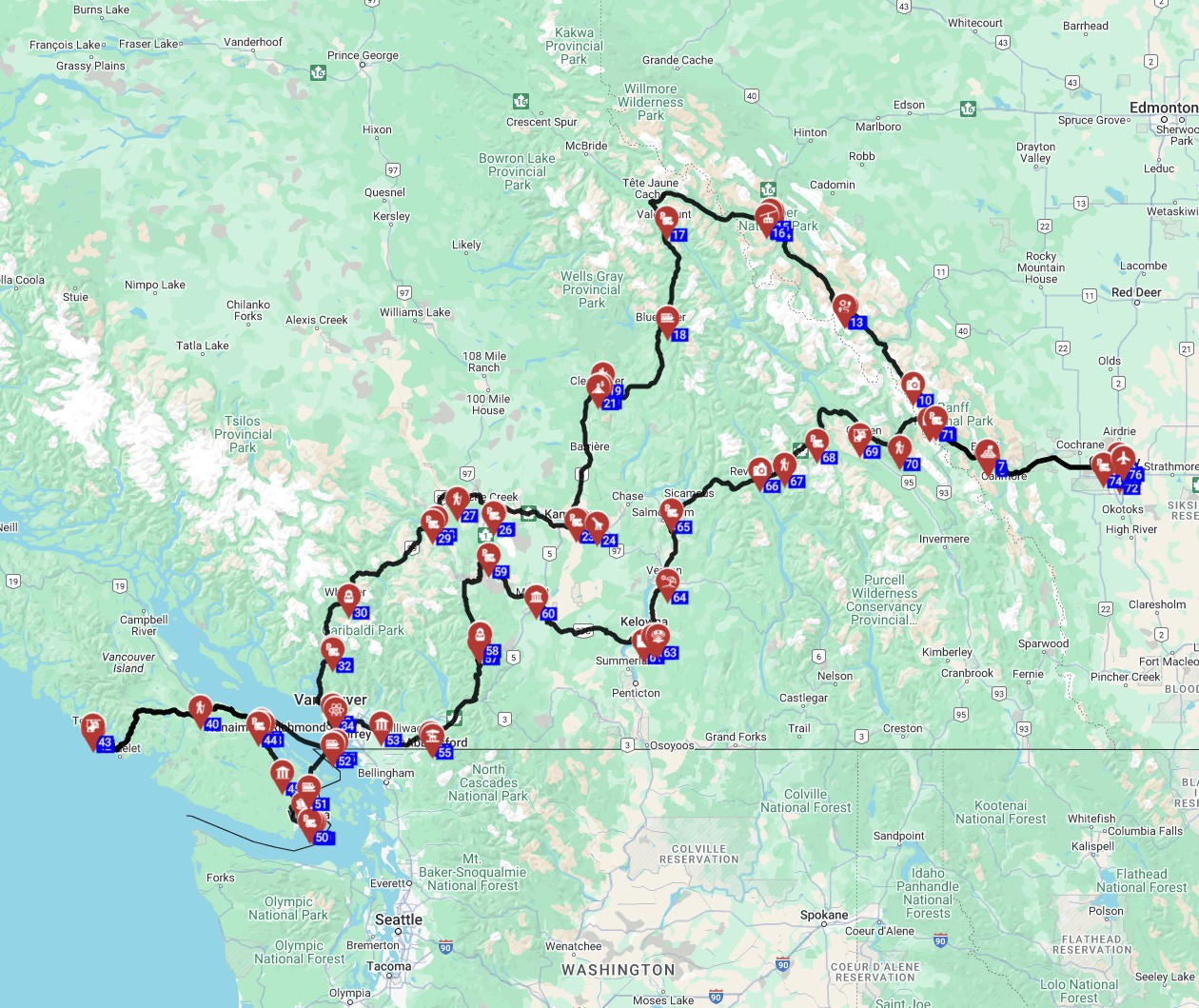
Days 1-2: Vancouver & Whistler (approx. 120 km): Begin by picking up your rented RV in Vancouver. Explore city highlights like Stanley Park and Granville Island before driving the scenic Sea to Sky Highway to Whistler. Enjoy the Sea to Sky Gondola and explore Whistler Village. Overnight at Whistler RV Park & Campground.
Days 3-4: Whistler to Kamloops (approx. 300 km over two days): Drive inland, perhaps via Cache Creek, exploring Kamloops and its surroundings. Consider cycling at the Kamloops Bike Ranch or enjoying local dining. Stay at Kamloops RV Park.
Days 5-6: Kamloops to Revelstoke & Golden (approx. 270 km over two days): Travel through Salmon Arm to Revelstoke, then continue to Golden. Explore Mount Revelstoke National Park and consider visiting the Northern Lights Wolf Centre for wildlife awareness. Overnight options include Revelstoke Campground or Golden Municipal Campground.
Days 7-8: Golden to Lake Louise & Banff (approx. 140 km): Enter the Canadian Rockies! Marvel at the iconic turquoise lakes of Lake Louise and Moraine Lake, and explore the charming townsite of Banff. Camp at Lake Louise Campground or Tunnel Mountain Village Campground.
Days 9-10: Banff to Jasper (via Icefields Parkway) (approx. 290 km): Drive the world-renowned Icefields Parkway, arguably one of the most scenic drives in the world. Stop at the Columbia Icefield Discovery Centre, Athabasca Falls, and keep an eye out for wildlife. Stay at Whistler's Campground in Jasper.
Days 11-12: Jasper to Wells Gray Provincial Park (approx. 320 km over two days): Head south towards Wells Gray Provincial Park, known as the 'Waterfall Park.' Discover Helmcken Falls and Spahats Falls, and enjoy opportunities for canoeing and kayaking. Camp in the Clearwater or Wells Gray area.
Days 13-14: Wells Gray to Vancouver (approx. 500 km over two days): Begin your return journey, breaking up the drive in Merritt or Hope before arriving back in Vancouver for RV drop-off. Enjoy the final scenic drives through the Fraser Canyon.
Recommended RVPlan Trip for West Canada
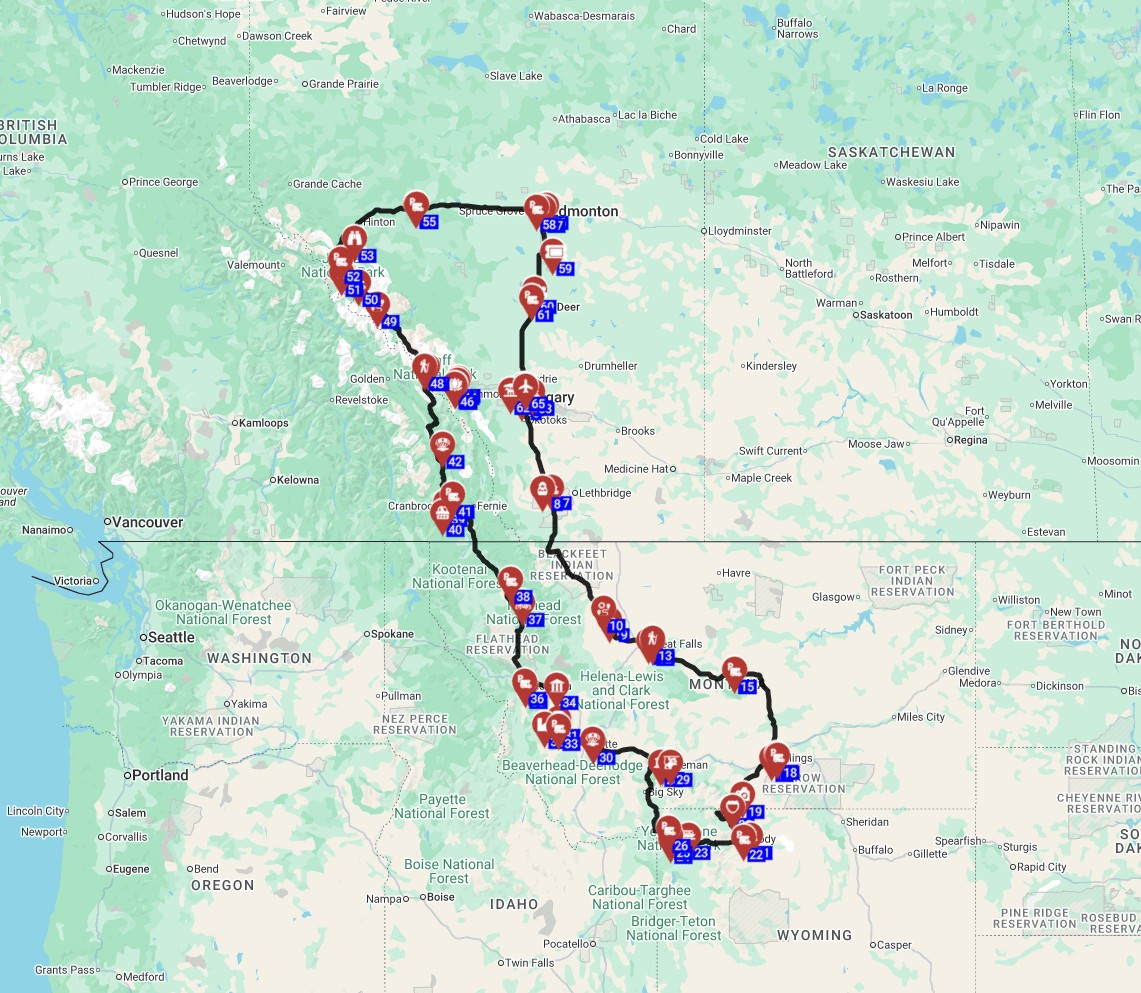
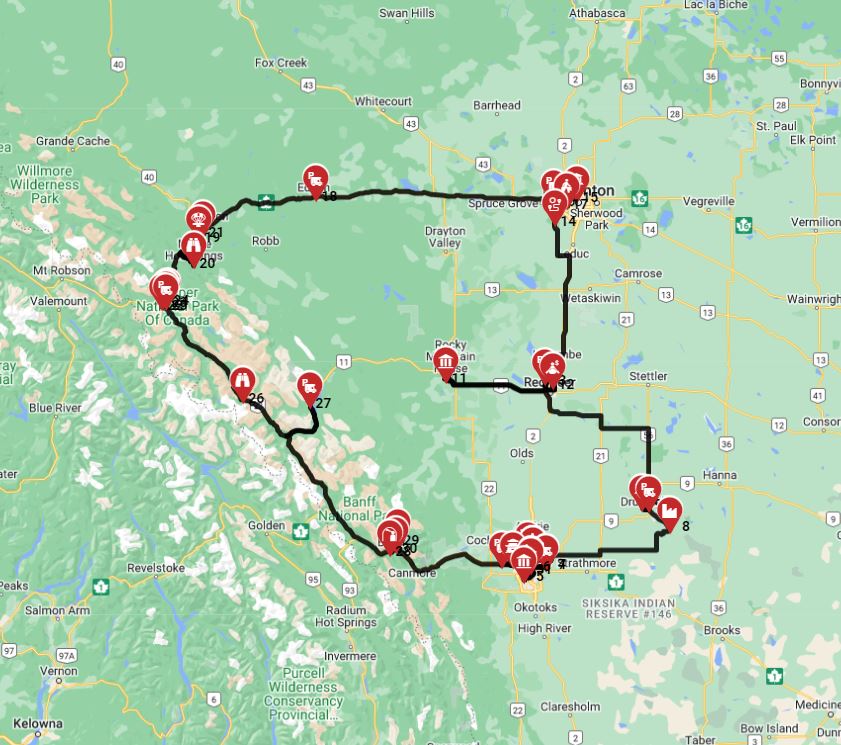
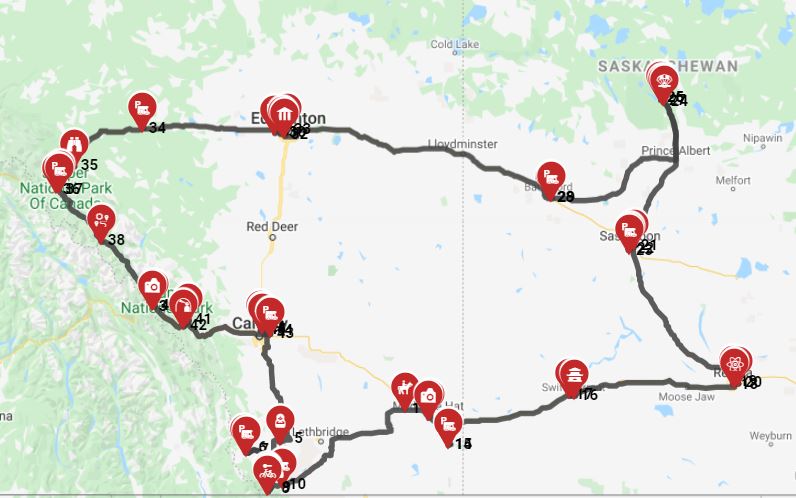
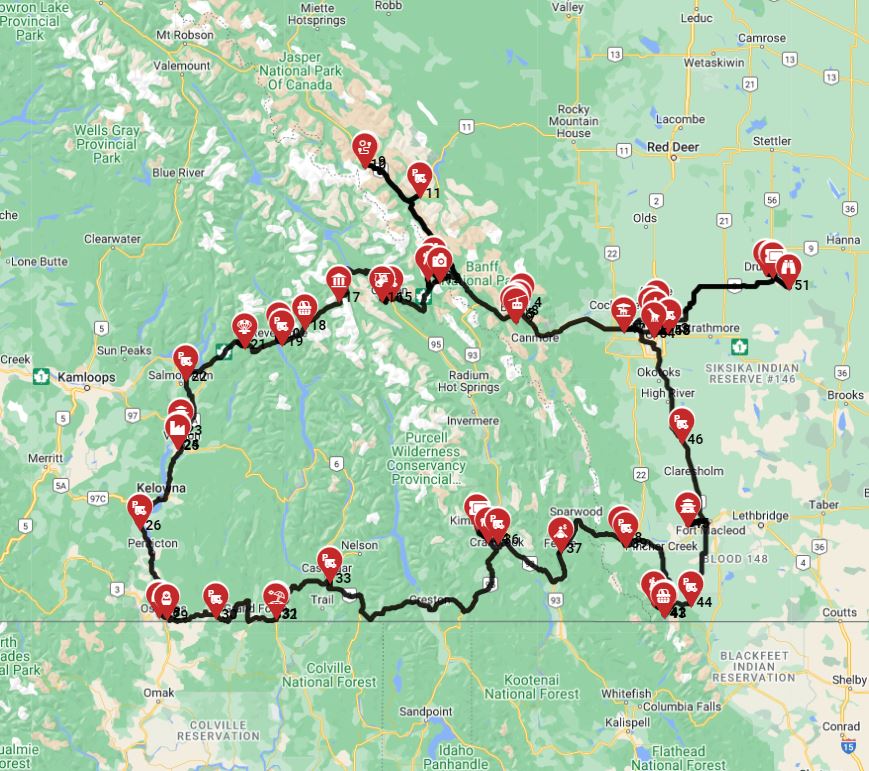
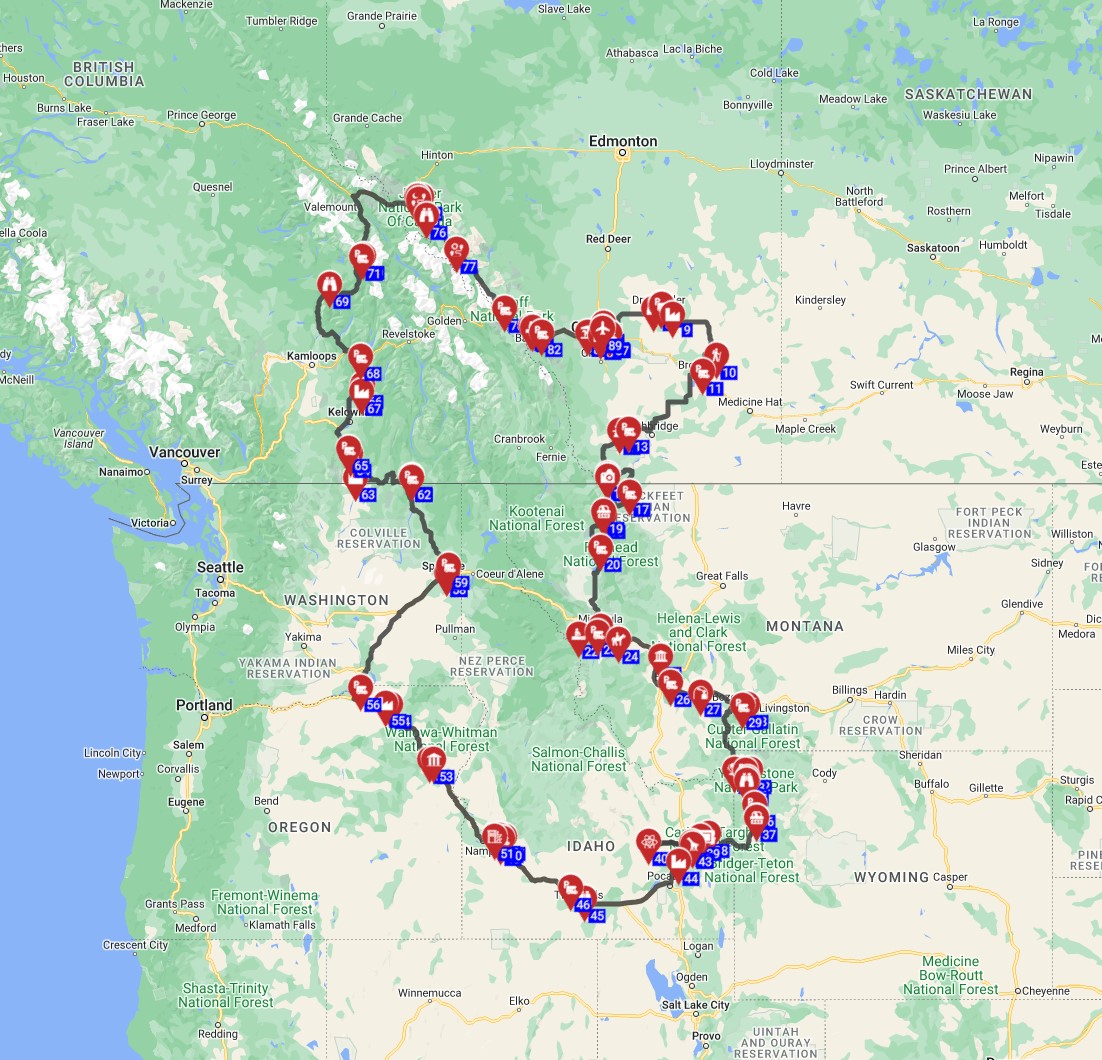
For a deeply immersive and well-planned adventure in West Canada, Avi Bandana recommends exploring the '

Must-See Stops Along the Way (Avi Bandana Picks)
Avi Bandana’s personal picks for must-see stops in West Canada focus on unique experiences and local flavor, extending beyond typical tourist spots to offer a more authentic journey.
Traditional Visit: Fort Langley National Historic Site provides an interactive glimpse into Canada's fur trading history, perfect for families and history buffs keen on understanding the region's past.
Local Industry: The Canadian Country Music Hall of Fame in Merritt offers a unique cultural insight into Canada's musical heritage, showcasing local artistry and the impact of country music in the region.
Traditional Market: Desert Hills Ranch Farm Market in Kamloops, or other local farm markets found along the Okanagan route, offer fresh, regional produce and a genuine taste of local agriculture.
Traditional Restaurant: Seek out authentic Rocky Mountain cuisine in towns like Golden or Revelstoke, highlighting local ingredients and culinary traditions for a true taste of the West Canada experience.
Beyond these, look for Indigenous cultural experiences at centers like the Nk'Mip Desert Cultural Centre in Osoyoos to gain deeper insight into the region's rich heritage and the land's original stewards.
Daily Driving Distances & Drive Times in West Canada
Avi Bandana recommends a maximum of 100 miles or 150 km per day on average when exploring West Canada in an RV. This slower pace ensures you have ample time for spontaneous stops, relaxation, and truly savoring the dramatic landscapes. Driving slowly is key to appreciating West Canada's beauty, allowing for hiking, photography, and wildlife spotting opportunities.
Example 1: Vancouver to Hope: Approximately 150 km (93 miles) will take about 2-2.5 hours of driving time, leaving plenty of opportunity for scenic overlooks and short breaks.
Example 2: Golden to Lake Louise: This iconic 85 km (53 miles) stretch on the Trans-Canada Highway is roughly 1-1.5 hours of driving, but planning for 4-6 hours with stops for viewpoints and short hikes is essential to truly experience it.
Example 3: Jasper to Columbia Icefield Discovery Centre: About 100 km (62 miles) can be covered in 1.5-2 hours, but this legendary section of the Icefields Parkway warrants dedicating an entire day to fully explore its glaciers, waterfalls, and viewpoints.
Best RV Class for This Itinerary — Couple & Family Picks
Selecting the right RV class significantly enhances your West Canada adventure, balancing comfort, maneuverability, and the space required for your travel group. Bandana Caravan offers a diverse fleet to suit every need.
For Couples: Class B - Camper Van: Avi Bandana suggests the Class B Camper Van, typically averaging 5.8 meters in length, perfect for intimate travel. These agile vans, often featuring automatic transmission and front air conditioning, offer easier navigation on mountain roads and in smaller towns, with typical fuel consumption around 10 Liters/100 km.
For Families: Class C - Alcove: The Class C Alcove, averaging 7.5 meters in length and often seating 4-6 people, is ideal for families with young children. Offering more living space and dedicated sleeping areas, these larger RVs provide comfort for longer trips, typically consuming 10-12 Liters/100 km. Many Class C models, like the '29’ Class C Motorhome', are also pet-friendly.
Bandana Caravan's 'Rent & Plan' service can seamlessly combine your RV rental with a ready-made itinerary by travel experts, giving you full access to trip-planning software and removing the planning headache.
How much does a last minute RV rental cost in West Canada
A last-Pminute RV rental in West Canada can vary significantly, typically ranging from $150 to $400 CAD per night, depending on the RV class, rental duration, and season. Understanding all potential costs is key to budgeting accurately for your West Canada road trip.
Comprehensive Budgeting: Beyond the nightly rental fee, you must factor in fuel costs. For instance, a Class C Alcove motorhome, with an average length of 7.5 meters, typically consumes 10-12 Liters/100 km, which can add up substantially given West Canada's vast distances. For example, the '24’ Class C Motorhome' model provides efficient travel for families of up to 5.
Hidden Fees: Always scrutinize your rental agreement for additional charges such as mileage fees (though many suppliers offer unlimited mileage packages), preparation fees, insurance add-ons, generator usage fees, and one-way rental surcharges. Full transparency is our promise at Bandana Caravan – no hidden fees, no surprises.
Average Camping Costs: Expect to pay between $30-$70 CAD per night for a campsite in provincial or national parks. Private campgrounds, which often offer more amenities like full hookups and Wi-Fi, may cost $50-$100+ CAD per night. You can find great campsite options along your route using RV PLANET (rvplan.net).
Activity Expenses: Budget for national park passes (like the Discovery Pass), tours (such as the Glacier Skywalk), and entry fees for attractions. These costs can add up quickly, so consider your planned activities when allocating your budget. For finding campsites and campgrounds during your trip, we recommend using RV PLANET (rvplan.net) — a great resource for locating available spots along your route.
What is the best month to RV in West Canada
The most favorable months for RV travel in West Canada are generally from late May to early October, offering the best weather conditions for driving and enjoying outdoor activities. During this period, you’ll experience varied climates, from the warm, dry heat of the Okanagan Valley to the crisp mountain air of the Rockies, making comfortable layering crucial.
June to August: This is peak season, providing the warmest temperatures, longest daylight hours, and full accessibility to all roads and attractions. However, it's also the busiest time, so advance bookings for RV rentals and popular campgrounds are highly recommended.
May and September: These shoulder seasons offer a pleasant balance with cooler temperatures, fewer crowds, and often better rental rates. Be aware that some higher elevation roads or services might have limited availability, and packing layers is essential for unpredictable mountain weather. Booking last-minute RV rentals is more feasible during these times.
What are the best places to RV in West Canada
West Canada is a treasure trove for RV enthusiasts, with iconic destinations like Banff and Jasper National Parks, the breathtaking Sea-to-Sky Highway, and the sun-drenched Okanagan Valley topping the list. These locations offer diverse landscapes and activities for every traveler.
Canadian Rockies (Banff, Jasper, Yoho National Parks): Renowned for their turquoise glacial lakes, vast glaciers, and abundant wildlife, these parks provide stunning panoramic views and extensive hiking opportunities. Remember to book park passes and campsites in advance, especially during peak season.
Vancouver Island: For a coastal RV experience, explore rugged coastlines, ancient temperate rainforests, and charming towns like Tofino. The drive along the Pacific Rim Highway offers dramatic ocean vistas.
Okanagan Valley: Known for its wineries, abundant fruit orchards, and warm, inviting lakes, this region offers a different flavor of West Canada, complete with local food recommendations and rich Indigenous cultural insights.
Kootenay Rockies: Often overshadowed by its more famous neighbors, this area offers a more relaxed pace with natural hot springs (like Radium Hot Springs), historic mining towns, and less crowded natural parks, perfect for discovering hidden gems.
Can I do a one way RV rental in West Canada
Yes, one-way RV rentals are a popular and flexible option in West Canada, often available between major hubs like Vancouver and Calgary, though they typically incur an additional drop-off fee. This service allows you to explore the diverse landscapes from coast to mountains without backtracking.
One-way rentals are ideal for itineraries that don't loop back to the starting point, such as exploring the Pacific coast and then heading inland to the Rockies. It's essential to inquire about specific one-way drop-off fees and vehicle availability when booking, as these can vary significantly by rental company and route.
Planning a one-way trip maximizes your sightseeing efficiency, allowing you to cover more ground and experience a wider variety of West Canada's offerings without the constraint of returning to your origin city.
What documents do I need to rent an RV in West Canada
To rent an RV in West Canada, you will typically need a valid driver's license, a major credit card for the security deposit and rental fees, and potentially a second form of identification. Always confirm the specific document requirements directly with your chosen rental provider, as policies can vary.
Driver's License: A valid driver's license from your home country is usually sufficient if it's in English. For travelers from non-English speaking countries, an International Driving Permit (IDP) is recommended and may be required by some suppliers, although it's not mandatory in most cases. A standard car driver's license is sufficient for all motorhome classes.
Credit Card: A major credit card is essential for the security deposit and payment of rental fees; debit cards are often not accepted for this purpose.
Passport/ID: For international travelers, a valid passport is required. Canadian residents will need government-issued photo identification. Ensure all potential drivers meet the age and licensing requirements of the rental company to avoid any issues upon pickup.
Is it hard to drive an RV in West Canada
Driving an RV in West Canada presents unique challenges due to its mountainous terrain and varying road conditions, but it is manageable with careful planning and cautious driving. RVs, especially larger Class C and A motorhomes, require more awareness for turns, parking, and potential crosswinds, particularly in open stretches between services.
Mountain Terrain: Expect steep grades, hairpin turns, and winding roads, especially on routes like the Sea-to-Sky Highway or within national parks. Downshifting and utilizing engine braking are crucial for managing descents safely. Remember, you can drive almost anywhere without issues if you go slowly and carefully; no need to stress, just use common sense and pay attention.
Adverse Weather Conditions: Be prepared for sudden weather changes, including rain, fog, and even snow at higher elevations, even in summer. Always check forecasts and road conditions before driving. Bandana Caravan advises that proper preparation and a flexible attitude will ensure a smooth journey.
It is advisable to practice driving your rented RV in an empty lot before heading out, especially for first-time RVers. Allow extra travel time for slower speeds and to enjoy the numerous scenic stops along West Canada's routes. For finding campsites and campgrounds during your trip, we recommend using RV PLANET (rvplan.net) — a great resource for locating available spots along your route.
Can you wild camp in West Canada
While wild camping, often referred to as 'boondocking' or 'dispersed camping,' is possible in some areas of West Canada, it is heavily regulated and requires strict adherence to 'Leave No Trace' principles to preserve the pristine natural beauty.
Designated Areas: Free camping is generally permitted on Crown Land (public land) in British Columbia and Alberta, but only in designated recreational sites or areas where signs explicitly permit it. Always research local regulations before attempting to wild camp.
National/Provincial Parks: Wild camping is typically prohibited within national and provincial parks, where designated campgrounds must be used and booked in advance. Ensure your RV is self-contained for water, waste, and power when venturing into remote areas.
Leave No Trace: It is imperative to pack out all trash, dispose of human waste properly, minimize campfire impact, and respect wildlife and fragile ecosystems. By following these principles, you help ensure that West Canada's wilderness remains pristine for future generations.
How far in advance should I book an RV rental in West Canada
For an RV rental in West Canada, especially during the peak season from June to August, booking 6-12 months in advance is highly recommended to secure your preferred vehicle and the best rates. This is because many national and provincial parks reserve only about 25-30% of their spots – the rest are often first-come, first-served, making advance booking crucial for popular locations.
Last-Minute Rentals: While possible, last-minute RV rentals (within 1-3 months of travel) are more common in the shoulder seasons (May, September, October). During these periods, you may find fewer choices but potentially better prices. You'll find a spot; if not at the first campground, then the next one. Calling ahead before driving is always a good idea.
Booking popular classes like the Class C Alcove or specific layouts well in advance is crucial, as unit counts for Bandana's global fleet average around 302 for Class C and 335 for Class SI, indicating high demand. For last-minute availability, be flexible with your RV class, pickup dates, and even pickup locations to increase your chances of finding a suitable rental.
What are some hidden gems in West Canada for RV travel
Beyond the well-known Banff, Jasper, and Vancouver circuits, West Canada offers numerous hidden gems perfect for RV travel, providing unique local experiences and fewer crowds. Discovering these lesser-known spots can lead to some of the most memorable parts of your journey.
Wells Gray Provincial Park, BC: Known as the 'Waterfall Park,' it boasts over 40 waterfalls, including the magnificent Helmcken Falls, and offers fantastic opportunities for hiking and canoeing in a less congested environment.
Kootenay National Park, BC: Often overshadowed by its neighbors, this park features vibrant paint pots, dramatic marble canyons, and relaxing hot springs (like Radium Hot Springs), offering stunning natural beauty with fewer visitors.
Merritt, BC: As the country music capital of Canada, Merritt offers a unique cultural insight and a taste of local charm away from major tourist hubs, including the Canadian Country Music Hall of Fame.
Bella Coola Valley, BC: For the truly adventurous RVer, this remote valley offers stunning fjords, grizzly bear viewing opportunities, and rich Indigenous cultural experiences, accessible via the dramatic 'Freedom Highway' (Highway 20).
Is West Canada safe for RV travel
West Canada is generally considered very safe for RV travel, boasting well-maintained roads and hospitable communities. However, awareness of wildlife and environmental conditions is crucial for a secure and enjoyable journey.
Wildlife Encounters: Always practice 'bear aware' safety in national and provincial parks. This includes securing food properly, never approaching animals, and carrying bear spray with knowledge of its use. Common wildlife sightings can include bears, elk, deer, and bighorn sheep.
Road Safety: Mountain roads can present challenges, particularly in adverse weather. Drive cautiously, adhere to speed limits, and be mindful of road construction or potential rock slides. Allowing extra time for your drives is always a good strategy.
Camping Safety: Choose reputable campgrounds, lock your RV when leaving it unattended, and be aware of your surroundings. Most campgrounds provide detailed safety guidelines for interacting with local wildlife and maintaining a secure environment. Ensure you have a reliable communication method, as cell service can be spotty in remote areas.
What is the cancellation policy for RV rentals in West Canada
RV rental cancellation policies in West Canada can vary significantly by provider and the specific terms of your booking, so it's essential to review them carefully before confirming your reservation. Understanding these terms will help you manage expectations and potential costs.
Many companies offer full refunds for cancellations made several months in advance, typically 90 days or more. Cancellations made closer to the pickup date may incur partial refunds or no refund at all, depending on the provider's policy.
Consider purchasing travel insurance options that cover cancellation due to unforeseen circumstances; this is highly recommended, especially for last-minute bookings or trips during unpredictable seasons. Always confirm the exact cancellation terms directly with your rental provider to understand potential penalties and available options.
What insurance do I need for an RV rental in West Canada
For an RV rental in West Canada, you will typically need comprehensive insurance coverage that includes collision, liability, and often roadside assistance. Discussing your insurance options with the rental company is vital to ensure you have adequate protection for your specific trip and the chosen RV class, whether it's a nimble Class B Camper Van or a spacious Class C Alcove.
Basic Coverage: Most rental companies include basic liability insurance, but this coverage is often minimal. Carefully review the terms for deductibles and coverage limits to understand your financial responsibility.
Supplemental Insurance: It is highly recommended to purchase supplemental collision damage waiver (CDW) or rental vehicle insurance to reduce your out-of-pocket expenses in case of damage. Bandana Caravan offers peace of mind with top-level deductible reimbursement options that you can upgrade to.
Personal Coverage: Check if your personal auto insurance policy or credit card benefits offer any coverage for RV rentals. Verify specific terms for RVs, as coverage often differs from standard car rentals.
What is included in an RV rental in West Canada
What is included in an RV rental in West Canada varies by provider and package, but most rentals typically encompass the basic vehicle, essential amenities, and a specified mileage allowance. Always read your rental agreement thoroughly to understand exactly what is included and what additional items or services you might need to bring or purchase separately.
Standard Inclusions: Most rentals include the RV itself, basic kitchen supplies (pots, pans, dishes), and often a limited amount of mileage per day or per trip. For instance, a Class B Camper Van, averaging 5.8 meters, might include basic kitchenware. For ideas you can prep on the road, watch our RV-friendly recipes playlist on YouTube.
Optional Add-ons: Many companies offer optional packages for linens, towels, camping chairs, additional kitchenware, bike racks, and unlimited mileage for an extra fee. These can significantly enhance your comfort and convenience on the road.
Mechanical Support: Reputable rental companies, like those partnered with Bandana Caravan, offer 24/7 roadside assistance. This support is invaluable when traveling in remote areas, providing a crucial safety net should any issues arise.
What is the age requirement to rent an RV in West Canada
The minimum age requirement to rent an RV in West Canada is typically 21 years old. However, some rental companies may require drivers to be 25 years or older, especially for larger or more luxurious RV classes. Additionally, drivers must hold a valid, non-probationary driver's license for at least one year.
Some providers may charge a 'young driver's fee' for renters under 25, so it's always best to inquire about this when booking your rental. Bandana Caravan ensures a straightforward process, with no young driver surcharges and no vehicle class restrictions based on age for rentals made through our platform.
Ensure all potential drivers meet the age and licensing requirements of the rental company to avoid any complications or surprises upon pickup.
What are the roads like in West Canada for RVs
The roads in West Canada are generally well-maintained, but they vary significantly, from multi-lane highways to winding mountain passes, requiring careful navigation for RVs. Understanding these road characteristics is essential for a safe and pleasant journey.
Major Highways: Routes like the Trans-Canada Highway (Highway 1) and the Coquihalla Highway (Highway 5) are excellent, offering smooth driving and good services between major centers. These are often the main arteries for longer-distance travel.
Mountain Passes: Roads through the Rockies, such as the Icefields Parkway or Kicking Horse Pass, feature steep grades, sharp curves, and significant elevation changes. Drive slowly, utilize lower gears for descents, and be mindful of your RV's capabilities. Remember, driving slowly and carefully allows you to navigate these challenging roads smoothly.
Rural & Provincial Roads: When venturing off the main routes, expect narrower roads, fewer services, and potential unpaved sections. Exercise extra caution and pay close attention to road conditions and signage. Long stretches between services are common in remote areas, so always ensure your RV's fuel, water, and propane tanks are adequately filled before embarking on longer legs of your journey.
How much does a campsite cost in West Canada
Campsite costs in West Canada typically range from $30 to $100+ CAD per night, depending on the park's location, amenities, and whether it's within a national park, provincial park, or a private campground.
Provincial Parks: Basic sites, often offering fire pits and picnic tables with varying access to flush toilets and showers, generally cost $30-$50 CAD per night. These offer a more natural setting.
National Parks: Prices in popular national parks like Banff and Jasper typically range from $35-$70 CAD per night. Reservations are often required far in advance, especially for sites with hookups. For finding campsites and campgrounds during your trip, we recommend using RV PLANET (rvplan.net) — a great resource for locating available spots along your route.
Private Campgrounds: Commercial RV parks usually provide full hookups (water, sewer, electricity), Wi-Fi, and amenities like swimming pools or laundromats, with prices ranging from $50-$150+ CAD. These offer more convenience and comfort for longer stays.
Remember to factor in additional fees for national park passes, extra vehicles, or services like sani-dump stations, which contribute to the comprehensive budgeting breakdown for your trip. On the RV PLANET routes, travelers can itemize and track every expense along the way for easy budgeting.
Are there pet-friendly RV rentals in West Canada
Yes, many RV rental companies in West Canada offer pet-friendly units, allowing you to bring your furry companions on your adventure. This is great news for pet owners looking to include their four-legged family members in the RVing experience.
Policies Vary: Always confirm the specific pet policy with your chosen rental provider, as some may have restrictions on pet size, breed, or the number of animals allowed. This ensures a smooth rental process for everyone.
Additional Fees: Expect to pay a non-refundable pet cleaning fee, typically ranging from $50-$200 CAD, to cover the extra cleaning required for pet-friendly units. This helps maintain the RV's condition for all renters.
Pet Etiquette: Ensure your pets are well-behaved, always leashed when in campgrounds, and never left unattended in the RV during extreme temperatures. Responsible pet ownership is key to a pleasant trip for you and other campers.
Can you take an RV from Calgary to Vancouver
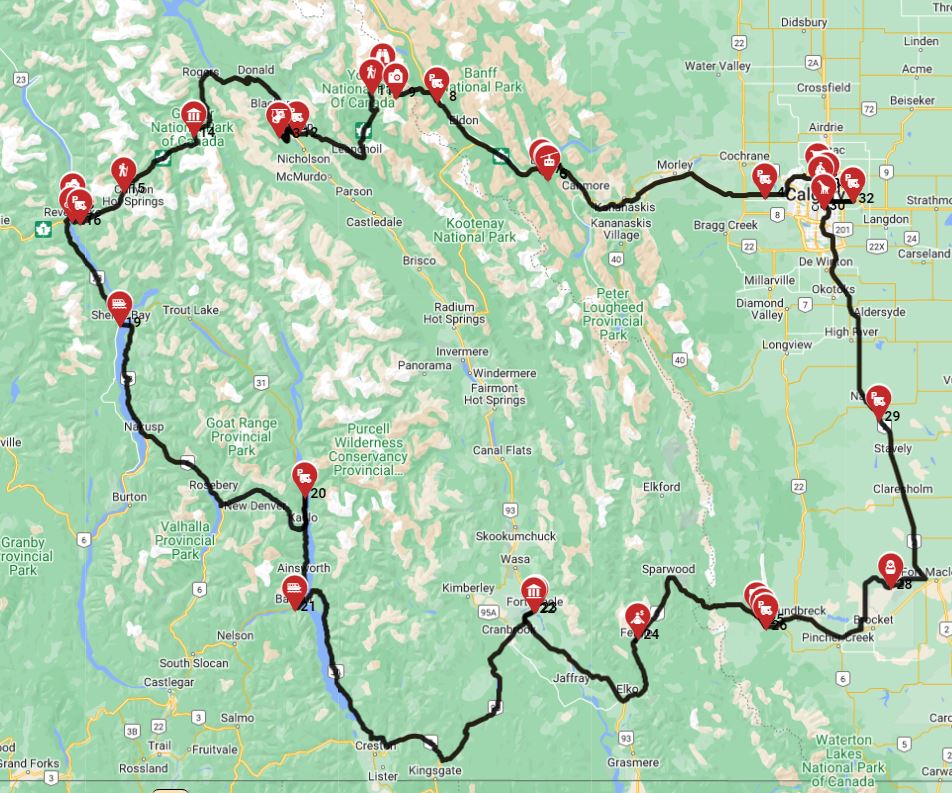
Yes, you can absolutely take an RV from Calgary to Vancouver, a popular one-way route that allows you to experience the stunning Canadian Rockies and the diverse Pacific Coast. This journey is a fantastic way to see a wide range of West Canada's landscapes.
This journey typically requires at least 3-5 days of driving, depending on how many scenic stops and detours you plan through iconic areas like Banff, Revelstoke, and Kamloops. Many RV rental companies offer one-way rentals between these two major cities, though a one-way drop-off fee will almost certainly apply.
This route offers a diverse range of landscapes, from majestic mountain peaks to lush, fertile valleys, making it an excellent choice for a comprehensive West Canada RV experience. Remember to factor in potential stops for local food recommendations and cultural insights along the way.
Is it worth RVing in West Canada
RVing in West Canada is overwhelmingly worth it, offering unmatched flexibility, access to stunning natural beauty, and a unique way to experience the region at your own pace. The freedom to explore diverse landscapes, from coastal rainforests to towering mountain peaks, makes it an unforgettable adventure.
The ability to wake up to mountain views, spot wildlife in its natural habitat, and immerse yourself in the grandeur of national parks makes the investment in RV travel truly worthwhile. RV travel provides the comfort of home while on the road, allowing you to easily prepare meals, relax in private spaces, and adapt your itinerary as you go.
For those seeking a deep connection with nature and the convenience of having your accommodation and transport combined, RVing in West Canada offers an unparalleled travel experience.
What is the cheapest RV rental in West Canada
The cheapest RV rentals in West Canada are typically found by booking during the shoulder seasons (May, early June, September, October) and opting for smaller, older models or Class B Camper Vans. These options often provide better value and are more budget-friendly.
Class B Camper Van: Generally the most economical option, these vehicles, like the '2 Berth Hi Top' or 'Acer' models, offer better fuel efficiency (around 10 Liters/100 km) compared to larger RVs. They are ideal for couples seeking a more compact and agile travel experience.
Off-Peak Travel: Avoiding July and August can significantly reduce nightly rental rates and campground costs. This also often means more availability for last-minute bookings.
Longer Rentals: Sometimes, renting for a longer duration can result in a lower average daily rate, although this isn't always the case for last-minute deals. Always compare prices across multiple rental companies and be flexible with your pick-up and drop-off dates to find the best possible deal for your West Canada adventure.
Essential Packing for Your West Canada RV Adventure
Packing smart for West Canada's unpredictable mountain weather, even in summer, requires a layered approach to ensure comfort and preparedness. The key is versatility and adaptability to changing conditions.
Layers are Key: Bring moisture-wicking base layers, insulating mid-layers (like fleece or down jackets), and a waterproof/windproof outer shell for all seasons. This system allows you to adjust your clothing to stay comfortable whether you're in a warm valley or at a higher, cooler elevation.
Rain Gear: High-quality rain jackets and pants are essential, as mountain weather can change rapidly, bringing unexpected showers even on seemingly clear days.
Footwear: Pack sturdy hiking boots, waterproof if possible, and comfortable casual shoes for campground use or exploring towns. Sandals are also useful for warmer days.
Sun Protection: Even on cloudy days, UV exposure is higher at elevation. Include sunscreen, a wide-brimmed hat, and sunglasses to protect yourself.
Safety & Comfort: Don't forget essentials like bug spray, a comprehensive first-aid kit, bear spray (and crucially, knowledge on how to use it), a headlamp for navigating campgrounds at night, and a refillable water bottle to support responsible tourism and stay hydrated.
Staying Connected in West Canada's Remote RV Routes
Information on cell service availability and Wi-Fi access is crucial for RVers in West Canada, where remote areas often present connectivity challenges. Planning ahead ensures you can stay connected when needed or embrace a digital detox.
Cell Service: Major highways and populated areas generally have reliable cell service, primarily from providers like Telus, Bell, and Rogers. However, coverage drops significantly in national parks and remote mountain valleys, so don't rely solely on your phone for navigation or communication in these areas.
Wi-Fi Access: Many private campgrounds and some national/provincial park campgrounds offer Wi-Fi, often for a fee. Be aware that this service can sometimes be slow or unreliable due to high demand and limited bandwidth in remote locations.
Staying Connected: Consider a portable Wi-Fi hotspot or a satellite communication device for emergencies in truly off-grid locations. Alternatively, download maps, guides, and entertainment beforehand to ensure you have access to information and entertainment even without a signal.
Digital Detox: Embrace the opportunity for a 'digital detox' in West Canada's wilderness. Disconnecting allows you to fully immerse yourself in the stunning natural surroundings and appreciate the tranquility of RV travel.
Considering Cross-Border RV Travel to the US or Alaska from West Canada?
Logistical details for border crossings are crucial if you're planning to venture into the US or Alaska from your West Canada RV rental. Proper planning ensures a smooth transition across international boundaries.
Rental Company Permission: It is absolutely essential to obtain explicit permission from your RV rental company to take the vehicle across the Canadian border into the United States or Alaska. Unauthorized cross-border travel can lead to significant issues.
Insurance Coverage: Confirm that your rental insurance policy extends to international travel. You may need to purchase additional cross-border insurance to ensure adequate coverage in the US or Alaska.
Required Documents: Ensure all travelers have valid passports. You will also need the RV's registration and proof of your rental agreement for customs officials at the border. Be aware of customs regulations regarding food, alcohol, and firearms to avoid delays or confiscation of items.
What You Shouldn't Miss
- Drive the **Icefields Parkway** between Banff and Jasper for unparalleled mountain scenery, glacier views, and wildlife spotting opportunities.
- Explore the vibrant city life of Vancouver, from the rainforest trails of Stanley Park to the culinary delights of Granville Island.
- Discover the wineries and orchards of the Okanagan Valley, perhaps stopping for a tasting or to pick fresh fruit.
- Witness the powerful waterfalls of Wells Gray Provincial Park, BC's 'Waterfall Park,' offering stunning natural beauty.
- Soak in the natural hot springs in Kootenay National Park, a relaxing contrast to mountain adventures.
- Experience the thrill of the Sea to Sky Gondola ride near Whistler for panoramic views of the coastal mountains and fjords.
- Visit the unique town of Field, BC, one of the few residential communities located entirely within a Canadian National Park.
Final Thoughts
Embarking on a last-minute RV adventure in West Canada is an incredible way to experience the diverse beauty of British Columbia and Alberta. The freedom of the open road, combined with the comfort and convenience of a rented RV, allows for spontaneous exploration and unforgettable memories.
Whether you choose a shorter 7-day loop or an extended 14-day journey, West Canada offers a stunning backdrop for your travels. Remember to plan ahead for popular sites, book campsites through resources like RV PLANET (rvplan.net), and embrace the slow travel philosophy by enjoying the drive as much as the destination.
With Bandana Caravan, you can be confident in a transparent booking process and reliable support, ensuring your focus remains on the incredible experiences awaiting you. Get inspired for your next trip and discover top destinations, planning tips, all in one place! Plan a trip itinerary in advance with minimal effort and maximum enjoyment.