For live availability and current prices, start with our RV Rental Morocco - Complete Guide 2026 guide.
In This Guide
- Best Morocco RV Itinerary for last minute rv rental - Overview
- 7-Day Classic Route in Morocco
- 14-Day Extended Journey in Morocco
- Recommended RVPlan Trip for Morocco
- Must-See Stops Along the Way (Avi Bandana Picks)
- Daily Driving Distances & Drive Times in Morocco
- Best RV Class for This Itinerary - Couple & Family Picks
- How much does a 7 day RV trip cost in Morocco?
- Can you wild camp in Morocco with an RV?
- What are the road conditions like for RVs in Morocco?
- How do I get an RV rental in Morocco?
- What documents do I need to rent an RV in Morocco?
- Do I need an international driver's license for an RV in Morocco?
- What kind of RV is best for Morocco roads?
- How long does it take to get an RV in Morocco?
- Is it safe to travel Morocco by RV?
- What is the best time of year to RV in Morocco?
- Where can I park my RV in Morocco?
- Where can I find water and dispose of waste with an RV in Morocco?
- How do I cross the border into Morocco with an RV?
- Can I bring my pet on an RV trip to Morocco?
- What emergency services are available for RVs in Morocco?
- What cultural etiquette should RV travelers know in Morocco?
- How do I get internet and navigate in Morocco with an RV?
Best Morocco RV Itinerary for last minute rv rental - Overview
A flexible 7-day to 14-day RV adventure through Morocco's diverse landscapes is highly recommended for travelers seeking a comprehensive experience. For a well-rounded trip, a minimum duration of 7 days is suggested, covering approximately 700 km (435 miles) without feeling rushed. Extending your journey to 14 days allows for a more immersive experience, with total distances potentially reaching 1400 km (870 miles) and deeper exploration. The optimal time for a last minute rv trip in Morocco is typically during spring (March-May) or autumn (September-November), as these seasons offer mild temperatures, ideal for comfortable travel and outdoor activities while avoiding the extreme heat of summer. For live availability and current prices, start with our RV Rental Morocco - Complete Guide 2024 guide.
7-Day Classic Route in Morocco
A classic 7-day RV itinerary for Morocco can immerse you in iconic sights and diverse landscapes. On Day 1, drive approximately 120 km (75 miles) from Tangier to Chefchaouen, the famous blue city, and settle into Camping Azilan for the night. Day 2 takes you about 200 km (125 miles) to Fes, where you can explore its ancient medina before parking at Camping Diamant Vert. Journey through the Middle Atlas mountains on Day 3, covering roughly 190 km (118 miles) to Midelt, with an overnight stay at a campsite near Ksar Timnay. Day 4 involves a 270 km (168 miles) drive to Merzouga for an unforgettable Sahara Desert dunes experience and a desert camp with RV facilities. On Day 5, explore the stunning Dades Gorges with a 270 km (168 miles) drive to Boumalne Dades, parking at Camping Chez Pierre. Day 6 brings you about 310 km (193 miles) to the vibrant city of Marrakech, where you can stay at Marrakech Camping Oasis. Your final day, Day 7, can include visiting Djemaa el-Fna square in Marrakech, followed by a 240 km (150 miles) drive to Casablanca for departure or extension of your trip at a local campsite. For travelers interested in specific pricing for shorter adventures, our Weekly RV Rental in Morocco - Pricing 2024 offers detailed insights.14-Day Extended Journey in Morocco
For an extended 14-day RV adventure in Morocco, you can delve deeper into its varied regions, keeping daily drives to a leisurely pace of max 100-150 km per day. Days 1-3 can be dedicated to exploring Northern Charm, including Tangier, Chefchaouen, and Tetouan, allowing ample time for the blue city, mountain vistas, and coastal towns, with a maximum daily drive of 150 km. Days 4-6 will take you through Imperial Cities & Atlas Mountains, visiting Fes, Meknes, Ifrane, and Midelt, where you can immerse yourself in ancient history and traverse scenic mountain roads, with daily drives around 180 km. The Sahara Desert Experience unfolds over Days 7-9 in areas like Erfoud and Merzouga, offering camel treks, dune exploration, and stargazing; daily drives here can be longer, up to 200 km, due to the vastness of the desert. Days 10-11 focus on the Southern Gorges & Valleys, including Todra Gorges, Dades Valley, and Ouarzazate, showcasing stunning natural landscapes and opportunities for film studio visits, with drives typically under 150 km. Finally, Days 12-14 allow for relaxation on the Atlantic Coast in Essaouira, followed by diving into the bustling heart of Morocco, Marrakech, with maximum daily drives of 200 km. This pace ensures you truly connect to the culture, the food, and the scenery without feeling rushed.Recommended RVPlan Trip for Morocco
To maximize your last-minute RV adventure in Morocco, Avi Bandana strongly recommends exploring the curated RV PLANET routes. These pre-designed itineraries and route plans eliminate the complexities of planning, combining your RV rental with expertly vetted routes that cover all the highlights and hidden gems. Each RV PLANET route provides detailed maps, points of interest, and campsite suggestions specifically tailored for RV travelers. Utilizing an RVPlan trip significantly simplifies your Moroccan travel planning, allowing you to focus entirely on the discovery and immersion of your journey rather than logistical headaches. You can even itemize and track every expense along the way for easy budgeting with RV PLANET routes, ensuring full transparency in your travel costs.Must-See Stops Along the Way (Avi Bandana Picks)
"Morocco is a sensory delight, and some experiences truly stand out," says Avi Bandana. His personal picks for immersive Moroccan experiences include exploring the ancient tanneries of Fes, a traditional craft that offers a fascinating, albeit pungent, glimpse into history. Savoring authentic tagine and pastilla at a local family-run restaurant in the Atlas Mountains is another highlight, offering a true taste of traditional Moroccan cuisine. For those who enjoy cooking on their rented motorhome, trying to recreate these flavors is a fun challenge- check out our RV-friendly recipes playlist for inspiration. Wandering through the bustling souks of Marrakech to discover artisan crafts and spices is a vibrant traditional market experience you shouldn't miss. Furthermore, visiting an argan oil cooperative near Essaouira provides a unique opportunity to witness local industry and learn about traditional production methods. Finally, experiencing a nomadic tea ceremony in the Sahara Desert offers profound cultural immersion beyond typical tourist spots, connecting you with the hospitable Berber way of life.Daily Driving Distances & Drive Times in Morocco
For a truly enjoyable and immersive experience of the Moroccan landscape and cultural stops, Avi Bandana recommends maintaining a relaxed pace of a maximum of 100 miles or 150 km per day on average. This slower travel approach allows for spontaneous discoveries, reduces stress, and provides more time to engage with the local environment. Driving from Marrakech to Essaouira, which is approximately 180 km, typically takes around 2.5 to 3 hours, excluding any stops you might make along the scenic route. The journey from Fes to Chefchaouen, covering about 200 km, can take 3.5 to 4 hours due to winding mountain roads that demand careful navigation. For trips navigating from Merzouga into the stunning Dades Valley, a distance of approximately 270 km, expect varied terrain and drive times of 4 to 5 hours. Remember, these are estimates, and local traffic, road conditions, and unexpected sights can always extend your travel time.Best RV Class for This Itinerary - Couple & Family Picks
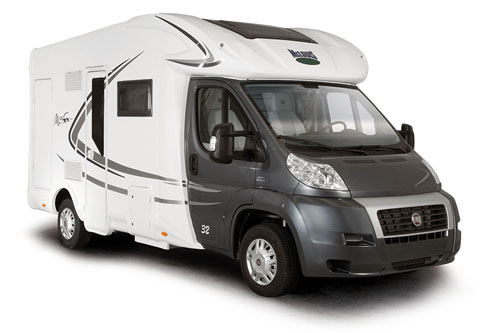
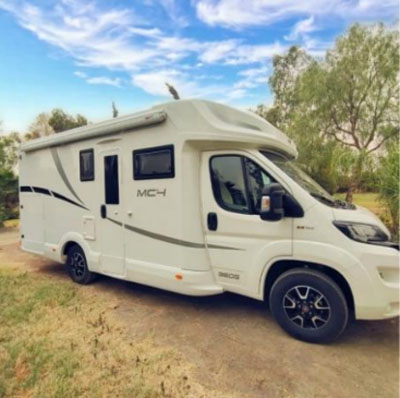
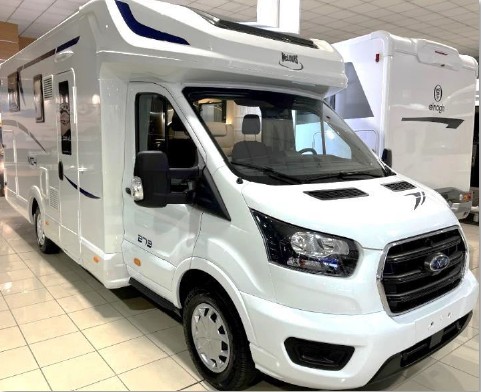
The best RV for a Moroccan adventure largely depends on your travel party and comfort preferences. For couples exploring Morocco, Avi Bandana recommends a Class B - Camper Van due to its exceptional maneuverability and fuel efficiency. These compact vans, with an average length of 5.8m and typically accommodating 3.2 people, are ideal for navigating tighter Moroccan roads and even busy city outskirts. Their smaller size makes parking considerably easier, and they offer efficient fuel consumption, typically around 8-10 Liters/100 km, making them a smart choice for budget-conscious couples. For families or larger groups seeking more space and comfort on longer trips, a Class C - Alcove RV is an excellent choice. Bandana's global fleet averages for Class C units around 7.5m in length, providing ample room for 4.4 adults and 5.8 sleeping places. These motorhomes strike a balance between comfortable living space and manageable driving, typically consuming around 10-12 Liters/100 km, ensuring everyone has a pleasant journey. You can choose to upgrade to a top-level deductible for extra peace of mind regardless of your chosen vehicle class.How much does a 7 day RV trip cost in Morocco?
A 7-day RV trip in Morocco typically costs between €800-€1500 per person, excluding international flights, depending on the chosen RV class, season, and individual travel style. RV rental fees can fluctuate significantly based on last-minute availability and demand, generally ranging from €70-€150 per day for a basic to mid-range motorhome. Fuel costs are a substantial expense; with prices varying, budget approximately €100-€200 for covering 700-1000 km, assuming an average consumption of 10-12 Liters/100 km for most rented RVs. Camping fees at established sites are generally affordable in Morocco, ranging from €5-€15 per night, while wild camping is free but requires diligent adherence to responsible practices. Daily food expenses, whether self-catering using your RV's kitchen or dining out, can vary from €20-€50 per person, with local markets offering fresh, cost-effective options. Remember to factor in additional expenses for tolls, activities, guided tours, and potential temporary insurance or visa fees, which can add another €50-€150 to the total trip cost. For those seeking "Cheap RV Rental in Morocco - Budget Guide 2024," careful planning of these ancillary costs is key.Can you wild camp in Morocco with an RV?
Wild camping with a rented RV in Morocco is generally tolerated in many rural and remote areas, but it is not officially regulated, making responsible RVing practices absolutely essential. It's always crucial to seek permission from local authorities or landowners whenever possible, especially in populated areas or near agricultural lands, to avoid any misunderstandings. For responsible waste disposal, never leave grey or black water directly in nature; designated dumping stations can be found at established campsites or in larger towns, and finding them requires proactive planning. Water sourcing for your motorhome can be done via public taps in villages, at petrol stations (always ask politely), or by asking locals, but it's always wise to filter or boil water before consumption. Prioritize safety by choosing well-lit, visible spots, avoiding secluded areas at night, and trusting your instincts. Adhering to Leave No Trace principles - packing out all trash, minimizing impact, and respecting local customs - is paramount for sustainable and harmonious wild camping in Morocco.What are the road conditions like for RVs in Morocco?
Moroccan road conditions for RVs are varied, ranging from excellent, well-maintained highways to challenging unpaved tracks, requiring travelers to consider specific vehicle characteristics like good clearance and suspension. Major routes connecting key cities such as Marrakech, Fes, and Casablanca are generally paved, in good condition, and suitable for all types of rented motorhomes. However, navigating medinas and older city centers can be extremely challenging for larger RVs due to very narrow, winding streets, so these areas are often best explored on foot or with smaller vehicles. Mountain passes, particularly in the dramatic High Atlas ranges, feature steep inclines, sharp bends, and can experience snow in winter, demanding careful driving and an RV with appropriate power. Desert tracks, especially when venturing towards areas like Merzouga, are frequently unpaved, sandy, or rocky, often necessitating a vehicle with higher ground clearance or even 4x4 capabilities for optimal access. Moroccan traffic rules include right-hand driving, and while speed limits are enforced, local driving styles can be assertive, with motorbikes and even donkeys sharing the road, demanding constant vigilance and common sense. Drive slowly and carefully, and you can drive almost anywhere without issues. No need to stress - just use common sense and pay attention.How do I get an RV rental in Morocco?
Obtaining an RV rental in Morocco typically involves booking online through international comparison platforms or directly with local agencies, particularly when seeking last-minute availability. Start your search on platforms like Bandana Caravan, which offer a diverse range of motorhome classes and can often show last-minute availability from direct partnerships with 50+ leading RV suppliers worldwide. You can easily filter your search by pickup location, such as Casablanca, Marrakech, Agadir, Fes - Fez, Rabat, Ouarzazate, Essaouira, or Tanger - Tangier, and by your desired RV class to match your travel party and itinerary. For extremely last-minute needs, it's advisable to contact rental companies directly to confirm vehicle availability and any expedited pickup options. Ensure you thoroughly understand the rental terms, including comprehensive insurance coverage, mileage limits, and any security deposit requirements, before finalizing your booking. Some rental companies and Bandana partners may offer "Rent&Plan" services, which combine the RV rental with a pre-planned itinerary, proving highly beneficial for spontaneous trips to Morocco.What documents do I need to rent an RV in Morocco?
To rent an RV in Morocco, you will typically need a valid passport, a national driving license, and often an International Driving Permit (IDP). Your passport must be valid for at least six months beyond your intended stay in Morocco to meet entry requirements. A valid national driving license from your home country is usually required, with many rental companies stipulating that it must have been held for at least 1-2 years. While not always mandatory for all nationalities, an International Driving Permit (IDP) is highly recommended as it provides an official translation of your license into several languages, which is recognized and understood by Moroccan authorities. You will also need a major credit card for the security deposit, which can range from €1000-€3000 depending on the RV class and supplier. Furthermore, proof of travel insurance, while not strictly required for the rental itself, is highly advisable for covering medical emergencies and trip cancellations, offering essential peace of mind.Do I need an international driver's license for an RV in Morocco?
While a national driver's license from your home country may suffice for some rental scenarios, an International Driving Permit (IDP) is highly recommended and often required for driving a rented RV in Morocco, particularly for licenses not issued in Arabic or French. The IDP serves as an official translation of your national license into multiple languages, significantly facilitating understanding for local authorities and rental agencies, preventing potential issues. It acts as a supplementary document to your national driver's license, which you must always carry together when driving. You can obtain an IDP from your national motoring association (e.g., AAA in the US, AA/RAC in the UK) before traveling to Morocco. It is essential to ensure your IDP is valid for the entire duration of your RV rental period in Morocco. Failure to carry an IDP when advised could lead to fines or complications with law enforcement in the event of a routine inspection or an unforeseen accident. A standard car driver's license is sufficient for ALL motorhome classes, so no special license is needed.What kind of RV is best for Morocco roads?
The best RV for navigating Morocco's diverse roads depends on your specific itinerary and planned destinations, but generally, smaller, more maneuverable motorhomes with decent ground clearance are preferred. Class B Camper Vans, like an "rv rental denver example Category Van" or "hire campervan example Paradise S/T", or smaller Class SI - Semi-integrated models are often ideal for their versatility, allowing easier passage through medina outskirts, smaller towns, and winding mountain roads. Vehicles with robust suspension are highly beneficial for handling less-maintained roads, especially when venturing off major highways towards desert or remote mountain regions. For adventurous travelers planning extensive off-road or deep desert exploration, a 4x4 truck camper (such as a "4x4 Truck Camper Gold" or "Patagonia Camper 4x4 double cab") with higher ground clearance and better traction would be most suitable, though these are less commonly available for rental. Larger Class C - Alcove RVs or Class A - Integrated motorhomes offer more comfort and amenities but may struggle with very narrow roads, tight parking spaces in traditional Moroccan settings, or navigating bustling city traffic. Drive slowly and carefully, and you can drive almost anywhere without issues. No need to stress - just use common sense and pay attention.How long does it take to get an RV in Morocco?
The entire process of securing and picking up an RV rental in Morocco, from initial booking to driving away, can vary from a few hours for a very last-minute rental to several days if booking well in advance and requiring specific preparations. Last-minute rentals typically involve quicker paperwork at the depot if the desired vehicle is pre-assigned and ready for immediate pickup, potentially taking only 1-2 hours for the orientation and final signing. However, to guarantee a specific RV model, especially during peak seasons or for popular Class C - Alcove RVs, it usually requires booking several weeks or even months in advance to ensure availability. Upon your arrival at the rental depot, allocate at least 1-2 hours for the comprehensive vehicle handover process, which includes a thorough walkthrough of the RV's features, operating instructions, and final paperwork completion. Always factor in potential travel time to reach the RV depot, which might be located outside major city centers like Marrakech or Casablanca, and ensure you have all necessary documents on hand to avoid any delays.Is it safe to travel Morocco by RV?
Traveling Morocco by RV is generally considered safe, particularly for tourists who adhere to common safety precautions and respectfully engage with local customs. Morocco has a low crime rate against tourists, but petty crime like pickpocketing can occasionally occur in busy, crowded areas such as souks or city squares, so always secure your valuables. When parking your motorhome overnight, it is safest and highly recommended to use official campsites, designated guarded parking lots (often signposted as 'parking surveillé'), or well-trafficked areas rather than isolated or remote spots. Road safety requires vigilance; drive defensively, be acutely aware of the varied road conditions, and avoid night driving on unlit roads due as pedestrians, animals, and unmarked obstacles can be present. Stay informed about any local advisories from your embassy and consider registering your travel plans with your country's embassy or consulate. Be prepared for potential interactions with overly helpful 'guides' or hawkers; a firm but polite 'no, thank you' is usually sufficient to manage these encounters.What is the best time of year to RV in Morocco?
The best time of year to embark on an RV adventure in Morocco is typically during the spring (March to May) and autumn (September to November) when the weather is mild and pleasant across most regions. Spring in Morocco offers blooming landscapes, moderate temperatures perfect for outdoor activities like hiking in the Atlas Mountains, and comfortable driving conditions for your rented campervan. Autumn provides a similar delightful climate with warm, sunny days and cooler nights, making it ideal for desert excursions and exploring historical sites like Fes or Marrakech without the oppressive extreme heat. Summers (June to August) can be intensely hot, especially in inland and desert areas, which can make RV travel less comfortable due to high temperatures and a greater reliance on air conditioning. Winters (December to February) are generally mild along the coast but can be quite cold with significant snowfall in the Atlas Mountains, potentially closing some mountain passes and limiting access. For those planning a last minute rv rental, aiming for the shoulder seasons (late spring, early autumn) can also potentially yield better availability and still ensure favorable weather conditions.Where can I park my RV in Morocco?
RV parking in Morocco is available at various locations, including dedicated campsites, guarded city parking lots, and designated safe areas for wild camping, offering flexibility for your motorhome adventure. Official campsites (campings) are the most secure and convenient option, offering essential amenities like electricity, water hookups, and waste disposal points for a fee, typically €5-€15 per night. Many larger cities and popular tourist towns feature guarded parking lots (often clearly marked as 'parking surveillé') that are suitable for overnight RV parking for a small fee, providing an urban base. Wild camping, while tolerated in remote areas, requires discretion and local awareness; always prioritize visible and safe locations, ensuring you avoid private land or sensitive environmental zones without explicit permission. While less common than in Europe, look for 'aires de service' or service points at some petrol stations or larger towns for water and waste services. In some instances, guesthouses or auberges in smaller villages, particularly near tourist attractions, may offer space for RVs for a fee, often including access to their facilities like showers and restrooms.Where can I find water and dispose of waste with an RV in Morocco?
Accessing water and properly disposing of waste with a rented RV in Morocco requires proactive planning, as dedicated European-style facilities are less widespread, necessitating reliance on a mix of official campsites and local resources. Potable water sourcing can be reliably done at most established campsites, which typically offer water hookups or fill-up points for your motorhome. In rural areas, public village fountains, mosques (with respectful inquiry), or gas stations (always ask permission first) can also be sources for fresh water, but it's always advisable to filter or boil water before consumption if you are unsure of its potability. Grey water (from sinks and showers) and black water (from the toilet) should ideally be disposed of at designated dumping stations found at official campsites. It is crucial to avoid disposing of any waste directly into the environment, as this is harmful and disrespectful to local communities and nature. If official dumping sites are unavailable, locate discreet, unpopulated areas for grey water, far from water sources and residential areas. For black water, using a portable toilet cassette that can be emptied into regular public toilets (exercising care and hygiene) can be a practical alternative if dedicated RV dumping stations are truly absent.How do I cross the border into Morocco with an RV?
Crossing the border into Morocco with an RV, typically from Spain via a ferry, involves detailed procedures for documents, customs, and temporary vehicle import. First, ensure your passport is valid for at least six months beyond your intended stay and verify if a visa is required for your nationality well in advance. You will need your rented RV's original registration document (V5C for UK, Carte Grise for EU), proof of ownership from the rental company, and ideally a Green Card (international motor insurance) explicitly valid for Morocco. Upon arrival at the Moroccan port, such as Tangier Med, follow the clear signs for vehicle entry. You'll typically complete an immigration card and a temporary import declaration for your vehicle (known as a D16ter form), which is often available at the port or can sometimes be filled out online in advance. Customs checks are routine; cooperate fully and accurately declare any restricted items. Temporary insurance for Morocco can often be purchased directly at the port if your existing policy from the rental supplier doesn't cover it. Allow ample time, generally 2-4 hours, for border formalities, as processes can be slow and meticulous, especially when traveling with a vehicle. Ensure all stamps and documents are correctly issued before proceeding with your last minute rv trip in Morocco. For information on one-way rentals within Morocco, see our One-Way RV Rental in Morocco - Price Guide 2024.Can I bring my pet on an RV trip to Morocco?
Bringing a pet on a rented RV trip to Morocco is possible but requires strict adherence to specific pet travel regulations and careful planning. Your pet, whether a dog or cat, must be microchipped for identification purposes. They also need an up-to-date rabies vaccination, administered at least 21 days prior to your travel date. Additionally, you will need either an EU Pet Passport or an official veterinary health certificate, depending on your country of origin. It's crucial to confirm pet travel policies directly with any ferry companies you plan to use for your crossing, as they may have their own specific requirements. Upon arrival in Morocco, your pet's documents will be checked by customs officials, so ensure all paperwork is correctly filled out and readily accessible. Consider the Moroccan climate; extreme heat, especially during summer, can be dangerous for pets, so plan travel during cooler months and ensure constant access to shade and fresh water in your motorhome. Be aware that pets may not be allowed in all public places, restaurants, or national parks in Morocco, and always respect local cultural norms regarding animals.What emergency services are available for RVs in Morocco?
Emergency services for RVs in Morocco include roadside assistance, medical facilities, and official contact information, though response times and availability can vary by region. For vehicle breakdowns, major highways are equipped with emergency call boxes, and local garages in towns can often perform repairs; purchasing a local Moroccan SIM card for your mobile phone to contact services directly is highly recommended. The national emergency numbers are 15 for Ambulance/Fire, 19 for Police in urban areas, and 177 for the Royal Gendarmerie, which covers rural areas and highways. Medical facilities range from well-equipped private clinics in major cities like Casablanca or Marrakech to more basic public hospitals in rural areas; comprehensive travel insurance with medical evacuation coverage is strongly recommended for all RV travelers. Always carry a well-stocked first-aid kit in your rented motorhome and any necessary personal medications, as specific drugs may not be readily available in all areas. Familiarize yourself with basic Arabic or French phrases for emergencies, as English may not be widely spoken by all emergency responders.What cultural etiquette should RV travelers know in Morocco?
RV travelers in Morocco should observe nuanced cultural etiquette, including modest dress, respectful interactions, and an understanding of local customs, to enhance their immersive experience. When visiting religious sites or traveling through rural areas, dress modestly; both men and women should ensure shoulders and knees are covered as a sign of respect. Always ask for polite permission before taking photos of people, particularly women and children, demonstrating respect for their privacy. Haggling is a customary and expected part of shopping in markets (souks); approach it as a friendly negotiation rather than a confrontation, and always maintain politeness. Public displays of affection are generally frowned upon, and alcohol consumption should be discreet, typically confined to private spaces within your rented motorhome or licensed establishments. When graciously invited for tea or a meal by locals, accept with grace; it is a profound sign of hospitality. Always offer and receive items with your right hand, as the left hand is considered unclean in Islamic culture. Embracing these customs will enrich your RV journey and foster positive interactions. For budgeting your total trip, including activities, remember that RV PLANET routes allow you to itemize and track every expense along the way.How do I get internet and navigate in Morocco with an RV?
Obtaining reliable mobile connectivity and navigating effectively with an RV in Morocco is best achieved through a combination of local SIM cards and robust offline navigation tools. Upon arrival at major entry points like the airport or in large cities such as Marrakech, Fes, or Casablanca, purchase a local Moroccan SIM card from prominent providers like Maroc Telecom, Orange, or Inwi for affordable data packages. Ensure your mobile phone is unlocked to accept a Moroccan SIM card, as these provide essential internet access for streaming, communication, and online mapping. For RV-specific navigation, download comprehensive offline maps (e.g., Google Maps offline areas, Maps.me, or specialized RV navigation apps) before your trip, as cellular coverage can be sporadic or non-existent in remote desert or mountain regions. Carrying a physical map as a reliable backup is also prudent, especially for understanding broader regional layouts. Additionally, consider bringing a power bank or an RV inverter to keep all your devices charged, ensuring continuous access to navigation and communication tools throughout your adventure.🎬 Video coming soon
What You Shouldn't Miss
- **The Blue City of Chefchaouen:** Wander through its vibrant blue alleyways and discover local artisan shops.
- **The Sahara Desert at Merzouga:** Experience a camel trek into the Erg Chebbi dunes for an unforgettable sunrise or sunset, and spend a night under a canopy of stars.
- **Djemaa el-Fna in Marrakech:** Immerse yourself in the bustling main square, alive with storytellers, musicians, snake charmers, and food stalls.
- **Ait Benhaddou Kasbah:** Explore this UNESCO World Heritage site, a fortified village that has served as a backdrop for numerous films.
- **Todra and Dades Gorges:** Drive through these spectacular canyon landscapes, stopping to hike and appreciate the towering rock formations.
- **Essaouira's Coastal Charm:** Relax by the Atlantic, explore the historic medina, and savor fresh seafood by the harbor.
- Looking for expert insights from Avi Bandana? Top 5 Adventures - recommendations from Avi Bandana will help you plan your ideal trip.
Final Thoughts
An RV adventure through Morocco is more than just a trip; it's an opportunity to immerse yourself in a vibrant culture, witness breathtaking landscapes, and create lasting memories at your own pace. With the flexibility of a rented motorhome or campervan, you have the freedom to explore ancient cities, majestic mountains, and golden deserts on a spontaneous last-minute itinerary. Whether you choose a compact campervan for intimate couple travel or a spacious Class C motorhome for family fun, Bandana Caravan is here to ensure your booking process is seamless and transparent. Remember, traveling slowly, averaging 100-150 km per day, will allow you to truly connect with the magic of Morocco. Discover top destinations, planning tips, all in one place! So, are you ready to embrace the spontaneity of a last-minute RV journey? Your Moroccan adventure awaits, promising a blend of authentic experiences and unparalleled freedom. Compare Motorhome Prices for Morocco now and start planning a trip itinerary in advance with minimal effort and maximum enjoyment.On the routes offered through RV PLANET routes, you can itemize and track every expense along the way for easy budgeting.