In This Guide
- Best Greece RV Itinerary for last minute rv rental — Overview
- 7-Day Classic Route in Greece
- 14-Day Extended Journey in Greece
- Recommended RVPlan Trip for Greece
- Must-See Stops Along the Way (Avi Bandana Picks)
- Daily Driving Distances & Drive Times in Greece
- Best RV Class for This Itinerary — Couple & Family Picks
- What is the average cost of renting an RV in Greece
- Is it safe to wild camp in Greece
- What do I need to rent an RV in Greece
- What is the best month to RV in Greece
- Is Greece good for RV travel
- Are there RV parks in Greece
- Can you drive a motorhome anywhere in Greece
- What is the best way to travel around Greece
- What are the roads like in Greece
- How much does it cost to fill an RV with gas
- Where can I empty my RV waste in Greece
- Can you drive a campervan on an ordinary license in Greece
Best Greece RV Itinerary for last minute rv rental — Overview
Embark on a flexible RV adventure through Greece, covering approximately 800-1600 km. A recommended duration is a minimum of 7 days, ideally 14 days for a comprehensive experience. The best time to travel by RV in Greece is during the shoulder seasons: late spring (April-May) and early autumn (September-October), offering pleasant weather and fewer crowds. For live availability and current prices, start with our RV Rental Greece - Complete Guide 2026 guide. This itinerary focuses on a blend of ancient history, stunning coastlines, and authentic Greek village life, perfect for a spontaneous last-minute trip.
7-Day Classic Route in Greece
This 7-day classic route offers a fantastic introduction to Greece for last-minute RV renters, balancing iconic historical sites with scenic drives. Start your journey in Athens, collect your rented RV, and head towards the picturesque coastal town of Nafplio (approx. 150 km). Highlights in Nafplio include the impressive Palamidi Fortress and Akronafplia Castle, offering panoramic views. You can find campsites near Nafplio for your first overnight stay. Day two involves a shorter drive to Olympia (approx. 100 km) to explore the ancient site where the Olympic Games originated. Continue north on day three to the sacred archaeological site of Delphi (approx. 200 km), famously home to the Oracle, with campsites available in the Delphi area. The itinerary then leads you to Meteora (approx. 230 km) on day four, a truly breathtaking destination where monasteries are perched atop towering rock pillars; dedicate your afternoon to exploring these unique structures and stay at a campsite in Kalabaka. Day five takes you to Ioannina (approx. 110 km), a vibrant city by Lake Pamvotida, known for its island monastery and historic castle, with camping options near the city. Journey through the mountainous heart of Greece on day six to Karpenisi (approx. 150 km), a region celebrated for its stunning natural beauty and outdoor activities, with campsites available in the area. Finally, day seven involves a scenic drive back to Athens (approx. 300 km) for your RV return, perhaps with a charming stop in a coastal town along the way to cap off your whirlwind Greek adventure. For travelers looking for even more inspiration for their trips, our guide to RV Rental Europe - Complete Guide 2026 offers a broader perspective on European adventures.
14-Day Extended Journey in Greece
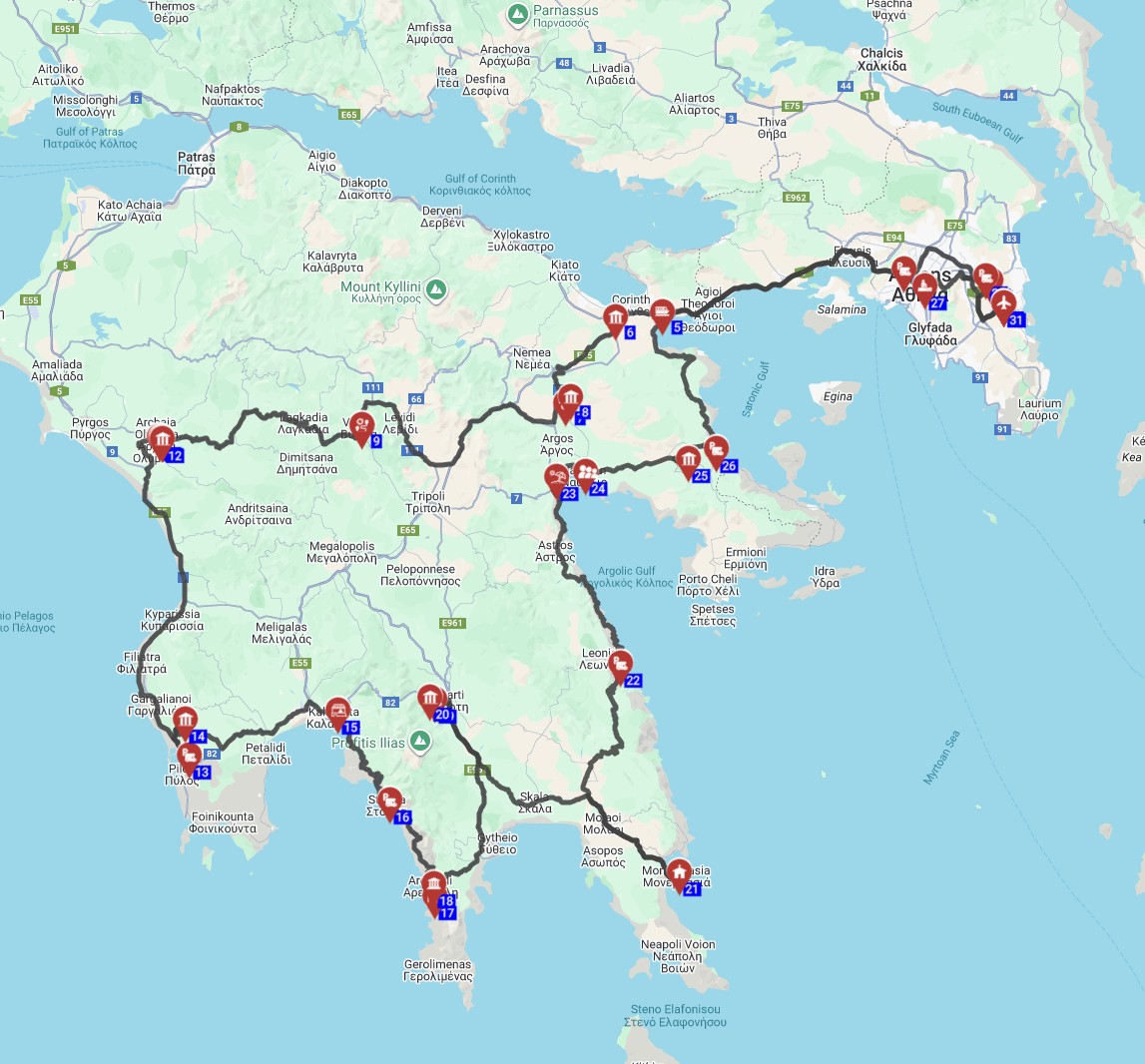
For those with more time, a 14-day RV journey through Greece allows for deeper exploration and a more relaxed pace. Begin your extended adventure in Athens and the Attica Riviera (approx. 50 km per day), spending your first three days exploring the capital's historic heart—the Acropolis, the charming Plaka district—and then venturing along the beautiful Athenian Riviera to coastal towns like Sounion. Campsites around Athens are plentiful. Days 4-6 focus on the Peloponnese region, specifically Argolis and Sparta (approx. 100-120 km per day). Drive to Nafplio, visiting the ancient sites of Mycenae and Epidaurus. Continue south to Sparta to explore its ancient city and the fascinating UNESCO World Heritage site of Mystras, with overnight stays at campsites in Nafplio and near Sparta. Your journey then heads to Olympia and Patras (approx. 100 km per day) on days 7-8, revisiting the birthplace of the Olympic Games and then proceeding to Patras, a significant port city, potentially for an island ferry or to prepare for more mainland exploration. Campsites in Olympia and Patras will be your resting spots. Days 9-10 are dedicated to Central Greece, visiting Delphi (the Oracle's ancient seat) and the awe-inspiring Meteora monasteries (approx. 150-200 km per day), with overnight stays in Delphi and Kalabaka. The latter part of your trip, days 11-12, explores the Epirus region, heading west to Ioannina and then into the stunning Zagori region (approx. 80-100 km per day), renowned for its picturesque stone villages, iconic arched bridges, and the dramatic Vikos Gorge. Experience authentic village life and local traditions here, finding campsites near Ioannina or within Zagori. Finally, days 13-14 mark your return journey to Athens (approx. 350-400 km), allowing you to take a different scenic route through the mountains or along the coast, making stops in charming towns for cultural immersion and to savor local cuisine before returning your RV in Athens. If you are interested in comparing other route options, check our guide on Cheap RV Rental in Greece - Budget Guide 2026.
Recommended RVPlan Trip for Greece
While a specific RVPlan trip for Greece isn't listed here, Bandana recommends exploring their 'Rent & Plan' service. This feature allows you to choose from a variety of pre-designed itineraries created by travel experts, specifically tailored for RV travel in Greece. These ready-made plans often include detailed routes, points of interest, and campsite suggestions, providing a hassle-free solution for your last-minute Greek adventure. Users can access a comprehensive trip-planning software, streamlining the entire journey from start to finish. For those who prefer a more spontaneous approach, you can also use RV PLANET (rvplan.net) to discover potential routes and points of interest to craft your own unique Greek RV experience.
Must-See Stops Along the Way (Avi Bandana Picks)
To truly capture the spirit of Greece beyond the usual tourist trails, consider these curated stops that Avi Bandana personally recommends for an authentic RV experience. Seek out traditional, family-run tavernas, especially those favored by locals in towns like Nafplio, Kalamata, or Ioannina; these hidden gems offer a chance to savor genuine Greek cuisine and immerse yourself in village life. Don't miss visiting local markets (laiki agora) where you can engage with vendors, sample regional produce, and discover lesser-known traditions. While Meteora's monasteries are a must-see, keep an eye out for smaller, more secluded monasteries and churches tucked away in the countryside or on islands for unique spiritual and historical insights. Exploring artisan workshops, particularly those involved in olive oil production, pottery, or weaving, provides a fascinating glimpse into traditional crafts and local industries. Finally, drive through and stop in smaller, traditional villages in regions like Zagori or the Peloponnese, engaging with locals—even basic Greek phrases are greatly appreciated—to experience genuine Greek hospitality and deep cultural immersion.
Daily Driving Distances & Drive Times in Greece
Avi Bandana recommends a maximum of 100 miles or 150 km per day on average when RVing in Greece. This guideline ensures a relaxed travel pace, allowing ample time to explore your destinations, enjoy the scenic routes, and manage the varying road conditions without feeling rushed. For example, the drive from Athens to Nafplio, covering approximately 150 km, typically takes 1.5-2 hours. The journey from Delphi to Meteora, around 230 km, is estimated to take 3-4 hours. Traveling to the Zagori villages from Ioannina, a distance of about 40 km, can surprisingly take an hour or more due to the winding mountain roads, highlighting the need for careful planning and realistic drive times. When planning your routes, remember that using RV PLANET routes can help itemize and track every expense along the way for easy budgeting. On the routes offered through RV PLANET routes, you can itemize and track every expense along the way for easy budgeting.
Best RV Class for This Itinerary — Couple & Family Picks
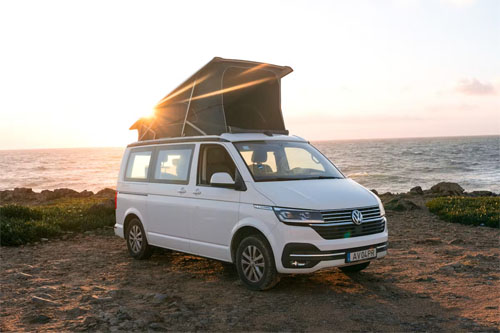
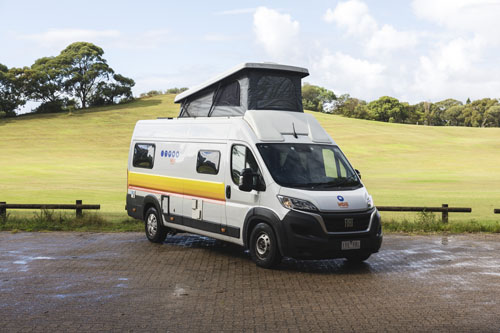
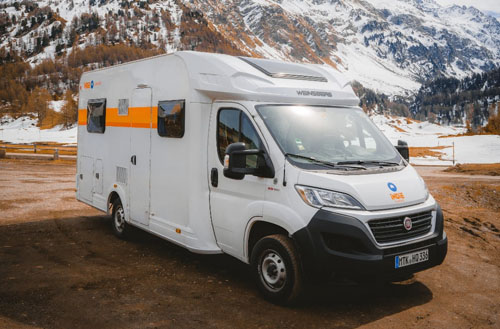
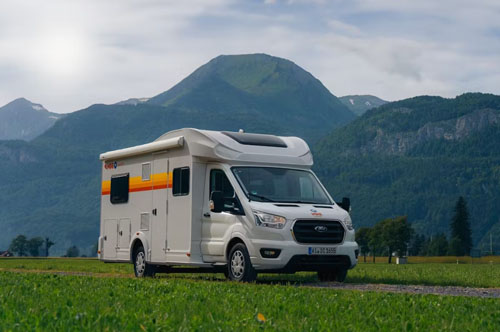
Choosing the right RV class is crucial for a comfortable and efficient Greek adventure. For couples seeking agility and ease of navigation on Greece's varied roads, the **Class B - Camper Van** is an ideal choice. Bandana's global fleet averages for Class B camper vans show an average length of 5.8 meters and sleeping places for 3.2 individuals, making them compact enough for narrow village streets and ferries, yet comfortable for two, with average fuel consumption around 8-10 Liters/100 Km. For families planning a last-minute RV rental in Greece, the **Class C - Alcove** offers ample space and comfort. These vehicles, with an average length of 7.5 meters and sleeping places for 5.8 individuals (comfortably accommodating 4.4 adults on average in Bandana's global fleet), provide sufficient room for larger groups, storage, and amenities, with fuel consumption typically around 10-12 Liters/100 km. To eliminate planning headaches, consider Bandana's 'Rent & Plan' service, which bundles your RV rental with a professionally crafted itinerary, granting full access to expert-designed routes and trip-planning software. For instance, a vehicle like the would be excellent for those venturing off the beaten path.
What is the average cost of renting an RV in Greece
The average cost of renting an RV in Greece typically ranges from €80 to €200 per day, varying significantly based on factors such as seasonality, RV class, rental duration, and included amenities. Peak season, generally June through August, sees the highest prices, while shoulder seasons (April-May, September-October) offer better value. Smaller campervans, like the Class B models, are generally more affordable than larger, luxury integrated motorhomes. Longer rental periods often come with lower daily rates. Costs can increase with premium insurance, unlimited mileage packages, or additional equipment like GPS and camping furniture. Beyond the rental price, be sure to factor in ancillary costs such as fuel (for example, a Class C motorhome consumes 10-12 Liters/100 km), tolls on major highways, campsite fees (typically €15-€40 per night), ferry tickets (which can be significant for island explorations), and potential one-way rental fees. For money-saving tips, booking in advance, traveling during the shoulder season, comparing insurance options, and utilizing free parking spots where legal and safe are highly recommended. For a more detailed cost breakdown by duration, consider exploring our guide on Weekend RV Rental in Greece - Pricing 2026.
Is it safe to wild camp in Greece
While officially prohibited by Greek law, wild camping in an RV in Greece is often tolerated in many remote or less populated areas, particularly outside of organized campsites, provided responsible practices are strictly followed. Article 37 of Law 2160/93 prohibits wild camping, and fines can be imposed, especially in highly touristic or protected areas. To minimize impact and avoid issues, always practice 'leave no trace' principles, dispose of waste properly (especially grey and black water), maintain a low profile, and respect local communities and their environment. Being mindful of your presence and asking local businesses or residents if parking overnight is acceptable can foster good relations. For safety, choose well-lit, visible spots, avoid isolated areas, and secure your vehicle. Utilize apps like Park4Night for community-vetted parking suggestions, but always double-check local regulations. Prioritizing official campsites when available is the most responsible approach, as they offer essential facilities for waste disposal and support local tourism infrastructure.
What do I need to rent an RV in Greece
To rent an RV in Greece, you typically need a valid driver's license, a credit card for the security deposit, and often an International Driving Permit (IDP) depending on your country of origin. A standard Class B driver's license is sufficient for most campervans and RVs under 3.5 tons. For non-EU citizens, an International Driving Permit (IDP) is legally required alongside your national license. Most rental companies require drivers to be at least 21 or 23 years old, and some may charge a young driver surcharge for those under 25. A major credit card in the primary driver's name is essential for the security deposit, which can range from €500 to €2,000. You will also need your passport or national ID card for identification. While basic insurance is usually included, comprehensive coverage or excess reduction options are highly recommended for peace of mind. Always have your rental agreement and booking confirmation readily accessible. For tips on making the rental process smoother, check out our guide on RV Rental in Greece - Prices and Best Deals 2026.
What is the best month to RV in Greece
The best months to RV in Greece are typically the shoulder seasons: late spring (April-May) and early autumn (September-October). These periods offer ideal weather, fewer crowds, and vibrant local experiences beyond just tourist sites. Spring (April-May) is characterized by blooming wildflowers, comfortable temperatures (20-25°C), and fewer tourists, making it excellent for hiking, exploring ancient sites, and experiencing Greek Easter traditions. Summer (June-August) is popular for beach holidays but can be extremely hot (30-40°C), crowded, and more expensive, with driving and parking challenges. Autumn (September-October) offers pleasant temperatures (20-28°C), warm seas for swimming, and the grape harvest season, with decreasing tourist numbers ideal for cultural immersion. Winter (November-March) is cooler with increased rainfall, potentially limiting coastal camping but remaining good for exploring cities and mainland historical sites without crowds. For a detailed look at cost-saving during different times of the year, our guide to Cheap RV Rental in Greece - Budget Guide 2026 can be very helpful.
Is Greece good for RV travel
Greece is an excellent destination for RV travel, offering unparalleled flexibility to explore its rich history, diverse landscapes, and stunning coastlines, though it presents unique considerations for RVers. The primary advantage is the freedom to roam, allowing access to remote beaches and archaeological sites at your own pace. You'll find beautiful scenery, delicious and affordable food, and generally welcoming locals. However, the cons include potentially narrow and winding roads, especially in mountainous regions or older villages, which can make larger RVs challenging to maneuver. Ferry costs can be significant for island exploration, and dedicated RV waste disposal points are less common than in some other European countries. Nevertheless, an RV allows you to create unique itineraries, venturing beyond major tourist sites to discover off-the-beaten-path destinations like the Zagori villages, the Prespa Lakes, or the Mani Peninsula, facilitating deeper cultural immersion by allowing spontaneous stops at local markets and participation in village life. For families or longer trips, RVing can be a cost-effective way to travel, combining accommodation and transport. If you're looking for budget-friendly options, our guide on Cheap RV Rental in Greece - Budget Guide 2026 can provide valuable insights.
Are there RV parks in Greece
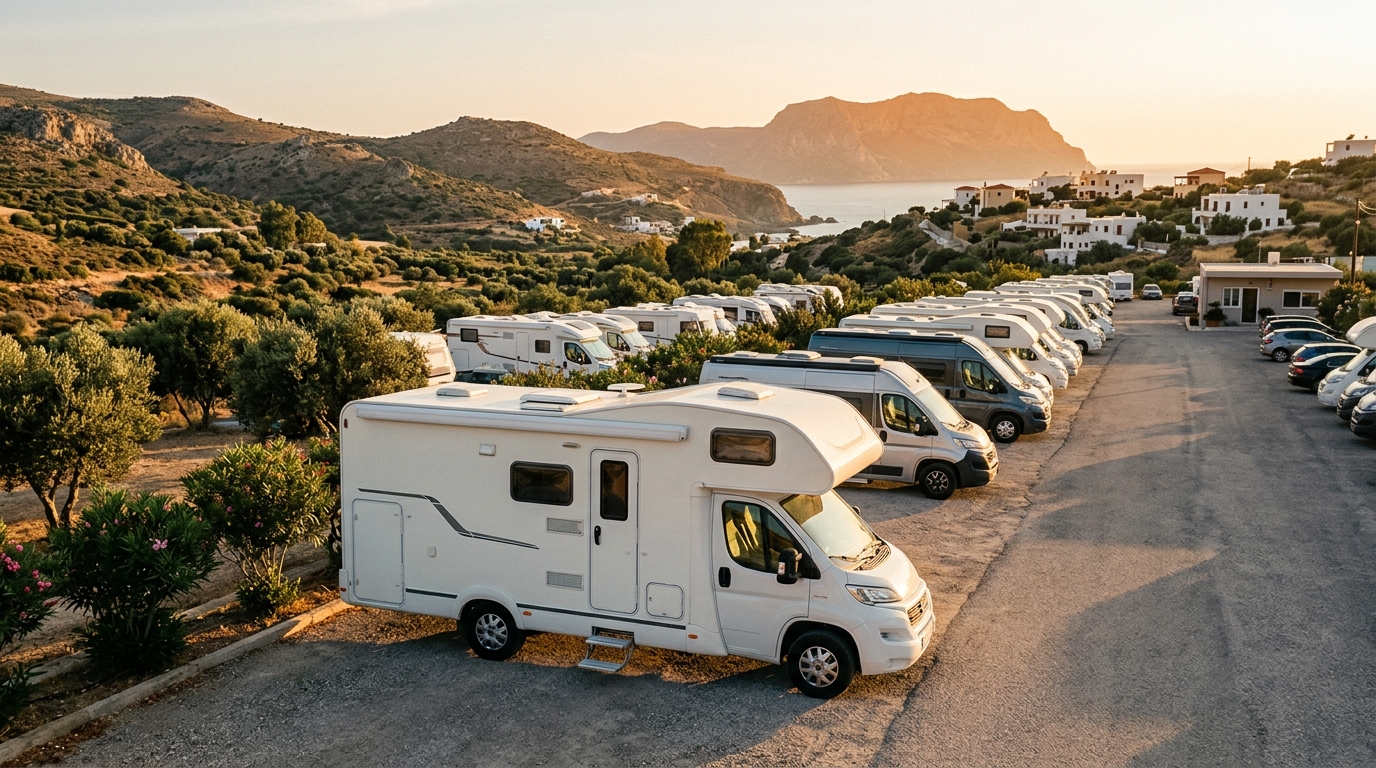
Yes, Greece has a network of RV parks and campsites, particularly concentrated along its extensive coastline and near major tourist attractions, providing essential services for motorhome travelers. You'll find a range from basic family-run campsites to larger, well-equipped resorts offering amenities like swimming pools and restaurants. Most organized campsites provide electricity hook-ups, fresh water, grey and black water disposal points, and shower facilities, though Wi-Fi availability can vary. RV parks are prevalent in popular regions such as the Peloponnese, Chalkidiki, the Ionian Islands, and near Athens, but can be sparser in the mountainous interior. During peak season (July-August), it is highly advisable to book campsites in advance, especially for popular coastal locations. Many smaller campsites may close during the winter months, so always verify operating hours if traveling outside the main season. Utilizing official campsites not only provides necessary facilities but also supports local tourism infrastructure, contributing to responsible RV travel.
Can you drive a motorhome anywhere in Greece
While you can generally drive a motorhome on most main roads and highways in Greece, certain areas, particularly narrow island roads, ancient village centers, and some mountain passes, are better suited for smaller campervans or require careful navigation. Modern highways, such as the Egnatia Odos and Olympia Odos, are excellent for RVs, being smooth, multi-lane, and well-signed. However, provincial roads outside these highways can be narrower and more winding, especially in mountainous regions, sometimes featuring sharp bends, steep inclines, and occasional potholes. Traditional villages and older towns may have very narrow roads with parked cars, making navigation for larger RVs challenging; in such cases, it’s often best to park on the outskirts and explore on foot. Larger Class C (average length 7.5m) or Class A motorhomes might struggle with these tight turns and low-hanging wires. For reaching less-known traditions or unique itineraries beyond major sites, a smaller, more agile RV is highly recommended. Ferry access to Greek islands accommodates RVs, but booking in advance is crucial, as space is limited and costs increase with vehicle length. Some smaller island ports may also have restricted access for very large vehicles. If you're considering a specific route, checking resources like our RV Rental Greece - Complete Guide 2026 can provide more localized advice.
What is the best way to travel around Greece
For unparalleled flexibility and the ability to access diverse landscapes, historical sites, and cultural immersion opportunities at your own pace, traveling around Greece by RV is often considered the best way. An RV allows for spontaneous itinerary changes, enabling you to discover hidden gems and off-the-beaten-path destinations not easily accessible by public transport or typical tours. For families or longer trips, an RV can be more economical than combining separate accommodation, dining, and transport costs, especially when implementing practical money-saving tips like cooking your own meals. RVs also provide the means to explore less-known traditions and participate in village life beyond major tourist circuits, offering a deeper cultural immersion. Your accommodation travels with you, eliminating the need to pack and unpack daily, and modern RVs offer amenities like kitchens, bathrooms, and comfortable sleeping arrangements. While public transport (buses, trains) covers major routes and ferries connect islands, they offer less freedom. Car rental combined with hotels provides some flexibility but lacks the integrated travel and living experience of an RV. If you're interested in planning your route, consider exploring the 1,300+ pre-planned routes available via RV PLANET routes. For ideas you can prep on the road, watch our RV-friendly recipes playlist on YouTube.
What are the roads like in Greece
Roads in Greece vary considerably, ranging from modern, well-maintained highways to narrow, winding, and sometimes poorly surfaced roads, especially in mountainous regions, rural areas, and older villages. Greece boasts an excellent network of toll highways, such as the Egnatia Odos and Olympia Odos, which are smooth, multi-lane, and well-signed, connecting major cities and regions efficiently. Outside of these highways, roads can become narrower and more winding, particularly in mountainous areas, with sharp bends and steep inclines being common. You may also encounter occasional potholes. In traditional villages and older towns, roads can be very narrow, often with parked cars, which can make navigation for larger RVs challenging. Parking can also be difficult in bustling city centers and popular tourist spots; look for designated RV parking areas or campsites on the outskirts of towns. Be aware that most major highways are toll roads, so ensure you have cash or a credit card, or consider an e-pass for extensive highway travel. Greek drivers can be assertive, so maintaining defensive driving practices is essential, especially in cities and on busy routes. Heavy rains in autumn and winter can lead to slippery conditions or landslides in some areas, so always check local weather and road reports before setting out.
How much does it cost to fill an RV with gas
The cost to fill an RV with fuel in Greece depends heavily on the RV's fuel consumption and the fluctuating price of diesel, which is the most common RV fuel type. Typically, expect to spend between €80 to €150 for a full tank. Bandana's Class B Camper Vans typically consume 8-10 Liters/100 km, while Class C Alcoves consume 10-12 Liters/100 km, and integrated Class A RVs consume 11-12 Liters/100 km. RV fuel tanks generally hold 60-120 liters. Diesel prices in Greece typically fluctuate between €1.60 and €2.00 per liter. For a 7-day trip covering 800-1000 km, budget around €120-€240 for fuel for a Class C RV; for a 14-day trip covering 1400-2000 km, this could increase to €280-€480. To save on fuel costs, check prices at different stations as they can vary regionally, and remember that diesel is generally cheaper than petrol. Driving conservatively will also maximize fuel efficiency. For cooking and heating, LPG (often bottled) is available at specialized gas stations, but always check precise availability and types beforehand. For assistance with budgeting and tracking these expenses, utilizing the RV PLANET routes feature is highly recommended.
Where can I empty my RV waste in Greece
In Greece, the primary locations for emptying RV waste (grey and black water) are at dedicated dump stations found at organized campsites. Some larger fuel stations are also beginning to offer limited services. Almost all official campsites throughout Greece provide facilities for emptying both greywater (from sinks and showers) and blackwater (from toilets), which is the most reliable and recommended method. Increasingly, some larger, modern petrol stations, particularly on major highways or near urban centers, are installing designated RV service points for waste disposal and fresh water refills, although these are not as common as in other European countries. For coastal routes, some marinas may offer waste disposal services, but this is less common for land-based RVs. It is crucial never to dump waste illegally in public areas or natural environments, as this is harmful to the environment and local communities, and can lead to significant fines. Finding suitable locations is made easier with RV-specific apps like Park4Night or Campercontact, which often list service points and user-reviewed locations. However, always confirm availability upon arrival, especially for last-minute stops. To ensure you have a smooth journey, consider planning your route with resources that highlight these facilities, such as those found through RV PLANET routes.
Can you drive a campervan on an ordinary license in Greece
Yes, most campervans and smaller motorhomes with a maximum authorized mass (MAM) of up to 3,500 kg can be driven in Greece with an ordinary Class B driving license. This standard Class B license permits you to drive vehicles up to 3,500 kg MAM with up to 8 passenger seats (plus the driver), covering the vast majority of campervans and many semi-integrated RVs. It is always important to check the specific vehicle's Maximum Authorized Mass (MAM) or Gross Vehicle Weight (GVW) to ensure it falls within your license category. Larger Class C Alcove models or integrated Class A motorhomes might occasionally exceed this limit, potentially requiring a C1 license. If your national driving license is not from an EU country, an International Driving Permit (IDP) is legally required in Greece alongside your original license. Always confirm the license requirements with your RV rental company at the time of booking to ensure you meet all criteria for the specific vehicle you intend to rent. While legally permitted, driving a larger vehicle can differ from driving a car, and some rental companies may have minimum driving experience requirements. For a comprehensive understanding of rental requirements, refer to our RV Rental Greece - Complete Guide 2026.
What You Shouldn't Miss
- Explore the ancient Acropolis in Athens, a UNESCO World Heritage site and iconic symbol of Greece, offering a profound connection to history.
- Wander through the charming, narrow streets of Nafplio, one of Greece's most picturesque coastal towns, and ascend the Palamidi Fortress for breathtaking views.
- Stand in awe at the monasteries of Meteora, dramatically perched atop immense rock pillars in Thessaly, offering a spiritual and visual spectacle unlike any other.
- Visit the archaeological site of Delphi, once considered the center of the world, and marvel at its ancient theater and temples nestled on the slopes of Mount Parnassus.
- Experience the vibrant atmosphere of Ioannina, a city nestled by Lake Pamvotida, with its historic castle and enchanting island monastery.
- Immerse yourself in the rustic beauty of the Zagori region, exploring its stone villages, iconic arched bridges, and the dramatic Vikos Gorge—a true taste of traditional Epirus.
Final Thoughts
Renting an RV in Greece for a last-minute adventure offers an incredible opportunity to experience the country's rich history and stunning landscapes at your own pace. While planning is key, the flexibility of an RV allows for spontaneous detours and discoveries, turning a simple trip into an unforgettable journey.
From the ancient wonders of Athens to the dramatic monasteries of Meteora and the charming villages of Zagori, Greece offers a diverse range of experiences perfect for RV exploration. Remember to book your RV and consider using resources like RV PLANET (rvplan.net) to help map out your route and find the best campsites.
So, pack your bags, embrace the freedom of the open road, and get ready to create lasting memories on your Greek RV adventure. Discover top destinations, planning tips, all in one place! Get inspired for your next trip!