
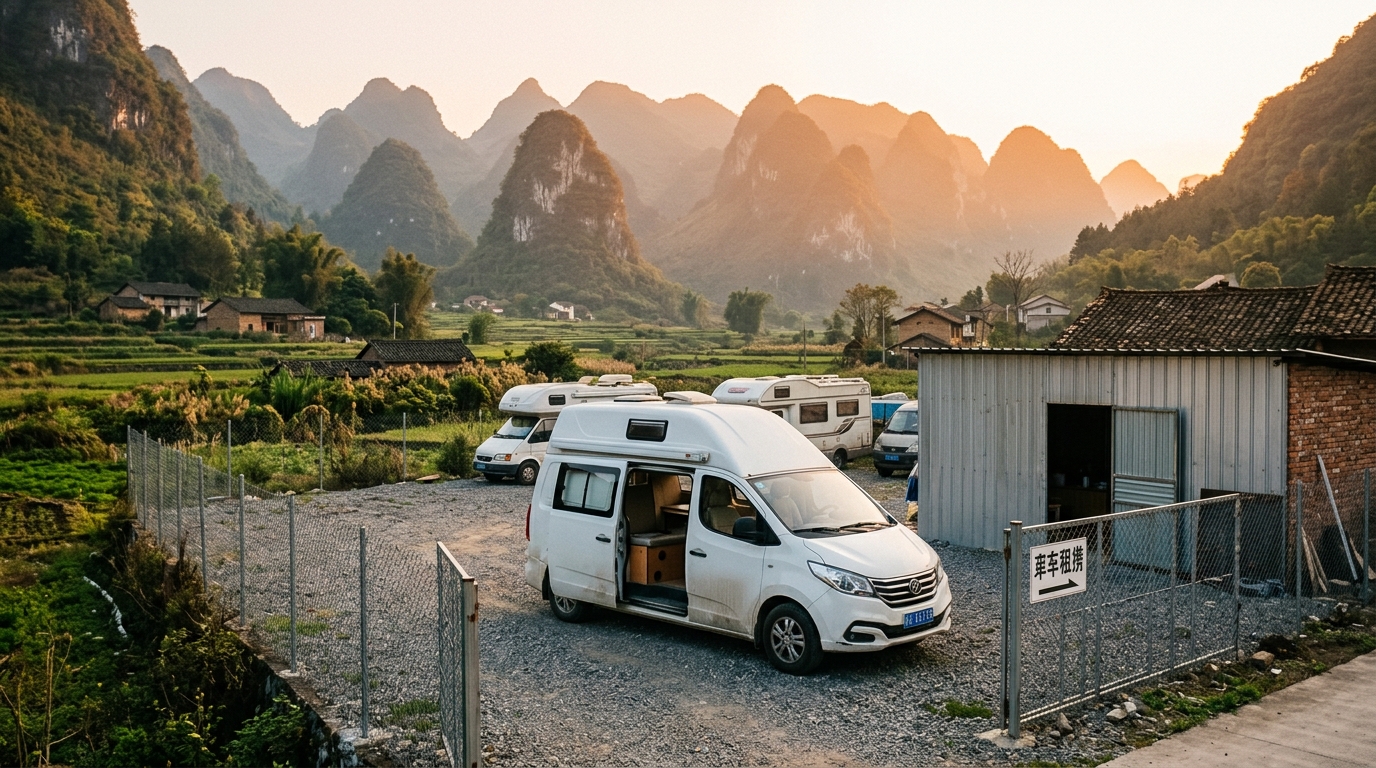
In This Guide
- Best China RV Itinerary for last minute rv rental — Overview
- 7-Day Classic Route in China
- 14-Day Extended Journey in China
- Recommended RVPlan Trip for China
- Must-See Stops Along the Way (Avi Bandana Picks)
- Daily Driving Distances & Drive Times in China
- Best RV Class for This Itinerary — Couple & Family Picks
- How to Find Last Minute RV Rentals in China and What to Expect
- Where Can You Park and Camp an RV in China?
- Navigating Road Conditions and Tolls for RVs in China
- How to Manage Fuel and Supplies for Your RV in China
- Experiencing Chinese Culture on an RV Trip: Tips and Safety
- What to Do in an RV Emergency or Breakdown in China
Best China RV Itinerary for last minute rv rental — Overview
Embarking on an RV adventure in China offers a unique perspective on this vast and diverse country. For those looking for a last-minute RV rental, having a flexible yet structured itinerary is key. We recommend starting your planning with an ideal 7-day or 14-day itinerary, allowing you to tailor it to your interests and available time.
A typical trip might cover between 500 to 1000 km over 7 to 14 days. To ensure a relaxed pace and ample time for exploration, we advocate for an average daily driving limit of around 150 km. This approach allows you to truly immerse yourself in the destinations, rather than just passing through.
The best season for RV travel in China generally spans spring (April to May) and autumn (September to October). These periods offer pleasant weather, clear skies, and comfortable temperatures, making them ideal for exploring both natural landscapes and historical sites.
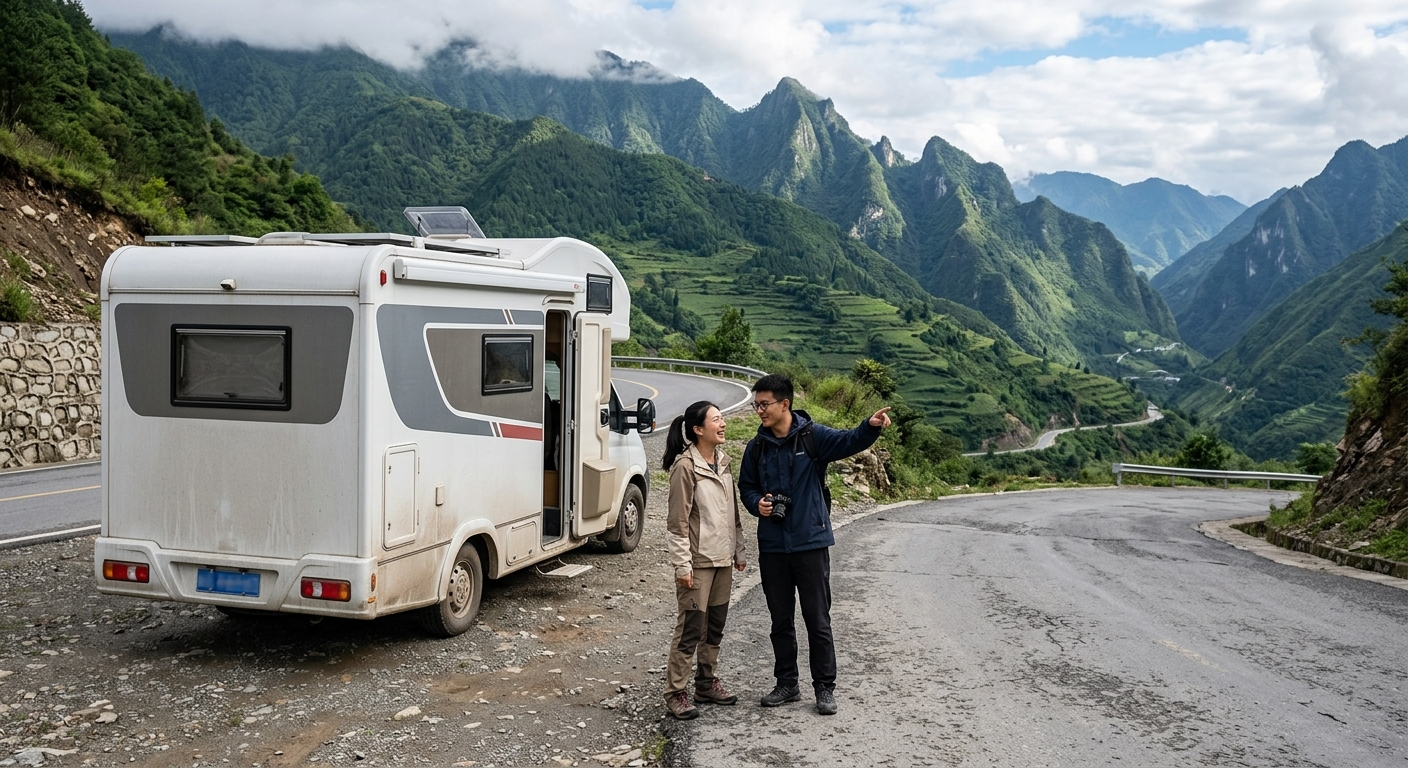
7-Day Classic Route in China
This 7-day itinerary focuses on the Beijing surroundings, offering a blend of historical wonders and natural beauty within manageable driving distances, perfect for a last-minute RV rental.
Day 1: Beijing → Mutianyu Great Wall (approx 70 km): Begin your adventure by driving to the Mutianyu section of the Great Wall, renowned for its scenic beauty and well-preserved condition. You can find parking areas in the Mutianyu vicinity for an overnight stay.
Day 2: Mutianyu → Gubei Water Town (approx 60 km): Head to Gubei Water Town, a meticulously recreated ancient water town that is particularly enchanting at night. It's conveniently located near the Simatai Great Wall. Overnight parking is available within the water town area.
Day 3: Gubei Water Town → Jinshanling Great Wall (approx 40 km): Experience a wilder, more authentic section of the Great Wall at Jinshanling, ideal for hiking and photography enthusiasts. Overnight parking is available near the Jinshanling entrance.
Day 4: Jinshanling → Chengde (approx 100 km): Journey to Chengde to visit the Chengde Mountain Resort, a UNESCO World Heritage site and a magnificent imperial summer palace. Overnight parking can be found within Chengde city.
Day 5: Chengde → Miyun Reservoir (approx 80 km): Enjoy the scenic Miyun Reservoir, offering opportunities for boating and exploring the surrounding natural landscapes. Overnight parking is available near the reservoir.
Day 6: Miyun Reservoir → Fragrant Hills Park (Xiangshan Park) (approx 80 km): Explore Fragrant Hills Park, celebrated for its imperial gardens, temples, and especially its vibrant autumn foliage. Overnight parking is available near the park.
Day 7: Fragrant Hills Park → Beijing (Return RV) (approx 30 km): Conclude your journey by returning to Beijing, allowing time for any last-minute city exploration or the return of your RV.
14-Day Extended Journey in China
This 14-day route expands upon the northern China experience, venturing deeper into Hebei Province towards the Inner Mongolia border, while consistently adhering to the recommended 150 km/day average driving for a relaxed pace.
Days 1-3: Beijing & Surroundings
Day 1: Beijing → Mutianyu Great Wall (approx 70 km): Begin your adventure with the iconic Great Wall at Mutianyu. Overnight parking is available in the Mutianyu area.
Day 2: Mutianyu → Gubei Water Town (approx 60 km): Explore the charming Gubei Water Town, known for its stunning night views, and its proximity to the Simatai Great Wall. Overnight parking is available in Gubei.
Day 3: Gubei Water Town → Jinshanling Great Wall (approx 40 km): Hike the more rugged Jinshanling Great Wall, famed for its natural beauty. Overnight parking is available near Jinshanling.
Days 4-6: Exploring Hebei Province
Day 4: Jinshanling → Chengde (approx 100 km): Discover the historic Chengde Mountain Resort, a UNESCO World Heritage site. Overnight parking is available in Chengde city.
Day 5: Chengde → Saihanba National Forest Park (approx 150 km): Drive through increasingly scenic landscapes to reach Saihanba National Forest Park, a vast area of forest and grassland. Seek out an RV-friendly campsite in the Saihanba area.
Day 6: Saihanba Exploration: Dedicate a full day to exploring Saihanba's natural beauty through hiking and photography. Stay at the same campsite.
Days 7-9: Towards Inner Mongolia Border
Day 7: Saihanba → Duolun County (Inner Mongolia border) (approx 100 km): Experience the transition to rolling grasslands and immerse yourself in the local culture as you approach Inner Mongolia. Overnight parking is available in Duolun County.
Day 8: Duolun → Bashang Grasslands (approx 80 km): Head into the expansive Bashang Grasslands, offering opportunities for horse riding and experiencing unique cultural encounters. Find parking or a campsite in the Bashang area.
Day 9: Bashang Grasslands Exploration: Enjoy a full day amidst the open landscapes, sampling local foods and embracing the peaceful environment. Stay at the same campsite.
Days 10-12: Southern Hebei / Return Leg
Day 10: Bashang Grasslands → Chongli (approx 150 km): Journey towards Chongli, a region known for its winter sports and beautiful mountain scenery. Overnight parking is available in Chongli town.
Day 11: Chongli → Zhangjiakou (approx 80 km): Explore Zhangjiakou, a city with historical significance and a gateway to northern China. Overnight parking is available in Zhangjiakou city.
Day 12: Zhangjiakou → Beijing Miyun (approx 150 km): Begin your return journey towards Beijing, passing through the picturesque Miyun Reservoir area. Overnight parking is available in Miyun.
Days 13-14: Beijing Return & Departure
Day 13: Miyun → Beijing City (approx 80 km): Return to Beijing for any last-minute sightseeing or preparations for your RV return. Overnight parking is available in Beijing city.
Day 14: Beijing: Return your RV and depart from Beijing, concluding your extended Chinese RV adventure.
Recommended RVPlan Trip for China
While specific pre-planned RVPlan trips for China are not currently available, we encourage you to explore our extensive global RVPlan offerings. Many of our curated itineraries can serve as inspiration for your Chinese adventure. These routes provide excellent templates for structuring your duration, identifying key points of interest, and mapping daily distances, which you can then adapt with your own local knowledge and preferences.
Our RVPlan trips are meticulously curated by travel experts, designed to offer detailed routes and essential logistical support, simplifying your journey—even for those spontaneous, last-minute bookings. They provide a solid foundation for planning your adventure.
Must-See Stops Along the Way (Avi Bandana Picks)
For an authentic RV experience in China, Avi Bandana recommends focusing on stops that offer deep cultural immersion and genuine local flavors, moving beyond just the famous landmarks. The flexibility of an RV allows for these deeper connections.
Traditional Villages & Markets: Seek out traditional villages, particularly in the rural areas surrounding the Great Wall or within Hebei Province. Here, you can observe local life and architecture firsthand. Visiting a bustling traditional market provides a true taste of local produce, crafts, and street food, offering an authentic glimpse into daily Chinese life.
Local Restaurants & Eateries: Instead of relying on international chains, prioritize small, family-run restaurants for a truly regional culinary experience. Look for places that are popular with locals, often indicated by crowds, as they usually specialize in authentic dishes. Consider trying local specialties like Beijing's Zha Jiang Mian, Hebei's famous Donkey Burger, or hearty farmhouse cuisine found in areas closer to the Great Wall.
Scenic Overlooks & Nature Trails: Utilize your RV's flexibility to discover secluded scenic overlooks or easily access trailheads for spontaneous hikes. These opportunities are particularly abundant in areas like Saihanba National Forest Park or the less-traveled sections of the Great Wall, often rewarding you with unparalleled views and a sense of discovery.
Daily Driving Distances & Drive Times in China
Avi Bandana strongly recommends a maximum of 100 miles or 150 km per day on average for RV travel in China. This mindful approach ensures a relaxed pace, allowing ample time for sightseeing, cultural immersion, and unexpected discoveries.
Traveling slowly in your rented RV is essential for truly appreciating the diverse Chinese landscapes and cultures. It also helps account for potentially varied road conditions, the possibility of heavy traffic, especially around urban centers, and those delightful spontaneous stops that make RV travel so rewarding.
Example 1: Driving from Beijing to the Mutianyu Great Wall, a distance of approximately 70 km, typically takes around 1.5 to 2 hours. This allows for a full day of exploration at the Wall.
Example 2: A journey from Chengde to Saihanba National Forest Park, covering about 150 km, might take 3 to 4 hours, particularly due to winding scenic roads that require careful navigation in some sections.
Example 3: A shorter drive, like from Gubei Water Town to Jinshanling Great Wall (around 40 km), is usually less than an hour, making it perfect for a leisurely morning drive to reach your hiking destination.
Best RV Class for This Itinerary — Couple & Family Picks
Choosing the right RV class can significantly enhance your last-minute China adventure, striking a balance between maneuverability and comfort for your specific travel needs.
Ideal for a Couple: Class B - Camper Van
For couples, a Class B - Camper Van is an excellent choice. Its compact size and agility make it easier to navigate potentially narrow Chinese city streets and find parking. Bandana's global fleet typically features Camper Vans with an average length of around 5.8 meters, comfortably sleeping approximately 3.2 people and accommodating about 2.7 adults. Their fuel efficiency, often around 8-10 Liters/100 km, is also a definite plus for budget-conscious travelers.
Ideal for a Family: Class C - Alcove
Families or small groups will likely find the Class C - Alcove motorhome more suitable, offering greater living space and dedicated sleeping areas. Bandana's global fleet of Alcove RVs averages 7.5 meters in length, providing sleeping places for around 5.8 people and comfortably accommodating about 4.4 adults. While slightly larger, these vehicles offer the amenities needed for extended family trips, with a common fuel consumption of around 10-12 Liters/100 km. The distinct alcove over the cab is a brilliant feature, providing that extra sleeping space that's perfect for children.
Regardless of your choice, consider Bandana's 'Rent & Plan' service. This comprehensive offering combines RV rental with a ready-made itinerary and full access to trip-planning software, effectively removing the stress and guesswork from last-minute travel logistics.
How to Find Last Minute RV Rentals in China and What to Expect
Securing a last-minute RV rental in China typically involves checking availability with major rental platforms like Bandana, or local providers. Flexibility with RV types and pickup locations is key for last-minute bookings.
Rental Companies and Availability: While the RV rental market in China is still emerging compared to other global destinations, providers are growing. Key players may include international affiliates or larger domestic tourism companies, often with hubs in major cities like Beijing, Shanghai, or Chengdu. For last-minute rentals, online comparison platforms are crucial for quickly assessing availability. Sometimes, direct communication with local rental offices can reveal unlisted vehicles.
Estimated Costs: Daily rental costs can vary significantly based on the RV class, the season, and the rental duration. Expect prices for smaller campervans (similar to a Class B) to start from approximately ¥800-1200 CNY per day, while larger alcove models (Class C) might range from ¥1200-2500+ CNY per day. Weekly rentals often offer a slight discount. Always inquire about included mileage, insurance coverage, and any potential additional fees for amenities or one-way drop-offs.
Types of RVs Available: The most common RVs available for rent in China are typically Class C (alcove) motorhomes and Class B (camper vans). Class C vehicles offer more space and amenities, including bathrooms and small kitchens, making them suitable for families. Class B vans are smaller, more agile, and fuel-efficient, ideal for couples or solo travelers. Larger Class A motorhomes or truck campers are less common for rental purposes.
Included Amenities: Standard rentals usually come equipped with basic kitchenware, bedding, and a fresh water tank. It's important to confirm if amenities such as GPS, Wi-Fi, camping chairs, and cooking gas are included or considered extras. Given the potential for last-minute bookings, be prepared for basic provisions and consider bringing your own essentials to ensure comfort.
Rental Requirements: Renting an RV in China typically requires a valid national driver's license along with an international driving permit (IDP). In some cases, a temporary Chinese driver's license might be necessary for longer stays. You'll also need a valid passport and often a significant security deposit, usually payable by credit card. Age restrictions (typically between 21 and 70 years) and minimum driving experience (e.g., 2 years) may also apply, varying by rental company.
Where Can You Park and Camp an RV in China?
Finding suitable parking and camping spots for an RV in China requires a strategic approach, often involving a mix of designated facilities and smart urban parking solutions, as the 'wild camping' culture is still evolving.
Official RV Parks & Campsites: While not as widespread as in some Western countries, China is actively developing more dedicated RV parks. These are typically found near major tourist attractions, national parks, and scenic areas. These parks usually offer essential amenities such as electricity hookups, water refill stations, and waste disposal points, and sometimes even showers and laundry facilities. It's advisable to research these locations in advance using Chinese mapping apps like Baidu Maps or Gaode Maps, or by inquiring at local tourism offices.
Options for 'Wild Camping' or Boondocking: 'Wild camping' or boondocking, while not explicitly prohibited in all remote areas, is generally not officially encouraged or common for foreign RVers in China. Safety can sometimes be a concern in very isolated spots. If you choose to attempt this, always prioritize areas that feel secure, be highly respectful of local communities and private property, and meticulously practice Leave No Trace principles. Opting for designated parking areas or seeking explicit permission from local authorities or villagers is often the safest approach.
Urban Parking Strategies: Parking a larger RV in Chinese cities can present challenges due to narrow streets and limited space. Look for large supermarket parking lots, hotel parking garages (always confirm height and length restrictions), or designated tourist bus parking areas, which are often more accommodating for larger vehicles. Some toll expressway service areas also offer ample parking and can be suitable for overnight stops if no dedicated RV park is nearby. On the routes offered through RV PLANET routes, you can itemize and track every expense along the way for easy budgeting.
Amenities at Various Sites: At established RV parks, you can generally expect basic amenities like water, electricity, and waste disposal. More rustic or informal parking spots, such as those found at rest areas or certain tourist attraction parking lots, might only provide basic restrooms, requiring your RV to be self-sufficient for a night or two.
Navigating Road Conditions and Tolls for RVs in China
RV travel in China involves navigating a diverse range of road conditions and understanding a sophisticated toll road system, alongside potential challenges posed by language barriers when using GPS navigation.
Traffic and Road Quality: Major highways, known as expressways, in China are generally well-maintained, feature multiple lanes, and are highly efficient. However, heavy traffic is common, particularly around urban centers and during holiday periods. In rural areas, road quality can vary dramatically, from smooth provincial roads to unpaved or poorly maintained tracks. Mountainous regions often feature winding roads that demand careful driving. Always factor in extra travel time for your journeys.
Toll Road Systems: China boasts an extensive network of toll expressways. RVs are typically classified by size and axle count, with tolls collected electronically via an ETC (Electronic Toll Collection) device or manually at toll booths. For foreign-registered RVs or rentals, using the manual lanes where payment is made with cash (CNY) or a local mobile payment app (like WeChat Pay or Alipay) is standard. Understanding your RV's classification is crucial for anticipating costs and ensuring smooth passage.
GPS Navigation with Chinese Maps and Language Barriers: Relying solely on Western GPS apps can be problematic, as they may lack detailed Chinese road data or prove inaccurate. Chinese mapping apps, such as Baidu Maps (百度地图) or Gaode Maps (高德地图, also known as Amap), are essential for precise navigation, real-time traffic updates, and finding points of interest. These apps are primarily in Chinese, so having basic Mandarin phrases, a reliable translation app, or a co-pilot who can read Chinese characters is highly recommended. Downloading offline maps before you depart is also a wise precaution, as internet coverage can be patchy in more remote areas.
How to Manage Fuel and Supplies for Your RV in China
Effectively managing fuel, water, and food supplies is critical for a smooth RV trip in China. This requires an awareness of different fuel types, their regional availability, and strategic local restocking points.
Fuel Types for RVs: Most RVs in China, particularly larger models like Class C motorhomes, run on diesel. Smaller campervans, such as Class B models, might use gasoline. It's vital to confirm the specific fuel type for your rented RV. Diesel is typically labeled as '柴油' (cháiyóu), and gasoline as '汽油' (qìyóu), with various octane levels available (e.g., 92#, 95#, 98#).
Availability in Different Regions: Fuel stations are generally abundant along expressways, in cities, and most towns. However, in very remote or mountainous regions, their frequency decreases. It is wise to refuel whenever your tank is at half-full, especially before venturing into less populated areas. Payment is usually accepted via cash or local mobile payment apps (WeChat Pay, Alipay); credit cards may not always be a viable option.
Restocking Water, Food, and Other RV Essentials: Cities and larger towns offer a good selection of supermarkets and hypermarkets (like Carrefour or Walmart, alongside local chains) where you can easily restock on food, bottled water, and general groceries. For fresh produce, visiting local wet markets provides a vibrant and authentic shopping experience. Water refill stations for your RV's fresh water tank can be found at dedicated RV parks or sometimes at larger service stations. Proper waste disposal (gray and black water) facilities are primarily available at official RV parks or designated service areas. Planning your route to include stops at these facilities every few days is key to maintaining self-sufficiency.
Experiencing Chinese Culture on an RV Trip: Tips and Safety
RVing in China presents a unique opportunity to immerse yourself in the local culture, savor distinctive regional cuisines, and interact with communities, all while prioritizing safety beyond standard driving laws.
Cultural Interactions and Immersion: The inherent flexibility of an RV facilitates deeper cultural immersion. Make stops in smaller towns, visit local temples, and engage with vendors at traditional markets. A basic understanding of Mandarin phrases – greetings, numbers, common questions – can significantly enhance your interactions. Be open to impromptu invitations or conversations; Chinese hospitality, particularly in rural areas, can be profoundly welcoming. Always remember to respect local customs and traditions, and ask for permission before photographing people.
Unique Local Foods Accessible via RV: RV travel makes exploring diverse regional cuisines incredibly convenient. Venture beyond the well-trodden tourist districts to find authentic local eateries; look for places bustling with local patrons, which often signal excellent food. Don't hesitate to try street food from reputable vendors. For instance, in Northern China, sample delicious dumplings (jiaozi), various noodle dishes, or hearty stews. Utilizing your RV's kitchen also allows you to purchase fresh ingredients from local markets and experiment with Chinese cooking. For ideas you can prep on the road, watch our RV-friendly recipes playlist on YouTube.
Safety Tips Beyond Driving Laws: Beyond strictly adhering to traffic laws, personal safety involves maintaining situational awareness. While China is generally safe for travelers, it's wise to take standard precautions: secure your valuables, be mindful in crowded areas, and avoid walking alone late at night in unfamiliar locations. For your RV, ensure it remains locked when parked overnight, and consider using secure parking lots whenever possible. Stay informed about local news and any travel advisories. Always carry copies of important documents (passport, visa, driver's license) and keep the originals in a secure place.
Immersing in Local Culture: Take advantage of your RV's freedom to attend local festivals, witness traditional performances, or simply observe the rhythm of daily life in different regions. Engaging with fellow travelers and locals at RV parks or campsites can provide valuable tips and foster cultural exchange. Learning about local etiquette, such as gift-giving customs or mealtime traditions, will undoubtedly enrich your journey.
What to Do in an RV Emergency or Breakdown in China
Being prepared for an RV emergency or breakdown in China is essential. This preparedness emphasizes immediate safety, efficient access to local emergency services, and seeking English-speaking assistance when needed.
Breakdown Procedures: In the event of a breakdown, your first priority is to pull over to the safest possible location immediately. Turn on your hazard lights and place a warning triangle behind your RV to alert other drivers. Your primary point of contact should be your RV rental company; they will typically have a 24/7 emergency roadside assistance number. Provide them with your exact location (GPS coordinates are ideal) and a clear description of the issue. They will usually arrange for a local mechanic or tow service to assist you.
Accessing Emergency Services: For urgent medical emergencies or serious accidents, dial 110 for police, 120 for ambulance services, and 119 for the fire department. Be aware that emergency operators may not speak English, so having key phrases translated or using a translation app (or enlisting the help of a bystander) is vital for clear communication. Clearly state your location and the nature of the emergency. If you have travel insurance, contact them as soon as it is safe to do so.
Finding English-Speaking Assistance: While most emergency service operators may not speak English, major cities and international hotels often have staff who do. Your rental company's emergency line remains your most reliable resource for English support. Additionally, consider obtaining a local SIM card with data, as translation apps can be invaluable in many situations. If you find yourself in a critical situation, approaching younger individuals in urban areas or students, who are more likely to possess some English proficiency, can be helpful in communicating with local services or locating a mechanic. Embassies or consulates can also provide assistance in dire circumstances, particularly if important documents are lost or stolen.
What You Shouldn't Miss
- The Great Wall at Mutianyu or Jinshanling: Experience iconic sections of the Great Wall, choosing between the well-preserved Mutianyu or the more rugged, authentic Jinshanling.
- Gubei Water Town: Wander through this charming, recreated water town, especially beautiful when illuminated at night, offering a glimpse into traditional Chinese architecture.
- Chengde Mountain Resort: Explore this vast UNESCO World Heritage site, the former imperial summer palace, showcasing exquisite gardens and temples.
- Saihanba National Forest Park: Immerse yourself in the vast natural beauty of this forest and grassland park, perfect for hiking and photography.
- Miyun Reservoir: Enjoy the tranquil waters and recreational opportunities at this large reservoir, offering a peaceful natural escape.
- Fragrant Hills Park (Xiangshan Park): Visit this imperial garden, famous for its stunning autumn foliage, temples, and panoramic city views.
Final Thoughts
Embarking on an RV journey in China, even with a last-minute plan, can be an incredibly rewarding experience. By focusing on manageable distances, embracing local culture, and preparing for the unique aspects of RVing in China, you're set for an unforgettable adventure.
Remember to be flexible, stay open to spontaneous detours, and most importantly, enjoy the freedom and discovery that comes with exploring China at your own pace in a rented RV. We're here to help make your last-minute adventure seamless and exciting!
Get inspired for your next trip! Discover top destinations, planning tips, all in one place. Plan a trip itinerary in advance with minimal effort and maximum enjoyment.
