In This Guide
- Best Chile RV Itinerary for last minute rv rental - Overview
- 7-Day Classic Route in Chile
- 14-Day Extended Journey in Chile
- Recommended RVPlan Trip for Chile
- Must-See Stops Along the Way (Avi Bandana Picks)
- Daily Driving Distances & Drive Times in Chile
- Best RV Class for This Itinerary - Couple & Family Picks
- What are the best RV routes in Chile beyond Patagonia?
- What are the requirements for cross-border RV travel between Chile and Argentina?
- How can I ensure safety during an RV trip in Chile?
- What RV size and type is best for different Chilean terrains?
- How can I experience local culture and non-touristy spots in Chile by RV?
- What are sustainable RV travel practices for Chile's ecosystems?
- What is the best time of year to RV in different regions of Chile?
- How can RVers stay connected in remote areas of Chile?
- What are the specific wild camping and road regulations for RVs in Chile?
Best Chile RV Itinerary for last minute rv rental - Overview
Chile offers diverse RV experiences spanning from the arid Atacama Desert in the north to the glacial landscapes of Patagonia in the south, presenting a spectacular variety for any traveler seeking a last-minute RV rental in Chile. A classic 7-day RV route typically covers 800-1000 km, primarily focusing on the lush Central Valley and the scenic Lakes District. While a minimum of 7 days is recommended to scratch the surface, ideally, a two-week adventure or longer provides ample time for a deeper exploration of this elongated country. The shoulder seasons, generally Spring (October-November) and Autumn (March-April), offer the best balance of pleasant weather and fewer crowds across most regions, though the Patagonian area is best enjoyed during the peak summer months of December to February. For live availability and current prices, start with our RV Rental Chile - Complete Guide 2026 guide, which provides comprehensive insights into renting a motorhome in this incredible destination.7-Day Classic Route in Chile
This 7-day classic route in Chile focuses on the vibrant heart of the country, starting near Santiago and winding south through the wine regions and stunning Lakes District. It's designed for a relaxed pace, averaging about 100-150 km of driving per day, allowing plenty of time to explore without feeling rushed. * **Day 1: Santiago → Colchagua Valley (Santa Cruz) - approx. 160 km.** Begin your RV adventure by heading south from Santiago to the famous Colchagua Valley. Highlights include wine tours at world-renowned vineyards and exploring historic haciendas. Spend the night at a local campground or inquire about vineyard stays. * **Day 2: Santa Cruz → Talca - approx. 100 km.** Continue through the Maule Valley, another significant wine-producing area. Explore local markets and enjoy the rural scenery. An RV park or designated camping area in Talca provides a comfortable overnight stop. * **Day 3: Talca → Chillán - approx. 100 km.** This leg takes you further south to Chillán, known for its vibrant handicraft markets. Consider a relaxing visit to nearby hot springs. Secure your overnight spot at a city campground or a rural estancia. * **Day 4: Chillán → Pucón (Lakes District) - approx. 150 km.** Enjoy a scenic drive towards the stunning Lakes District, with increasing views of the majestic Villarrica Volcano. Settle into a riverside RV park in Pucón, an adventure hub. * **Day 5: Pucón - approx. 0-50 km.** Dedicate a full day to exploring Pucón and its surroundings. Activities include venturing into Villarrica National Park for trekking, indulging in more hot springs, or enjoying water sports on Lake Villarrica. Stay at the same RV park in Pucón. * **Day 6: Pucón → Valdivia (Coastal) - approx. 120 km.** Drive west towards the coast to Valdivia, a city rich in German heritage with charming river boat tours and a burgeoning craft beer scene. Find a campground near the city or along the coast. * **Day 7: Valdivia → Temuco - approx. 100 km.** Conclude your week-long trip by heading towards Temuco, a great place to learn about Mapuche culture. Prepare your rental motorhome for its return, perhaps near a major airport for convenience.14-Day Extended Journey in Chile
An extended journey in Chile over 14 days allows for a much richer experience, combining the highlights of the Central Valley and Lakes District with an introduction to the gateway of Northern Patagonia and the unique Chiloé Island. This longer itinerary encourages slow travel, enabling you to truly feel the place, connect to the culture, the food, and the scenery. **Region 1: Central Valley & Coast (Days 1-4)** * **Day 1: Santiago → Valparaíso - approx. 120 km.** Begin your two-week adventure by picking up your rented RV in Santiago and driving to the UNESCO World Heritage port city of Valparaíso, famous for its vibrant street art and colorful hillside houses. Park at an RV-friendly campsite outside the city. * **Day 2: Valparaíso → Santa Cruz (Colchagua Valley) - approx. 160 km.** Journey inland to the Colchagua Valley, a premier wine region offering visits to vineyards like Montes or Lapostolle. Enjoy local gastronomy and stay at a vineyard campground. * **Day 3: Santa Cruz → Constitucion (Coastal) - approx. 120 km.** Head to the Pacific coastline, exploring unique rock formations like Piedra de la Iglesia near Constitucion. A coastal campsite offers serene ocean views for the night. * **Day 4: Constitucion → Talca - approx. 80 km.** Transition from the rugged coast back to the agricultural heartland, arriving in Talca. A local RV park will provide a comfortable stay. **Region 2: Lakes District (Days 5-9)** * **Day 5: Talca → Chillán - approx. 100 km.** Travel to Chillán, known as a gateway to Andean hot springs and bustling local markets. Find rural camping nearby. * **Day 6: Chillán → Pucón - approx. 150 km.** The drive to Pucón offers increasingly spectacular volcano views, leading to Chile's adventure capital. An RV park in Pucón is an ideal base. * **Day 7: Pucón - Highlights:** Dedicate a full day to exploring Villarrica National Park, enjoying trekking, more hot springs, and various Lake Villarrica activities. * **Day 8: Pucón → Puerto Varas - approx. 160 km.** Continue south to Puerto Varas, the "City of Roses," beautifully situated on Lake Llanquihue with the stunning Osorno Volcano as a backdrop. Stay at a lakeside RV resort. * **Day 9: Puerto Varas - Highlights:** Explore the Osorno Volcano, the captivating Petrohué Falls, and the serene Lake Todos los Santos. **Region 3: Chiloé Island & Northern Patagonia Gateway (Days 10-14)** * **Day 10: Puerto Varas → Ancud (Chiloé Island) - approx. 130 km + ferry.** Take a ferry to Chiloé Island, famous for its unique wooden churches (many UNESCO-listed) and rich local legends. Find a campground on Chiloé. * **Day 11: Ancud → Castro (Chiloé) - approx. 80 km.** Drive to Castro, the island's capital, known for its distinctive palafitos (stilt houses) and vibrant markets. An RV park in Castro offers a convenient stay. * **Day 12: Castro - Highlights:** Immerse yourself in Chiloé's distinct culture, explore its charming towns, and perhaps visit some surrounding islets. When preparing meals in your RV, remember to consult our RV-friendly recipes playlist for delicious and easy options! * **Day 13: Castro → Puerto Montt - approx. 90 km + ferry.** Return to the mainland, journeying back to Puerto Montt. Prepare for your RV drop-off or onward travel. An RV park near Puerto Montt is suitable for your final night. * **Day 14: Puerto Montt - Depart from Puerto Montt.** Conclude your unforgettable rented motorhome journey through Chile.Recommended RVPlan Trip for Chile
While specific RV PLANET (rvplan.net) trip data for Chile is not always immediately available for every last-minute RV rental scenario, Bandana RV proudly offers a robust 'Rent&Plan' service designed to streamline your adventure. This exclusive service allows users to first select their ideal motorhome or campervan and then receive a meticulously customized itinerary designed by our team of expert travel professionals. Renting an RV and then crafting a comprehensive route plan ensures you gain full access to specialized trip-planning software, effectively eliminating the hassle of detailed route planning for your spur-of-the-moment adventure in Chile. Moreover, when you use RV PLANET (rvplan.net) for route planning, you're rewarded with a 25% planning discount, making your journey even more affordable and stress-free. Remember, Bandana RV's sister company, RV PLANET, has over 1,300 pre-planned routes across 5 continents, helping tens of thousands of travelers explore the world by RV.What You Shouldn't Miss
- **Valparaíso's Cerro Alegre & Concepción:** For unique local art and bohemian vibes, Avi Bandana recommends exploring the labyrinthine streets and vibrant murals of Valparaíso’s Cerro Alegre and Concepción neighborhoods, offering an authentic glimpse into Chile's artistic pulse.
- **Colchagua Valley Wineries (Santa Cruz):** Experience a traditional visit to renowned vineyards like Montes or Lapostolle in the Colchagua Valley, known for their world-class Carmenere and picturesque settings, often with onsite traditional restaurants.
- **Angelmo Market (Puerto Montt):** Don't miss the bustling Angelmo market for a true local industry and food experience, where you can sample fresh seafood empanadas, purchase artisanal crafts, and observe local fishermen at work.
- **Pucón's Feria Artesanal:** Avi Bandana suggests visiting Pucón's local handicraft fair for unique Mapuche textiles and wooden carvings, providing a chance for respectful engagement with indigenous culture.
- **Valdivia's Mercado Fluvial:** This traditional market along the Calle-Calle River offers a chance to see sea lions up close while browsing fresh produce and seafood, a truly unique Chilean experience.
Daily Driving Distances & Drive Times in Chile
Avi Bandana recommends a maximum of 100 miles (150 km) per day on average when RVing in Chile, allowing travelers to fully savor the journey and make spontaneous stops. This slow travel approach provides flexibility, enables scenic detours, and grants sufficient time to set up camp and explore local attractions without feeling rushed. For instance, the drive from Santiago to Valparaíso is approximately 120 km (75 miles) and typically takes about 1.5-2 hours, leaving the rest of the day for exploring. Similarly, the route from Pucón to Puerto Varas, covering approximately 160 km (100 miles), usually involves a scenic 2-3 hour drive, offering plenty of time to enjoy the Lakes District views. Even shorter drives, such as traversing Chiloé Island from Ancud to Castro (approx. 80 km or 50 miles), which takes about 1-1.5 hours, ensure the majority of your day is free for cultural exploration and immersion. This philosophy ensures your last-minute RV rental in Chile becomes a memorable and relaxed adventure.Best RV Class for This Itinerary - Couple & Family Picks
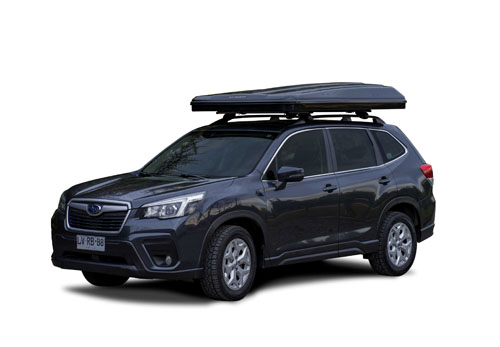
Selecting the right rented RV for your Chilean adventure depends largely on your group size and desired level of comfort and maneuverability. Bandana RV specializes in motorhome and campervan rentals, ensuring you find the perfect fit for your trip. **For Couples: Class B - Camper Van** Avi Bandana recommends a Class B Camper Van for couples traveling Chile, due to its nimble maneuverability on varied Chilean roads and ease of parking in both bustling towns and secluded spots. These compact units, with Bandana's fleet averaging 5.8m in length, provide ample sleeping for 2-3 people (an average of 3.2 sleeping places) and are notably fuel-efficient, typically consuming around 10 Liters/100 km. With an average adult capacity of 2.7 and a 37 kg load capacity, a campervan like an "rv rental denver example Category Van" or "hire campervan example Paradise S/T" is ideal for an adventurous pair with essential gear, perfect for exploring diverse regions from the Atacama Desert to the picturesque Lakes District. **For Families: Class C - Alcove** For families planning an extended road trip, the Class C Alcove motorhome is an excellent choice, offering significantly more space and comfort crucial for longer journeys with children. Bandana's global fleet average for Class C units boasts an average length of 7.5m, comfortably accommodating around 4 adults (an average of 4.4 adults) and providing up to 5-6 sleeping places (an average of 5.8 sleeping places), ensuring everyone has their own space. Despite its larger size, fuel consumption remains reasonable at 10-12 Liters/100 km, and the increased load capacity of 42.4 kg allows for more luggage and provisions. A Class C, such as a "cruise america rv rental example Explorer" or "rv rentals utah example Sunrise Escape," is well-suited for exploring Chile's diverse landscapes, from the Central Valley's paved roads to the more robust routes leading towards Patagonia. Beyond just vehicle selection, remember that Bandana RV offers a comprehensive 'Rent&Plan' service, combining your RV rental with a ready-made itinerary crafted by travel experts. This service gives you full access to advanced trip-planning software, removing the headache of organizing your detailed Chilean adventure. We are true RV specialists, not a travel agency side department, ensuring we genuinely know RV travel and love helping people discover it.What are the best RV routes in Chile beyond Patagonia?
Beyond the well-known Patagonia, Chile offers spectacular RV routes in the Atacama Desert, the Central Valley's vibrant wine regions, and the verdant Lakes District, each providing unique experiences for your last-minute RV rental in Chile. **Atacama Desert (Northern Chile):** Routes around San Pedro de Atacama are exceptional for exploring the dramatic landscapes of Valle de la Luna, the impressive El Tatio Geysers, and high-altitude lagoons. Roads in this region are generally good, but be prepared for unpaved sections in more remote areas, which may be more suitable for robust 2WD RVs or even 4x4 campervans like a "Patagonia Camper 4x4 double cab" if available. **Lakes District (Mid-South Chile):** The picturesque route from Temuco to Puerto Montt, primarily utilizing Route 5 and local roads, winds through stunning national parks such as Villarrica and Vicente Pérez Rosales, with breathtaking views of volcanoes and lakes. This region is ideal for any RV type, although some specific park roads can be gravel, requiring careful driving. **Central Valley Wine Route:** Starting from Santiago, this route heads south through the fertile Colchagua, Maipo, and Maule Valleys, offering easy driving on well-maintained paved roads. This allows for comfortable access to world-class vineyards, wine tastings, and charming haciendas. **Coastal Routes:** Travelers can explore the scenic coastline near Valparaíso, the surf town of Pichilemu, or Constitucion. These routes are typically on paved roads, offering stunning ocean views and charming seaside towns perfect for a leisurely rented RV journey.What are the requirements for cross-border RV travel between Chile and Argentina?
Cross-border RV travel between Chile and Argentina requires specific documentation for both the vehicle and its passengers, alongside strict adherence to your rental company's policies, making careful planning essential for your last-minute RV rental in Chile. **Vehicle Permit (Permiso de Salida Temporal):** You must obtain a special permit from your rental company that explicitly authorizes the RV to leave Chile and enter Argentina. This crucial document typically involves an additional fee and requires advance preparation, often needing several weeks' notice. **Insurance:** Verify that your rental insurance comprehensively covers international travel, specifically extending into Argentina. Standard Chilean RV insurance usually does not automatically cover other countries; it is imperative to check with your provider for specific cross-border coverage to ensure full peace of mind. Bandana RV offers optional upgrades to a top-level deductible reimbursement, providing enhanced protection for unexpected situations, including potential international incidents. **Personal Documents:** All occupants of the RV require valid passports. Drivers must possess an International Driving Permit (IDP) in addition to their home country's driver's license, though an IDP is recommended, not mandatory in all cases, it greatly facilitates interactions with foreign authorities. The minimum driver age is 21, with no young driver surcharges from Bandana RV. **Rental Company Restrictions:** Many rental companies impose strict policies regarding cross-border travel, frequently requiring advance notification (up to a month) and often charging extra fees for the necessary paperwork and insurance adjustments. Some companies may also limit which specific border crossings you can utilize or even restrict certain RV classes from making international journeys. **Chilean Customs (SAG):** Be mindful of Chile's stringent agricultural and livestock service (SAG) regulations concerning the importation of fresh produce, meat, and dairy products across borders, which are in place to prevent the spread of pests and diseases.How can I ensure safety during an RV trip in Chile?
Ensuring safety during an RV trip in Chile involves thorough preparation for diverse regional risks, understanding local emergency services, and maintaining vigilant vehicle security throughout your journey. **Road Safety:** Always drive defensively, exercising extra caution on unpaved roads, such as certain sections of the Carretera Austral or desert tracks, and when navigating mountain passes. Adhere strictly to posted speed limits, typically 100-120 km/h on highways and 50 km/h in urban areas, as fines can be substantial. Be acutely aware of livestock or wildlife that may unexpectedly appear on rural roads. In Chile, it is often legally required to drive with headlights on at all times, even during daylight hours, on interurban roads. **Emergency Services:** Familiarize yourself with Chilean emergency numbers: dial 131 for ambulances, 132 for firefighters, and 133 for police. It's wise to identify major hospital locations along your planned route. For truly remote areas where cell service is non-existent, consider carrying a satellite messenger for reliable communication. **Vehicle Security:** Always ensure your rented RV is securely locked, particularly when parked overnight at campgrounds or while exploring towns. Avoid leaving valuables visible inside the vehicle. In urban environments, prioritize using supervised parking facilities whenever possible to deter theft. **Natural Disaster Preparedness:** Chile is a seismically active country, so it is important to familiarize yourself with basic earthquake safety procedures (Drop, Cover, Hold On). If camping near coastal areas, be aware of tsunami evacuation routes. In the Andean regions, stay informed about volcanic activity and promptly follow any local warnings or instructions. **Regional Risks:** In the Atacama Desert, prepare for extreme temperature fluctuations and potential high-altitude sickness. In Patagonia, strong winds can present a significant driving hazard, so adjust your speed accordingly. Always check local weather and road conditions before embarking on long stretches of your last-minute RV rental adventure.What RV size and type is best for different Chilean terrains?
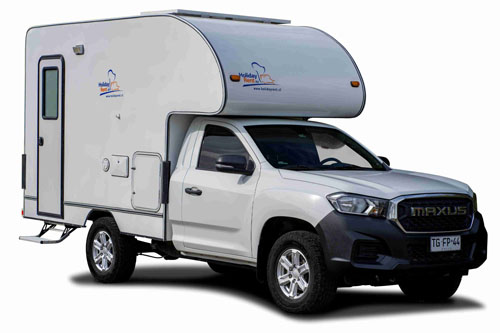
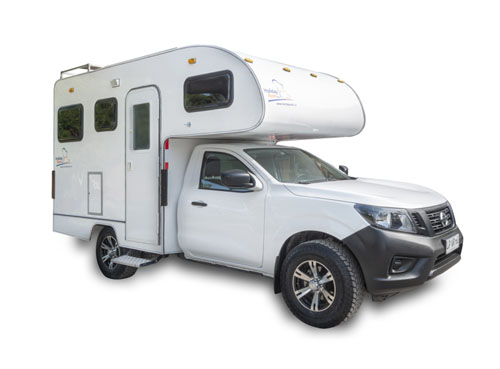
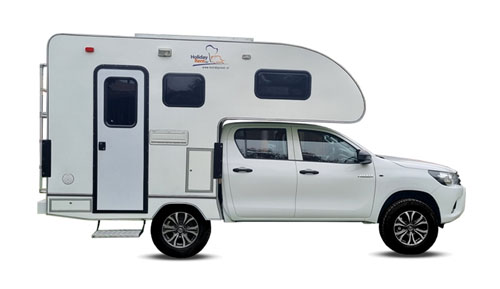
The best RV size and type for your Chilean adventure depend significantly on the terrain and road conditions you anticipate encountering, influencing the maneuverability and comfort of your last-minute RV rental in Chile. **Campervan (Class B):** Ideal for couples or solo travelers, a campervan offers excellent maneuverability, superior fuel efficiency, and ease of parking in both city centers and more secluded spots. These vehicles are perfect for navigating paved routes, like sections of the Pan-American Highway, and can handle many well-maintained gravel roads. Their compact size, with Bandana's fleet averaging 5.8m in length, makes them agile for winding mountain passes. However, they typically offer less ground clearance, making them less suitable for very rough or challenging off-road tracks. **Semi-integrated (Class SI) & Alcove (Class C) Motorhomes:** These are versatile choices for families or small groups, providing more interior space and amenities for increased comfort on longer trips. Bandana's Class C units average 7.5m in length, offering comfortable living. They perform well on paved highways and most well-traveled gravel roads, including regularly graded sections of the Carretera Austral. Their larger size, however, requires more caution and slower speeds on narrow or significantly uneven surfaces. An "rv rentals utah example Sunrise Escape" or "cruise america rv rental example Explorer" would fall into this category. **4x4 RVs/Truck Campers (Class TC):** A 4x4 RV, such as a "Patagonia Camper 4x4 double cab" or "rv rentals phoenix example T17 Truck Camper," is essential if your itinerary includes challenging off-road sections, remote national parks with unpaved access, or deep exploration of less-maintained areas like certain stretches of the Carretera Austral. While less common in standard rental fleets, a 4x4 provides crucial traction and higher ground clearance for navigating rough, gravel, muddy roads, and even shallow river crossings. These are typically smaller, with Bandana's Class TC vehicles averaging 5.5m in length, but offer robust capabilities for truly rugged exploration.How can I experience local culture and non-touristy spots in Chile by RV?
Experiencing authentic local culture and non-touristy spots in Chile by RV involves intentionally venturing off the well-trodden tourist trails and engaging respectfully with local communities. **Visit Local Markets:** Seek out the vibrant 'ferias artesanales' or 'mercados' in smaller towns, such as those in Chillán, Castro on Chiloé Island, or Angelmo in Puerto Montt. These markets offer unique crafts, fresh regional produce, and local foods, providing wonderful opportunities for direct interaction with vendors and a glimpse into local industry. Cooking these fresh ingredients in your RV is a fantastic way to enjoy local flavors; explore our RV-friendly recipes playlist for inspiration. **Explore Indigenous Communities:** In regions like the Araucanía and the Lakes District, respectfully engage with Mapuche communities. Look for opportunities to visit cultural centers, learn about their rich traditions, or purchase authentic textiles and wooden handicrafts directly from local artisans. Always approach with sensitivity and seek permission before taking photos. **Learn Basic Spanish:** Even mastering a few basic Spanish phrases will significantly enhance your interactions with locals. Chileans genuinely appreciate the effort, and it opens doors to more authentic conversations and unique experiences, especially in areas where English is not commonly spoken. **Dine at 'Pícaras' or 'Cocinerías':** These small, often family-run eateries are typically found off the main roads or in local neighborhoods. They serve traditional homemade Chilean dishes at affordable prices, offering a true taste of local cuisine and a chance to mingle with residents. **Stay at Farm Stays (Estancias):** Some smaller farms across Chile offer designated RV parking, providing an immersive experience into rural Chilean life. These often come with opportunities to participate in farm activities or enjoy delicious home-cooked meals. **Seek Out Hidden Hot Springs:** Beyond the popular, well-developed hot springs, many lesser-known thermal baths are accessible via gravel roads. These often provide a more tranquil experience, typically frequented by local visitors, offering a peaceful retreat.What are sustainable RV travel practices for Chile's ecosystems?
Practicing sustainable RV travel in Chile is crucial to protect its incredibly diverse and often fragile ecosystems, particularly when exploring remote areas, and adhering to Leave No Trace principles is paramount. **Leave No Trace:** Always pack out everything you pack in, without exception. This includes all trash, such as food scraps, human waste, and gray water. Utilize designated waste disposal sites for RVs to ensure proper handling. **Responsible Waste Disposal:** Use official dump stations for both black and gray water tanks. It is critically important to never release wastewater into natural environments, as it can severely contaminate water sources and harm local wildlife and vegetation. **Water Conservation:** Chile can experience significant water scarcity in many of its regions, especially in the north and during dry seasons. Be extremely mindful of your water usage for showering, washing dishes, and cooking, conserving whenever possible. **Stay on Designated Paths:** When hiking or driving your rented motorhome, always stick to established trails and roads. This practice prevents erosion, protects delicate flora and fauna, and minimizes your environmental impact. Drive slowly and carefully, and you can drive almost anywhere without issues. No need to stress - just use common sense and pay attention. **Respect Wildlife:** Observe animals from a respectful distance, never feed them, and avoid disturbing their natural habitats, especially during breeding seasons. Chile is home to unique species that deserve protection. **Fire Safety:** Exercise extreme caution with campfires, particularly in dry areas or during the summer months when fire risk is high. Only build fires in designated, safe fire rings within established campgrounds, and always ensure they are completely extinguished and cold to the touch before leaving. **Support Local and Sustainable Businesses:** Choose local campgrounds, buy your groceries and supplies from local markets, and support tour operators committed to sustainable practices. When budgeting for your trip, remember that RV PLANET routes allow you to itemize and track every expense, helping you manage costs and support local economies efficiently.What is the best time of year to RV in different regions of Chile?
The best time to travel by RV in Chile varies significantly by region due to the country's extreme north-south length and diverse climates, making your last-minute RV rental planning essential. **Atacama Desert (Northern Chile):** This region offers generally excellent RV travel conditions year-round with abundant sunshine. Winter (June-August) provides cooler, more pleasant daytime temperatures, although nights can be very cold, dropping below freezing. Summer (December-February) is hot, with a slight chance of 'Altiplanic winter' rains in January-February, which can cause flash floods. **Central Valley & Wine Regions (Santiago south to Temuco):** Spring (September-November) and Autumn (March-May) are ideal for RVing here. Spring brings blooming landscapes and comfortable temperatures perfect for wine tasting tours. Autumn offers picturesque harvest festivals and stunning fall foliage. Summer (December-February) can be very hot, while winter (June-August) brings more rain and cooler temperatures. For pricing, check our "RV Rental in Chile - Prices and Best Deals 2026" guide. **Lakes District (Pucón to Puerto Montt):** The shoulder seasons of Spring (October-November) and Autumn (March-April) are excellent, offering a superb balance of pleasant weather with fewer tourists than the peak summer. Summer (December-February) is the most popular time, but campgrounds and attractions can be crowded, often requiring advance booking, though many national/state parks reserve 25-30% of spots for first-come-first-serve. You'll find a spot. If not at the first campground, then the next one. Call ahead before driving. Winter (June-August) is cold and rainy, limiting some outdoor activities but is excellent for skiing near volcanoes. **Patagonia (South of Puerto Montt):** This remote and rugged region is best visited during the brief summer months (December-February) for the most favorable weather conditions, longer daylight hours, and optimal accessibility to remote areas like the Carretera Austral. Spring (November) and Autumn (March) offer beautiful autumn colors and fewer crowds but can have more unpredictable weather, and some tourist services may be closed. Winter (June-August) is extremely cold, windy, and many roads, especially less-maintained ones, become impassable for RVs. For tips on budgeting, consider our "Cheap RV Rental in Chile - Budget Guide 2026".How can RVers stay connected in remote areas of Chile?
Staying connected in remote areas of Chile for RVers requires strategic planning, as cell service coverage can be sporadic and unreliable outside of major towns and along main highways. **Local SIM Card:** Upon arrival in a major city like Santiago, purchase a local prepaid SIM card from providers such as Entel, Movistar, or Claro. Entel generally offers the widest coverage in more remote and rural areas of Chile, although even with Entel, coverage can remain patchy in very isolated regions. **Offline Maps:** Before venturing into areas with no signal, diligently download offline maps using applications like Google Maps, Maps.me, or iOverlander. These are absolutely essential for reliable navigation and for locating campgrounds, fuel stations, or points of interest when you're out of cellular range. **Portable Wi-Fi Hotspot (MiFi):** Consider renting or purchasing a portable Wi-Fi device (MiFi) that utilizes a local SIM card. This device can create a personal hotspot for multiple devices, providing internet access, but its functionality is still dependent on the availability of a cellular network signal. **Satellite Communication Devices:** For truly remote regions, such as significant portions of the Carretera Austral or high-altitude areas in the Atacama, a satellite messenger device (e.g., Garmin InReach, Spot X) is highly recommended. These devices offer crucial GPS tracking, two-way text messaging, and SOS capabilities, functioning even when completely out of cell range. **Campground Wi-Fi:** Many established campgrounds, particularly those in more touristy areas, offer Wi-Fi access. However, be prepared for it to be slow, and often only available in common areas or near the reception building. **Cafes and Restaurants:** In towns, seek out cafes, restaurants, or public libraries that provide free Wi-Fi as a convenient way to check emails and update travel plans. For last-minute RV rental deals in Chile, staying connected can help you compare prices quickly.What are the specific wild camping and road regulations for RVs in Chile?
RVers exploring Chile must be aware of specific local regulations concerning wild camping, general road laws, and permits for protected areas to ensure a smooth, legal, and respectful trip, particularly when planning a last-minute RV rental in Chile. **Wild Camping (Boondocking):** While not explicitly illegal everywhere in Chile, wild camping (or 'camping libre') is generally discouraged or prohibited in urban areas, on private property (unless explicit permission is obtained from the landowner), and strictly within national parks or protected areas. It is highly recommended to primarily use official campgrounds, private RV parks, or designated municipal camping areas, especially for enhanced safety and reliable access to essential facilities like water and dump stations. Some wild camping may be tolerated in very remote, public, and clearly non-private areas, but always exercise discretion, maintain a low profile, and strictly adhere to Leave No Trace principles. **Road Laws:** * **Headlight Usage:** In Chile, it is mandatory to drive with your headlights on at all times, even during the day, when on interurban roads. * **Speed Limits:** Speed limits are strictly enforced. They are typically 100-120 km/h on highways and 50 km/h in urban areas. Fines for speeding can be substantial. Remember, drive slowly and carefully, and you can drive almost anywhere without issues. No need to stress - just use common sense and pay attention. * **Alcohol Limit:** Chile enforces a very strict zero-tolerance policy for driving under the influence of alcohol (0.0% Blood Alcohol Content for drivers). * **Seatbelts:** Seatbelts are mandatory for all occupants of the vehicle, both front and rear seats. * **Vehicle Documentation:** Always carry your valid driver's license (an International Driving Permit is recommended for visitors from non-English speaking countries, though not always mandatory), the RV's registration documents, and your rental agreement. **Protected Areas Permits:** Entry to most national parks and nature reserves in Chile requires payment of an entry fee. Some specific popular areas, especially for extensive hiking or longer stays (e.g., Torres del Paine National Park), may require advanced booking or special permits. Always check the official CONAF (National Forest Corporation) website or inquire at park ranger stations well in advance of your visit to ensure compliance.Final Thoughts
Embarking on a last-minute RV rental in Chile offers an unparalleled sense of freedom and adventure, allowing you to discover everything from the dramatic landscapes of the Atacama to the vibrant culture of the Central Valley and the majestic beauty of the Lakes District. Whether you opt for a quick 7-day tour or a more extensive two-week journey, Chile's diverse terrains and welcoming spirit are ready to amaze you. Remember to embrace the local culture, practice sustainable travel, and most importantly, enjoy the ride at a relaxed pace to truly soak in every moment. At Bandana RV, we are committed to making your RV rental experience in Chile as seamless and enjoyable as possible. With our full transparency, dedicated support, and expert knowledge, you can book your adventure with complete confidence. So, don't wait any longer; your Chilean road trip of a lifetime is just a few clicks away! Compare Last-Minute Motorhome Rentals in Chile Now and start planning your incredible journey!On the routes offered through RV PLANET routes, you can itemize and track every expense along the way for easy budgeting.