For live availability and current prices, start with our RV Rental California - Complete Guide 2026 guide.
In This Guide
- Best California RV Itinerary for rv rental — Overview
- 7-Day Classic Route in California
- 14-Day Extended Journey in California
- Recommended RVPlan Trip for California
- Must-See Stops Along the Way (Avi Bandana Picks)
- Daily Driving Distances & Drive Times in California
- Best RV Class for This Itinerary — Couple & Family Picks
- What are the best places to RV in California?
- How much does it cost to RV in California?
- Is California good for RVing?
- What is the best time to RV in California?
- Can you sleep anywhere in an RV in California?
- Can you RV in California in winter?
- Is California RV friendly?
- Where can I shower while RVing?
- What are the RV rules for Highway 1?
- Is it easy to find RV parks in California?
- Can you RV in national parks in California?
- RV Safety and Security in California
- Cellular Service and Wi-Fi for RVers in California
- Pet-Friendly RV Travel in California
Best California RV Itinerary for rv rental — Overview
Exploring California by RV offers unparalleled flexibility and scenic beauty, making it an ideal choice for a diverse road trip adventure. A minimum of 7 days is recommended for a focused regional tour, while 14 or more days are ideal for a comprehensive journey across the state's varied landscapes. Expect to cover approximately 1000-2500 km (600-1500 miles) for a well-rounded 7-14 day itinerary. The best seasons for RVing in California are Spring (April-May) and Fall (September-October), which offer pleasant weather and fewer crowds compared to the peak summer months.
7-Day Classic Route in California
This classic 7-day California RV itinerary is perfect for a whirlwind introduction to the Golden State's iconic coastal beauty and natural wonders. You'll start your journey in the vibrant city of Los Angeles and wind your way north, experiencing charming coastal towns and breathtaking natural landscapes.
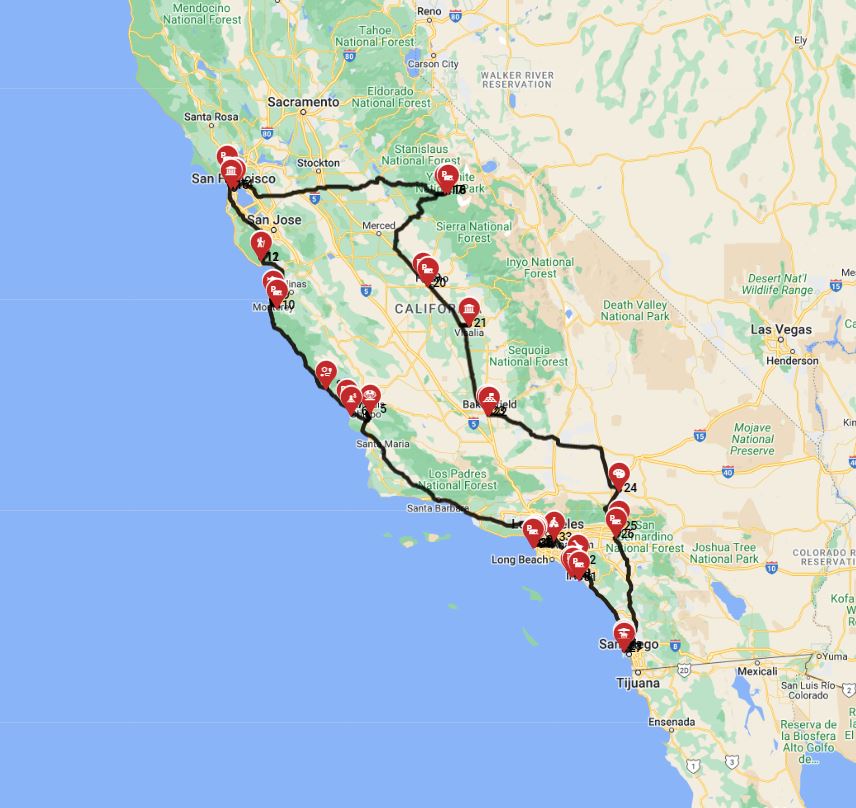
- Day 1: Los Angeles → Santa Barbara (approx. 150 km/90 miles) - Begin your journey from Los Angeles, heading north along the coast to Santa Barbara. Enjoy the beautiful beaches and the historic Stearns Wharf. Sleep: Leadbetter Beach RV Park (or similar coastal park).
- Day 2: Santa Barbara → Pismo Beach (approx. 100 km/60 miles) - Continue up the coast. Explore the charming town of Solvang or enjoy the expansive dunes at Pismo Beach. Sleep: Pismo State Beach Campground.
- Day 3: Pismo Beach → Big Sur (approx. 100 km/60 miles) - Drive the iconic Pacific Coast Highway through Big Sur. Always check Caltrans for current road conditions before departure. Sleep: Pfeiffer Big Sur State Park (reservations essential).
- Day 4: Big Sur → Monterey/Carmel (approx. 50 km/30 miles) - Explore the Monterey Bay Aquarium, stroll Cannery Row, or take the scenic 17-Mile Drive in Carmel. Sleep: Monterey Veterans Memorial Park.
- Day 5: Monterey → Yosemite National Park (approx. 250 km/150 miles) - Head inland towards the majestic Sierra Nevada. Ensure you have Yosemite entrance reservations. Sleep: Inside Yosemite Valley (if booked) or a nearby gateway RV park.
- Day 6: Yosemite National Park - Dedicate a full day to hiking and sightseeing in Yosemite Valley, marveling at landmarks like Half Dome and El Capitan. Sleep: Yosemite Valley campgrounds or nearby private RV parks.
- Day 7: Yosemite → San Francisco (approx. 300 km/180 miles) - Drive to the vibrant city of San Francisco, concluding your trip with views of the Golden Gate Bridge before your RV drop-off.
14-Day Extended Journey in California
For a more in-depth exploration of California's diverse offerings, a 14-day itinerary allows you to delve deeper into its distinct regions, from the sun-kissed Southern California coast to the dramatic Northern redwood forests. This extended journey balances iconic landmarks with scenic drives, keeping daily travel manageable to maximize your experience.
- Days 1-3: Southern California Coast (Los Angeles to San Diego) - Begin in Los Angeles, exploring Hollywood and coastal cities like Santa Monica, then head south to San Diego for its vibrant culture, beaches, and Balboa Park. Maximize coastal drives, staying within 150 km/day.
- Days 4-6: Desert & Mountains (Joshua Tree to Big Bear Lake) - Journey east to the unique landscapes of Joshua Tree National Park, then ascend into the San Bernardino Mountains to the cooler retreat of Big Bear Lake for hiking or winter sports. Keep daily drives under 150 km.
- Days 7-9: Central Valley & Gold Country (Sacramento/Napa) - Travel north through California's agricultural heartland. Options include visiting historic Sacramento or a detour to the world-renowned Napa Valley for wine tasting. Each day's travel should not exceed 150 km.
- Days 10-12: Sierra Nevada Grandeur (Yosemite & Lake Tahoe) - Experience the breathtaking beauty of Yosemite National Park (reservations critical), then continue north to the pristine alpine environment of Lake Tahoe. Limit daily distances to 150 km.
- Days 13-14: Pacific North Coast (Redwoods & Mendocino) - Head west to witness the towering giants of Redwood National and State Parks, then drive south along the dramatic Mendocino Coast. Conclude your journey in San Francisco or return to a major RV rental hub. Adhere to the 150 km/day maximum.
Recommended RVPlan Trip for California
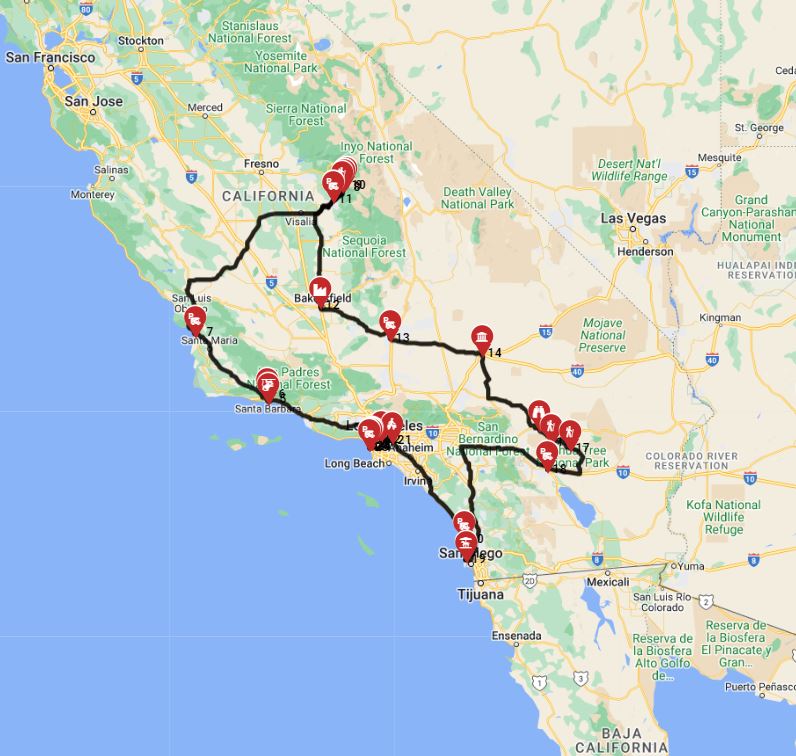
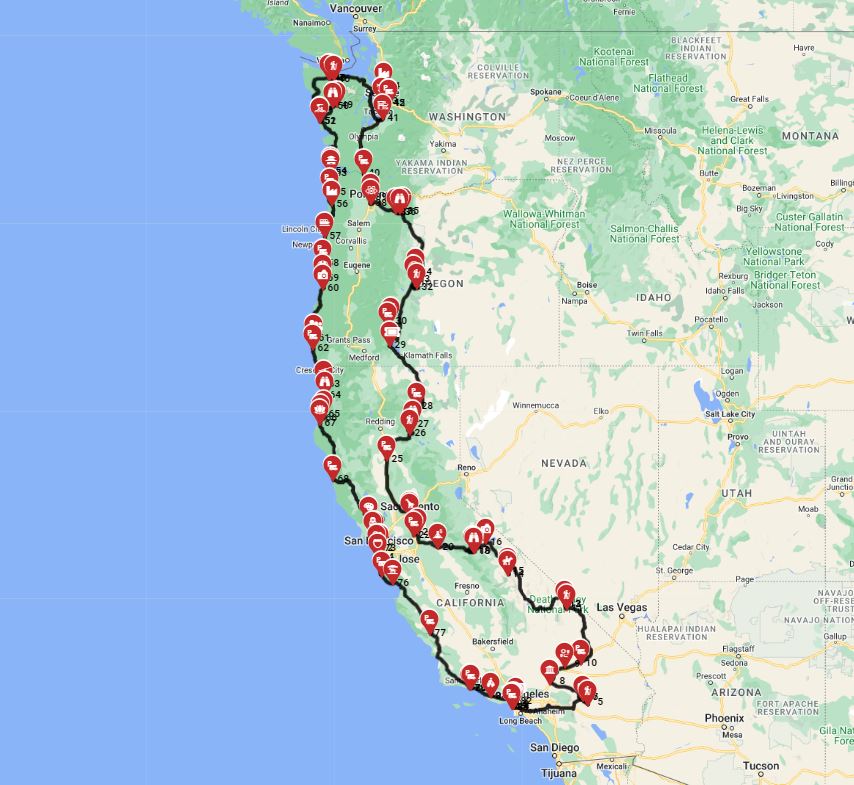
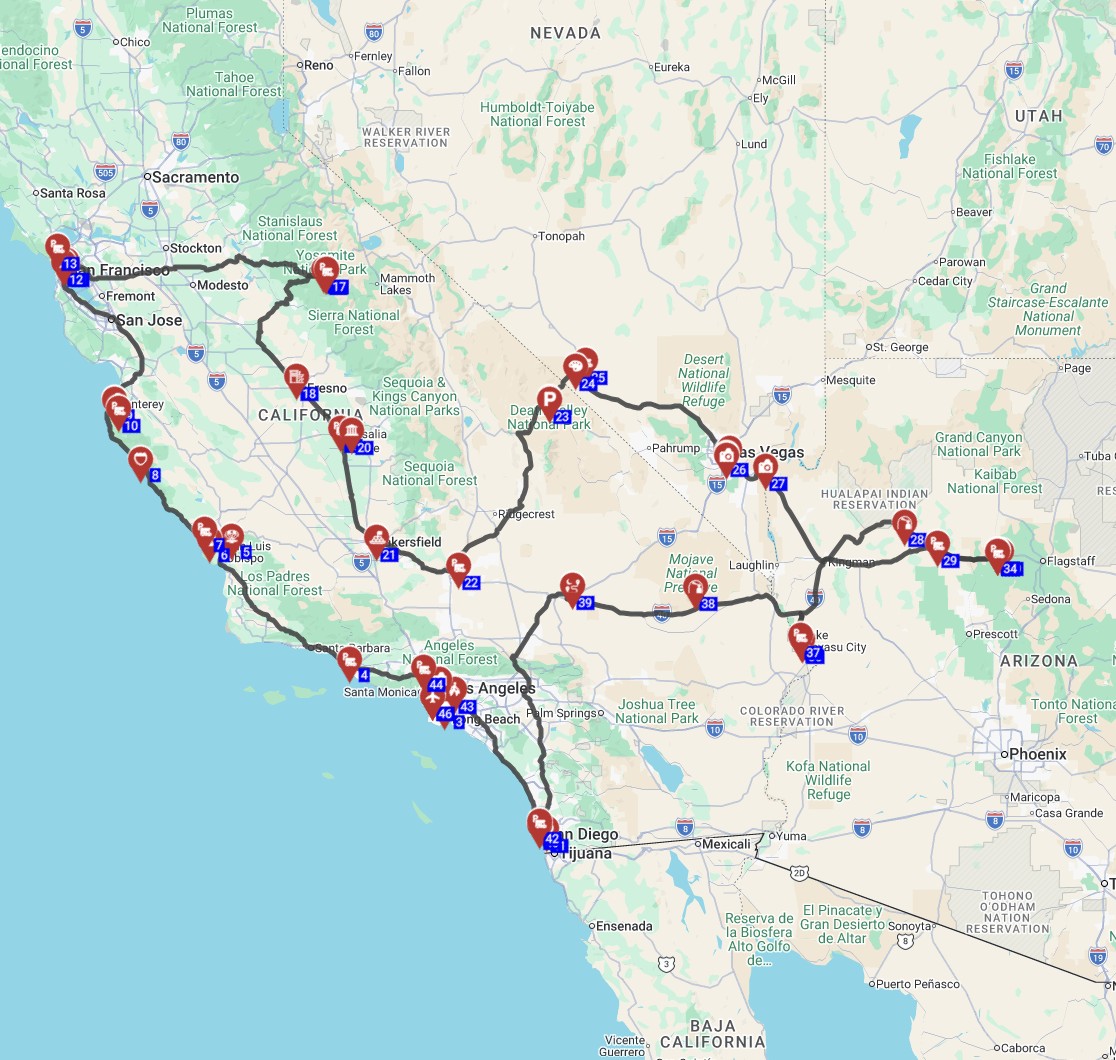
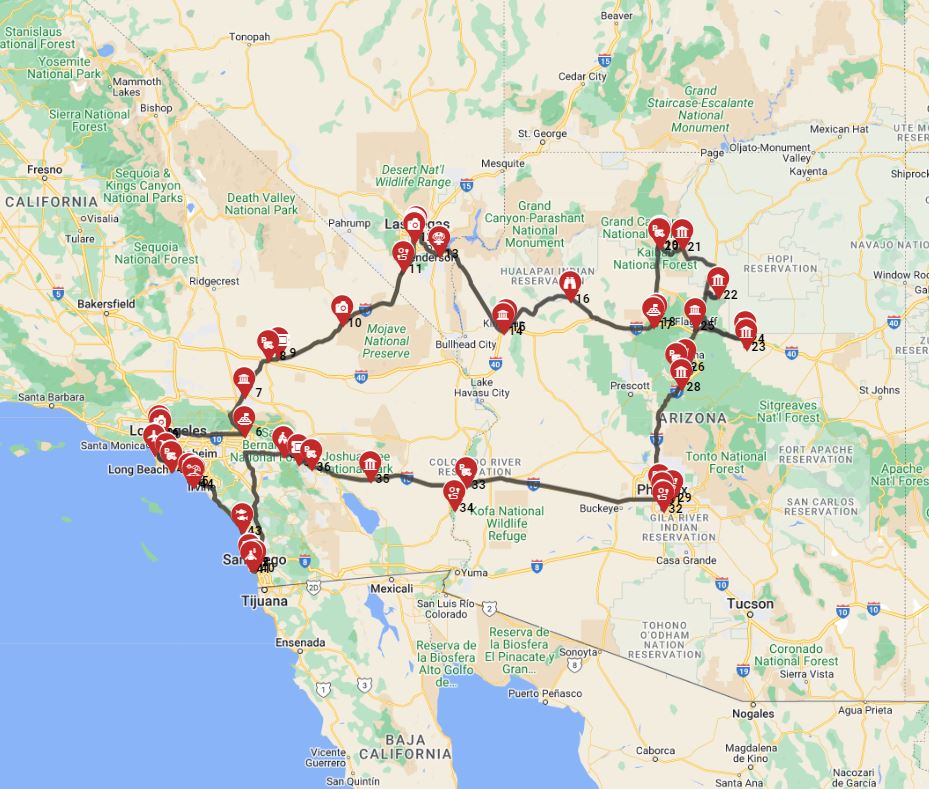
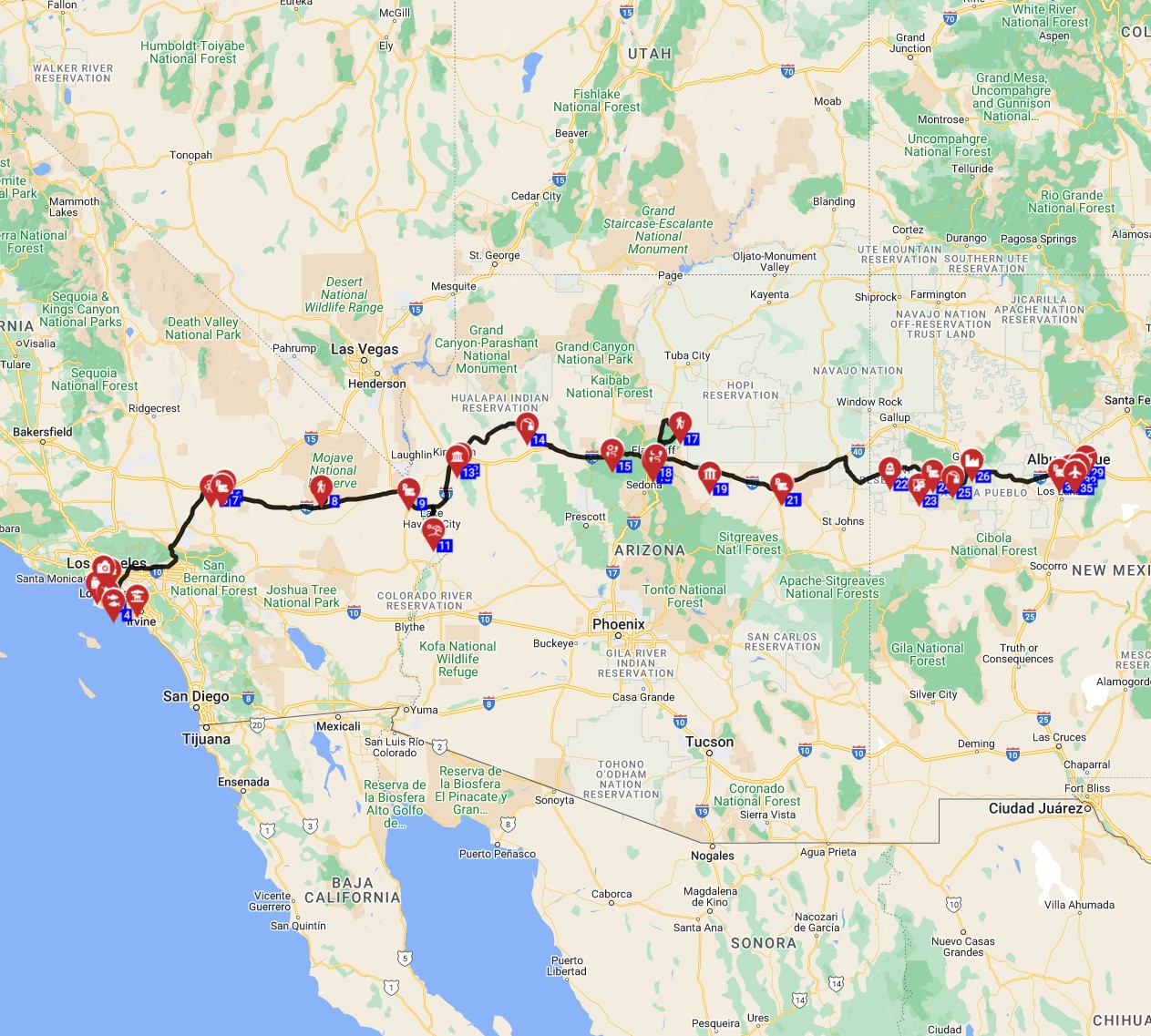
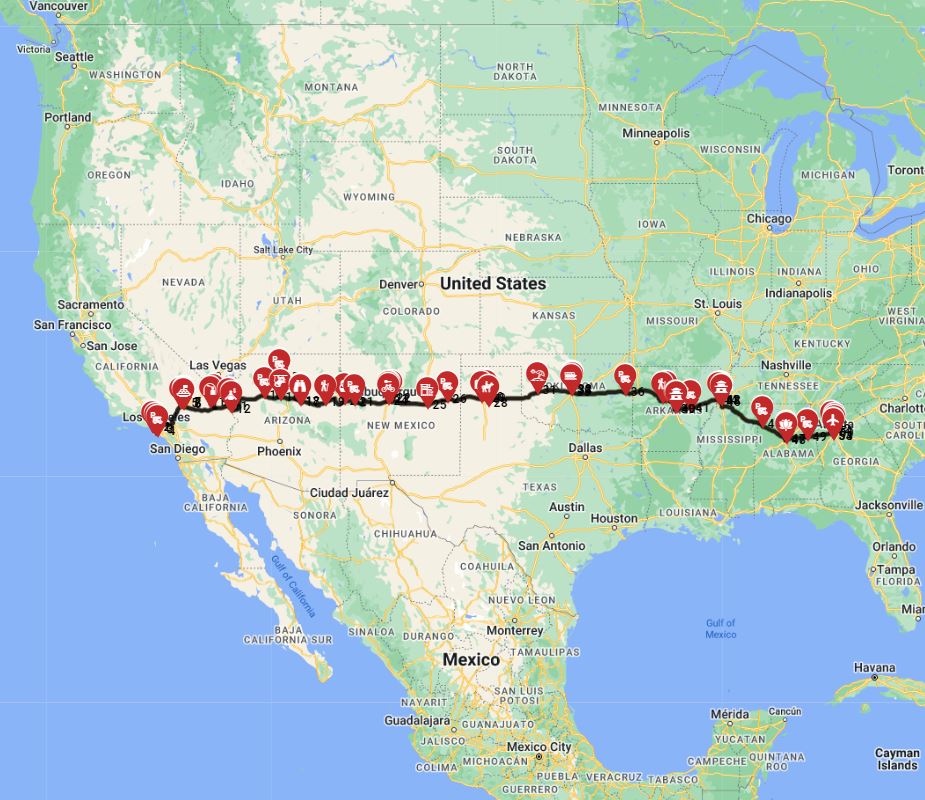
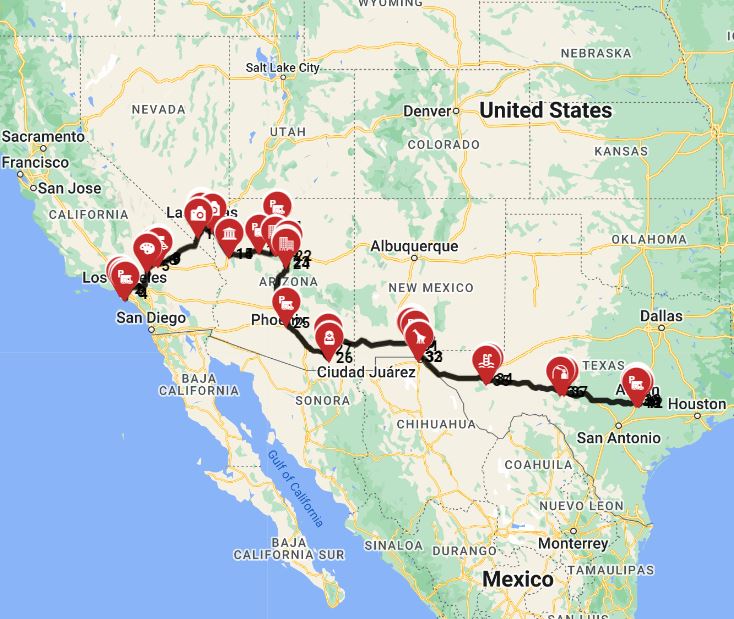
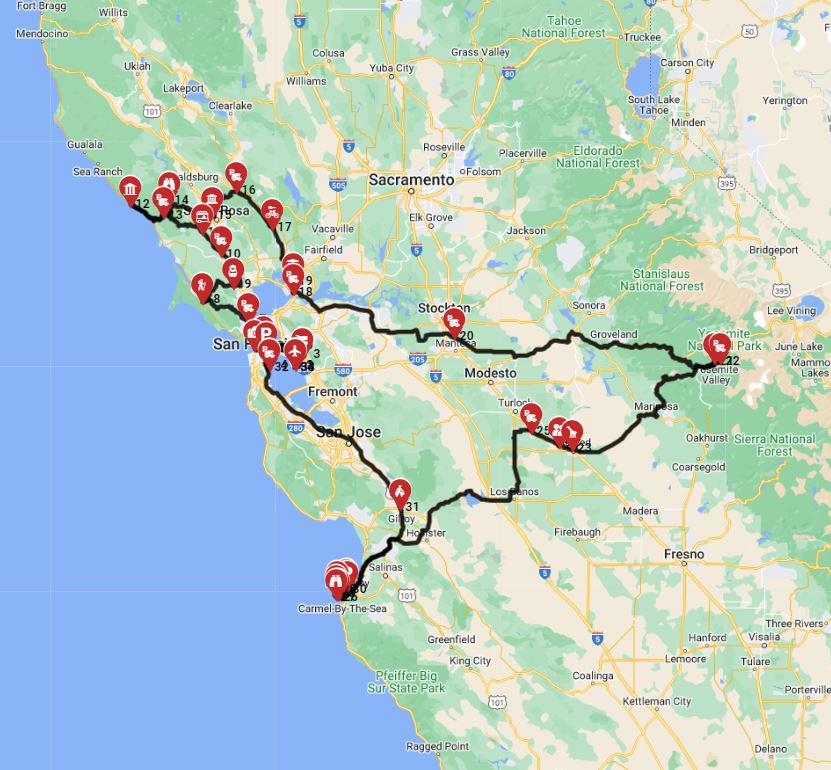
For travelers who appreciate expertly curated routes that handle the complexities of RV logistics, Bandana RV partners with RV PLANET to offer pre-planned itineraries. The "
For those looking for a more focused California experience, consider the "
Must-See Stops Along the Way (Avi Bandana Picks)
Avi Bandana, a true RV travel enthusiast and expert, emphasizes experiencing the local essence of a destination. His recommendations for California RV trips focus on engaging with local industries, visiting traditional markets, savoring regional cuisine, and immersing oneself in historical landmarks.
- Local Industry: Avi Bandana advocates for experiencing local industries firsthand to grasp a region's economic and cultural heartbeat. In California, this could involve touring a winery in Napa or Sonoma, visiting an olive oil farm, or exploring a craft brewery in a coastal town.
- Traditional Market: For authentic local flavors and artisan goods, Avi Bandana highly recommends seeking out traditional markets. California's numerous farmers' markets, such as those in Ferry Building Marketplace in San Francisco or Santa Monica, offer fresh produce perfect for your RV kitchen.
- Traditional Restaurant / Fine Dining: Indulge in the local culinary scene by trying a traditional restaurant or fine dining spot, a true Avi Bandana favorite. California boasts a range of options, from fresh seafood eateries along the coast to farm-to-table experiences in the Central Valley.
- Traditional Visit: A traditional visit to a landmark, according to Avi Bandana, provides profound insight into a destination's heritage. Explore California's historic Spanish missions, step back in time in a Gold Rush-era town in the Sierra foothills, or visit a classic lighthouse guarding the Pacific.
Daily Driving Distances & Drive Times in California
To ensure a relaxed and immersive RV journey through California, Avi Bandana recommends a maximum of 100 miles (150 km) per day on average. This guideline prioritizes exploration and spontaneous stops over rapid transit, allowing ample time to truly connect with each destination. For instance, a drive from Los Angeles to Santa Barbara (approximately 150 km / 90 miles) typically takes about 1.5 to 2 hours, leaving the majority of the day for sightseeing. Similarly, the drive from Monterey to Yosemite National Park (around 250 km / 150 miles) takes about 3 to 4 hours, making it feasible for an early start or a more leisurely two-day travel segment. Adhering to these shorter driving distances not only reduces driver fatigue but also conserves fuel and significantly enhances the overall quality of your California RV adventure.
Best RV Class for This Itinerary — Couple & Family Picks
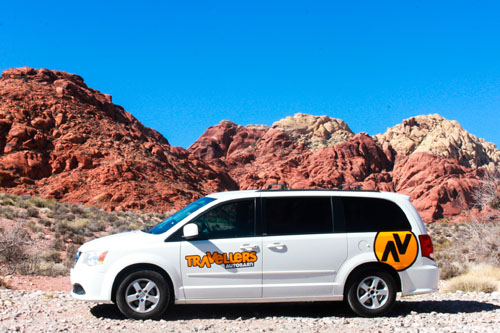
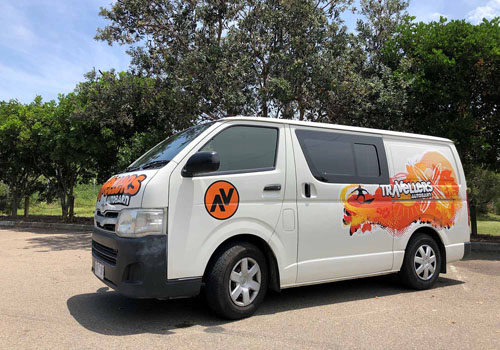
Choosing the right RV class is crucial for an enjoyable California road trip. For couples, a Class B - Camper Van is an excellent choice, offering superior maneuverability and fuel efficiency ideal for navigating California's diverse routes, including tighter coastal roads. Bandana's fleet typically features Class B Camper Vans with an average length of 5.8 meters and sleeping capacity for approximately 2.7 adults, making them perfect for intimate travel and easier parking.
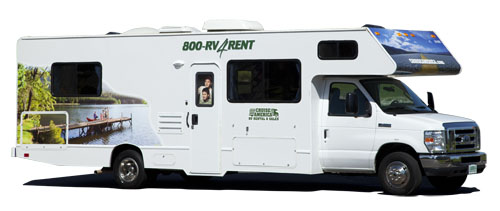
For families or larger groups, the Class C - Alcove RV provides significantly more living space and amenities, proving ideal for longer trips with children or multiple travelers. Bandana's Class C Alcove models average 7.5 meters in length and comfortably accommodate about 4.4 adults with 5.8 sleeping places, ensuring everyone has room to relax and enjoy the journey. To streamline your adventure, Bandana Caravan's "Rent & Plan" service bundles your RV rental with a pre-designed itinerary crafted by travel experts, providing full access to trip-planning software and removing the hassle of logistics.
What are the best places to RV in California?
California offers an extensive range of RV-friendly destinations, including iconic national parks like Yosemite, Sequoia & Kings Canyon, and Joshua Tree, alongside the breathtaking Pacific Coast Highway (Highway 1). For those seeking to avoid crowds and discover unique, off-the-beaten-path destinations, explore less-traveled state parks such as Anza-Borrego Desert State Park or utilize vast BLM (Bureau of Land Management) lands for dispersed camping. Coastal RV parks in regions like Big Sur (e.g., Kirk Creek Campground) provide unparalleled ocean views but require securing reservations months in advance due to high demand. Inland, destinations like Lake Tahoe offer year-round RVing opportunities, from lakeside camping in summer to easy access to snow sports in winter months. Consider regional parks and unique private campgrounds, which often boast excellent amenities and provide a quieter alternative to major national park sites.
How much does it cost to RV in California?
The comprehensive cost of an RV trip in California generally ranges from $100 to $300+ per day, depending on the RV class, season, and travel style, encompassing rental fees, fuel, campground costs, food, and activities. RV rental fees can range from approximately $75-$150/night for smaller camper vans (like Bandana's Class B) to $200-$400+/night for larger, more luxurious models (like Class A), with peak season prices being highest. Fuel is a significant expense; for instance, Bandana's Class C Alcove RVs typically consume 10-12 liters/100 km, meaning a 1000 km journey could require 100-120 liters of fuel. Campground fees vary widely, from $25-$75 per night for developed sites with hookups, while budget-friendly RVing strategies include utilizing free camping options on BLM land or some designated store parking lots. To save money, travelers can cook most meals in their RV, opt for state parks over expensive private resorts, and plan routes to minimize excessive driving and fuel consumption. For budgeting specific trip expenses, the RV PLANET routes service allows travelers to itemize and track every expense along the way. For ideas you can prep on the road, watch our RV-friendly recipes playlist on YouTube. On the routes offered through RV PLANET routes, you can itemize and track every expense along the way for easy budgeting.
Is California good for RVing?
California is an outstanding destination for RVing, offering an unmatched diversity of landscapes—from sun-drenched beaches and towering redwood forests to majestic mountain ranges and stark deserts—all highly accessible by recreational vehicle. The state boasts an extensive and well-maintained network of national parks, state parks, and private campgrounds, designed to accommodate various RV sizes and traveler preferences. While popular areas require advance planning due to high demand, the robust infrastructure, including numerous RV service centers, dump stations, and resupply points, generally supports a smooth RV travel experience. California's varied climate allows for year-round RV opportunities, enabling travelers to find ideal conditions in different regions during any season. However, navigating challenging routes and securing reservations for popular destinations requires careful pre-planning and adherence to local regulations.
What is the best time to RV in California?
The optimal time to RV in California for balanced weather and moderate crowds is during the spring (April to May) and fall (September to October). Spring delights with blooming wildflowers and comfortable temperatures, especially across southern deserts and central valleys, while fall offers crisp air, vivid autumn colors in mountain regions, and ideal conditions for coastal touring. Summer (June to August) is peak season for coastal and mountain destinations, characterized by higher temperatures, maximum crowds, and the necessity of securing reservations months in advance. Winter (November to March) is excellent for exploring California's deserts, enjoying snow sports in the Sierra Nevada, or experiencing the milder, less crowded coastal areas, though RVs must be winterized for colder climes. Always consult Caltrans for current road conditions, particularly for mountain passes, and be aware that some campgrounds or services may be closed during the off-peak winter season.
Can you sleep anywhere in an RV in California?
No, you cannot sleep anywhere in an RV in California; overnight parking and sleeping regulations are highly localized and strictly enforced, particularly in urban and popular coastal areas. Legally, dispersed camping (boondocking) is generally permitted on much of the Bureau of Land Management (BLM) and National Forest lands, requiring campers to follow 'Leave No Trace' principles and observe specific distance rules from water sources and roads. It is crucial to check local ordinances for specific cities and counties, as many have explicit bans on sleeping in vehicles on public streets or in parking lots. Designated private RV parks, state campgrounds, and national park campgrounds are primary locations for overnight stays, but often require reservations, especially during peak seasons. While some retail establishments like Walmart may permit overnight parking, always confirm with store management upon arrival to avoid towing or fines.
Can you RV in California in winter?
Yes, RVing in California during winter is definitely possible and can offer unique travel experiences, especially when targeting specific regions. California's deserts, including Death Valley and Anza-Borrego, provide ideal, mild temperatures during winter, making them perfect for escaping colder weather elsewhere. For mountain destinations like Mammoth Lakes or Lake Tahoe, RVs must be fully winterized, equipped with appropriate tires (chains may be required), and travelers prepared for cold-weather camping and potential snow-related road closures. The state's coastal areas generally experience milder, wetter winters, making them pleasant for RV travel with fewer tourists, though frequent rainfall should be anticipated. Always consult Caltrans for current road conditions, particularly for mountain passes, and be aware that some campgrounds or services may be closed during the off-peak winter season.
Is California RV friendly?
California is generally RV friendly due to its extensive natural attractions and outdoor culture, but it presents both advantages and specific challenges for RV travelers. The state offers a robust network of RV repair services, dump stations, and grocery stores for resupply, making logistical support readily available. However, navigating metropolitan areas can be difficult for larger RVs due to traffic congestion, limited parking options, and strict local ordinances against overnight vehicle parking. Securing reservations at popular national and state parks is highly competitive and often requires booking many months in advance, especially for larger rigs or during peak seasons. Travelers must be highly aware of California's fire season precautions (typically late spring through fall), as fire restrictions, including campfire bans and road closures, can significantly impact travel plans.
Where can I shower while RVing?
RVers primarily shower within their own RV if it's equipped with a shower and sufficient fresh and greywater tanks, or at developed campgrounds that provide facilities. Most state parks, national park campgrounds, and private RV resorts in California offer access to communal showers, which are often included in the nightly fee or available for a small additional charge. For boondockers or those in smaller RVs without onboard showers, options include truck stops (e.g., Pilot Flying J, Love's), gyms with national memberships (like Planet Fitness), and certain public beaches or day-use parks. Portable outdoor showers, utilizing solar-heated bags or battery-powered pumps, are popular for basic washing in remote areas, emphasizing water conservation and responsible greywater disposal.
What are the RV rules for Highway 1?
RV rules for Highway 1 (Pacific Coast Highway) necessitate careful planning due to vehicle length restrictions on certain segments, winding roads, steep grades, and frequent road closures. While much of Highway 1 is navigable, specific sections, particularly through Big Sur south of Monterey, feature narrow, winding routes and steep grades that can be challenging for RVs over approximately 30 feet in length. Always check the Caltrans (California Department of Transportation) website for the latest road conditions and closures, as landslides and adverse weather frequently impact the highway, especially during rainy seasons. Parking at popular viewpoints and pull-offs often has limited space, making smaller RVs like Bandana's Class B Camper Vans (averaging 5.8 meters) significantly more maneuverable and convenient. Overnight parking and camping are generally prohibited directly along Highway 1 outside of designated campgrounds, which typically require advance reservations.
Is it easy to find RV parks in California?
Finding RV parks in California can range from straightforward to highly challenging, depending critically on the season, specific location, and how far in advance reservations are made. In popular destinations like national parks (e.g., Yosemite, Sequoia) and prime coastal areas (e.g., Big Sur, Santa Cruz), campground reservations often fill within minutes of becoming available, sometimes six months ahead. Private RV resorts and commercial campgrounds generally offer more availability but are still in high demand during peak travel times, holidays, and school breaks. During off-peak seasons or in less-traveled inland regions, finding availability is typically easier, and some state or regional parks may offer first-come, first-served sites. Effective strategies for securing sites include utilizing online booking platforms like ReserveCalifornia.com, calling individual parks directly, and considering alternative, less-traveled options such as regional parks or BLM land for dispersed camping.
Can you RV in national parks in California?
Yes, RVs are generally permitted in most national parks in California, but visitors must adhere to specific regulations, vehicle length limits, and often highly competitive reservation systems. Parks such as Yosemite, Sequoia & Kings Canyon, Joshua Tree, and Death Valley offer designated campgrounds that accommodate RVs, though full hookups (water, sewer, electric) are rare; dry camping (no hookups) is more common. Many national parks impose strict length limits for RVs on certain scenic drives or within specific campgrounds to protect fragile ecosystems and ensure safe navigation on narrow or winding roads. Reservations for national park campgrounds are almost always mandatory and extremely competitive, frequently requiring booking up to six months in advance, especially for popular seasons and weekends. Always consult each individual national park's official website for the most current RV regulations, specific length restrictions, and detailed reservation procedures before planning your visit.
RV Safety and Security in California
Road safety is paramount in California; remain alert for winding mountain roads, sudden traffic changes, and potential wildlife encounters, particularly during dawn and dusk. California's extensive fire season (typically late spring through fall) demands extreme caution; strictly adhere to all fire restrictions, which often include campfire bans and specific rules for generator use. Enhance RV security by securing all doors and windows, and consider using portable alarms or GPS trackers for valuables, especially in urban areas and popular tourist spots to deter crime. When in natural areas, be prepared for wildlife encounters by storing food properly in bear-proof containers, maintaining a safe distance from animals, and never feeding them. Always carry an emergency kit including a first-aid kit, extra water, non-perishable food, and a roadside assistance membership, particularly when venturing into remote regions or during challenging weather.
Cellular Service and Wi-Fi for RVers in California
Cellular service in California's major corridors and urban centers is generally robust, but coverage can become inconsistent or entirely absent in remote national parks, national forests, and desert landscapes. For improved connectivity in spotty areas, consider investing in a high-quality cellular booster or a dedicated mobile hotspot with an unlimited data plan from major carriers like Verizon or AT&T, which typically offer the broadest rural coverage. Many private RV campgrounds provide Wi-Fi access, though its quality and speed often vary, usually being suitable for basic browsing rather than streaming or extensive remote work. Public libraries and local cafes in towns along your route are reliable sources of free Wi-Fi, offering convenient opportunities to catch up on communications and work. Always download offline maps, essential documents, and entertainment (like movies or podcasts) before heading into areas with anticipated poor reception.
Pet-Friendly RV Travel in California
California is increasingly accommodating for pet-friendly RV travel, with numerous campgrounds, beaches, and hiking trails welcoming furry companions, though specific restrictions often apply. Always verify campground pet policies in advance; while many private RV parks are pet-friendly, national parks typically restrict pets to paved roads, developed areas, and specific pet-friendly trails, excluding them from backcountry trails. Excellent examples of pet-friendly destinations include many state parks (individual park rules vary), designated dog beaches in coastal cities like Huntington Beach, and numerous regional and county parks. Never leave pets unattended in an RV, especially in warm weather, due to the risk of rapid temperature increases, and always ensure they are leashed and their waste is properly disposed of. Research local veterinarians along your planned route and carry your pet's vaccination records and any necessary medications for a safe and healthy trip.
Final Thoughts
California's stunning landscapes and diverse attractions are perfectly suited for RV exploration. Whether you choose a packed itinerary or a more relaxed pace, the freedom of the open road combined with the comfort of your rented RV offers an unparalleled travel experience.
Remember to book your RV well in advance, especially if traveling during peak seasons, and utilize resources like RV PLANET for route planning and campground searches. With a little preparation, your California RV adventure is sure to be unforgettable. Get inspired for your next trip and discover top destinations, planning tips, all in one place!