In This Guide
- Best Alaska RV Itinerary for rv rental - Overview
- 7-Day Classic Route in Alaska
- 14-Day Extended Journey in Alaska
- Recommended RVPlan Trip for Alaska
- Must-See Stops Along the Way (Avi Bandana Picks)
- Daily Driving Distances & Drive Times in Alaska
- Best RV Class for This Itinerary - Couple & Family Picks
- What is the 3-3-3 rule for RV travel?
- What is the best route to Alaska by RV?
- What is the best time of year to RV to Alaska?
- What is the 4-4-4 rule for RV travel?
- What should I not miss in Alaska?
- Can I park my RV anywhere in Alaska?
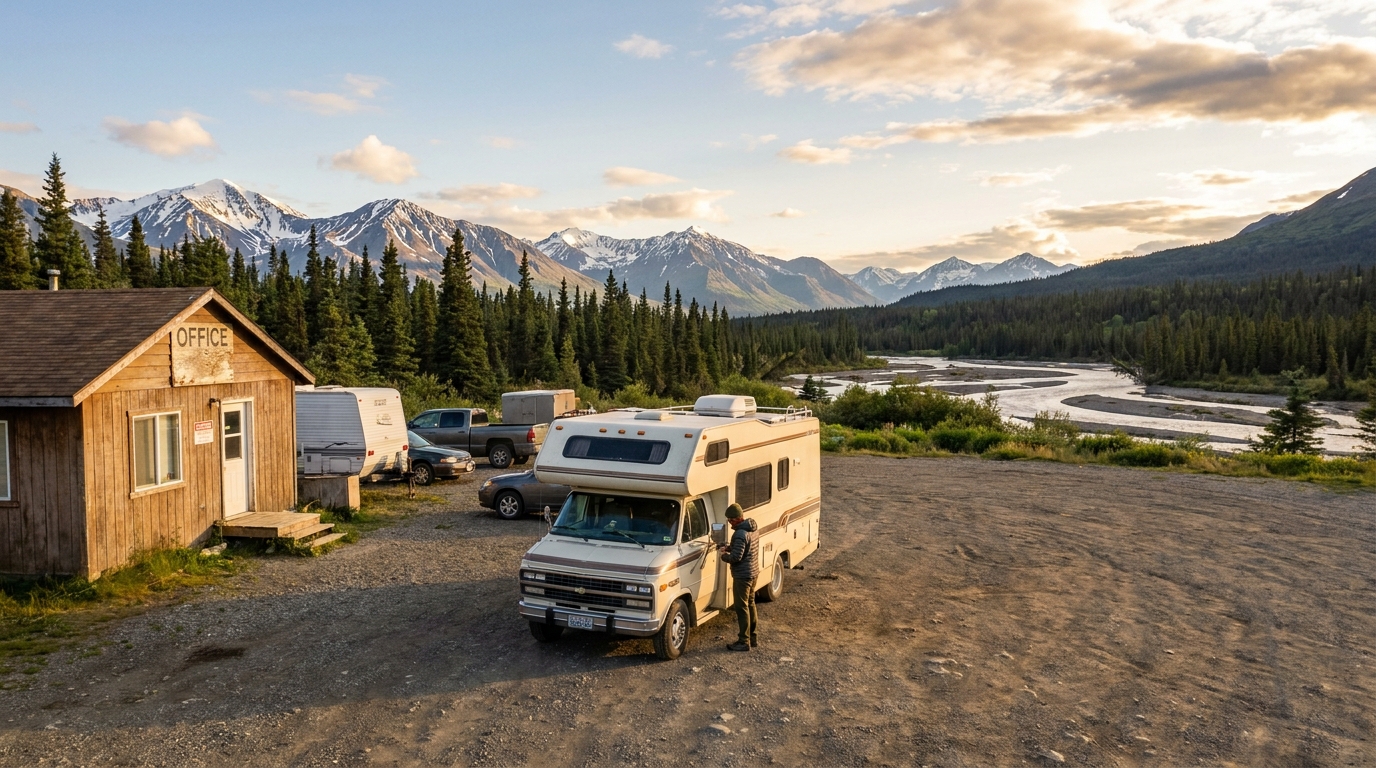
Alaska, the Last Frontier, calls to the adventurous soul, and there’s no better way to answer that call than with a rented motorhome or campervan. Imagine the freedom of setting your own pace, waking up to breathtaking wilderness views, and having your cozy home-on-wheels right there with you. Even if you're planning a last-minute RV itinerary in Alaska, it’s absolutely doable and promises an unforgettable experience.
At Bandana RV, we've been helping tens of thousands of travelers explore the world by RV since 2001, and Alaska is one of our favorite destinations. We're true RV specialists, not just a side department of a travel agency, and we're with you before, during, and after your booking. For live availability and current prices, start with our RV Rental Alaska - Complete Guide 2026 guide.
Best Alaska RV Itinerary for rv rental - Overview
A typical RV itinerary for rental in Alaska usually involves exploring the Southcentral region, the Kenai Peninsula, and interior areas like Denali National Park, offering a mix of coastal beauty, glacier views, and wildlife opportunities.
We recommend a minimum duration of 7 days to truly experience a snapshot of Alaska's grandeur, though an ideal trip lasts 10-14 days or even more to allow for slow travel and deeper immersion. A classic 7-day loop usually covers around 800-1000 km (500-600 miles), while an extended 14-day adventure can easily exceed 2000 km (1200 miles) as you venture further north. The best season for RV travel in Alaska is generally late May through mid-September when roads are clear, temperatures are milder, and daylight hours are extensive.
7-Day Classic Route in Alaska
A week-long adventure allows you to savor key highlights of Southcentral Alaska, immersing you in its incredible landscapes and charming towns. Here's a popular route plan:
- Day 1: Anchorage → Seward (approx. 200 km / 125 miles). Begin your journey with a scenic drive south from Anchorage. Don't miss a stop at the Alaska Wildlife Conservation Center to see bears, moose, and other local fauna up close. Spend the night at Seward RV Park, enjoying Resurrection Bay views.
- Day 2: Seward → Homer (approx. 270 km / 170 miles). Start your day with a hike to Exit Glacier before heading to Homer. The drive along the Sterling Highway offers stunning vistas. Homer Spit, a long, narrow strip of land extending into Kachemak Bay, is your destination. Sleep at Homer Spit Campground.
- Day 3: Homer. Enjoy a full day in Homer, the "Halibut Fishing Capital of the World." Consider a bear viewing tour, a fishing charter, or simply explore the vibrant art galleries and shops on the Homer Spit. Spend another night at Homer Spit Campground.
- Day 4: Homer → Cooper Landing (approx. 170 km / 105 miles). Head back north on the Kenai Peninsula. The drive is incredibly scenic, and Cooper Landing offers fantastic opportunities for fishing on the Kenai River. Cooper Landing Campground is a great option for the night.
- Day 5: Cooper Landing → Palmer/Wasilla (approx. 200 km / 125 miles). Continue your journey towards the Matanuska-Susitna Valley. Explore the majestic Matanuska Glacier, where you can even try ice climbing or glacier trekking. Public or private campgrounds near Palmer offer comfortable overnight stays.
- Day 6: Palmer/Wasilla → Talkeetna (approx. 100 km / 60 miles). Drive to the quirky, historic town of Talkeetna. This charming village offers stunning views of Denali on clear days and is a hub for flightseeing tours around North America's tallest peak. Enjoy the unique atmosphere and stay at Talkeetna RV Park.
- Day 7: Talkeetna → Anchorage (approx. 180 km / 110 miles). Conclude your loop by driving back to Anchorage, returning your rented motorhome and reflecting on your incredible Alaskan adventure. This itinerary offers a fantastic taste of Alaska's diverse beauty for a week-long trip.
14-Day Extended Journey in Alaska
For those with more time, a two-week RV trip allows for a more in-depth exploration of Alaska's interior and dramatic landscapes, including more time in National Parks.
- Days 1-3: Anchorage & Kenai Peninsula (Anchorage → Seward → Homer). Follow the classic route, but add an extra day in Seward for a dedicated glacier cruise into Kenai Fjords National Park or an extended fishing excursion.
- Days 4-6: Kenai Peninsula Exploration (Homer → Cooper Landing → Girdwood). Continue discovering the quaint towns of the Kenai Peninsula. Enjoy more hiking, or take a scenic tram ride up Mount Alyeska in Girdwood for panoramic views.
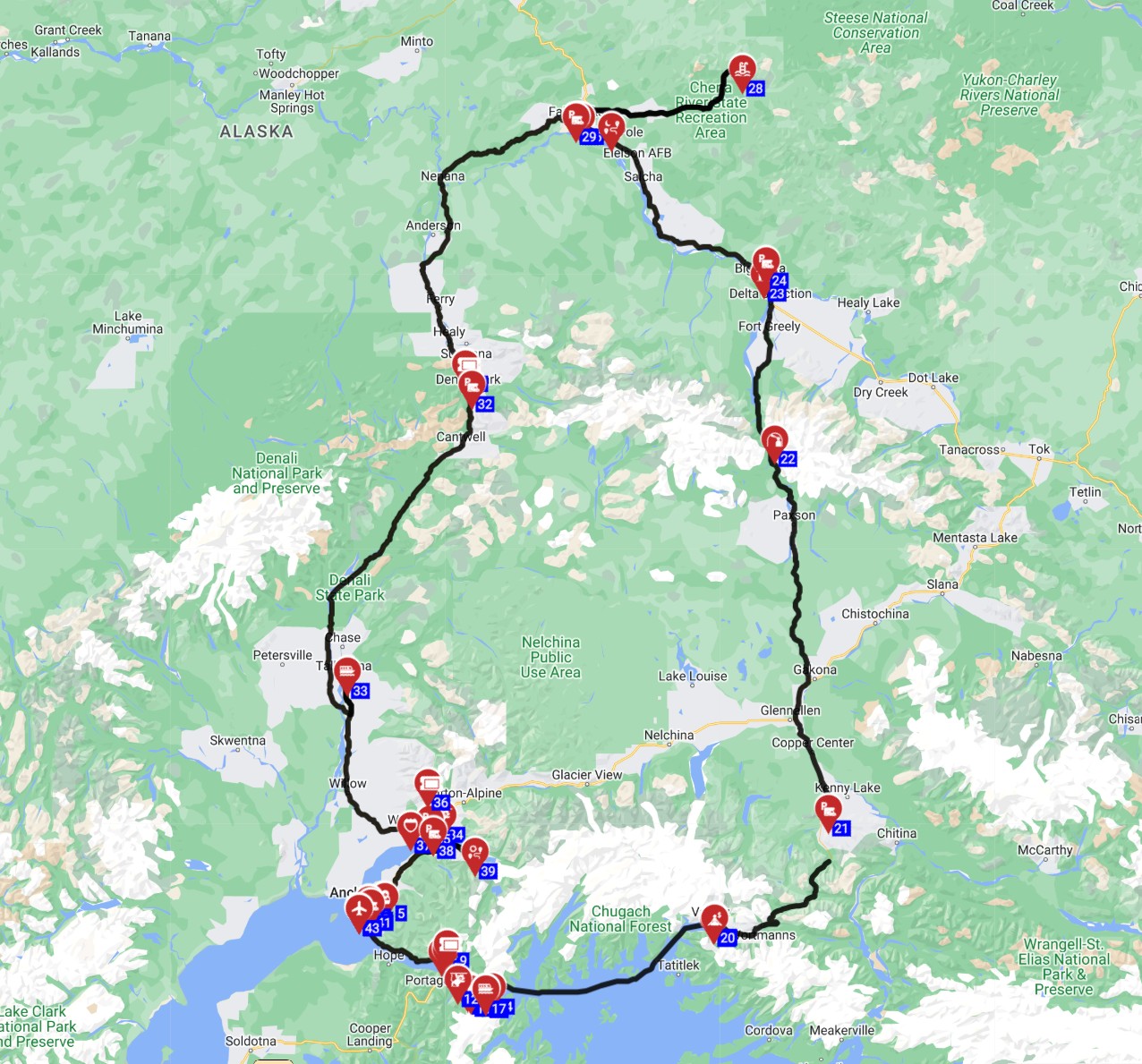
- Days 7-9: Interior Bound (Girdwood → Talkeetna → Denali National Park entrance). Drive north towards the heart of Alaska. Focus on uninterrupted Denali views, perhaps indulging in another flightseeing tour, and begin early exploration of Denali National Park Road as far as private vehicles are permitted (usually mile 15).
- Days 10-11: Denali & Fairbanks (Denali NP → Fairbanks). Dedicate more time to Denali's beauty before heading to Fairbanks. Explore Fairbanks' gold rush history, visit the University of Alaska Museum of the North, or marvel at the midnight sun (or potential Northern Lights in late August/early September).
- Days 12-13: Richardson Highway South (Fairbanks → Delta Junction → Glennallen). Drive a truly scenic section of the historic Alaska Highway, visiting stops like Rika's Roadhouse and enjoying the vast, unspoiled landscapes that define interior Alaska.
- Day 14: Glennallen → Anchorage (Glennallen → Anchorage). Conclude your expansive loop back in Anchorage. This extended itinerary provides a richer, more comprehensive Alaskan experience, allowing for slower travel and deeper connections with each destination.
Recommended RVPlan Trip for Alaska
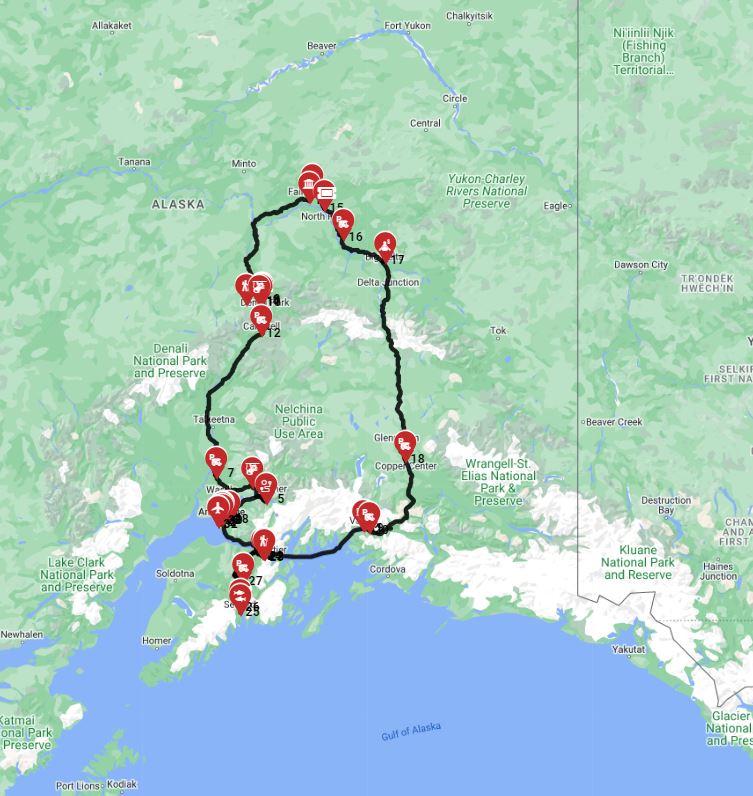
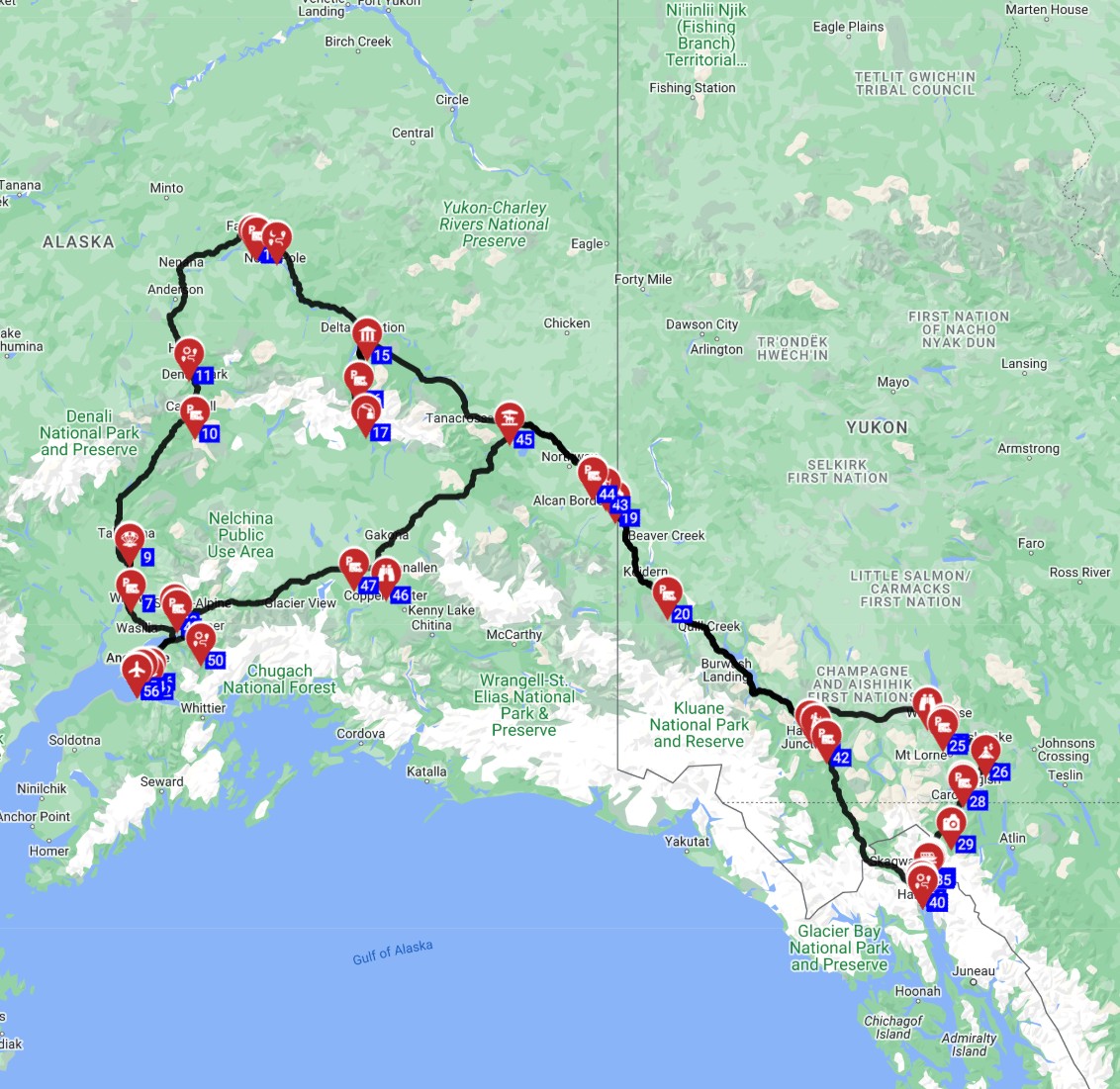
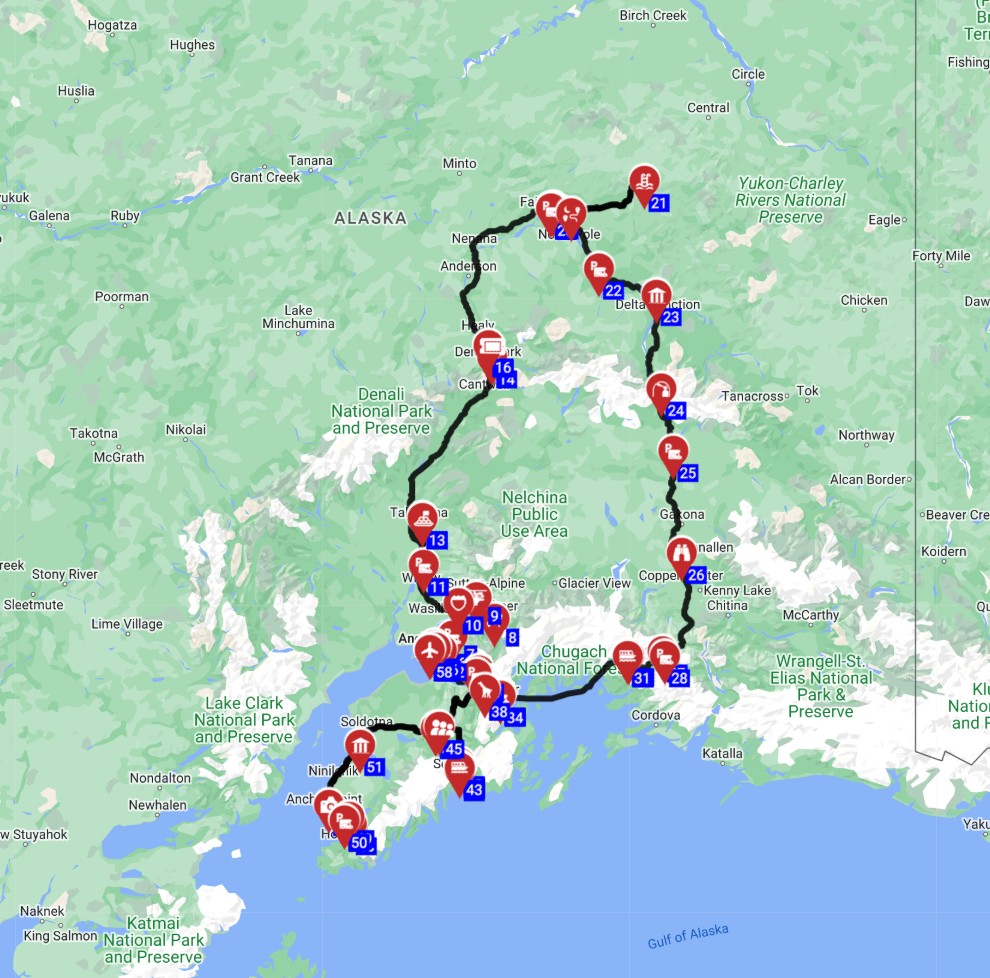
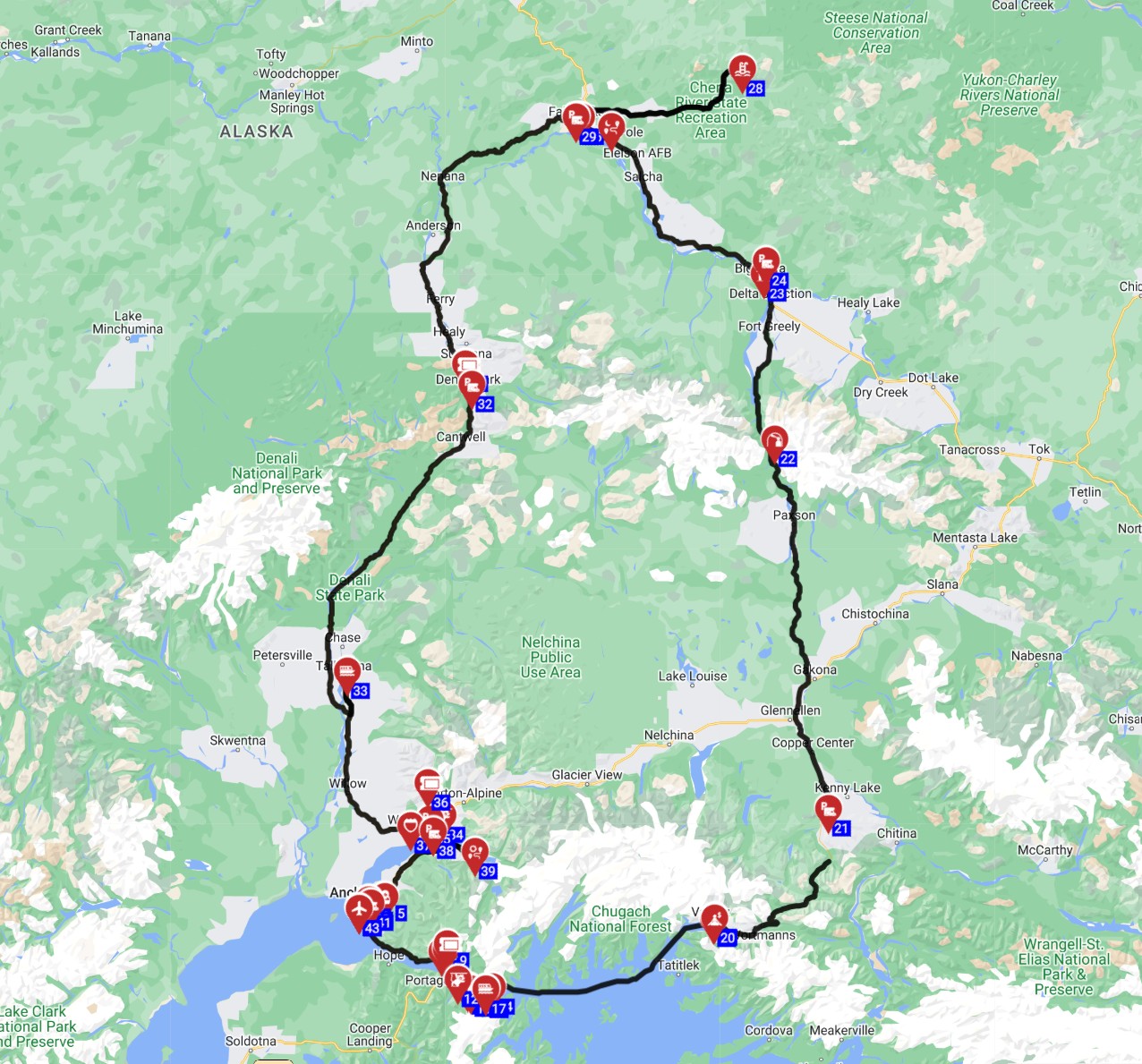
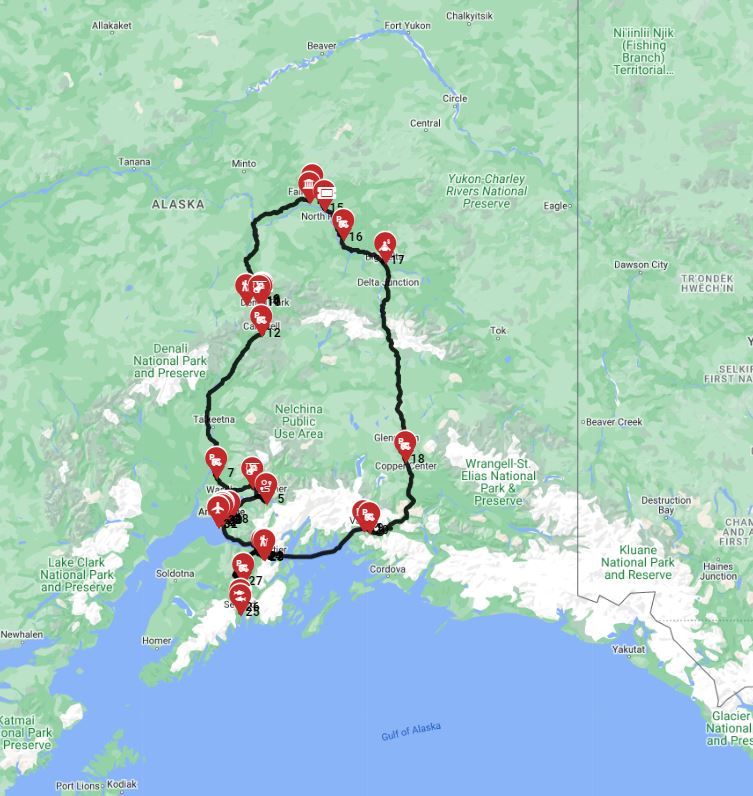
For an even more comprehensive and professionally crafted RV adventure through Alaska, consider leveraging the expertise found on RV PLANET (rvplan.net). These pre-planned itineraries take the guesswork out of route planning, providing detailed daily stops, attractions, and practical tips.
For example, the "
For a truly extensive RV adventure combining Alaska with the breathtaking Canadian Yukon, the "
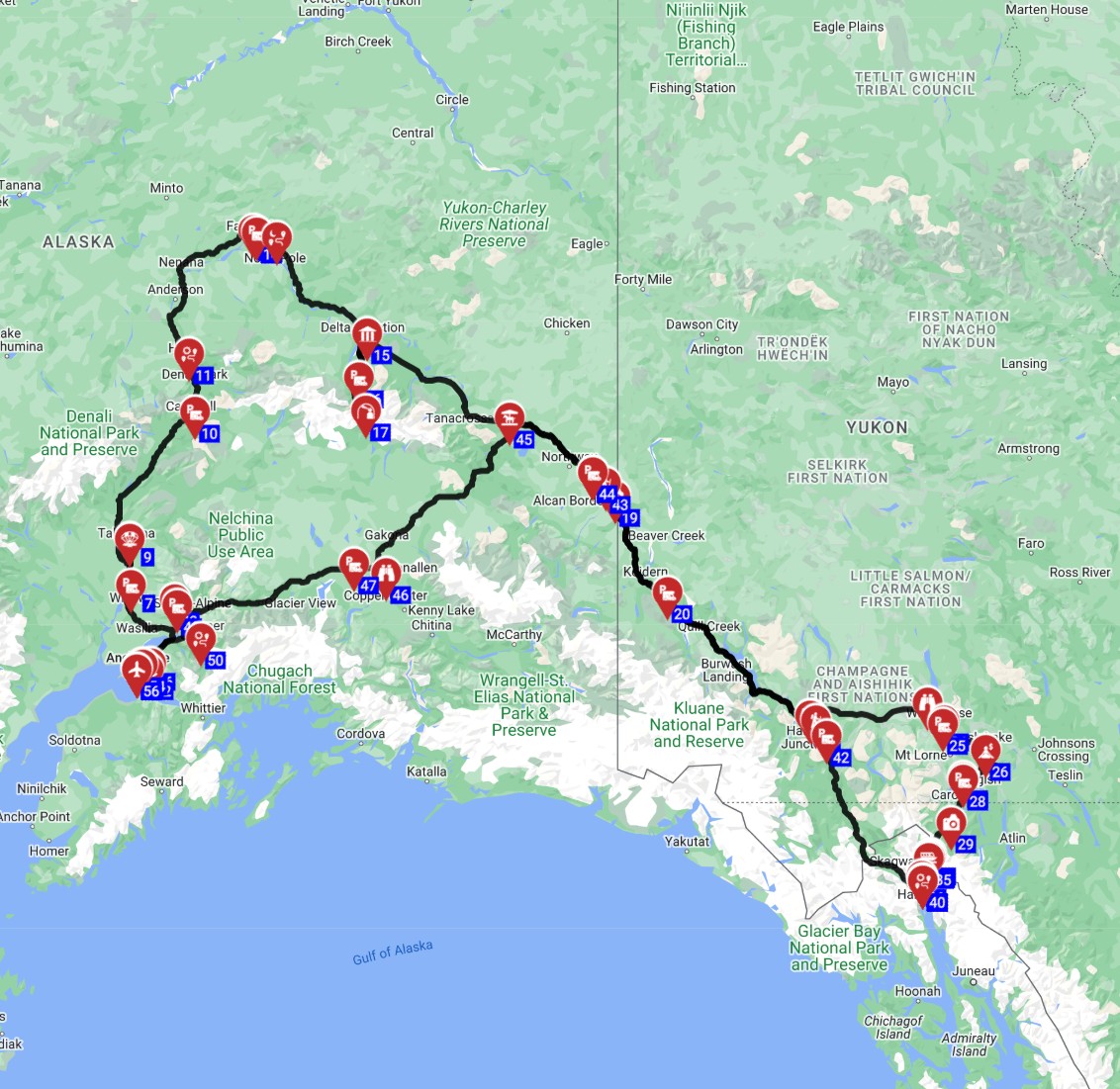
Another excellent option is the "
What You Shouldn't Miss
Looking for expert insights from Avi Bandana? Here are top adventures and recommendations from our founder:
- Traditional Visit: The Alaska Native Heritage Center near Anchorage offers a profound insight into Alaska's indigenous cultures, a truly enriching experience that connects you with the state's deep history and vibrant traditions.
- Traditional Restaurant / Fine Dining: While on the road, make sure to seek out a local eatery that offers fresh Alaskan seafood, such as wild-caught salmon or succulent halibut. This is an authentic taste of the region that simply cannot be missed. When you're preparing your own meals in your rented motorhome, don't forget to check out our RV-friendly recipes playlist for delicious and easy meal ideas on the go.
- Historical Site: The Independence Mine State Historical Park, located in Hatcher Pass, provides a fascinating glimpse into Alaska's gold mining past. With well-preserved buildings and scenic trails, it's a step back in time.
- Museum: The University of Alaska Museum of the North in Fairbanks is Avi Bandana's pick for understanding Alaska's natural and cultural history, housing impressive collections from diverse ecosystems and historical periods.
- Natural Feature: Don't miss the opportunity to witness a glacier up close. A boat cruise to Kenai Fjords National Park or a guided trek on the Matanuska Glacier offers breathtaking views and unique, immersive experiences that define the Alaskan landscape.
Daily Driving Distances & Drive Times in Alaska
Avi Bandana recommends a maximum of 100 miles or 150 km per day on average when RVing in Alaska, allowing for ample sightseeing, spontaneous stops, and relaxed travel. This slower pace ensures you can fully appreciate the stunning scenery and react to wildlife on the road, which is a common and exciting occurrence in Alaska.
Driving slowly and carefully is key to an enjoyable and safe Alaskan RV trip. For example, the journey from Anchorage to Seward, approximately 200 km (125 miles), typically takes about 2.5 to 3 hours of driving, but you should always plan for a full day to accommodate stops for photography, short hikes, and wildlife viewing. Similarly, the 200 km (125 miles) from Fairbanks to Denali National Park Entrance might take around 2.5 hours of pure driving, but scenic overlooks and potential wildlife sightings will extend this considerably. A shorter drive like Homer to Soldotna, about 120 km (75 miles) and 1.5 hours of driving, is perfect for a leisurely morning, leaving your afternoon free for activities. Remember that the journey is as important as the destination in Alaska.
Best RV Class for This Itinerary - Couple & Family Picks
Choosing the right rented RV for your Alaskan adventure depends on your group size and travel style. Bandana Caravan offers a diverse fleet to suit every need.
For Couples: Class B - Camper Van
Class B campervans are an excellent choice for couples exploring Alaska due to their compact size and efficiency. Bandana’s global fleet average for Class B Camper Vans shows them averaging 5.8 meters in length, with sleeping places for 3.2 and comfortably accommodating 2.7 adults. Their common fuel consumption is around 8-10 Liter/100 Km, which is efficient for exploring Alaska’s scenic routes. These agile vehicles like the rv rental denver example Category Van or a modern V3 (6.36m long, sleeps 2) are ideal for navigating smaller roads, parking in tighter spots, and offer excellent fuel efficiency, making them perfect for couples seeking adventure and flexibility.
For Families: Class C - Alcove
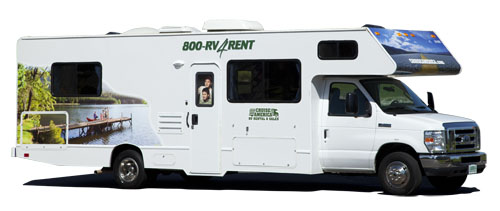
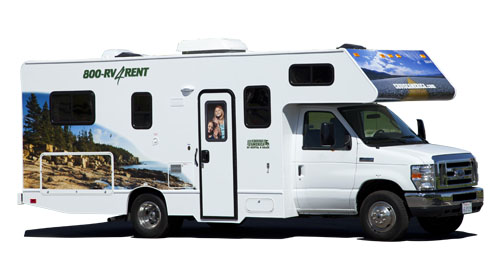
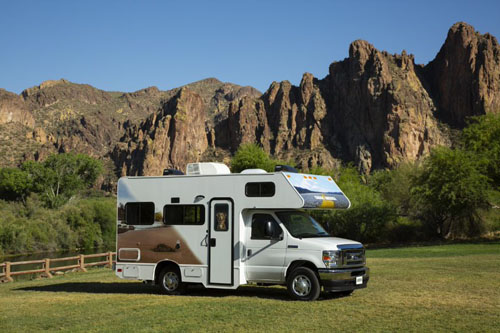
For families or groups of 4-6, a Class C motorhome provides the perfect blend of space and maneuverability. Bandana’s global fleet average for Class C Alcove RVs indicates an average length of 7.5 meters, with ample sleeping places for 5.8 and typically accommodating 4.4 adults. Their common fuel consumption ranges from 10-12 Liter/100 km. Vehicles such as the cruise america rv rental example Explorer (7.1m long, sleeps 4) or the 24 Class C Motorhome (7.46m long, sleeps 5) offer more interior space, dedicated sleeping areas (like the convenient alcove above the cab), and sufficient storage for a family's gear, ensuring comfort and convenience on an extended Alaskan journey. Drive slowly and carefully, and you can drive almost anywhere without issues. No need to stress - just use common sense and pay attention.
To simplify your Alaskan RV adventure, consider Bandana RV's "Rent&Plan" service, especially if you're looking for last-minute RV itinerary in Alaska. This combines your RV rental with a professionally designed itinerary by travel experts, providing full access to trip-planning software, and removing the stress of meticulous route planning. This allows you to explore RV PLANET routes to itemize and track every expense along the way for easy budgeting. On the routes offered through RV PLANET routes, you can itemize and track every expense along the way for easy budgeting.
What is the 3-3-3 rule for RV travel?
The 3-3-3 rule for RV travel recommends driving no more than 300 miles (approximately 480 km) in a single day, arriving at your destination by 3 PM, and staying for at least 3 days at each location.
This guideline promotes a slower, more enjoyable pace, significantly reduces driver fatigue, allows ample time to explore each location thoroughly, and ensures you have daylight hours for setting up camp, which is especially beneficial in Alaska's remote areas. Adhering to this rule helps prevent burnout, allows for unexpected stops at scenic points, and minimizes the risk of driving after dark, which can be dangerous due to wildlife on Alaskan roads. While a useful guideline, Avi Bandana recommends an even more relaxed pace of 100 miles/150 km per day for Alaska, prioritizing immersion over mileage and ensuring you truly savor the experience.
What is the best route to Alaska by RV?
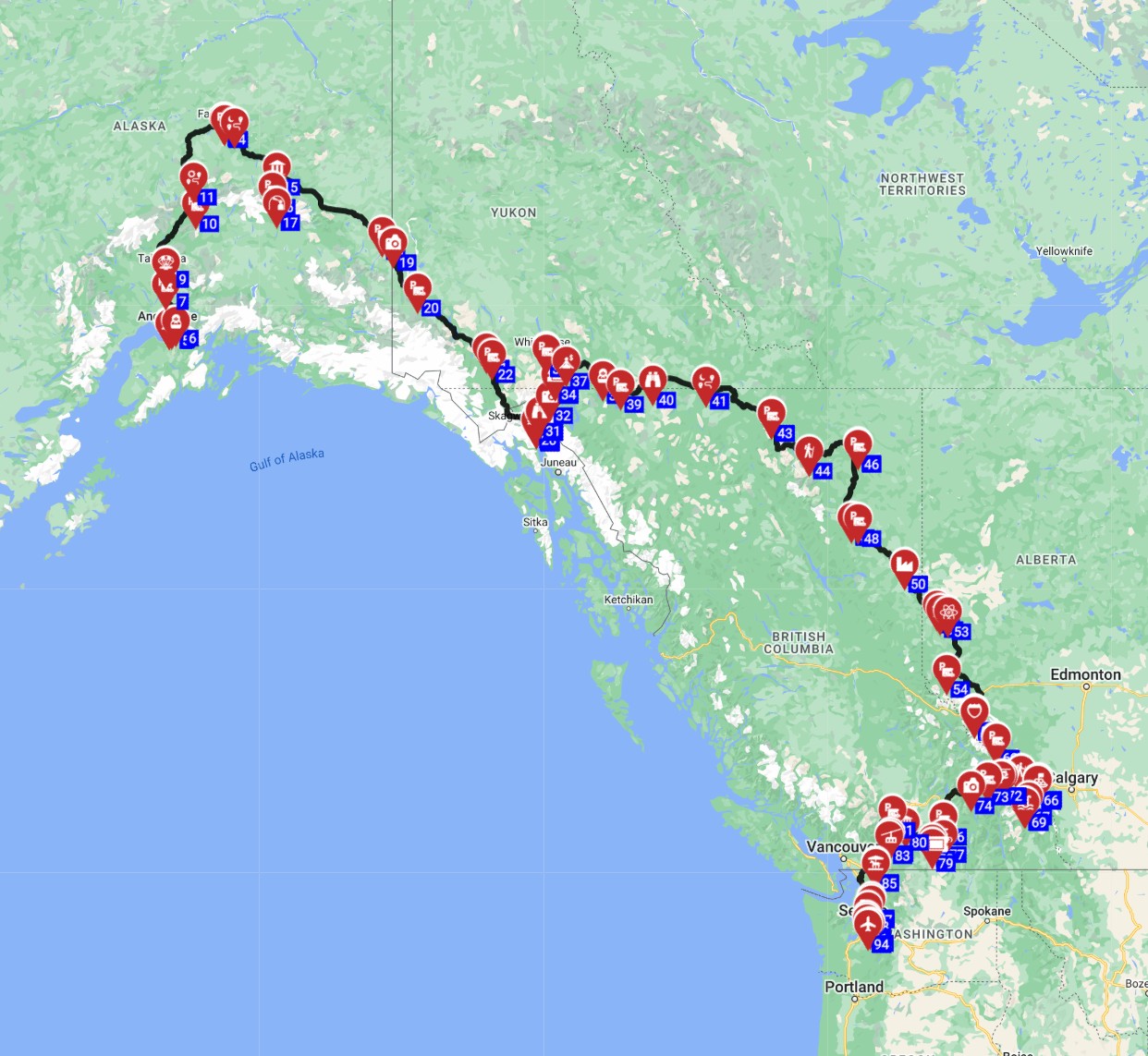
The undisputed best route to Alaska by RV is the iconic Alaska Highway (ALCAN Highway), a roughly 2,200 km (1,370 mile) journey from Dawson Creek, British Columbia, Canada, to Delta Junction, Alaska, offering unparalleled scenery and abundant wildlife.
This legendary route provides access to numerous provincial parks and campgrounds along the way, making it a rite of passage for many RVers. When planning this journey, travelers must ensure they have valid passports for all individuals (including children) for both Canadian and US customs. If you are traveling with pets, carry current vaccination records (especially rabies) and a vet-issued health certificate. Be aware of prohibited items, such as firearms, certain plants, and raw agricultural products, which can lead to delays at the border. For smooth travel, consider reading our "RV Rental USA - Complete Guide 2026" for broader North American travel tips.
Connectivity and emergency solutions are critical on the Alaska Highway, as cell service is sparse in many sections. Consider bringing a satellite communication device like a Garmin InReach or subscribing to a portable Starlink service for emergencies and staying connected. Always download offline maps and carry physical maps as a backup. Furthermore, ensure your rented RV is mechanically prepared with a pre-trip inspection, and pack essential spare parts (like extra fuel filters, belts, and hoses). Knowing reputable roadside assistance options along the route is also vital, as services can be few and far between in remote areas.
🎬 Video coming soon
What is the best time of year to RV to Alaska?
The best time of year to RV to Alaska is from late May through mid-September, offering the warmest weather, longest daylight hours, and full accessibility to roads and attractions, ideal for a memorable adventure.
June and July provide the longest days, including the famed midnight sun, and are prime for wildlife viewing, though these months are also the busiest and most expensive. Late May and early June offer lush landscapes with fewer crowds, while late August and early September bring stunning fall colors and increased chances to see the Northern Lights as the nights grow longer. These shoulder seasons can also offer better rates for your rented campervan or motorhome. For specific offers, check our "RV Rental Deals in Alaska - Latest Offers 2026".
Comprehensive wildlife encounter safety protocols are paramount in Alaska. Always carry bear spray (and know how to use it) when hiking, and store all food and scented items in bear-resistant containers or inside your hard-sided RV. Make noise on trails to avoid surprising animals, and always maintain a safe distance from all wildlife (at least 25 yards for most animals, 100 yards for bears). Never feed animals. Be vigilant, especially during dawn and dusk, when many animals are most active. Realistic budgeting and costs are crucial, as Alaska is generally more expensive than the lower 48 states. Factor in higher fuel costs, variable campground fees (which average $20-50/night, especially in peak season or private parks), potential ferry costs if using the Alaska Marine Highway System, and admission to popular attractions. A contingency fund for unforeseen repairs or emergencies is highly recommended to ensure peace of mind, especially if you opt to upgrade to our top-level deductible reimbursement for extra confidence on the road.
What is the 4-4-4 rule for RV travel?
The 4-4-4 rule for RV travel, a variation of the 3-3-3 rule, advises RVers to drive no more than 400 miles (approximately 640 km) in a single day, arrive at your destination by 4 PM, and stay for at least 4 nights at each stop.
Similar to its counterpart, this guideline emphasizes a relaxed pace, allowing more time for exploration and minimizing travel stress, particularly beneficial on long hauls or when traversing diverse landscapes like those found in Alaska. While offering more flexibility in daily mileage compared to the 3-3-3 rule, it still prioritizes settling into a location for a longer duration, reducing the frequency of setting up and breaking down camp. For an Alaskan journey, Avi Bandana still advises a maximum of 100 miles/150 km per day to truly savor the experience and allow for unexpected wildlife encounters or scenic stops.
Whether you're looking for a "Weekly RV Rental in Alaska - Pricing 2026" or an extended two-week trip, planning for these relaxed driving distances ensures you don't rush through Alaska's incredible scenery.
What should I not miss in Alaska?
Beyond the well-known hotspots, ensure you don't miss opportunities for unique local and cultural experiences that truly define Alaska, connecting you deeply with its spirit.
Seek out lesser-known local festivals, such as the Girdwood Forest Fair in July or the quirky Talkeetna Moose Dropping Festival, also in July, or explore regional Native Alaskan cultural celebrations for an authentic glimpse into local life. Utilize apps like iOverlander or speak with locals at visitor centers to find hidden scenic overlooks that offer spectacular, less-trafficked vistas of glaciers, fjords, or mountain ranges. Look for opportunities for local interaction; visit small-town markets, local pubs, or coffee shops to chat with Alaskans, or even participate in a local fishing derby or community potluck if invited. For unique wildlife encounters, consider guided tours for specific species, like bear-viewing excursions in Katmai National Park, or sea kayaking among seals and otters in Resurrection Bay. For a truly immersive cultural experience, venture to smaller village museums or Native cultural centers beyond Anchorage to learn directly from indigenous communities, like the Sheldon Museum and Cultural Center in Haines. These experiences go beyond the typical tourist traps, offering genuine connections with the Alaskan way of life.
Can I park my RV anywhere in Alaska?
No, you cannot park your RV just anywhere in Alaska; it's crucial to understand specific regulations for legal and safe overnight parking and dispersed camping, as rules vary by land type.
Dispersed camping (boondocking) is generally permitted on designated areas of Bureau of Land Management (BLM) lands and in National Forests, typically away from developed campgrounds and services. However, specific restrictions apply, so always check local signage or contact the ranger district for current rules and fire bans before settling in. Parking overnight on private property without permission is trespassing, and many cities and towns have ordinances prohibiting overnight RV parking in public spaces (e.g., many Walmart parking lots in Alaska do not permit overnight stays). Always ask for permission or look for designated RV parks or campgrounds.
Within National Parks and Preserves, such as Denali, Wrangell-St. Elias, or Kenai Fjords, overnight parking is typically restricted to official campgrounds only. While dispersed camping may be allowed in wilderness areas with a permit, this is generally not for RVs. For finding reliable campsites and campgrounds during your trip, we recommend using RV PLANET (rvplan.net) - a great resource for locating available spots along your route, including details on whether they accommodate larger Class A motorhomes or smaller campervans. Always practice Leave No Trace principles: pack out everything you pack in, minimize your impact, and respect wildlife and local communities.
Final Thoughts
An RV adventure in Alaska is truly a journey of a lifetime, offering unparalleled freedom to explore stunning landscapes and encounter incredible wildlife at your own pace. Even if your plans come together at the last minute, remember that spontaneity often leads to the most memorable experiences. With plenty of first-come-first-serve campsites available in many parks, you'll find your spot in the wilderness. Call ahead if you're unsure, and if not at the first campground, then the next one!
At Bandana RV, we're dedicated to making your Alaskan dreams a reality, ensuring full transparency in pricing and providing reliable support every step of the way. Whether you choose a nimble campervan for two or a spacious motorhome for the whole family, we’re here to help you discover top destinations and plan a trip itinerary with minimal effort and maximum enjoyment.
So, get inspired for your next trip! The wild beauty of Alaska awaits, ready to be explored from the comfort and convenience of your rented RV. Your great Alaskan road trip is just a click away.