For live availability and current prices, start with our RV Rental West Canada - Complete Guide 2026 guide.
In This Guide
- Can You Drive an RV in West Canada? License & Age Rules
- Road Conditions & Terrain in West Canada
- RV Size Limits, Bridges & Restricted Zones
- Fuel: Diesel vs. Petrol & Cost per 100 km
- Tolls, Vignettes & Border Rules
- Driving Tips for last minute rv rental Travelers
- Recommended RV Class for West Canada Roads
- Should I Choose a Compact Van Instead of a Large RV in West Canada?
- Can I Park Anywhere? Free & Wild Camping Rules in West Canada
- Can I Drive an RV Into the City Center? Heights, Tunnels & Local Signage
- What are the hidden costs of a last-minute RV rental in West Canada, beyond the daily rate?
- Is last-minute RV rental in West Canada possible during shoulder or off-season, and what are the benefits?
- What are unique camping experiences beyond RV parks for last-minute rentals in West Canada?
- Are there challenging RV routes in West Canada that require special preparation?
- What are the logistics and costs for taking an RV on ferries in West Canada (e.g., to Vancouver Island)?
- What are essential wildlife safety tips for RVers in West Canada?
- What is cell service and Wi-Fi like in remote West Canada for RV travelers?
- How can I discover local culture and unique food experiences during an RV trip in West Canada?
- Top Cities for RV Rental in West Canada
- General Road Rules & Emergency Information for West Canada
- RV Rental Planning & Booking Process in West Canada
- RV Rental Essentials: Packing & What's Included
- Common Mistakes for First-Time RV Renters in West Canada
Embarking on a last-minute RV adventure through West Canada offers unparalleled freedom to explore breathtaking landscapes, from the rugged Pacific coastline of British Columbia to the majestic peaks of the Canadian Rockies. Imagine yourself waking up to the serene sounds of nature, brewing coffee in your rented campervan, and setting off on a new trail, all at your own pace. With Bandana RV, we believe in making this dream accessible, ensuring full transparency in pricing with no hidden fees and offering 24/7 support to assist you before and after your booking. For live availability and current prices, start with our RV Rental West Canada - Complete Guide 2024 guide, which is a fantastic resource for planning your journey.
Can You Drive an RV in West Canada? License & Age Rules
A standard Class 5 (or equivalent) driver's license is typically sufficient for driving most rental RVs under 11,000 kg (24,250 lbs) in West Canada, covering the vast majority of available vehicles. The minimum driver age for RV rentals in West Canada is commonly 21, though some larger Class A motorhome rental providers may have a minimum age requirement of 25. Foreign drivers should always carry their valid home country license, and while not always legally required if the license is in English or French, an International Driving Permit (IDP) is highly recommended for clarity and ease of communication with local authorities or in case of an accident. You'll find that our direct partnerships with over 50 leading RV suppliers worldwide, including trusted names like El Monte and Cruise America, means we can help you navigate these requirements smoothly.
Road Conditions & Terrain in West Canada
West Canada features diverse road conditions, ranging from well-maintained Trans-Canada highways to winding mountain passes and occasional gravel roads, particularly in more remote provincial parks or backcountry areas. Drivers should expect varying terrain, including flat prairies in Alberta, scenic coastal highways in British Columbia, and significant elevation changes through the Rocky Mountains, which require careful driving. Encouraging a slow, scenic pace allows travelers to fully appreciate the stunning landscapes and safely navigate diverse road conditions, especially with a larger rented RV; aim for an average of 100-150 km per day to truly immerse yourself in the journey.
RV Size Limits, Bridges & Restricted Zones
West Canada generally accommodates large RVs, but drivers must be mindful of posted height and weight restrictions, particularly for older bridges, tunnels, and certain urban underpasses. For example, some city centers might have parking garages with clearances as low as 2.2 meters (7.2 feet), making them unsuitable for most motorhomes. Ferry travel, especially for popular routes like those to Vancouver Island, has specific length and height limits for vehicles, and booking well in advance for RVs is crucial due to limited space and to understand associated costs. While environmental zones are not widespread for general RV access in West Canada, some specific national or provincial park areas might have vehicle length restrictions or require special permits, so always check park regulations before entry.
Fuel: Diesel vs. Petrol & Cost per 100 km
Most rental RVs in West Canada operate on either diesel or petrol, with Bandana's global fleet averages indicating common fuel consumption ranging from 8-12 Liters/100 km, depending on the RV class and driving conditions. Diesel is widely available at most major fuel stations, though petrol stations are more prevalent, especially in more remote regions where fuel stops can be less frequent. Budgeting approximately CAD $15-25 per 100 km for fuel is a reasonable estimate for your last-minute RV trip, and some RV rental companies may offer fuel discount cards or loyalty program perks on specific vehicles. For a detailed breakdown of all your trip expenses, including fuel and ancillary costs, remember that RV PLANET routes allow you to itemize and track every expense along the way for easy budgeting, a feature that highlights our commitment to full transparency. On the routes offered through RV PLANET routes, you can itemize and track every expense along the way for easy budgeting.
Tolls, Vignettes & Border Rules
West Canada has relatively few toll roads compared to other international destinations; most major highways, including significant portions of the Trans-Canada Highway, are toll-free. Specific bridges or express lanes in urban centers, such as certain routes around Vancouver (e.g., the Golden Ears Bridge or Port Mann Bridge), might incur electronic tolls that often require online payment or a pre-purchased pass to avoid fines, so check these details if your last-minute route takes you through these areas. For border crossings into the United States, ensure all passengers have valid passports, the RV's registration and rental agreement are on hand, and be aware of regulations regarding bringing certain goods across the border. Always confirm with your rental provider if there are any restrictions on cross-border travel.
Driving Tips for last minute rv rental Travelers
Prioritize safety: Always maintain a greater stopping distance and reduce speed, especially on winding mountain roads or in adverse weather, given the rented RV's size and weight. Familiarize yourself quickly: Even on a last-minute rental, take time to understand the RV's dimensions, mirror adjustments, and dashboard controls before hitting the road. Plan a basic itinerary: While embracing spontaneity, have a general idea of your route and potential overnight stops, as popular campsites fill quickly, even for spontaneous trips, and calling ahead before driving is always a smart move. Prepare for remoteness: Carry sufficient water, snacks, and a basic emergency kit, as services can be sparse on some West Canada routes, particularly in the northern regions. Stay connected: Ensure you have a reliable communication method for emergencies, as cell service can be spotty in remote areas, and consider an offline map.
Recommended RV Class for West Canada Roads
For West Canada roads, Class B Camper Vans and Class SI Semi-integrated RVs are highly recommended for their balance of maneuverability on diverse terrain and comfortable amenities, offering average lengths of 5.8m and 6.9m respectively within Bandana's global fleet. Class B Camper Vans, such as a "Category Van" or "Van - Economy" (often around 6.5m in length), are excellent for couples or solo adventurers, providing easy handling on winding roads and better access to smaller campsites. Class SI Semi-integrated RVs (average length 6.9m), like a "2 Berth Rover" or "Active Standard Auto," offer more interior space for small families (averaging 3-4 adults) while remaining manageable for highways and most provincial park roads, making them a popular choice for those seeking a balance of comfort and agility. If you're comparing options, consider our "RV Rental in West Canada - Prices and Best Deals 2026" guide.
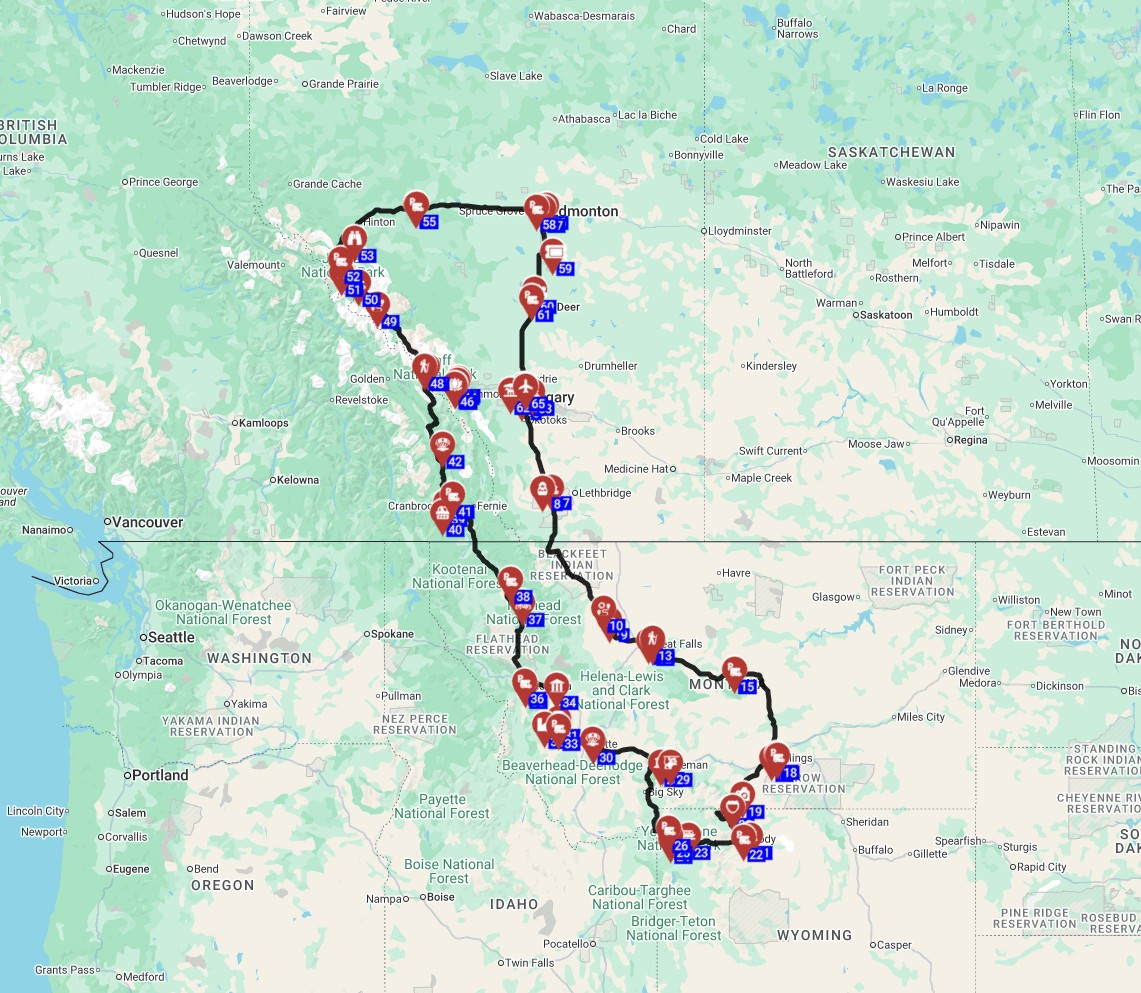
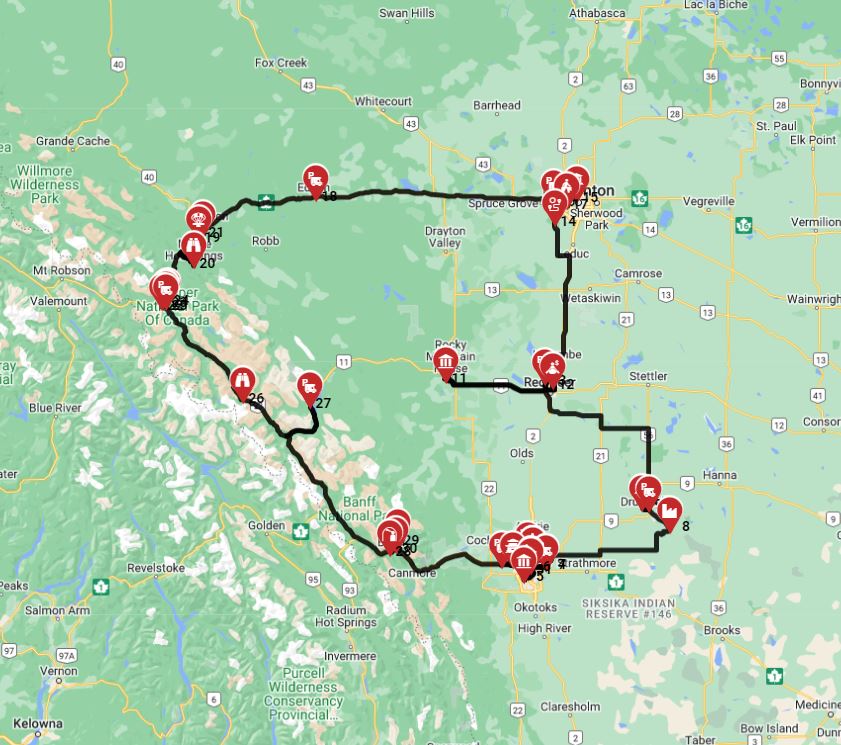
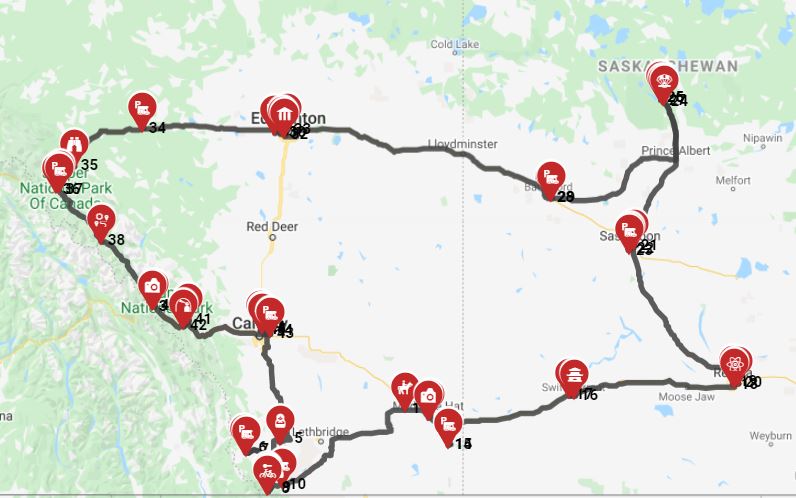
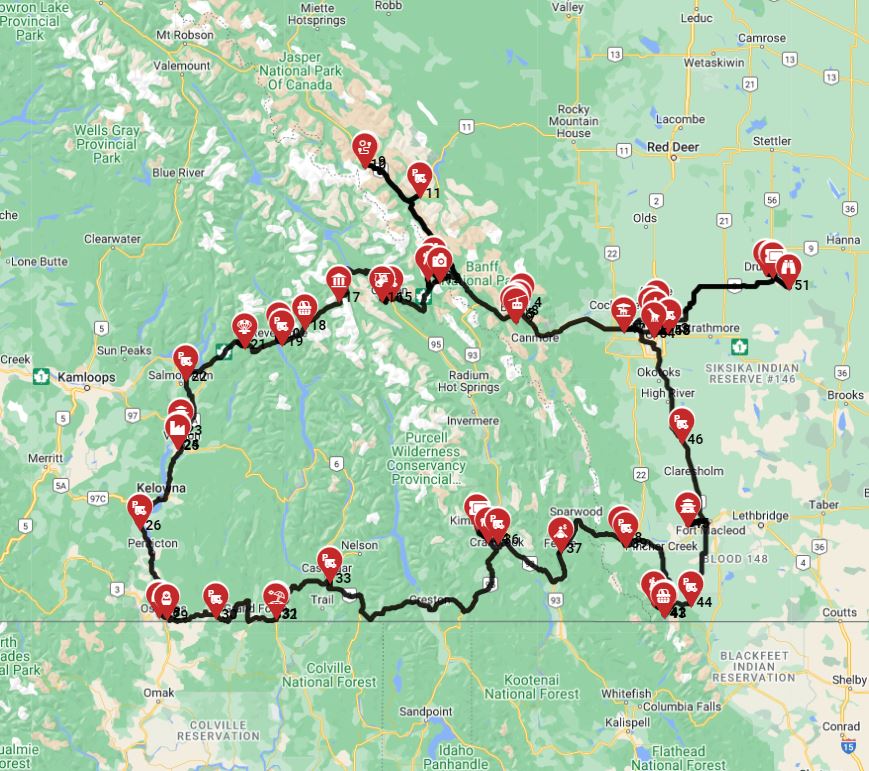
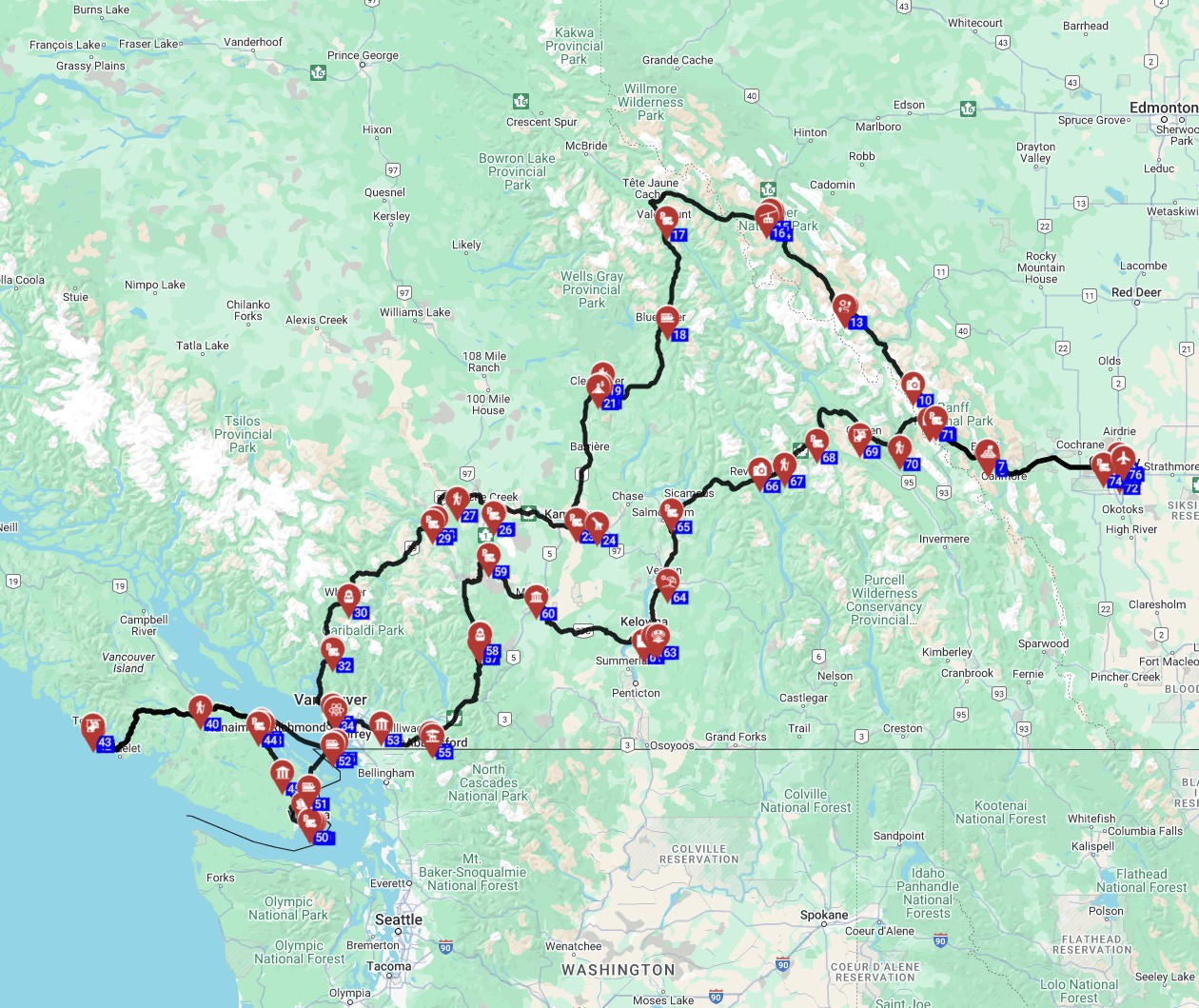
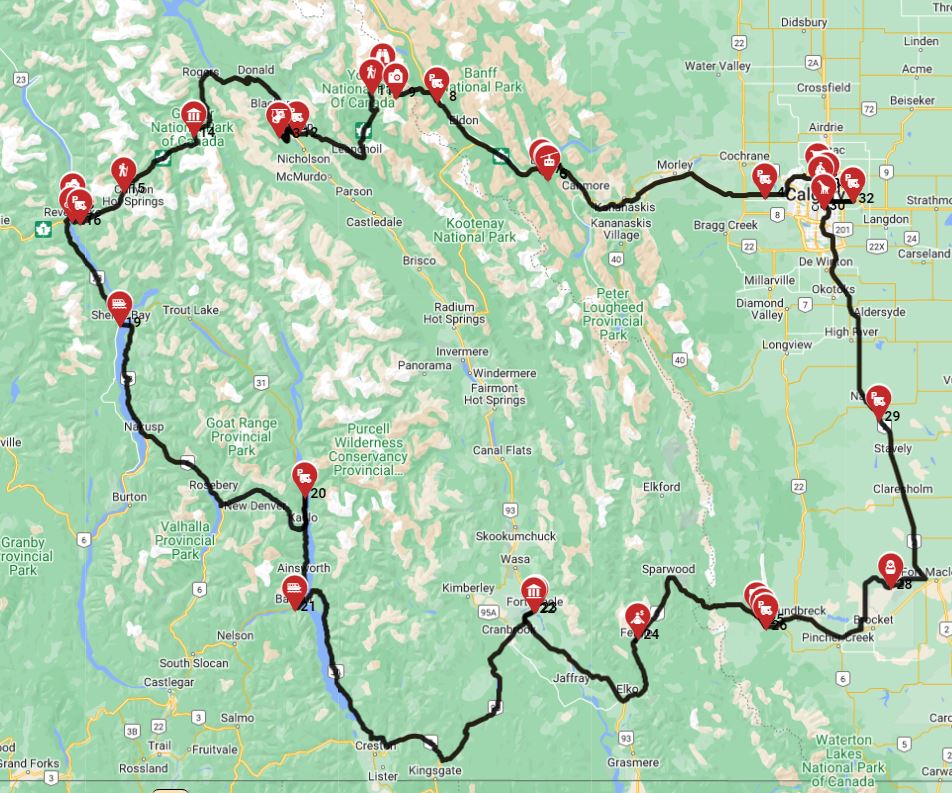
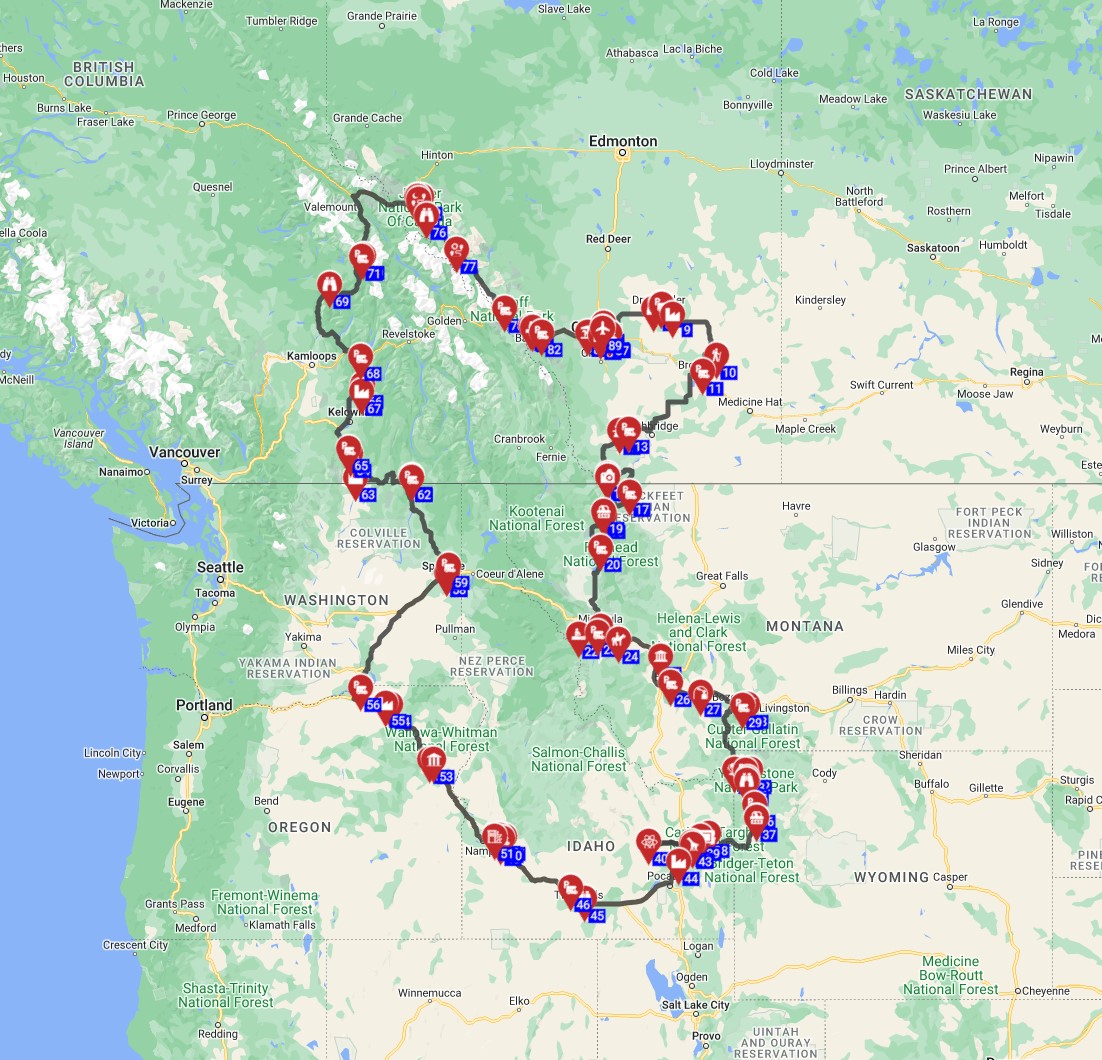
This 19-day, 2659 km route plan will give you a fantastic feel for the region and help you identify the ideal RV size. You'll visit 3 bike rental locations and 4 points of interest, perfectly suited for a Class B or Class SI rented motorhome.
Should I Choose a Compact Van Instead of a Large RV in West Canada?
While a compact van offers slightly easier maneuverability and improved fuel efficiency, most RV sizes are perfectly suitable for West Canada's main roads and highways, and a larger RV often provides superior comfort and living space for your adventure. The trade-off between a compact van and a larger RV often favors the latter for comfort on longer trips, particularly when traveling with family; for example, a Class C Alcove like the "MHC24" averages 7.3m length and easily accommodates 4-6 adults, offering ample fresh water (150 Liters) and waste water (210 Liters) capacity. A compact van, such as a "hire campervan example Paradise S/T" (small, ideal for a couple), genuinely helps in rare situations like navigating exceptionally tight historic centers or very narrow, unpaved mountain passes, but these are less common on popular West Canada RV routes. Drive slowly and carefully, and you can drive almost anywhere without issues. No need to stress - just use common sense and pay attention.
Can I Park Anywhere? Free & Wild Camping Rules in West Canada
Free or wild camping (boondocking) in West Canada is generally permitted on Crown land (public land) in designated areas or where not expressly prohibited, though specific regulations vary significantly by province and municipality. In British Columbia and Alberta, opportunities for dispersed camping can be found on certain Forestry Service Roads or within Public Land Use Zones, often requiring research into local rules and strict adherence to 'leave no trace' principles to protect the environment. Rules vary by region- always check local regulations and follow provincial and municipal laws before parking overnight, and be aware that overnight parking in urban areas or on private land without permission is typically prohibited. For finding campsites and campgrounds during your trip, we recommend using RV PLANET (rvplan.net) - a great resource for locating available spots along your route, ensuring you always find a legitimate place to stay.
Can I Drive an RV Into the City Center? Heights, Tunnels & Local Signage
Yes, driving an RV into most city centers in West Canada is generally feasible, but drivers must pay close attention to local signage regarding height restrictions for tunnels, parkades, and low bridges. Cities like Vancouver and Victoria have numerous parkades that are unsuitable for RVs due to height limits (often under 2.5 meters or 8 feet), making street parking or designated RV-friendly lots the preferred options. Always know your RV's exact height and width, and consider using an RV-specific GPS that can route you around low clearances and restricted zones to avoid potential issues. Drive slowly and carefully, and you can drive almost anywhere without issues. No need to stress - just use common sense and pay attention.
What are the hidden costs of a last-minute RV rental in West Canada, beyond the daily rate?
Beyond the dynamic daily rental rate, hidden costs for a last-minute RV trip in West Canada can include significant fuel expenses (averaging CAD $15-25 per 100 km for an RV consuming 8-12 Liters/100km), provincial and national park entry fees (e.g., a Parks Canada Discovery Pass for CAD $151.25 per family for a year), specific permits for activities like fishing or backcountry access, and potentially higher ferry costs for Vancouver Island if not booked well in advance. Factor in expenses for propane refills (a 20lb tank might cost CAD $25-30 to fill), dumping fees at non-campground locations (typically CAD $5-10), potential generator usage fees (often CAD $3-5 per hour), and the cost of additional insurance coverage or a refundable security deposit (which can range from CAD $1,500-$7,500). Budget for consumable supplies like linens, cooking utensils (if not included in your "camper for rent example Alcove" or similar rental, they might be an extra CAD $50-100), and fluctuating grocery prices, which can quickly add up on a spontaneous trip. Remember, with Bandana, we pride ourselves on full transparency, so you'll know all potential costs upfront, avoiding surprises.
Is last-minute RV rental in West Canada possible during shoulder or off-season, and what are the benefits?
Yes, securing a last-minute RV rental in West Canada is often more feasible and potentially more affordable (with savings of 10-25% on daily rates) during the shoulder seasons (spring: April-May and fall: September-October) or off-season (winter: November-March) compared to the peak summer months (June-August). Benefits of shoulder/off-season travel include significantly fewer crowds at popular attractions and national parks, potentially lower campsite fees (e.g., provincial campgrounds might drop from CAD $35/night to $20/night), and unique activity opportunities like autumn foliage viewing or early spring hiking. However, challenges may include some campgrounds being closed, reduced hours for certain attractions, and variable weather conditions that require specific vehicle preparations like winter tires or antifreeze protection for your rented motorhome. Our team can help you find suitable "RV Rental Deals in West Canada - Latest Offers 2026" during these periods.
What are unique camping experiences beyond RV parks for last-minute rentals in West Canada?
Beyond standard RV parks, West Canada offers unique camping experiences for last-minute rentals through provincial recreation sites, boondocking on Crown land where permitted, or exploring private land options via platforms like Hipcamp. Many provincial recreation sites, particularly in British Columbia, offer rustic, often first-come, first-served camping with fewer amenities but more natural settings, perfect for spontaneous stays, and some are even free. These sites can be accessed by a "Category Van 4x4" or even a mid-sized "Explorer" Class C motorhome. Consider seeking out unique glamping options or themed campgrounds that provide a distinct experience beyond traditional RV facilities, such as those focusing on equestrian activities or unique wilderness settings. Even during peak season, many national and provincial parks reserve 25-30% of their spots for first-come-first-served arrivals, so you'll find a spot; if not at the first campground, then the next one. Always call ahead before driving.
Are there challenging RV routes in West Canada that require special preparation?
Yes, some challenging RV routes in West Canada, such as sections of the Alaska Highway in Northern BC and the Yukon or high mountain passes in the Canadian Rockies like Kootenay Pass (1,774 meters or 5,820 ft), require special preparation beyond standard RV travel. For these routes, ensure your rented RV is in excellent mechanical condition, has good tires (winter tires might be legally required from October 1 to April 30 on certain BC highways), and consider carrying spare parts, extra fuel, and an extensive emergency kit due to long stretches between services and potential for remote conditions. Driving tips for large RVs on challenging terrain include practicing defensive driving, using lower gears on steep descents to prevent brake fade, and being highly aware of sudden weather changes that can impact road conditions, which is crucial for safely navigating a "Denali Searcher 30 - Gold" Class C motorhome. For more practical advice, consult the "RV Travel Guide to West Canada - Tips and Top Spots 2026".
What are the logistics and costs for taking an RV on ferries in West Canada (e.g., to Vancouver Island)?
Taking an RV on ferries in West Canada, particularly BC Ferries to Vancouver Island, requires booking well in advance, especially during peak season, due to limited vehicle deck space for oversized vehicles. Costs for RVs are determined by the vehicle's total length (including anything towed) and the number of passengers; for example, a 7.5-meter RV could cost CAD $70-$120 one-way from Tsawwassen to Swartz Bay, plus passenger fares of around CAD $20 per adult. Longer vehicles incur significantly higher fares than standard cars. Arrive at the terminal at least 30-60 minutes before your scheduled sailing to allow ample time for check-in and staging, and be prepared for potential delays during busy periods. Check the BC Ferries website for specific vehicle length categories and up-to-date pricing, as ferry rates are dynamic like RV rental prices.
What are essential wildlife safety tips for RVers in West Canada?
Essential wildlife safety tips for RVers in West Canada include storing all food, garbage, and scented items inside your rented RV or in bear-proof containers, never feeding wildlife, and maintaining a safe distance (at least 30 meters from elk/deer and 100 meters from bears) from animals. In bear country, always carry bear spray and know how to use it, make noise while hiking, and be alert for signs of wildlife; report any aggressive animal encounters to park authorities immediately by calling 911 (Canada's national emergency number). Properly disposing of all waste, keeping campsites meticulously clean, and securing all edibles-including pet food and cooking supplies from your RV-friendly recipes playlist-are crucial to prevent attracting animals like bears, cougars, and coyotes to your immediate vicinity.
What is cell service and Wi-Fi like in remote West Canada for RV travelers?
Cell service in remote areas of West Canada can be intermittent or completely non-existent for RV travelers, especially outside of major highways and population centers in mountainous or wilderness regions. Major providers like Telus, Bell, and Rogers generally offer the widest coverage, but investing in a satellite messenger device or an RV-specific cell booster can significantly improve connectivity in fringe areas, offering 20-50% better signal strength. While many RV parks and campgrounds offer Wi-Fi, it can often be slow, unreliable (speeds as low as 1-5 Mbps), or available only in common areas; it's advisable to download offline maps, entertainment, and essential information before venturing into remote locations. Consider purchasing a local SIM card (e.g., from Telus or Rogers) upon arrival for better domestic rates and coverage.
How can I discover local culture and unique food experiences during an RV trip in West Canada?
To discover local culture and unique food experiences during an RV trip in West Canada, prioritize visiting farmers' markets (e.g., Granville Island Public Market in Vancouver with over 50 food vendors), roadside diners, and small-town festivals over generic chain establishments. Engage with locals at visitor centers, campgrounds, or small shops for authentic recommendations on regional cuisine, hidden gems, and cultural events specific to the area, like the Calgary Stampede (July). Explore Indigenous cultural centers, local museums, and historic sites to gain deeper insights into the rich heritage of the region, often with unique craft shops or food vendors nearby offering local specialties. Traveling slowly, averaging no more than 100-150 km per day, allows you ample time to feel the place, connect to the culture, the food, and the scenery, making your last-minute RV rental a truly immersive experience.
Top Cities for RV Rental in West Canada
West Canada offers several excellent hubs for starting and ending your RV rental adventure. Each city provides unique access points to different regions and attractions. Here are 5-8 top cities where you can easily pick up a motorhome or campervan for your journey:
- Vancouver, British Columbia: A vibrant coastal city with stunning urban parks and immediate access to ferry routes to Vancouver Island. You can rent a "Campervan for 2 - Automatic" for city exploration or a larger "Euro Deluxe" for family trips.
- Calgary, Alberta: The gateway to the Canadian Rockies, offering quick access to Banff and Jasper National Parks. Ideal for picking up a "Family Sleeper (FS)" for a family adventure.
- Edmonton, Alberta: Further north in Alberta, Edmonton provides a great starting point for exploring more northern routes or heading into the Canadian Prairies. Consider a "Conquest" Class C motorhome from here.
- Victoria, British Columbia: Located on Vancouver Island, Victoria is perfect for those who want to focus on the island's coastal beauty and rainforests. Smaller campervans like the "Active Original" are popular here.
- Kelowna, British Columbia: Situated in the Okanagan Valley, it's known for its lakes, wineries, and outdoor activities, making it a scenic starting point for a "Luxus 4" semi-integrated motorhome.
- Banff, Alberta: While a smaller town, Banff offers direct access to the heart of Banff National Park, although rental options might be more limited than in Calgary. A "Class B 20-22" campervan would be ideal for navigating its roads.
For detailed information on vehicle availability and specific pickup locations in these cities, our platform compares offerings from over 50+ leading RV suppliers worldwide, ensuring you find the perfect match for your last-minute RV rental in West Canada.
General Road Rules & Emergency Information for West Canada
Driving in West Canada generally follows North American road rules, with vehicles operating on the right-hand side of the road. Speed limits are posted in kilometers per hour (km/h), typically ranging from 50 km/h in urban areas to 100-120 km/h on major highways, so always adhere to posted signs. All passengers must wear seatbelts, and children have specific car seat requirements based on age, weight, and height. In case of emergency, dial 911 for police, fire, or ambulance services across all provinces. For roadside assistance specific to your rented RV, refer to the emergency contact information provided by your Bandana RV supplier. While cell service can be spotty in remote areas, major routes are generally covered, making it easier to contact emergency services if needed.
RV Rental Planning & Booking Process in West Canada
Planning a last-minute RV rental in West Canada with Bandana RV is designed to be straightforward and stress-free. First, use our comparison platform to search for available motorhomes and campervans by inputting your desired pickup location (e.g., Vancouver, Calgary) and dates. Our system will display final prices across 50+ suppliers, ensuring full price transparency with no hidden fees or conversion commissions. You can filter by vehicle class-from a compact "rent rv example A1" (ideal for a couple) to a spacious "MHC30" (sleeping up to 9)-and compare features side-by-side. Once you've selected your ideal vehicle, the booking process involves secure online payment and confirmation of your details. Our team is available to assist you before, during, and after your booking, providing personal service from day one. Whether you are a pre-planner who likes everything organized months in advance or a spontaneous traveler booking day-to-day, Bandana is here to support your adventure. For detailed pricing insights, look into "RV Rental in West Canada - Prices and Best Deals 2026" or "Luxury RV Rental in West Canada - Premium Prices 2026".
RV Rental Essentials: Packing & What's Included
When preparing for your last-minute RV trip in West Canada, packing essentials generally include clothing layers suitable for varied weather (even in summer, mountain evenings can be cool), sturdy hiking boots, sunscreen, insect repellent, and personal medications. Many RV rentals typically include basic kitchen amenities (like a gas stove and refrigerator, often with 80-150 Liter capacity), a fresh water tank (ranging from 80-160 Liters), and a waste water tank. However, bedding, towels, and comprehensive cooking sets might be extra add-ons, so always confirm what's included with your specific rental. Consider bringing reusable water bottles to stay hydrated and reduce waste. For those who enjoy cooking on the road, check out our RV-friendly recipes playlist for inspiration. Remember, a top-level deductible reimbursement can be an optional upgrade for extra peace of mind, providing enhanced coverage on your journey.
Common Mistakes for First-Time RV Renters in West Canada
First-time RV renters in West Canada often make a few common mistakes that are easily avoidable. One is underestimating fuel costs and consumption; for example, a larger Class C motorhome like the "Denali Searcher 28 - Bronze" might consume 20-25 Liters/100 km on mountain roads, so budget accordingly. Another mistake is not booking popular national park campsites in advance; while 25-30% are first-come, first-served, the best spots can fill up quickly, especially in areas like Banff or Jasper. Over-planning or rushing your itinerary is also common; remember to travel slowly, averaging 100-150 km per day, to truly enjoy the scenery and culture. Neglecting to check RV dimensions before entering cities or small towns can lead to navigation challenges, so always know your vehicle's height and width. Finally, not being prepared for varying cell service in remote areas can be an issue, making offline maps and backup communication crucial. We, as true RV specialists, help you avoid these pitfalls with our extensive experience and supportive service.
What You Shouldn't Miss
Looking for expert insights from Avi Bandana? Top 5 Adventures - recommendations from Avi Bandana:
- Drive the Icefields Parkway: This legendary 232 km highway (Highway 93N) connects Banff and Jasper National Parks, offering unparalleled views of ancient glaciers, turquoise lakes (like Peyto Lake), and abundant wildlife. It's truly one of the world's most scenic drives.
- Explore Vancouver Island: Take a ferry from mainland BC to discover diverse landscapes, from the wild beaches of Tofino on the west coast to the charming capital city of Victoria. Book your ferry well in advance, especially if traveling with a larger RV.
- Hike in Banff National Park: With over 1,600 km of trails, Banff offers hikes for all levels. Don't miss iconic spots like Lake Louise and Moraine Lake, often accessible with shorter walks from designated RV parking areas.
- Discover the Okanagan Valley's Wineries: Near Kelowna, this sunny region boasts over 170 wineries. Enjoy wine-tasting tours and park your RV at local campgrounds nearby to savor the experience responsibly.
- Visit the Columbia Icefield Skywalk: An exhilarating glass-floored observation platform extending 280 meters (918 feet) over the Sunwapta Valley, providing breathtaking views of the Columbia Icefield. It's a unique and unforgettable stop on the Icefields Parkway.
Final Thoughts
A last-minute RV adventure in West Canada is more than just a trip; it's an invitation to spontaneous discovery and unforgettable memories. With the stunning beauty of the Rocky Mountains, the serene coastlines, and vibrant cities, West Canada truly offers something for every traveler. Don't let the idea of last-minute planning deter you. With the right information and a reliable partner, you can embrace the freedom of the open road and find incredible experiences, even on short notice.
We're here to handle the details, so you can focus on living the journey. Our commitment to transparency, expert knowledge, and supportive service means you're in good hands. So, pack your bags, choose your route, and prepare for an incredible motorhome adventure.
Discover top destinations, planning tips, all in one place! Plan a trip itinerary in advance with minimal effort and maximum enjoyment. Get inspired for your next trip!
🎬 Video coming soon