In This Guide
- Can You Drive an RV in Spain? License & Age Rules
- Road Conditions & Terrain in Spain
- RV Size Limits, Bridges & Restricted Zones
- Fuel: Diesel vs. Petrol & Cost per 100 km
- Tolls, Vignettes & Border Rules
- Driving Tips for last minute rv rental Travelers
- Recommended RV Class for Spain Roads
- Should I Choose a Compact Van Instead of a Large RV in Spain?
- Can I Park Anywhere? Free & Wild Camping Rules in Spain
- Can I Drive an RV Into the City Center? Heights, Tunnels & Local Signage
- What are the best RV routes in Spain for a last minute trip?
- How much does it cost to rent an RV in Spain for a week?
- What are the safety tips for RV travel in Spain?
- Can I travel with pets in an RV in Spain?
- How can I experience true cultural immersion during my RV trip in Spain?
- What are sustainable RV travel practices in Spain?
- What to do in an RV emergency in Spain?
- Top Cities for RV Rental in Spain
- Why Book with Bandana Caravan
- Final Thoughts
- Frequently Asked Questions
Imagine yourself winding through sun-drenched olive groves, parking seaside with the sound of waves, or waking up to mountain vistas in the Pyrenees. A last-minute RV driving trip in Spain offers unparalleled freedom to explore this diverse country at your own pace. Spain is an incredible destination for motorhome adventures, blending stunning landscapes, vibrant culture, and delicious cuisine.
With a rented RV, your itinerary is truly your own, allowing you to chase the sun, explore historic towns, or simply relax amidst breathtaking scenery. For live availability and current prices, start with our RV Rental Spain - Complete Guide 2026 guide. Bandana RV has been helping tens of thousands of travelers since 2001, and we're here to help you navigate every step of your last minute rv rental in Spain, ensuring your trip is full of joy and free of surprises.
Can You Drive an RV in Spain? License & Age Rules
Yes, most standard RVs up to 3,500 kg can be driven in Spain with a regular Category B driving license, generally for drivers aged 21 or older with at least two years of driving experience. This includes many campervans and Class C motorhomes. The Category B license is valid for vehicles with a Maximum Authorised Mass (MAM) not exceeding 3,500 kg and designed to transport no more than eight passengers in addition to the driver. For larger RVs exceeding 3,500 kg MAM, a higher license category, such as C1, is required, though most rental motorhomes fall within the standard B category. Non-EU drivers should carry an International Driving Permit (IDP) alongside their valid national license, as it is recommended for translation purposes, but not strictly mandatory in all cases. The minimum driver age for rentals with Bandana is typically 21, and there are no young driver surcharges or vehicle class restrictions based on age, making spontaneous trips accessible for younger adults too.
Navigating the roads of Spain with a rented motorhome is straightforward for licensed drivers. It's always a good idea to confirm specific license requirements with your chosen supplier during the booking process, ensuring full transparency and no surprises. We work with over 50 leading RV suppliers worldwide, including trusted names like El Monte, Cruise America, Apollo, and Britz, to offer you a wide range of options for your trip.
Road Conditions & Terrain in Spain
Spain boasts a generally excellent network of well-maintained highways (autovías and autopistas) and secondary roads, making last-minute RV travel largely comfortable. Expect varied terrain throughout the country, from the flat plains of La Mancha, perfect for leisurely cruising, to the mountainous regions like the Pyrenees, Picos de Europa, and Sierra Nevada. These mountain roads feature winding paths and steeper inclines, requiring careful driving but rewarding travelers with spectacular views. Rural roads, especially in lesser-known regions like Extremadura or parts of Galicia, may be narrower and less perfectly paved. This simply encourages a slower, more scenic driving experience, allowing you to connect to the culture, the food, and the scenery. Urban centers can have dense traffic and narrower streets; however, drive slowly and carefully, and you can drive almost anywhere without issues. No need to stress-just use common sense and pay attention. Gravel roads are rare on primary routes but can be encountered when accessing remote campsites or natural parks, so always drive with appropriate caution.
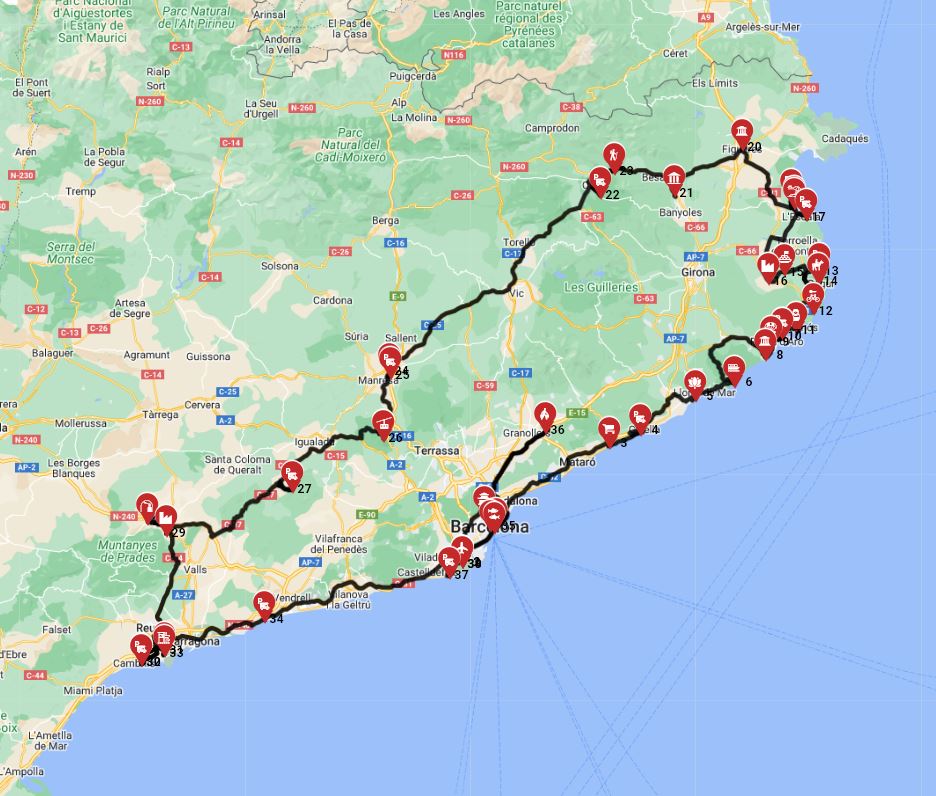
Planning your route on RV PLANET (rvplan.net) allows you to visualize road conditions and choose itineraries that match your comfort level. Remember, slow travel-max 100-150 km per day on average-is the best way to truly experience Spain's diverse landscapes and charming villages.
RV Size Limits, Bridges & Restricted Zones
While Spain generally accommodates RVs, drivers should be aware of height and weight restrictions, particularly for bridges, tunnels, and historic city entrances. Standard rented RVs typically range from 5.8m (Class B Camper Van) to 7.5m (Class C Alcove or Class A Integrated motorhome), with heights up to 3.2m, fitting most infrastructure without issues. Always pay close attention to roadside signage for specific height limits (gálibo) before entering tunnels, underpasses, or parking garages, which can be as low as 2.5 meters in some historic areas. Many Spanish cities, including Madrid and Barcelona, have established Low Emission Zones (Zonas de Bajas Emisiones - ZBE), requiring vehicles to meet certain emission standards or display an environmental sticker (Distintivo Ambiental). It's wise to research the specific requirements for cities on your route if you plan to enter central zones. For ferry travel to islands or across the Strait of Gibraltar, RV length and weight are critical for booking and pricing, so always declare accurate dimensions when making reservations.
Fuel: Diesel vs. Petrol & Cost per 100 km
The vast majority of RVs and campervans available for rent in Spain operate on diesel fuel, which is widely available at service stations across the country. Diesel (Gasóleo A) is typically more economical than petrol (Gasolina 95/98) in Spain, making it a cost-effective choice for longer RV journeys. Based on Bandana's global fleet averages, a Class SI - Semi-integrated RV typically consumes 10-11 Liters/100 km, while a Class B - Camper Van averages 8-10 Liters/100 km. To estimate cost, multiply the average fuel consumption (e.g., 10 L/100 km) by the current price of diesel in Spain (which fluctuates, but for example, was around €1.60/L in 2026), resulting in an approximate cost of €16 per 100 km. Some rental providers may offer fuel discount cards or pre-paid fuel options, which can help manage costs and offer convenience. When planning your budget, remember to factor in these variable costs, alongside campground fees and tolls, which can all be itemized and tracked using RV PLANET routes for easy budgeting. On the routes offered through RV PLANET routes, you can itemize and track every expense along the way for easy budgeting.
Tolls, Vignettes & Border Rules
Spain primarily uses a pay-per-use toll system (peaje) on its autopistas (motorways), with no national vignette system like in some other European countries. While many major highways now have tolls, some have been abolished or are being phased out, so checking current routes is always advisable, especially for routes through North Spain and the Pyrenees. Tolls can be paid by cash, credit card, or via electronic toll tags (e.g., Via-T), which offer convenience and sometimes discounted rates. When planning your last minute rv rental trip and considering travel to neighbouring countries like France or Portugal, different toll systems apply; France also uses a pay-per-use system, while Portugal has a mix of electronic tolls and manual payment sections. Some RV rental companies may offer options to pre-purchase or rent electronic toll devices, allowing seamless travel and avoiding potential fines for missed payments. This transparency in potential extra costs is a core part of Bandana's commitment: no hidden fees, no surprises.
Driving Tips for last minute rv rental Travelers
For last-minute RV trips in Spain, prioritizing flexibility is key; use reliable navigation apps that show real-time traffic and allow for spontaneous detours to scenic spots or less-known regions like the Basque Country. Spain's diverse landscapes are best enjoyed at a leisurely pace, so plan regular stops every 2-3 hours, especially if traveling with family, to stretch legs, explore villages, and savor local flavors. Mastering parking is crucial, as spaces in Spanish towns can be tight; always look for designated RV parking or larger car parks on the outskirts of cities. When driving, understand that Spanish road culture can be more assertive; be confident, use your indicators clearly, and anticipate quick lane changes. Always keep to the right unless overtaking. Budget for both tolls and fuel, remembering that diesel RVs average 8-12 L/100km, and tolls can add to your daily expenses. While Bandana provides robust pre-booking comparison and support, we recommend using RV PLANET (rvplan.net) for finding campsites and campgrounds during your trip, where you can also itemize all your costs. Travel slowly, maximizing your experience and limiting your daily average to 100-150 km.
🎬 Video coming soon
Recommended RV Class for Spain Roads
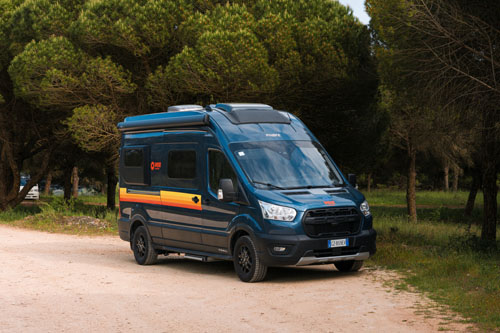
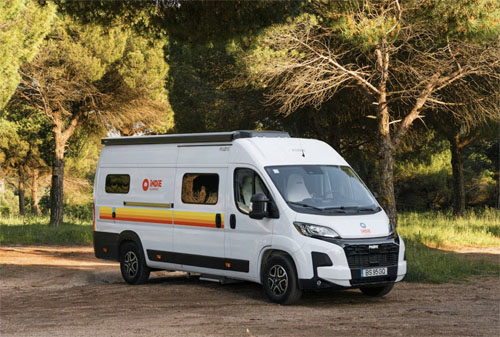
For navigating Spain's varied roads, from expansive highways to charmingly narrower rural paths, the **Class SI - Semi-integrated** and **Class B - Camper Van** are highly recommended for a last minute rv rental. Class SI - Semi-integrated RVs, with an average length of 6.9m, offer a fantastic balance of maneuverability and comfortable living space for up to 3-4 adults. These models, such as the 2 Berth Tamar or the Family Standard, provide ample storage and amenities without being excessively long, making them highly suitable for both open roads and navigating smaller towns. For those prioritizing ultimate ease of driving and access to tighter spaces, including many city centers and mountain roads, Class B - Camper Vans are an excellent choice. Averaging 5.8m in length, models like the 2 Berth Hi Top or a `luxury rv rentals example Carthago Malibu 600` make parking significantly easier, and with average sleeping places for 2-3 people, they are perfect for couples or small families seeking flexibility on their spontaneous adventure. Our comprehensive range ensures you'll find the right fit, whether you're looking for a `Cheap RV Rental in Spain - Budget Guide 2026` or a more luxurious option.
Should I Choose a Compact Van Instead of a Large RV in Spain?
The choice between a compact campervan and a larger motorhome in Spain ultimately depends on your travel priorities and group size. While Spain's main roads are generally suitable for all RV sizes, a compact Class B Camper Van, averaging 5.8m in length, offers superior maneuverability for navigating tight historic city centers, narrow mountain passes, and finding more parking options. For travelers who cherish flexibility and accessing off-the-beaten-path destinations like hidden coves along the Galician coast or quaint villages in La Rioja, a compact van provides unparalleled freedom. However, larger motorhomes, such as a Class SI at 6.9m or a Class C at 7.5m (like the popular `cruise america rv rental example Explorer` or `Motorhome MC6 Gold`), provide significantly more indoor space, comfort, and amenities, which can be a better trade-off for longer trips or if you prefer more luxurious living. If your last-minute trip focuses on highways, designated campsites, and less on intricate urban exploration, the added comfort of a larger RV often outweighs the slight challenge in maneuverability. We, as true RV specialists, understand these nuances and are here to help you compare final prices across suppliers to find the perfect vehicle for your group.
Can I Park Anywhere? Free & Wild Camping Rules in Spain
In Spain, the legal distinction between "parking" and "camping" is critical for RV travelers. You can generally park your RV anywhere a normal car can legally park, provided you are not "camping." This means refraining from deploying awnings, setting out chairs and tables, or extending leveling jacks. Wild camping (pernocta libre) is generally prohibited throughout Spain, especially in coastal areas, national parks, and protected natural environments. However, many municipalities do permit overnight parking in designated areas, often signed as "área de autocaravanas" or within larger public car parks, particularly away from strict urban centers. These dedicated spots often offer essential services like water and waste disposal. For unique overnight parking alternatives that offer cultural immersion, platforms like España Discovery provide opportunities for farm stays or vineyard stops, creating a safe and authentic experience outside traditional campsites. Since regional governments and local authorities have the final say, with regulations in regions like Asturias or Catalonia differing subtly, always check local regulations and follow local law before parking overnight. Our Rent&Plan service can even provide pre-planned routes that factor in convenient and legal overnight stops.
Can I Drive an RV Into the City Center? Heights, Tunnels & Local Signage
Yes, you can generally drive an RV into most Spanish city centers, though caution and adherence to local signage are paramount. Drivers should pay close attention to height limits (gálibo) before entering tunnels or parking garages, as these can be restrictive, particularly in older cities. For instance, some historic areas might have clearances as low as 2.5 meters. Many cities, including popular destinations like Madrid and Barcelona, operate Low Emission Zones (ZBEs) where vehicle access may be restricted based on emission stickers or vehicle age; checking these requirements beforehand is always advisable. Be vigilant for signs indicating "residents only" or "zone restringida," which limit access to local traffic or specific vehicle types. For larger RVs, it's often advisable to park on the outskirts in dedicated RV parking areas and use public transport to explore the historic core, which can be intricate and pedestrian-focused. Remember our guideline: drive slowly and carefully, and you can drive almost anywhere without issues. No need to stress - just use common sense and pay attention.
What are the best RV routes in Spain for a last minute trip?
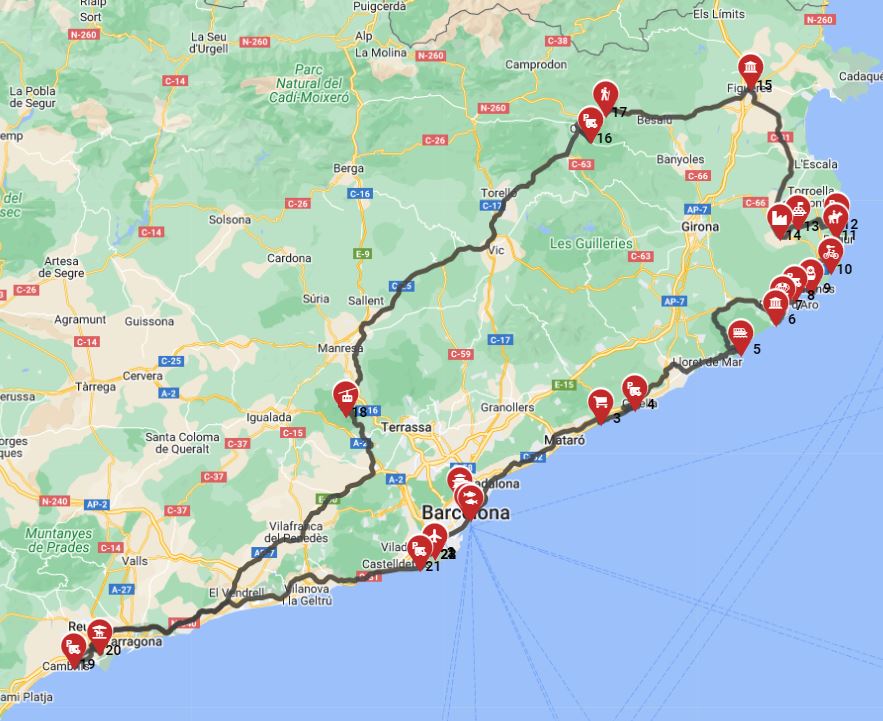
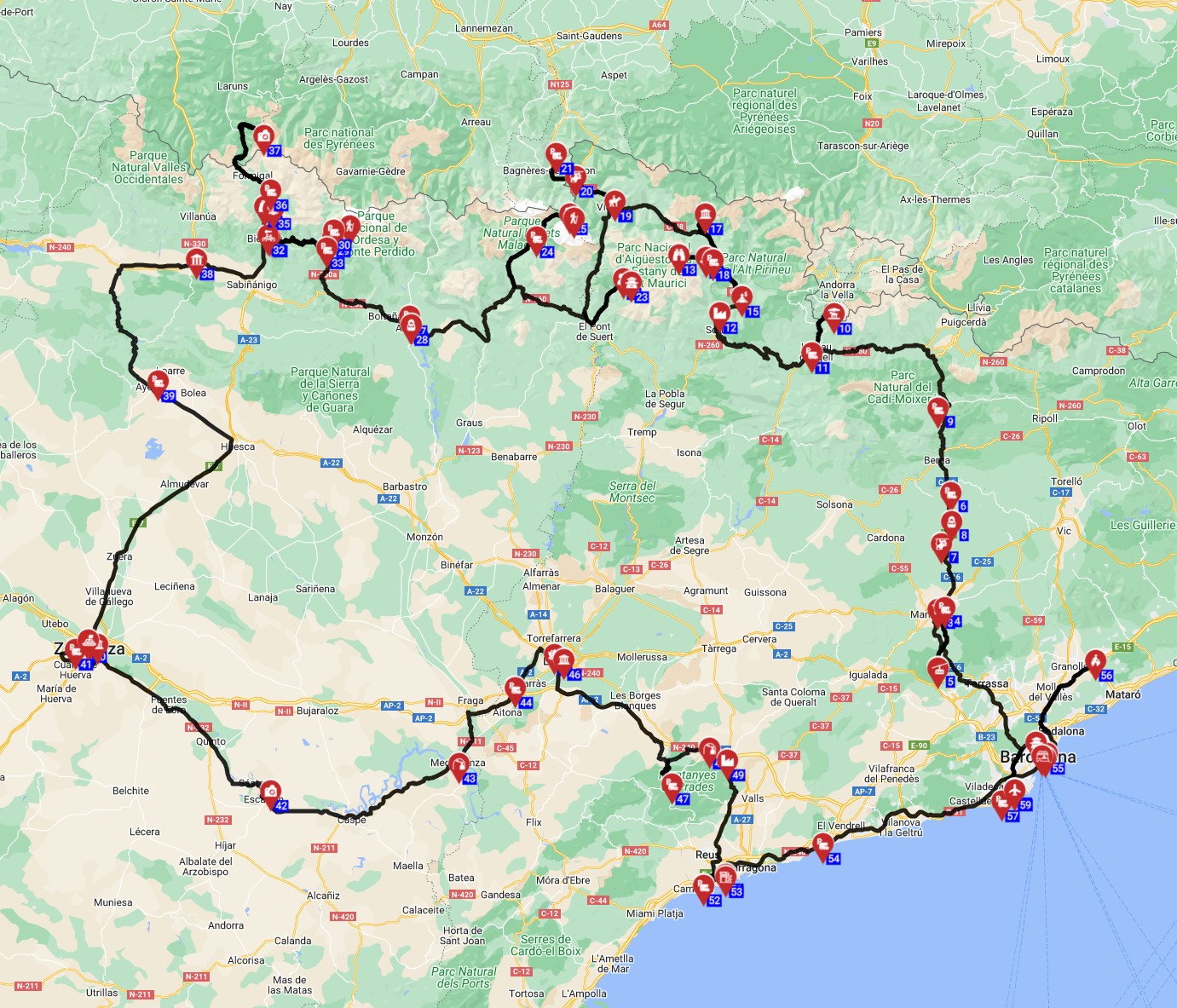
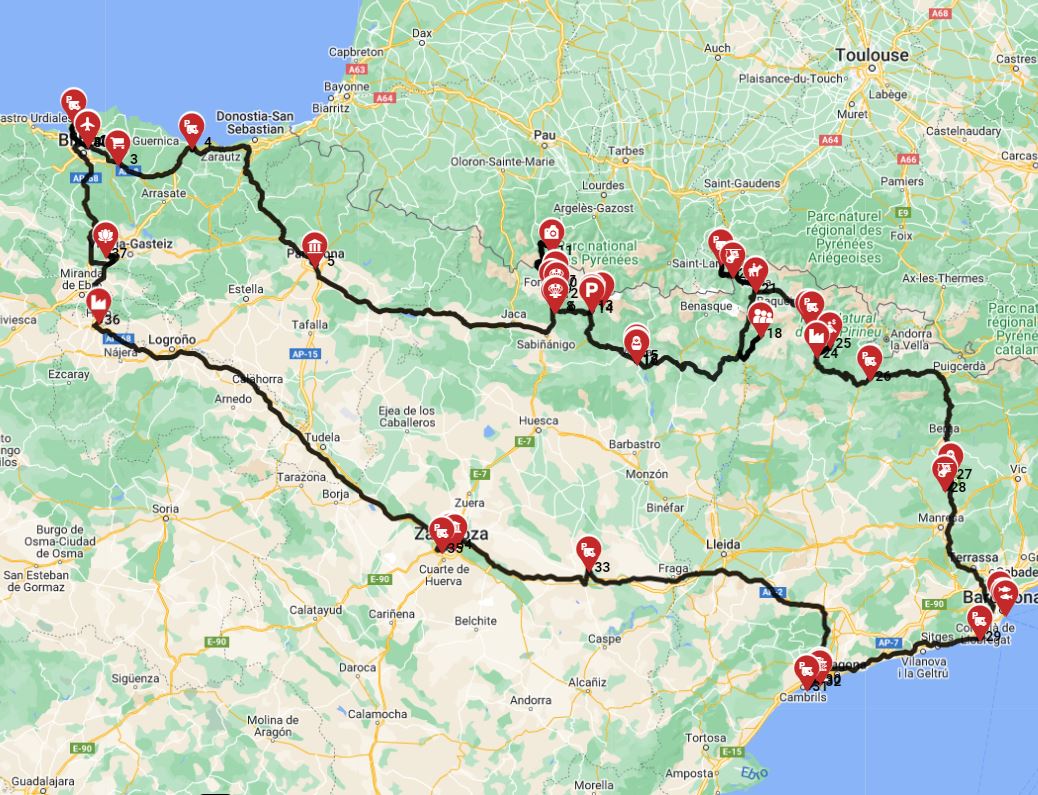
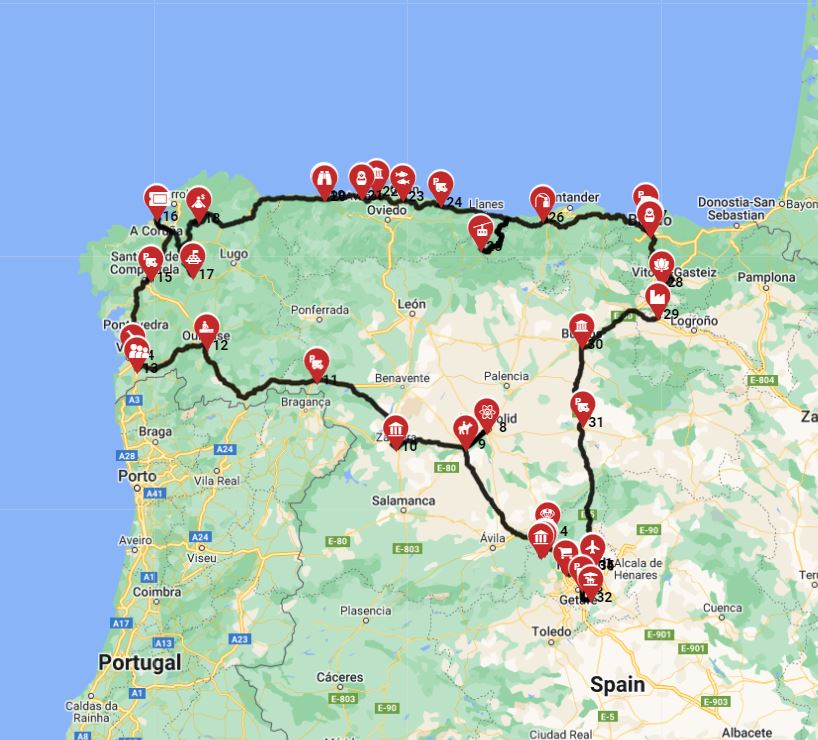
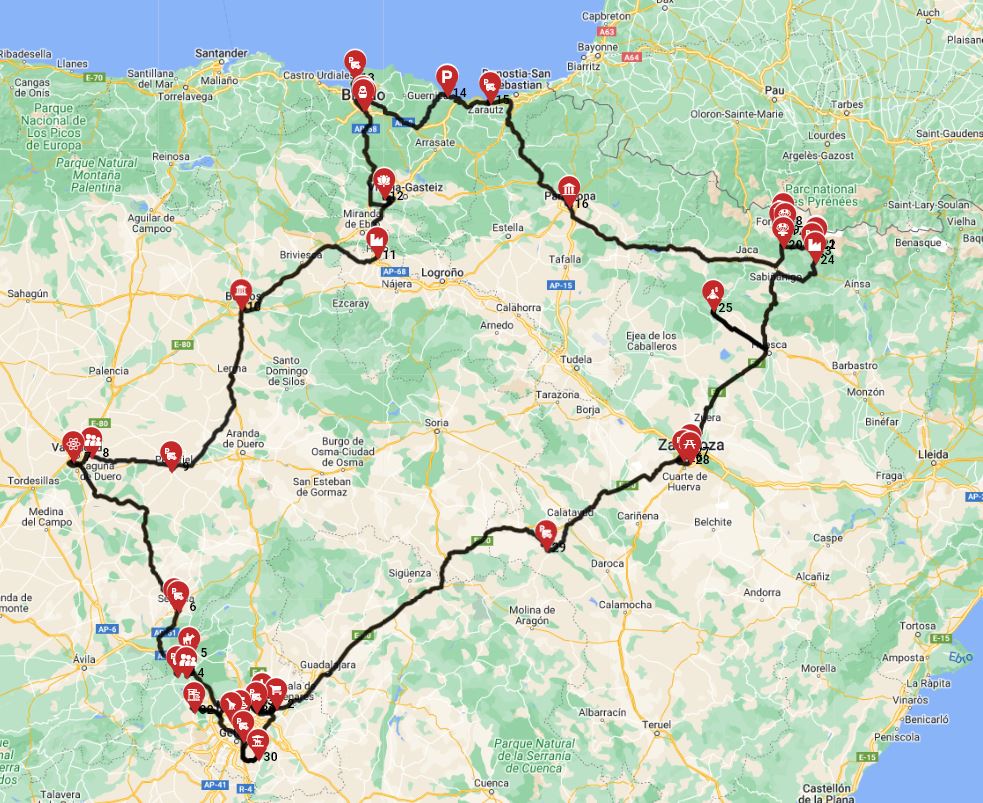
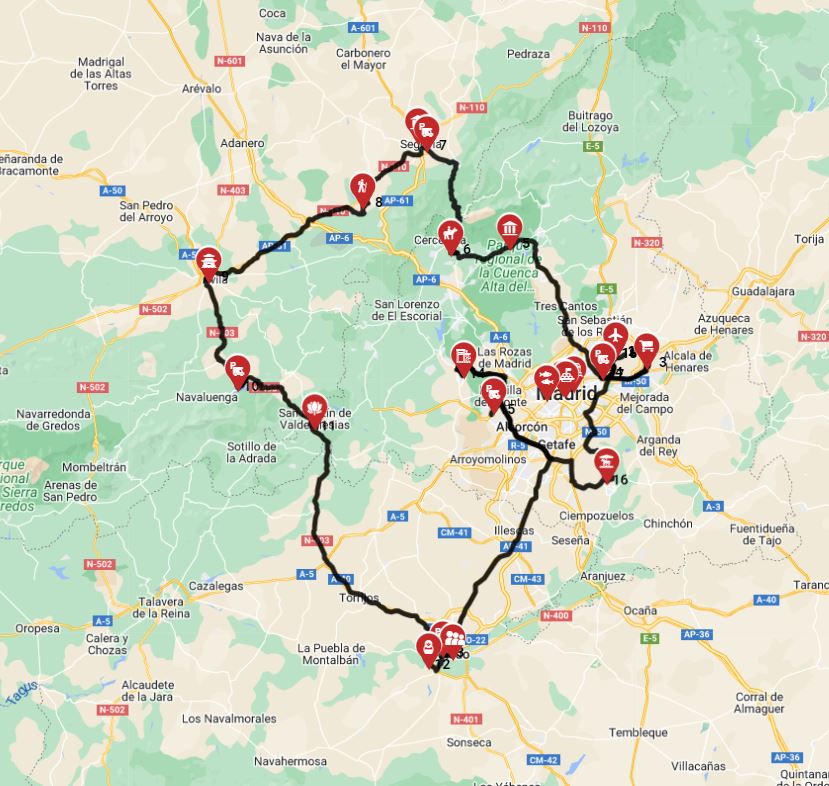
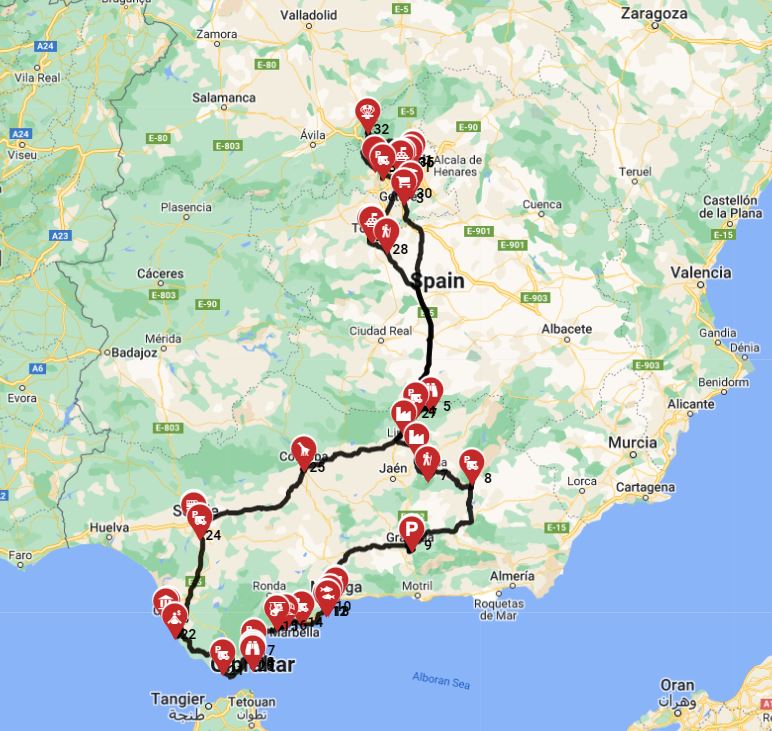
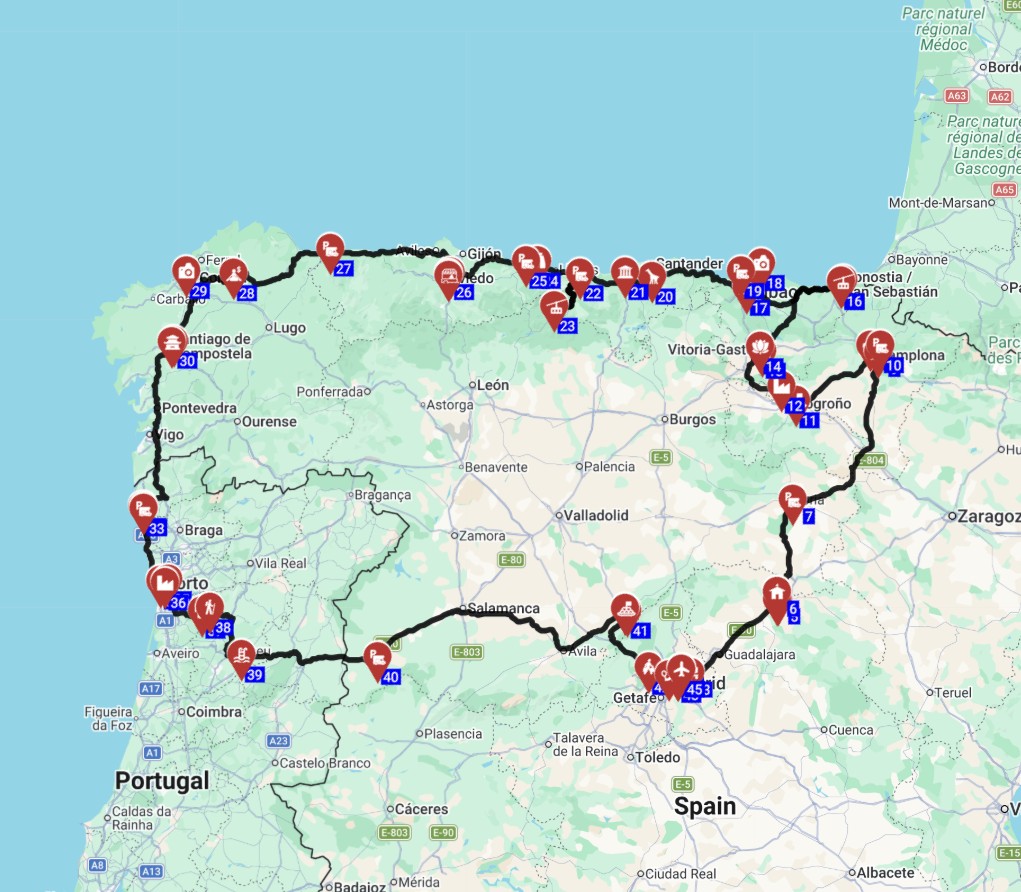
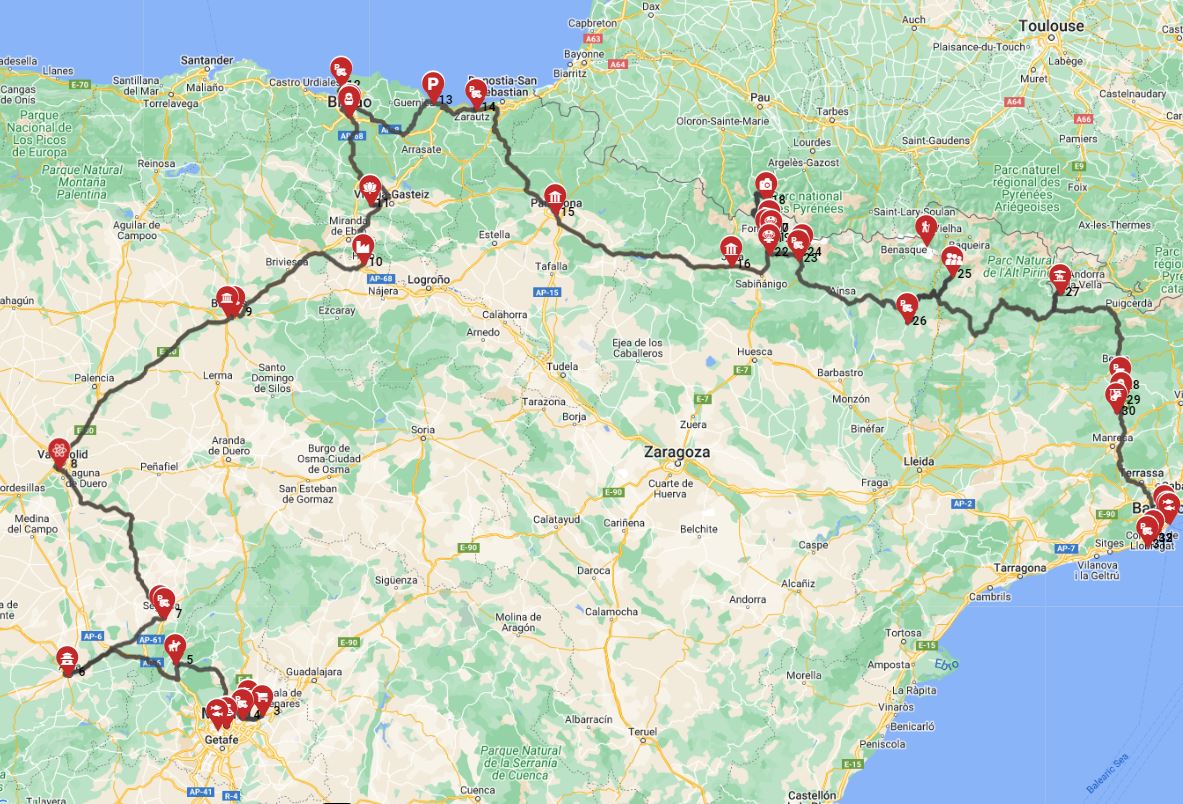
For a last-minute RV trip in Spain, consider diverse routes that offer a blend of culture, nature, and ease of navigation. The Picos de Europa in the North, with its stunning mountains and charming villages, provides breathtaking scenery and ample outdoor activities. Alternatively, the Ruta de la Plata through Western Spain offers a journey through Roman history and vast, unspoiled landscapes, ideal for slower travel. Coastal drives in Andalusia, such as those from Málaga to Cadiz, combine sun-drenched beaches with historic cities. The Basque Country & La Rioja makes a fantastic last-minute option for foodies and wine lovers, combining stunning coastline with world-class vineyards, and is easily navigable with a rented RV, perhaps from San Sebastian to Logroño. Galicia, with its rugged coastlines, lush green landscapes, and ancient Celtic heritage, is ideal for nature lovers seeking a unique, less-traveled route, with plenty of local seafood to savor. Extremadura offers a true sense of rural Spain, with vast plains, historic towns like Cáceres and Mérida, and rich natural parks for birdwatching, providing unique cultural immersion. Aragon & the Pyrenees combine mountainous adventures with historic castles; perfect for outdoor enthusiasts, offering breathtaking scenery, as highlighted in the RV Trip Overview for North Spain and the Pyrenees. These regions offer distinct cultural experiences and are well-suited for flexible RV travel, providing opportunities for spontaneous stops and deep dives into local life. Don't forget to check our 1,300+ pre-planned routes across 5 continents via RV PLANET (rvplan.net) to inspire your journey, offering a 25% planning discount when you use it!
How much does it cost to rent an RV in Spain for a week?
The cost to rent an RV in Spain for a week can vary significantly, typically ranging from €700 to €1,500, depending on the RV class, season, and rental duration. Prices are dynamic, much like flight tickets, and change daily based on availability and supplier marketing decisions. Last-minute rentals might sometimes yield lower off-season prices if availability is high, but peak season (summer, holidays) usually sees higher rates. Smaller Class B Camper Vans (avg. 5.8m in length, like a `Category Van` or `Budget Camper`) are generally the most budget-friendly, while larger Class A Integrated RVs (avg. 7.5m, like the `Class A - Thor ACE 30`) command higher prices due to their luxury and amenities. Factors like insurance, mileage limits, additional equipment (e.g., bike racks, linen), and one-way fees will add to the base weekly rental price. For pet owners, you may find additional cleaning fees, as detailed in "Pet-Friendly RV Rental in Spain - Pricing 2026". Always compare final prices across suppliers with Bandana, knowing what you see is what you pay, with no surprise fees at pickup. This commitment to full transparency ensures you can budget effectively for your week-long adventure. For more detailed pricing, refer to "RV Rental in Spain - Prices and Best Deals 2026" and "Weekly RV Rental in Spain - Pricing 2026".
What are the safety tips for RV travel in Spain?
Always lock your RV, even when stopping briefly, and secure valuables out of sight, especially in urban areas or popular tourist spots, which is a common sense practice wherever you travel. When parking overnight outside designated campsites, choose well-lit, populated areas, or verified farm/vineyard stays (e.g., España Discovery) over isolated spots, always adhering to local regulations. Be mindful of environmental conditions; avoid driving in extreme weather like heavy rain or strong winds, particularly in mountainous regions or along exposed coastlines, and if conditions are poor, simply wait it out. Keep copies of all important documents (passport, driving license, RV rental agreement, insurance) stored separately from the originals, and consider scanning them to your phone for digital access. Familiarize yourself with local emergency numbers (112 for all emergencies) and basic Spanish phrases for communication in unexpected situations. You can upgrade to a top-level deductible for extra peace of mind, an optional enhancement available through Bandana to protect your journey. Remember, we're with travelers before, during, and after their booking to ensure a smooth experience.
Can I travel with pets in an RV in Spain?
Yes, you can generally travel with pets in an RV in Spain, but specific regulations and rental company policies must be observed, so it's always best to check beforehand. Most rental companies require advance notice and may charge an additional cleaning fee for pet-friendly RVs; confirm this during your Bandana booking. Pets entering Spain from other EU countries need a pet passport, microchip, and up-to-date rabies vaccination; non-EU pets have additional requirements, which you should research well in advance. Many campsites in Spain are pet-friendly, but it's essential to check their specific policies and any breed restrictions before arrival, especially for last-minute trips. While Spain is generally pet-friendly, always keep dogs on a leash in public areas, clean up after them, and be aware that pets may not be allowed in all restaurants, shops, or attractions. For more specific information on traveling with your furry friends, our "Pet-Friendly RV Rental in Spain - Pricing 2026" guide offers helpful insights.
How can I experience true cultural immersion during my RV trip in Spain?
True cultural immersion in Spain involves moving beyond major tourist sites to engage with local communities and regional traditions, fostering a deeper connection with the country. Seek out local markets (mercados) for regional culinary experiences, trying local produce and specialties like pintxos in the Basque Country or migas in Extremadura. This is also a perfect opportunity to use your RV's kitchen to prepare delicious meals with fresh ingredients. Consider planning your trip to coincide with local festivals (fiestas patronales) or harvest seasons, which offer authentic insights into Spanish culture and community life, like the vibrant festivals in "Barcelona (to participate in festivals)". Utilizing unique overnight stays, such as those found on España Discovery or other RV PLANET routes, allows for interactions with local farmers or vineyard owners, offering a more personal connection to the land and its people. Learning a few basic Spanish phrases can open doors to friendly interactions and richer experiences with locals, enhancing your adventure beyond mere sightseeing. Remember to take your time; slow travel, at around 100-150 km per day, is the best way to feel the place, connect to the culture, the food, and the scenery. For ideas you can prep on the road, watch our RV-friendly recipes playlist on YouTube.
What are sustainable RV travel practices in Spain?
Responsible RV travel in Spain involves mindful waste management, including proper disposal of grey water, black water, and rubbish at designated service points (áreas de autocaravanas or campsites) to protect the environment. Always respect natural environments by sticking to marked paths, avoiding noise pollution, and never leaving litter, especially in national parks and protected natural areas. Conserve resources by being mindful of water and electricity consumption in your RV, particularly when wild parking or using limited campsite hook-ups, ensuring your impact is minimal. Supporting local economies is another key aspect of sustainable travel; purchase local products, dine at independent restaurants, and visit small businesses in the towns and villages you pass through, helping to enrich the communities. Finally, adhere strictly to local regulations regarding parking and overnight stays to minimize environmental impact and maintain positive relationships with local communities. Choosing Bandana means you're booking with true RV specialists who understand the importance of respectful and sustainable travel.
What to do in an RV emergency in Spain?
In case of any emergency (breakdown, medical, or other) in Spain, immediately call 112, Spain's universal emergency number, which operates nationwide for police, fire, and ambulance services. For RV breakdowns, contact your rental company's emergency roadside assistance number, which should be provided in your rental agreement; ensure you have this number readily accessible and saved in your phone. Carry a basic first-aid kit in your rented campervan, and for medical emergencies that are not life-threatening, you can head to the nearest "Centro de Salud" (health center) or "Hospital" (hospital). Utilizing translation apps or carrying a phrasebook can be incredibly helpful to overcome language barriers, especially when dealing with authorities or medical personnel in rural areas. It's also crucial to ensure your travel insurance covers RV-specific emergencies and medical incidents abroad, and know how to contact your insurer for assistance. With Bandana, you have our full support during the pre-booking comparison, booking, and post-booking coordination stages, ensuring you’re well-prepared.
Top Cities for RV Rental in Spain
Spain offers numerous fantastic starting points for an RV adventure, each providing unique access to diverse regions and experiences. These cities often feature convenient pickup locations and are well-connected by road for your last minute rv rental.
- Barcelona: A vibrant city perfect for launching a trip to Catalonia's coast, the Pyrenees, or even heading into France. You can even consider a trip to "Barcelona (to participate in festivals)" for a truly immersive cultural experience.
- Madrid: Centrally located, Madrid is an ideal hub for exploring the heart of Spain, from the historic cities of Castilla-La Mancha to the natural beauty of the Sierra de Guadarrama.
- Seville: The capital of Andalusia, Seville is a great starting point for exploring the sunny southern coast, white villages, and Moorish architecture.
- Valencia: Offering a blend of futuristic architecture and historic charm, Valencia provides easy access to the Mediterranean coastline and the scenic interior.
- Malaga: Situated on the Costa del Sol, Malaga is perfect for starting an RV trip through Andalusia's stunning beaches and picturesque towns.
- Bilbao: In the Basque Country, Bilbao is your gateway to the lush green landscapes, dramatic coastlines, and exceptional culinary scene of northern Spain.
- Alicante: A popular coastal city with direct airport access, Alicante is a convenient pickup point for exploring the Costa Blanca and inland areas. If flying in, look for options at "Alicante - Airport".
- A Coruña: Located in Galicia, A Coruña offers a unique starting point to discover Spain's rugged northwestern coastline and Celtic heritage. You might even find specialized rentals at "A Coruña - Airport".
From any of these cities, the freedom of a rented motorhome allows you to travel slowly and truly feel the place, connecting to the local culture, food, and scenery, a philosophy we wholeheartedly endorse.
Final Thoughts
Embarking on a last-minute RV adventure in Spain is an experience like no other, offering you the freedom to discover its rich tapestry of culture, breathtaking scenery, and incredible food at your own pace. Don't let the idea of a spontaneous trip deter you; with a little preparation and the right mindset, Spain's diverse landscapes are ready to be explored in your rented motorhome or campervan.
Whether you dream of coastal drives, mountain retreats, or immersing yourself in historic cities, the flexibility of RV travel allows you to craft your perfect journey. We're here to support you from the moment you start dreaming until your booking is confirmed, offering transparent pricing and expert advice. So pack your bags, choose your route, and get ready to experience the magic of Spain on an unforgettable road trip!
Discover top destinations, planning tips, all in one place! Compare Motorhome Prices for Spain today and start your Spanish adventure!