For live availability and current prices, start with our RV Rental Poland - Complete Guide 2026 guide.
In This Guide
- Can You Drive an RV in Poland? License & Age Rules
- Road Conditions & Terrain in Poland
- RV Size Limits, Bridges & Restricted Zones
- Fuel: Diesel vs. Petrol & Cost per 100 km
- Tolls, Vignettes & Border Rules
- Driving Tips for Last-Minute RV Rental Travelers
- Recommended RV Class for Poland Roads
- Should I Choose a Compact Van Instead of a Large RV in Poland?
- Can I Park Anywhere? Free & Wild Camping Rules in Poland
- Can I Drive an RV Into the City Center? Heights, Tunnels & Local Signage
- What Documentation and Customs Rules Apply for RV Border Crossings in Poland?
- What Specific Road Regulations and Challenges Should RVers Expect in Poland?
- How Can RVers Immerse Themselves in Polish Culture?
- What Are RV Camping and Service Costs in Poland (Beyond Fuel and Tolls)?
- What Are Essential RV Security and Safety Tips for Traveling in Poland?
- What Should I Know About RV Rentals in Poland: Costs, Types, and Insurance?
- Can I Travel with Pets in an RV in Poland? Regulations and Pet-Friendly Spots
- How Can I Find and Utilize Agroturystyka Sites for RV Camping in Poland?
Can You Drive an RV in Poland? License & Age Rules
Driving an RV in Poland is perfectly permissible for those holding the appropriate license category, generally aligning with the straightforward European Union standards. A standard B driving license is sufficient for most RVs up to 3,500 kg. However, for larger vehicles, typically those weighing between 3,500 kg and 7,500 kg, a C1 license is required. Foreign drivers from outside the EU/EEA are typically advised to carry an International Driving Permit (IDP) in addition to their national license to ensure seamless recognition. The minimum driver age for RV rentals in Poland is commonly set at 21 or 23 by rental companies, though the legal driving age for a B license in Poland is 18.
Road Conditions & Terrain in Poland
Poland offers a diverse range of road conditions, from the modern, well-maintained motorways (autostrady) and expressways (drogi ekspresowe) that facilitate efficient travel, to the more picturesque, yet sometimes challenging, rural and mountainous roads. Major routes connecting cities are generally smooth and efficient, encouraging steady travel for last-minute RV rentals. Smaller regional and local roads, particularly in eastern and mountainous regions like Bieszczady or the foothills of the Tatra Mountains, can be narrower, winding, and occasionally feature potholes or less even surfaces, necessitating slower, more cautious driving. The terrain varies from the flat lowlands in the north and central regions to rolling hills and the Carpathian Mountains in the south, presenting scenic drives that are best enjoyed at a leisurely pace.
RV Size Limits, Bridges & Restricted Zones
While most RVs can navigate Polish roads, drivers should be vigilant for specific height and weight restrictions, especially concerning older infrastructure and within historic urban areas. Standard maximum vehicle dimensions in Poland generally align with EU regulations: 4 meters (13 ft 1 in) in height and 2.55 meters (8 ft 4 in) in width. It's crucial to pay close attention to yellow signs indicating height limits for bridges, underpasses, and tunnels, particularly in older towns and cities. Furthermore, environmental zones (Strefa Czystego Transportu) are being introduced in major cities like Kraków, primarily targeting older, more polluting vehicles, but RVers should check local regulations before entering such zones.
Fuel: Diesel vs. Petrol & Cost per 100 km
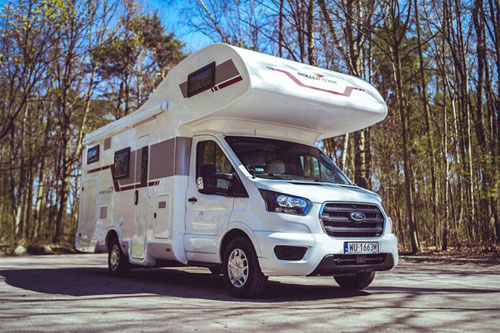
Diesel (ON - Olej Napędowy) is the predominant fuel type for RVs in Poland and is widely available at service stations across the country. Petrol (PB95/PB98) is also available but less common for larger RVs. Bandana's fleet typically reports common fuel consumption averages: Class SI Semi-integrated RVs consume around 10–11 Liters/100 km, Class C Alcove RVs around 10–12 Liters/100 km, and Class B Camper Vans around 10 Liters/100 km. Larger Class A Integrated RVs might consume 11-12 Liters/100 km, and Class TC Truck Campers can range from 12–17 Liters/100 km. Fuel prices are generally competitive, and it is advisable to refuel at larger service stations along major routes where availability is guaranteed. Some Bandana RV rentals may include fuel discount cards, which can offer savings on your last-minute RV rental trip.
Tolls, Vignettes & Border Rules
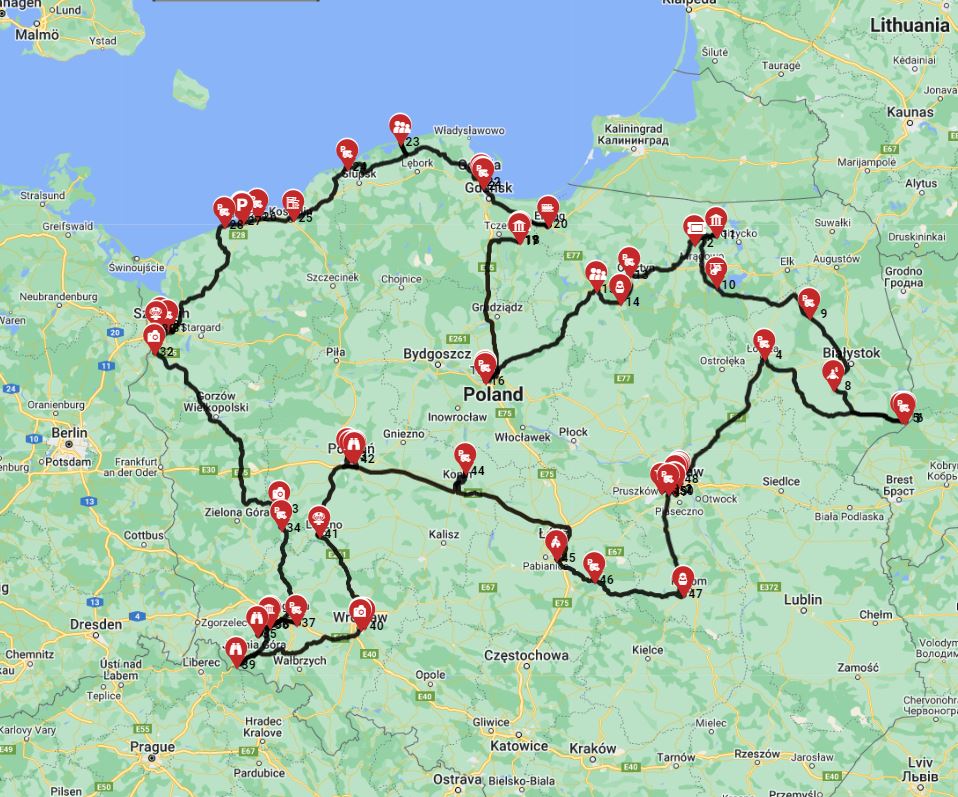
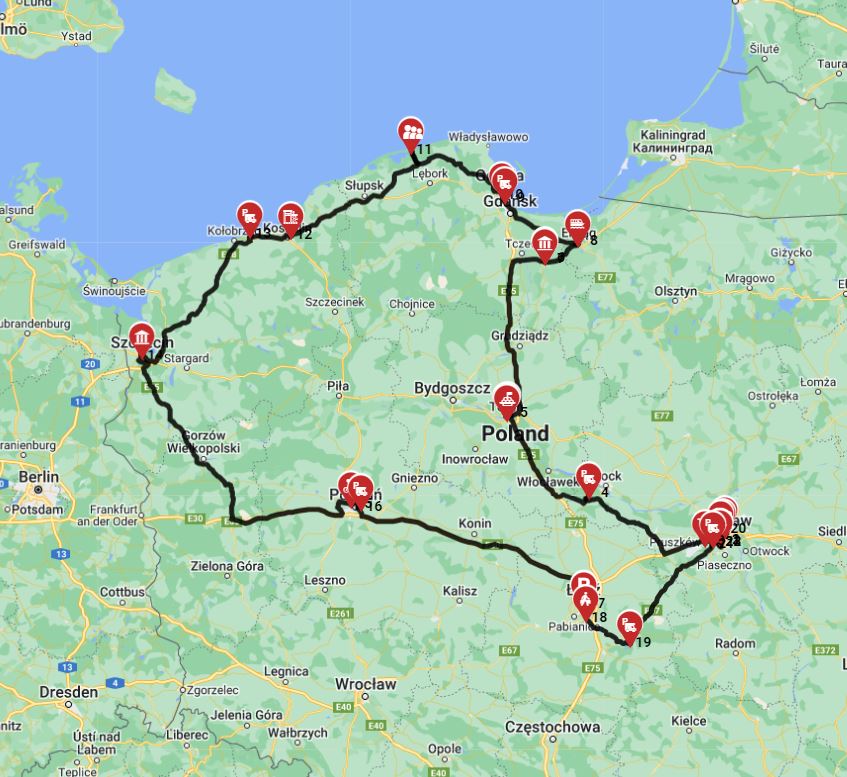
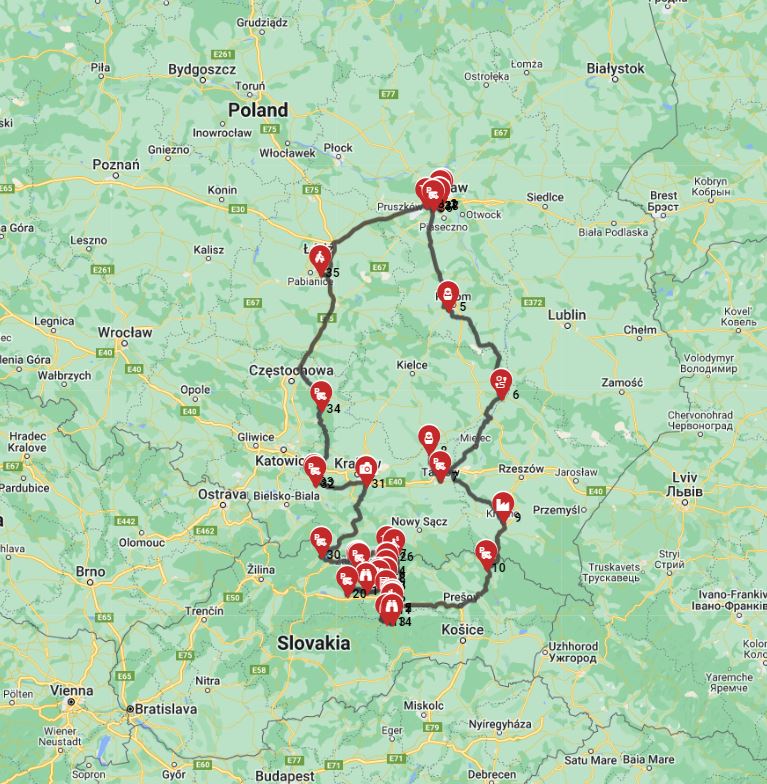
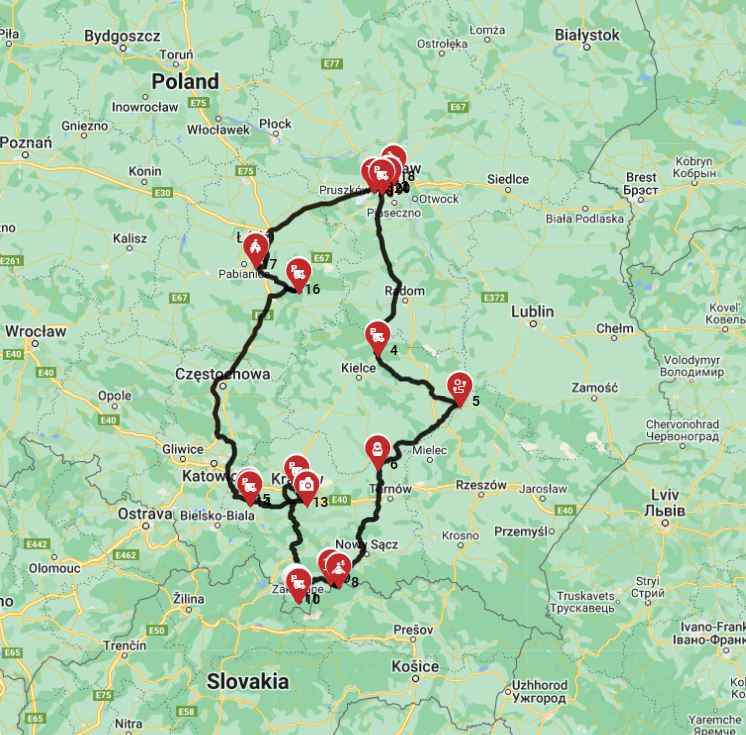
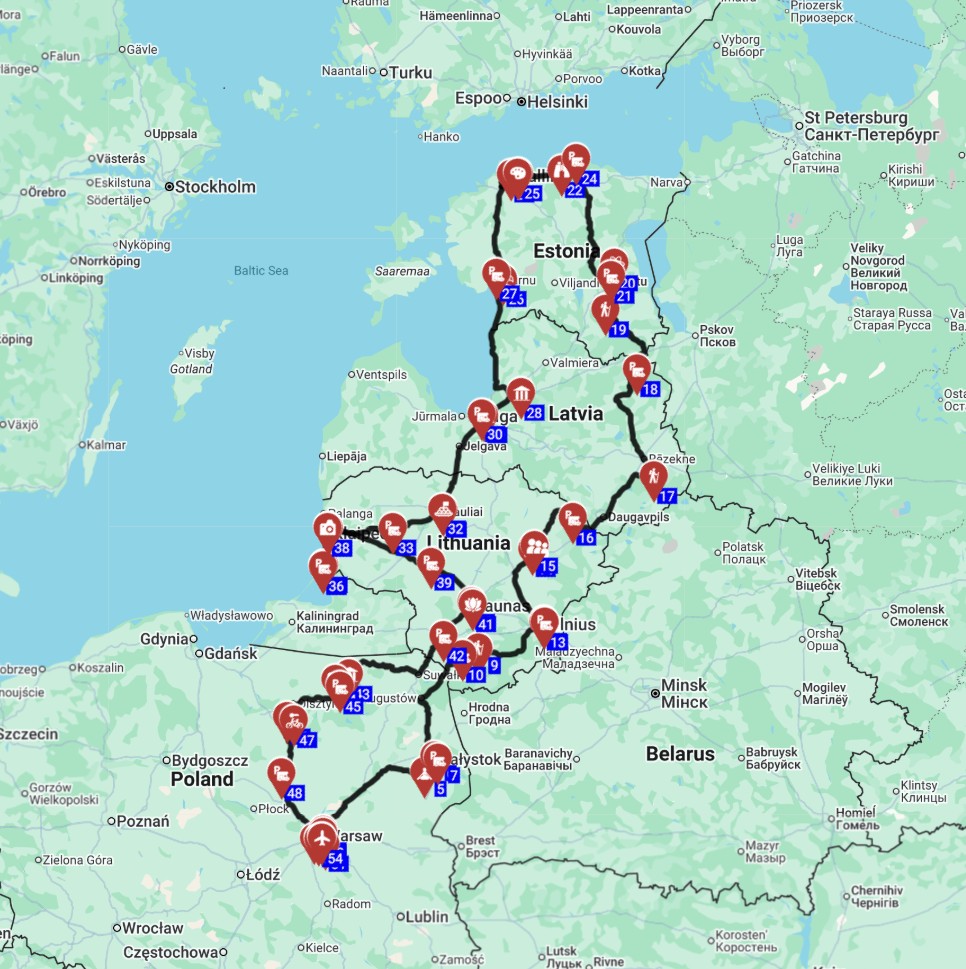
Tolls apply to specific sections of Poland's motorways (autostrady) and expressways (drogi ekspresowe), primarily managed through electronic systems for vehicles over 3.5 tonnes; there are no general vignettes for RVs under this weight. Vehicles exceeding 3.5 tonnes, which includes many larger RVs, must use the e-TOLL system, typically via a mobile app or an On-Board Unit (OBU), for toll collection on designated roads. For RVs under 3.5 tonnes, some motorway sections, such as parts of the A2 and A4, may use manual toll gates where payment is made directly by card or cash, while others are integrated into the e-TOLL system. When crossing borders, ensure you have your passport/ID, the vehicle's registration document (dowód rejestracyjny), proof of insurance (Green Card), and an International Driving Permit if your license is not from the EU/EEA. Bandana motorhomes can sometimes offer pre-purchased toll passes to simplify travel and avoid fines. On the routes offered through RV PLANET routes, you can itemize and track every expense along the way for easy budgeting.
Driving Tips for Last-Minute RV Rental Travelers
When embarking on a last-minute RV rental adventure in Poland, embracing flexibility is key; be prepared for spontaneous route adjustments and unexpected discoveries. Mastering local road signs is essential, especially those indicating speed limits, parking restrictions, and 'Strefa Zamieszkania' (residential zones). For efficient travel between destinations, prioritizing main routes like Poland's well-developed motorways and expressways is advisable. However, don't hesitate to venture onto regional and local roads for a more immersive experience, but be prepared for varying surfaces and slower speeds. When planning city access, consider utilizing park-and-ride facilities on the outskirts of major cities for larger RVs to avoid the challenges of navigating tight historic centers and finding suitable parking.
Recommended RV Class for Poland Roads
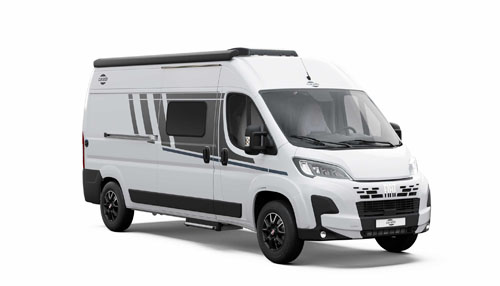
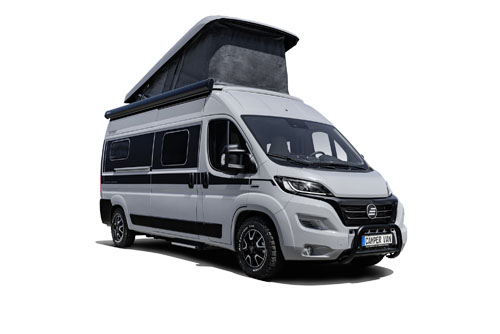
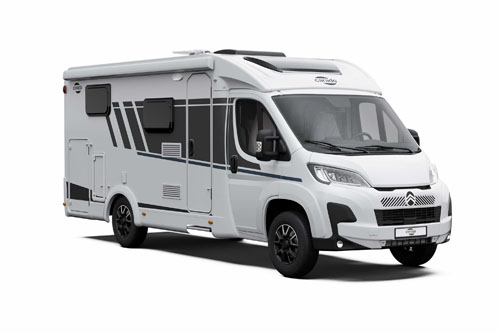
For navigating Poland's diverse road network, which blends modern highways with charming rural routes, Class B Camper Vans and Class SI Semi-integrated RVs are highly recommended due to their balanced maneuverability and comfortable living spaces. A Class B Camper Van, typically around 5.8 meters long, offers excellent agility for narrower roads and easier parking in towns, making it ideal for couples or small groups prioritizing flexibility. The Class SI Semi-integrated RV, averaging 6.9 meters in length, provides more interior space and amenities than a camper van while remaining manageable, serving as a popular choice for families who appreciate comfort without excessive length. While larger Class C Alcove (around 7.5m) and Class A Integrated (also around 7.5m) RVs are suitable for major routes, their size necessitates more caution on smaller roads and in congested urban areas.
Should I Choose a Compact Van Instead of a Large RV in Poland?
The choice between a compact van and a larger RV in Poland largely depends on your priorities; while compact vans offer superior agility in very tight urban centers, most RVs comfortably handle Poland's main roads and provide significantly more living space and amenities. A compact van, such as a Class B Camper Van, excels in maneuverability, easier parking in cities, and navigating particularly narrow historic streets or mountain passes, making it ideal for those prioritizing nimble travel. However, a larger RV, like a Class SI or Class C model, offers enhanced comfort, a dedicated bathroom, a more substantial kitchen, and ample living and sleeping space. This increased comfort often outweighs the slight disadvantage in maneuverability on Poland's generally accommodating road network. For most last-minute RV rental trips focusing on exploring diverse regions, the enhanced comfort and facilities of a larger RV usually provide a better overall experience, with only a few specific areas genuinely favoring a smaller footprint. For ideas you can prep on the road, watch our RV-friendly recipes playlist on YouTube.
Can I Park Anywhere? Free & Wild Camping Rules in Poland
Wild camping, or boondocking, in Poland is generally discouraged and often restricted, particularly within national parks, protected landscape areas, and on private property. This makes designated campsites (campingi) or agrotourism sites the safest and most legal options for overnight RV stays. Overnight parking outside of official campgrounds is mostly prohibited in natural areas and forests without specific permission, with fines possible for non-compliance. Designated campsites are widely available and offer essential facilities and security for RVers across the country. Agroturystyka (agrotourism) sites present a unique, legal, and often charming alternative for RV parking, allowing stays on farms with opportunities for local cultural immersion. It is important to remember that rules can vary by municipality and specific nature reserves; always check local regulations and respect local law before parking overnight.
Can I Drive an RV Into the City Center? Heights, Tunnels & Local Signage
RVs can generally drive into Polish city centers, but drivers must exercise caution and pay close attention to specific local signage indicating height and weight restrictions, environmental zones, or residents-only streets. Historic city centers, particularly those with narrow medieval streets, older bridges, or low archways, often have clear signs prohibiting or restricting larger vehicles, including RVs. Look for signage such as 'zakaz wjazdu pojazdów ciężarowych' (no heavy vehicles) or specific height/weight limits, and be aware of 'Strefa Czystego Transportu' (Clean Transport Zones) that are emerging in cities like Kraków, which may restrict older, high-emission vehicles. Utilizing park-and-ride facilities (Parkuj i Jedź) on the outskirts of major cities is often the most convenient and stress-free option for exploring urban areas with an RV, allowing you to use public transport for city exploration.
What Documentation and Customs Rules Apply for RV Border Crossings in Poland?
When crossing borders into or out of Poland with an RV, essential documentation includes your passport or national ID card, the vehicle's registration document, an International Driving Permit (if your national license is not from the EU/EEA), and proof of vehicle insurance. The 'Green Card' is a crucial international certificate of motor insurance that proves your third-party liability coverage; it's highly recommended to carry this for any cross-border travel in Poland, even within the Schengen Area. For RVs traveling for personal use within the EU, specific customs procedures are typically minimal. However, if you are arriving from outside the EU, be prepared for standard customs checks on goods. Ensure all vehicle documents are original or certified copies and easily accessible, as border officials or police may request them at any time.
What Specific Road Regulations and Challenges Should RVers Expect in Poland?
Beyond general EU traffic laws, RVers in Poland should be aware of specific speed limits for larger vehicles, potential variations in road quality, and the challenges presented by rural roads, mountain passes, and local access restrictions. Speed limits for RVs exceeding 3.5 tonnes are generally lower than for passenger cars, typically around 70 km/h (43 mph) outside built-up areas and 80 km/h (50 mph) on expressways, unless otherwise signposted. Rural roads can be narrow, winding, and sometimes unpaved or poorly maintained, demanding increased caution, especially for larger RVs; be prepared to yield to agricultural vehicles or other local traffic. Mountain passes in regions like the Tatras or Bieszczady offer stunning scenery but feature steep gradients and sharp turns, requiring careful driving and appropriate gear selection. Always watch for local signage indicating access restrictions, such as weight or height limits, in smaller towns or historic districts, which might necessitate route adjustments for larger RVs.
How Can RVers Immerse Themselves in Polish Culture?
RVers can deeply immerse themselves in Polish culture by actively engaging with local communities, participating in regional festivals, sampling traditional cuisine, and respectfully observing local customs and etiquette. Visiting local markets (targowiska) in towns and villages is an excellent way to interact with Poles, purchase fresh produce, and experience daily life. Seeking out 'Agroturystyka' (agrotourism) sites offers unique farm stays that often include opportunities to participate in farm activities, taste homemade specialties, and learn about local traditions. Attending regional festivals, particularly during summer and harvest seasons, provides chances to experience authentic Polish folk music, dance, and culinary traditions. Learning a few basic Polish phrases, such as 'Dzień dobry' (good morning), 'Dziękuję' (thank you), and 'Proszę' (please), is highly appreciated by locals, and always show respect when visiting churches or memorial sites.
What Are RV Camping and Service Costs in Poland (Beyond Fuel and Tolls)?
Beyond fuel and tolls, RV camping costs in Poland can vary significantly based on the season, location, and amenities offered; daily campsite fees typically range from modest to moderate, with additional costs for water and dump stations often minimal or included. Campsite prices generally fall between €15 to €40 per night for an RV pitch with electricity, with higher prices expected during peak season (July/August) and at popular tourist destinations like the Baltic coast or mountain regions. Many campsites provide water hookups and dump stations for grey and black water, which are usually included in the daily fee or available for a small additional charge (e.g., €2-€5). Utilizing 'Agroturystyka' (farm stays) can often offer a more budget-friendly camping experience, sometimes for as little as €10-€20 per night, along with unique cultural interactions. Budgeting for occasional extra services like laundry facilities (typically €3-€6 per wash), showers (sometimes coin-operated), and access to communal kitchens or recreational areas is also wise.
What Are Essential RV Security and Safety Tips for Traveling in Poland?
Prioritizing RV security in Poland involves selecting secure parking locations, utilizing all available locks, and maintaining situational awareness, particularly in urban environments and when considering wild camping. Always opt for designated, well-lit campsites or monitored parking areas when staying overnight, especially in or near cities, and avoid leaving your RV unattended in isolated spots. Ensure all doors and windows are securely locked, and consider additional security measures like steering wheel locks, alarm systems, or internal door blockers for enhanced protection. Keep valuables out of sight and never leave important documents or large sums of cash inside the RV when you are away from it. Familiarize yourself with local emergency numbers (112 for all emergencies) and consider travel insurance that covers theft or damage to your RV and personal belongings.
What Should I Know About RV Rentals in Poland: Costs, Types, and Insurance?
RV rentals in Poland offer a diverse range of vehicle types with costs influenced by the season, model, and duration, typically requiring comprehensive insurance coverage and a security deposit. Rental costs for a last-minute RV rental can fluctuate significantly; expect higher prices during peak season (June-August) and around major holidays, with daily rates generally ranging from €80 for compact vans to over €150 for larger, newer models. Common RV types available include compact Class B Camper Vans, spacious Class SI Semi-integrated models, larger Class C Alcove RVs suitable for families, and luxurious Class A Integrated options, alongside some Class TC Truck Campers. Standard rental agreements usually include basic third-party liability insurance; however, it is highly recommended to opt for comprehensive collision damage waiver (CDW) with a manageable deductible to cover potential damages to the rental vehicle. Reputable rental companies, like Bandana, provide transparent pricing, detailed insurance options, and reliable customer support, along with clear terms regarding security deposits and mileage limits.
Can I Travel with Pets in an RV in Poland? Regulations and Pet-Friendly Spots
Traveling with pets in an RV is generally permissible in Poland, provided your pets meet the EU entry regulations and you adhere to specific rules at pet-friendly accommodations and public spaces. For entry into Poland, pets must be microchipped, possess a valid EU Pet Passport, and be up-to-date on their rabies vaccinations, administered at least 21 days prior to travel. Many campsites across Poland are pet-friendly, but it's crucial to confirm their specific policies and any associated fees when booking your last-minute RV rental. Veterinary services are readily available in most towns and cities, ensuring access to care if needed during your trip. Always keep your pet on a leash in public areas, diligently clean up after them, and be aware that some attractions, restaurants, or national parks may have restrictions on pet access.
How Can I Find and Utilize Agroturystyka Sites for RV Camping in Poland?
Agroturystyka sites, offering unique farm-stay experiences, can be effectively found through dedicated online platforms, local tourism offices, or by simply looking for roadside signs, providing a legal and culturally enriching alternative to traditional camping. Websites such as 'Agroturystyka.pl' or 'Slowhop' list numerous farm stays where RVers can often park overnight, sometimes with basic hookups available. Local tourist information centers throughout Poland are excellent resources for discovering nearby agroturystyka options, especially in rural or less-traveled regions. Keep an eye out for roadside signs displaying 'Agroturystyka' or images of farm animals, indicating a potential stop for an authentic local experience. Utilizing these sites not only provides a safe and often picturesque place to park your RV but also offers opportunities to taste local produce, interact with Polish families, and gain insight into rural life, sometimes for a small fee or simply by purchasing local goods.
What You Shouldn't Miss
- Explore the historic Old Town of Kraków, a UNESCO World Heritage site, with its stunning Main Market Square and Wawel Castle.
- Drive along the scenic Baltic coast, visiting charming seaside towns like Sopot and Hel Peninsula.
- Discover the Masurian Lake District, known as the 'Land of a Thousand Lakes', offering beautiful waterways for relaxation and water activities.
- Hike in the Tatra Mountains, Poland's highest mountain range, for breathtaking alpine scenery and challenging trails.
- Visit the Wieliczka Salt Mine, an incredible underground world of chapels and statues carved entirely from salt.
- Experience the vibrant capital city of Warsaw, exploring its reconstructed Old Town, Royal Castle, and numerous museums.
Final Thoughts
Renting an RV for a last-minute adventure in Poland offers an unparalleled way to explore its diverse landscapes and rich culture at your own pace. From the historic streets of Kraków to the serene lakes of Mazury, a rented RV provides the freedom and comfort to craft your perfect itinerary. With Bandana Caravan, you can navigate the complexities of last-minute planning with confidence, knowing you have support and transparent pricing every step of the way.
So, embrace the spontaneity of last-minute RV travel in Poland. Pack your bags, chart your course (or discover one through RV PLANET), and get ready for an unforgettable journey through the heart of Europe. Your Polish adventure awaits!