In This Guide
- Can You Drive an RV in Paris? License & Age Rules
- Road Conditions & Terrain in Paris
- RV Size Limits, Bridges & Restricted Zones
- Fuel: Diesel vs. Petrol & Cost per 100 km
- Tolls, Vignettes & Border Rules
- Driving Tips for RV Rental Travelers in Paris
- Recommended RV Class for Paris Roads
- Should I Choose a Compact Van Instead of a Large RV in Paris?
- Can I Park Anywhere? Free & Wild Camping Rules in Paris
- Can I Drive an RV Into the City Center? Heights, Tunnels & Local Signage
- Do I need a Crit'Air sticker for my motorhome in France?
- Are D-roads in France suitable for motorhomes?
- Do I have to pay Paris low emission zone?
- Is France motorhome friendly?
- Can I drive in Paris with a US driver's license?
- Can you own an RV in Europe?
- What kind of license is required for an RV?
- How much is insurance on a $200,000 RV in Paris?
- Does France have public liability insurance?
- What You Shouldn't Miss
Imagine yourself cruising the scenic routes around Paris, with the flexibility and comfort of your own rented motorhome. Traveling by RV in a vibrant city like Paris offers a unique blend of urban exploration and natural escape, even if it's a last-minute decision. At Bandana RV, we believe that with the right preparation and a can-do attitude, driving an RV in Paris and beyond can be a truly enriching experience. For live availability and current prices, start with our RV Rental Paris - Complete Guide 2026 guide, where you'll find everything from detailed vehicle comparisons to inspirational route plans. We are true RV specialists, dedicated to ensuring your European adventure is seamless and memorable, backed by over two decades of experience helping tens of thousands of travelers.
Can You Drive an RV in Paris? License & Age Rules
Most travelers can drive an RV in Paris with a standard B-class license for vehicles up to 3.5 metric tons, covering many popular campervans and smaller Class C motorhomes in our fleet. For larger RVs exceeding 3.5 tons, such as some Class A or bigger Class C models, a C1 or C-class license is typically required. Renters must generally be 21 years old to rent an RV through Bandana RV, with many suppliers requiring at least two years of driving experience. Importantly, non-EU citizens, including those with a US driver's license, must carry an International Driving Permit (IDP) alongside their national license when driving in France, even if it's not strictly mandatory in all situations, it's highly recommended for ease of identification by local authorities. We pride ourselves on full transparency, so you'll always know the specific license requirements for your chosen vehicle class and destination before you book.Road Conditions & Terrain in Paris
Paris features generally well-maintained urban roads, though traffic congestion is common, especially during peak hours around the Périphérique and major arteries. Historic areas like Le Marais or Saint-Germain-des-Prés may have narrower streets and occasional cobblestones, requiring slower and more careful driving speeds. The terrain within Paris itself is largely flat, making it manageable for rented RVs of various sizes; remember, drive slowly and carefully, and you can drive almost anywhere without issues. When venturing outside Paris into the Île-de-France region, road quality remains high, though rural D-roads offer a more scenic, winding experience perfect for slow travel, averaging 100-150 km per day.RV Size Limits, Bridges & Restricted Zones
Paris has a crucial Low Emission Zone (ZFE) that restricts access for older, more polluting vehicles, requiring a Crit'Air sticker for all motorhomes. Drivers of rented RVs must pay close attention to local signage indicating height (e.g., underpasses on Boulevard St-Michel), width, and weight restrictions, particularly for bridges, tunnels like Pont de l'Alma tunnel, and underground parking garages, which are generally not suitable for RVs. Many central Parisian streets and parking areas may have low clearances, making large RVs challenging to navigate or park, so pre-planning your approach is key. Some historical areas may also have specific restrictions on vehicle size or type, enforced by local bylaws. Remember, our 24/7 support means we're here to assist before, during, and after your booking, clarifying any concerns about local regulations in Paris.Fuel: Diesel vs. Petrol & Cost per 100 km
Most rental RVs in France operate on Diesel fuel, which is widely available at service stations across Paris and the country, especially along major routes and near exits from the Périphérique. Bandana's global fleet provides a range of fuel efficiencies: Semi-integrated RVs (Class SI) typically consume 10-11 Liters/100 km, while Alcove RVs (Class C) consume 10-12 Liters/100 km, and Camper Vans (Class B) are around 8-10 Liters/100 km. Fuel prices in Europe, like flight tickets, are dynamic and can fluctuate daily, so renters should anticipate current European fuel costs when budgeting their trip. While some rent-motorhome RVs may offer fuel discount cards, it's best to factor in average costs. For detailed budgeting, remember that RV PLANET routes allow travelers to itemize and track every expense along the way.Tolls, Vignettes & Border Rules
France operates a pay-as-you-go toll system (péages) for most of its motorways, meaning there is no general vignette required for RVs to travel through the country. Tolls are collected electronically or manually at toll booths, and costs vary based on distance, your vehicle's class (typically Class 2 or 3 for RVs), and the specific road section. Using an electronic toll tag, such as a Liber-t badge, which can sometimes be pre-purchased or offered by some rental companies, can significantly streamline travel and help avoid fines for missed payments. As France is part of the Schengen Area, border crossings into neighboring EU countries like Belgium or Germany are typically seamless with minimal checks, allowing for extended road trips.Driving Tips for RV Rental Travelers in Paris
Familiarize yourself with French road signs and rules, particularly those concerning speed limits (typically 130 km/h on motorways, 80 km/h on rural roads, 50 km/h in urban areas) and priority at roundabouts (often "cédez le passage" - give way to traffic already on the roundabout). Plan your routes in advance using GPS systems that allow for RV dimensions (length and height) to avoid height-restricted areas and narrow streets, especially in central Paris. Utilize public transport (RER, Métro) when visiting the immediate city center by parking your rented RV at designated spots on the outskirts of Paris, such as those near Porte Maillot or in the Bois de Boulogne. Always display your Crit'Air sticker clearly when driving in Paris and other Low Emission Zones to avoid penalties. Be mindful of cycling lanes and scooter traffic, especially on busy boulevards, always maintaining a safe distance. Traveling slowly, averaging max 100-150 km per day, allows you to truly feel the place, connect to the culture, the food, and the scenery.Recommended RV Class for Paris Roads
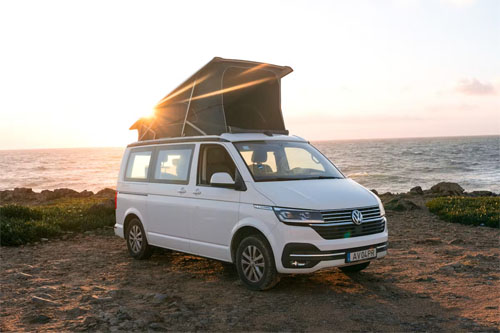
For optimal maneuverability in and around Paris, a Class B Camper Van, like the "V3" (averaging 6.36m in length) which is ideal for a couple, is highly recommended due to its compact size and agility. A Class SI Semi-integrated RV (averaging 6.9m in length), similar to the "Explorer" model, offers a good balance of living space and relative ease of navigation on main Parisian arteries and regional routes. Compact RV classes inherently provide better access to tighter streets and more parking options compared to larger Class C Alcove or Class A Integrated models. Consider the number of travelers and desired amenities; for instance, a couple or small family might prioritize the convenience of a compact campervan for urban access over the spaciousness of a larger RV.Should I Choose a Compact Van Instead of a Large RV in Paris?
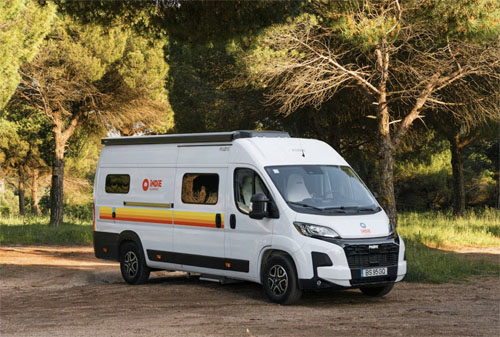
While a compact van (Class B Camper Van) offers superior agility for navigating Paris's narrower streets and finding parking, larger RVs such as a Semi-integrated (Class SI) or Alcove (Class C) are generally manageable on main Parisian thoroughfares and offer more living comfort. Drive slowly and carefully, and you can drive almost anywhere without issues, regardless of RV size; there's no need to stress – just use common sense and pay attention. A compact van is genuinely beneficial for accessing very tight historic centers, crowded areas, or small campsites with limited space. However, for an RV rental in Paris, the added indoor space, amenities, and comfort of a larger RV like a 6-berth "MHC24" (7.3m long with a refrigerator, shower, and toilet) can often outweigh minor maneuverability challenges, especially if you plan to park on the periphery and use public transport for city exploration. The choice ultimately depends on your travel style: prioritizing maximum urban access and fuel efficiency (compact van) versus prioritizing comfort, space for cooking, and amenities for a more relaxed, extended trip. Our team of true RV specialists can help you compare final prices and vehicle types to find your perfect fit.Can I Park Anywhere? Free & Wild Camping Rules in Paris
Wild camping is generally prohibited within Paris and its immediate suburbs, and strict rules apply to overnight parking for RVs in urban areas. Designated campsites and official 'aires de services' are the legal and recommended options for overnight stays for RVs in and around Paris, such as Camping de Paris in Bois de Boulogne, which offers amenities like water and waste disposal. Unauthorized overnight parking in residential areas or public spaces within Paris can result in fines and unwanted attention from authorities, so always seek out official sites. Rules for RV parking and overnight stays vary by region across France, so it's essential to always check local regulations and follow local law before parking overnight, even at designated spots outside the city. To avoid common mistakes, plan your stays in advance using resources like RV PLANET to locate available spots along your route.Can I Drive an RV Into the City Center? Heights, Tunnels & Local Signage
Yes, an RV can generally be driven into the city center of Paris, but it is crucial to display a valid Crit'Air sticker and be aware of the Low Emission Zone (ZFE) restrictions that apply on weekdays. Pay meticulous attention to local signage, which will clearly indicate height limits for tunnels, low bridges (such as those spanning the Seine), and underground parking facilities, which are usually unsuitable for motorhomes. Many central Parisian streets are narrow, and some, particularly in historic districts like Le Marais, may be designated for residents only or have restricted vehicle access, requiring careful route planning to avoid penalties. Consider parking your rented RV at an authorized lot on the outskirts of the city, like at Parc des Expositions de la Porte de Versailles, and utilizing Paris's efficient public transport system (Métro, RER) for central sightseeing. Remember: Drive slowly and carefully, and you can drive almost anywhere without issues.Do I need a Crit'Air sticker for my motorhome in France?
Yes, a Crit'Air sticker is mandatory for most vehicles, including motorhomes, to drive in designated Low Emission Zones (ZFEs) in France, such as Paris, Lyon, and Grenoble, during specified hours. The sticker classifies your vehicle based on its emission level, with stricter zones often restricting access to higher-numbered (more polluting) categories during weekdays from 8 am to 8 pm. Foreign-registered vehicles are also required to display a Crit'Air sticker when entering these zones, and fines from €68 to €135 can be issued for non-compliance. You can easily purchase the sticker online from the official French government website, ensuring you order it well in advance of your trip to Paris, as delivery can take several weeks.Are D-roads in France suitable for motorhomes?
France's 'Routes Départementales' (D-roads) are generally well-maintained and are highly suitable for motorhomes, offering a more scenic and relaxed driving experience than the faster motorways. These roads often pass through picturesque villages and rural landscapes, providing numerous opportunities for stops and exploration, embodying the spirit of slow travel. While generally accommodating for all rented RV sizes, including larger Class C models (like a "Cruise America example Explorer" at 7.1m long), drivers should exercise caution on D-roads in mountainous regions or very remote areas, which may become narrower or steeper. Overall, D-roads are an excellent choice for a slower-paced road trip through France, allowing you to discover the charm of regional France outside major highways. For instance, the D982 along the Loire Valley is a delightful choice.Do I have to pay Paris low emission zone?
There is no direct 'payment' to enter the Paris Low Emission Zone (ZFE); instead, your rented motorhome must display a valid Crit'Air sticker to comply with emission regulations, which is typically obtained online for a small fee of around €4. The ZFE restricts vehicle access based on their Crit'Air classification, particularly for older, more polluting vehicles, during specific hours (e.g., weekdays 8 am to 8 pm). For example, as of 2026, vehicles with Crit'Air 3, 4, or 5 may face restrictions. Failure to display the correct Crit'Air sticker or driving a non-compliant vehicle within the ZFE during restricted hours can result in fines, so ensure your RV meets the required emission standards and obtain your Crit'Air sticker in advance to avoid penalties during your Paris RV adventure.Is France motorhome friendly?
France is widely regarded as one of the most motorhome-friendly countries in Europe, largely due to its extensive network of thousands of 'aires de services' scattered across the country. Aires de services are dedicated stops for motorhomes, offering essential services like water, waste disposal, and often overnight parking, sometimes for free or a small fee (e.g., €5-€15). The country boasts excellent road infrastructure, a variety of scenic routes, from the Côte d'Azur to the Normandy coast, and a strong culture of accommodating 'camping-caristes' (motorhome users). With thousands of campsites and a generally welcoming attitude, France provides ample opportunities for RV travel, from coastal drives to exploring vineyards and historic towns, making it a top choice for a memorable RV vacation. Many of our 50+ leading RV suppliers like Apollo and Britz offer convenient pickup locations throughout France to kickstart your journey.Can I drive in Paris with a US driver's license?
A valid US driver's license is generally accepted for short-term visits (typically up to one year) in France, including Paris, but it must always be accompanied by an International Driving Permit (IDP). The IDP serves as an official translation of your US license into 10 languages, making it easily understandable to French authorities if you are stopped. It is crucial to carry both your physical US driver's license and the IDP at all times while driving in France to avoid potential legal issues or fines. Ensure your IDP is current and obtained before your departure from the United States, as they cannot be issued abroad, and you’ll want to be fully prepared for your Paris RV adventure.Can you own an RV in Europe?
While it is technically possible for non-EU citizens to own an RV in Europe, the process involves navigating complex regulations regarding vehicle registration, insurance, and tax, which can be challenging. Registering a vehicle in an EU country often requires a local address or residency, which can be difficult to establish for non-residents. Obtaining comprehensive insurance can also be more complicated and expensive for non-EU owners compared to EU residents, potentially costing thousands of Euros annually for a high-value RV. For short to medium-term travel, renting an RV in Europe, particularly through a transparent platform like Bandana RV, is a far simpler and more practical solution, bypassing the complexities of ownership logistics and legalities entirely. We cater exclusively to RV rental travelers, making your vacation planning stress-free.What kind of license is required for an RV?
In France, the required driver's license for an RV typically depends on its Gross Vehicle Weight Rating (GVWR), with a standard B-class license sufficing for most rental RVs. A standard B-class license, which most car drivers possess, allows you to drive vehicles with a GVWR up to 3.5 metric tons (3,500 kg), covering most Class B Camper Vans (like the "V3" at 6.36m long) and many Class SI Semi-integrated motorhomes. For larger RVs, such as some Class C Alcoves (like the "Explorer" with a 7.1m length) or Class A Integrated models, with a GVWR exceeding 3.5 tons, a C1 or C-class license is typically required. Always confirm the specific GVWR of your chosen rental RV and ensure your driving license category matches the requirement before booking, though Bandana RV only offers vehicles that can be driven with a standard car license.How much is insurance on a $200,000 RV in Paris?
Insurance costs for a high-value RV like a $200,000 model in France, especially in a rental context, vary significantly based on the level of coverage, the rental company's policy, and the driver's profile, but are generally included in your rental price. Rental RVs typically come with basic third-party liability insurance mandated by French law, which covers damage to other vehicles or property, but may have a high deductible (e.g., €1,500-€3,000) for damage to your rented RV. For extra peace of mind, it is highly advisable to purchase additional comprehensive coverage or a collision damage waiver (CDW) as an optional upgrade through Bandana RV to reduce your liability in case of damage or theft, with costs depending on the deductible and coverage limits. Factors such as driver age (minimum 21), driving history, and rental duration will influence the final insurance premium, and we ensure full transparency with no hidden fees.Does France have public liability insurance?
Yes, France mandates public liability insurance, known as 'assurance au tiers,' for all registered motor vehicles, including RVs, to cover damages to third parties. This essential insurance is typically included as part of your RV rental agreement with Bandana RV, ensuring you are legally covered for any damage or injury your vehicle might cause to others. While public liability is mandatory, it usually does not cover damage to your rental RV itself; for this, additional comprehensive insurance or a collision damage waiver is recommended as an optional upgrade to mitigate your financial risk. Always review the insurance details provided by your rental company to understand the full extent of your coverage and any potential deductibles before embarking on your trip from Paris.What You Shouldn't Miss
Discovering Paris and its surrounding regions by rented RV is an unparalleled adventure. Here are a few must-do experiences for your itinerary:
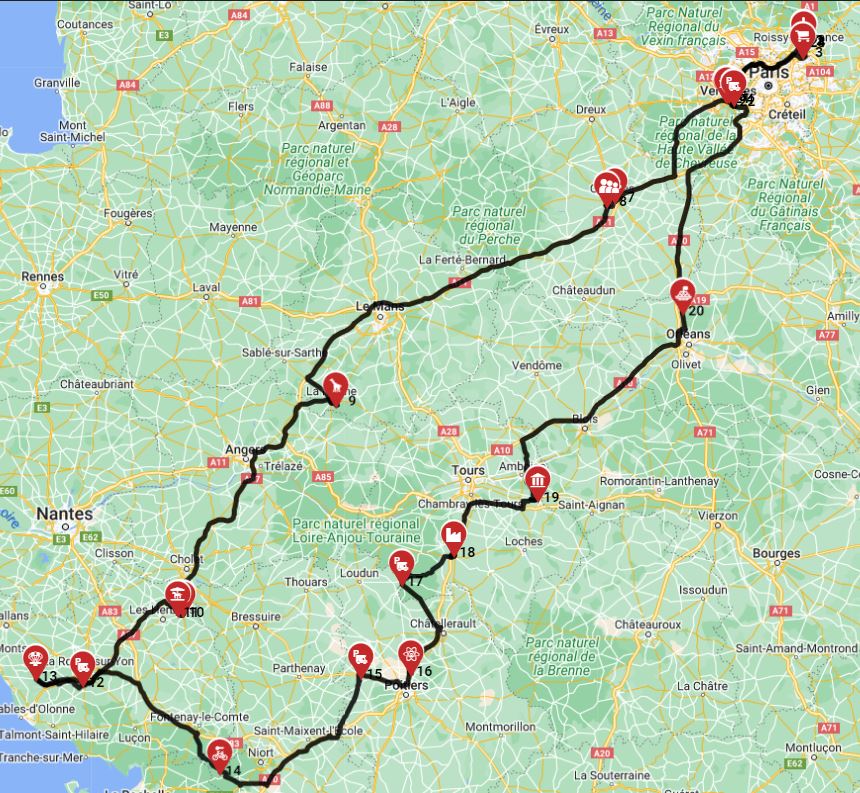
- Explore the Loire Valley Châteaux: Drive west from Paris along picturesque D-roads to visit stunning castles like Château de Chambord or Château de Chenonceau, experiencing the grandeur of French history.
- A Day in Versailles: Park your RV on the outskirts of Versailles and take public transport to explore the magnificent Palace of Versailles and its expansive gardens, a mere 30-minute journey.
- The Normandy Coast and D-Day Beaches: Head northwest for a poignant journey through history. The drive is scenic, and many campsites near the coast, like Camping Omaha Beach, welcome motorhomes.
- Gourmet Delights on Wheels: Utilize your RV kitchen to create delicious meals with fresh produce from local Parisian markets, like Marché des Enfants Rouges, or regional French markets along your route. Don't forget to check out our RV-friendly recipes playlist for inspiration.
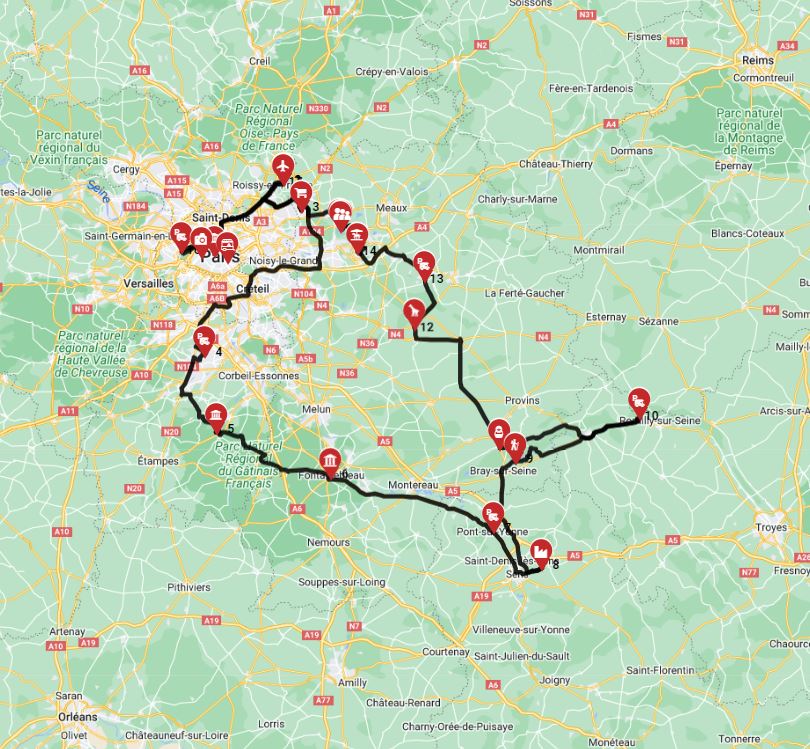
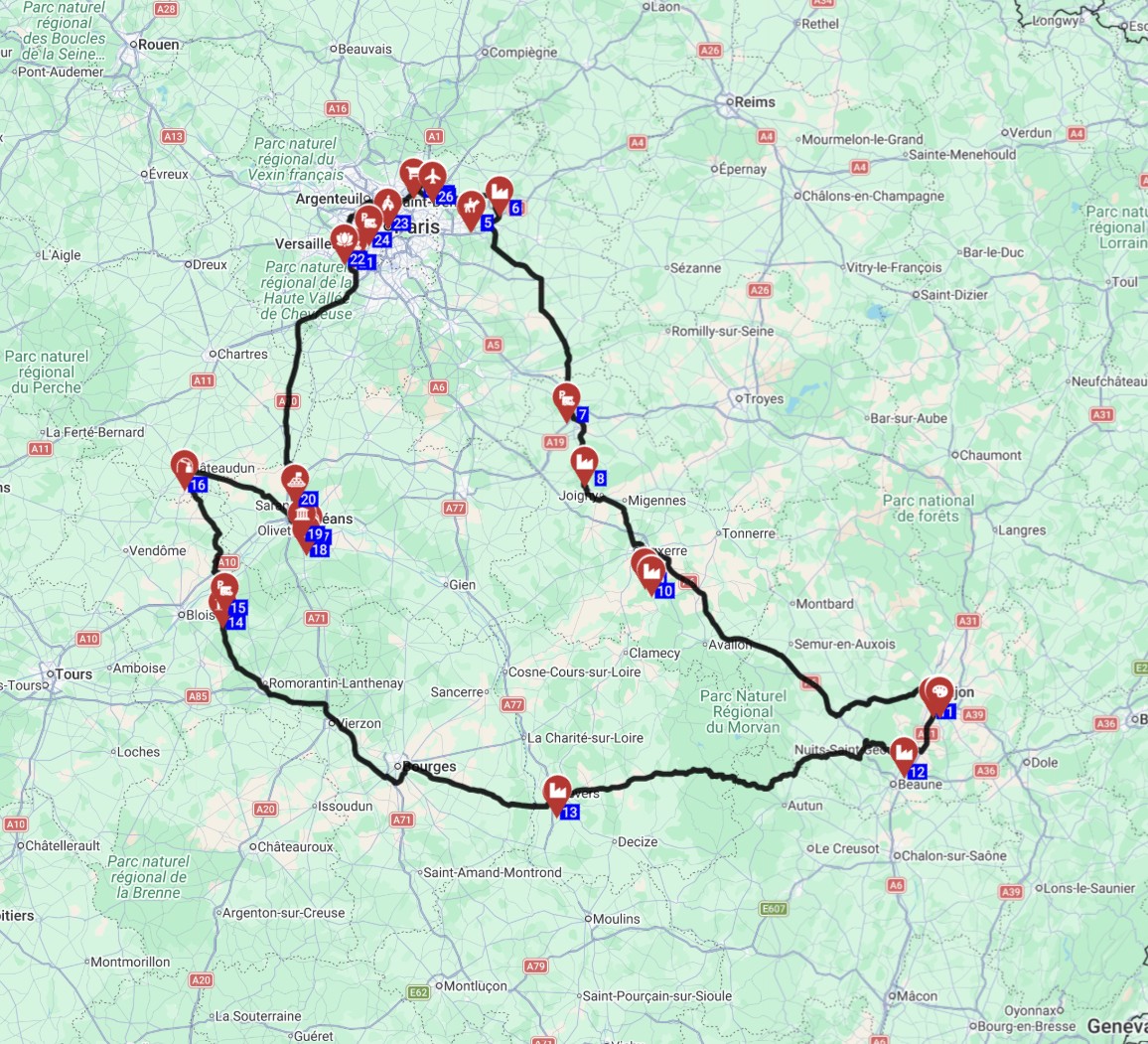
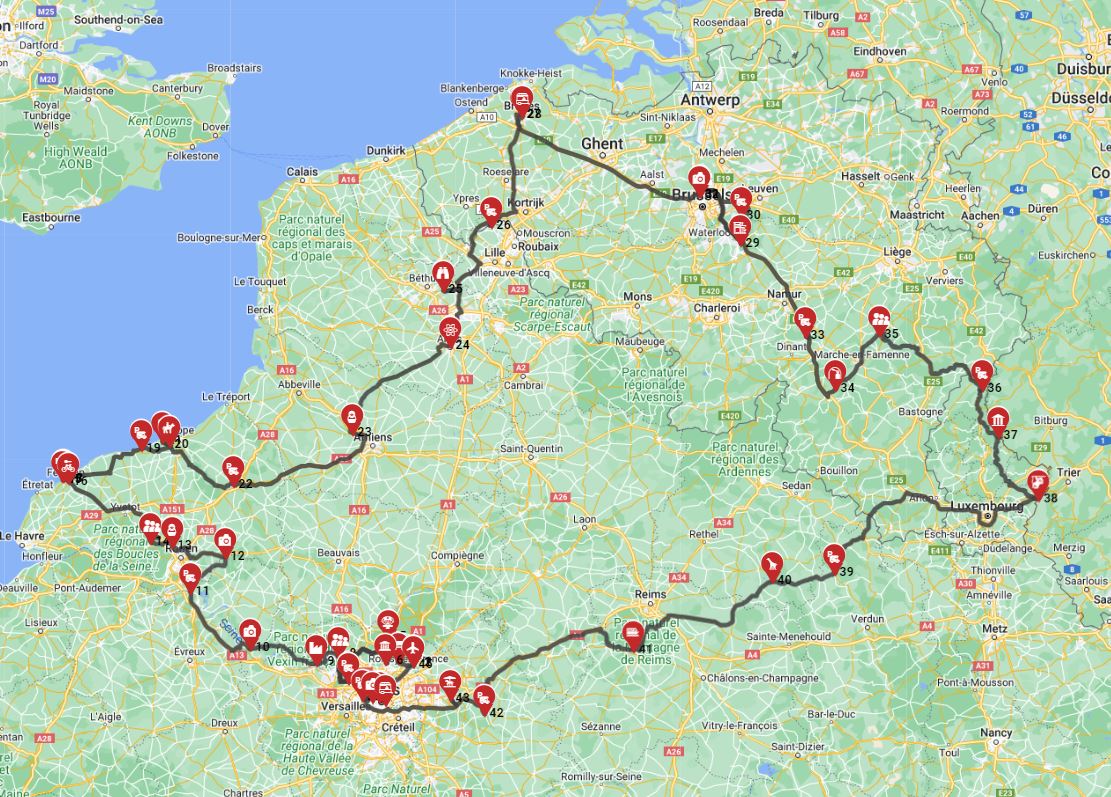
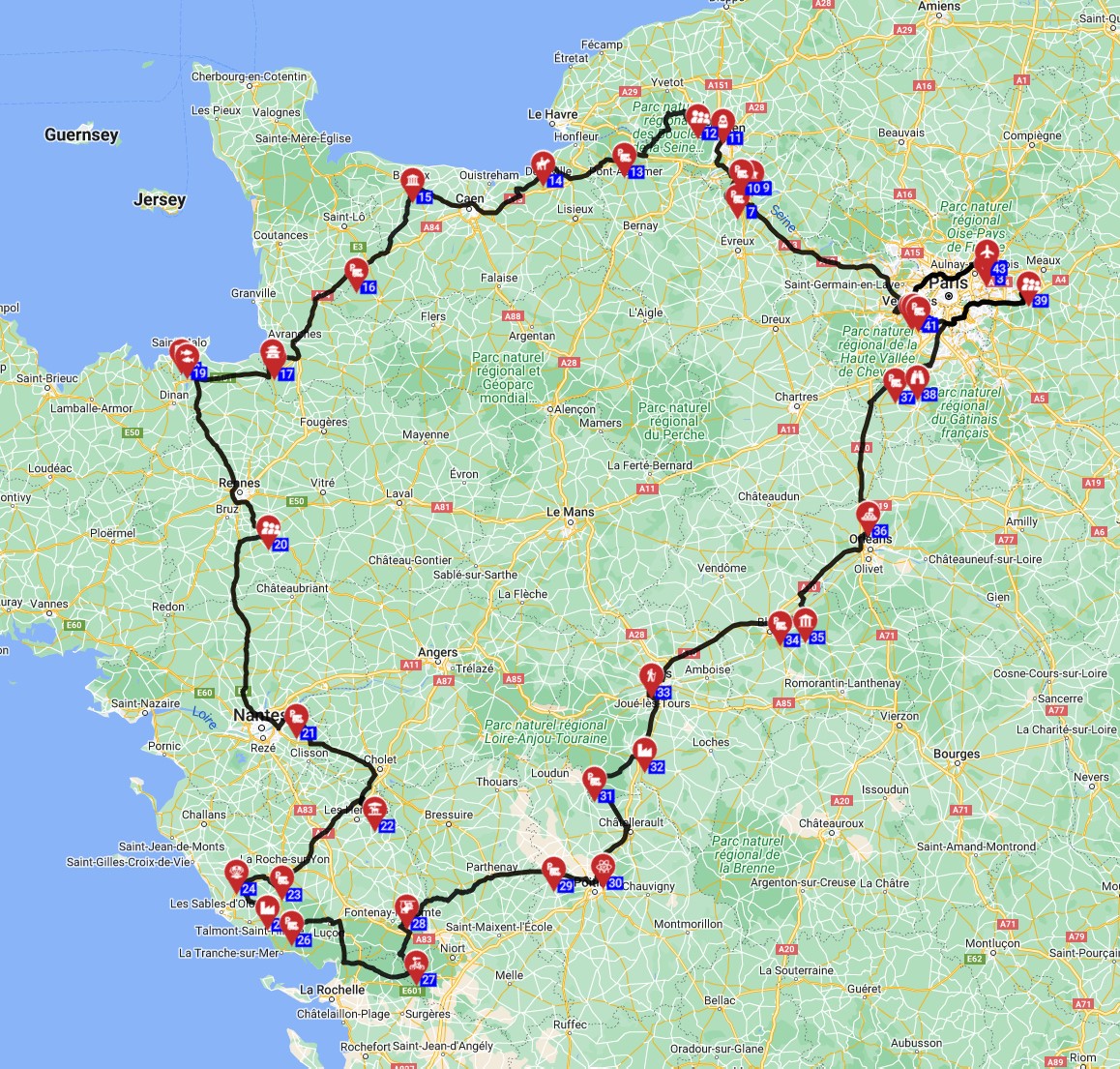
- Avi Bandana Expert Recommendations: Top 5 Adventures - Our founder, Avi Bandana, has personally curated exciting routes. A great option for exploring beyond the city is the "Paris Round trip - Heading Au fil de la Loire" route plan, which spans 8 days and covers 1235.1 km, including 1 amusement park, 1 botanical garden, 1 extreme activity, 1 family activity, 1 heritage site, 1 historical site, 1 local industry tour, 1 science site, 1 traditional market, 1 traditional restaurant, and 1 zoo. This itinerary provides a rich blend of culture, food, and scenery, perfect for slow travel.
Final Thoughts
Embarking on a last-minute RV driving adventure in Paris can be an incredibly liberating and rewarding experience. From understanding local driving nuances like the Crit'Air sticker and navigating D-roads, to choosing the perfect campervan for urban agility, every detail adds to the richness of your journey. Remember, France is exceptionally motorhome-friendly, offering thousands of 'aires de services' to support your travels.
Whether you're exploring historic landmarks or enjoying a leisurely pace through scenic countrysides, a rented RV provides the flexibility to truly immerse yourself in the culture and beauty of France. At Bandana RV, we're with you every step of the way, providing transparent pricing, expert advice, and robust support to ensure your trip is smooth and unforgettable. Life is now – so why wait to discover the magic of Paris on your own terms?
🎬 Video coming soon
On the routes offered through RV PLANET routes, you can itemize and track every expense along the way for easy budgeting.