In This Guide
- Can You Drive an RV in North Canada? License & Age Rules
- Road Conditions & Terrain in North Canada
- RV Size Limits, Bridges & Restricted Zones
- Fuel: Diesel vs. Petrol & Cost per 100 km
- Tolls, Vignettes & Border Rules
- Driving Tips for last minute rv rental Travelers
- Recommended RV Class for North Canada Roads
- Should I Choose a Compact Van Instead of a Large RV in North Canada?
- Can I Park Anywhere? Free & Wild Camping Rules in North Canada
- Can I Drive an RV Into the City Center? Heights, Tunnels & Local Signage
- What is the 3-3-3 rule for RVs?
- What do you need to enter Canada with a RV?
- Do you need a different license to drive an RV in Canada?
- What is the 3-3-3 rule for RV travel?
- Do they search your RV at the Canadian border?
- Can you sleep overnight at rest stops in Canada?
- Where can I park my RV for free in Canada?
- What licence do I need to drive an RV in Canada?
- Can you get temporary RV insurance?
- Who has the least expensive RV insurance?
Embarking on a last minute rv rental adventure through North Canada offers an unparalleled journey into vast wilderness, dramatic landscapes, and unique cultural experiences. Imagine waking up to the stillness of a Yukon morning, surrounded by towering peaks, or experiencing the endless daylight of the Midnight Sun in the Northwest Territories. This comprehensive guide provides all the practical information you need to confidently plan your motorhome trip, from licensing requirements to navigating remote roads and understanding local customs.
At Bandana RV, we specialize in helping travelers discover the freedom of a rented motorhome, providing full transparency with no hidden fees and 24/7 support from real people. We've been helping tens of thousands of travelers explore the world by RV since 2001, building direct partnerships with over 50 leading RV suppliers worldwide, including trusted names like El Monte and Cruise America. For live availability and current prices, start with our RV Rental North Canada - Complete Guide 2026 guide.
🎬 Video coming soon
Can You Drive an RV in North Canada? License & Age Rules
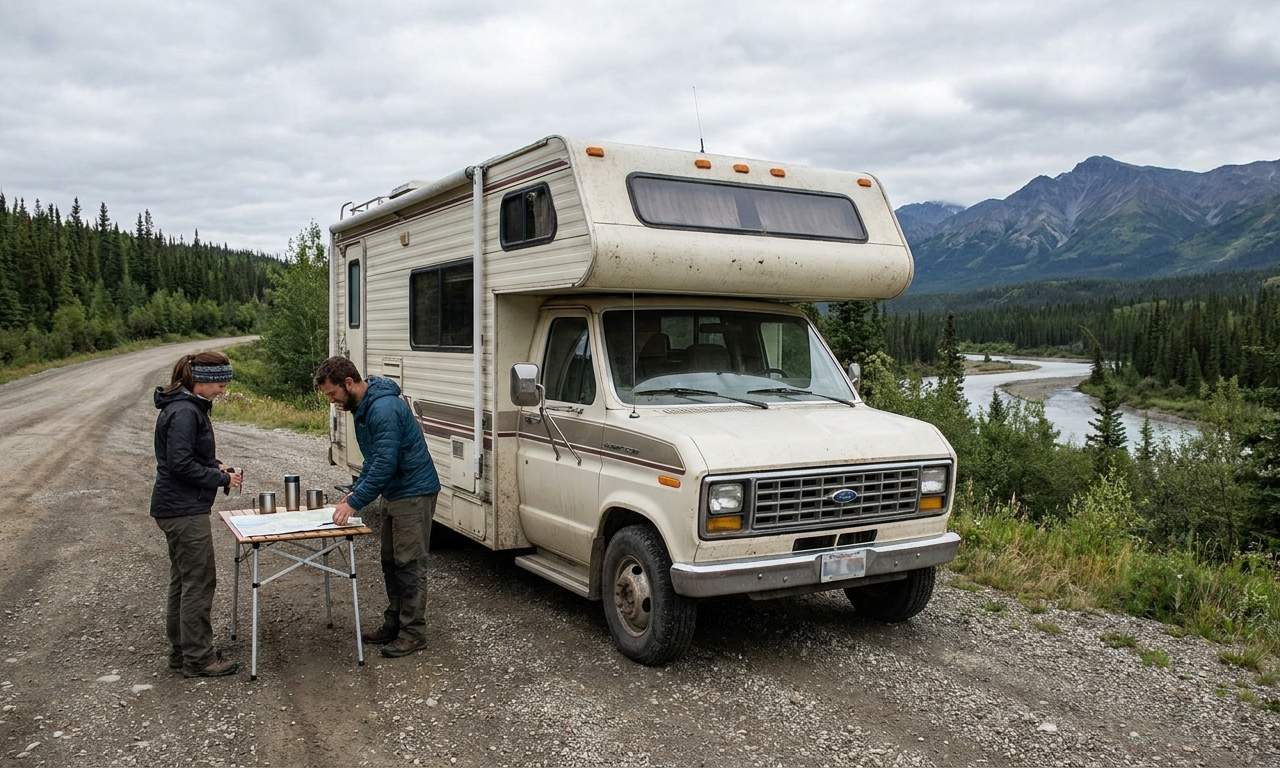
Yes, you can absolutely drive an RV in North Canada, with a standard Class 5 (or equivalent) driver's license typically sufficient for most rental motorhomes. This includes Class B campervans, Class C motorhomes, and even many Class A motorhomes, as long as the gross vehicle weight (GVW) does not exceed 11,000 kg (24,250 lbs). The minimum rental age for an RV in North Canada is generally 21 years old, with no young driver surcharges imposed by Bandana RV partners. Foreign drivers should carry an International Driving Permit (IDP) alongside their valid home country license, especially if the latter is not in English or French, to ensure smooth interactions with local authorities.
Navigating the diverse terrain of North Canada with a rented RV is an exciting prospect, and the good news is that no special license or CDL is required for recreational vehicles within the standard weight limits. We believe that discovering the vastness of the North should be accessible to everyone, and our partners ensure a straightforward rental process. You can even upgrade to a top-level deductible for extra peace of mind, an optional enhancement to your travel insurance.
Road Conditions & Terrain in North Canada
North Canada offers a fascinating range of road conditions, from well-maintained paved highways to extensive gravel and unpaved sections, such as the famous Dempster Highway. Remote areas necessitate careful and attentive driving due to the possibility of potholes, washboards, and frequent wildlife encounters, which is all part of the authentic northern experience. The terrain itself is incredibly diverse, featuring the majestic mountains of the Yukon in the west, vast open tundra further north, and boreal forests, all ideal for slow, scenic exploration in a rented motorhome or campervan.
Planning for limited services in remote regions means self-sufficiency and preparedness are crucial for any extended road trip in North Canada. While major routes like the Alaska Highway are generally good, venturing onto smaller territorial roads or seasonal routes requires extra vigilance. Remember to travel slowly, aiming for a maximum of 100-150 km per day on average, to truly absorb the breathtaking scenery and adapt to varying road surfaces.
RV Size Limits, Bridges & Restricted Zones
North Canada generally accommodates all sizes of rental RVs on its major routes and highways, making it easy to find a Class A, Class C, or even a smaller campervan that suits your needs. Drivers should always observe local signage for specific restrictions, though height and weight limitations are rare on primary roads in this sparsely populated region. Unlike some densely populated areas, strict environmental zones restricting RV access are not common in North Canada's remote regions, giving you more freedom to roam.
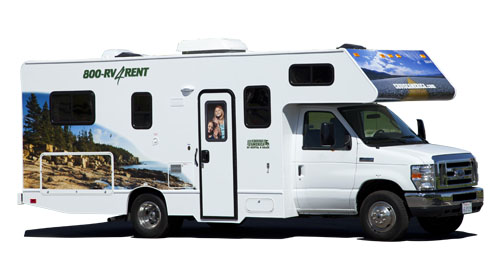
For those considering ferry crossings, such as to specific islands or across wider rivers, it is wise to inquire about length and weight restrictions and book larger RVs in advance to secure your spot. It's always best practice to know your rented RV's exact height, length, and weight to prevent any unexpected issues, especially when navigating less-traveled infrastructure or older bridges. Our range includes options like the cruise america rv rental example Explorer with a length of 7.1 meters, which is a popular choice for families.
Fuel: Diesel vs. Petrol & Cost per 100 km
Both diesel and petrol (gasoline) are readily available at fuel stations across North Canada, though these stations become significantly sparser in extremely remote areas. Many larger Class C and Class A motorhomes typically run on diesel, while Class B campervans can be either petrol or diesel, so it's important to know your rental RV's fuel type. Fuel prices in North Canada are generally higher than in southern regions of Canada or the USA, due to increased transportation costs, so it's wise to budget accordingly for your adventure. For instance, the cruise america example Explorer, a Class C motorhome, has a fuel tank of 75 Liters and an average fuel consumption of 11 Liters/100 km.
Bandana's global fleet averages for fuel consumption typically show Class SI (Semi-integrated) motorhomes at 10-11 Liters/100 km, Class C (Alcove) motorhomes at 10-12 Liters/100 km, and Class B (Camper Van) at 8-10 Liters/100 km. It is always recommended to refuel whenever possible, especially before long stretches between communities, and consider carrying extra fuel containers for remote expeditions to avoid unexpected delays. When planning your route, remember that RV PLANET routes allow you to itemize and track every expense, including fuel, for easy budgeting. On the routes offered through RV PLANET routes, you can itemize and track every expense along the way for easy budgeting.
Tolls, Vignettes & Border Rules
There are no tolls or vignettes required for driving rented RVs on public roads within North Canada, including the Yukon, Northwest Territories, and Nunavut, offering cost-effective road travel. If you are entering Canada from the United States with your rental motorhome, a valid passport or equivalent travel document is required for all occupants. RV drivers must meticulously declare all goods, including any firearms (which are heavily restricted), food items, and alcohol, to Canadian Border Services Agency (CBSA) officers.
Be aware of specific prohibited items, such as firewood from the United States, due to concerns about invasive pests, and certain agricultural products. For those interested in "One-Way RV Rental in North Canada - Price Guide 2026," crossing international borders should be planned well in advance. While pre-purchased toll passes are common in other regions, they are simply not necessary for most of North Canada's toll-free roads, simplifying your preparation.
Driving Tips for last minute rv rental Travelers
Pace yourself with shorter driving days when exploring North Canada, especially on remote or gravel roads, aiming for stops every 2-3 hours to manage fatigue and fully appreciate the scenery. Prioritize topping up fuel and supplies at every opportunity, carrying extra water, non-perishable food, and essential emergency gear such as a satellite communicator or a tire repair kit, due to limited services in vast stretches of wilderness. Maintain extreme vigilance for wildlife on roads, particularly at dawn and dusk, as moose, caribou, and bears are common sights and can pose serious hazards.
Cell service is limited outside of major communities in North Canada, so considering a satellite communication device is highly advisable for safety and peace of mind during your extended road trip. Reduce your speed significantly on gravel roads to manage dust, prevent potential rock chips to your rented motorhome or campervan, and maintain safe following distances. Embracing slow travel allows you to connect more deeply with the culture, the food, and the stunning scenery, which is the true essence of an RV adventure in this unique region.
For more specific local tips and route suggestions, you might find valuable information in an "RV Travel Guide to North Canada - Tips and Top Spots 2026."
Recommended RV Class for North Canada Roads
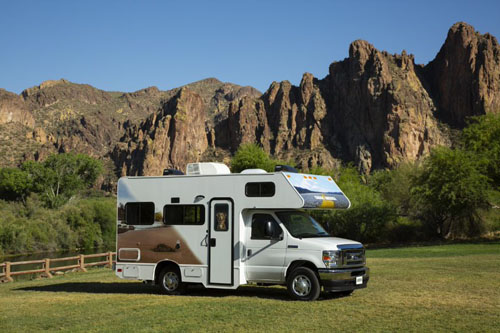
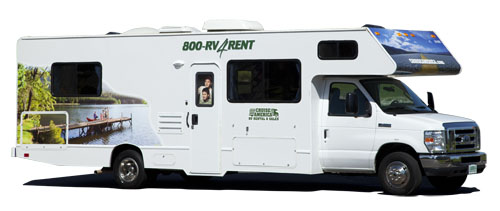
Class SI (Semi-integrated) and Class C (Alcove) rental RVs are generally recommended for exploring North Canada, offering a balanced combination of comfort, space, and maneuverability. Class SI RVs, averaging 6.9 meters in length, comfortably accommodate 3-4 adults and typically offer a fuel efficiency of 10-11 Liters/100 km, based on our global fleet averages. Class C Alcove motorhomes, averaging around 7.5 meters, sleep 4-5 adults, providing ample living space and storage, with global fleet average consumption of 10-12 Liters/100 km, exemplified by a model like the 24' Class C Motorhome with a 166 Liter fresh water tank and seating for 6.
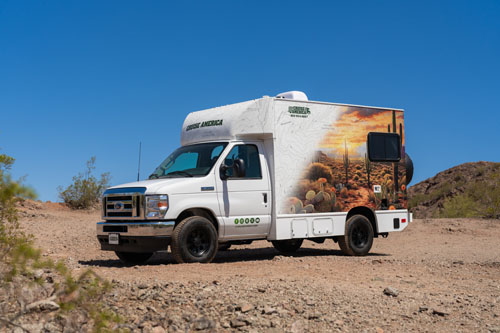
For those planning to venture onto more rugged routes or unpaved tracks, Truck Campers (Class TC), averaging 5.5m, can provide excellent ground clearance and a more robust driving experience. However, they typically offer less indoor space and higher fuel consumption (12-17 Liters/100 km), like the 4x4 Scout Adventure Truck Camper Gold. Your choice ultimately depends on your group size, comfort preferences, and the specific routes you plan to take through North Canada's diverse landscapes. For families, consulting our "Family RV Rental in North Canada - Pricing Guide 2026" might be helpful.
Should I Choose a Compact Van Instead of a Large RV in North Canada?
A larger rented RV, such as a Class SI or Class C motorhome, generally offers superior comfort, ample storage, and greater self-sufficiency, which are often critical advantages for remote North Canadian trips. While compact vans (Class B Camper Vans), averaging 5.8 meters in length, provide easier maneuverability and potentially better fuel economy (8-10 Liters/100 km global fleet average, like the 2 Berth Hi Top with automatic transmission), the trade-off is reduced living space and smaller tank capacities. For example, a Class C motorhome typically has a larger refrigerator, a more spacious dining area, and often more robust heating systems, which are valuable features in varying northern weather.
Most main routes in North Canada are wide enough to comfortably accommodate larger RVs, mitigating the maneuverability advantage of a compact van on primary roads. The added space, larger fresh and waste water tanks, and increased storage for provisions and gear in a larger motorhome often outweigh the benefits of a compact van, especially for extended week-long or two-week adventures. This means more time enjoying your surroundings and less time worrying about resupply, allowing you to truly take time to feel the place, connect to the culture, the food, and the scenery.
Can I Park Anywhere? Free & Wild Camping Rules in North Canada
Free and wild camping, often referred to as boondocking, is widely tolerated and practiced on Crown Land across North Canada, offering vast remote overnight opportunities for adventurous RV travelers. This means you can generally park and camp away from developed areas, private property, and protected territorial or national parks, as long as you are on publicly accessible Crown Land. Roadside pull-outs and informal spots along less-traveled routes are often used for temporary overnight stays, providing flexibility for spontaneous travelers.
However, always look for explicit signage indicating "no overnight parking" or other restrictions, and respect local laws and regulations, particularly near communities or in designated territorial parks. The most crucial aspect of wild camping in North Canada is to always practice Leave No Trace principles, which includes packing out all trash, disposing of human waste properly, and minimizing your impact on the environment. Bear safety is also paramount, requiring proper food storage and awareness. For finding campsites and campgrounds during your trip, we recommend using RV PLANET (rvplan.net) – a great resource for locating available spots along your route, including many first-come-first-serve options in national parks.
Can I Drive an RV Into the City Center? Heights, Tunnels & Local Signage
Yes, driving a rented RV into the main community centers of North Canada, such as Whitehorse in the Yukon or Yellowknife in the Northwest Territories, is generally feasible and not overly challenging. Unlike larger southern metropolitan areas, North Canadian towns are typically smaller, less congested, and have fewer height-restricted tunnels or low bridges that would pose an issue for motorhomes. You can drive slowly and carefully, and you can drive almost anywhere without issues. No need to stress - just use common sense and pay attention.
While parking can sometimes be a challenge for larger Class A or Class C motorhomes in the immediate downtown core, RV-friendly parking options often exist on the outskirts of towns or at designated visitor parking areas. There are no specific environmental zones that restrict RV access in North Canadian communities. Always pay close attention to local signage for any specific height limits, temporary parking regulations, or road construction to ensure a smooth visit.
What is the 3-3-3 rule for RVs?
The 3-3-3 rule for RV travel is a widely recommended guideline that advises recreational vehicle drivers to limit daily travel to no more than 300 miles (approximately 480 kilometers). It also suggests arriving at your chosen destination or campground by 3 PM, allowing ample time for setup and relaxation. Furthermore, the rule recommends staying for at least 3 nights at each location, promoting a more relaxed pace of travel and deeper exploration of the area. This approach is particularly beneficial for remote North Canadian journeys, helping to reduce driver fatigue and maximize enjoyment of the vast landscapes.
What do you need to enter Canada with a RV?
To enter Canada with a rented RV, a valid passport or equivalent travel document is required for every individual in your traveling party. You must carry proof of the RV's registration and valid insurance coverage that extends to Canada. It is also mandatory to declare all goods to Canadian Border Services Agency (CBSA) officers, including any firearms, food items, and alcohol, ensuring quantities are within legal limits.
Travelers should be aware of prohibited items such as certain agricultural products (e.g., firewood from the US due to pest concerns) to avoid delays. For rental RVs, ensure you have official documentation from the rental company permitting cross-border travel into Canada, as this will be requested at the border. You may find more details on broader cross-border trips in our "RV Rental USA - Complete Guide 2026".
Do you need a different license to drive an RV in Canada?
No, you typically do not need a different license to drive most rental RVs in Canada, including all motorhome classes (Class A, Class B, and Class C). A standard car driver's license, such as a Class 5 equivalent from your home jurisdiction, is generally sufficient for operating these vehicles. This applies as long as the RV's gross vehicle weight (GVW) does not exceed 11,000 kg (24,250 lbs), which covers the vast majority of recreational rental motorhomes available. Only exceptionally large or heavy commercial-grade RVs would require a higher class of license.
For international drivers whose licenses are not issued in English or French, carrying an International Driving Permit (IDP) in addition to their national license is recommended to avoid potential communication issues, though it is not mandatory in all cases. The minimum rental age for any RV in North Canada with Bandana partners is 21 years old, with no young driver surcharges.
What is the 3-3-3 rule for RV travel?
The 3-3-3 rule for RV travel is a practical guideline designed to enhance safety and enjoyment on the road, especially in expansive regions like North Canada. It recommends limiting your daily driving to no more than 300 miles (approximately 480 kilometers) to prevent driver fatigue. The rule also suggests arriving at your campsite or overnight stop by 3 PM, allowing ample daylight for setup, relaxation, and exploring your immediate surroundings. Finally, it advises staying for a minimum of 3 nights at each location, fostering a slower, more immersive travel experience where you can truly connect with the environment.
Do they search your RV at the Canadian border?
Yes, Canadian Border Services Agency (CBSA) officers have the legal authority to search your rented RV at the border, similar to any other vehicle entering the country. While not every vehicle undergoes a thorough inspection, you should be prepared for a potential search of all compartments, cupboards, and personal belongings within your motorhome or campervan. These searches are conducted to ensure compliance with Canadian customs laws and to identify any prohibited items, such as certain firearms, specific food items, or quantities of alcohol/tobacco exceeding personal limits.
Cooperating fully and honestly with the officers will help expedite the border crossing process. Having all necessary documentation, including passports, RV registration, and rental agreements, readily accessible will also contribute to a smoother experience. Being transparent about what you are carrying is key to avoiding delays.
Can you sleep overnight at rest stops in Canada?
Many rest stops in Canada, particularly in the vast and remote regions of North Canada (Yukon, NWT), generally permit overnight parking for self-contained RVs. However, specific rules and regulations can vary by province, territory, or even municipality, so always look for signage explicitly stating "no overnight parking" or other restrictions. In the Yukon and Northwest Territories, designated rest areas are frequently used by RVers for temporary overnight stays when formal campgrounds are scarce or unavailable, especially along highways like the Alaska Highway or the Dempster.
These stops are primarily intended for driver fatigue breaks, not extended camping, so it's important to be respectful and discreet. Always ensure your rented motorhome is self-sufficient for dry camping, meaning you have adequate water, power, and waste capacity without external hookups. Calling ahead to a local visitor center or checking current provincial/territorial guidelines can provide the most accurate information for your planned stops. Remember, many national and territorial parks reserve only 25-30% of their spots, with the rest being first-come-first-serve, so you'll often find a spot. If not at the first campground, then the next one; just call ahead before driving.
Where can I park my RV for free in Canada?
Free RV parking is widely available on Crown Land across North Canada, particularly in the Yukon and Northwest Territories, allowing for dispersed camping away from developed areas and private property. Many roadside pull-offs, scenic viewpoints, and designated informal spots are commonly utilized for free overnight stays in remote regions. Always ensure you are on public land and not on private property or First Nations land without explicit permission.
Some big-box store parking lots, such as Walmart, may also allow overnight parking for self-contained RVs, but it is always courteous and recommended to ask store management first. Provincial and territorial rest stops can also serve as short-term, free overnight stops, though these are typically for resting, not extended camping. Always adhere to Leave No Trace principles, disposing of all waste properly and minimizing your environmental impact, to preserve the pristine northern wilderness for future generations. For more flexible route planning, remember our Rent&Plan feature offers pre-planned routes by professionals.
What licence do I need to drive an RV in Canada?
For most recreational vehicles, including all classes of motorhomes (Class A, Class B, and Class C) rented in North Canada, a standard Class 5 (or equivalent) driver's license from your home country is generally sufficient. This applies as long as the RV's gross vehicle weight (GVW) remains below 11,000 kg (24,250 lbs), a limit that encompasses the vast majority of rental RVs offered by Bandana's partners. You will not require a special license or a commercial driver's license (CDL).
An International Driving Permit (IDP) is recommended for visitors from non-English or non-French speaking countries, as it provides a translation of your original license, but it is not mandatory in most cases for driving. The minimum rental age with our partners is 21, and there are no additional young driver surcharges or vehicle class restrictions based on age, ensuring a straightforward and accessible rental process for exploring North Canada.
Can you get temporary RV insurance for North Canada?
Yes, temporary RV insurance is typically available for last-minute rentals in North Canada, often offered directly through your rental company or specialized travel insurance providers. Rental companies partnered with Bandana RV, including major suppliers like El Monte and Apollo, provide various supplementary insurance options, such as damage waivers or increased liability coverage, which you can purchase at the time of booking. It's crucial to review your personal auto insurance policy and any credit card benefits before your trip, as they may offer existing primary or secondary coverage for rented vehicles.
Bandana RV believes in full transparency, ensuring no hidden fees or surprises when it comes to insurance. While basic coverage is usually included, you can upgrade to a top-level deductible for extra peace of mind, an optional add-on that provides greater financial protection. Understanding your insurance options is a vital step in preparing for a safe and worry-free RV adventure in North Canada.
Who has the least expensive RV insurance for North Canada?
The "least expensive" RV insurance for North Canada varies significantly depending on several factors, including the value of the specific rental RV, your driver history, the desired coverage limits, and the individual insurer. For last minute rv rental trips, the most cost-effective insurance solution is often found by carefully evaluating the supplementary insurance options provided by your chosen rental company during the booking process. These typically include various levels of damage waivers or liability enhancements tailored for temporary use.
Before committing to additional coverage, it's always prudent to review your personal auto insurance policy and any travel benefits offered by your credit card, as they might provide primary or secondary coverage that could reduce your out-of-pocket costs. At Bandana RV, we compare final prices across 50+ suppliers, helping you understand all costs upfront, including insurance options, so you don't have to. Our goal is to provide the easiest, safest, and most affordable way to rent an RV, making your North Canada adventure both memorable and budget-friendly.
What You Shouldn't Miss
- Drive the Dempster Highway: Experience Canada's only all-weather road crossing the Arctic Circle, leading to the Arctic Ocean in Tuktoyaktuk, NWT. This 736 km gravel road is an epic northern challenge and offers breathtaking views of pristine wilderness.
- Explore Kluane National Park and Reserve, Yukon: Home to Canada's highest peak, Mount Logan, and the world's largest non-polar icefields. RVers can enjoy scenic drives, hiking trails, and abundant wildlife viewing opportunities.
- Visit Dawson City, Yukon: Immerse yourself in Gold Rush history, walk the boardwalks, and experience the unique charm of this historic town on the Yukon River.
- Witness the Northern Lights: From late August to April, North Canada offers some of the best aurora borealis viewing opportunities on Earth. Park your rental motorhome under a clear sky and prepare for a spectacular celestial show.
- Experience Indigenous Culture: Visit cultural centers and communities to learn about the rich history and traditions of the First Nations and Inuit peoples of North Canada.
- Paddle the Yukon River: Rent a canoe or kayak and enjoy a peaceful paddle on sections of the historic Yukon River, taking in the serene wilderness from a unique perspective.
Looking for expert insights from Avi Bandana? Top 5 Adventures - recommendations from Avi Bandana
Final Thoughts
A last minute rv rental in North Canada promises an unforgettable journey into one of the world's last true wildernesses. With its breathtaking scenery, unique wildlife, and endless outdoor opportunities, traveling by motorhome or campervan offers the freedom and flexibility to truly immerse yourself in the northern experience. Remember to embrace the spirit of slow travel, allowing yourself ample time to explore and appreciate every moment.
From understanding road conditions to navigating border crossings and discovering free camping spots, being prepared is key to a smooth adventure. At Bandana RV, we're here to support you every step of the way, from comparing prices and booking your ideal vehicle to coordinating all the details. We handle the details, you live the journey, ensuring your North Canada road trip is everything you dream of and more. God is in the small details, and we take care of them. That's what makes the big difference.
Ready to hit the open road and explore the unparalleled beauty of the North? Compare Motorhome Prices for North Canada now and start planning your epic RV adventure!