In This Guide
- Can You Drive an RV in Netherlands? License & Age Rules
- Road Conditions & Terrain in Netherlands
- RV Size Limits, Bridges & Restricted Zones
- Fuel: Diesel vs. Petrol & Cost per 100 km
- Tolls, Vignettes & Border Rules
- Driving Tips for last minute rv rental Travelers
- Recommended RV Class for Netherlands Roads
- Should I Choose a Compact Van Instead of a Large RV in Netherlands?
- Can I Park Anywhere? Free & Wild Camping Rules in Netherlands
- Can I Drive an RV Into the City Center? Heights, Tunnels & Local Signage
- How to Park an RV in Amsterdam and Other Dutch Cities?
- What are Unique Scenic RV Routes in the Netherlands?
- What are Legal Alternatives to Wild Camping in the Netherlands?
- What are the Unique Dutch Driving Rules and Quirks for RVs?
- How Can RV Travelers Experience Authentic Dutch Culture?
- Can I Plan Themed RV Tours for Specific Interests in the Netherlands?
Imagine yourself winding through picturesque polder landscapes, past iconic windmills, and along serene canals, with the freedom of a last-minute RV rental in Netherlands. This charming country, known for its flat terrain and vibrant cities, offers an incredible backdrop for a spontaneous motorhome adventure. At Bandana RV, we understand the thrill of setting off on a whim, and we're here to make your last-minute journey through the Netherlands as seamless and enjoyable as possible. For live availability and current prices, start with our RV Rental Netherlands - Complete Guide 2026 guide.
Can You Drive an RV in Netherlands? License & Age Rules
Most standard rental RVs in the Netherlands, specifically those with a Maximum Authorised Mass (MAM) under 3,500 kg, can be driven with a regular Category B driving license, making RV travel accessible to many. For larger motorhomes exceeding 3,500 kg MAM, a Category C1 or C license is required, though these are less common for typical vacation rentals. The minimum driving age for an RV in the Netherlands is 18, but rental companies often require drivers to be at least 21 years old, and sometimes 25 for their largest Class A motorhomes, ensuring a smooth and safe rental experience. Foreign drivers from outside the EU/EEA typically need an International Driving Permit (IDP) in addition to their national license, which is highly recommended for clarity and ease of communication with local authorities.
Bandana RV maintains direct partnerships with over 50 leading RV suppliers worldwide, including trusted names like El Monte and Apollo, ensuring you have a wide selection of vehicles that meet all local licensing regulations for your last-minute RV rental in Netherlands. We provide full transparency on all requirements, so there are no hidden fees or surprises when you pick up your chosen campervan. Our aim is to make the booking process straightforward and supportive, so you feel confident before, during, and after your rental. For a more detailed breakdown of costs and requirements, you might want to look into "RV Rental in Netherlands - Prices and Best Deals 2026".
Road Conditions & Terrain in Netherlands
The Netherlands features an excellent and well-maintained road infrastructure, including smooth motorways and clearly signposted secondary roads, which are ideal for comfortable RV travel. The terrain is predominantly flat, presenting no mountainous regions to navigate and contributing to easier driving and better fuel economy for your rented motorhome. While main roads are spacious, historic city centers and charming smaller villages often have narrow streets and canals, requiring careful maneuvering, especially for larger Class C or Class A RVs, so always drive slowly and carefully, and you can drive almost anywhere without issues. Extensive bicycle paths run alongside many roads, necessitating constant awareness and yielding to cyclists, who have significant priority in Dutch traffic.
RV Size Limits, Bridges & Restricted Zones
RV drivers in the Netherlands must be vigilant for height restrictions, particularly for bridges, underpasses, and parking garages in older cities, which can be as low as 2.5 to 3.5 meters. Always check your rented motorhome's exact dimensions and heed all signage to avoid potential issues. Environmental Zones (Milieuzones) exist in major cities like Amsterdam, Rotterdam, and Utrecht, restricting older, more polluting vehicles; ensure your RV's emission class complies with local requirements or plan to use designated Park and Ride (P+R) facilities. There are generally no widespread weight limits on major roads for RVs, but smaller local roads or specific bridges might have restrictions that should be heeded. Ferry services to islands may also have specific length and weight limits for larger RVs, so it's advisable to check in advance for any last-minute rv rental in Netherlands.
Fuel: Diesel vs. Petrol & Cost per 100 km
The vast majority of rental RVs in the Netherlands run on diesel fuel, which is widely available at service stations across the country. Bandana's global fleet averages indicate typical fuel consumption ranges from 8-10 Liters/100 km for Class B (Camper Vans) like the "DVC" model and 10-11 Liters/100 km for Class SI (Semi-integrated) RVs such as the "SVC" which has a 208-liter fuel tank. Larger RVs like Class C (Alcove) typically consume 10-12 Liters/100 km, with models like the "MHC30" featuring a 210-liter fuel tank. Class A (Integrated) averages 8-12 Liters/100 km, while Class TC (Truck Camper) consume 12-17 Liters/100 km. Fuel costs in the Netherlands are generally higher than the European average, and real-time prices can be checked via apps like ANWB Onderweg for current petrol (Euro 95/E10) and diesel prices. For tracking all trip costs, including fuel and other ancillary expenses, we highly recommend planning your adventure using RV PLANET routes, where you can itemize and track every expense along the way for easy budgeting. On the routes offered through RV PLANET routes, you can itemize and track every expense along the way for easy budgeting.
Tolls, Vignettes & Border Rules
The Netherlands generally does not have a widespread toll road system or a national vignette requirement for passenger vehicles and RVs, making travel on most national roads free and straightforward. Specific exceptions include tunnels like the Westerscheldetunnel in Zeeland, which charges a toll (approximately €5), and potential future charges for certain infrastructure projects. As part of the Schengen Area, there are typically no border checks when traveling between the Netherlands and neighboring EU countries like Germany or Belgium, allowing for seamless cross-border RV trips. However, travelers should be aware of and comply with toll and vignette systems in surrounding countries, such as Germany's environmental stickers or France's motorway tolls, when planning extended RV Rental Europe - Complete Guide 2026 adventures.
Driving Tips for last minute rv rental Travelers
When driving your rented RV in the Netherlands, prioritizing cyclists is paramount; always yield to bicycles, as they have significant priority on Dutch roads and dedicated paths, and use extra caution when turning. Navigating narrow roads carefully is essential, as many historic village centers and older city districts have very tight streets; check your motorhome's dimensions and consider alternative parking, such as P+R (Park and Ride) facilities. Plan parking in advance, utilizing designated 'camperplaatsen' (motorhome parking spots) or campsites, especially for overnight stays, as wild camping is illegal. Be aware of Environmental Zones ('milieuzones') in major cities; verify if your RV meets the emission standards to avoid fines, or simply use P+R. Embrace slower, scenic routes, averaging no more than 100-150 km per day, as the flat landscape and picturesque canals are best enjoyed at a relaxed pace, allowing for spontaneous stops at windmills or local markets.
Recommended RV Class for Netherlands Roads
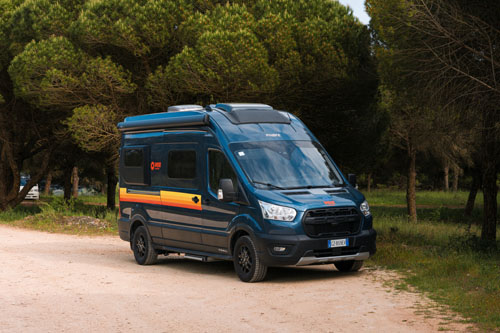
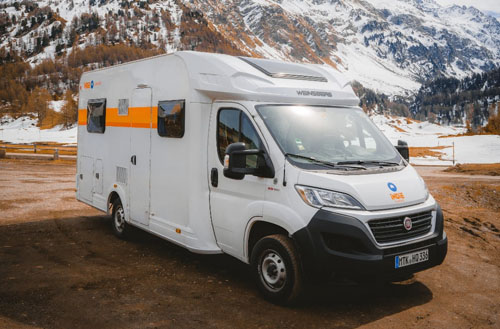
For navigating the Netherlands' combination of well-maintained motorways and charming, often narrower, local roads, Class B (Camper Van) and Class SI (Semi-integrated) RVs are highly recommended for their balance of maneuverability and comfort. A Class B Camper Van, with an average length of 5.8 meters (Bandana's global fleet average, like the "V3" model at 6.36m length and 2 sleepers), is ideal for easy city access and fitting into smaller campsites, offering comfortable sleeping for 3.2 adults typically. Class SI Semi-integrated motorhomes, averaging 6.9 meters in length (like the "K2D" at 6.99m length with 3 sleepers), provide a good balance of living space for 3.8 average sleepers and amenities while remaining manageable for most Dutch roads, making them a versatile choice for your last-minute RV rental in Netherlands. While larger Class C (Alcove, avg. 7.5m, 5.8 sleepers) or Class A (Integrated, avg. 7.5m, 4.4 sleepers) RVs offer more space for families, they may require more cautious navigation in very old or dense urban areas.
Should I Choose a Compact Van Instead of a Large RV in Netherlands?
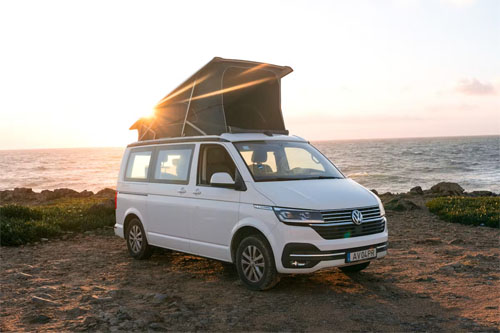
Choosing a compact van, specifically a Class B campervan, for your last-minute RV rental in Netherlands can significantly enhance maneuverability for tight city centers and narrow country roads, although larger RVs pose no major issues on main thoroughfares. Compact van advantages (e.g., Class B, like the "Duo" or "Combi Van" models) include easier parking in urban areas, better fuel economy (Bandana's global fleet Class B averages 8-10 Liters/100 km), and greater access to smaller, more secluded spots. Many compact models offer comfortable sleeping for 2-3 people, such as the "Active Pop Top" which sleeps 4 but is considered small in size. Large RV advantages (e.g., Class SI, C, A, like the "Explorer" at 7.1m length with 4 sleepers or the "C-30" at 9.1m length with 7 sleepers) offer significantly more comfort, larger living, kitchen, and bathroom facilities, and are ideal for longer trips or families seeking more space. The decision often comes down to balancing desired comfort and amenities against the ease of navigating the most challenging urban environments, as most RVs in Bandana's global fleet (e.g., Class SI at 6.9m) are manageable on standard Dutch roads.
🎬 Video coming soon
Can I Park Anywhere? Free & Wild Camping Rules in Netherlands
Wild camping is generally illegal in the Netherlands; however, the country offers a comprehensive network of legal and convenient alternatives, including designated 'camperplaatsen' and 'Natuurkampeerterreinen' (natural campsites). Overnight parking in undesignated areas, including roadside rest stops or public car parks, is strictly prohibited and can result in fines, so it is always important to respect local regulations. 'Camperplaatsen' are official motorhome parking spots that are plentiful, often found near towns, attractions, or scenic routes, and typically provide basic services like water, waste disposal, and electricity, sometimes for a small fee of €5-€20. 'Natuurkampeerterreinen' represent a unique Dutch system of over 130 natural campsites, accessible with a 'GreenCard', offering a more rustic and environmentally friendly camping experience in beautiful natural settings. Additionally, the Netherlands boasts numerous well-equipped commercial campsites with a wide range of facilities across the country, providing secure and comfortable options for your week-long trip or extended adventure. Always consult local regulations and follow local law before parking overnight, for more detailed guidance, consider our "Cheap RV Rental in Netherlands - Budget Guide 2026".
Can I Drive an RV Into the City Center? Heights, Tunnels & Local Signage
It is generally possible to drive a rented RV into Dutch city centers, but drivers must pay extremely close attention to specific local signage indicating height restrictions, environmental zones, and 'residents-only' streets. Be vigilant for signs indicating maximum vehicle heights, particularly when approaching tunnels, underpasses, and entering older, historic districts, as these can sometimes be as low as 2.5 meters. Many major cities enforce Low Emission Zones ('Milieuzones') that restrict access for older or more polluting vehicles; ensure your RV complies or plan alternative parking. Some central areas are restricted to residents or are pedestrian-only; heed all local signage to avoid fines or getting stuck. A highly recommended strategy for city access is using Park-and-Ride (P+R) facilities, allowing RVs to park securely on the outskirts of major cities for around €8 per day and then use efficient public transport to reach the center. No need to stress about driving in cities – just use common sense and pay attention!
How to Park an RV in Amsterdam and Other Dutch Cities?
Parking a rented RV in Dutch cities like Amsterdam is best managed by utilizing Park-and-Ride (P+R) facilities on the city outskirts or by staying at campsites with excellent public transport links. P+R facilities are the most practical and cost-effective solutions; you can park your RV on the city's periphery for a nominal fee (often around €8 for 24 hours, sometimes including public transport tickets) and use trams, buses, or metros to reach the city center. Many major Dutch cities have campsites conveniently located on their outskirts, offering RV pitches and direct public transport connections into the heart of the city, which is ideal for a two-week adventure. While less common in the very core of major tourist centers, some cities or nearby towns may offer designated motorhome parking areas known as 'camperplaatsen', though these can fill up quickly. Avoid on-street parking, as it is generally challenging and expensive for RVs in urban areas, with strict regulations, limited space, and potential fines for oversized vehicles. For flexibility, you might consider "One-Way RV Rental in Netherlands - Price Guide 2026" which often means picking up your rental in one city and returning it in another.
What are Unique Scenic RV Routes in the Netherlands?
Beyond major highways, the Netherlands offers unique scenic RV routes that highlight specific regional charms, from vibrant tulip fields and coastal dunes to historic villages and serene nature parks. These curated itineraries make planning a trip itinerary in advance with minimal effort and maximum enjoyment simple. RV PLANET, our sister company, offers a wealth of pre-planned routes by professionals, making planning a snap and rewarding you with a 25% planning discount. Imagine exploring the 'Bollenstreek' (bulb region) around Lisse in spring, where you'll find stunning landscapes of blooming tulips, hyacinths, and daffodils. Or discover the extensive network of lakes, waterways, and charming waterside villages in the northern province of Friesland, perfect for water sports enthusiasts. Travel slowly, maximum 100-150 km per day on average, to fully immerse yourself.
Consider the Dusseldorf Roundtrip - Germany / Netherlands / Belgium, an 8-day, 1076.2 km itinerary starting and ending in Dusseldorf. This route includes 1 amusement park, 1 aquarium, 1 bike rental, 2 cruise terminals, 2 family activities, 1 historical site, 3 local industry visits, 1 museum, 1 point of interest, 1 traditional market, 1 traditional restaurant, and 1 traditional visit. For those with more time, the
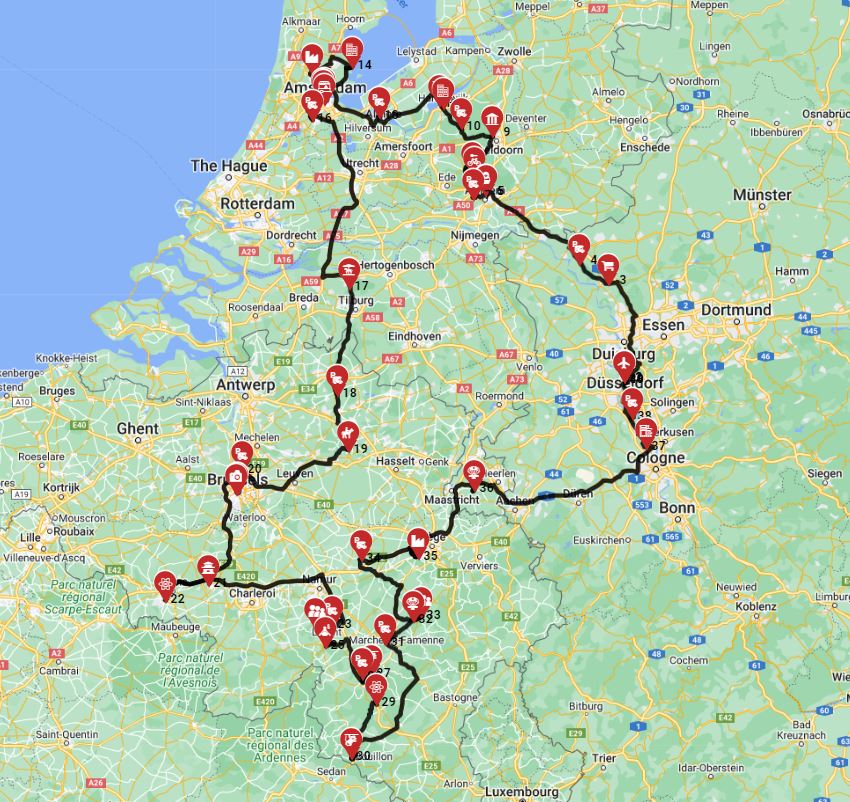
You can also traverse the diverse landscapes of the Veluwe National Park, featuring vast forests, sand drifts, and heathlands, offering opportunities for wildlife spotting and hiking. For a truly extensive journey, explore the Frankfurt Roundtrip - North West -Exploring Germany, Belgium, and the Netherlands, a 22-day, 2254.5 km route including 2 amusement parks, 3 animal shows, 1 beach, and 6 local industry visits. Take time to feel the place, connect to the culture, the food, and the scenery on these memorable routes. This route also includes 2 museums and 2 points of interest to explore.
What are Legal Alternatives to Wild Camping in the Netherlands?
Legal alternatives to wild camping in the Netherlands primarily include using designated 'camperplaatsen', staying at registered commercial campsites, or utilizing the unique 'Natuurkampeerterreinen' network for a more natural and eco-friendly experience. 'Camperplaatsen' (Motorhome Parking Spots) are widespread and cater specifically to RVs, often providing essential services like water, waste disposal, and electricity for a fee or sometimes free for a limited duration. Commercial campsites are abundant throughout the country and offer a range of facilities from basic pitches to luxury spots, providing a comfortable and secure overnight stay. 'Natuurkampeerterreinen' (Natural Campsites), part of a 'GreenCard' scheme, are smaller, environmentally focused campsites located in beautiful natural settings, offering a more rustic experience while being fully legal and promoting responsible tourism. Additionally, many farms across the Netherlands offer small, informal campsites known as 'Boerencampings', providing a unique opportunity to experience local rural life and often offering fresh farm produce. Always consult local regulations and signage for specific rules before you settle in for the night with your mobile home. Looking for the best deals? Check out "RV Rental Deals in Netherlands - Latest Offers 2026".
What are the Unique Dutch Driving Rules and Quirks for RVs?
RV drivers in the Netherlands should be particularly mindful of the extensive bicycle priority, navigating often narrow historic village roads, and adhering to strict parking and environmental zone regulations. Cyclists have significant priority in many situations, including designated bike paths, roundabouts, and often at intersections; always look out for them and yield. Be cautious in older towns and rural areas where roads can be surprisingly narrow, and bridges may have specific width or weight limits; always check signage. Speed limits are strictly enforced, with RVs generally following passenger car limits (e.g., 100-130 km/h on motorways, 80 km/h on rural roads, 50/30 km/h in urban areas), but larger vehicles (over 3,500 kg) may have slightly lower limits. Parking regulations are strict, especially in urban areas; always check signage carefully for duration limits, payment requirements, and vehicle size restrictions. Be aware of cities with low emission zones ('Milieuzones') that might restrict older diesel RVs; verify compliance for your vehicle or plan to use P+R facilities.
How Can RV Travelers Experience Authentic Dutch Culture?
RV travelers can immerse themselves in authentic Dutch culture by seeking out local markets, visiting charming smaller villages, participating in traditional festivals, and exploring 'Natuurkampeerterreinen' for local interaction. Visiting weekly markets in towns and cities (e.g., Albert Cuyp Market in Amsterdam, markets in Delft or Utrecht) offers a fantastic way to discover regional produce, local cheeses, fresh flowers, and traditional crafts. When preparing meals in your rented campervan, you can utilize these fresh ingredients. Check out our RV-friendly recipes playlist for inspiration. Venture beyond major cities into picturesque villages like Giethoorn (the 'Venice of the North'), Marken, or the fishing villages along the IJsselmeer for a glimpse of traditional Dutch life. Attend local festivals like 'King's Day' celebrations (April 27th), summer cultural festivals, or seasonal events in smaller towns to experience local traditions and community spirit. Don't miss tasting iconic Dutch treats like herring (haring), stroopwafels, bitterballen, and trying local craft beers or jenever (Dutch gin) at authentic eateries. To truly experience the landscape and local areas at a leisurely, Dutch pace, rent bicycles and explore the Netherlands' extensive 'fietsroute' (bike path) network, which is perfect for a week-long rental. For a premium experience, you might enjoy "Luxury RV Rental in Netherlands - Premium Prices 2026".
Can I Plan Themed RV Tours for Specific Interests in the Netherlands?
Yes, the Netherlands is an ideal destination for planning highly personalized themed RV tours, offering specialized routes and experiences for interests ranging from cycling and nature to history and culinary adventures. You can leverage the country's flat terrain and vast network of dedicated 'fietsroutes' (bike paths) for cycling holidays; many campsites are bike-friendly, and most RVs can easily carry or tow bikes. Explore prime birdwatching locations like the Wadden Sea islands, Biesbosch National Park, or the Zeeland Delta, which are easily accessible by RV and offer unique natural experiences. For history enthusiasts, plan a route to visit significant WWII sites such as Arnhem (Battle of Arnhem), the Overloon War Museum, or the Anne Frank House (via P+R in Amsterdam) to delve into wartime history. Design a culinary tour focused on cheese farms (e.g., Gouda, Edam), traditional breweries, or specific local delicacies found in different provinces. You can also craft art and architecture tours visiting cities known for their art (e.g., Mauritshuis in The Hague, Rijksmuseum in Amsterdam) or modern architecture (e.g., Rotterdam), utilizing RV-friendly access points. Whether you're looking for "Weekly RV Rental in Netherlands - Pricing 2026" or a longer trip, Bandana RV has the expertise to help you plan your perfect themed adventure.
What You Shouldn't Miss
- Looking for expert insights from Avi Bandana? Top 5 Adventures - recommendations from Avi Bandana:
- Explore the Kinderdijk Windmills: Witness the iconic 18th-century windmills, a UNESCO World Heritage site, and cycle or walk along the dikes for an authentic Dutch experience. Park your rental motorhome at a nearby 'camperplaats' to truly soak it in.
- Wander through Giethoorn: Known as the 'Venice of the North', this car-free village is best explored by boat or on foot, offering serene waterways and picturesque thatched-roof houses. Park your campervan on the outskirts and explore on a leisurely day trip.
- Visit Keukenhof (Spring): If traveling in spring (March-May), dedicate a day to the world-famous Keukenhof Gardens near Lisse to marvel at millions of blooming tulips, daffodils, and hyacinths. It's a breathtaking experience for any mobile home traveler.
- Cycle the Coastline in Zeeland: Discover the expansive sandy beaches and dunes of the Zeeland province, ideal for cycling trips directly from your parked RV. The Delta Works, an impressive feat of engineering, is also a must-see.
- Discover Utrecht's Canals and Cafes: Enjoy the unique charm of Utrecht's canals, many with wharf cellars housing waterside cafes and restaurants. Use a P+R facility for easy city access with your rented RV and explore on foot.
- Experience a Traditional Cheese Market: Visit the traditional cheese markets in Gouda, Edam, or Alkmaar (seasonal) to witness centuries-old trading rituals and sample delicious local cheeses.
Final Thoughts
A last-minute RV rental in Netherlands opens up a world of delightful exploration, from historic cities to serene natural beauty. Whether you're chasing tulip fields, cycling through charming villages, or simply enjoying the freedom of the open road, the Netherlands is ready to enchant you. Remember to travel slowly, immerse yourself in the local culture, and utilize the country's excellent network of campsites and 'camperplaatsen' for a truly authentic adventure.
At Bandana Caravan, we are true RV specialists, dedicated to making your journey as smooth and transparent as possible. We’re here with supportive, honest advice, ensuring you have all the information you need before you even set off. So, what are you waiting for? Get inspired for your next trip, discover top destinations, and plan a trip itinerary in advance with minimal effort and maximum enjoyment. Your Dutch motorhome adventure is calling!
Find last-minute RV rentals in Netherlands today and embark on an unforgettable journey with confidence.