For live availability and current prices, start with our RV Rental Hungary - Complete Guide 2026 guide.
In This Guide
- Can You Drive an RV in Hungary? License & Age Rules
- Road Conditions & Terrain in Hungary
- RV Size Limits, Bridges & Restricted Zones
- Fuel: Diesel vs. Petrol & Cost per 100 km
- Tolls, Vignettes & Border Rules
- Driving Tips for Last Minute RV Rental Travelers
- Recommended RV Class for Hungary Roads
- Should I Choose a Compact Van Instead of a Large RV in Hungary?
- Can I Park Anywhere? Free & Wild Camping Rules in Hungary
- Can I Drive an RV Into the City Center? Heights, Tunnels & Local Signage
- Is Wild Camping and Free Overnight Parking Allowed for RVs in Hungary?
- What is the Cost of an RV Trip in Hungary - Fuel, Tolls, Camping and More?
- How to Plan an RV Itinerary in Hungary - Scenic Routes and Vehicle Considerations?
- Where are the Best Niche RV Campgrounds in Hungary - Thermal, Vineyard, Eco?
- Where Can I Find RV Services in Hungary - Mechanics, Propane and Disposal?
- Is Off-Season RV Travel in Hungary Recommended - Winter & Autumn Tips?
- What Hungarian Cultural Etiquette Should RV Travelers Know?
- Can I Travel with Pets in an RV in Hungary - Regulations & Resources?
- What Are the Rules for RV Border Crossings to Neighboring EU Countries from Hungary?
Embarking on a last minute rv rental adventure in Hungary offers an unparalleled sense of freedom, allowing you to discover this vibrant Central European gem at your own pace. Whether you're drawn to the thermal baths, historic cities, or the vast Puszta plains, an RV provides a flexible and comfortable base. For live availability and current prices, start with our RV Rental Hungary - Complete Guide 2024.
Can You Drive an RV in Hungary? License & Age Rules
In Hungary, you can drive most rental RVs with a standard B category driving license if their maximum authorized mass (MAM) does not exceed 3,500 kg, which covers many Class B campervans and smaller Class SI semi-integrated models. For RVs with a MAM between 3,500 kg and 7,500 kg, a C1 category license is required, while vehicles exceeding 7,500 kg necessitate a C category license. The minimum driving age for RV rental in Hungary is typically 21, with no young driver surcharges or vehicle class restrictions based on age across Bandana's partners. Foreign drivers from EU/EEA countries can use their national licenses; those from non-EU/EEA countries should present an International Driving Permit (IDP) alongside their national license, though it is not mandatory in most cases.
Road Conditions & Terrain in Hungary
Hungary offers generally good road conditions, especially on major highways (M-prefixed motorways) and main roads, which are well-maintained and suitable for RV travel, even for last-minute rentals. The country's terrain is predominantly flat in the Great Hungarian Plain, providing easy and comfortable driving, while the northern regions feature rolling hills and lower mountain ranges, such as Matra and Bükk, which can offer scenic, winding routes. Rural roads, particularly those leading to smaller villages or less-frequented attractions, might be narrower or less perfectly paved, encouraging slower, more cautious driving and a focus on enjoying the scenic countryside. For last-minute RV renters, these varied conditions mean flexibility in route planning, from quick highway stretches to leisurely drives through vineyards and national parks, making Hungary ideal for spontaneous exploration.
RV Size Limits, Bridges & Restricted Zones
While Hungary generally accommodates various RV sizes, drivers should be mindful of potential height and weight restrictions, particularly when entering older towns, using smaller rural roads, or passing under bridges. Always pay attention to local signage, as historic city centers, residential areas, and some protected natural zones may have specific restrictions on vehicle size, weight, or even environmental zones, though these are less common than in Western Europe. There are typically no widespread low bridge issues on main Hungarian routes, but height limits can appear at underpasses, tunnels, or parking garage entrances; always check for maximum vehicle height indicators (e.g., 3.5m or 2.8m). For larger RVs, planning routes to avoid very narrow village streets or exceptionally tight turns is advisable, though most tourist-oriented roads are generally accessible. Remember, with a rented motorhome, you can drive slowly and carefully, and you can drive almost anywhere without issues. No need to stress - just use common sense and pay attention.
Fuel: Diesel vs. Petrol & Cost per 100 km
In Hungary, diesel (gázolaj) is the predominant fuel type for most rental RVs, mirroring the global Bandana fleet where diesel is standard for Class SI, Class C, Class B, and Class A models. Petrol (benzin) is also widely available but less common for larger motorhomes; always ensure you know your rented RV's fuel type before departure. Based on Bandana's global fleet averages, a Class SI Semi-integrated RV typically consumes between 10-11 liters per 100 km, while a Class C Alcove RV uses 10-12 liters per 100 km, and a Class B Camper Van consumes around 8-10 liters per 100 km. An estimated cost per 100 km for an average RV, assuming a consumption of 10.5 liters/100 km and a hypothetical diesel price of €1.60/liter (check current 2024 prices), would be approximately €16.80. For finding cheaper fuel stations and managing overall trip costs effectively, consider using RV PLANET routes, where you can itemize and track every expense along the way.
🎬 Video coming soon
Tolls, Vignettes & Border Rules
Hungary operates a mandatory e-vignette system (e-Matrica) for motorways and certain other roads, which is crucial for all RV travelers to avoid fines; physical stickers are not used. The e-vignette can be purchased online, at petrol stations, or at border crossings for various durations (e.g., 10-day, monthly, annual) and vehicle categories (D1 for cars, D2 for larger vehicles including most RVs, B2 for buses). It is essential to purchase the correct category e-vignette for your rental RV before entering any toll road, as fines for non-compliance are significant and often camera-enforced. For RVs traveling from or to neighboring EU countries like Austria, Slovakia, Romania, or Slovenia, be aware that each country has its own toll system; for example, a separate e-vignette is required for Slovenia and Slovakia, while Austria has a sticker vignette or digital option. Some Bandana partner suppliers may offer options for pre-purchasing toll passes, streamlining your journey and helping avoid unexpected fees. On the routes offered through RV PLANET routes, you can itemize and track every expense along the way for easy budgeting.
Driving Tips for Last Minute RV Rental Travelers
Effective planning enhances any RV trip in Hungary, even last-minute ones. First, Plan Your Stops: For families, schedule regular breaks every 2-3 hours at designated rest areas or interesting towns to prevent driver fatigue and keep children entertained. Second, Budget Consciously: Utilize pre-purchased e-vignettes and look for fuel stations outside major highway corridors, which often offer slightly cheaper prices, helping budget travelers save on operational costs, as detailed in our guide Cheap RV Rental in Hungary - Budget Guide 2024. Third, Leverage Technology: Use GPS systems specifically designed for RVs (or apps like Waze/Google Maps with height/weight warnings) to navigate safely and efficiently, especially when exploring less-known areas or seeking alternative routes. Fourth, Embrace Scenic Routes: Hungary offers numerous picturesque country roads; while they may be slower, they provide a more authentic experience away from highways, perfect for those seeking luxury in experience over speed. Fifth, Master Local Etiquette: Be aware of local driving customs, such as indicating clearly, yielding appropriately, and being patient with agricultural vehicles on rural roads, ensuring a smoother and more respectful journey. Remember, travel slowly, max 100-150 km per day on average, to truly connect with the culture, food, and scenery.
Recommended RV Class for Hungary Roads
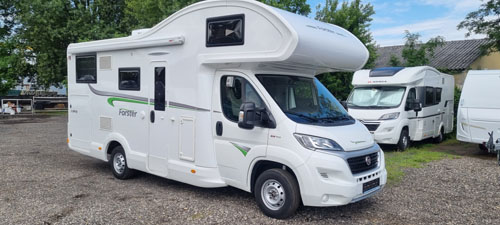
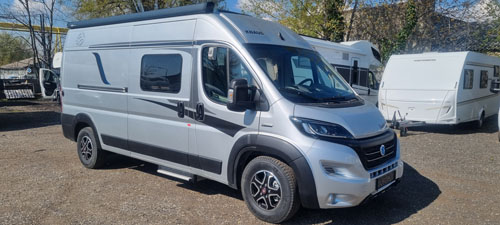
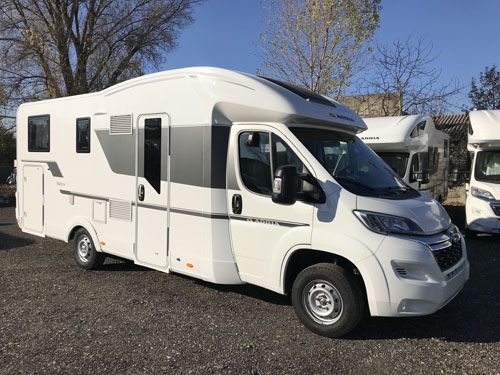
For exploring Hungary, a Class B Camper Van or a Class SI Semi-integrated RV is generally highly recommended, offering a superb balance of maneuverability and comfort suitable for diverse Hungarian roads. Class B Camper Vans, with an average length of 5.8 meters across Bandana's global fleet, are ideal for navigating smaller towns, parking easily, and traversing minor roads, while still providing essential amenities for 2-3 adults, such as the "Combi Van" with its 60-liter fresh water tank. Class SI Semi-integrated RVs, averaging 6.9 meters in length, provide more living space, enhanced comfort, and additional storage for longer trips or small families, typically averaging 3.8 sleeping places. These classes offer good fuel efficiency for their size, with Class SI models often achieving 10-11 L/100 km, and are well-suited to both highway cruising and exploring the scenic, sometimes narrower, regional roads of Hungary. For premium options, refer to Luxury RV Rental in Hungary - Premium Prices 2024.
Should I Choose a Compact Van Instead of a Large RV in Hungary?
Generally, there is no significant issue driving a larger RV in Hungary, as the main roads and motorways are well-suited for all vehicle sizes, making comfort and indoor space often more crucial than extreme maneuverability. A compact van, like a Class B Camper Van with an average length of 5.8m, genuinely helps when navigating very tight historic city centers, seeking easy street parking, or exploring particularly narrow mountain passes or rural tracks where larger vehicles might struggle. However, for those valuing more living space, a separate shower and toilet, or sleeping capacity for more than two, opting for a larger Semi-integrated (Class SI, averaging 6.9m) or Alcove (Class C, averaging 7.5m) motorhome is often a better trade-off. While a compact van offers unparalleled agility, the comfort, amenities, and increased storage of a larger RV often enhance the overall experience for a last minute rv rental in Hungary, allowing for a more relaxed and self-sufficient journey across diverse landscapes. Many Class C motorhomes, like the "MIC" with its 145-liter refrigerator and 100-liter fresh water tank, offer ample space for a family of six.
Can I Park Anywhere? Free & Wild Camping Rules in Hungary
Wild camping and free overnight parking are generally prohibited in Hungary outside of designated campgrounds and approved areas, with laws strictly enforced, particularly in national parks, nature reserves, and private lands. Hungary's regulations align with many other EU countries where 'wild camping' is not permitted to protect natural environments and ensure safety; offenders may face fines. For legal overnight stays, travelers should utilize Hungary's extensive network of official campsites, which range from basic to luxurious, many offering excellent facilities like thermal baths, which are a highlight of Hungarian culture. Some informal overnight parking might be tolerated in large, well-lit petrol station car parks or supermarket parking lots for a single night, but this is not guaranteed and does not constitute wild camping. Rules vary by region- always check local regulations and follow local law before parking overnight, and consider using apps like Park4Night or Campercontact for approved or tolerated spots if not opting for official campsites. For finding campsites and campgrounds during your trip, we recommend using RV PLANET (rvplan.net) - a great resource for locating available spots along your route.
Can I Drive an RV Into the City Center? Heights, Tunnels & Local Signage
Yes, you can almost always drive a rental RV into city centers in Hungary, including Budapest, although access may be restricted to certain roads or hours, and parking will be a primary challenge. Always pay close attention to local signage, which will indicate height limits for underpasses and tunnels (especially in older city sections), weight restrictions, and any environmental zones or 'residents-only' streets that prohibit general vehicle traffic. Budapest, like other European capitals, has parking garages that are often unsuitable for RVs due to height restrictions; street parking might be limited, expensive, or require specific permits. For city visits, it's often more convenient to park your motorhome at a designated campsite on the outskirts or a 'Park & Ride' facility and use public transportation to reach the city center. Before entering historical centers, consult an up-to-date GPS or local maps for potential access restrictions and plan your route carefully to avoid unexpected dead ends or fines.
Is Wild Camping and Free Overnight Parking Allowed for RVs in Hungary?
Wild camping and free overnight parking for RVs are generally *not allowed* in Hungary, aligning with regulations in many other European countries, primarily to protect natural areas and private property. This means parking a rented RV overnight outside of designated campsites, private land with explicit permission, or specifically sanctioned rest areas can lead to fines and legal issues. While some non-official spots, like large supermarket car parks or certain industrial areas, might be tolerated for a single night's rest, these are not guaranteed, lack facilities, and are not a substitute for proper camping. Travelers seeking overnight stays should plan to use Hungary's numerous official campgrounds, many of which offer unique experiences like thermal spa access or vineyard stays, providing both legality and amenities. To mitigate risks, always consult local regulations, use reliable camping apps for approved overnight parking spots, and prioritize legal, safe alternatives over attempting wild camping.
What is the Cost of an RV Trip in Hungary - Fuel, Tolls, Camping and More?
The comprehensive cost of an RV trip in Hungary includes significant outlays for fuel, mandatory e-vignette tolls, daily camping fees, food, and attraction admissions. Fuel costs, based on an average RV consumption of 10.5 liters/100 km and an estimated diesel price of €1.60/liter (2024 estimate), average around €16.80 per 100 km, with variations based on vehicle type and driving style. Hungarian e-vignettes for RVs (D2 category) cost approximately €25-€30 for a 10-day pass, with options for monthly or annual passes, which are essential for highway use. Camping fees typically range from €20 to €45 per night for a pitch with electricity, depending on the campsite's location, facilities, and season, with niche campgrounds like thermal spa camps potentially at the higher end. Budgeting for food can range from €20-€40 per person per day for a mix of self-catering and occasional restaurant meals, while attraction costs vary widely, but many historical sites and thermal baths offer reasonably priced entry. Money-saving tips include utilizing kitchen facilities in your rented RV- check out our RV-friendly recipes playlist for inspiration - seeking out local markets for groceries, pre-booking campsites for better rates, and exploring free attractions like hiking trails or picturesque villages. For a more detailed breakdown, consider our RV Rental in Hungary - Prices and Best Deals 2024 guide.
How to Plan an RV Itinerary in Hungary - Scenic Routes and Vehicle Considerations?
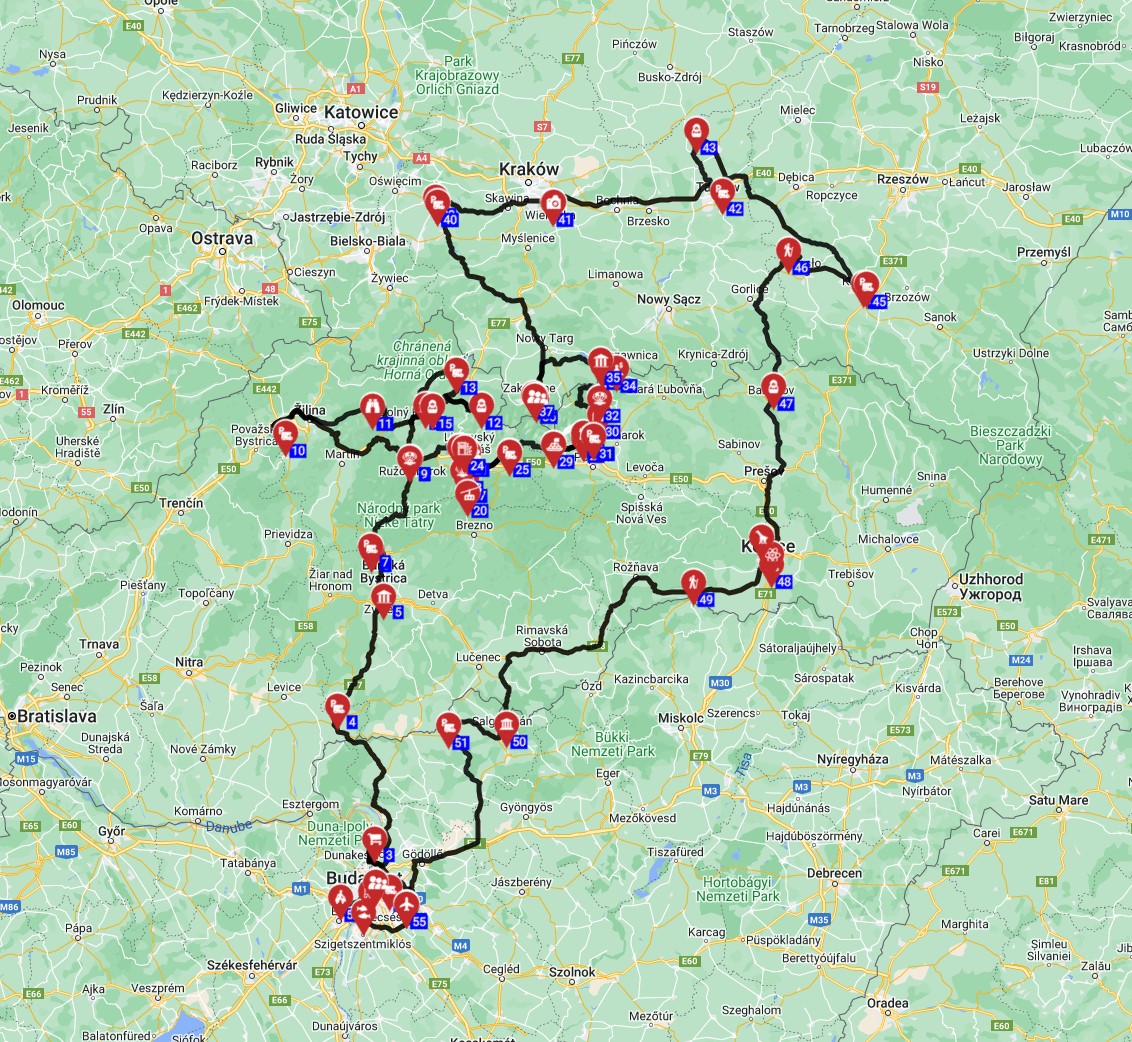
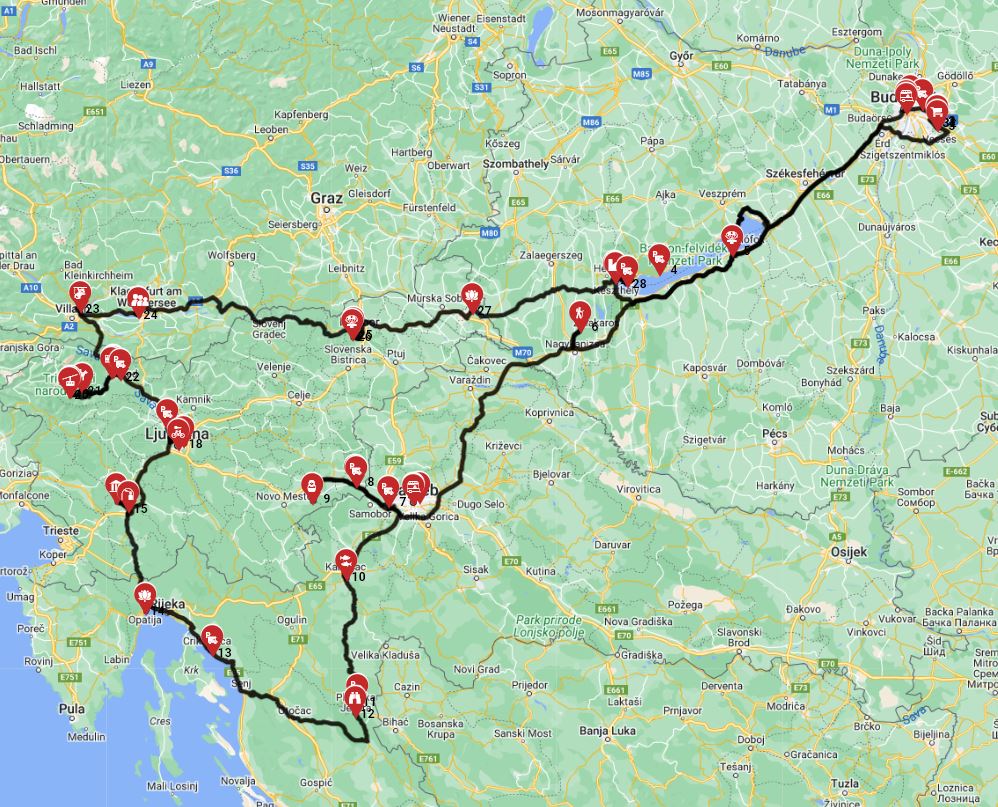
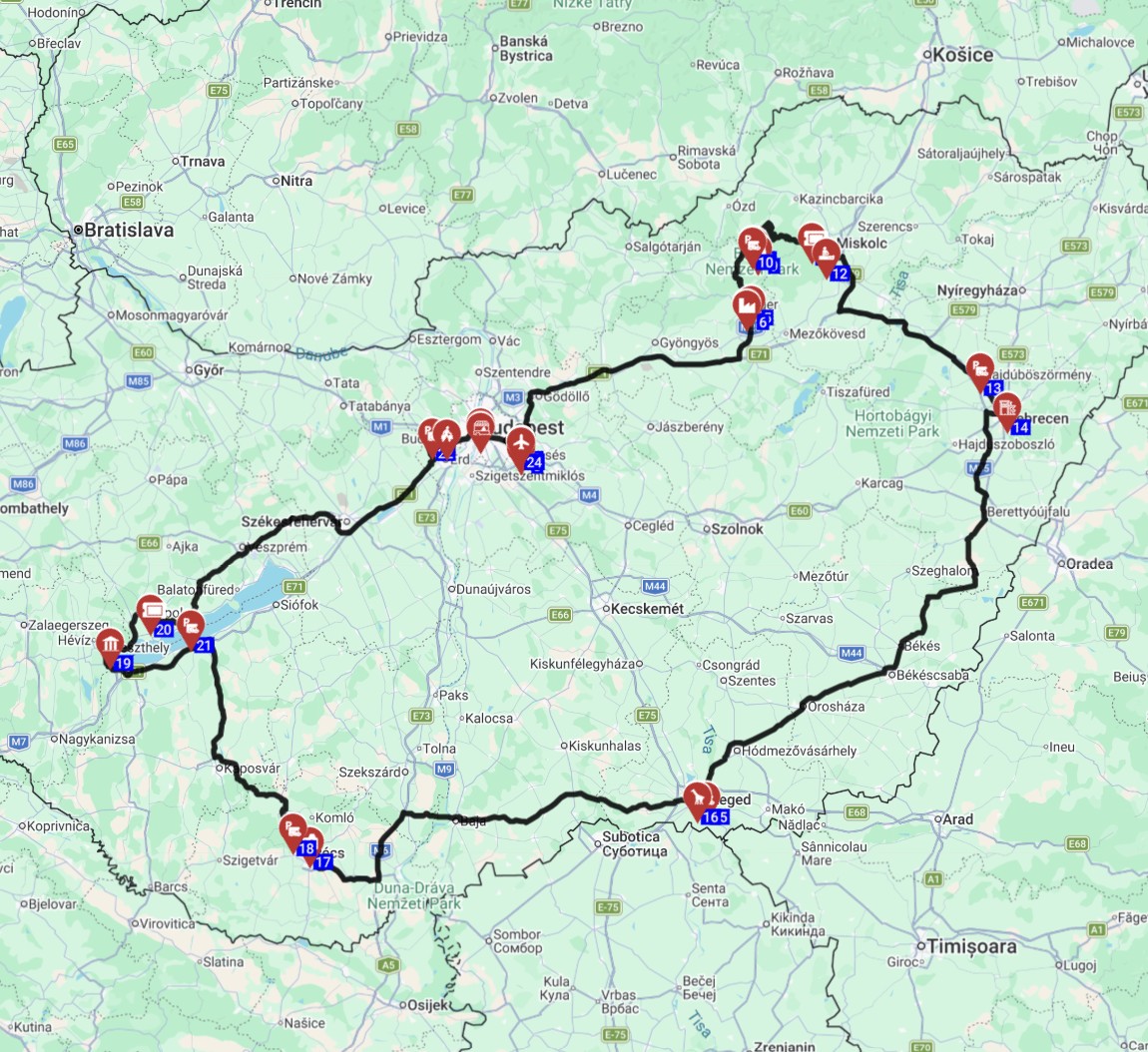
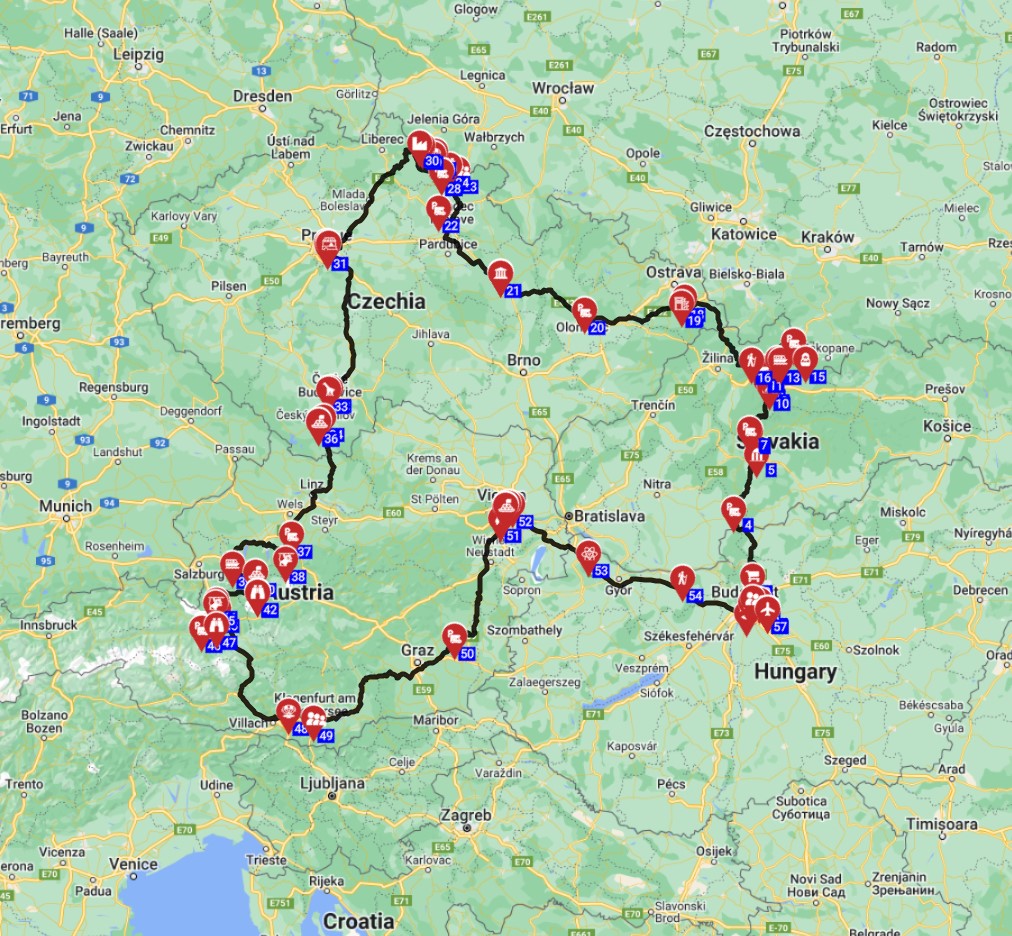
Planning an RV itinerary in Hungary should prioritize routes that accommodate vehicle size and weight, focusing on well-maintained roads while also exploring scenic drives beyond just major highways. Consider iconic destinations like Lake Balaton (the 'Hungarian Sea'), the historic cities of Eger and Pécs, the wine region of Tokaj, and the thermal spas of Budapest and Hévíz, linking them with secondary roads that offer stunning views. Look for specific RV-friendly route plans that allow for leisurely travel through regions like the Danube Bend, the Matra Mountains, or the Great Hungarian Plain, where the roads are generally good but less trafficked than motorways. When planning, integrate stops at unique campgrounds such as thermal spa camps, vineyard stays, or eco-camps, which often offer facilities for larger vehicles and a more immersive local experience. Always cross-reference your chosen routes with an RV-specific GPS or app that can flag potential low bridges, narrow roads, or weight restrictions, ensuring a smooth journey regardless of your rented motorhome's size. Check out our One-Way RV Rental in Hungary - Price Guide 2024 for flexible travel options.
Where are the Best Niche RV Campgrounds in Hungary - Thermal, Vineyard, Eco?
Hungary excels in offering unique and niche RV campgrounds that go beyond standard facilities, providing immersive experiences like thermal spa access, vineyard stays, and eco-friendly options. For thermal experiences, look for campgrounds directly connected to or within short walking distance of famous thermal baths, such as those near Hévíz (e.g., Thermal Camping Hévíz), Egerszalók, or Sárvár (e.g., Thermal Camping Sárvár), allowing for daily relaxation and wellness. Vineyard stays, particularly in regions like Tokaj, Eger, and Villány, offer RVers the chance to park directly on winery estates, often with access to tastings, local cuisine, and stunning vineyard views, providing an authentic cultural experience. Eco-camps or lesser-known national park camps, often found in areas like Hortobágy National Park or the Bükk Mountains, provide a tranquil setting closer to nature, emphasizing sustainability and outdoor activities like birdwatching or hiking. These niche campgrounds often provide RV-specific amenities such as larger pitches, reliable electricity, and waste disposal points, ensuring a comfortable stay while experiencing unique Hungarian culture and landscapes.
Where Can I Find RV Services in Hungary - Mechanics, Propane and Disposal?
Finding specialized RV services in Hungary, including mechanics equipped for larger vehicles, reliable propane/LPG refill stations, and dedicated grey/black water disposal points, requires some advanced planning. For mechanics, larger cities like Budapest, Debrecen, or Pécs will have more options, but it's advisable to seek out service centers that specialize in commercial vehicles or caravans, as they are better equipped to handle RV chassis and engines. Propane (LPG/autógáz) refill stations are relatively common throughout Hungary, especially along major routes and in larger towns, but ensure your rented RV's connection type is compatible or have an adapter. Specialized grey and black water disposal points (SWA - szennyvíz ürítő állomás) are almost exclusively found at official campsites and some larger rest stops or petrol stations along motorways, making campsite stays essential for proper waste management. Utilize RV-specific apps like Park4Night or Campercontact, and consult local campsite staff for up-to-date information and recommendations on nearby service points for refilling, repairs, and waste disposal.
Is Off-Season RV Travel in Hungary Recommended - Winter & Autumn Tips?
Off-season RV travel in Hungary, particularly during autumn and winter, offers unique benefits like fewer crowds, lower prices, and distinct scenic beauty, but also presents specific challenges. Autumn (September-November) is highly recommended for RV travel, with pleasant temperatures, stunning fall foliage in regions like the Matra and Bükk mountains, and grape harvests in wine regions, offering unique cultural activities. Winter (December-February) travel can be challenging due to colder temperatures, potential snow and ice, and fewer open campsites; however, it's ideal for enjoying Budapest's Christmas markets, thermal spas, or skiing in northern Hungary. Key considerations for off-season travel include ensuring your rented motorhome is winterized (heating, insulation, antifreeze), checking road conditions for snow, and pre-booking campsites as many may close or operate on reduced hours. Benefits include more authentic local interactions, easier access to popular attractions without queues, and often significantly lower rental and camping fees, making it an attractive option for budget-conscious or experience-seeking RVers. For the best deals, check RV Rental Deals in Hungary - Latest Offers 2024.
What Hungarian Cultural Etiquette Should RV Travelers Know?
RV travelers in Hungary can enhance their experience and interact respectfully with locals by understanding key cultural etiquette. Greetings are important: a simple 'Jó napot kívánok' (Good day) or 'Szervusz' (informal hello) is appreciated; Hungarians tend to be polite and value respectful communication. When visiting churches, monasteries, or private homes, dress modestly; remove hats indoors as a sign of respect. Tipping (borravaló) is customary in Hungary, typically around 10-15% in restaurants if service isn't already included, and a small tip for other services like guides or taxi drivers is also appreciated. To experience authentic Hungarian culture beyond tourist traps, engage with locals at village markets, participate in local festivals, or try lesser-known 'csárda' (traditional inns) for regional cuisine, always being mindful of quiet hours in residential areas if parked nearby. Slow travel encourages these deeper connections, allowing you to truly feel the place.
Can I Travel with Pets in an RV in Hungary - Regulations & Resources?
Traveling with pets in a rented RV in Hungary is generally permissible, but it requires adherence to specific regulations and careful planning to ensure a smooth journey for both you and your animal companion. Pets, especially dogs and cats, must have a valid EU Pet Passport, be microchipped, and be up-to-date on their rabies vaccinations, administered at least 21 days prior to entry into Hungary. Many campgrounds in Hungary are pet-friendly, but it's crucial to confirm this when booking, as some may have restrictions on breed, size, or require an additional fee for pets. When out and about, keep dogs on a leash in public areas, and be aware that some restaurants, shops, and public transport may have restrictions on pets; always look for 'kutyabarát' (dog-friendly) signs. In case of veterinary needs, Hungary has numerous reputable vets; search for 'állatorvos' in larger towns for routine check-ups or emergencies, and carry basic pet first-aid supplies. Vehicles like the "Active Pop Top" are designed to be pet friendly.
What Are the Rules for RV Border Crossings to Neighboring EU Countries from Hungary?
For RV border crossings from Hungary to neighboring EU countries, the primary consideration is adherence to each country's specific road toll and vehicle entry requirements, as internal EU borders typically have no passport checks for EU citizens. While Hungary uses an e-vignette (e-Matrica), countries like Slovenia (Dars e-vignette), Slovakia (e-vignette), and Austria (sticker/digital vignette) have their own separate systems that must be purchased *before* entering their toll roads. Ensure all passengers have valid identification (ID card for EU citizens, passport for others) and that your rented RV's registration and insurance documents (green card) are readily available. There are typically no customs checks for personal goods when crossing between EU member states, but regulations regarding certain items (e.g., alcohol, tobacco, pet food) still apply for personal consumption limits. Always research the specific entry requirements and driving regulations for each country you plan to visit, as rules can vary regarding speed limits, required safety equipment (e.g., reflective vests, first-aid kits), and specific vehicle categories. Our RV Rental Europe - Complete Guide 2024 offers an overview of continental travel.
What You Shouldn't Miss
- **Bathe in Thermal Bliss:** Dedicate a few days to a thermal camping experience, like at Hajdúszoboszló, where you can park your campervan and enjoy the healing waters daily.
- **Explore Budapest's Grandeur:** Spend 2-3 days exploring Hungary's capital. Park your motorhome at a city-edge campsite and use public transport to see Buda Castle, the Parliament Building, and the Széchenyi Thermal Bath.
- **Relax at Lake Balaton:** Drive your RV along the shores of Lake Balaton, Europe's largest freshwater lake. Find a lakeside campsite, enjoy water sports, or visit the Tihany Peninsula for its lavender fields and abbey.
- **Taste Tokaj's Sweet Wines:** Venture into the Tokaj wine region, a UNESCO World Heritage site, and arrange a vineyard stay with your camper. Sample the famous Tokaji Aszú and explore historic wine cellars.
- **Experience the Puszta in Hortobágy:** Head east to Hortobágy National Park. Witness traditional horsemen (csikós) demonstrations, observe unique wildlife, and immerse yourself in the vastness of the Great Hungarian Plain.
- **Discover Eger's History and Wine:** Visit Eger, famous for its castle, thermal baths, and the 'Bull's Blood' wine. Explore the Szépasszonyvölgy (Valley of Beautiful Women) for wine tasting.
Looking for expert insights from Avi Bandana? Top 5 Adventures - recommendations from Avi Bandana
Final Thoughts
A last minute rv rental in Hungary promises an unforgettable journey, blending rich history, vibrant culture, and stunning natural beauty. From the bustling streets of Budapest to the serene shores of Lake Balaton and the unique thermal spa campsites, every turn offers a new discovery. With Bandana Caravan, you have a partner committed to full transparency, dedicated support, and the expertise of true RV specialists, ensuring your trip is as smooth and enjoyable as possible.
So, whether you’re a seasoned RVer or a first-timer, let Hungary surprise and delight you. Imagine mornings waking up to a new view, enjoying a leisurely breakfast in your comfortable motorhome, and then setting off to explore the wonders of this incredible country at your own pace. Discover top destinations, planning tips, all in one place!
Your Hungarian RV adventure awaits! Compare Last Minute RV Rentals in Hungary to find your perfect home on wheels and start planning an itinerary that lets you truly connect with the heart of Central Europe.