For live availability and current prices, start with our RV Rental Germany - Complete Guide 2026 guide.
In This Guide
- Can You Drive an RV in Germany? License & Age Rules
- Road Conditions & Terrain in Germany
- RV Size Limits, Bridges & Restricted Zones
- Fuel: Diesel vs. Petrol & Cost per 100 km
- Tolls, Vignettes & Border Rules
- Driving Tips for last minute rv rental Travelers
- Recommended RV Class for Germany Roads
- Should I Choose a Compact Van Instead of a Large RV in Germany?
- Can I Park Anywhere? Free & Wild Camping Rules in Germany
- Can I Drive an RV Into the City Center? Heights, Tunnels & Local Signage
- Is it easy to rent an RV in Germany?
- Is RVing popular in Germany?
- How much does it cost to rent an RV for a month in Germany?
- Can you rent an RV in Germany without a European license?
- Is it worth RVing in Germany?
- What is the best month to RV in Germany?
- What is the Romantic Road in Germany RV?
- What should I pack for an RV trip in Germany?
- Where can I rent a campervan in Germany?
- Can you RV in Germany in winter?
Embarking on a last minute rv rental in Germany offers unparalleled freedom to explore its picturesque landscapes, historic towns, and vibrant cities. Germany boasts an exceptional road network and a welcoming RV culture, making it an ideal destination for an adventurous road trip. For live availability and current prices, start with our RV Rental Germany - Complete Guide 2024 guide.
Can You Drive an RV in Germany? License & Age Rules
Yes, driving an RV in Germany is straightforward, with specific license and age rules to keep in mind for a smooth experience. Most standard B-class driving licenses from the EU are sufficient for RVs up to 3,500 kg in Germany, which covers many popular campervan and smaller motorhome models. For international visitors, an International Driving Permit (IDP) translated into German is highly recommended alongside your valid foreign license, though not always mandatory for non-EU citizens for rentals up to 3.5 tons. If you plan to rent larger RVs, those exceeding 3,500 kg (like some Class A or larger Class C models), a C1 license (for vehicles up to 7,500 kg) or a C license (over 7,500 kg) is legally required. The minimum driver age for last minute rv rental typically starts at 21 years old across most Bandana partner suppliers in Germany, with no young driver surcharges or vehicle class restrictions based on age.
Road Conditions & Terrain in Germany
Germany boasts an excellent network of well-maintained roads, making it exceptionally suitable for RV travel across diverse terrains. The country is famous for its Autobahns, offering smooth, high-speed travel, but also features picturesque regional roads winding through stunning areas like the Black Forest, Bavarian Alps, and the Rhine Valley. These scenic routes, while beautiful, can include winding roads and occasional mountain passes, requiring careful and slow travel. Even in urban areas with potentially narrower streets and heavier traffic, driving a rented RV is manageable; just drive slowly and carefully, and you can drive almost anywhere without issues, with no need to stress-just use common sense and pay attention. Embracing slow travel, averaging a maximum of 100-150 km per day, allows you to truly immerse yourself in Germany's diverse landscapes and charming towns, enhancing your last minute rv adventure.
RV Size Limits, Bridges & Restricted Zones
Germany's infrastructure is generally RV-friendly, but drivers of rented motorhomes must be vigilant about vehicle height and weight restrictions, especially when navigating bridges, tunnels, and certain urban areas. Many German cities, over 50 in total, have 'Umweltzonen' (Environmental Zones) that require vehicles, including RVs, to display a specific 'Umweltplakette' (environmental sticker) to enter. This sticker, which categorizes vehicles by emissions, is crucial for urban exploration, with stricter requirements for older or more polluting vehicles; without it, you risk fines. Typical Bandana fleet RVs, such as a Class SI, average about 6.9 meters long, while larger Class C and Class A models can average 7.5 meters, making it essential to compare your rental's dimensions against posted limits. Always adhere to local signage for height, width, and weight, particularly when entering historic town centers or exploring rural routes, to avoid significant fines and ensure a hassle-free trip.
Fuel: Diesel vs. Petrol & Cost per 100 km
The vast majority of rental RVs in Germany, including Bandana's fleet, operate on Diesel fuel, which is readily available at service stations across the country. Based on Bandana's global fleet averages, a Class SI RV typically consumes 10-11 liters per 100 km, while a Class C Alcove might use 10-12 liters/100 km, and a Class B Camper Van achieves better efficiency at 8-10 liters/100 km. To estimate your fuel costs for a last-minute RV trip, calculate based on these consumption rates and the current average Diesel price in Germany, which as of 2024, hovers around €1.70 - €1.90 per liter, though prices are dynamic and subject to fluctuation. This means a Class SI could cost approximately €17-€20.90 per 100 km. While some rental providers might offer fuel discount cards, it's wise to budget for fuel as a significant ancillary cost. For easy budgeting and tracking all expenses, including fuel and campground fees, along your route, consider utilizing RV PLANET routes, where you can itemize every cost. On the routes offered through RV PLANET routes, you can itemize and track every expense along the way for easy budgeting.
Tolls, Vignettes & Border Rules
Germany generally does not impose general tolls or require vignettes for passenger vehicles and RVs under 3.5 tonnes on its Autobahns, making most of the road network free for recreational vehicles. This is a significant advantage for motorhome travelers seeking spontaneous last-minute adventures. Rare exceptions may apply to specific private roads, tunnels, or bridges, but these are always clearly signposted. If your last-minute RV trip in Germany extends to neighboring countries like Austria, Switzerland, or France, be aware that you will need to purchase vignettes or pay specific tolls applicable to those countries. It's advisable to research the specific toll requirements for any cross-border travel in your rented campervan to avoid unexpected fines. Some Bandana partner rental companies may offer guidance on purchasing these passes, or you can often buy them at border crossings or gas stations before entering a new country.
Driving Tips for last minute rv rental Travelers
Navigating Germany in a rented RV is an enjoyable experience, especially when you're prepared for local driving customs and regulations. First, familiarize yourself with common German road signs, such as the distinctive 'Umweltzone' sign indicating environmental zones or 'Einbahnstraße' for one-way streets, to ensure smoother navigation. When driving on the Autobahn, always keep to the right lane unless actively overtaking, and be highly mindful of faster traffic in the left lane; maintain appropriate distances, especially with a larger RV. For city driving or traversing charming historic towns with narrower streets, using a GPS system with updated maps is helpful, and consider parking at designated RV parks or on the outskirts and using Germany's efficient public transport system. Always carry your valid driving license, International Driving Permit (if applicable), vehicle registration documents, and insurance papers, and remember that Germany has strict alcohol limits for drivers (0.05% BAC), so drive responsibly.
Recommended RV Class for Germany Roads
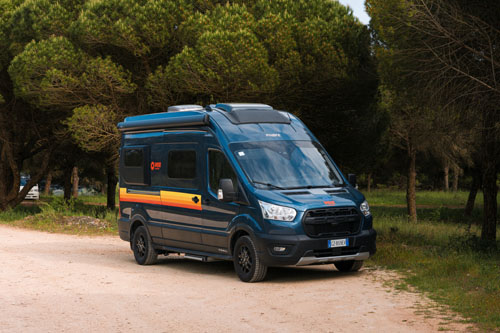
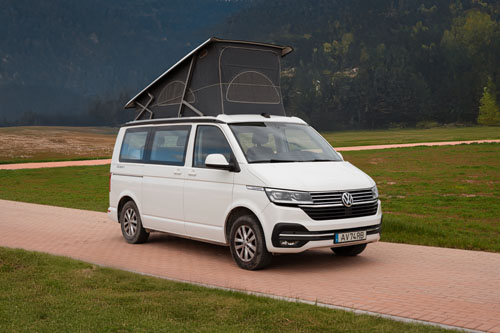
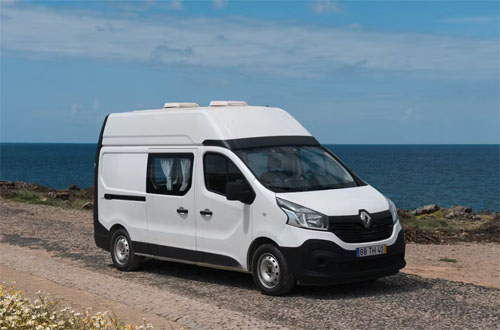
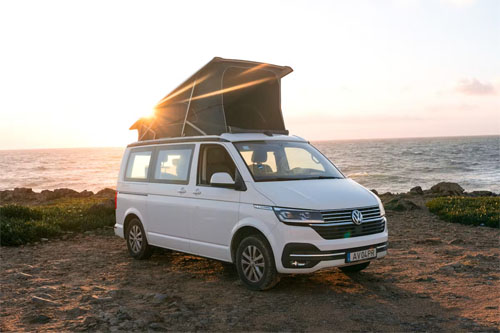
For an optimal balance of comfort, amenities, and maneuverability on Germany's diverse roads, a Class SI (Semi-integrated) or Class B (Camper Van) RV is highly recommended for your last-minute rental. Class SI RVs, with an average length of around 6.9 meters across Bandana's global fleet, offer ample living space and amenities for couples or small families, while remaining relatively easy to drive on both high-speed Autobahns and smaller scenic routes. Class B Camper Vans, typically averaging 5.8 meters in length, are particularly well-suited for navigating charming historic towns with tighter streets and narrower country lanes, providing excellent flexibility for spontaneous itinerary changes and easier parking. The "rv rental denver example Category Van" or "luxury rv rentals example Carthago Malibu 600" are examples of compact campervans with features like front air conditioning, shower, and toilet, ideal for a couple. While larger Class C Alcove (avg. 7.5m) and Class A Integrated (avg. 7.5m) RVs offer more interior space and sleeping berths (a Class C averages 5.8 sleeping places), their increased length and height can make urban driving and parking more challenging.
Should I Choose a Compact Van Instead of a Large RV in Germany?
The choice between a compact campervan and a larger RV for your last-minute trip in Germany truly depends on your priorities and the type of adventure you envision. Generally, driving any RV size in Germany is manageable due to the country's excellent road infrastructure and numerous RV-friendly facilities. A compact Class B Camper Van, averaging around 5.8 meters in length, offers superior maneuverability, making it much easier to park in tighter city centers, access smaller campgrounds, and navigate very narrow historic lanes, all while offering better fuel efficiency (typically 8-10 liters/100 km). On the other hand, larger RVs like a Class SI (avg. 6.9m) or Class C (avg. 7.5m) provide significantly more indoor living space, better sleeping arrangements, and more amenities such as a separate shower and toilet, enhancing comfort for longer trips or families. The "K125" from DRM - Berlin, for instance, is a popular campervan at 6.99 meters long, offering a balance of space and agility. While a compact van genuinely helps in very tight historic centers or remote mountain passes, the trade-off in comfort and living space might not be worth it for all travelers, as Germany's robust RV infrastructure often accommodates larger vehicles even in scenic areas; just remember to drive slowly and carefully.
Can I Park Anywhere? Free & Wild Camping Rules in Germany
Free or "wild" camping outside of designated campsites is generally prohibited in Germany and can result in significant fines, so it's essential to be aware of the rules. Instead, Germany offers an extensive and organized network of "Stellplätze" (dedicated motorhome parking spots), which are specifically designated for RVs and often provide basic services like fresh water and waste disposal. These Stellplätze are typically inexpensive or even free for overnight stays and are conveniently located in scenic areas or close to town centers. Many local farms and vineyards also participate in programs like "Landvergnügen," offering unique, free overnight parking spots for RVs, often in exchange for supporting local businesses by purchasing their products, providing an authentic rural experience. It is crucial to always check local regulations and follow local laws before parking overnight; while parking for a single night to "restore driving fitness" might sometimes be tolerated in a regular parking spot, it should not be confused with illegal wild camping. For finding available campsites and campgrounds during your trip, we recommend using RV PLANET (rvplan.net) - a great resource for locating available spots along your route.
Can I Drive an RV Into the City Center? Heights, Tunnels & Local Signage
Yes, you can almost always drive an RV into city centers in Germany without issues, but it definitely requires careful attention to specific local signage, environmental zones, and your vehicle's dimensions. Many German cities, over 50 of them, have "Umweltzonen" (Environmental Zones) that restrict access based on vehicle emissions. To enter, your rented RV will need to display an "Umweltplakette" (environmental sticker) matching its emission class; entry without one can lead to fines. Be particularly vigilant for clearly marked height restrictions on bridges and in tunnels, which are common in historic urban areas; for example, a campervan like the "K125" from DRM - Berlin has an external height of 2.95 meters. Parking within city centers can indeed be challenging due to limited spaces and size restrictions, making it advisable to utilize designated RV parking areas on the outskirts and then use Germany's excellent public transportation to explore the central attractions. Remember: drive slowly and carefully, and you can drive almost anywhere without issues. No need to stress - just use common sense and pay attention.
Is it easy to rent an RV in Germany?
Renting an RV in Germany is relatively easy, especially when using a specialist comparison platform like Bandana, which offers a wide selection of vehicles from over 50 leading RV suppliers worldwide. Germany has a robust and mature RV rental market with numerous rental stations conveniently located in major cities like Berlin, Munich, Frankfurt, and Hamburg, and often near international airports. While last-minute rentals are definitely feasible and Bandana can help you find them, booking a few weeks or even 2-3 months in advance, especially for peak seasons (July-August) or longer trips, can offer more choice and potentially better rates. For a smooth pick-up of your last minute rv rental in Germany, ensure you have your valid driver's license (and IDP if applicable), passport, and credit card ready. As true RV specialists, we at Bandana are dedicated to handling the details, so you can live the journey, providing personal service from day one until your booking is confirmed.
Is RVing popular in Germany?
RVing is exceptionally popular in Germany, with a deeply ingrained culture of "Camping" (camping) and "Reisemobil" (motorhome) travel among both locals and international tourists. This widespread popularity is strongly supported by an outstanding infrastructure, including thousands of well-equipped campgrounds and the unique system of dedicated "Stellplätze" (motorhome parking spots) found across the entire country. This welcoming environment ensures that services and facilities catering to motorhome travelers are readily available, from specialized workshops to RV-friendly amenities. Germany's diverse landscapes, stretching from the coastal regions of the North Sea and Baltic Sea to the majestic Bavarian Alps and historic cities, make it a prime destination for RV adventurers seeking flexibility and close-to-nature experiences. Whether you're exploring the "Romantic Road" or an itinerary for "
How much does it cost to rent an RV for a month in Germany?
The cost to rent an RV for a month in Germany varies significantly, typically ranging from €1,500 to €4,500, depending on factors such as the RV class, rental season, and how far in advance you book. For a smaller Class B Camper Van, monthly rentals might start at €1,500-€2,500 during shoulder seasons (May, early June, September), while larger Class SI or C Alcove models could be €2,500-€4,000, and luxury Class A models potentially higher. Beyond the base rental fee, remember to budget for additional ancillary costs such as comprehensive insurance (often mandatory), potential one-way fees if you're not returning the RV to its original pickup location (these can range from €150-€500), mileage packages (some rentals include limited kilometers), and optional extras like bike racks or camping furniture. Crucially, total trip expenses should also account for fuel (e.g., a Class SI might consume €17-€20.90 per 100 km based on current Diesel prices of €1.70-€1.90/liter in 2024), campground fees (€15-€40/night), groceries, tolls in neighboring countries, and attraction entrance fees. Prices are dynamic, similar to flight tickets, changing daily based on availability and supplier decisions, so the final price is always set at the actual booking time. For a detailed breakdown of costs and to easily track every expense, exploring RV PLANET routes allows you to itemize and budget along the way.
Can you rent an RV in Germany without a European license?
Yes, you can absolutely rent an RV in Germany without a European license, provided you hold a valid national driver's license from your home country. For non-EU citizens, it is generally mandatory to also possess an International Driving Permit (IDP) in conjunction with your national license, as the IDP serves as an official translation of your driving qualifications. This ensures that local authorities can easily understand your licensing details. It is essential to ensure your license category, for example, a standard B-class license for vehicles up to 3,500 kg, or a C1 license for up to 7,500 kg, matches the gross vehicle weight of the RV you intend to rent. Always confirm specific license requirements directly with your chosen rental provider in advance to prevent any issues upon pick-up, though Bandana's partners generally adhere to these standard international requirements.
Is it worth RVing in Germany?
RVing in Germany is highly worth it, offering an unparalleled sense of freedom and adventure due to the country's excellent infrastructure, diverse landscapes, and a vibrant RV-friendly culture. The extensive network of well-maintained roads, including the efficient Autobahns and charming scenic routes, makes driving a rented RV a sheer pleasure, allowing for spontaneous detours to discover hidden gems. Imagine yourself exploring a historic castle along the Rhine, then preparing a delicious meal in your fully-equipped mobile kitchen at a scenic Stellplatz, as suggested in our RV Camping in Germany - Best Campgrounds 2024 guide. Compared to traditional hotel stays, RV travel can often be a more cost-effective option, particularly for families or longer trips, enabling self-catering with an RV-friendly recipes playlist and offering significantly cheaper overnight parking options. It provides unmatched flexibility to craft unique, curated itineraries that cater to diverse interests, whether you seek historical routes, wine trails, nature adventures, or cultural immersion at local festivals. Remember, travel slowly, a maximum of 100-150 km per day on average, to truly feel the place, connect to the culture, the food, and the scenery.
What is the best month to RV in Germany?
The best months to experience RVing in Germany are generally the shoulder seasons of May, early June, and September, which offer a delightful combination of pleasant weather, fewer crowds, and often more competitive rental prices. During these periods, temperatures are comfortable for outdoor activities like hiking or cycling, popular attractions are less congested than the peak summer, and most campgrounds and Stellplätze are fully operational. July and August offer the warmest weather and longest daylight hours, making them ideal for summer festivals, lakeside activities, and longer days of exploration, but this peak season also brings higher demand for RV rentals and campgrounds, typically resulting in increased prices and necessitating earlier bookings. For those considering a last-minute trip, these shoulder months often present better availability and more favorable conditions, providing a perfect opportunity for a spontaneous adventure with a rented motorhome.
What is the Romantic Road in Germany RV?
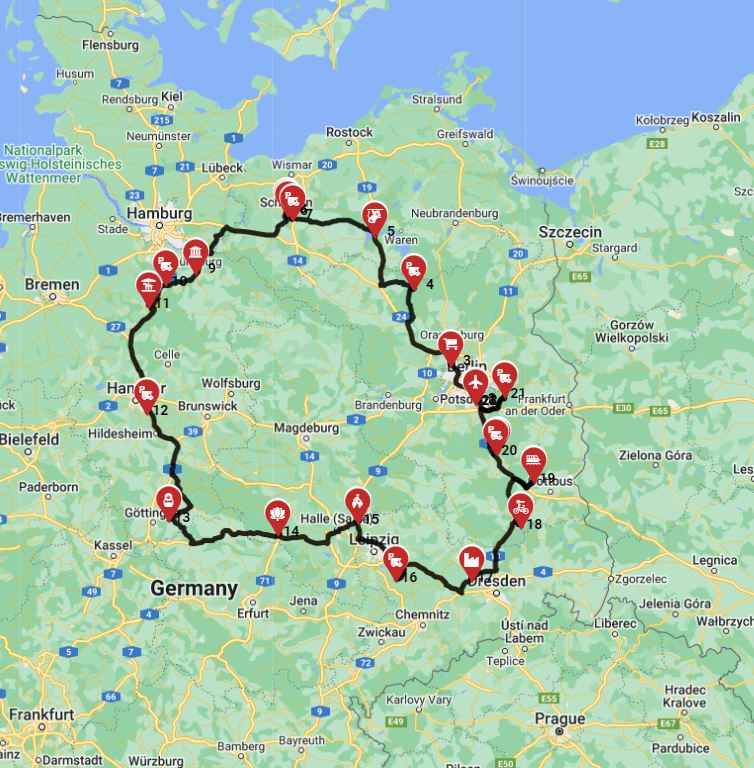
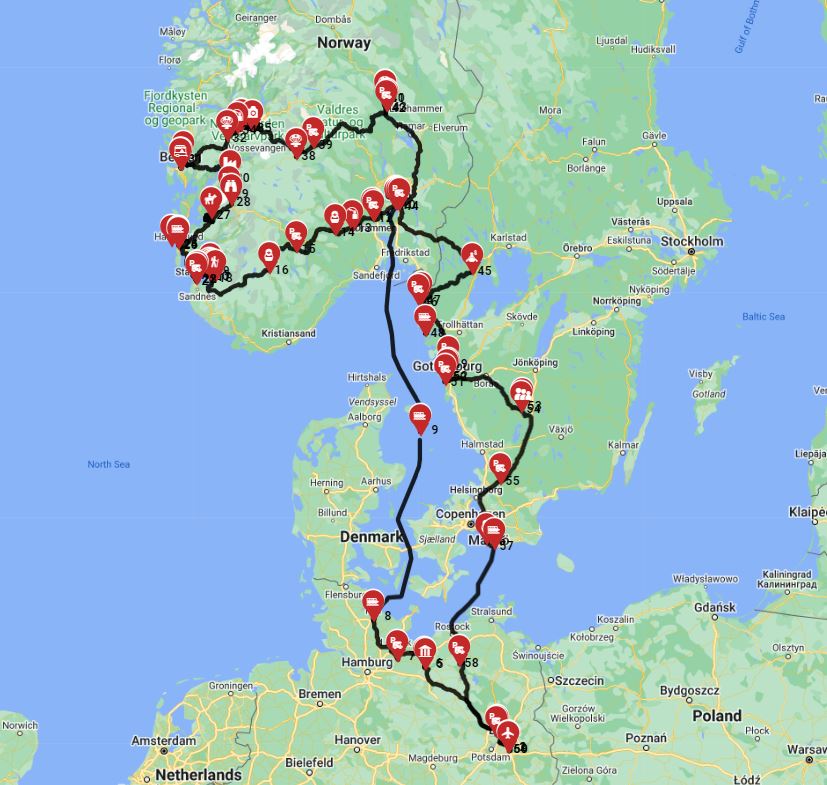
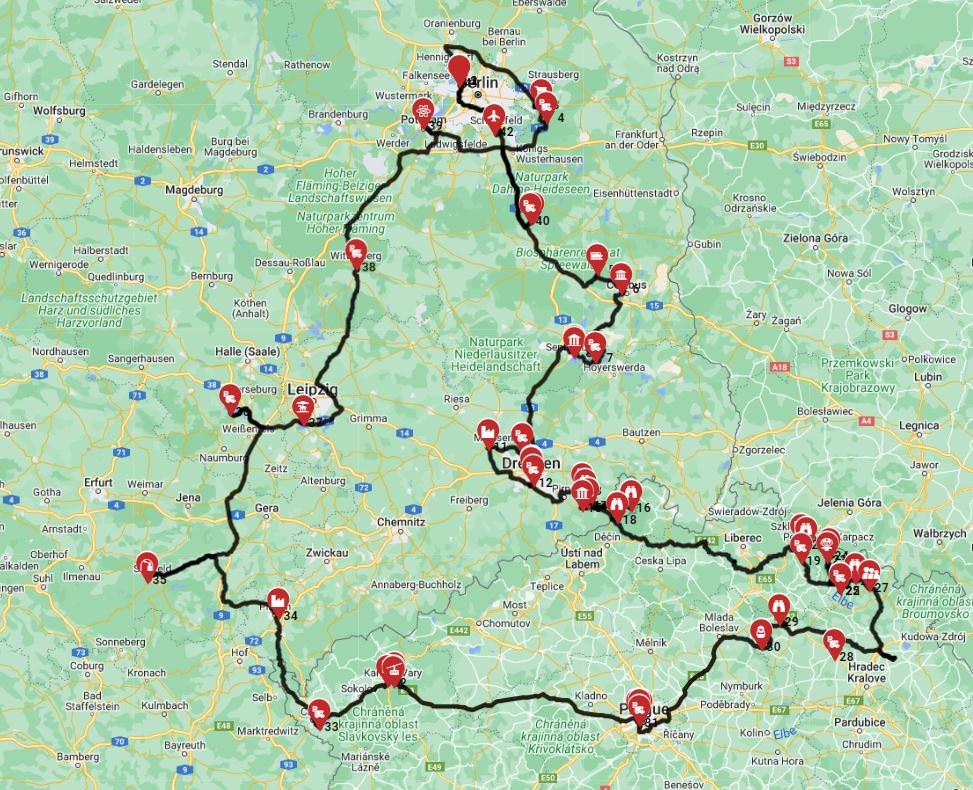
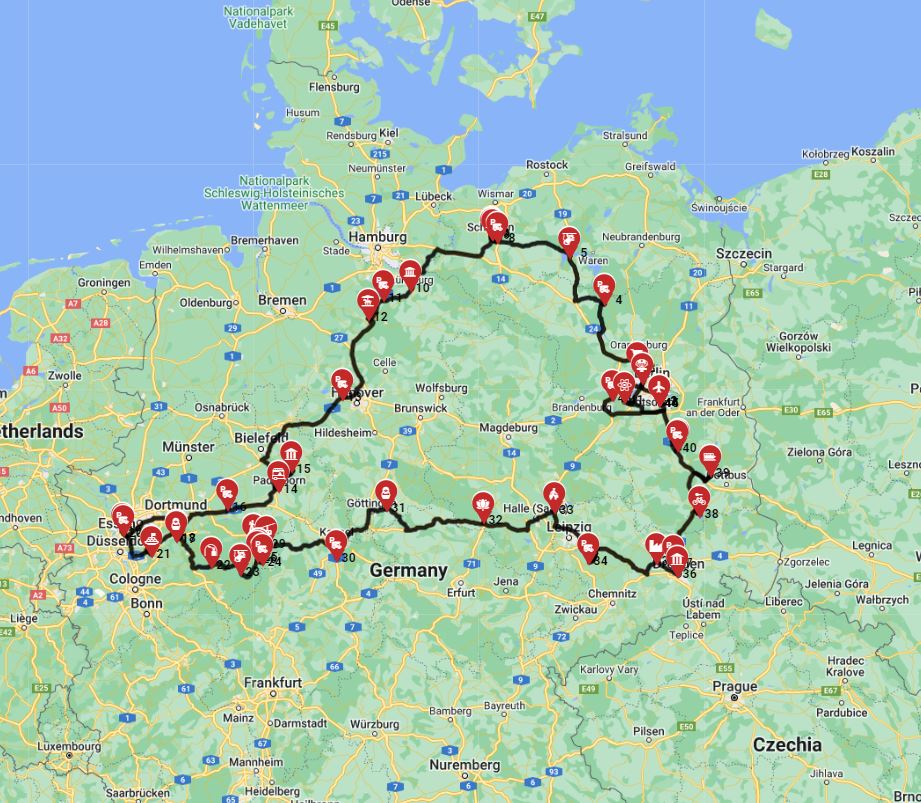
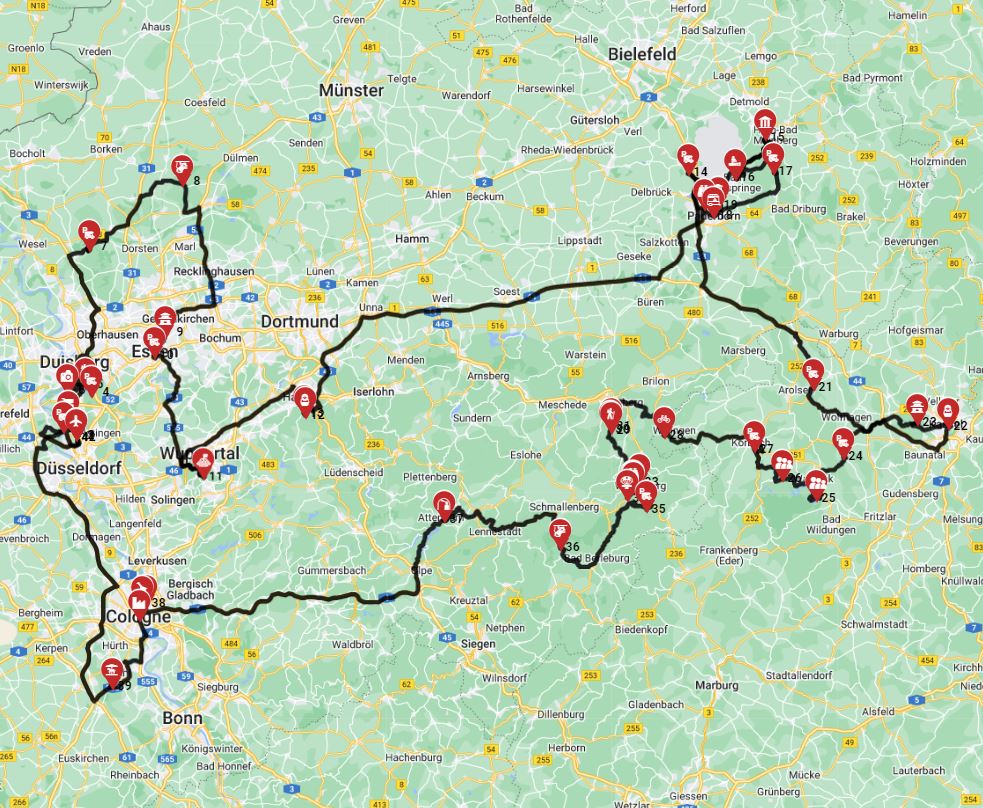
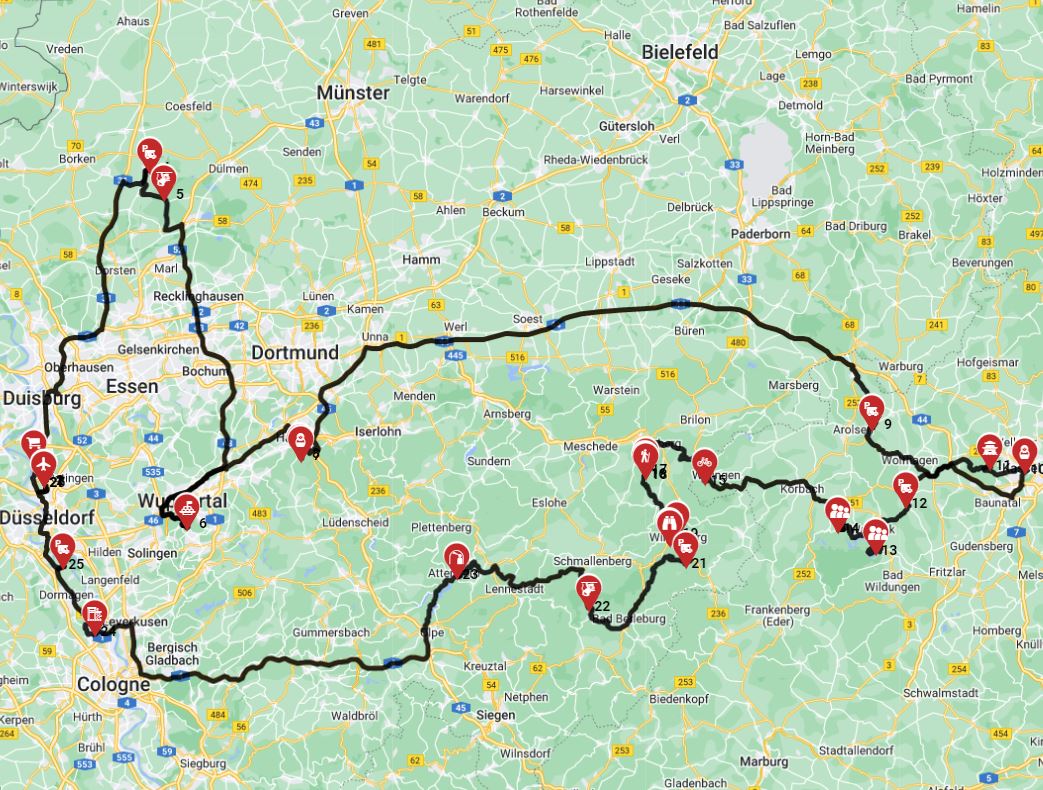
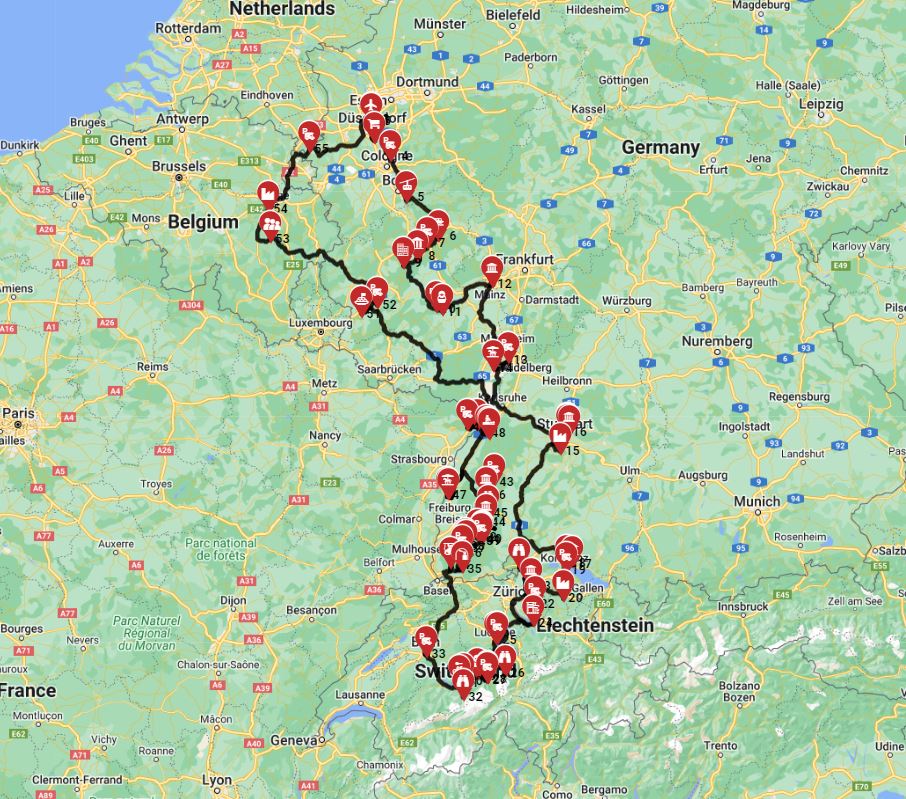
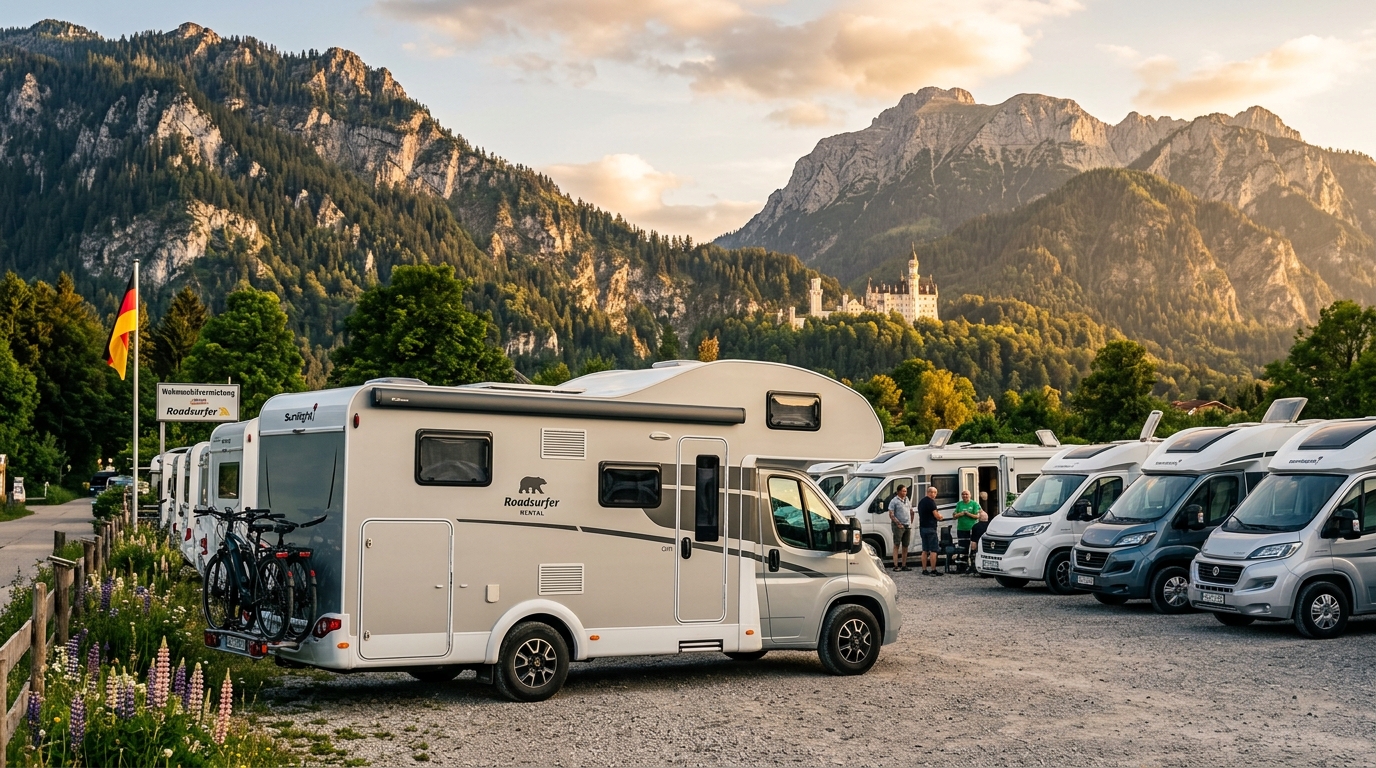
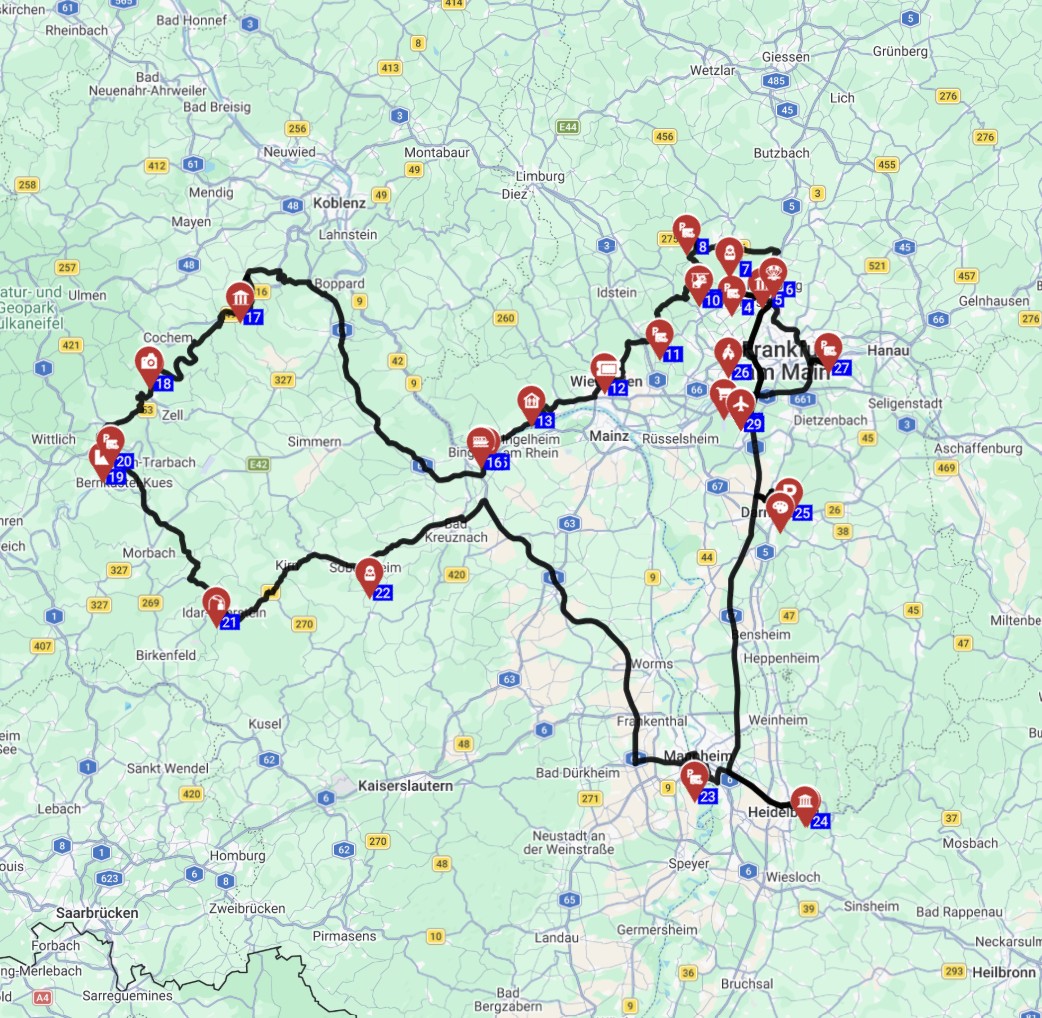
The Romantic Road (Romantische Straße) is Germany's oldest and most famous themed tourist route, stretching approximately 350 kilometers (220 miles) from Würzburg in the north to Füssen in the Bavarian Alps. This iconic route is exceptionally popular for RV travel, guiding visitors through a fairytale landscape of charming medieval towns, such as Rothenburg ob der Tauber, Dinkelsbühl, and Nördlingen, and past stunning castles, including the world-renowned Neuschwanstein. The Romantic Road is well-equipped for RVs, offering numerous campgrounds and Stellplätze along its path, making it an ideal choice for a scenic last-minute RV adventure. While the Romantic Road is a highlight, Germany offers many other curated itineraries for RVs, such as the German Wine Route (Deutsche Weinstraße) or the Alpine Road (Deutsche Alpenstraße), catering to diverse interests. For more options on route plans, or to explore a "Frankfurt Roundtrip - North Germany - Including Hamburg & Berlin" (15 days, 2230.1 km) with 2 museums and 2 historical sites, consider professional planning services.
Another fantastic option for families or groups looking for a shorter yet immersive experience is the "Frankfurt Round Trip - The Heart of Germany" route plan (8 days, 742.3 km). This route includes 2 historical sites and 2 local industries, allowing you to connect to the culture, the food, and the scenery. Similarly, for those with more time, the "Frankfurt Roundtrip - North Germany - Including Hamburg & Berlin" route plan (15 days, 2230.1 km) offers an extensive journey encompassing 2 museums and 2 traditional restaurants.
With Rent&Plan by RV PLANET, you can choose from over 1,300 pre-planned routes across 5 continents, designed by professionals to maximize your enjoyment. Plus, you get a 25% planning discount when you use rvplan.net for your next adventure in Germany or beyond.
What should I pack for an RV trip in Germany?
Packing smartly for your last minute rv trip in Germany can significantly enhance your comfort and ease of travel. Essential documents to pack include your passport, a valid national driver's license, an International Driving Permit (IDP) if you are a non-EU citizen, comprehensive health insurance cards, and copies of all your rental agreements and emergency contacts. For comfort and practicality, pack layers of clothing suitable for varying weather conditions, as German weather can be unpredictable, along with comfortable walking shoes for exploring. A basic first-aid kit and any personal medications are also vital. For self-catering, while rental RVs typically come with kitchenware, bringing basic condiments, coffee/tea, and reusable shopping bags for local market visits will make preparing meals simpler and more enjoyable. Don't forget technology essentials like a reliable GPS system (consider one with offline maps or an RV-specific app), European power adapters, and a portable power bank. Entertainment for downtime, such as books, games, or downloaded movies, is also a good idea. Remember, Bandana is with you before and during your booking process, ensuring all vehicle details are clear, so you can focus on what to pack!
Where can I rent a campervan in Germany?
Campervans and motorhomes can be conveniently rented from numerous locations across Germany, with major hubs typically situated in large cities and near international airports. Key rental locations include Berlin (where DRM - Berlin operates and offers models like the "K125" campervan, ideal for 3 people with a length of 6.99 meters), Munich, Frankfurt, Hamburg, and Düsseldorf. Online rental platforms, such as Bandana, are the most efficient way to search and book, allowing you to compare options from various trusted providers like El Monte, Cruise America, Apollo, and Britz. This comparison tool is especially useful for finding last-minute availability and ensuring full transparency on pricing, with no hidden fees or surprises. Many rental companies have depots strategically located near international airports, facilitating easy pick-up upon arrival in Germany. For last-minute bookings, it's advisable to check multiple platforms and consider a range of pickup locations or slightly smaller RV classes to maximize your chances of finding the perfect rental for your adventure.
Can you RV in Germany in winter?
Yes, you can absolutely RV in Germany in winter, offering a unique opportunity to experience enchanting Christmas markets, snow-covered landscapes, and thrilling winter sports with fewer crowds. Winter RV travel in Germany requires specific preparations, starting with renting a "winterized" RV that is equipped with proper insulation, efficient heating systems, and importantly, winter tires or snow chains (often mandatory in certain regions or conditions). While many larger, well-equipped campgrounds remain open year-round, some smaller or rural sites may close for the season, so it's essential to check availability and book ahead, even for a last-minute trip. Challenges during winter include shorter daylight hours, colder temperatures, and the potential for road closures due to heavy snowfall, particularly in mountainous areas like the Bavarian Alps. However, the advantages include experiencing a different, often magical side of Germany, enjoying cozy evenings inside your warm RV, and participating in festive seasonal activities, as detailed in our Winter RV Rental in Germany - Pricing Guide 2024.
What You Shouldn't Miss
- Explore the Mosel Valley's Vineyards: Drive slowly along the winding Mosel River, stopping at charming villages like Cochem and Bernkastel-Kues. Park your rented motorhome at a riverside Stellplatz and enjoy wine tastings at local vineyards.
- Discover the Fairy Tale Castles of Bavaria: Beyond Neuschwanstein, visit Hohenschwangau Castle or explore the lesser-known Lichtenstein Castle. Many have RV-friendly parking nearby, making them perfect stops for families.
- Hike in the Black Forest (Schwarzwald): Immerse yourself in the dense, evergreen forests, picturesque villages, and spa towns like Baden-Baden. Many campgrounds offer access to well-marked hiking trails.
- Experience Berlin's Rich History and Culture: Drive your campervan to a perimeter Stellplatz and use public transport to explore iconic sites like the Brandenburg Gate, Reichstag Building, and Museum Island.
- Journey the German Alpine Road: Stretching 450 km (280 miles) from Lindau to Schönau am Königssee, this route offers breathtaking mountain scenery, crystal-clear lakes, and traditional Bavarian towns perfect for a multi-day RV adventure.
- Savor Local Flavors at a Farmer's Market: Stop at local markets (e.g., Viktualienmarkt in Munich) to pick up fresh produce and regional delicacies. Use your RV's kitchen to prepare delicious meals, making the most of local ingredients.
🎬 Video coming soon
Final Thoughts
A last-minute RV rental in Germany opens up a world of spontaneous adventure, allowing you to chase beautiful landscapes, ancient castles, and vibrant city experiences at your own pace. With its excellent roads, welcoming RV culture, and dedicated Stellplätze, Germany truly is a motorhomer's paradise. Remember our key advice: drive slowly and carefully, respect local rules like environmental zones, and embrace the freedom to explore beyond the usual tourist paths.
Imagine yourself savoring a local meal, waking up to a new view each day, and connecting deeply with the rich history and warm hospitality of this incredible country. Whether it's a week-long trip along the German Wine Route or an extended road trip through the Alps, your rented campervan is your ticket to an unforgettable journey. We're here to support you every step of the way, making sure your booking is transparent and stress-free.
So, don't wait! Discover top destinations, planning tips, all in one place! Plan a trip itinerary in advance with minimal effort and maximum enjoyment. Get inspired for your next trip! Compare Motorhome Prices for Germany now and start your amazing German RV adventure!