In This Guide
- Can You Drive an RV in Europe? License & Age Rules
- Road Conditions & Terrain in Europe
- RV Size Limits, Bridges & Restricted Zones
- Fuel: Diesel vs. Petrol & Cost per 100 km
- Tolls, Vignettes & Border Rules
- Driving Tips for Last Minute RV Rental Travelers
- Recommended RV Class for Europe Roads
- Should I Choose a Compact Van Instead of a Large RV in Europe?
- Can I Park Anywhere? Free & Wild Camping Rules in Europe
- Can I Drive an RV Into the City Center? Heights, Tunnels & Local Signage
- What is the 3-3-3 rule for RV travel? (and the 333 rule for campervan)
- What is the 4-4-4 rule for RV?
- Can you ship an RV from the US to Europe?
- What is the best travel insurance company for Europe?
- Emergency Procedures and Roadside Assistance in Europe
- Staying Connected and Navigating Europe
- Waste Management and Utilities for RVs in Europe
Europe, with its diverse landscapes and rich history, is an incredible continent to explore with a rented motorhome or campervan, offering a unique blend of freedom and adventure. For live availability and current prices, start with our RV Rental Europe - Complete Guide 2026 guide. Even for spontaneous travelers, finding a last minute rv rental in Europe can open doors to unforgettable journeys, allowing you to chase sunsets and discover charming towns at your own pace. With Bandana, our mission is to make RV travel accessible, transparent, and joyful for everyone, handling the details so you can live the journey.
Can You Drive an RV in Europe? License & Age Rules
A standard Category B driving license is generally sufficient for most smaller and mid-sized RVs across Europe, valid for vehicles up to 3,500 kg (7,700 lbs) Maximum Authorised Mass (MAM). For larger RVs exceeding 3,500 kg MAM, a Category C1 or C license may be required, depending on specific weight and national regulations, though most rental motorhomes fall under the standard Category B limit. The minimum driver age for RV rentals in Europe is typically 21, and Bandana Caravan proudly offers rentals to drivers aged 21 and above, with no young driver surcharges or vehicle class restrictions based on age, ensuring more flexibility for travelers. Non-EU citizens must carry an International Driving Permit (IDP) alongside their national license, as it translates their license into multiple languages and is required in many European countries to validate your national license. Always verify specific license requirements with your rental provider and for each country you plan to visit, as rules can vary.
Road Conditions & Terrain in Europe
European road conditions are generally excellent, featuring well-maintained highways and secondary roads, though quality can vary significantly between countries and rural areas. The continent offers incredibly diverse terrain, from the flatlands of the Netherlands and Northern Germany to the winding mountain passes of the Alps and Pyrenees, requiring adaptable driving skills. Narrower roads are common in historic towns and rural regions, particularly in Southern Europe, making smaller RVs or campervans more maneuverable for last minute rv rental adventurers. Drive slowly and carefully, and you can drive almost anywhere without issues. No need to stress - just use common sense and pay attention. Expect tolls on major motorways in many countries (e.g., France, Italy, Spain), while some require a vignette (e.g., Switzerland, Austria, Slovenia) for highway use. For a rented RV, embracing slower, scenic routes often enhances the experience and helps navigate challenging terrain more comfortably, allowing for spontaneous stops. Remember to travel slowly, max 100-150 km per day on average, to fully immerse yourself in the place, culture, food, and scenery. On the routes offered through RV PLANET routes, you can itemize and track every expense along the way for easy budgeting.
RV Size Limits, Bridges & Restricted Zones
RV travelers in Europe must pay close attention to height and weight restrictions, which are commonly signposted on bridges, tunnels, and in historic city centers. Maximum vehicle length for many European roads is around 12 meters (39 feet), but shorter vehicles like Bandana's Class SI Semi-integrated RVs (average 6.9m) or Class B Camper Vans (average 5.8m) are more practical for navigating narrower streets. Environmental zones (ZFE/LEZ) are increasingly prevalent in European cities, requiring specific emissions stickers, pre-registration, or even prohibiting certain vehicle types outright, so always check ahead. Low bridges and underpasses, particularly in older towns and rural areas, can have height limits as low as 2.5 to 3 meters (8.2 to 9.8 feet), necessitating careful route planning. When planning ferry travel, especially to islands or across significant waterways, be aware that longer and heavier RVs incur higher costs and may have limited space availability, particularly during peak last minute rv rental periods. Renting a motorhome like the cruise america rv rental example Explorer, with a length of 7.1m, offers a balance of comfort and maneuverability.
🎬 Video coming soon
Fuel: Diesel vs. Petrol & Cost per 100 km
The vast majority of RVs in Europe, including Bandana's fleet, run on diesel fuel, which is widely available at service stations across the continent. Diesel is typically more fuel-efficient than petrol, with Bandana's Class SI Semi-integrated RVs commonly achieving 10-11 liters per 100 km, while Class B Camper Vans can achieve 8-10 liters per 100 km. Fuel costs in Europe are generally higher than in North America and can fluctuate significantly between countries; expect an average cost per 100 km for a rented RV to range from €15-€25 based on current fuel prices. When planning your budget for a rented motorhome adventure in Europe, remember that fuel is one of several ancillary costs. For detailed budgeting and to itemize every expense along the way, we highly recommend checking out RV PLANET routes. Petrol (gasoline) stations are also ubiquitous, but always ensure you select the correct fuel type, as misfuelling can cause severe engine damage. Our direct partnerships with over 50 leading RV suppliers worldwide, including trusted names like El Monte, Cruise America, Apollo, and Britz, ensure you get transparent pricing for your RV rental in Europe - Prices and Best Deals 2026.
Tolls, Vignettes & Border Rules
Tolls are common on motorways in countries like France, Italy, Spain, and Portugal, typically paid at booths by card or cash, or via electronic transponders. Many Central European countries, including Switzerland, Austria, Slovenia, and the Czech Republic, require a vignette - a time-based sticker or digital pass - for highway use, which must be purchased before entering the motorway. Border crossings within the Schengen Area are generally fluid with no passport checks, but you should always carry your passport, driving license, RV documentation, and insurance papers as standard procedure. For non-Schengen borders, such as with Croatia or the UK, expect passport and vehicle document checks, so have all your documents readily accessible. Some RV rental companies offer the option to pre-purchase toll passes or vignettes, which can save time and prevent potential fines when navigating different European toll systems. For a comprehensive overview of expenses, including tolls and vignettes, consider our "Cheap RV Rental in Europe - Budget Guide 2026" to plan your trip economically.
Driving Tips for Last Minute RV Rental Travelers
Prioritize route planning with a focus on RV-friendly roads, using GPS apps that allow input for vehicle dimensions to avoid low bridges or narrow streets. Embrace cultural driving nuances; for instance, be aware of aggressive drivers in Southern Europe, or courteous, rule-following drivers in Germany, and always understand local signage like 'Einbahnstraße' (one-way street). Take frequent breaks every 2-3 hours, especially if traveling with family, to prevent driver fatigue and allow passengers to stretch and explore. Familiarize yourself with European traffic laws, including speed limits, right-of-way rules (especially roundabouts), and mandatory equipment like high-visibility vests and warning triangles. Consider booking automatic transmission RVs for a more relaxed driving experience, particularly when navigating winding roads or busy city traffic, a common feature in Bandana's fleet. Remember that traveling slowly, ideally 100-150 km per day on average, allows you to truly feel the place, connect to its culture, food, and scenery, enhancing your last minute rv rental adventure.
Recommended RV Class for Europe Roads
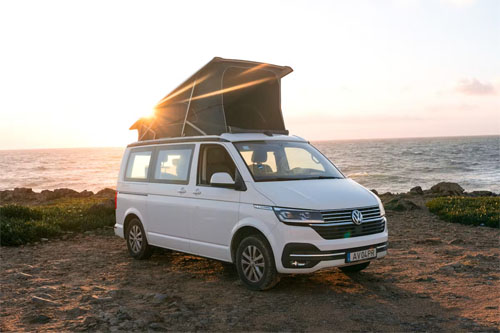
For general touring and last minute rv rental flexibility in Europe, the Class SI - Semi-integrated RV (average length 6.9m) and Class B - Camper Van (average length 5.8m) are highly recommended. Class B Camper Vans, like the rent rv example A1, offer excellent maneuverability, making them ideal for narrower European roads and easier parking in towns, while still providing sleeping for an average of 2.7 adults and 3.2 places. Class SI Semi-integrated RVs, such as the 2 Berth Tamar, strike a balance between comfortable living space (average 3.8 sleeping places) and manageable dimensions for diverse European routes, offering a good compromise for small families or couples. While larger Class C - Alcove (average 7.5m) and Class A - Integrated (average 7.5m) RVs offer more space, their size can be challenging in historic city centers and on very narrow mountain passes. The cruise america rv rental example Explorer, a motorhome with a length of 7.1m and features like a 2.5 Liter Turbo diesel engine, represents a popular choice, providing a comfortable experience while remaining relatively agile on European roads.
Should I Choose a Compact Van Instead of a Large RV in Europe?
A compact van or campervan generally offers superior maneuverability in Europe compared to larger RVs, making it easier to drive through tight historic centers and narrow mountain passes. For last minute rv rental, the choice often depends on your comfort priorities: larger RVs provide more indoor living space, amenities, and often more storage, which can be crucial for longer trips or families. A compact van, like Bandana's Class B Camper Van averaging 5.8m in length, is genuinely beneficial for urban exploration, easier parking, and lower fuel consumption (8-10 liters/100km). However, sacrificing indoor space and dedicated sleeping areas for maneuverability might not be the best trade-off if you plan to spend significant time inside the vehicle or have more than two travelers. Consider a mid-sized option, such as a Class SI Semi-integrated RV (averaging 6.9m), for a balanced approach that offers decent space without the extreme challenges of the largest RV classes on Europe's diverse roads. For more insights on vehicle types and pricing, consult our "Luxury RV Rental in Europe - Premium Prices 2026" guide.
Can I Park Anywhere? Free & Wild Camping Rules in Europe
The legality of 'wild camping' or free parking overnight in a rented RV varies significantly across Europe, ranging from strictly forbidden in countries like the Netherlands and Germany to more tolerated in parts of Scandinavia and Eastern Europe. In many Western European countries, overnight parking for RVs is often restricted to designated campsites or official Stellplätze/Aires de Service, which offer basic services for a fee. Some countries, particularly in Southern Europe, may tolerate discreet overnight parking in non-prohibited areas, especially outside peak tourist seasons, but always be respectful of private property and local communities. Never assume wild camping is permitted; research specific local regulations for each region or municipality you visit, as rules can change rapidly. Always check local regulations and follow local law before parking overnight, and be prepared to use official campsites for waste disposal and fresh water.
Can I Drive an RV Into the City Center? Heights, Tunnels & Local Signage
Yes, you can drive almost anywhere in Europe, including city centers, without issues. Drive slowly and carefully, and you can navigate urban areas effectively. No need to stress - just use common sense and pay attention to specific caveats related to vehicle dimensions, environmental restrictions, and local regulations. Pay close attention to local signage, especially for height limits (e.g., underpasses, parking garages), weight restrictions, and width restrictions on older streets, as these are clearly marked. Many historic city centers, like Venice's surrounding areas, have strict environmental zones (ZFE/LEZ) or are pedestrian-only, requiring specific permits or prohibiting certain vehicle types outright. Look for specific 'RV parking' signs (often picturing a motorhome) which indicate designated areas, as general parking for larger vehicles can be extremely limited or expensive. Be aware of one-way streets and narrow lanes, often indicated by signs like 'Einbahnstraße' in Germany, which can make maneuvering a larger RV challenging; consider parking on the outskirts and using public transport for city exploration, a flexible option with a rented motorhome.
What is the 3-3-3 rule for RV travel? (and the 333 rule for campervan)
The '3-3-3 rule' for RV travel is a widely adopted guideline promoting safety and enjoyment by recommending drivers limit their daily travel to 300 miles (approximately 480 km), arrive at their destination by 3 PM, and stay for at least 3 nights. This rule, equally applicable to campervans, helps prevent driver fatigue, allows ample time to set up camp, and encourages travelers to truly experience a location rather than constantly being on the move. Sticking to 300 miles (approximately 480 km) ensures that even with unexpected stops or scenic detours, the day's drive remains manageable and less stressful, especially on unfamiliar European roads. Arriving by 3 PM provides sufficient daylight to find a suitable campsite or overnight spot, settle in, and explore the immediate surroundings before dark. Staying for 3 nights enables deeper immersion in an area, reduces the constant packing and unpacking, and creates a more relaxed, vacation-like pace, particularly beneficial for last minute rv rental trips where relaxation is key.
What is the 4-4-4 rule for RV?
The '4-4-4 rule' for RV travel is an alternative guideline suggesting limiting daily driving to 400 miles (approximately 640 km), arriving by 4 PM, and staying for at least 4 nights, offering a slightly more extended travel pace than the 3-3-3 rule. This rule is suitable for RVers who prefer to cover more ground efficiently while still incorporating dedicated time for relaxation and exploration at each stop. Limiting driving to 400 miles (approximately 640 km) allows for covering longer distances across Europe's diverse regions without leading to excessive exhaustion, ideal for those seeking to maximize their exploration. Arriving by 4 PM provides adequate time to secure a spot, set up the RV, and enjoy some evening activities or prepare for the next day, particularly useful during shorter daylight hours in cooler seasons. Staying for 4 nights fosters a deeper connection with destinations, allowing for day trips and more thorough exploration, enhancing the overall last minute rv rental experience.
Can you ship an RV from the US to Europe?
Yes, it is possible to ship an RV from the US to Europe, typically via RoRo (Roll-on/Roll-off) or container shipping, though it involves significant logistics, cost, and lead time. The process requires careful planning of customs, import regulations, and vehicle modifications (e.g., electrical systems, headlights) to meet European standards, which can be complex. Shipping costs can range from $4,000 to over $10,000, depending on the RV's size, shipping method, and departure/arrival ports, not including potential import duties or VAT. Given the complexities and expense, for a last minute rv rental in Europe, it is far more practical and cost-effective to rent an RV locally from a European provider like Bandana. Renting locally avoids the hassle of shipping, customs, and vehicle modifications, offering a ready-to-drive vehicle fully compliant with European road laws and equipped for the local infrastructure. Bandana offers bookings in over 30 currencies with full price transparency and no hidden conversion commissions.
What is the best travel insurance company for Europe?
Choosing the 'best' travel insurance for Europe depends on individual needs, but providers like Allianz Travel Insurance, World Nomads, and SafetyWing are highly-rated options offering comprehensive coverage. For RV travel specifically, ensure your policy includes medical emergencies, trip cancellation/interruption, personal liability, and crucially, roadside assistance or breakdown cover tailored for motorhomes. You can upgrade to a top-level deductible reimbursement for extra peace of mind, an optional enhancement available through Bandana, allowing you to travel without financial surprises. Verify if the insurance covers activities you plan to undertake, such as hiking or water sports, and be aware of common exclusions, particularly for pre-existing medical conditions or specific high-risk destinations. Always read the policy's fine print, paying attention to coverage limits and how to file a claim while abroad, to ensure you have adequate protection for your last minute rv rental adventure.
Emergency Procedures and Roadside Assistance in Europe
In case of a breakdown or emergency in Europe, the universal emergency number is 112, which connects you to police, ambulance, or fire services in any EU country. Most RV rental agreements, particularly for last minute rv rental, include some form of roadside assistance; know your provider's emergency contact number and what services are covered before you depart. If you break down, wear a high-visibility vest and place a warning triangle behind your vehicle, as these are mandatory in many European countries for safety. For minor issues, local garages are often reliable, but for significant problems, communicate directly with your rental company and their designated roadside assistance partner. It's advisable to have basic first-aid supplies and a physical map in addition to your GPS, especially when venturing into remote areas where cell service might be limited, to ensure you're prepared for any eventuality on your motorhome trip.
Staying Connected and Navigating Europe
To stay connected in Europe, consider purchasing a local SIM card upon arrival or an e-SIM compatible with multiple European networks, offering affordable data for navigation and communication. Many campsites and some rest areas offer Wi-Fi, but connectivity can be unreliable; a portable Wi-Fi hotspot or ensuring your phone plan has good international roaming are alternative solutions. For navigation, Google Maps, Apple Maps, and HERE WeGo are popular choices, but dedicated RV GPS systems or apps like TomTom Go Camper are often better, allowing for vehicle dimension input to avoid unsuitable routes. Download offline maps for your planned routes, as cell service can be spotty in rural or mountainous regions, especially crucial for last minute rv rental where pre-planning might be minimal. Familiarize yourself with European data roaming regulations (e.g., 'Roam Like At Home' within the EU) to avoid unexpected charges, and ensure your devices are compatible with European power sockets (Type F or E).
Waste Management and Utilities for RVs in Europe
Responsible waste management is crucial for RV travel in Europe; utilize designated 'dump stations' (often at campsites or Aires de Service) for emptying greywater and blackwater tanks. Fresh water refill points are widely available at official campsites and some service areas, essential for maintaining hygiene and cooking facilities in your last minute rv rental. Most European campsites offer electricity hook-ups (typically 230V, 50Hz, with CEE 7/4 'Schuko' or Type E/F sockets), so ensure your rented RV is equipped with the correct adapter. Planning your route to include regular stops at official facilities for waste disposal and refilling is key, as improper disposal can lead to fines and environmental damage. Be mindful of waste separation rules, which are stringent in many European countries; carry separate bags for plastics, paper, glass, and general waste, and use public recycling bins where available. For delicious and easy meals on the road, don't forget to check out our RV-friendly recipes playlist.
What You Shouldn't Miss
- **Explore Charming Villages:** Drive slowly through the picturesque villages of Tuscany, Alsace, or the Cotswolds, savoring local food and unique crafts.
- **Hike in the Alps or Dolomites:** Park your motorhome near stunning trails in countries like Austria or Italy and spend a day or two immersed in breathtaking mountain scenery.
- **Visit a Local Vineyard:** Take advantage of programs like France Passion or Fattore Amico in Italy to overnight at a vineyard and enjoy a wine tasting experience.
- **Discover Eastern European History:** Embark on a route like the
(15 days, 2762 km), which includes 10 traditional markets, 2 historical sites, and a zoo, offering rich cultural experiences.
 Vienna Roundtrip - The epic Eastern European Christmas markets
 - **Coastal Drives in Croatia or Portugal:** Experience breathtaking ocean views and explore hidden coves with your campervan, stopping wherever inspiration strikes.
- **Enjoy Family Fun:** Consider a route like the Toulouse Round trip - European Charms & Family Delights (15 days, 2088.7 km), which includes 1 amusement park, 2 caves, and 4 traditional visits, perfect for families with kids.
- Looking for expert insights from Avi Bandana? Top 5 Adventures — recommendations from Avi Bandana.
Final Thoughts
Embarking on a last minute rv rental adventure in Europe is an experience unlike any other. It offers unparalleled freedom to explore vibrant cities, serene countrysides, and breathtaking coastlines at your own pace. With a rented motorhome or campervan, every day brings a new horizon and new possibilities, whether you're following a detailed route plan from RV PLANET or letting spontaneity lead the way.
We know that planning a trip, even a last-minute one, can seem daunting, but with Bandana Caravan, you have a partner every step of the way. Our commitment to full transparency, dedicated RV specialists, and comprehensive support ensures your journey is smooth and enjoyable. Don't let the details hold you back; the open roads of Europe are calling!
Discover top destinations, planning tips, all in one place! Plan a trip itinerary in advance with minimal effort and maximum enjoyment. Get inspired for your next trip! Find your perfect last minute rv rental in Europe today and start creating memories that will last a lifetime.