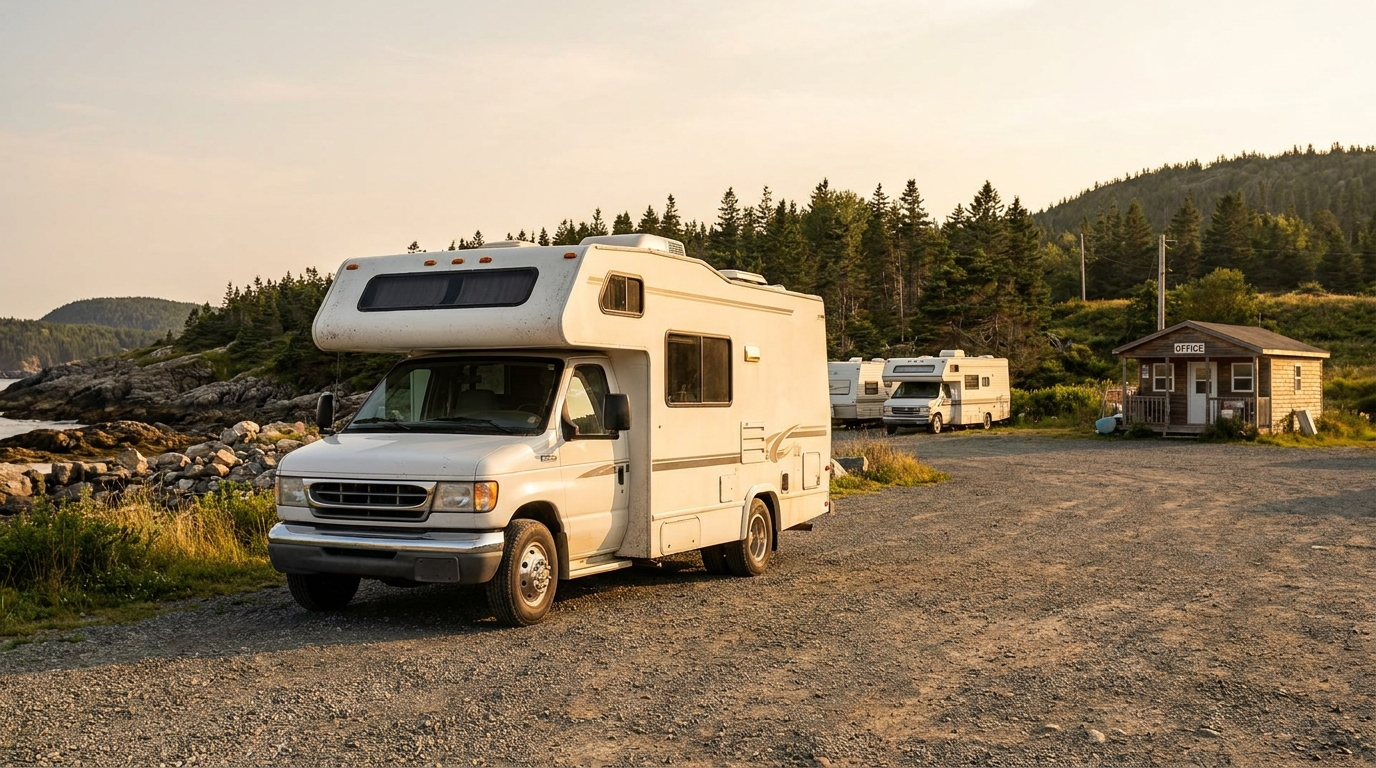
For live availability and current prices, start with our RV Rental East Canada - Complete Guide 2026 guide.
In This Guide
- Can You Drive an RV in East Canada? License & Age Rules
- Road Conditions & Terrain in East Canada
- RV Size Limits, Bridges & Restricted Zones
- Fuel: Diesel vs. Petrol & Cost per 100 km
- Tolls, Vignettes & Border Rules
- Driving Tips for last minute rv rental Travelers
- Recommended RV Class for East Canada Roads
- Should I Choose a Compact Van Instead of a Large RV in East Canada?
- Can I Park Anywhere? Free & Wild Camping Rules in East Canada
- Can I Drive an RV Into the City Center? Heights, Tunnels & Local Signage
Can You Drive an RV in East Canada? License & Age Rules
Yes, you can absolutely drive an RV in East Canada! For most rental RVs in East Canada, a standard driver's license, like a Class 5 in most provinces, is sufficient, provided the vehicle's Gross Vehicle Weight Rating (GVWR) is under 11,000 kg and it doesn't have air brakes. This covers the vast majority of rental motorhomes, including Bandana's popular Class C and Semi-integrated models.
Rental companies typically set a minimum driver age of 21. For larger Class A motorhomes, some suppliers may require drivers to be 25. International travelers will need a valid driver's license from their home country; while not always mandatory, an International Driving Permit (IDP) is highly recommended, especially if your license isn't in English or French, to ensure smooth communication with authorities.
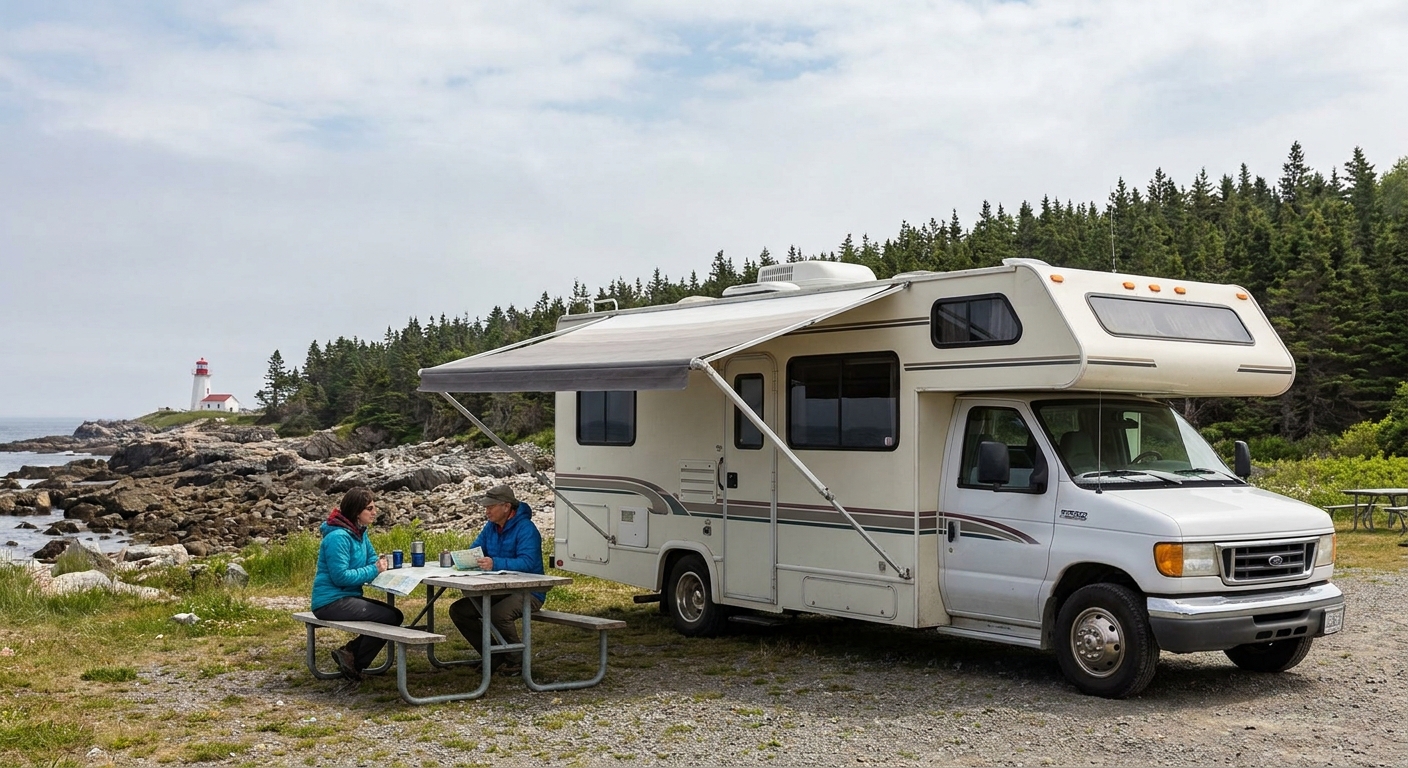
Remember to always carry your RV's registration and proof of Canadian-compliant insurance. This ensures you meet all legal requirements for a stress-free journey through East Canada.
Road Conditions & Terrain in East Canada
East Canada offers a wonderfully diverse driving experience, from well-maintained major highways to charming, winding coastal routes. The Trans-Canada Highway, for instance, is an excellent, broad highway perfectly suited for all RV sizes, making cross-province travel a breeze.
However, when exploring provinces like Nova Scotia or Newfoundland and Labrador, you'll encounter roads that are narrower, more winding, and can be quite hilly, especially along the coastlines. Drive slowly and carefully, and you can drive almost anywhere without issues. No need to stress — just use common sense and pay attention.
In more remote areas, you might encounter unpaved or gravel roads. It's always wise to check local road conditions before venturing off the main routes, particularly if you're in a larger last minute rv rental. The shoulder seasons, like late spring and early fall, offer breathtaking scenery but can also bring variable weather, so be prepared for changing conditions.
RV Size Limits, Bridges & Restricted Zones
East Canada is generally very accommodating for RV travel, but it’s essential to be aware of potential size restrictions. These are most commonly found on historic bridges, in certain dense urban areas, and with ferry services.
Most rental RVs, such as Bandana's Class SI models averaging 6.9 meters and Class C models averaging 7.5 meters, are well-suited for navigating most of East Canada's roads. However, larger Class A motorhomes may require extra vigilance regarding height and width clearances, especially in older cities like Quebec City or Halifax. Always pay close attention to posted height limits, and if you're unsure, consider consulting local information or your rental provider.
Ferry services, particularly those to Prince Edward Island (Confederation Bridge is free for RVs but has height/width considerations) and Newfoundland, often have strict size limitations and usually require advance booking for RVs. This is a critical step for last minute rv rental plans to avoid any last-minute complications.
Always observe posted signage regarding height and weight restrictions, and familiarize yourself with any specific park regulations that might limit access to certain roads within national or provincial parks.
Fuel: Diesel vs. Petrol & Cost per 100 km
The majority of Bandana's East Canada RV fleet operates on diesel, which is widely available across the country. However, smaller camper vans might utilize petrol. It's always a good idea to confirm the fuel type for your specific last minute rv rental.
For budgeting purposes, you can estimate fuel consumption for Bandana's fleet. Our Class SI RVs typically use between 10-11 L/100 km, Class C RVs around 10-12 L/100 km, and Class B Camper Vans are more efficient at 8-10 L/100 km. Larger Class A motorhomes might consume 8-12 L/100 km, while the more rugged Class TC Truck Campers can range from 12-17 L/100 km. On the routes offered through RV PLANET routes, you can itemize and track every expense along the way for easy budgeting.
Fuel prices are dynamic, but for 2026, budget approximately $1.60-$2.00 CAD per liter. To calculate your expected cost per 100 km, multiply the RV's consumption by the fuel price. For example, a Class C RV using 11 L/100 km at $1.80/L would cost around $19.80 per 100 km.
When you rent with Bandana, don't hesitate to ask your provider if there are any fuel discount cards or perks available. This could lead to some welcome savings on your journey.
Tolls, Vignettes & Border Rules
East Canada has a relatively limited toll road system. The primary tolls you might encounter are on specific bridges, such as the Confederation Bridge to Prince Edward Island, or occasionally on certain highways. Unlike some European countries, East Canada does not use a vignette system; tolls are typically paid at booths or electronically.
When entering East Canada from the USA, all travelers require valid passports. Your rental RV must also clear Canadian customs. Be prepared for potential searches and ensure you are aware of prohibited items. These can include firearms, certain food products, untreated firewood, and specific meats without proper documentation. Always declare all goods to the Canadian Border Services Officers to ensure a smooth crossing.
Some rent-motorhome providers may offer pre-purchased toll passes, which can add a layer of convenience to your trip, especially if your itinerary involves frequent bridge or highway tolls.
Driving Tips for last minute rv rental Travelers
To make the most of your last minute rv rental experience in East Canada, consider embracing a relaxed pace. The '3-3-3 rule' is a great guideline: drive no more than 3 hours or 300 km per day, and aim to arrive at your destination by 3 PM. This allows ample daylight to set up camp, find your hookups, and enjoy your surroundings without rushing.
If your route includes Prince Edward Island or Newfoundland, pre-planning and booking your ferry crossings well in advance is crucial, especially for RVs, to avoid last-minute complications. Ensure you have reliable connectivity by downloading offline maps and considering a portable Wi-Fi hotspot, as cell service can be spotty in more remote areas.
Wildlife is a common sight in East Canada. Stay particularly vigilant for moose and deer, especially during dawn and dusk, and on secondary roads. Always factor in fuel costs and identify locations for essential services like dump stations, potable water refills, and propane, as these can be less frequent in rural areas.
Recommended RV Class for East Canada Roads
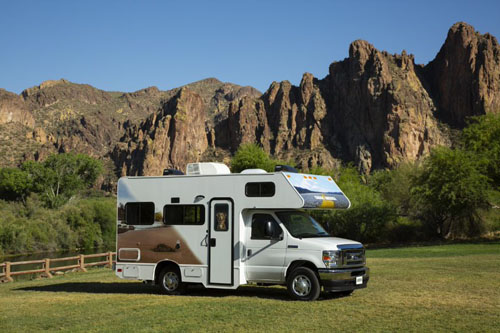
For navigating the diverse landscapes of East Canada, Bandana highly recommends opting for a Class SI (Semi-integrated) or Class C (Alcove) RV. These classes offer an excellent balance between living space, amenities, and maneuverability, making them ideal for exploring highways, provincial parks, and scenic routes.
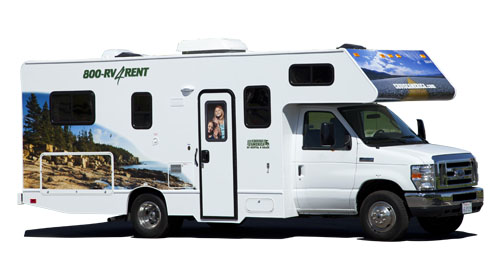
Our Class SI RVs, typically around 6.9 meters long, provide comfortable living quarters for couples or small families (averaging 3.8 sleeping places) and boast fuel efficiency with an average consumption of 10-11 L/100 km. They offer a great compromise between the compact nature of camper vans and the larger motorhomes.
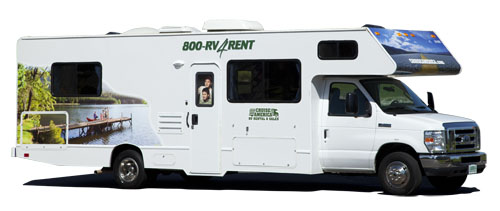
The Class C RVs, averaging 7.5 meters in length, are a fantastic choice for families or groups, comfortably sleeping an average of 5.8 people. Their average fuel consumption of 10-12 L/100 km is reasonable for the space and amenities they provide. Both these classes are well-equipped to handle the varied terrain and road conditions you'll encounter across East Canada.
Should I Choose a Compact Van Instead of a Large RV in East Canada?
When planning your East Canada adventure, the choice between a compact camper van and a larger RV depends on your priorities. For most itineraries focusing on scenic drives and provincial parks, a larger RV generally offers superior comfort and amenities.
Bandana's Class B Camper Vans, averaging a nimble 5.8 meters in length and offering excellent fuel efficiency (8-10 L/100 km), are perfect for solo travelers or couples who value agility. Their smaller footprint makes them ideal for navigating bustling city centers, tighter coastal roads, and accessing ferry crossings with fewer size restrictions. These vans typically accommodate 2-3 people and come with essential amenities like kitchenettes and compact bathrooms.
However, if your trip involves extended stays, requires more living space, or you're traveling with family, the larger RVs (Class C or SI) offer significantly more room, full kitchens, and separate sleeping areas. The decision ultimately balances the compact van's urban agility against the larger RV's enhanced comfort and amenities for a more comprehensive travel experience.
Can I Park Anywhere? Free & Wild Camping Rules in East Canada
Finding free or 'wild' camping spots in East Canada requires a bit of research and adherence to local regulations. Generally, overnight parking in undesignated areas, like roadside pull-offs or retail parking lots without explicit permission, is prohibited and can result in fines.
Some provinces do permit free camping on Crown land, but specific rules, including permits for extended stays, vary significantly. It's crucial to research the provincial land-use regulations for the areas you plan to visit. Some retailers, like certain Walmart locations, may permit overnight RV parking, but always confirm with store management first.
A great alternative is to utilize designated rest stops or welcome centers that explicitly allow overnight parking, though availability and rules can differ. For a more secure experience with amenities, dedicated RV parks and campgrounds are always a reliable option. Always double-check local municipal bylaws to ensure compliance before parking overnight.
Can I Drive an RV Into the City Center? Heights, Tunnels & Local Signage
Yes, you can generally drive an RV into East Canada's city centers, but it requires extra attention to detail. Navigating historic cities like Quebec City or Halifax means being particularly aware of height restrictions on tunnels and bridges, and understanding local parking signage. Always know your rented RV's exact height and width.
Finding suitable RV parking in bustling city centers can be challenging. Consider parking on the outskirts of the city and utilizing public transit for exploring the core downtown areas. This approach can save you time and potential frustration.
Be mindful of potential environmental zones or resident-only streets that might be present in older districts; it's wise to check municipal websites for any specific vehicle restrictions. Fortunately, most major arterial roads leading into cities are well-maintained and suitable for RVs.
What You Shouldn't Miss
- Explore the Cabot Trail: Drive this iconic route in Nova Scotia for breathtaking coastal scenery and charming seaside towns.
- Witness the Bay of Fundy Tides: Visit Hopewell Rocks in New Brunswick to see the dramatic rise and fall of the world's highest tides.
- Discover Prince Edward Island: Experience the Anne of Green Gables heritage, explore red sand beaches, and enjoy fresh seafood.
- Visit Historic Quebec City: Wander through the charming Old Town, a UNESCO World Heritage site, with its European feel and historic fortifications.
- Drive the scenic routes of Newfoundland: Take in the rugged coastline, fjords, and unique culture of Atlantic Canada's most easterly province.
- Explore the Maritimes' Lighthouses: Many of Nova Scotia's over 160 lighthouses are accessible by RV and offer stunning views and historical insights.
Final Thoughts
Embarking on an RV adventure in East Canada is an incredible way to experience its natural beauty and charming towns. By understanding the driving regulations, road conditions, and choosing the right vehicle, you're well on your way to a memorable trip.
Remember to book your RV and any necessary ferries in advance, especially during peak season. With a little planning, you can truly immerse yourself in the laid-back RV lifestyle and discover the magic of East Canada at your own pace. Get inspired for your next trip!
Discover top destinations, planning tips, all in one place! Plan a trip itinerary in advance with minimal effort and maximum enjoyment.