In This Guide
- How Much Does a Last-Minute RV Rental in Croatia Cost?
- Can I Find Last-Minute RV Rental Deals in Croatia?
- Last-Minute RV Rental Cost for Couples vs. Families with Kids in Croatia
- How to Find the Cheapest Last-Minute RV Rental in Croatia?
- Can You Drive an RV in Croatia? License & Age Rules
- Road Conditions & Terrain in Croatia
- RV Size Limits, Bridges & Restricted Zones
- Fuel: Diesel vs. Petrol & Cost per 100 km
- Tolls, Vignettes & Border Rules
- Driving Tips for Last-Minute RV Rental Travelers
- Recommended RV Class for Croatia Roads
- Should I Choose a Compact Van Instead of a Large RV in Croatia?
- Can I Park Anywhere? Free & Wild Camping Rules in Croatia
- Can I Drive an RV Into the City Center? Heights, Tunnels & Local Signage
- What Are the Driving Challenges for RVs in Croatia?
- What Safety Tips Should I Know for RVing in Croatia?
- What Gear Should I Pack for an RV Trip in Croatia?
- How Can I Practice Eco-Conscious RVing in Croatia?
- How Can Digital Nomads Stay Connected While RVing in Croatia?
- Can I Travel with Pets in an RV in Croatia?
- Is Off-Season RV Travel Recommended in Croatia?
- What RV-Friendly Activities Can I Enjoy in Croatia?
- Are There Unique RV Experiences or Agritourism Stays in Croatia?
Croatia, with its stunning Adriatic coastline, historic towns, and lush national parks, is a dream destination for a spontaneous motorhome adventure. Imagine waking up to the sound of waves, preparing breakfast in your rented campervan, and setting off to discover a new cove or ancient city. Even if you're planning a last-minute rv rental in Croatia, the possibilities are endless for an unforgettable journey. For live availability and current prices, start with our RV Rental Croatia - Complete Guide 2026 guide. At Bandana, we believe in full transparency, providing you with all the information you need upfront, so there are no hidden fees and no surprises.
How Much Does a Last-Minute RV Rental in Croatia Cost?
A last-minute RV rental in Croatia can range from approximately €80 per day for a compact campervan in the off-season to over €400 per day for a luxury Class A motorhome during peak summer. Prices are dynamic, similar to flight tickets, changing daily based on availability, seasonality, and supplier marketing decisions. For instance, a basic 2-berth campervan like the "Active Small" might cost around €100-€150 per day in May or September, while a spacious 6-berth Class C "Glamys 40" could be €250-€350+ in July. These figures are estimates, and the final price is set at the actual booking time. Beyond the rental fee, expect to budget for fuel (diesel is common for RVs), campground fees, tolls, and groceries. When planning your budget, remember that RV PLANET routes offer tools to itemize and track every expense along the way for easy budgeting, helping you keep tabs on your total trip cost.🎬 Video coming soon
Can I Find Last-Minute RV Rental Deals in Croatia?
You can often find last-minute RV rental deals in Croatia, especially if you are flexible with your travel dates or vehicle type. While peak summer (July-August) often sees higher demand and prices, waiting until the last minute can sometimes result in discounted rates as suppliers aim to fill their remaining fleet. Conversely, limited availability for popular models might drive prices up. The shoulder seasons, such as April-June and September-October, typically offer more opportunities for attractive deals, with potentially 10-20% savings compared to the busiest months. Being open to a slightly older model, like a "Paradise Family 5" (a Class C from 2008-2013), or a smaller Class B campervan, can also increase your chances of finding a great price. Our platform continually compares prices from 50+ leading RV suppliers worldwide, including popular names, ensuring you see the best available offers without any hidden fees or surprises.Last-Minute RV Rental Cost for Couples vs. Families with Kids in Croatia
The cost of a last-minute RV rental in Croatia varies significantly between couples and families with kids, primarily due to differences in required vehicle size and amenities. Couples often find budget-friendly options in compact Class B campervans, like a "Chubby Camper," which might cost €90-€180 per day depending on the season and features. These smaller units are ideal for 2 people, offering maneuverability and fuel efficiency (around 8-10 Liters/100 km). Families with 4-6 people, however, will typically need a larger Class C or semi-integrated motorhome, such as a "Category Family 5" or "Glamys 40", which can range from €180-€350+ per day. These vehicles offer more sleeping berths, larger fresh water tanks (e.g., 100-140 Liters), and amenities like full kitchens and bathrooms, accommodating the needs of a family road trip. Booking a larger model often means planning for higher fuel consumption (10-14 Liters/100 km) and potentially more expensive ferry crossings to the islands.How to Find the Cheapest Last-Minute RV Rental in Croatia?
Finding the cheapest last-minute RV rental in Croatia involves flexibility and using effective comparison tools. First, consider traveling during the off-season or shoulder seasons (late spring or early autumn) when demand is lower, yielding average daily rates that can be significantly less than in July or August. Second, be flexible with your pick-up and drop-off dates by a few days, as prices can fluctuate, sometimes saving up to 15-20%. Third, opt for a smaller Class B campervan or a slightly older Class C motorhome, which typically have lower rental rates and better fuel efficiency, like the "Deuce" campervan. Fourth, compare final prices across multiple suppliers transparently using our platform – what you see is what you pay, with no surprise fees at pickup. We work with 50+ leading RV suppliers worldwide to bring you comprehensive options. Lastly, don't overlook one-way RV rental deals in Croatia - Price Guide 2026 if your itinerary allows, as suppliers sometimes offer discounts to reposition vehicles.Can You Drive an RV in Croatia? License & Age Rules
Driving an RV in Croatia is absolutely permissible for most international visitors with a standard driving license, making it an accessible destination for a motorhome adventure. For RVs with a Gross Vehicle Weight (GVW) up to 3,500 kg (approximately 7,700 lbs), a standard B category driving license is sufficient. This covers the vast majority of popular campervans, such as a "Category Van", and many semi-integrated motorhomes. Vehicles exceeding 3,500 kg GVW might require a C1 or C category license, though these are less common in the rental fleet for vacationers. Non-EU drivers are generally advised to carry an International Driving Permit (IDP) alongside their national license, although it is not always strictly mandatory in all cases, it removes any doubt. Rental companies typically enforce a minimum driver age of 21 years old (not 25), with at least 2 years of driving experience, and there are no young driver surcharges or vehicle class restrictions based on age with Bandana.Road Conditions & Terrain in Croatia
Croatia's road network offers a mix of modern, well-maintained highways and incredibly scenic, yet often winding, coastal and mountain roads. The highways (autoceste) connecting major cities like Zagreb, Split, and Dubrovnik are excellent, allowing for smooth travel and are ideal for covering long distances with a rented motorhome, such as the comfortable "Motorhome MC4 Gold" which offers a smooth ride. However, the true beauty of Croatia unfolds on its coastal roads, particularly the famous Jadranska Magistrala. These routes offer breathtaking views of the Adriatic Sea and its islands, but they can be narrow, winding, and experience heavy traffic during the peak summer season. Inland and mountainous regions, like the Velebit and Biokovo ranges, present steeper inclines and descents with more challenging curves, requiring careful driving. Even rural roads leading to remote villages or agritourism sites might be narrower and occasionally unpaved; embracing a slow, scenic pace here allows you to fully appreciate the stunning Croatian landscape.RV Size Limits, Bridges & Restricted Zones
While Croatia is largely RV-friendly, drivers should be mindful of vehicle dimensions, particularly regarding height restrictions, ferry capacities, and specific local urban access. Standard height limits on Croatian roads are typically 4 meters (13 feet 1 inch), which accommodates most Class A, B, and C motorhomes. However, older town entrances, narrow arches, or specific tunnels in historic areas might have lower clearances, requiring extra attention to signage. When planning to visit islands, remember that ferries to Croatian islands have length and weight restrictions; booking in advance is highly recommended, especially for larger RVs during the busy season, to ensure your spot and avoid delays. Environmental zones (ZELENA ZONA) are less prevalent than in some other European countries, but certain historic city centers might have restrictions on vehicle access or parking, which will always be clearly signposted. Always observe local signage for weight, height, and access restrictions, especially when entering smaller towns or historic districts, to prevent issues.Fuel: Diesel vs. Petrol & Cost per 100 km
The vast majority of rented motorhomes and campervans in Croatia, as across Europe, operate on diesel fuel, which is readily available at service stations throughout the country. Petrol (gasoline) is also available but is generally not the fuel type for common RV rental classes. Based on Bandana's global fleet averages and typical models like a Class SI "Euro Quest" or a Class C "Chausson Flash 01", you can expect varying fuel consumption rates. Compact Class B campervans typically consume 8-10 Liters/100 km, while semi-integrated RVs average 10-11 Liters/100 km. Larger Class C alcove models usually average 10-12 Liters/100 km, and integrated Class A motorhomes might range from 8-11 Liters/100 km. To calculate your approximate fuel cost per 100 km, multiply the current diesel price per liter by your RV's estimated fuel consumption rate. Fuel prices in Croatia are comparable to other EU countries but can fluctuate seasonally, so factor this into your overall trip budget. Remember, RV PLANET routes allow you to track ancillary costs like fuel.Tolls, Vignettes & Border Rules
Croatia utilizes a barrier toll system on its highways (autoceste), meaning drivers pay directly at toll booths based on the distance traveled and the vehicle category, instead of requiring a vignette sticker. At toll plazas, you can pay with cash (both Croatian Kuna and Euros are accepted, though change will likely be in Kuna) or with major credit/debit cards. For added convenience and to avoid potential queues, especially during peak season, an electronic toll collection (ETC) device, known as an ENC device, can offer faster passage through dedicated lanes. Some Bandana partner suppliers may offer these ENC devices for rent, making your journey smoother. When crossing borders from neighboring countries, especially non-Schengen areas like Bosnia and Herzegovina, ensure all your vehicle documentation is easily accessible. This includes your rental agreement, national driving license, and an International Motor Insurance Card (often called a Green Card) valid for Croatia and any transit countries. Be prepared for potential customs checks and always adhere to customs regulations, particularly concerning goods and pet travel.Driving Tips for Last-Minute RV Rental Travelers
For last-minute RV travelers exploring Croatia, prioritizing adaptive driving, thoughtful route planning, and awareness of local conditions is crucial for a smooth journey. Embrace the local pace; Croatia's stunning scenic routes are best enjoyed without rushing, especially on winding coastal and mountain roads. Utilize GPS or mapping applications that allow you to input your rented RV's dimensions (height, length, weight) to effectively avoid unsuitable routes, excessively narrow streets, or low bridges. Planning your parking in advance is highly advisable, as finding suitable RV parking in popular coastal towns and historic city centers can be challenging; look for designated RV-friendly lots on the outskirts or utilize park-and-ride options. Regular breaks are essential, especially for longer drives, planning stops every 2-3 hours to rest, stretch, and enjoy the scenery, making the travel experience more pleasant. Lastly, always keep your fuel tank topped up, particularly before venturing into rural areas where stations might be less frequent, and have cash or an ENC device ready for tolls to save time and prevent potential fines.Recommended RV Class for Croatia Roads
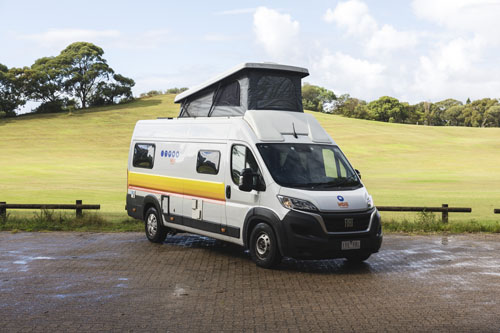
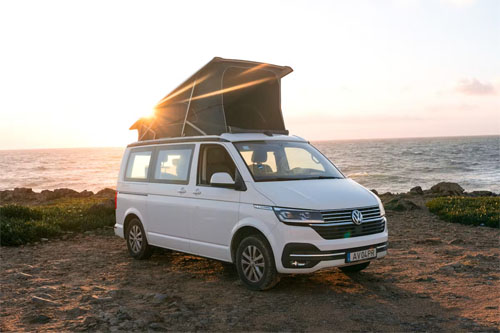
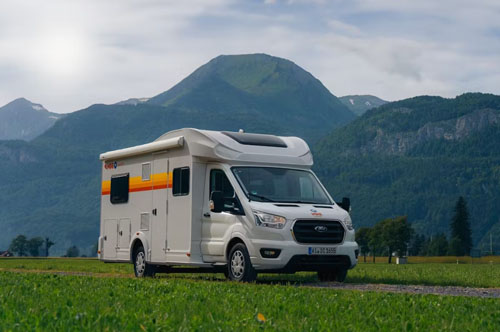
For navigating Croatia's diverse road conditions, a Class B Camper Van or a Class SI Semi-integrated RV is generally recommended, offering an optimal balance of comfort, amenities, and agility. Class SI Semi-integrated motorhomes, with an average length of 6.9 meters (based on Bandana's global fleet data from models like the "Discovery - 5 berth motorhome with rear U-lounge"), provide comfortable living spaces for 3-4 people while remaining relatively maneuverable for most Croatian roads. Their balanced size makes them suitable for both efficient highway cruising and tackling slightly narrower regional routes, typically consuming 10-11 Liters/100 km. Class B Camper Vans, such as the "Active Pop Top" which averages 5.99 meters in length, are exceptionally agile, making them ideal for very tight coastal roads, easier parking in towns, and reaching more remote locations. While offering less interior space, their superior maneuverability makes them perfect for 2-3 travelers seeking maximum flexibility, with efficient fuel consumption of 8-10 Liters/100 km.Should I Choose a Compact Van Instead of a Large RV in Croatia?
While larger RVs offer more extensive amenities and indoor space, a compact campervan (Class B) often provides superior maneuverability and ease of access, which can be a significant advantage on Croatia's specific road network. Compact vans, exemplified by models like the "Camper Van" or "Condo" are excellent for navigating the narrow, winding roads commonly found in many Croatian coastal towns and mountainous regions, making parking and driving substantially less stressful. For instance, the "Combi Van" measures just 5 meters long, with a 60 Liter fresh water tank, making it agile for tight spots. Larger RVs, such as Class C (Alcove) or Class A (Integrated) models, provide extensive living areas, separate sleeping zones, and often more robust kitchen and bathroom facilities, which are ideal for longer week-long trips or larger groups. The decision truly hinges on your travel priorities: if exploring every quaint village and finding easy parking is paramount, a compact van is undeniably beneficial. However, if maximum comfort and on-board amenities are preferred, a larger RV is perfectly suitable, with the understanding that some locations might require parking further from the city center. Drive slowly and carefully, and you can drive almost anywhere without issues. No need to stress - just use common sense and pay attention.Can I Park Anywhere? Free & Wild Camping Rules in Croatia
Wild camping and free overnight parking outside of designated campgrounds are generally illegal in Croatia, with strict enforcement and potential fines reaching up to €2,000. Instead, last-minute RV travelers should plan to utilize Croatia's extensive network of official campsites, which vary from basic, affordable family spots to luxury resorts with abundant amenities, often situated in scenic areas or near major attractions. Legal alternatives for respectful overnight parking include official rest stops on highways (though facilities are limited), some private properties that explicitly permit it (such as agritourism farms), or designated 'RV parks' that offer legal overnight spots without being full-service campsites. Using reputable online platforms like Campercontact or Park4Night can help you locate available and legal parking and camping options along your route. Rules and enforcement can vary by region, so always double-check local regulations and adhere to local laws before parking overnight to avoid penalties and contribute positively to sustainable tourism. For finding campsites and campgrounds during your trip, we recommend using RV PLANET (rvplan.net) - a great resource for locating available spots along your route.Can I Drive an RV Into the City Center? Heights, Tunnels & Local Signage
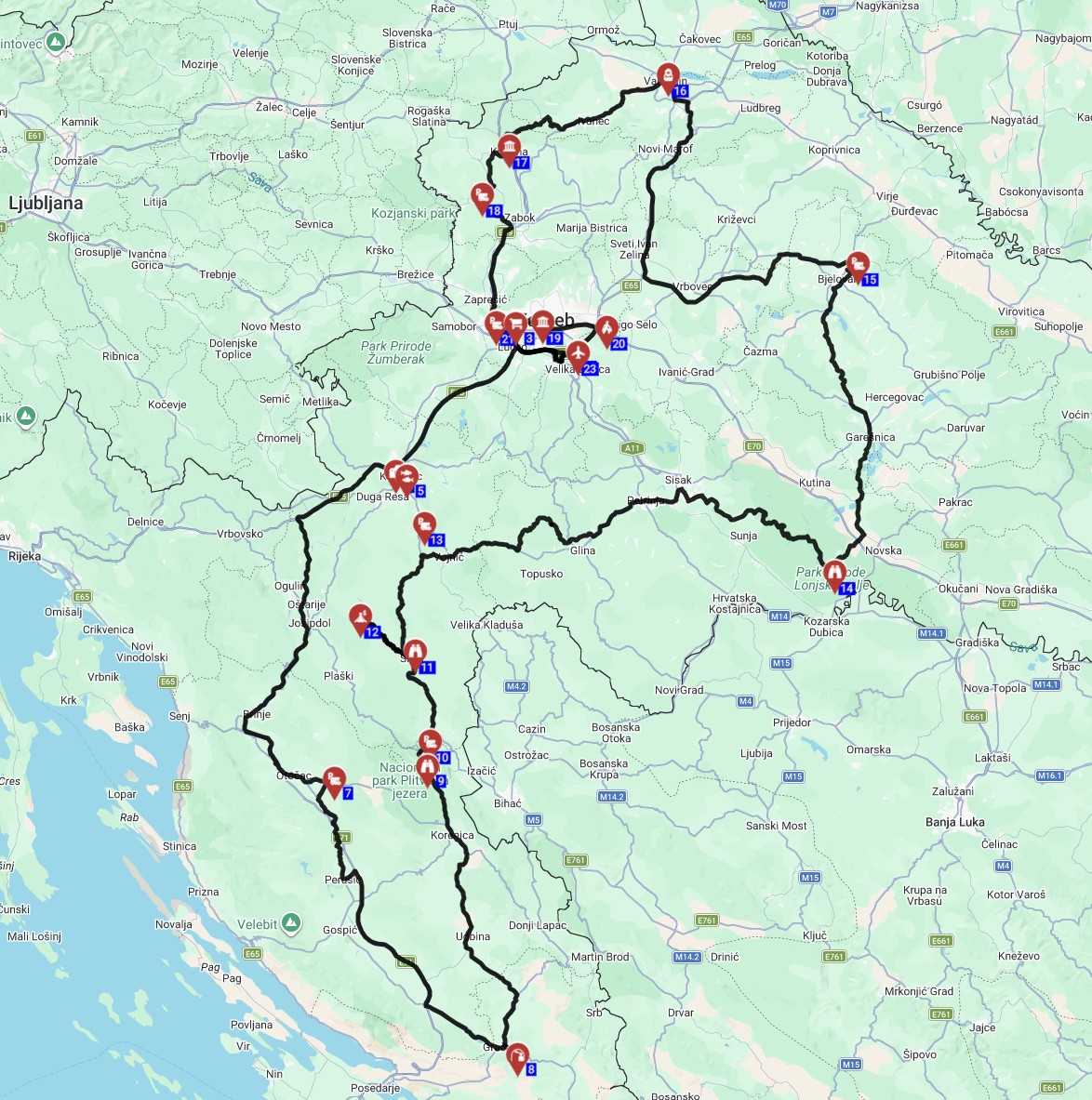
You can almost always drive a rented RV into Croatian city centers, but it requires vigilance regarding local signage, particularly for height restrictions, limited access zones, and parking regulations. Be extremely alert for signs indicating maximum vehicle height, especially when approaching tunnels, underpasses, or historic city gates, which may have clearances as low as 3 meters. Many historic centers, including popular destinations like Dubrovnik, Split, Zadar, and Rovinj, feature pedestrian-only zones or highly restricted vehicle access areas, making it difficult or prohibited for larger motorhomes. Parking an RV directly in a city center is often impractical due to size constraints and very limited availability. It's generally best to park your RV on the outskirts in designated RV-friendly lots or park-and-ride facilities, and then use public transport or walk into the heart of the city to explore. Always pay close attention to local traffic signs, which are clear and utilize standard international symbols, to avoid fines or encountering impassable routes. Drive slowly and carefully, and you can drive almost anywhere without issues. No need to stress - just use common sense and pay attention. This Zagreb Roundtrip - Croatia & Slovenia itinerary covers 1250.7 km over 15 days, featuring 2 historical sites and a cable railway.What Are the Driving Challenges for RVs in Croatia?
RV drivers in Croatia may encounter specific challenges such as navigating narrow coastal roads, finding adequate parking in popular historic towns, and managing winding mountain passes. The famous Jadranska Magistrala, while offering breathtaking Adriatic views, can be particularly tight with limited shoulders, especially when encountering larger vehicles or local buses, demanding careful attention. Historic city centers in popular spots like Dubrovnik, Split, and Zagreb have restricted access and very few, if any, parking spots suitable for larger motorhomes, often necessitating parking on the outskirts and utilizing public transport. Mountain roads, especially in areas like the Velebit mountains or around Krka National Park, feature steep ascents and descents with sharp curves, requiring appropriate gear selection and slower speeds. Croatian drivers can sometimes be assertive, so maintaining defensive driving practices and staying alert is always advisable. Lastly, during the peak summer months (July-August), roads and popular destinations can become extremely crowded, leading to slower travel times and increased difficulties in finding parking or available campsites.What Safety Tips Should I Know for RVing in Croatia?
While RVing in Croatia is generally safe, prioritizing road safety, securing your rented vehicle, and understanding local emergency procedures are crucial for a worry-free week-long trip. Always adhere to posted speed limits, which are often lower for larger vehicles like RVs, and maintain a safe following distance, especially on winding coastal roads or in adverse weather conditions. Regarding vehicle security, consistently lock your RV, even when stopping for short periods, and avoid leaving valuables visible through windows. It's always best practice to use secure campgrounds or designated overnight parking areas. For emergencies, the universal European emergency number is 112, connecting you to police, ambulance, and fire services. Keep your specific RV rental company's contact details readily accessible for any roadside assistance needs. Be aware of your surroundings, especially in busy tourist areas, to prevent theft, and consider using additional security measures like steering wheel locks. Lastly, ensure you have comprehensive travel insurance that covers medical emergencies, trip interruptions, and potential vehicle incidents specific to RV travel.What Gear Should I Pack for an RV Trip in Croatia?
Packing for an RV trip in Croatia requires versatile gear suitable for diverse climates, from the sunny Adriatic coast to cooler inland mountains, ensuring comfort and self-sufficiency. Clothing layers are essential; pack lightweight clothing for warm coastal days, but also include warmer layers, a waterproof jacket, and comfortable hiking shoes for mountain excursions or cooler evenings. A reliable GPS system with offline map capabilities is crucial, supplemented by physical maps for areas with spotty signal. If your device allows, input your rented RV's dimensions. An EU-standard safety kit, including a reflective vest, first-aid kit, and warning triangle, is legally required in your vehicle. For digital nomads or those needing connectivity, universal power adapters, a portable Wi-Fi device or local SIM card, and power banks are invaluable. Finally, enhance your outdoor comfort with swimwear, beach towels, reusable water bottles, effective sun protection (hats, sunscreen), and perhaps a portable camping chair and table for relaxing at scenic campsites. For cooking delicious meals in your RV kitchen, explore our RV-friendly recipes playlist for inspiration.How Can I Practice Eco-Conscious RVing in Croatia?
Practicing eco-conscious RVing in Croatia means embracing responsible waste management, conserving natural resources, and respecting the country's pristine environment and local communities. Always utilize designated waste and recycling facilities available at campgrounds, ensuring you never litter or dispose of greywater or blackwater outside of proper disposal points. Be mindful of your water usage, particularly in coastal areas and islands where fresh water resources can be strained, and conserve electricity by unplugging devices and maximizing natural light. Adhere to the "Leave No Trace" principles by sticking to marked trails when hiking, avoiding disturbance to wildlife, and never damaging flora, leaving natural areas exactly as you found them. Support local Croatian communities by purchasing local produce, handicrafts, and services from farmers' markets or small businesses, reducing your carbon footprint. Finally, choose eco-friendly campsites that demonstrate sustainable practices, such as solar power utilization, water recycling programs, or waste reduction initiatives, aligning your travel with environmental preservation.How Can Digital Nomads Stay Connected While RVing in Croatia?
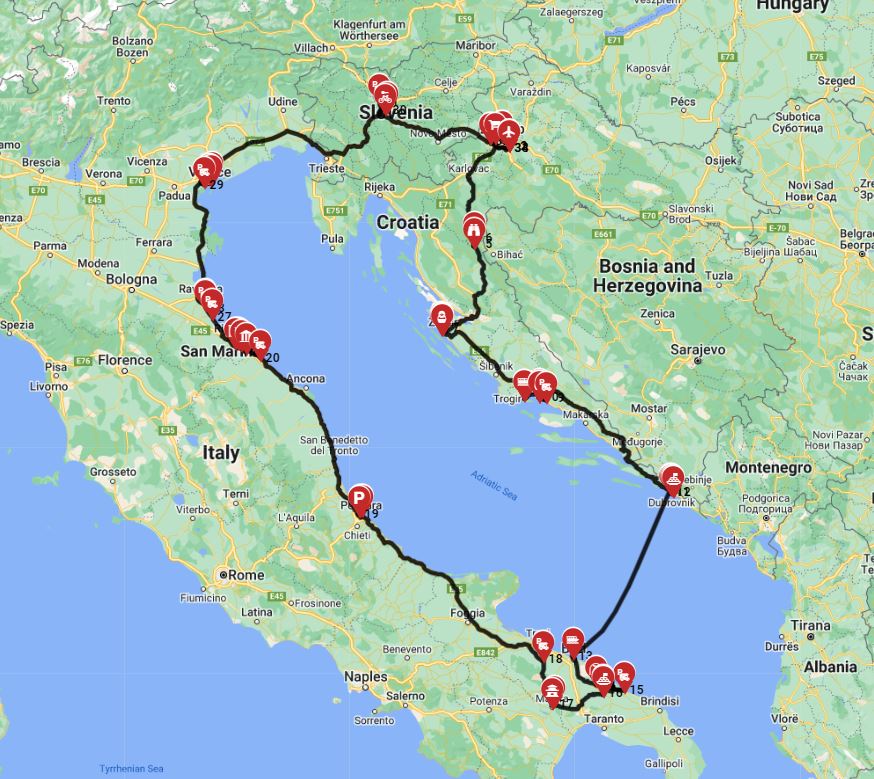
Digital nomads RVing in Croatia can maintain reliable internet connectivity through a combination of local SIM cards, mobile hotspots, and leveraging Wi-Fi networks available across the country. Purchasing a local Croatian SIM card from providers like A1, Hrvatski Telekom, or Telemach offers affordable data plans for robust mobile internet access in most populated areas and along major routes. A dedicated portable Wi-Fi device or using your smartphone as a hotspot can provide reliable internet for multiple devices, utilizing the data from your local SIM card. Most modern Croatian campsites offer Wi-Fi, though the quality and speed can vary, so it's wise to check reviews or inquire about connectivity before booking. Additionally, many cafes, restaurants, and public spaces in towns offer free Wi-Fi, providing supplementary options for remote work or connectivity breaks. Ensure you have adequate power solutions in your rented motorhome, such as an inverter or robust power banks, to keep all your devices charged, especially when exploring off-grid locations. The Venice Roundtrip - South - Adriatic sea, Croatia, Slovenia, Italy is an extensive 22-day, 2682.9 km itinerary, offering 3 cruise terminal visits and 4 traditional markets.Can I Travel with Pets in an RV in Croatia?
Traveling with pets in an RV in Croatia is generally feasible and enjoyable, provided you have all necessary documentation, adhere to local regulations, and plan for pet-friendly accommodations and services. For pets entering Croatia from another EU country, an EU Pet Passport, microchip identification, and up-to-date rabies vaccinations are mandatory. Keep in mind that specific leash laws apply in public areas, and while Croatia boasts over 100 officially designated 'dog beaches,' some public spaces and conventional beaches may have restrictions on pet access. Many Croatian campsites are pet-friendly, but always confirm their specific policies and any associated fees when making a reservation. It's advisable to research veterinary clinics along your planned RV PLANET route plan in case of emergencies or routine care. During the warmer months, be especially mindful of high summer temperatures; ensure your pet has ample water and shade, and never leave them unattended in a hot RV to prevent heatstroke.Is Off-Season RV Travel Recommended in Croatia?
Off-season RV travel in Croatia, typically from September to May, is highly recommended for those seeking fewer crowds, lower prices, and a more authentic local experience, despite some potential limitations. The benefits are significant: you'll enjoy substantially reduced tourist numbers, more readily available campsites, often lower rental and accommodation costs, and pleasant temperatures perfect for exploring. The shoulder seasons of spring (April-June) and early autumn (September-October) offer ideal weather—warm but not excessively hot—perfect for hiking, cycling, and sightseeing along the coastline or in national parks like Plitvice Lakes. However, some challenges exist; outside of the peak summer months, smaller campgrounds, certain restaurants, and tourist attractions, particularly on the islands, may have reduced operating hours or be closed. Ferry schedules to the islands might also be less frequent during the off-season, requiring more careful planning. While winter RV travel (November-March) is possible, it can be cold and rainy, especially inland, and many coastal campsites close completely. Consider options like "RV Rental Deals in Croatia - Latest Offers 2026" during these times for potential savings.What RV-Friendly Activities Can I Enjoy in Croatia?
Croatia offers a wealth of RV-friendly activities, from exploring stunning national parks and scenic coastal drives to discovering local culinary experiences and engaging with cultural festivals. National Parks like Plitvice Lakes (with its 16 terraced lakes) and Krka Waterfalls are must-visits, but always check RV parking availability and access restrictions in advance. For a different natural experience, explore the less crowded but equally beautiful Velebit National Park, which even offers designated stargazing spots. Driving the iconic Jadranska Magistrala provides breathtaking Adriatic views, and with an RV, you can easily use car ferries to explore islands like Brač, Hvar, or Pag, discovering their unique charm. Immerse yourself in culture by visiting charming historic towns such as Rovinj, Zadar, Split, or Pula, each offering unique historical sites. Seek out local markets for fresh produce and sample regional specialties at family-run 'konobas' (taverns). Outdoor enthusiasts can indulge in hiking, cycling, kayaking, or swimming in the crystal-clear waters directly from many coastal campgrounds. Keep an eye out for local festivals or agritourism events happening during your visit; they are often accessible with RV parking nearby and offer unique insights into Croatian culture and cuisine. For example, our "Weekly RV Rental in Croatia - Pricing 2026" guide can help you plan a themed trip around local events.Are There Unique RV Experiences or Agritourism Stays in Croatia?
Beyond traditional campsites, Croatia provides distinctive RV experiences, including stays at agritourism farms (OPG), offering authentic local immersion and a taste of rural Croatian life. Many family-run farms across Croatia, particularly in regions like Istria and inland Dalmatia, offer designated RV parking spots, allowing you to not only park legally but also sample homemade produce, wine, olive oil, and experience genuine local hospitality. Some vineyards and olive groves specifically welcome RVs for overnight stays, often in exchange for purchasing their products, providing a serene and unique setting amidst the picturesque landscape. Seeking out smaller, family-run 'Kampovi' (campsites) or 'Autokamp' locations can offer a more intimate atmosphere compared to larger, more commercial resorts, often with a stronger focus on local charm and personalized service. You can also connect directly with local producers at farmers' markets; inquiring politely may even lead to informal overnight parking opportunities. Exploring specific areas within Croatia's numerous nature parks might also unveil designated, rustic RV parking spots, providing closer access to hiking trails and natural beauty for a truly unique last minute rv rental adventure in Croatia.Top Cities for RV Rental in Croatia
Croatia offers several fantastic cities as starting points or key stops for your RV rental adventure. Each provides unique access to different regions and experiences.- Dubrovnik: Known as the "Pearl of the Adriatic," Dubrovnik offers stunning ancient city walls and access to southern Dalmatia. Parking for RVs is typically on the outskirts, with shuttle services available into the city center. Find detailed options with RV Rental in Dubrovnik 2026. For arrivals by air, explore RV Rental at Dubrovnik Airport 2026.
- Pula: Located in Istria, Pula is famous for its Roman amphitheater and proximity to beautiful beaches and the Brijuni National Park. It’s a great base for exploring the Istrian peninsula. Learn more about options with RV Rental in Pula 2026 or RV Rental at Pula Airport 2026.
- Split: Home to Diocletian's Palace, Split is a bustling hub in central Dalmatia, offering easy ferry connections to islands and a vibrant city life. RV Rental in Split 2026 provides comprehensive details, including services at RV Rental at Split Airport 2026.
- Zadar: A city rich in Roman and Venetian ruins, Zadar is known for its Sea Organ and Greeting to the Sun installations, providing a unique coastal experience. Explore your options with RV Rental in Zadar 2026.
- Rijeka: As a major port city in the Kvarner Gulf, Rijeka offers a blend of Austro-Hungarian architecture and coastal charm, with easy access to both Istria and the inland Gorski Kotar region. Consider RV Rental in Rijeka 2026 or RV Rental at Rijeka Airport 2026.
- Opatija: A charming coastal town with a long tradition of tourism, known for its elegant villas and stunning Lungomare promenade. For those flying in, check out RV Rental in Opatija Airport 2026.
What You Shouldn't Miss
- Plitvice Lakes National Park: Experience the breathtaking beauty of 16 cascading lakes and countless waterfalls. Arrive early to secure parking and enjoy the serene boardwalks.
- Driving the Jadranska Magistrala: Take your rented motorhome along sections of this iconic coastal highway for unparalleled views of the Adriatic Sea and its countless islands.
- Exploring Diocletian's Palace in Split: Wander through the ancient Roman ruins that form the vibrant heart of Split, bustling with cafes, shops, and history.
- Island Hopping to Hvar or Brač: Take your RV on a car ferry to one of Croatia’s stunning islands. Discover secluded beaches, charming towns, and local vineyards.
- A Taste of Istrian Agritourism: Seek out a 'Rural Campsite' (Kampovi na seoskim domaćinstvima) in Istria for an authentic farm stay, enjoying local wine, olive oil, and homemade delicacies directly from the source.
- Watching the Sunset at Zadar's Sea Organ: Experience a truly unique spectacle as the waves play music through pipes under a marble promenade, perfectly complemented by the nearby 'Greeting to the Sun' light installation.
- Looking for expert insights from Avi Bandana? Top 5 Adventures - recommendations from Avi Bandana
Final Thoughts
Embarking on a last-minute RV driving adventure in Croatia is an incredible way to experience this diverse and beautiful country. With a rented motorhome, you have the freedom to explore ancient cities, sun-drenched islands, and breathtaking national parks at your own pace. Remember to travel slowly, aiming for a maximum of 100-150 km per day on average. This allows you to truly feel the place, connect to the rich culture, savor the delicious food, and immerse yourself in the stunning scenery. Whether you're a pre-planner who loves every detail organized or a spontaneous traveler, Croatia offers fantastic experiences for everyone. Don't stress about finding a spot - many national and state parks reserve a portion of their campsites for first-come, first-served arrivals, and a quick call ahead can always confirm availability. With Bandana as your trusted partner, you'll have full transparency, dedicated support before and after your booking, and access to exceptional route planning tools like RV PLANET to make your Croatian road trip truly unforgettable. Get inspired for your next trip!On the routes offered through RV PLANET routes, you can itemize and track every expense along the way for easy budgeting.