For live availability and current prices, start with our RV Rental Canada - Complete Guide 2026 guide.
In This Guide
- Can You Drive an RV in Canada? License & Age Rules
- Road Conditions & Terrain in Canada
- RV Size Limits, Bridges & Restricted Zones
- Fuel: Diesel vs. Petrol & Cost per 100 km
- Tolls, Vignettes & Border Rules
- Driving Tips for Last-Minute RV Rental Travelers
- Recommended RV Class for Canada Roads
- Should I Choose a Compact Van Instead of a Large RV in Canada?
- Can I Park Anywhere? Free & Wild Camping Rules in Canada
- Can I Drive an RV Into the City Center? Heights, Tunnels & Local Signage
- How much does it cost to rent an RV in Canada for a week?
- Can I rent an RV one way in Canada?
- What is the cheapest time to rent an RV in Canada?
- Can you rent RVs in Canada?
- Do you need a special license to drive an RV in Canada?
- What is the most popular RV rental in Canada?
- Where can I find last-minute RV rentals in Canada?
- Is it cheaper to rent an RV or stay in hotels in Canada?
Can You Drive an RV in Canada? License & Age Rules
A standard Class 5 (or equivalent) driver's license from your home province or country is sufficient for driving most RVs in Canada, specifically those under 11,000 kg (24,250 lbs) gross vehicle weight. The minimum driver age for renting an RV in Canada is typically between 21 and 25 years old, depending on the rental company and their insurance policies. For foreign drivers, possessing a valid driver's license from your country of origin is essential; an International Driving Permit (IDP) is highly recommended as a translation supplement, though not always legally required. For RVs that exceed the 11,000 kg weight threshold or are equipped with air brakes, a higher class of commercial license might be necessary, but these are rarely found in typical rental fleets, making standard licenses generally applicable.
Road Conditions & Terrain in Canada
Canada offers a vast network of generally well-maintained paved roads suitable for RV travel, including major highways and incredibly scenic routes. Travelers can expect diverse terrain, ranging from the flat, expansive Prairies to the rugged, majestic mountains of British Columbia and Alberta, picturesque coastal drives, and dense, forested regions. While most main thoroughfares are paved, venturing off these main routes, especially into national or provincial parks, might lead to gravel or unpaved roads, necessitating slower speeds and increased caution. For spontaneous trips, embracing slow, scenic driving is key to safely navigating challenging mountain passes, winding coastal roads, and truly enjoying Canada's breathtaking landscapes without added stress.
RV Size Limits, Bridges & Restricted Zones
While Canada's infrastructure is generally accommodating for RVs, drivers must remain mindful of specific height, weight, and length restrictions, particularly when entering urban centers, navigating older infrastructure, or exploring certain national parks. Most RVs comfortably fit under standard bridge clearances on major routes, which typically range from 4.2 to 4.9 meters (13.5 to 16 feet); always heed posted signage. Environmental zones are not as prevalent in Canada as in some European countries, but it's wise to check local regulations for any specific restrictions, especially when planning city center visits. For ferry travel, such as with BC Ferries, RVs are subject to length and height-based surcharges, and advance booking is highly recommended for all RVs, especially for last-minute trips during peak periods to ensure availability.
Fuel: Diesel vs. Petrol & Cost per 100 km
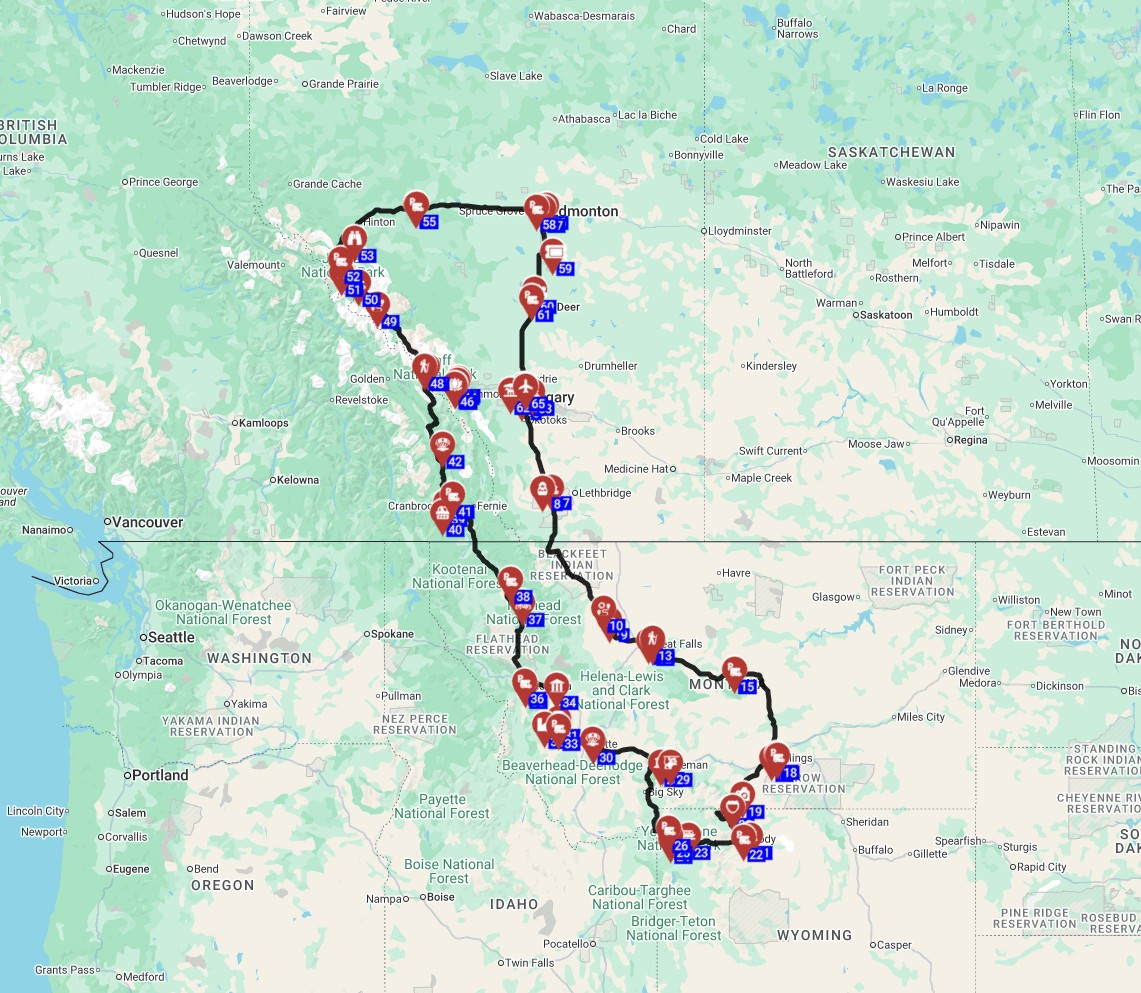
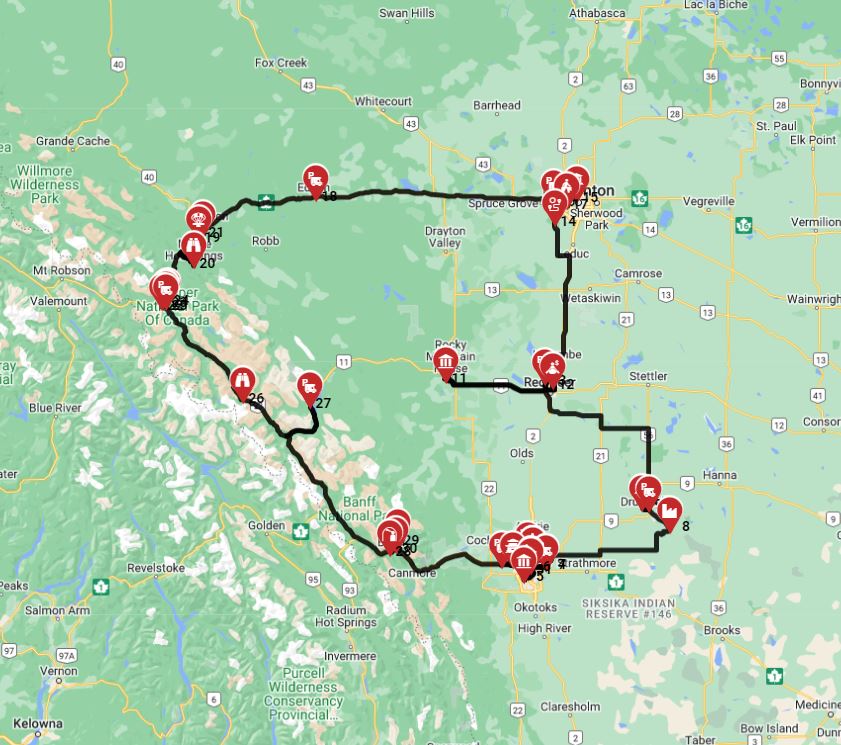
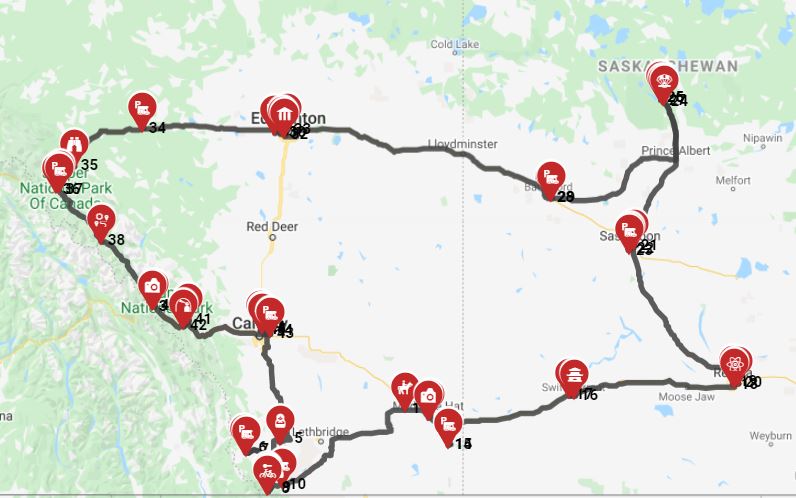
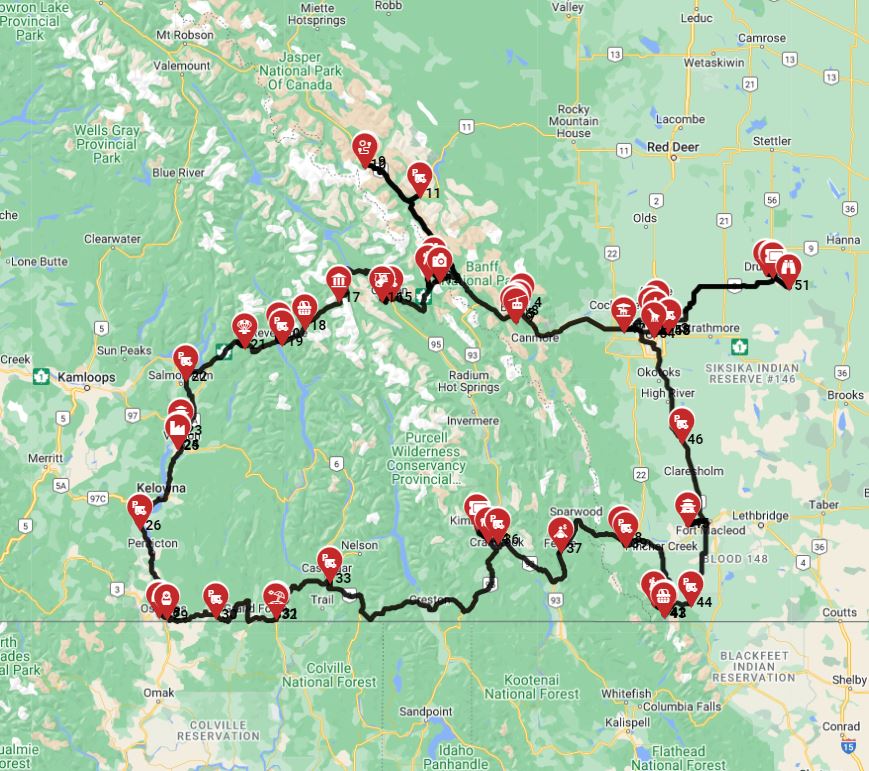
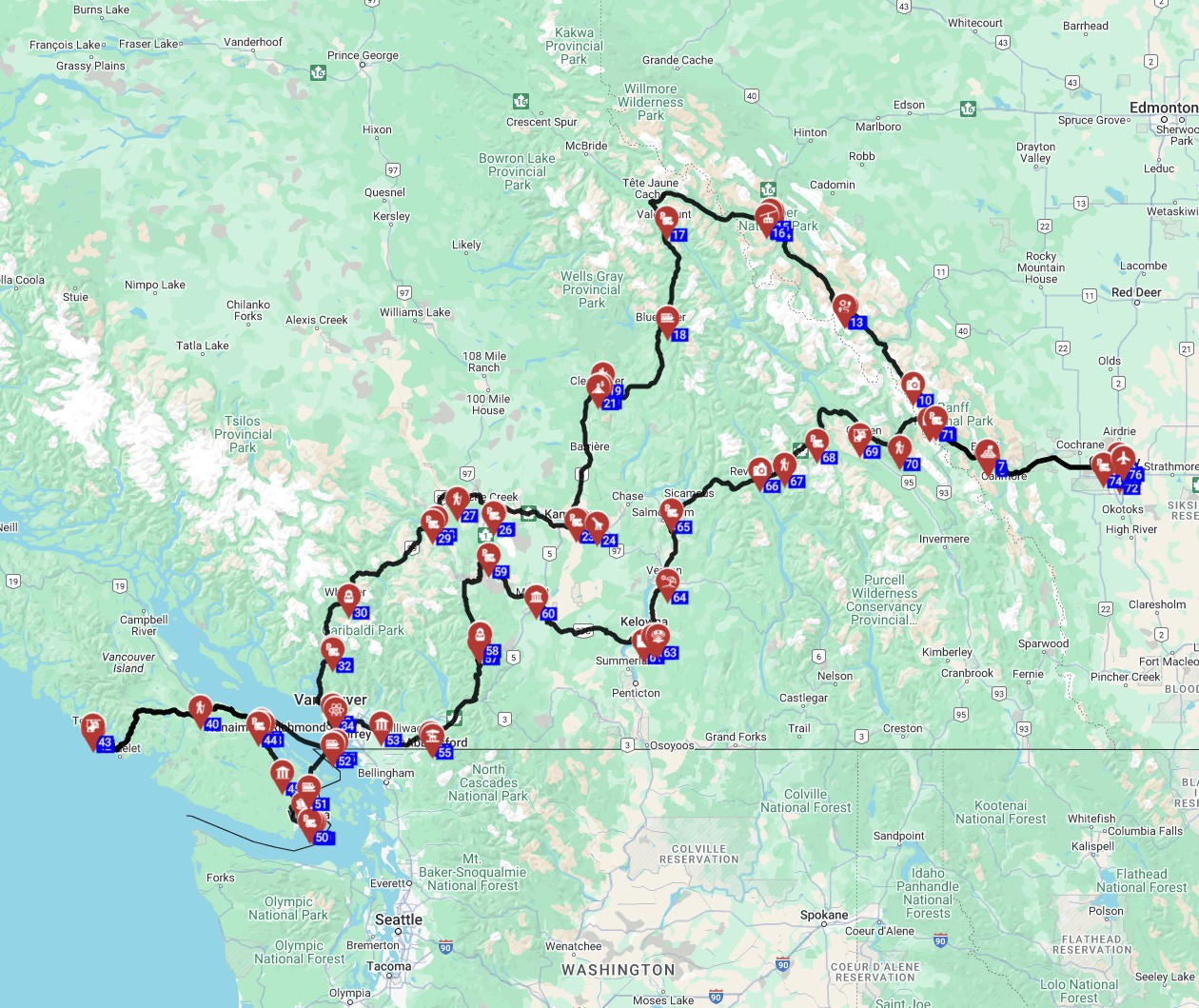
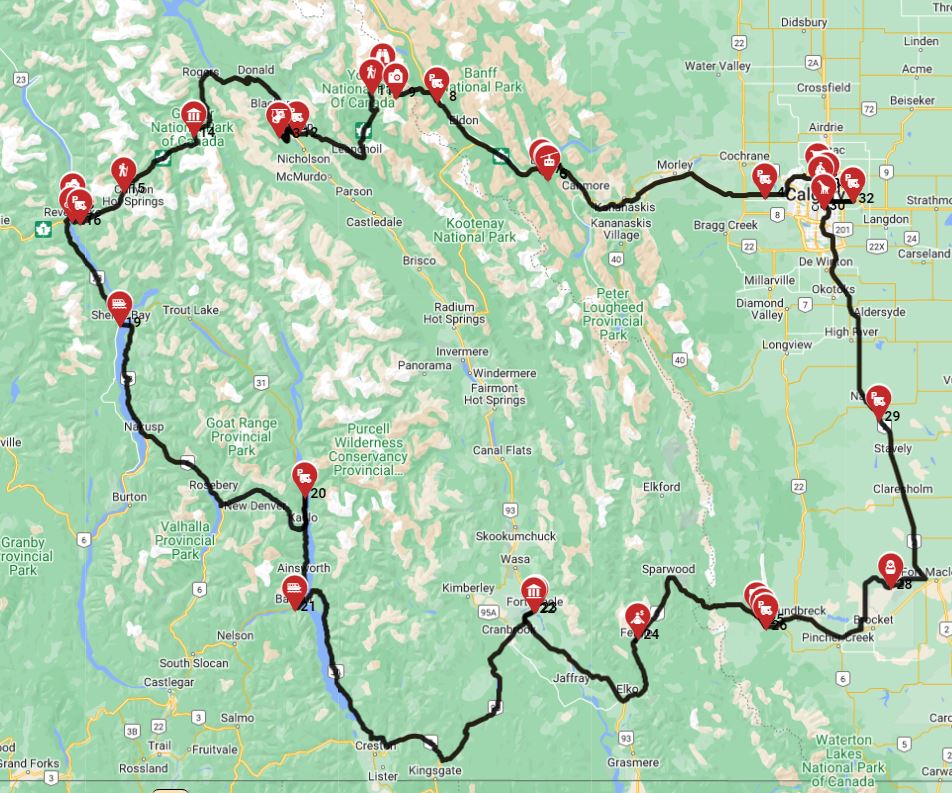
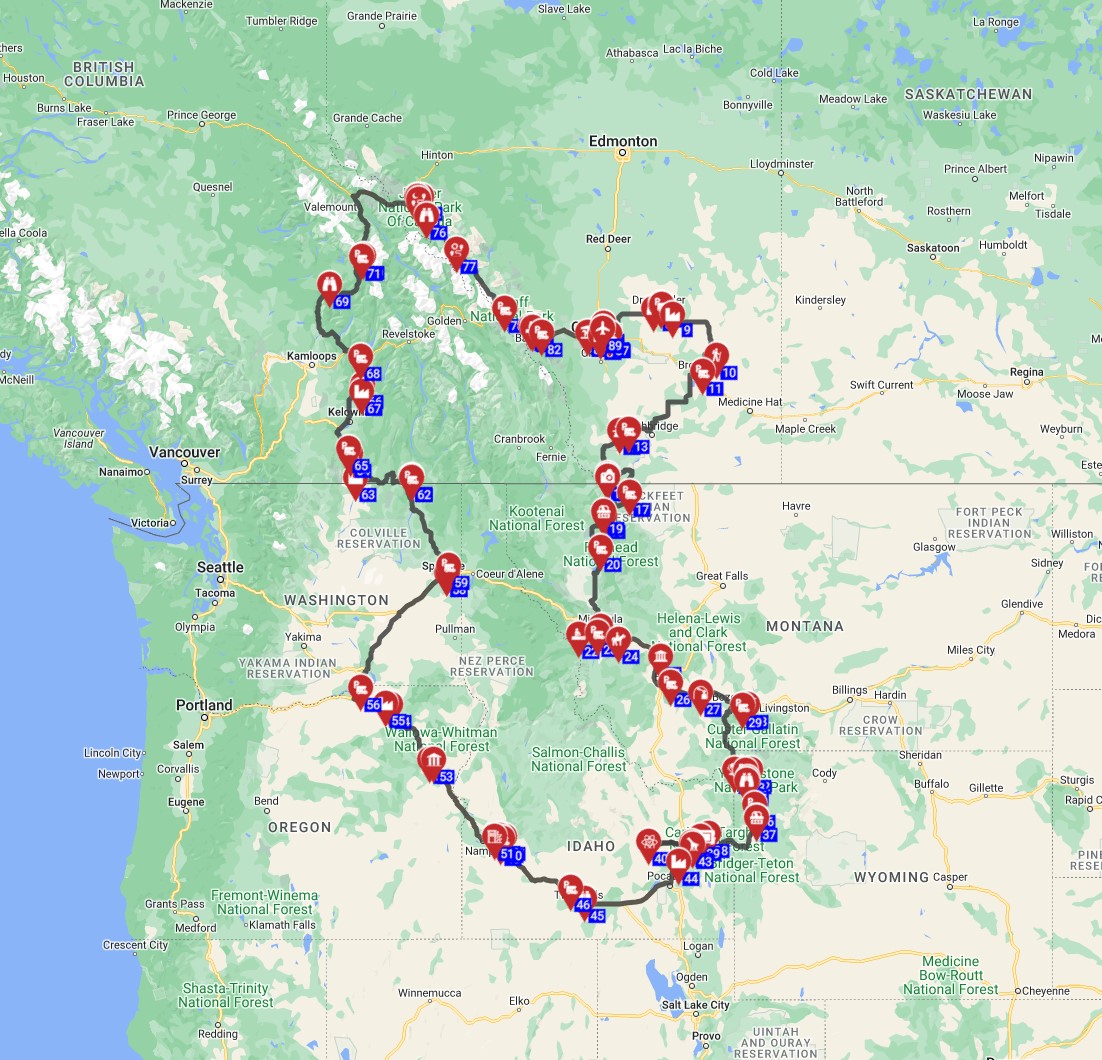
Both petrol (gasoline) and diesel fuels are widely available across Canada. However, diesel pumps might be less common at very small or remote gas stations, so it’s good to keep an eye on your fuel levels in less populated areas. Many larger RVs, including some Class C and most Class A units, operate on diesel, while smaller Class B camper vans and some Class C units typically use petrol. Based on Bandana's global fleet averages, a Class SI (Semi-integrated) RV typically consumes 10-11 Liters/100 km, while a Class C (Alcove) RV consumes 10-12 Liters/100 km. Fuel costs fluctuate significantly by province and market conditions; budgeting approximately CAD $0.20-$0.30 per kilometer (or $20-$30 per 100 km) offers a general estimate for your last-minute Canadian RV trip. Some RV rental agreements may include perks like fuel discount cards, which can offer savings on your overall travel expenses. On the routes offered through RV PLANET routes, you can itemize and track every expense along the way for easy budgeting.
Tolls, Vignettes & Border Rules
Canada has fewer toll roads compared to many other countries. Tolls are primarily found on specific bridges, tunnels, or sections of highways, such as Ontario's 407 ETR or various interprovincial crossings. Most Canadian tolls are electronic, utilizing transponders or license plate recognition systems; cash payment options are rare. Therefore, plan to use electronic payment or ensure your rental RV is equipped with a compatible toll pass. When crossing the US-Canada border, all travelers must present valid passports and declare goods; RVs undergo standard customs inspections. Some RV rental companies may offer options to pre-purchase or utilize toll passes, which can streamline your journey and help avoid unexpected fines on a spontaneous Canadian adventure.
Driving Tips for Last-Minute RV Rental Travelers
When embarking on a last-minute RV journey, prioritize planning flexible scenic routes, focusing on main highways for efficiency but remaining open to spontaneous detours along Canada's many scenic byways to discover hidden gems. Upon pickup, it's crucial to familiarize yourself with your RV's essential systems, including water filling and dumping, propane refills, electricity hookup variations, and basic troubleshooting for common on-the-road issues. Practice fuel-efficient driving by utilizing cruise control on highways and taking advantage of the RV's kitchen to prepare meals, which significantly saves on dining costs. Schedule frequent breaks every 2-3 hours for passengers, including pets, utilizing Canada's numerous rest stops, provincial parks, and pet-friendly attractions. Finally, even for impromptu trips, pack an emergency kit (including first-aid, water, and extra food) and be aware of wildlife, especially at dawn and dusk; always respect 'Leave No Trace' principles to preserve the natural beauty you're exploring. For ideas you can prep on the road, watch our RV-friendly recipes playlist on YouTube.
Recommended RV Class for Canada Roads
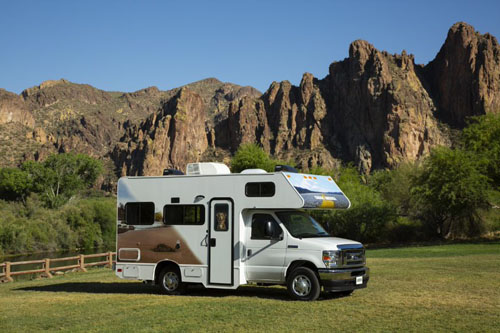
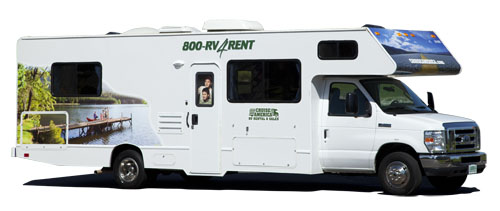
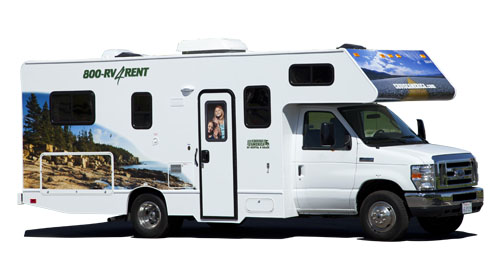
For a balanced blend of comfort, amenities, and maneuverability on Canada's diverse road network, Class SI (Semi-integrated) and Class C (Alcove) RVs are highly recommended. Class SI RVs, with Bandana's global fleet averaging 6.9 meters in length, offer a streamlined design perfect for couples or small families, providing a comfortable living space that's generally easier to drive and park than larger units. Class C Alcove RVs, averaging 7.5 meters in length, are an excellent choice for families or groups, offering more interior room and sleeping capacity (avg. 5.8 places) while still being manageable on Canadian highways. For maximum flexibility, fuel efficiency, and access to tighter spots or off-the-beaten-path destinations, Class B Camper Vans (averaging 5.8 meters) are ideal for nimble, spontaneous travel.
Should I Choose a Compact Van Instead of a Large RV in Canada?
The decision between a compact van and a larger RV for your Canadian adventure hinges on prioritizing maneuverability versus interior comfort and amenities. While any RV size can generally be driven in Canada without major issues, compact vans (Class B) genuinely offer advantages for navigating tight urban centers, parking in popular tourist areas, or exploring narrower, less-traveled mountain passes and off-the-beaten-path destinations. However, larger RVs (Class C, SI, A) provide significantly more living space, a full kitchen, dedicated bathroom facilities, and separate sleeping areas, offering superior comfort for longer trips, family travel, or periods of inclement weather. Opt for a compact van if your last-minute trip prioritizes flexibility, fuel economy, and easier access to varied terrains, whereas a larger RV is better suited for those seeking comprehensive amenities and a more spacious home-on-wheels experience.
Can I Park Anywhere? Free & Wild Camping Rules in Canada
No, you cannot typically park an RV anywhere for overnight stays in Canada; free camping and wild camping are subject to specific regulations that vary widely by province, territory, and land designation. Designated campgrounds within National Parks, Provincial Parks, and private RV parks are the most common and legal options for overnight parking, offering amenities and regulated sites. Random camping, often referred to as 'boondocking', may be permitted on certain Crown Land (public land) in some provinces, particularly in Western Canada. This usually requires adherence to 'Leave No Trace' principles and sometimes a permit. Overnight parking might be tolerated in some highway rest areas, large retail parking lots (with permission), or truck stops for a single night, but these are not official camping sites. Remember, rules vary by region, so always check local regulations and follow local law before parking overnight, which is especially important for spontaneous last-minute trips.
Can I Drive an RV Into the City Center? Heights, Tunnels & Local Signage
Yes, you can almost always drive an RV into Canadian city centers, but exercising caution and paying close attention to local signage is critical to avoid obstacles. Be highly vigilant for height limits on underground parking garages, low bridges, and tunnels, which are prevalent in many older or densely developed urban areas. Watch for local signage indicating environmental zones (though less common than in Europe), weight restrictions, or residents-only streets that might impact larger vehicles. For major cities like Vancouver, Toronto, or Montreal, it's often advisable to consider parking your RV at a designated lot on the outskirts and utilizing public transportation to navigate the city center, saving potential stress and time. Many Canadian cities have established routes or resources for large vehicle navigation, but always plan ahead or use a GPS specifically designed for RVs.
How much does it cost to rent an RV in Canada for a week?
The cost to rent an RV in Canada for a week typically ranges from CAD $1,000 to $3,000+, heavily influenced by the RV class, rental season, booking lead time, and included features. A compact Class B camper van might rent for $1,000-$1,800 per week, whereas a mid-size Class C or Semi-integrated RV generally falls between $1,500-$2,500 weekly. Luxury Class A models can exceed $2,500. Beyond the rental fee, a comprehensive budgeting breakdown should account for fuel (estimated CAD $20-$30 per 100 km), campground fees (CAD $30-$70 per night), food, activity passes, and potential insurance add-ons or convenience kits. Strategies for saving money include traveling during shoulder seasons, cooking most meals in your RV's kitchen, utilizing more affordable provincial parks for camping, and watching for special promotions.
Can I rent an RV one way in Canada?
Yes, one-way RV rentals are widely available in Canada and are a popular option for travelers looking to explore the country's vast distances without the need to return to their original pick-up location. Many major RV rental companies offer one-way routes between key cities such as Vancouver, Calgary, Toronto, and Montreal, facilitating diverse travel itineraries. These one-way rentals typically incur an additional relocation or drop-off fee, which can vary significantly depending on the distance, demand, and rental provider. For last-minute one-way trips, be aware that availability might be limited, but occasionally, rental companies offer reduced fees for specific relocation needs during off-peak periods.
What is the cheapest time to rent an RV in Canada?
The cheapest time to rent an RV in Canada is generally during the shoulder seasons (late April to early June and mid-September to late October) or the deep off-season (November to March), bypassing the peak summer demand. During these shoulder months, rental rates are significantly lower, campgrounds are less crowded, and the weather can still be very pleasant for exploring, offering ideal conditions for last-minute spontaneity. Traveling in early spring or late fall for a last-minute trip can lead to substantial savings, but be prepared for potential seasonal challenges such as muddy conditions, early snow risks in higher elevations, or reduced operating hours for some attractions. Winter (November to March) offers the lowest rental prices, but many rental companies close or have limited fleets, and winter RVing requires specialized preparation for cold weather and road conditions.
Can you rent RVs in Canada?
Yes, RVs are readily available for rent across Canada from numerous reputable providers, catering to a wide array of budgets, group sizes, and travel preferences. Major cities such as Vancouver, Calgary, Toronto, and Montreal serve as primary hubs for RV rentals, offering convenient access points for diverse Canadian road trip adventures. Both large international rental companies and smaller local outfits provide a variety of RV classes, including Class A, B, C, Semi-integrated (SI), and Truck Campers (TC), ensuring options for all types of spontaneous trips. Booking a last-minute RV in Canada is often possible, especially outside the peak summer season, but flexibility regarding RV type and pick-up location will maximize your chances.
Do you need a special license to drive an RV in Canada?
No, you generally do not need a special license to drive most RVs in Canada; a standard provincial Class 5 (or equivalent) driver's license from your home jurisdiction is sufficient for vehicles under 11,000 kg (24,250 lbs). This includes the vast majority of commonly rented RVs, such as Class B camper vans, Class C alcoves, and Class SI semi-integrated models. A higher class of commercial license is typically only required for extremely large RVs exceeding the 11,000 kg weight limit or those equipped with air brakes, which are rarely part of standard rental fleets. For foreign visitors, always carry your valid home country driver's license, and an International Driving Permit (IDP) is highly recommended to provide an official translation of your license, enhancing ease of travel.
What is the most popular RV rental in Canada?
Class C Alcove and Class SI Semi-integrated RVs are widely considered the most popular rental choices in Canada, prized for their balance of spaciousness, amenities, and relatively manageable driving experience on diverse Canadian roads. Class C Alcove RVs, with Bandana's global fleet averaging 7.5 meters in length and offering around 5-6 sleeping places, are a top pick for families due to their over-cab sleeping area and ample interior room. Class SI Semi-integrated RVs, averaging 6.9 meters in length, are highly favored by couples or small groups seeking a more streamlined, car-like driving experience without sacrificing essential living comforts. Class B Camper Vans (averaging 5.8 meters) are also growing in popularity, especially for those seeking greater fuel efficiency, easier maneuverability, and a more agile way to explore Canada's hidden gems spontaneously.
Where can I find last-minute RV rentals in Canada?
To find last-minute RV rentals in Canada, utilize online aggregator platforms like Bandana to compare options from multiple providers, and directly check websites of major rental companies such as CanaDream and Fraserway RV. Flexibility is key for last-minute bookings; be open to various RV classes, different pick-up locations, and slightly adjusting your travel dates to capitalize on available inventory. Consider less conventional pick-up points outside major cities or target the shoulder seasons (spring/fall) for better last-minute availability and potentially lower prices. Once your RV is secured, act quickly to book essential campground reservations, ferry tickets, and any must-do activities, as these can fill up rapidly, even for spontaneous trips.
Is it cheaper to rent an RV or stay in hotels in Canada?
Renting an RV in Canada can often be more cost-effective than staying in hotels, particularly for families or extended trips, when factoring in the combined costs of accommodation, transportation, and dining. While an RV incurs rental fees, fuel expenses, and campground costs, the ability to cook your own meals and prepare snacks significantly reduces the overall food budget compared to constant restaurant dining. Hotel prices in popular Canadian tourist destinations, especially during peak season, can be exceptionally high, whereas RV travel allows access to a range of campgrounds, including more affordable provincial parks. Beyond monetary savings, an RV offers the intangible benefits of unparalleled flexibility, the convenience of carrying all your belongings, and an immersive outdoor experience that hotels cannot replicate, adding significant value to your trip.
What You Shouldn't Miss
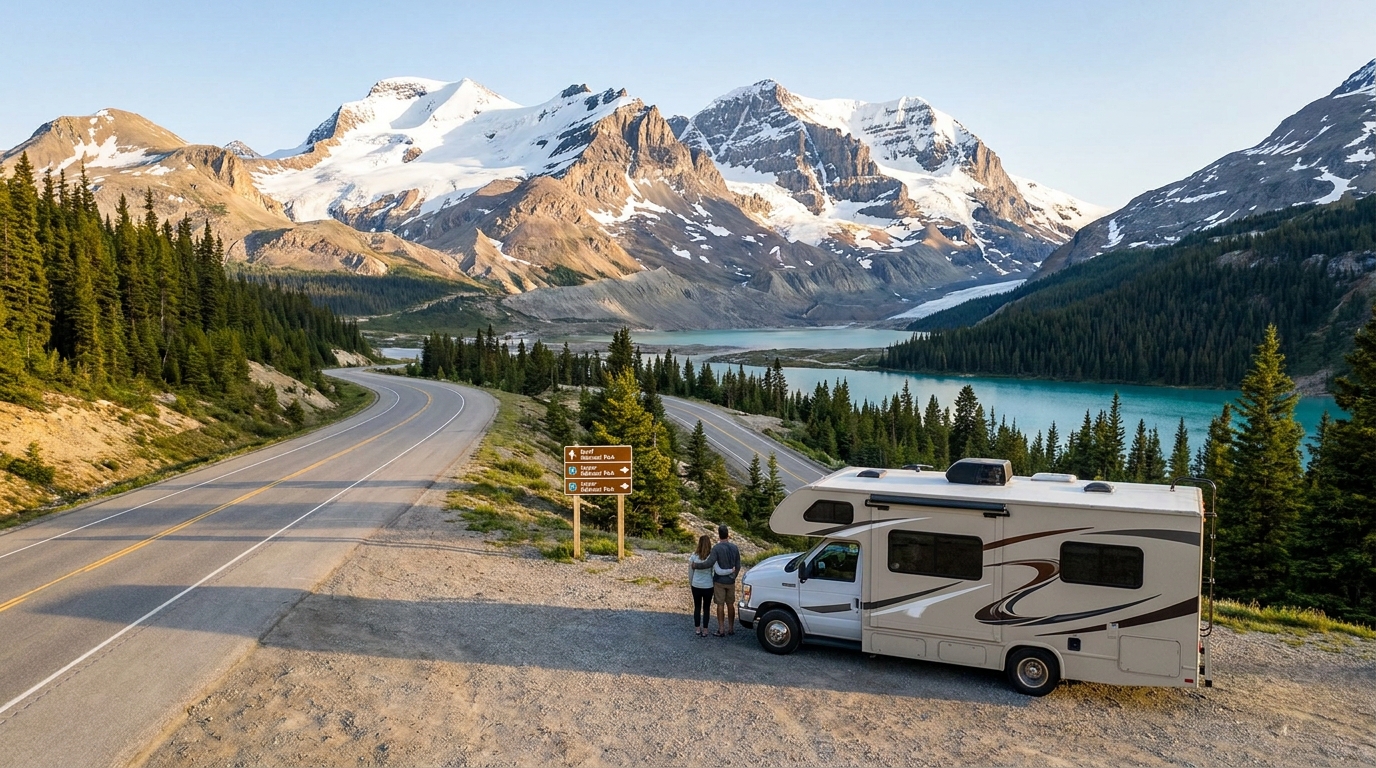
- Embark on the Icefields Parkway (Alberta): This iconic route connects Banff and Jasper National Parks, boasting glaciers, turquoise lakes, and abundant wildlife viewing opportunities – a must for any Canadian RV journey.
- Explore Vancouver Island (British Columbia): Take your RV on a BC Ferries sailing to discover the wild Pacific coast, charming seaside towns like Tofino, and ancient rainforests.
- Drive the Cabot Trail (Nova Scotia): This stunning coastal drive offers breathtaking ocean vistas, charming fishing villages, and highland scenery, especially captivating in the autumn.
- Discover Quebec City's Historic Charm: Wander through the narrow cobblestone streets of Old Quebec, a UNESCO World Heritage site, and soak in the European ambiance.
- Experience the Rocky Mountains: From the vibrant turquoise of Lake Louise to the towering peaks of Banff and Jasper, the Canadian Rockies offer unparalleled natural beauty for RV exploration.
- Consider a Stop in the Maritimes: Explore the rugged coastlines, fresh seafood, and friendly culture of Nova Scotia, Prince Edward Island, and New Brunswick.
Final Thoughts
Renting an RV in Canada for a last-minute adventure is an incredibly rewarding way to experience the country's vast and varied landscapes. While spontaneity is exciting, a little planning goes a long way in ensuring a smooth and enjoyable trip. From understanding the best RV classes for Canadian roads to being prepared for fuel costs and road conditions, you're well on your way to an unforgettable journey.
Remember that Bandana Caravan is here to support your planning process, offering transparent pricing and a wide selection of vehicles. For finding the perfect campsites and campgrounds along your route, we highly recommend utilizing RV PLANET (rvplan.net) – it’s an invaluable resource for locating available spots and planning your itinerary in detail. Get inspired for your next trip, discover top destinations, and plan your route with minimal effort and maximum enjoyment!
Don't let the "last-minute" aspect deter you; with flexibility and the right resources, a fantastic Canadian RV adventure is well within reach. So pack your bags, hit the open road, and embrace the freedom and adventure that only an RV road trip can offer!