In This Guide
- Can You Drive an RV in Alice Springs? License & Age Rules
- Road Conditions & Terrain in Alice Springs
- RV Size Limits, Bridges & Restricted Zones
- Fuel: Diesel vs. Petrol & Cost per 100 km
- Tolls, Vignettes & Border Rules
- Driving Tips for last minute rv rental Travelers
- Recommended RV Class for Alice Springs Roads
- Should I Choose a Compact Van Instead of a Large RV in Alice Springs?
- Can I Park Anywhere? Free & Wild Camping Rules in Alice Springs
- Can I Drive an RV Into the City Center? Heights, Tunnels & Local Signage
- What is the 3-3-3 rule for RV driving?
- Do you need a 4WD to get to Alice Springs?
- Can I sleep in my motorhome in a layby?
- Can you sit anywhere in an RV while driving?
- Can you drive an RV with a regular license in the USA?
- Can you get temporary RV insurance?
- Does AAA cover RV insurance?
The vast, captivating landscapes of Australia's Red Centre beckon with promises of adventure, and there's no better way to explore them than with a last minute RV rental in Alice Springs. Imagine waking up to the sunrise painting the MacDonnell Ranges, brewing your coffee in your rented motorhome, and setting off to discover ancient gorges and vibrant Aboriginal culture. At Bandana RV, we're here to make that dream a reality, offering full transparency with no hidden fees and 24/7 support from real people to guide you from your initial comparison to your confirmed booking.
For live availability and current prices, start with our RV Rental Alice Springs - Complete Guide 2026 guide. Whether you're a seasoned RVer or planning your very first motorhome adventure, this guide provides essential driving tips and local insights to help you navigate the unique challenges and incredible rewards of exploring the heart of Australia.
Can You Drive an RV in Alice Springs? License & Age Rules
A standard Australian Class C driver's license is sufficient for driving most RVs up to 4.5 tonnes Gross Vehicle Mass (GVM) in Alice Springs and across Australia, which includes the majority of available rental motorhomes and campervans. Vehicles exceeding 4.5 tonnes GVM, such as some larger Class A motorhomes, may require a Light Rigid (LR) or heavier license, though these are less common in the rental fleet. The minimum driver age for most RV rentals in Alice Springs is typically 21 years old, with no young driver surcharges or vehicle class restrictions based on age at Bandana RV. International drivers must hold a valid driver's license from their home country, ideally accompanied by an International Driving Permit (IDP) if their license is not in English, to ensure compliance with local regulations. Our true RV specialists are here to answer any questions about licensing or vehicle requirements before you book.
Road Conditions & Terrain in Alice Springs
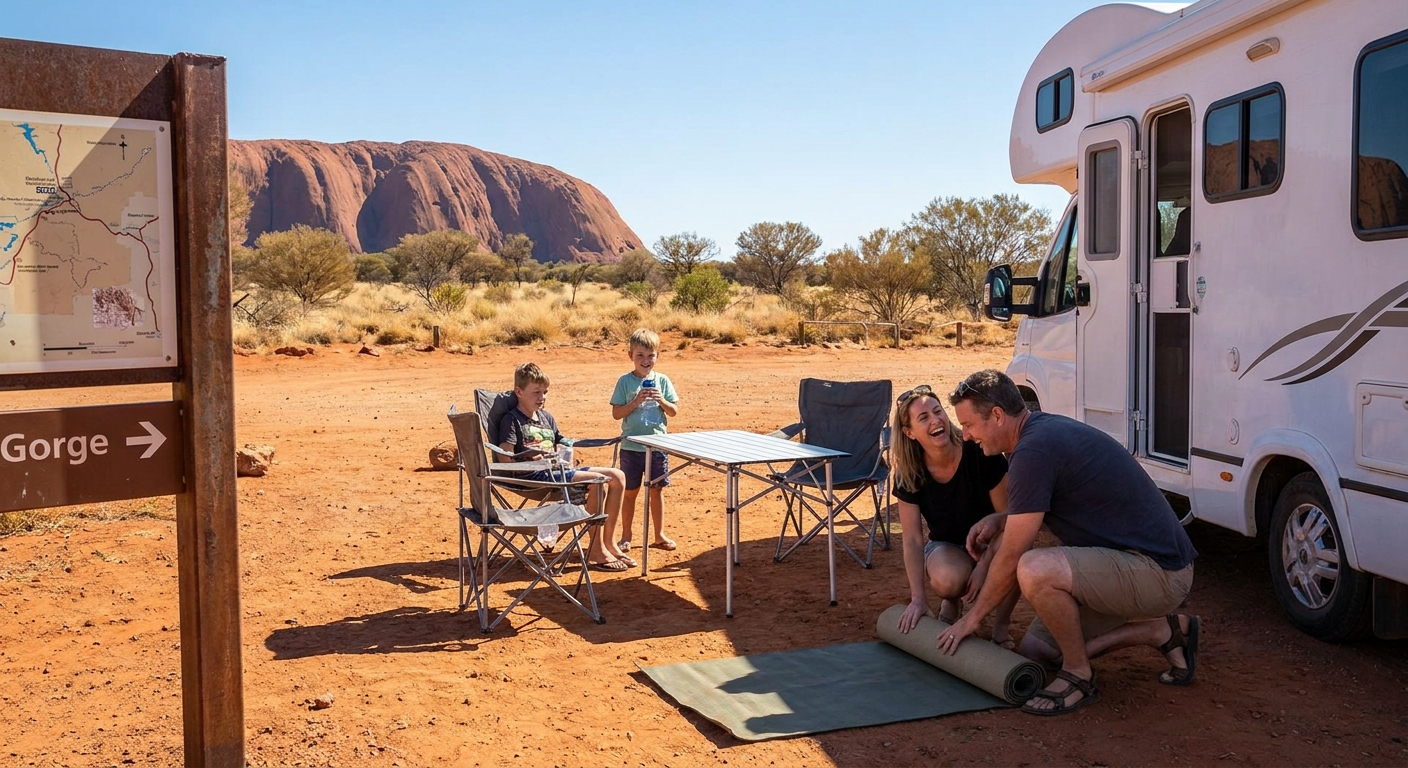
Road conditions immediately around Alice Springs and major arterial routes like the Stuart Highway are generally well-maintained and sealed, making them suitable for all RV types. Exploring beyond the main roads, particularly into the West MacDonnell Ranges or other national parks like Uluru-Kata Tjuta National Park, will introduce unsealed, gravel, or dirt roads that can be corrugated, dusty, and require careful driving. The terrain varies from flat desert plains to rocky ranges, necessitating vigilance for wildlife, especially at dawn and dusk. Driving slowly and deliberately is encouraged, not only for safety on unsealed sections but also to appreciate the unique Outback scenery. Remember, you're not in a race; slow travel, averaging max 100-150 km per day, allows you to truly feel the place, connect to the culture, the food, and the scenery.
RV Size Limits, Bridges & Restricted Zones
Alice Springs itself generally poses no significant height or weight restrictions for standard RVs within its urban areas, with ample space for maneuvering and parking. There are no low bridges or tunnels within Alice Springs that typically restrict RV access, unlike some older city centers globally. While no specific 'environmental zones' exist like those in Europe, access to certain remote areas or national parks may be restricted for larger 2WD RVs, especially during or after heavy rains, due to road conditions. Therefore, it's always wise to check park information centers for current road conditions, particularly before venturing onto unsealed tracks. There are no ferry limits relevant to Alice Springs RV travel, as it is an inland destination.
Fuel: Diesel vs. Petrol & Cost per 100 km
Most RVs available for last minute rental in Alice Springs operate on diesel, which is widely available, though prices can be significantly higher in remote Outback areas compared to major cities. Based on Bandana's local fleet data for Alice Springs, Class B Camper Vans typically consume 10-13 Liters/100 km, while Class C Alcoves average 14-18 Liters/100 km, and Class SI Semi-integrated RVs around 13 Liters/100 km. For example, a 2 Berth Rover Class SI Semi-integrated motorhome, ideal for a couple, averages around 13 Liters/100km fuel consumption. Budget for fuel costs by factoring in these consumption rates and the fluctuating, often elevated, prices in the Northern Territory's remote regions. Some RV rentals may include fuel discount cards; always inquire with your rental provider to potentially save on longer journeys. For tracking every expense, including fuel, on your journey, RV PLANET routes allow you to itemize and track everything for easy budgeting. Our commitment to full transparency means no hidden fees or surprises. On the routes offered through RV PLANET routes, you can itemize and track every expense along the way for easy budgeting.
Tolls, Vignettes & Border Rules
There are no tolls or vignettes required for driving an RV in Alice Springs or anywhere within the Northern Territory, making travel straightforward without additional fees. Australia does not utilize vignettes like some European countries, nor are there any internal border rules or crossings to navigate when driving within the country. All major toll roads in Australia are located in capital cities like Sydney, Melbourne, and Brisbane, which are thousands of kilometers from Alice Springs. Therefore, Alice Springs RV travelers do not need to worry about pre-purchasing toll passes or electronic tags for their journey. This means one less thing to stress about when planning your adventure through Australia's heartland.
Driving Tips for last minute rv rental Travelers
Planning an extended road trip from Alice Springs requires careful preparation to ensure a safe and enjoyable journey. Here are essential tips for last minute rv rental travelers in the Outback:
- Plan Your Fuel Stops: Outback distances are vast; always top up your tank at every opportunity, especially if heading off main highways, as fuel stations can be hundreds of kilometers apart. For instance, the drive from Alice Springs to Uluru (approximately 450 km) has limited fuel stops, so planning ahead is crucial.
- Beware of Wildlife: Kangaroos, cattle, and other animals are highly active at dawn and dusk, posing a significant collision risk; avoid driving during these times if possible, and slow down significantly.
- Carry Ample Water: Especially during warmer months, always have significantly more drinking water than you think you'll need, as conditions can be extremely dry. A 20-liter water jug is a minimum recommendation per person per day when remote.
- Communicate Your Itinerary: Mobile phone reception is sparse outside major towns; consider hiring a satellite phone or carrying an EPIRB/PLB, and inform someone of your route and expected return.
- Respect the Environment and Culture: Adhere to 'Leave No Trace' principles, stay on marked roads, and be mindful and respectful when traveling through or near Aboriginal lands and sacred sites, particularly in the West MacDonnell Ranges.
- Drive Slowly and Carefully: You can drive almost anywhere without issues. No need to stress - just use common sense and pay attention, especially on unsealed roads or when encountering road trains.
To help you prepare your meals on the go, check out our RV-friendly recipes playlist.
Recommended RV Class for Alice Springs Roads
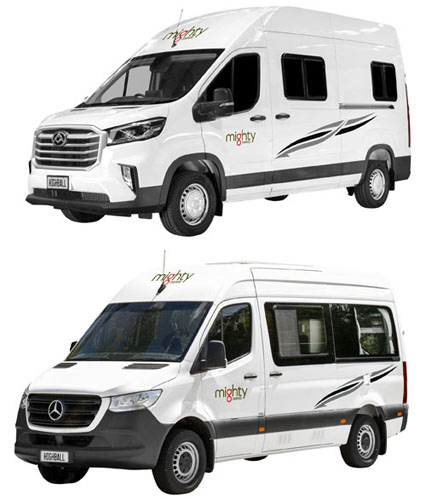
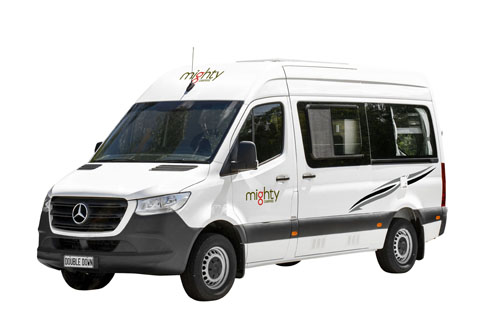
For Alice Springs roads and general Outback touring, both a Class SI - Semi-integrated RV and a Class B - Camper Van are highly recommended, offering a good balance of comfort and maneuverability. A Class SI Semi-integrated RV, with an average length of 6.9 meters, provides comfortable living space for 2-3 adults and is well-suited for sealed highways and well-maintained unsealed roads leading to popular attractions. For instance, a "2 Berth Rover" is an automatic Class SI with front and roof air conditioning, ideal for a couple, offering a comfortable experience on varied terrain. Alternatively, a Class B Camper Van, averaging 6.2 meters in length, offers greater agility and often better fuel efficiency (10-13 Liters/100 km), making it ideal for navigating smaller tracks or if you prefer a more compact vehicle for exploring. While larger Class C Alcove RVs are also available and comfortable, their average length of 7.9 meters may be less ideal for some rougher unsealed roads or tighter parking spots in more remote areas. Ultimately, the best choice depends on your specific travel style and the level of comfort you desire on your Australian adventure.
Should I Choose a Compact Van Instead of a Large RV in Alice Springs?
For travel in Alice Springs, there is generally no issue driving any RV size, as the town and main roads are spacious, making comfort and indoor amenities often more important than extreme maneuverability. A compact van, such as a Class B Camper Van (averaging 6.2m in length), offers advantages in slightly better fuel economy (10-13 Liters/100 km) and easier access to some unsealed tracks if it's a 4WD variant, or simply for its nimbler feel. For example, the "Active Original" is a Class B Camper Van, ideal for a couple or a small family, known for being festival friendly. However, a larger RV like a Class SI Semi-integrated (averaging 6.9m) or a Class C Alcove (averaging 7.9m) provides significantly more interior space, dedicated sleeping areas, and often better kitchen and bathroom facilities, which can greatly enhance comfort during longer Outback trips. Ultimately, the choice depends on your group size, desired level of comfort, budget, and specific itinerary, considering that most key attractions around Alice Springs are accessible by larger RVs on sealed or well-maintained gravel roads.
Can I Park Anywhere? Free & Wild Camping Rules in Alice Springs
Free or wild camping is generally prohibited within Alice Springs' urban areas and highly discouraged in national parks or reserves unless in designated campgrounds. The Northern Territory has strict regulations regarding overnight parking, with fines applicable for illegal freedom camping; designated rest areas, truck stops, and official campgrounds are the only legal options for overnight stays. Always look for specific signage indicating permissible overnight stops, and preference is often given to fully self-contained vehicles in designated free rest areas outside of town. Rules vary by region-check local regulations and follow local law before parking overnight, and consider utilizing the numerous well-equipped RV parks around Alice Springs for amenities and safety. Popular choices include the Big4 MacDonnell Range Holiday Park or the G'day Parks Alice Springs, both offering excellent facilities.
Can I Drive an RV Into the City Center? Heights, Tunnels & Local Signage
Yes, you can almost always drive an RV into the city center of Alice Springs without encountering major height or weight restrictions, as the town is designed to accommodate larger vehicles. Alice Springs does not have tunnels or low bridges that typically pose a challenge for RVs in its central areas. Drivers should, however, always pay attention to local signage, especially concerning parking restrictions, as well as any temporary road closures or event-specific directions. While Alice Springs is RV-friendly, always be mindful of other road users and pedestrians, particularly in busy areas, and plan your parking in advance if visiting specific attractions like the Royal Flying Doctor Service base or the National Pioneer Women's Hall of Fame.
What is the 3-3-3 rule for RV driving?
The 3-3-3 rule is a widely adopted guideline for RV travel, suggesting you drive no more than 300 miles (approximately 500 kilometers) in a day, aim to arrive at your destination by 3 PM, and plan to stay for at least 3 nights. This rule is particularly pertinent for last minute RV rentals in the vast Australian Outback around Alice Springs, helping mitigate fatigue over long distances and ensuring ample time for setup at campgrounds. Arriving by 3 PM provides sufficient daylight to find and set up at campgrounds, which is crucial in remote areas and helps avoid driving at dusk when wildlife activity is highest. Staying for at least 3 nights allows for a more relaxed experience, reduces the frequency of packing and unpacking, and offers more time to explore local attractions around Alice Springs, like the stunning Simpsons Gap or Standley Chasm in the West MacDonnell Ranges.
Do you need a 4WD to get to Alice Springs?
No, a 4WD vehicle is not necessary to *reach* Alice Springs, as the primary access routes, such as the Stuart Highway, are fully sealed and suitable for all 2WD vehicles, including standard RVs. However, for *exploring beyond* the main highways and accessing many of the iconic natural attractions around Alice Springs, like specific sections of the West MacDonnell Ranges (e.g., Finke Gorge National Park) or remote campsites, a 4WD RV or vehicle is highly recommended or even required. Road conditions on unsealed tracks can vary drastically, from smooth gravel to heavily corrugated or sandy sections, which a 2WD RV might struggle with or risk damage. When planning a last minute RV rental in Alice Springs, carefully consider your intended itinerary: a 2WD RV is fine for sealed roads to Uluru and the main West Macs, but a 4WD will unlock deeper Outback experiences and provide greater peace of mind. Some Bandana partners offer 4WD Camper Vans like the "Patagonia Camper 4x4 double cab" for adventurous travelers.
Can I sleep in my motorhome in a layby?
In Australia, sleeping overnight in a roadside layby or rest area is generally only permitted where specifically signposted for overnight stops, and it is usually illegal in urban areas or restricted zones. The Northern Territory's regulations for 'freedom camping' or 'wild camping' are relatively strict, encouraging travelers to use designated campgrounds or approved overnight rest areas. Many designated rest areas along major routes in the Outback allow self-contained vehicles to stop overnight, but facilities are often minimal, so be prepared with your own water, waste disposal, and power. Always check local signage and respect private property; illegal overnight parking can result in fines, and choosing official RV parks provides access to amenities and enhances safety, especially for last minute travelers. The

Can you sit anywhere in an RV while driving?
No, in Australia, all passengers in an RV must be seated in an approved, designated seat with a seatbelt properly fastened while the vehicle is in motion, mirroring regulations for any other passenger vehicle. It is illegal and extremely dangerous to be walking around, lying on beds, or sitting on unsecured furniture when the RV is driving, as sudden stops or collisions can cause severe injury. Ensure all children are in appropriate child restraints if required by their age and size, just as they would be in a regular car. Prioritizing safety by ensuring everyone is correctly buckled in their designated seats is paramount before commencing any journey from Alice Springs, even for a short drive through the town or nearby Tjoritja / West MacDonnell National Park.
Can you drive an RV with a regular license in the USA?
In the USA, most RVs can be driven with a regular driver's license (Class D) if they weigh under 26,000 pounds (approximately 11,793 kg), covering the majority of Class B, C, and many Class A RVs. However, for driving an RV in Alice Springs, Australia, a standard Australian Class C driver's license is generally sufficient for vehicles up to 4.5 tonnes Gross Vehicle Mass (GVM), which encompasses most rental RVs, including Class C Alcove motorhomes like the 24' Class C Motorhome. For non-Australian residents, a valid foreign driver's license, often accompanied by an International Driving Permit (IDP) if not in English, is required to drive an RV in the Northern Territory. Always confirm the specific license requirements with your RV rental provider in Alice Springs to ensure compliance with Australian road laws. Our global partnerships with 50+ leading RV suppliers like Apollo and Britz ensure we have this local expertise.
Can you get temporary RV insurance?
Yes, temporary RV insurance is often available in some markets, but for most last minute RV rentals in Alice Springs, comprehensive insurance coverage is typically included by the rental company as part of the rental agreement. This standard rental insurance usually covers the vehicle against damage and theft, often with an 'excess' or deductible (e.g., AUD $5,000 to $7,500) that the renter is liable for in case of an incident. Rental companies in Alice Springs commonly offer options to reduce this excess for an additional daily fee, providing extra peace of mind for travelers. You can upgrade to a top-level deductible for extra peace of mind and minimize your out-of-pocket expenses. It is crucial to thoroughly review the insurance terms and conditions provided by your Alice Springs RV rental company to understand what is covered, what your liabilities are, and if any optional excess reduction is advisable for your trip. We compare final prices across 50+ suppliers so you don't have to worry about hidden costs.
Does AAA cover RV insurance?
While AAA offers various insurance products and services, primarily in the USA, its specific RV insurance coverage would not directly apply to an RV rental in Alice Springs, Australia, as it is a US-based organization. For an RV rental in the Northern Territory, Australia, comprehensive insurance is typically provided by the rental company as part of your rental agreement. This rental-provided insurance covers the RV for damage and theft, with various options for reducing the financial 'excess' (deductible) in case of an incident, which can be purchased from the rental provider. Travelers should consult their personal travel insurance policies to see if they offer any supplemental coverage for rental vehicle excesses or personal belongings during an RV trip in Australia. We offer full transparency, so you'll always know what's included and what's an optional add-on.
What You Shouldn't Miss
- Uluru-Kata Tjuta National Park: A quintessential Outback experience, watch the sunrise and sunset over Uluru, explore Kata Tjuta (the Olgas), and learn about Anangu culture. Plan for at least 2-3 days to fully immerse yourself in this sacred landscape.
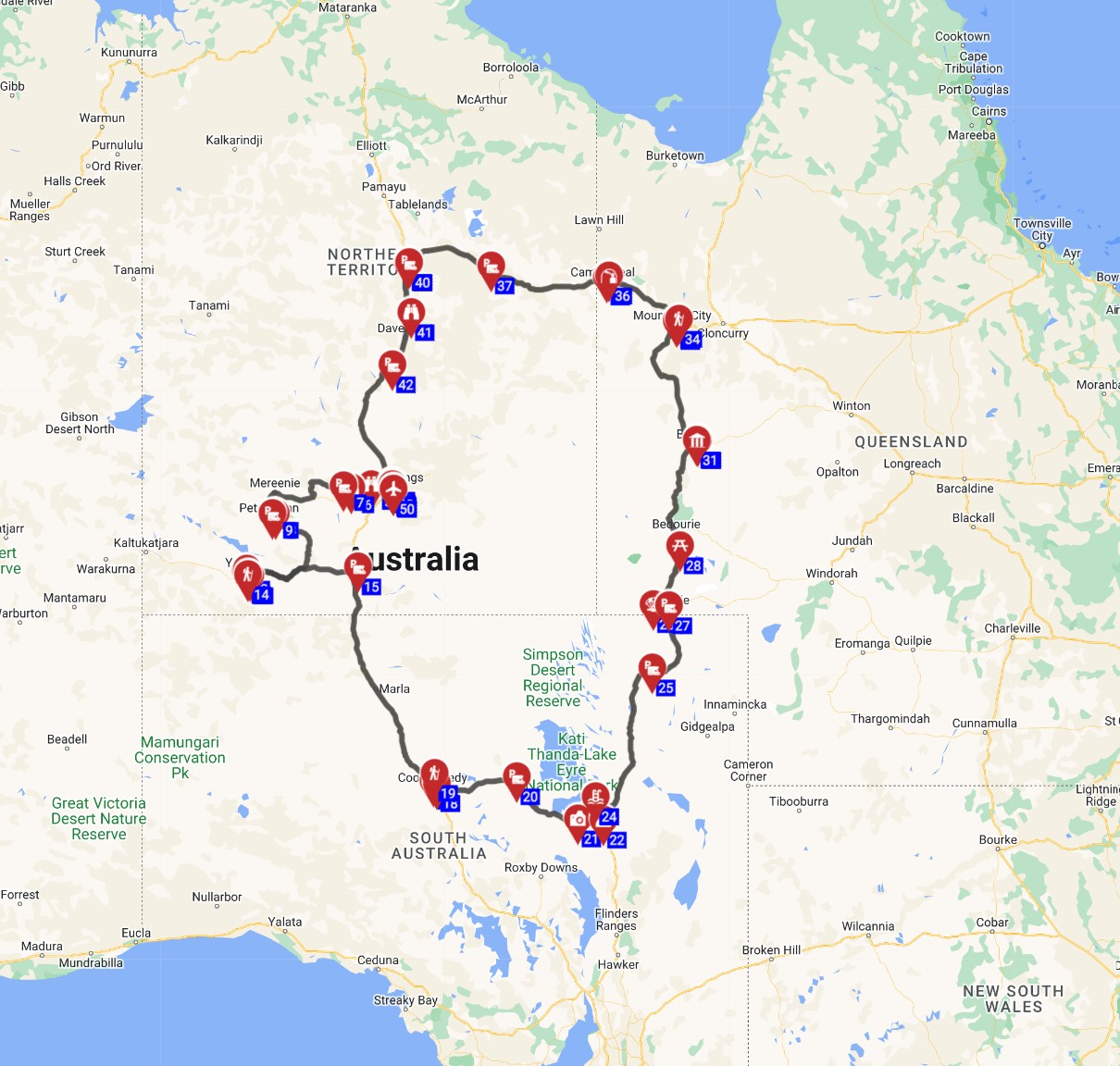
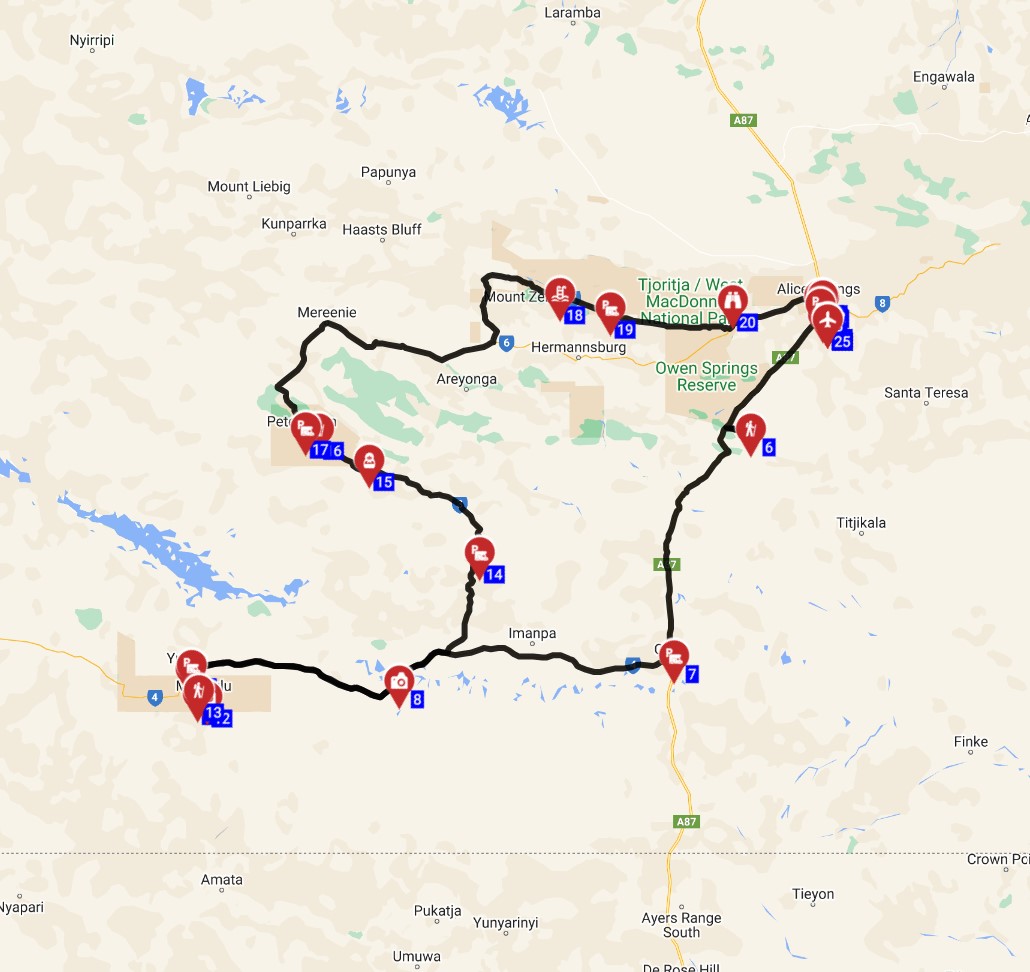
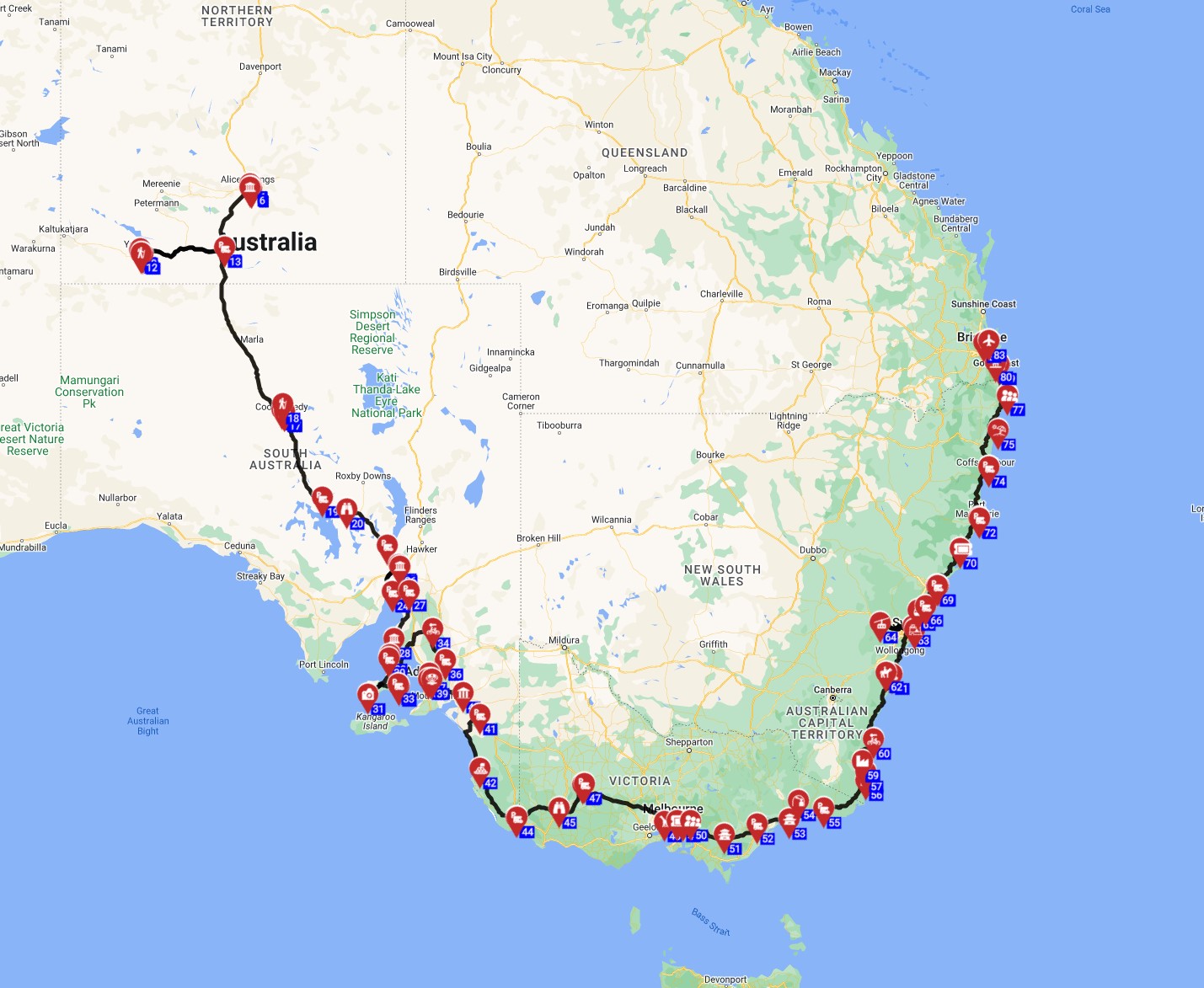
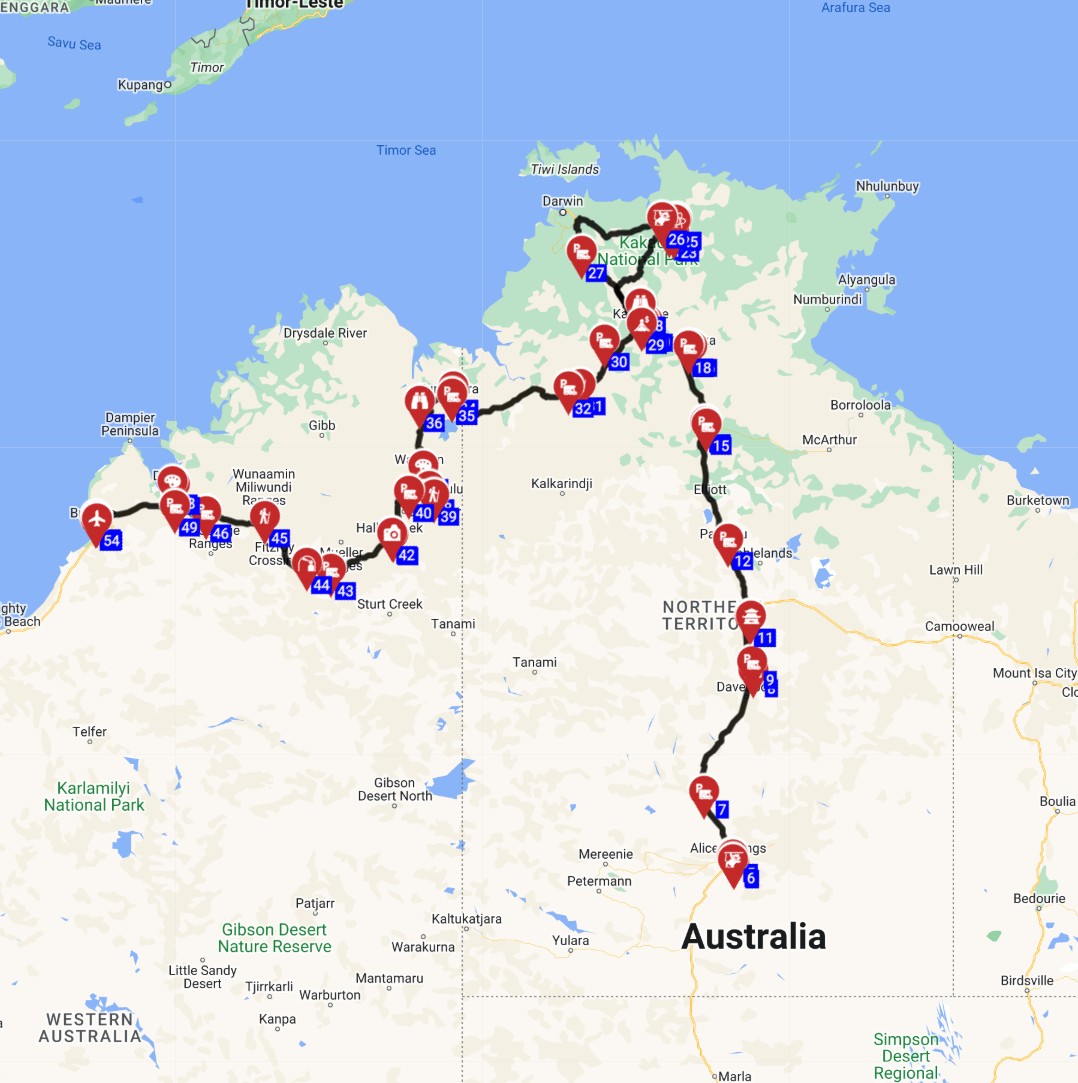
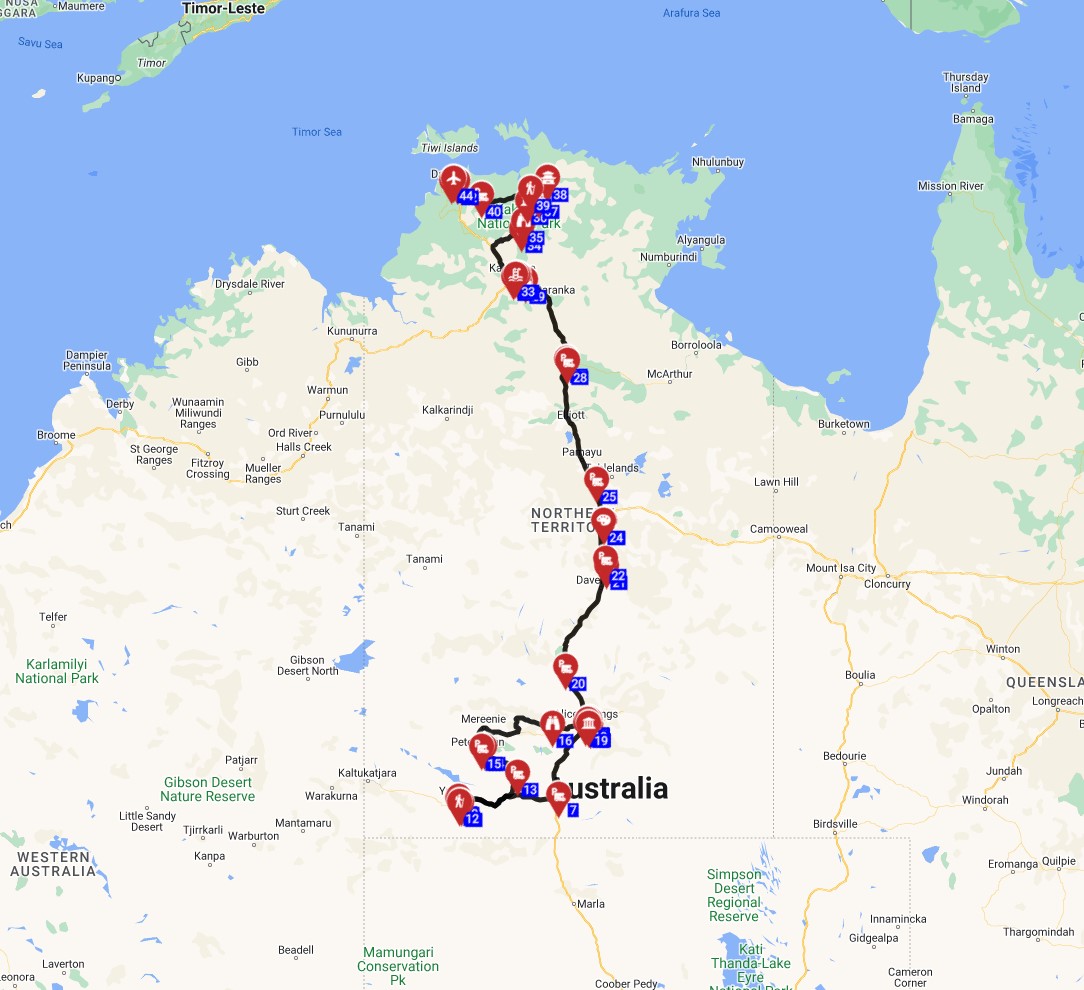
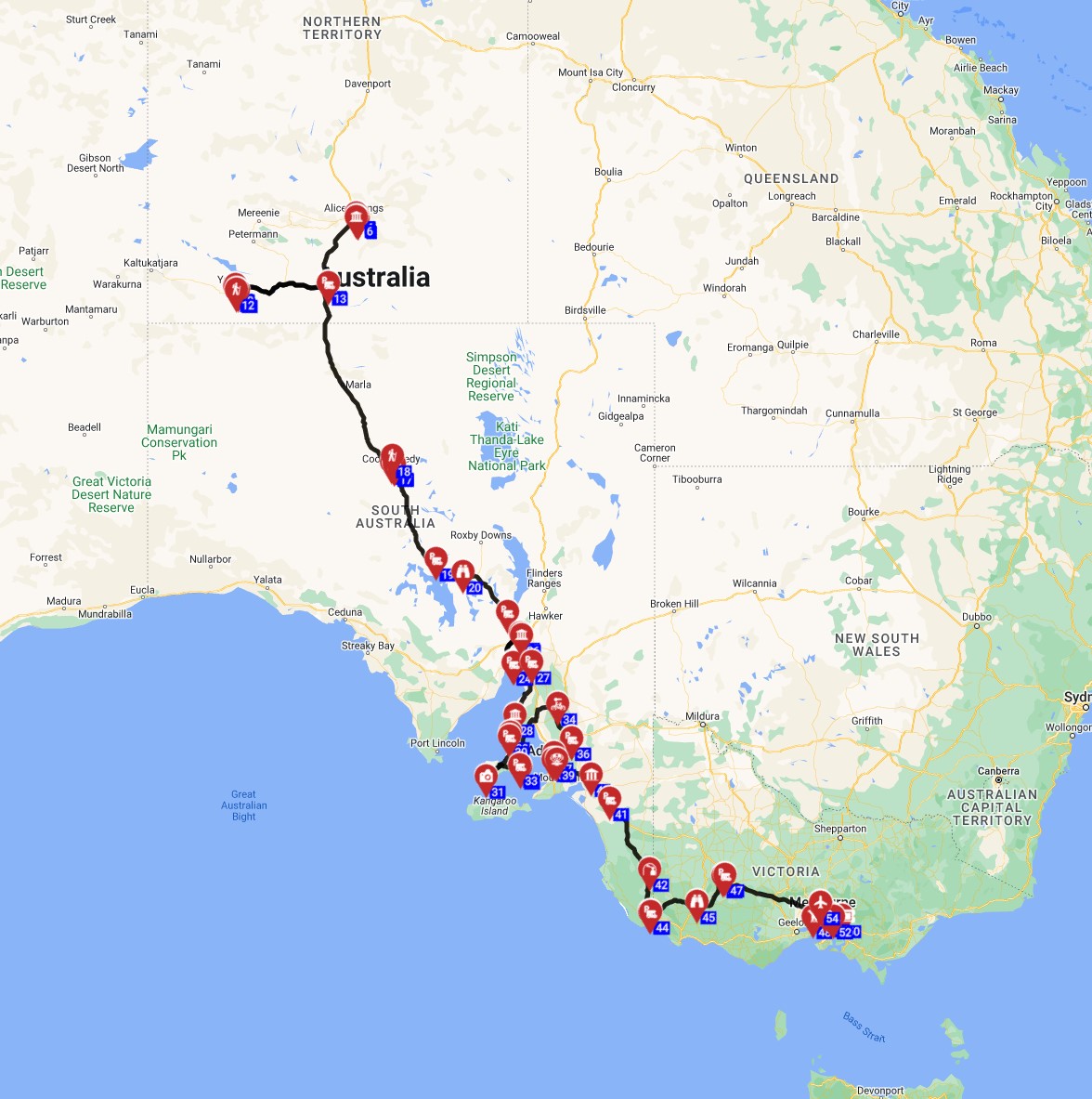
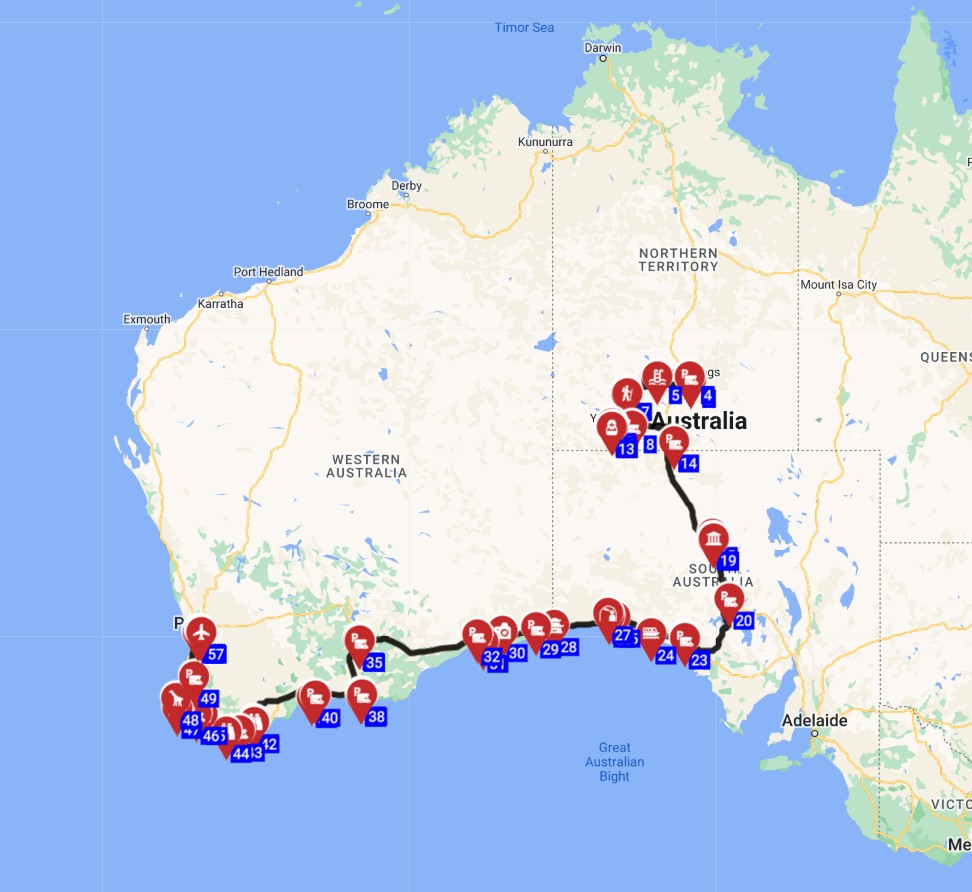
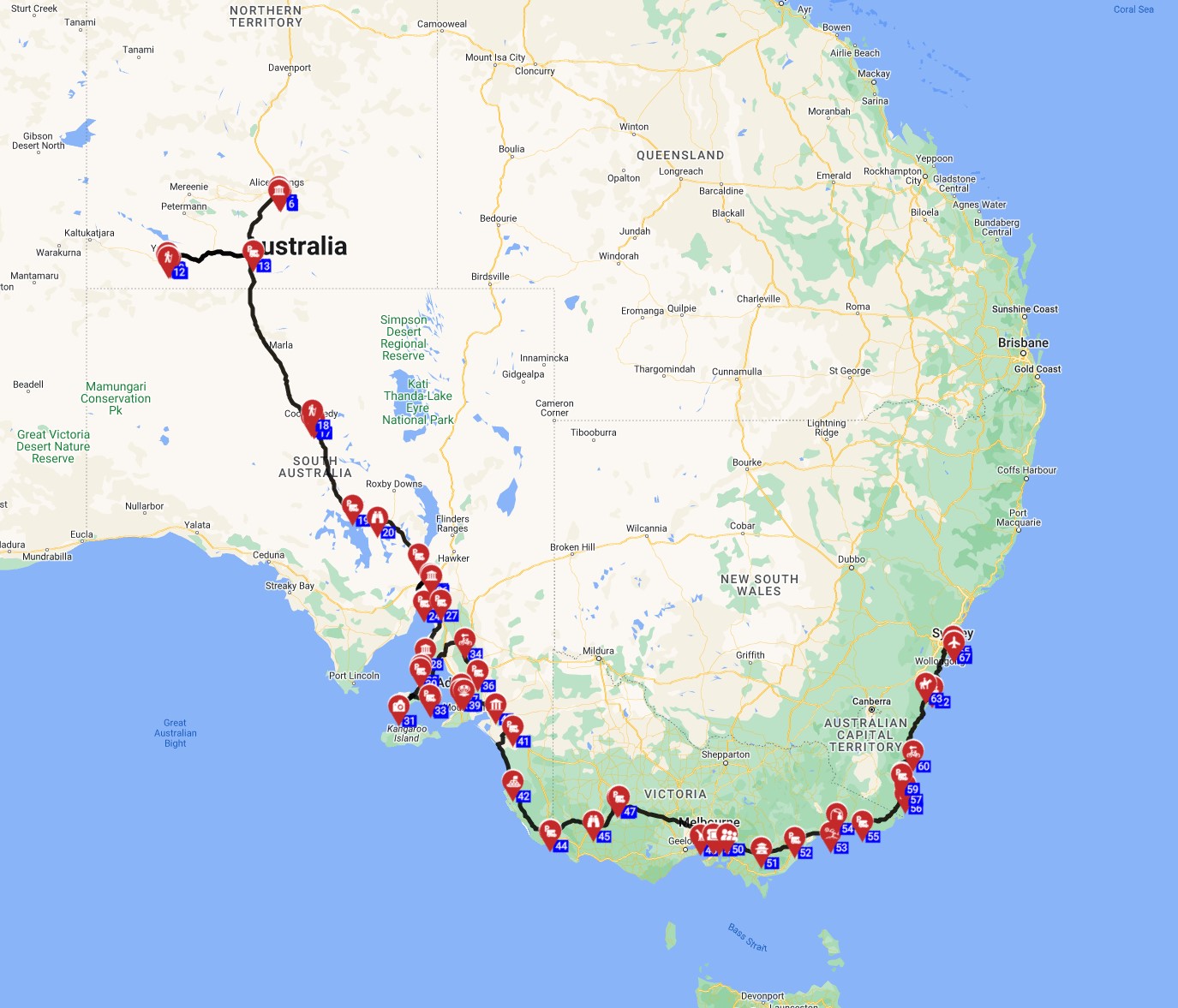
- West MacDonnell Ranges: Just outside Alice Springs, discover stunning gorges like Simpsons Gap, Standley Chasm, and Glen Helen Gorge, perfect for hiking, swimming in permanent waterholes, and enjoying incredible scenery. There are 3 hiking areas and 2 natural features recommended in the "Cairns to Alice Springs - Northern Horizons: A Journey Through Australia's Heartland" route.
- Alice Springs Telegraph Station Historical Reserve: Step back in time to the town's origins as a repeater station for the Overland Telegraph Line. It's a fascinating historical site just north of the town center.
- Desert Park: A must-visit to understand the unique ecosystems of the Red Centre, featuring native wildlife and plants in beautifully recreated habitats. It includes 2 animals show/wildlife watch opportunities.
- Royal Flying Doctor Service Visitor Centre: Learn about the incredible history and vital work of this aerial medical service that serves remote Outback communities, offering a unique insight into regional Australia.
Looking for expert insights from Avi Bandana? Top 5 Adventures - recommendations from Avi Bandana.
Final Thoughts
Embarking on a last minute RV adventure in Alice Springs promises an unparalleled journey through Australia's iconic Red Centre. With proper planning and these driving tips, you're set to discover breathtaking landscapes, unique wildlife, and rich cultural experiences at your own pace. Remember to travel slowly, embrace the vast distances, and always be prepared for the Outback's unique conditions. Whether you choose a compact campervan or a spacious motorhome, the freedom of a rented RV opens up endless possibilities for exploration.
At Bandana RV, we're dedicated to making your RV travel dreams come true. We handle the details, so you can live the journey, supported by our true RV specialists from the moment you start comparing prices to the completion of your booking. So, pack your bags, choose your ideal motorhome, and prepare for an unforgettable extended road trip into the heart of Australia. Discover top destinations, planning tips, all in one place!
Find Motorhome Rentals in Alice Springs