For live availability and current prices, start with our RV Rental Poland - Complete Guide 2026 guide.
In This Guide
- Where to Camp in Poland — Top Options
- Campground Types in Poland (National, Private, Wild)
- Featured RV Park or Campground in Poland
- Hookups & Amenities — What to Expect
- Booking Windows & Reservations in Poland
- Nearby Supermarkets & Resupply Points
- Best RV Class for Camping in Poland
- How to Save on Campgrounds in Poland
- What are the specific legal requirements for RV travel in Poland
- How much does an RV trip in Poland cost - a comprehensive budget guide
- Where can I park my RV in Polish cities and tourist spots
- How can RVers experience authentic Polish culture
- What are the best off-the-beaten-path RV destinations in Poland
- When is the best time to rent an RV in Poland
- What essential Polish phrases do I need for RV travel
- What should I do in an RV emergency in Poland
- How can I stay connected while RVing in Poland
- How to practice sustainable RVing in Poland
Where to Camp in Poland — Top Options
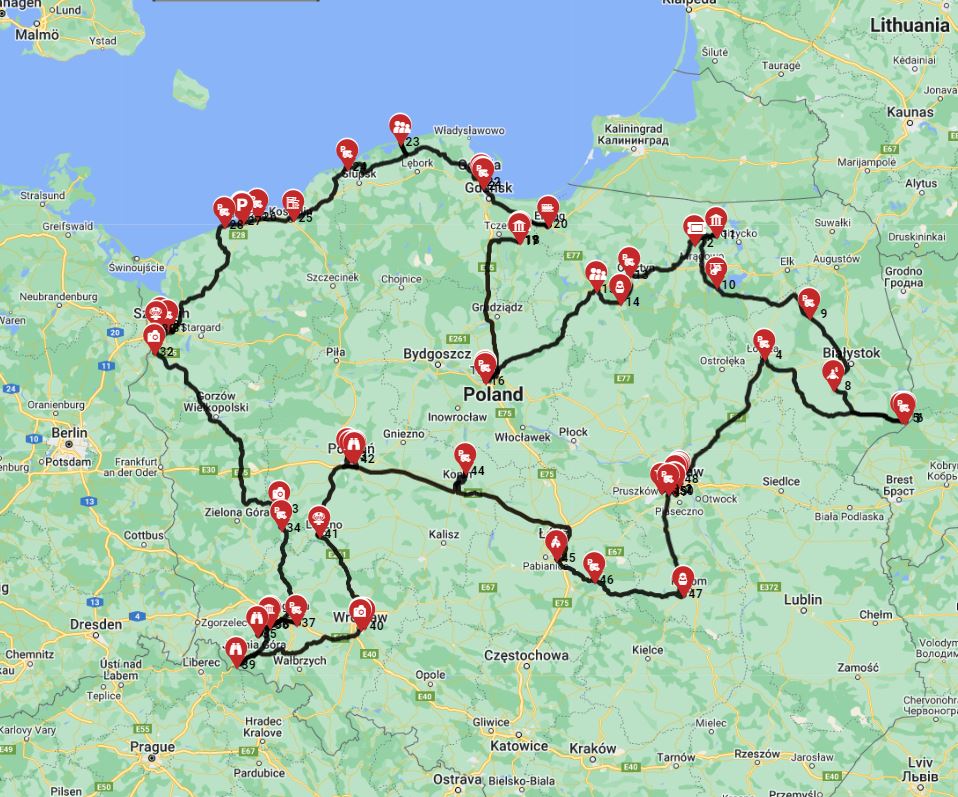
Poland offers diverse RV camping experiences, from coastal sites along the Baltic Sea to mountain retreats in the Tatra region and serene lake districts in Masuria. Consider regions like the Masurian Lake District for water-based activities and nature, the Tatra Mountains for hiking and stunning vistas (near Zakopane), or the Baltic Coast for beaches and charming seaside towns. While specific campgrounds are numerous, popular regions generally provide a mix of private, well-equipped sites and simpler, often more scenic, municipal or national park options. For travelers seeking a well-planned adventure, exploring routes like the "
Campground Types in Poland (National, Private, Wild)
RV travelers in Poland can typically choose from well-appointed private campgrounds, more rustic national park sites, and, with caution, areas where wild camping is tolerated. Private campgrounds usually offer comprehensive amenities like full hookups, Wi-Fi, and laundry facilities, often near popular tourist destinations. National park campgrounds are generally simpler, focusing on natural immersion, with fewer amenities and strict rules regarding designated spots. Wild camping (boondocking) is largely restricted by law in Poland; however, it is sometimes tolerated in forested areas if discreetly done with landowner permission, though strictly forbidden in national parks and protected zones.
Featured RV Park or Campground in Poland
When selecting an RV park in Poland, look for establishments that balance convenience with access to local attractions and provide essential services for a comfortable stay. An ideal campground would feature a combination of full hookups (electricity, water, waste disposal), clean shower and toilet facilities, and reliable Wi-Fi access. Prioritize locations that offer easy access to natural beauty, cultural sites, or vibrant city centers via public transport, enhancing your overall Polish experience. For instance, the Masurian Lake District, a popular area for its pristine lakes and forests, is dotted with many campgrounds that fit this description, such as Camping Smok, offering a scenic base for exploring the region.
Hookups & Amenities — What to Expect
Most Polish campgrounds provide essential hookups, including electricity (230V, European two-pin standard), fresh water, and gray/black water dump stations, ensuring a comfortable RV experience. Electricity typically operates at 230V with amperage ranging from 6A to 10A; RVers should carry a European CEE 7/4 (Schuko) or CEE 7/7 adapter for compatibility. While fresh water and waste disposal points are standard, Wi-Fi availability varies, often being a paid extra at private sites and less common in national park or basic municipal campgrounds. Many private campgrounds also offer additional amenities such as laundry facilities (sometimes coin-operated), hot showers, and sometimes communal kitchens or recreation areas. On the routes offered through RV PLANET routes, you can itemize and track every expense along the way for easy budgeting.
Booking Windows & Reservations in Poland
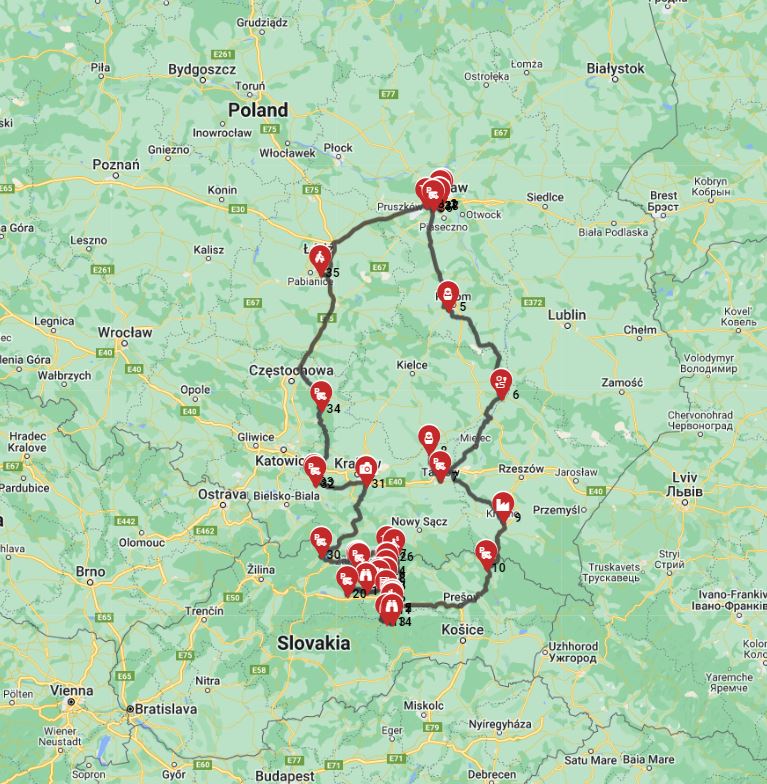
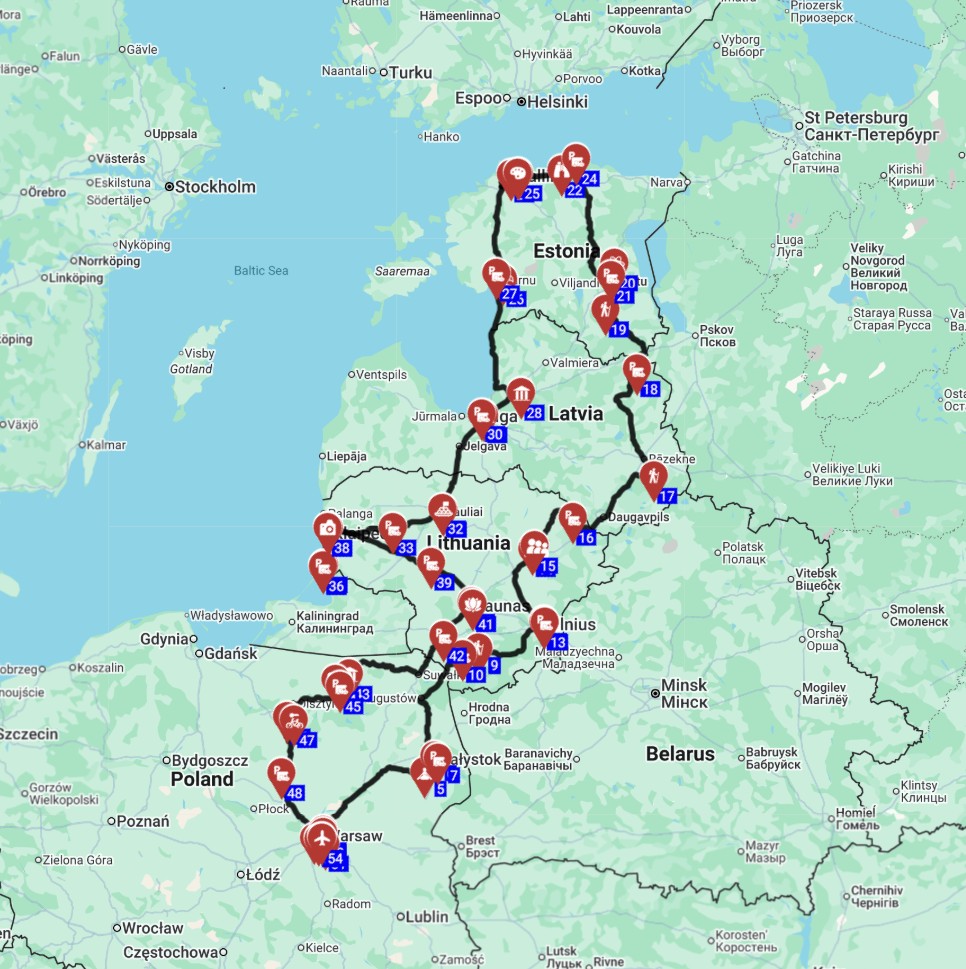
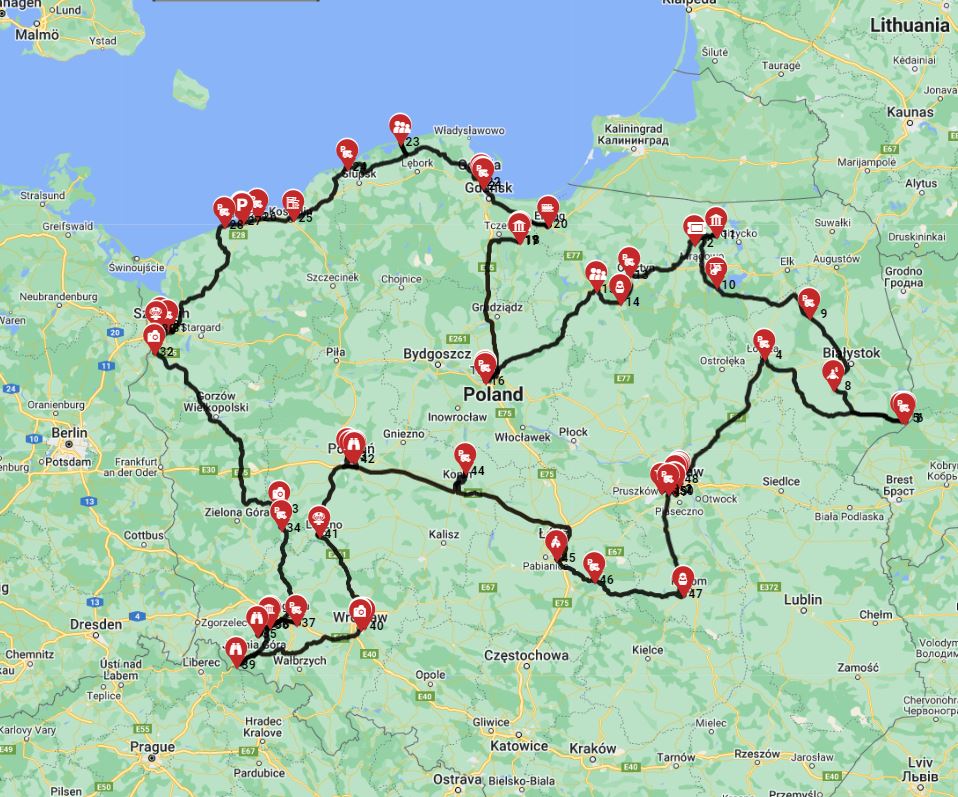
While last-minute RV rentals in Poland are possible, securing campground reservations, especially during peak season (July-August) or for popular national parks, is highly recommended to guarantee a spot. For spontaneous travelers, many smaller private or municipal campgrounds can often accommodate same-day or next-day arrivals, but it is always best to call ahead before driving long distances. National park campgrounds frequently operate on a first-come, first-served basis for a significant portion of their spots (often 70-75%), with only 25-30% available for advance reservations. Flexibility is key for last-minute travelers; you will almost certainly find a place—if not at your first-choice campground, then likely at a nearby alternative. Considering a route like the "Warsaw - Poland & Slovakia" itinerary, which spans 16 days and covers approximately 1,648 km, offers a good balance for those who might need to adjust plans slightly due to last-minute availability.
Nearby Supermarkets & Resupply Points
RV travelers in Poland can easily resupply at major supermarket chains like Biedronka, Lidl, and Carrefour, which are extensively distributed across the country and offer a wide range of groceries. Biedronka is the most ubiquitous supermarket chain, known for its affordable prices and widespread presence, making it ideal for quick daily essentials. For a broader selection of international products and fresh produce, Lidl and Carrefour are excellent options, often located in larger towns and city peripheries. Don't overlook local markets (targi) in smaller towns for fresh, seasonal produce, regional specialties, and an authentic cultural shopping experience, which can also be budget-friendly.
Best RV Class for Camping in Poland
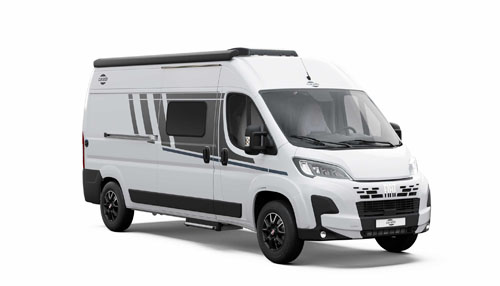
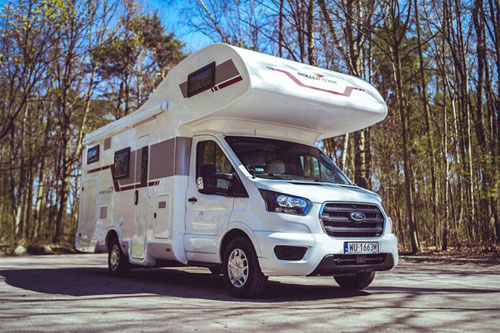
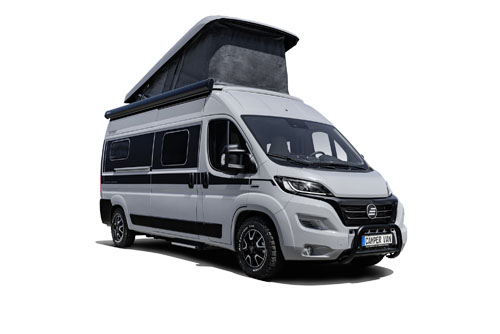
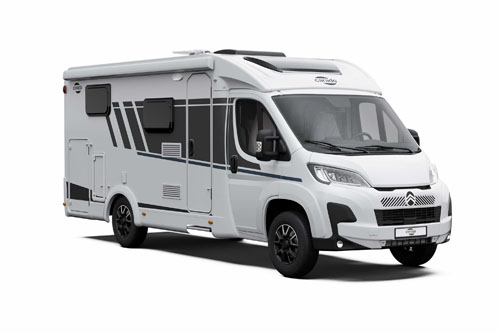
For navigating Poland's diverse landscapes, from historic city streets to winding mountain roads, a Class B Camper Van or a Class SI Semi-integrated RV generally offers the best balance of maneuverability and comfort. With Bandana's global fleet averaging 5.8m in length and accommodating up to 3.4 adults, Class B camper vans are highly agile, making them excellent for urban exploration, narrow country roads, and discreet wild camping, with fuel consumption around 8-10 Liters/100 Km. Bandana's Class SI semi-integrated motorhomes average 6.9m in length, providing more living space and amenities while remaining manageable for most Polish roads and campgrounds, with fuel consumption around 10-11 Liters/100 km. Larger RVs like Class C Alcove models (average 7.5m, accommodating up to 4.4 adults) or Class A Integrated motorhomes (average 7.5m, accommodating up to 4 adults) offer greater comfort and space for families but may encounter challenges with city parking, tighter camp spots, and some scenic routes.
How to Save on Campgrounds in Poland
Saving on RV campgrounds in Poland is highly achievable by utilizing discount cards, traveling during the shoulder season, and opting for municipal or regional sites over more expensive private resorts. Leverage campground discount cards which can provide significant savings on daily rates at participating sites across Poland and Europe. Book your trip during the shoulder seasons (late spring: May-June; early autumn: September-October) to benefit from lower prices, fewer crowds, and pleasant weather conditions. Choose municipal or regional campgrounds, which often provide basic but clean facilities at a fraction of the cost of larger, amenity-rich private resorts. Consider longer stays of three or more nights, as many campgrounds offer discounted weekly rates, and exploring the possibility of sharing hookup costs if traveling in a group.
What are the specific legal requirements for RV travel in Poland
RV travel in Poland requires adherence to standard European road regulations, specific wild camping rules, potential road tolls, and awareness of seasonal requirements like winter tires in mountainous regions. Drivers must possess a valid EU/EEA driving license or an International Driving Permit (IDP) alongside their national license if from outside the EU/EEA. Wild camping is generally prohibited outside designated areas; however, discreet and respectful overnight parking may be tolerated in some forested areas with explicit landowner permission, but is strictly illegal in national parks and protected natural zones. Road tolls in Poland vary; vehicles over 3.5 tons must use the e-TOLL system, while some motorways for lighter vehicles operate on a pay-as-you-go system or require vignettes; check specific routes for your RV class. Winter tire requirements may be in effect during colder months, especially in mountain passes, and carrying snow chains might be mandatory in certain conditions or regions.
How much does an RV trip in Poland cost - a comprehensive budget guide
A comprehensive budget for an RV trip in Poland should account for rental fees, fuel, daily campsite costs, food expenses, attractions, and potential unexpected outlays. RV rental prices vary significantly by vehicle class, season, and duration; last-minute rentals might offer deals during off-peak times or be more expensive during peak demand. Fuel costs, primarily diesel for most RVs, will be a major expense; expect consumption around 8-12 Liter/100 km (based on Bandana's fleet data), with Poland generally offering more competitive fuel prices than Western Europe. Campsite fees typically range from €15-€40 per night for a fully-serviced pitch, varying by location, season, and amenities provided. Food budgeting can be optimized by shopping at affordable local supermarkets like Biedronka or Lidl and exploring local markets for fresh, inexpensive produce, with eating out generally being more affordable than in many Western European countries. Allocate funds for road tolls, national park entry fees, cultural attractions, and a contingency for unexpected expenses like minor repairs or medical needs. For trip cost estimation by duration, consider exploring detailed budgets for a 1-week or 2-week trip to Poland, as provided by platforms like RV PLANET.
Where can I park my RV in Polish cities and tourist spots
Parking an RV in Polish cities and popular tourist spots can be challenging due to vehicle size restrictions, but designated RV parking areas, outer-city campgrounds with public transport links, and specialized apps offer solutions. Look for signage indicating 'Parking Camper' or use 'Park and Ride' (P+R) facilities on the outskirts of major cities, which allow you to park your RV and use public transport to reach city centers. City centers, particularly historical old towns, often have limited access or size restrictions for larger vehicles; plan to park outside and walk or take public transit. Utilize RV-specific parking apps like Park4night or Campercontact to locate designated parking spots, service areas, and overnight stays, often with user reviews. Many popular tourist areas, especially near national parks or lakes, have dedicated campgrounds or large parking lots that can accommodate RVs, providing a secure base for exploration. Navigating Poland with an RV is well-facilitated by routes that connect major cities, such as the "Warsaw Roundtrip - Poland & Slovakia" itinerary, which includes segments suitable for city exploration.
How can RVers experience authentic Polish culture
RV travelers can deeply immerse themselves in authentic Polish culture by actively seeking out regional festivals, exploring bustling local markets, and indulging in unique culinary experiences beyond typical tourist pathways. Plan your trip around local events and regional festivals, which offer insights into traditional music, dance, crafts, and food, often found in smaller towns and villages. Visit local 'targi' (markets) to purchase fresh, seasonal produce, regional cheeses, meats, and handicrafts directly from producers, providing both a culinary and cultural experience. Savor traditional Polish cuisine by eating at 'Bar Mleczny' (milk bars) for affordable, home-style meals, or exploring local eateries that specialize in regional dishes. Engage with locals by learning a few basic Polish phrases and venturing into less-touristed areas, where genuine interactions and discovering hidden gems are more common. For ideas you can prep on the road, watch our RV-friendly recipes playlist on YouTube.
What are the best off-the-beaten-path RV destinations in Poland
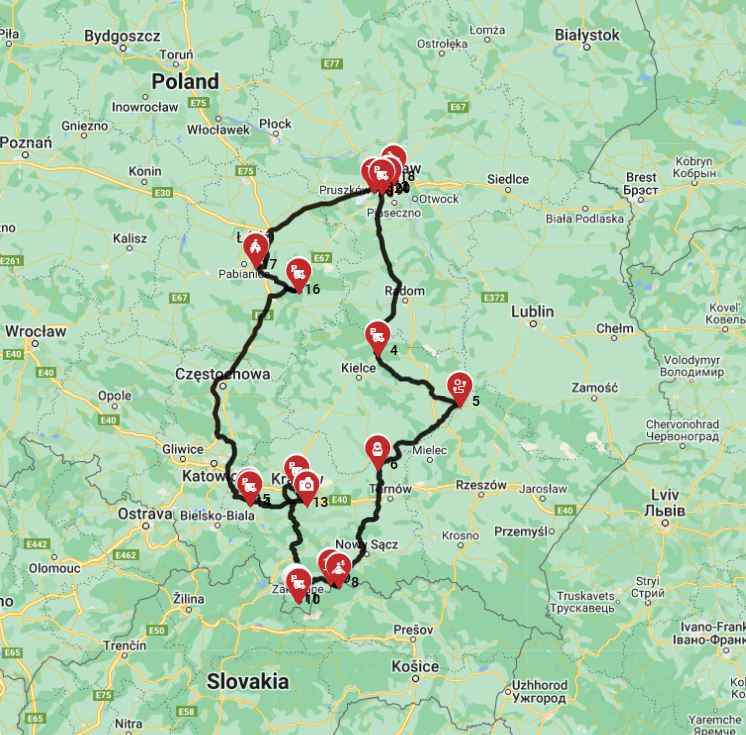
Beyond popular landmarks, Poland offers stunning off-the-beaten-path RV destinations like the wild Bieszczady Mountains, the serene Suwałki Region, and the picturesque Pieniny National Park, showcasing unique natural beauty and cultural heritage. Explore the Bieszczady Mountains in southeastern Poland for untouched nature, remote hiking trails, and abundant wildlife, ideal for adventurers seeking solitude. Discover the Suwałki Region in northeastern Poland, often called the 'Polish Cold Pole,' known for its pristine lakes, deep forests, and a unique blend of Lithuanian and Polish culture. Visit Pieniny National Park in southern Poland to experience dramatic limestone cliffs, take a traditional rafting trip down the Dunajec River Gorge, and explore historic castles. Consider the Roztocze National Park in southeastern Poland, characterized by rolling hills, ancient forests, and charming wooden churches, offering a tranquil escape from tourist crowds. For a more structured off-the-beaten-path experience, consider shorter, localized routes from RV PLANET, such as a segment of the "

When is the best time to rent an RV in Poland
The optimal time to rent an RV in Poland largely depends on your travel preferences and desired activities, with late spring (May-June) and early autumn (September-October) generally offering the best balance of pleasant weather and fewer crowds. Late Spring (May-June) is ideal for exploring, with mild temperatures, blossoming nature, and fewer tourists before the peak summer rush, perfect for hiking and sightseeing. Early Autumn (September-October) offers comfortable temperatures, stunning fall foliage, and excellent conditions for outdoor activities, cultural visits, and wine tasting in some regions. Summer (July-August) is peak season, characterized by the warmest weather and vibrant atmosphere, but also higher prices, more crowded attractions, and campgrounds. Winter (November-April) presents challenges with cold weather, snow, and potential road restrictions (e.g., winter tires/chains in mountains); it's suitable primarily for winter sports enthusiasts, with many campsites closed.
What essential Polish phrases do I need for RV travel
For smooth RV travel in Poland, knowing essential Polish phrases for greetings, basic courtesies, and practical interactions at gas stations, campsites, and local shops is highly beneficial. Key phrases include 'Dzień dobry' (Good day), 'Cześć' (Hi/Hello - informal), 'Proszę' (Please/Here you are), and 'Dziękuję' (Thank you) for general interactions. At a campsite, essential phrases might be 'Czy macie wolne miejsce?' (Do you have a free spot?), 'Prąd' (Electricity), 'Woda' (Water), and 'Toaleta' (Toilet). For gas stations, know 'Diesel' (diesel fuel) and 'Ile kosztuje?' (How much does it cost?). It's also advisable to have a translation app like Google Translate or DeepL on your phone for more complex conversations or emergencies, as English proficiency varies, especially outside major tourist areas.
What should I do in an RV emergency in Poland
In an RV emergency in Poland, immediately contact the universal emergency number 112, notify your rental provider's roadside assistance, and ensure you have access to critical medical and contact information. For any emergency—police, ambulance, or fire—dial 112, the pan-European emergency number, which operates 24/7. In case of an RV breakdown, contact your rental company's designated roadside assistance number immediately; keep your rental agreement, insurance details, and a mobile phone fully charged and accessible. For medical issues, locate the nearest 'Apteka' (pharmacy) for minor ailments, or for more serious conditions, head to a 'Szpital' (hospital) or call 112 for an ambulance; the European Health Insurance Card (EHIC) is crucial for EU citizens. Always keep copies of essential documents like passports, driver's licenses, rental contracts, and insurance policies in a secure, easily retrievable location.
How can I stay connected while RVing in Poland
Staying connected while RVing in Poland is generally convenient through affordable local SIM cards for mobile data, Wi-Fi availability at many campsites, and pre-downloaded offline maps for areas with limited coverage. Purchase an inexpensive local SIM card from major providers like Play, Orange, T-Mobile, or Plus at airports, supermarkets, or dedicated stores, ensuring your phone is unlocked for use. Mobile data coverage is generally robust in populated areas, though it may be spotty or weaker in very remote regions such as the Bieszczady Mountains or deep within national parks. Many private campgrounds offer Wi-Fi, often as a paid extra, with varying speeds and reliability; anticipate slower connections during peak hours or at more basic sites. For seamless navigation, download offline maps (e.g., Google Maps, Maps.me) to your device, particularly useful for areas with limited cellular reception.
How to practice sustainable RVing in Poland
Practicing sustainable RVing in Poland involves responsible waste disposal, diligent conservation of resources, respecting the natural environment, and actively supporting local communities throughout your journey. Utilize designated dump stations for gray and black water, and diligently sort your waste for recycling where facilities are available, adhering to Poland's 'Leave No Trace' principles. Conserve water and electricity at campgrounds, and be mindful of your consumption when boondocking, to minimize your environmental impact. Respect nature by staying on marked trails, avoiding disturbance to wildlife, and refraining from open fires outside designated areas, especially in national parks and protected zones. Support local economies by purchasing food from regional markets, dining at local restaurants, and visiting small businesses, fostering a positive interaction with Polish communities.
What You Shouldn't Miss
- Explore Krakow's Historic Old Town: Wander through the charming medieval streets, visit Wawel Castle, and soak in the atmosphere of Europe's largest medieval market square.
- Discover the Białowieża Forest: Experience Europe's last primeval forest and spot the majestic European bison. Many campgrounds in the Podlasie region offer excellent bases for this adventure.
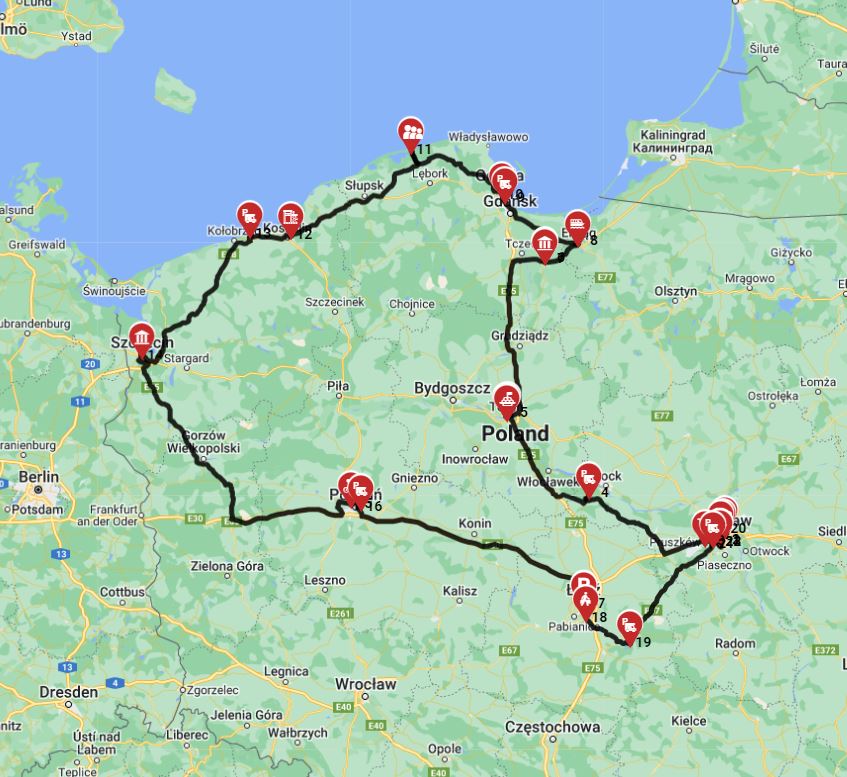
- Cruise the Masurian Lake District: Enjoy water sports, sailing, or simply relax by one of the numerous lakes. Consider a route like the "Warsaw Roundtrip - Poland North Short" which includes segments near this region.
- Hike in the Tatra Mountains: Base yourself near Zakopane for stunning mountain vistas, challenging hikes, and a taste of traditional Highlander culture.
- Visit the Baltic Coast: Explore seaside towns like Gdańsk or Sopot, relax on the beaches, and enjoy the fresh sea air.
- Stargaze in Bieszczady National Park: Experience one of Europe's best Dark Sky Parks for unparalleled stargazing opportunities in the southeastern mountains.
Final Thoughts
Renting an RV for a last-minute trip in Poland offers an incredible opportunity for spontaneous adventure and deep cultural immersion. By understanding the best times to travel, the types of campgrounds available, and how to pack efficiently, you can craft an unforgettable experience. Remember to travel slowly, allowing yourself time to truly connect with Poland's stunning landscapes and rich heritage.
Whether you're drawn to the tranquil Masurian lakes, the dramatic Tatra Mountains, or the historic cities, a rented RV provides the freedom and flexibility to explore at your own pace. With Bandana Caravan, you have a partner dedicated to making your RV journey as smooth and enjoyable as possible, right from the initial booking to the moment you return home with cherished memories.
Get inspired for your next trip! Discover top destinations, planning tips, all in one place! Plan a trip itinerary in advance with minimal effort and maximum enjoyment.