In This Guide
- Where to Camp in North Canada - Top Options
- Campground Types in North Canada (National, Private, Wild)
- Featured RV Park or Campground in North Canada
- Hookups & Amenities - What to Expect
- Booking Windows & Reservations in North Canada
- Nearby Supermarkets & Resupply Points
- Best RV Class for Camping in North Canada
- How to Save on Campgrounds in North Canada
- Where can I park my RV for free in Canada?
- What is the 3-3-3 rule for RV travel?
- Can you sleep overnight at rest stops in Canada?
- Can you park up anywhere in an RV in Canada?
- What is the 3-3-3 rule for RV camping?
- Can a US citizen go camping in Canada?
- How much does it cost to park an RV in Canada?
- How to find last-minute camping sites?
- Do you need to book campsites in Canada?
- How much do campsites cost in Canada?
- What You Shouldn't Miss
- Why Book with Bandana Caravan
- Final Thoughts
- Frequently Asked Questions
Where to Camp in North Canada - Top Options
North Canada offers unique RV camping experiences in diverse settings, from iconic national parks like Kluane National Park and Reserve (Yukon) and Nahanni National Park Reserve (Northwest Territories) to accessible territorial parks and private campgrounds.
Consider areas like Kluane National Park and Reserve in Yukon for stunning mountain scenery and access to the Alaska Highway, a legendary route that beckons adventurers. Alternatively, exploring the Dempster Highway offers remote, wilderness experiences leading all the way to the Arctic Ocean, an unforgettable journey for any intrepid RVer. Territorial Parks, such as those managed by Yukon Parks and NWT Parks, provide well-maintained sites with varying amenities, often serving as excellent bases for exploring local attractions and witnessing phenomena like the Midnight Sun or Northern Lights. These parks are less crowded than their southern counterparts, offering a more serene experience. While fewer in number, private campgrounds offer reliable services and a community atmosphere in strategic locations, often near towns for convenient resupply. For those seeking true solitude and self-sufficiency, dispersed camping (boondocking) on Crown land is also a popular option in the vast northern wilderness.
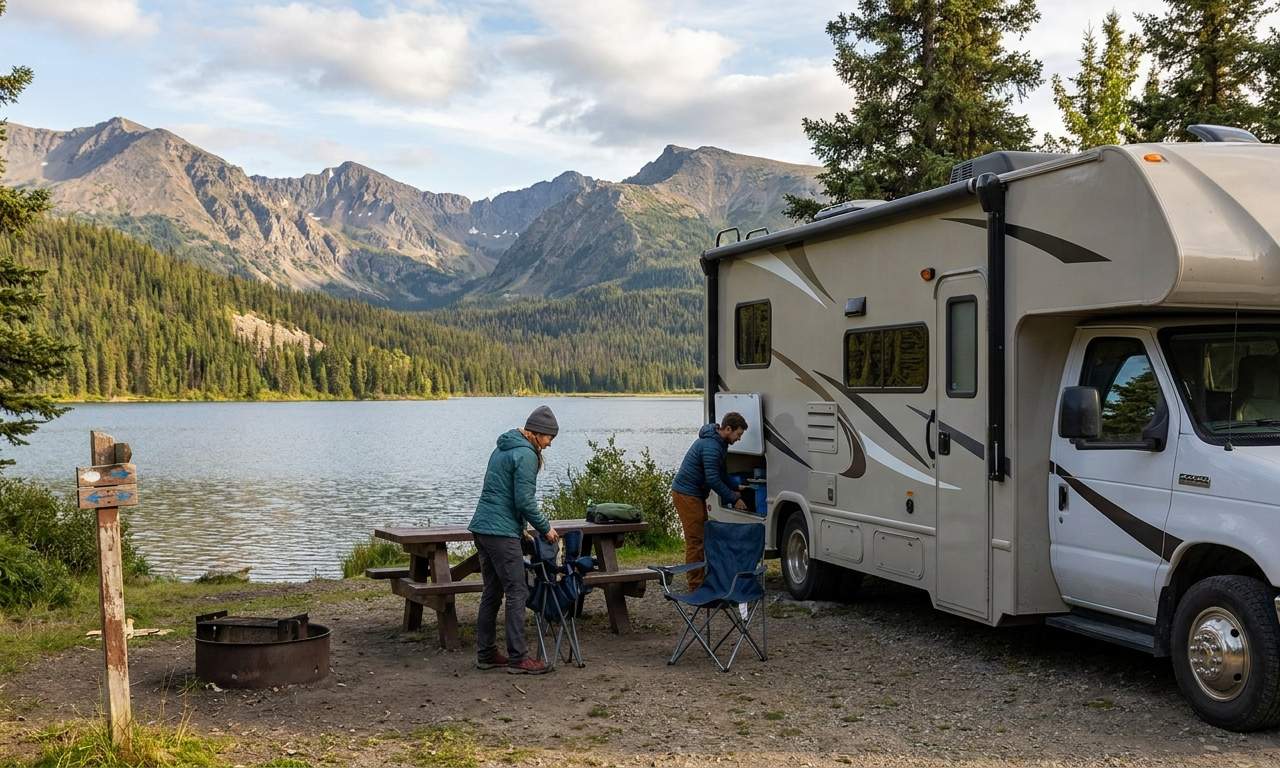
Campground Types in North Canada (National, Private, Wild)
RV camping in North Canada spans National Parks, Territorial/Provincial Parks, private campgrounds, and wild (dispersed) camping on Crown land, each offering distinct experiences and regulations.
National Parks, including Kluane in Yukon and Nahanni in the Northwest Territories, often require advance reservations, especially for their limited developed sites, and adhere to strict rules to protect their pristine ecosystems. These parks provide basic to moderate amenities and act as gateways to Canada's most breathtaking landscapes. Territorial and Provincial Parks, like those managed by Yukon Parks or NWT Parks, strike a balance, offering managed sites with some amenities, typically on a first-come, first-served basis or with limited reservation options, and are excellent for experiencing regional natural beauty. Private campgrounds, though less common in the remote North, provide the most extensive amenities, such as full hookups (electricity, water, sewer), hot showers, laundry facilities, and sometimes even Wi-Fi, making them ideal for those preferring comfort and convenience. Wild or dispersed camping on Crown land is generally permitted across large swathes of the northern territories, offering unparalleled freedom and solitude. However, this option demands complete self-sufficiency, strict adherence to 'Leave No Trace' principles, and a clear understanding of local regulations, which differ significantly from US BLM land practices. Remember to always pack out everything you pack in when choosing to wild camp.
Featured RV Park or Campground in North Canada
When looking for a featured RV park or campground in North Canada, prioritize establishments that cater to the unique demands of northern travel, offering essential services in often remote locations.
While specific "featured" parks might be subjective, a well-regarded category of option is a territorial park such as those found along the Alaska Highway or Dempster Highway. These parks often feature stunning natural backdrops and reasonable facilities like dry camping sites, fire pits, and pit toilets for a nominal fee (often $12-$20 CAD per night). For example, Kathleen Lake Campground in Kluane National Park offers incredible views and access to hiking trails. Look for campgrounds that provide reliable access to potable water and dump stations, especially as services can be sparse along northern routes. Consider locations near towns for easier resupply. Before selecting, check for visitor reviews regarding road conditions to the site, availability of local guides for unique northern experiences, and proximity to fuel stations. Some private RV parks, though rare, might offer unique amenities like guided tours or cultural experiences, adding a special touch to your adventure. You can use RV PLANET (rvplan.net) to help locate available spots and plan your route effectively. On the routes offered through RV PLANET routes, you can itemize and track every expense along the way for easy budgeting.
Hookups & Amenities - What to Expect
In North Canada, expect hookups and amenities to be less extensive and more sporadic than in southern regions, particularly outside major towns and well-established parks.
Electrical hookups (often 15 or 30 amp) and potable water are typically available at private campgrounds and some larger territorial or national park campgrounds, though water access might be seasonal and require a specific adapter. Dump stations for wastewater are available but less frequent; planning your route to ensure timely access to these services is crucial for extended trips. Wi-Fi and reliable cell service are generally unreliable or non-existent in remote northern areas; therefore, carrying a satellite communication device is highly recommended for emergency preparedness and staying connected. Laundry and shower facilities are primarily found at private RV parks or in larger community centers, requiring careful planning for longer trips. Roadside services like fuel and repairs become significantly scarcer the further north you venture, so always fill your tank and carry basic emergency supplies.
Booking Windows & Reservations in North Canada
While popular National and Territorial Park campgrounds in North Canada can fill up, especially during peak summer months, last-minute RV rentals often find flexibility due to the vastness of the region and prevalence of first-come, first-served (FCFS) sites.
For pre-planners, booking well in advance-often 3-6 months out-is crucial for securing specific sites in high-demand National Parks or popular territorial campgrounds. However, spontaneous travelers renting last minute will find that many provincial and territorial campgrounds, particularly those outside major hubs like Whitehorse or Yellowknife, operate on a significant first-come, first-served basis. In fact, many national and provincial parks reserve 25-30% of their spots specifically for FCFS. It is highly recommended to call ahead to the specific campground on the day of or day before your intended arrival, as many will confirm real-time availability. Even if your first choice is full, you will almost certainly find a place-if not at the initial campground, then at a nearby alternative, especially if you're prepared for more basic amenities or dispersed camping. Remember, flexibility is your best friend when exploring North Canada.
Nearby Supermarkets & Resupply Points
Resupply options for RV travelers in North Canada are concentrated in larger towns, demanding careful planning for groceries, water, and fuel due to long stretches between services.
Major hubs like Whitehorse (Yukon), Yellowknife (Northwest Territories), and Inuvik (NWT) offer supermarkets such as NorthMart, Co-op, and Save-On-Foods where you can stock up on a wide range of essentials. In more remote areas, smaller community stores exist but often have limited selections and significantly higher prices, so it's advisable to carry extra supplies from larger centers. Always keep your fuel tank topped up, as gas stations can be hundreds of kilometers apart on northern highways like the Alaska Highway or the Dempster Highway. Be aware that specific amenities for RVs, such as propane refills, may be specialized and found only in larger towns. Planning your menu and grocery list meticulously before leaving major towns will minimize unexpected shortages and costs during your northern RV adventure. For detailed route planning and expense tracking, which helps immensely with budgeting for these ancillary costs, RV PLANET routes offer great tools.
🎬 Video coming soon
Best RV Class for Camping in North Canada
For camping in North Canada, RV classes offering a balance of maneuverability, self-sufficiency, and durability are generally most suitable, especially for navigating unpaved or remote northern roads.
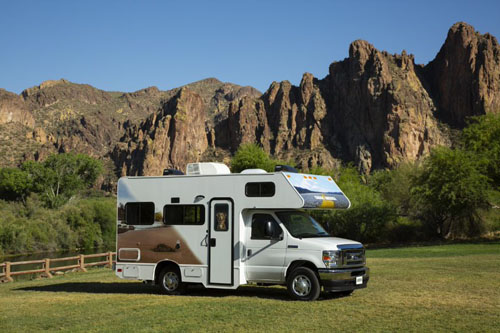
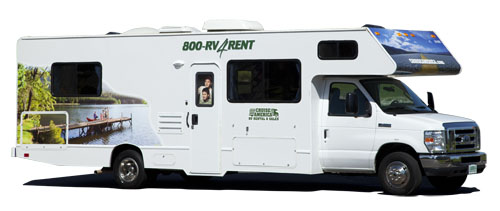
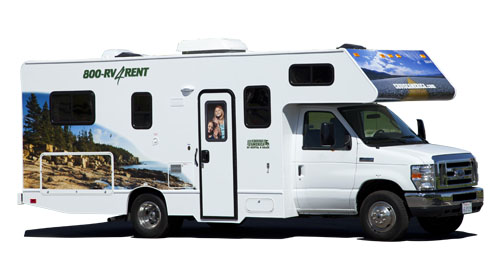
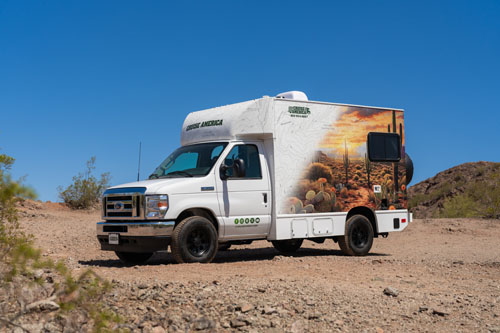
Class B Camper Vans are highly recommended, often averaging around 5.8m in length, sleeping 2-3 people, and offering excellent fuel economy of 8-10 Liters/100 km. Their compact size makes them ideal for agile travel and fitting into smaller, more rustic campsites, including many dispersed camping spots. Class TC Truck Campers are also a fantastic option for the North; they average around 5.5m in length, accommodate 2-3 people, and provide robust off-grid capabilities and higher ground clearance for varied terrain with fuel consumption typically around 12-17 Liters/100 km. Imagine a "Patagonia Camper 4x4 double cab" or similar model, perfectly suited for rugged landscapes. Class SI Semi-integrated RVs, averaging 6.9m long and sleeping 3-4 people, can be a good compromise, offering more comfort while still being manageable on northern routes, suitable for campgrounds with basic hookups. Even larger Class C motorhomes (with our global fleet averaging around 7.5m in length), like a "Cruise America Explorer" model with a 7.1m length, 4 sleeping places, 82L fresh water tank, and 11 L/100km fuel consumption, are well-suited for established campgrounds with more amenities and well-maintained roads. Drive slowly and carefully, and you can drive almost anywhere without issues. No need to stress - just use common sense and pay attention. The choice ultimately depends on your comfort preference, group size, and how deep into the wilderness you plan to venture.
How to Save on Campgrounds in North Canada
Saving money on campgrounds in North Canada is achievable by utilizing discount programs, strategic booking, and choosing less amenity-rich options.
One of the best ways to save is by leveraging campground discount cards if you plan an extended stay, as some larger private campgrounds may offer these. Another effective strategy is to opt for shoulder season travel (late spring or early fall) when demand is lower and campground rates are often reduced, while still offering pleasant weather and opportunities to see northern phenomena like the changing autumn colors or early Northern Lights. Choosing municipal or territorial campgrounds over private resorts can significantly lower costs, as they typically provide more basic facilities at a fraction of the price (e.g., $20-$40 CAD vs. $40-$80+ CAD per night). Look for weekly rates by staying 3 or more nights, which typically offer a discount compared to nightly bookings. If traveling with multiple RVs, consider sharing hookups where permitted to split utility costs, though this is less common in the North. Practicing dispersed camping on Crown land is, of course, entirely free, requiring only your self-sufficiency.
Where can I park my RV for free in Canada?
In Canada, particularly in the vast northern territories, free RV parking is largely possible on Crown land (public land) through dispersed camping or boondocking, provided there are no specific prohibitions.
Across Yukon, Northwest Territories, and Nunavut, extensive Crown land allows for self-sufficient camping away from designated campgrounds, offering unparalleled solitude and often stunning natural beauty. It is crucial to understand that free parking at rest stops or pullouts is generally for a single night of rest to combat driver fatigue, and not extended camping, with local signage dictating specific rules. Unlike the US's BLM (Bureau of Land Management) system, Canada's Crown land regulations are managed at the provincial or territorial level, so specific rules for access, duration, and environmental considerations should always be researched for the region you plan to visit. Always practice 'Leave No Trace' principles when boondocking, pack out all waste, and be prepared for full self-sufficiency as services are non-existent. For a multi-week adventure, planning your free camping stops with these principles in mind ensures a responsible and rewarding trip.
What is the 3-3-3 rule for RV travel?
The 3-3-3 rule for RV travel recommends driving no more than 300 miles (approximately 480 km) per day, arriving at your destination by 3 PM, and staying at least 3 nights, a guideline particularly beneficial for North Canada's unique conditions.
Adhering to the 'no more than 300 miles' helps prevent driver fatigue on long, often isolated northern highways, allowing more time to appreciate the scenic landscapes and navigate potentially varied road conditions like permafrost-induced undulations. Arriving by '3 PM' is critical in the North to ensure you secure a spot, especially at first-come, first-served campgrounds, or to find a suitable dispersed camping location before twilight-which can be very late during summer's Midnight Sun or early in the darker shoulder seasons. Staying 'at least 3 nights' allows for proper rest, reduces the stress of constant packing and unpacking, and provides ample time to explore the local area, which is essential given the vast distances between attractions in North Canada. While a general guideline, the '300 miles' component might need flexibility in the North where services and campgrounds can be much further apart than in more populated areas.
Can you sleep overnight at rest stops in Canada?
Sleeping overnight at rest stops in Canada is generally permissible for a single night of rest, primarily for weary travelers, provided there are no signs explicitly prohibiting it, but it should not be considered a substitute for a campground.
These stops typically lack amenities like hookups, water, or dump stations, making them suitable only for self-contained motorhomes or campervans needing a brief overnight stop. In North Canada, rest stops are fewer and often more remote than in southern provinces; always check local territorial regulations or signage at each specific stop, as rules can vary by jurisdiction (Yukon, NWT, Nunavut). Prioritize safety by choosing well-lit, visible rest stops where available, and be mindful that services like fuel or food may not be nearby. While convenient for a quick stop, prolonged stays or treating rest areas as campsites is usually discouraged and may lead to fines or being asked to move. Always check specific regulations for the "RV Rental USA - Complete Guide 2026" states if you plan a cross-border trip.
Can you park up anywhere in an RV in Canada?
No, you cannot simply park up anywhere in an RV in Canada; legal parking and camping depend on land ownership and specific regional regulations.
Private property always requires explicit permission from the landowner for overnight parking or camping. In North Canada, dispersed camping (boondocking) on vast expanses of Crown land is widely accepted in many areas, offering extensive opportunities for off-grid camping, provided you follow 'Leave No Trace' principles and local rules regarding fire restrictions or sensitive ecological zones. However, parking is generally restricted in urban areas, at commercial businesses (without permission), and within designated parks or protected areas outside of established campsites. Always look for 'No Overnight Parking' or 'No Camping' signs, especially near towns or popular attractions, and consult territorial government websites for specific guidelines on Crown land access in Yukon, Northwest Territories, and Nunavut to avoid fines or conflicts. Respect local communities and the environment to ensure a positive experience for everyone.
What is the 3-3-3 rule for RV camping?
The 3-3-3 rule for RV camping is the same principle as the 3-3-3 rule for RV travel, advising travelers to drive no more than 300 miles (480 km), arrive by 3 PM, and stay at least 3 nights, which is especially valuable for an enjoyable experience in North Canada.
This rule is designed to promote a relaxed pace, minimize travel fatigue, and maximize enjoyment of each destination, which is paramount when exploring the vast, rugged landscapes of North Canada. In a camping context, arriving by '3 PM' gives ample time to set up camp, explore the immediate surroundings, and prepare for the evening, reducing stress and ensuring you find a suitable spot, particularly at first-come, first-served northern campgrounds. Staying 'at least 3 nights' allows campers to fully immerse themselves in the unique northern environment, offering opportunities for hiking, wildlife viewing, or simply relaxing without the rush of daily relocation, also enabling deeper exploration of nearby attractions. For example, a week-long trip following this rule might involve only two or three relocations, allowing for genuine connection to the culture, the food, and the scenery. For personalized itineraries, consider Rent&Plan services which offer pre-planned routes by professionals.
Can a US citizen go camping in Canada?
Yes, US citizens can absolutely go camping in Canada, including the northern territories, provided they have valid travel documents and adhere to Canadian entry requirements and customs regulations.
A valid US passport is essential for entry into Canada by land, air, or sea, and is the primary document required for all US citizens. When traveling to North Canada, specifically between Alaska and Yukon or other northern US-Canada entry points, expect standard border procedures; officials will inquire about your purpose of visit, duration, and any goods you are bringing in, including food and alcohol. Ensure your rented RV meets Canadian safety standards (e.g., proper lighting, brakes) and that you are not bringing any prohibited items, such as firearms without proper declarations, or certain agricultural products. It's also wise to have a copy of your RV rental agreement and insurance documents readily accessible at the border crossing. We recommend obtaining a top-level deductible reimbursement upgrade for extra peace of mind during your adventure. For detailed information on costs, check out our "RV Rental in North Canada - Prices and Best Deals 2026" guide.
How much does it cost to park an RV in Canada?
The cost to park an RV in Canada varies significantly based on the type of facility and location, with prices generally higher in North Canada due to remoteness and limited infrastructure.
Free parking is possible through dispersed camping on Crown land, especially prevalent in the northern territories, requiring full self-sufficiency but incurring no direct cost for the site itself. Provincial and Territorial Parks typically charge between $20-$40 CAD per night for a basic site, often including a picnic table and fire pit, with some having minimal amenities like pit toilets. Private campgrounds, offering more extensive amenities like full hookups (electricity, water, sewer), showers, and Wi-Fi, can range from $40-$80+ CAD per night, with premium locations or full-service resorts potentially exceeding this, especially in popular towns. In the Yukon, Northwest Territories, and Nunavut, due to the remoteness and higher operational costs, expect campsite fees to be on the higher end of the spectrum compared to southern Canadian provinces, even for basic services. This should be factored into the overall budget, alongside higher fuel costs.
How to find last-minute camping sites?
Finding last-minute camping sites in North Canada involves a blend of calling ahead, checking online resources, and being prepared for first-come, first-served (FCFS) options.
Many provincial and territorial park websites offer real-time availability or reservation systems that can be checked on short notice, though popular sites might be fully booked in peak season. The North has a higher proportion of FCFS campsites, especially in more remote territorial parks and along less-traveled routes, making them excellent targets for spontaneous travelers; plan to arrive early in the day (by 3 PM is ideal) to secure a spot. Utilize RV-specific apps like iOverlander, which crowdsources information on campgrounds, boondocking spots on Crown land, and services like dump stations, often with recent user reviews and photos. Be flexible with your plans and willing to explore alternatives; if a primary campground is full, there's often a smaller, more rustic, or dispersed camping option nearby, especially in the vast northern landscape. Calling the campground directly is often the most reliable method for real-time last-minute availability in North Canada.
Do you need to book campsites in Canada?
For popular National Parks and highly sought-after Provincial/Territorial Parks in Canada, especially during peak season (June-August), booking campsites well in advance is highly recommended, sometimes up to several months ahead.
However, in North Canada, the need to book is often less critical for last-minute travelers due to fewer crowds and a greater prevalence of first-come, first-served (FCFS) campgrounds. Many smaller, regional, or more remote territorial parks operate on an FCFS basis, providing ample opportunity for spontaneous RVers to find a spot without a reservation. Remember that typically 25-30% of national park spots are also held for FCFS. Dispersed camping on Crown land requires no booking and offers ultimate flexibility for self-sufficient RVers. For peace of mind, especially if targeting a specific campground or traveling during a popular long weekend, calling the campground directly on your day of travel is the best strategy for last-minute availability. Don't worry, you'll find a spot. If not at the first campground, then the next one. Call ahead before driving.
How much do campsites cost in Canada?
Campsite costs in Canada vary widely, typically ranging from free for dispersed camping to over $80 CAD per night for full-service private resorts, with prices generally trending higher in North Canada.
Wild or dispersed camping on Crown land, a common practice in the northern territories, allows for free overnight stays for self-sufficient RVs who practice 'Leave No Trace' principles. Basic sites in provincial or territorial parks usually cost between $20 and $40 CAD per night, often including a picnic table, fire pit, and shared pit toilets, but rarely hookups. Private campgrounds with amenities like electricity, water, sewer hookups, showers, and Wi-Fi can range from $40 to $80+ CAD per night, depending on the location, services offered, and the season. In the Yukon, Northwest Territories, and Nunavut, due to the remoteness and higher operational costs, expect campsite fees to be on the higher end of the spectrum compared to southern Canadian provinces, even for basic services. When calculating your total trip budget, remember to factor in these dynamic prices, along with higher fuel costs and groceries found in remote northern towns. Our transparent pricing means what you see is what you pay, with no surprise fees at pickup, but campsite costs are separate and require your own research.
What You Shouldn't Miss
- **Drive the Alaska Highway:** Experience the legendary route through the Yukon, a bucket-list journey for many RVers, offering stunning scenery and a connection to history.
- **Marvel at Kluane National Park and Reserve:** Hike among Canada's highest mountains and largest icefields, or enjoy the serene beauty of Kathleen Lake.
- **Witness the Midnight Sun or Northern Lights:** Depending on the season, experience 24-hour daylight in summer or the magical aurora borealis in the darker months from your rented campervan.
- **Explore the Dempster Highway:** Venture onto Canada's only public road crossing the Arctic Circle, a truly wild and remote RVing experience to Inuvik or Tuktoyaktuk.
- **Discover the Waterfalls of NWT:** Near Yellowknife, explore a series of powerful and accessible waterfalls like Alexandra Falls and Louise Falls, offering beautiful stops and campgrounds.
- **Visit Dawson City, Yukon:** Step back in time to the Klondike Gold Rush era, explore historic sites, and perhaps try your hand at gold panning.
Looking for expert insights from Avi Bandana? Top 5 Adventures - recommendations from Avi Bandana
Avi Bandana, our founder, is a true RV travel enthusiast who believes in sharing the best experiences. His personal recommendations always focus on the unique, the authentic, and the unforgettable. Keep an eye on our resources for his favorite hidden gems in North Canada!
Final Thoughts
A last-minute RV camping adventure in North Canada is a journey of discovery, offering incredible landscapes, unique cultural experiences, and the freedom of the open road. While the region demands a bit more preparation and self-sufficiency than more populated areas, the rewards are immense. From the majestic mountains of Kluane to the remote beauty of the Dempster Highway, your rented motorhome or campervan will be your perfect companion.
Remember to embrace slow travel, averaging no more than 100-150 km per day, allowing yourself time to truly feel the place, connect to the culture, the food, and the scenery. With Bandana RV, you have a partner dedicated to transparency, support, and helping you find the ideal camper for your unique northern exploration. So, whether you're a pre-planner or a spontaneous adventurer, the call of North Canada awaits!
Discover top destinations and planning tips, all in one place. Plan a trip itinerary in advance with minimal effort and maximum enjoyment. Compare Last-Minute RV Rental Deals for North Canada now.