In This Guide
- Where to Camp in Namibia - Top Options
- Campground Types in Namibia (National, Private, Wild)
- Featured RV Park or Campground in Namibia
- Hookups & Amenities - What to Expect
- Booking Windows & Reservations in Namibia
- Nearby Supermarkets & Resupply Points
- Best RV Class for Camping in Namibia
- Class SI - Semi-integrated RVs for Namibia Camping
- Class C - Alcove RVs for Namibia Camping
- Class B - Camper Vans for Namibia Camping
- Class A - Integrated RVs for Namibia Camping
- Class TC - Truck Campers for Namibia Camping
- How to Save on Campgrounds in Namibia
- Is it safe to RV in Namibia
- How much does it cost to RV in Namibia
- Do you need a 4x4 for Namibia RV
- When is the best time to RV in Namibia
- How long does it take to RV around Namibia
- Can you wild camp in Namibia
- What documents do I need to RV in Namibia
Imagine yourself on the open road, the vast, stunning landscapes of Namibia unfolding before you, with the freedom of a rented motorhome as your mobile base. A last-minute RV camping adventure in Namibia offers incredible flexibility and immersion in one of Africa's most breathtaking countries. For live availability and current prices, start with our RV Rental Namibia - Complete Guide 2026 guide, where you'll find everything you need to begin planning your unforgettable journey.
Where to Camp in Namibia - Top Options
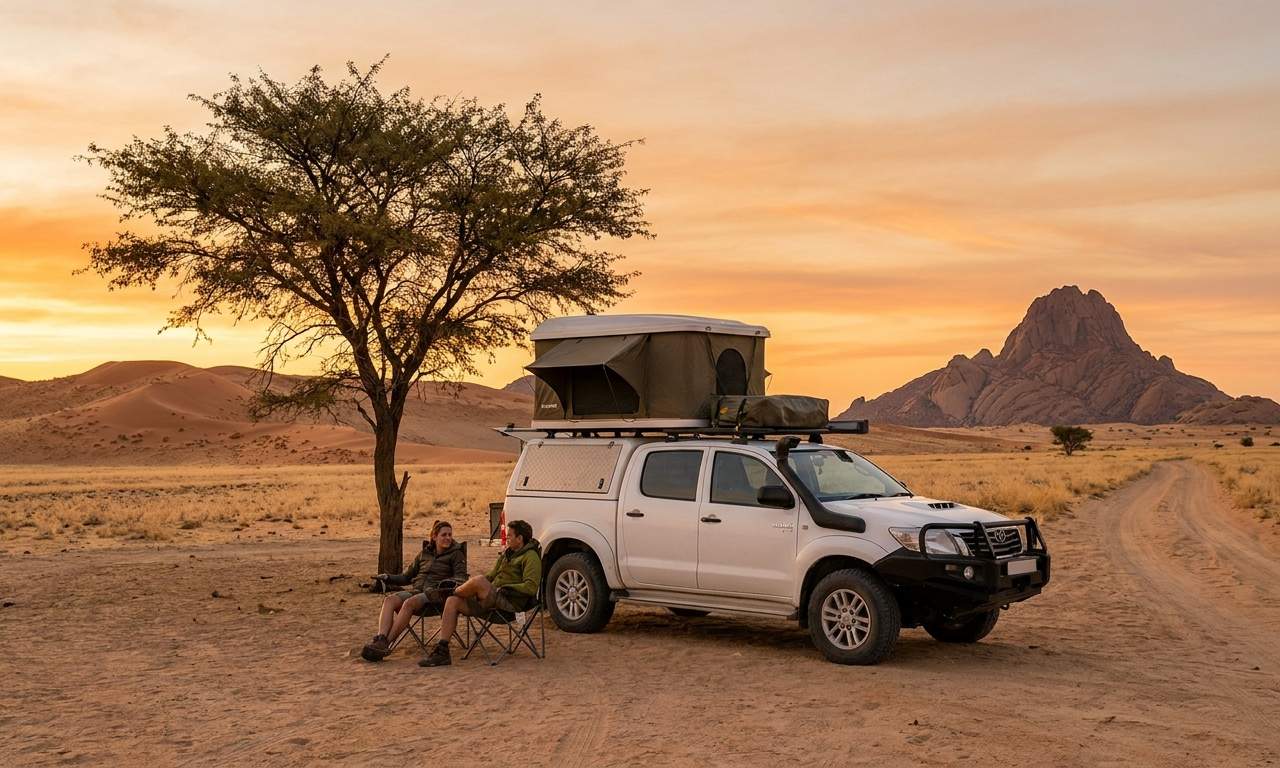
Namibia offers diverse camping experiences, ranging from well-serviced private resorts to rustic national park sites, providing options for every type of RV traveler. Popular regions for RV camping include Etosha National Park, renowned globally for its abundant wildlife viewing opportunities, where you can often spot elephants and rhinos near waterholes directly from your camp. The coastal town of Swakopmund provides unique desert activities like quad biking and sandboarding, with various campgrounds suitable for different motorhome sizes. Additionally, the dramatic landscapes of Sossusvlei and the Namib-Naukluft National Park are must-visit areas for their iconic red dunes and desert adapted wildlife, offering some of the most spectacular photographic opportunities in Africa. Other notable regions for cultural immersion include Damaraland with its ancient rock art and unique desert elephant populations, or the breathtaking scenery of the Fish River Canyon in the south.
For those looking for an authentic experience, consider visiting towns like Walvis Bay for birdwatching and marine life, or Windhoek, the capital, which offers a great starting point for many RV routes. You can find detailed information on these destinations and more by looking into RV Driving Deals in Namibia - Routes and Savings 2026 or exploring our "RV Rental in Namibia - Prices and Best Deals 2026" guide.
Campground Types in Namibia (National, Private, Wild)
Namibia features three main types of campgrounds: national park sites, private resorts, and very limited opportunities for wild camping, each offering a distinct experience for RVers. National Park Campsites, particularly within Etosha National Park and others managed by Namibia Wildlife Resorts (NWR), offer basic facilities like ablution blocks and braai (barbecue) areas, providing unparalleled proximity to wildlife. These popular sites often require advance booking, especially for the peak dry season (May-October), but NWR often reserves 25-30% of their spots for first-come, first-served arrivals, which is great for last-minute travelers. Private Campsites and Resorts, typically located in towns or near major attractions like Swakopmund, offer a wider range of amenities such as pools, restaurants, and reliable 220-240V electric hookups, providing a more comfortable and luxurious experience.
Wild Camping (Freedom Camping) is generally not permitted or recommended in Namibia due to significant safety concerns regarding wildlife, land ownership issues, and the potential for environmental damage. However, in truly remote, uninhabited areas, it might be tolerated with explicit landowner permission, which is rare for tourists to secure. It is crucial to prioritize environmental and cultural responsibility by strictly adhering to designated campsites, properly disposing of all waste, and minimizing impact on Namibia's fragile ecosystems.
Featured RV Park or Campground in Namibia
When selecting an RV park in Namibia, travelers should look for establishments that prioritize security, provide essential amenities, and offer an authentic local experience, going beyond just major safari routes. While specific campground data varies, a good RV park will typically offer guarded premises, ensuring peace of mind, along with clean ablution blocks for comfort. Many sites provide braai (barbecue) facilities, which are perfect for enjoying local cuisine or an RV-friendly recipes playlist meal under the African sky. Prioritize locations that serve as a strategic base for exploring unique non-wildlife attractions, such as the ancient rock art of Twyfelfontein in Damaraland, or for interacting with local communities. For instance, sites near Etosha's southern gates, like Okaukuejo Camp or Halali Camp (managed by NWR), are excellent for wildlife viewing, featuring floodlit waterholes. However, for a different flavor, consider smaller, community-run campsites in regions like the Erongo Mountains or along the Brandberg Massif, which offer cultural experiences and stunning desert scenery with fewer crowds.
Hookups & Amenities - What to Expect
RV camping in Namibia offers varying levels of hookups and amenities, with most private sites providing essential services while national park sites may be more basic. Travelers should expect electric hookups (typically 220-240V, using Type D, M, or N sockets common in Southern Africa) at most private campgrounds and some larger national park camps, but many national park sites may offer limited or no electricity, requiring a rented motorhome with strong battery independence. Water points are usually available, though potable water can be scarce in very remote areas, necessitating careful conservation and planning for water resupply; dump stations for grey and black water are primarily found at larger private resorts and some municipal sites. On the routes offered through RV PLANET routes, you can itemize and track every expense along the way for easy budgeting.
Wi-Fi availability is generally limited and often unreliable outside major towns (like Windhoek, Swakopmund, or Walvis Bay) or upscale private lodges. For digital nomads or for essential communication in remote regions, a satellite phone or a portable Starlink system is an essential consideration for staying connected. Laundry facilities are common at private sites, and hot showers are generally available, although water pressure and temperature can vary, especially at more rustic national park facilities. Remember to be mindful of water consumption in this arid country, reflecting environmental responsibility for RVers. When planning your routes, remember to use RV PLANET (rvplan.net) to help find campsites and itemize every expense along the way for easy budgeting.
Booking Windows & Reservations in Namibia
For last-minute RV rentals in Namibia, spontaneous travelers can often find same-day or next-day campground availability, particularly outside of peak tourist seasons (which run from May to October). While it's always advisable for pre-planners to book popular national park campgrounds, especially those managed by Namibia Wildlife Resorts (NWR), months in advance, many parks often reserve 25-30% of their spots for first-come, first-served arrivals. This policy provides excellent opportunities for flexible travelers who prefer to book their rented mobile home adventure on the fly, offering more freedom to adapt their route as they go.
There's no need to stress about finding a spot: you will almost certainly find a place to stay, even if it means trying a second or third campground along your route. However, calling ahead before driving long distances is highly recommended to confirm current availability. Independent RVers should also familiarize themselves with booking procedures for state or community campsites, as these can differ from private lodge bookings and may involve contacting local offices or directly approaching site managers. Remember, Bandana RV provides full transparency in booking and 24/7 support for any pre-booking questions or coordination, ensuring you're well-prepared.
Nearby Supermarkets & Resupply Points
RV travelers in Namibia can find reliable supermarkets and resupply points in larger towns, ensuring consistent access to provisions for their rented campervan journey. Look for major chains like Shoprite, Checkers, and Spar in cities such as Windhoek, Swakopmund, and Walvis Bay. These locations offer a wide selection of groceries, fresh produce, meat, and other essentials for cooking on board your mobile home. In smaller towns, local shops and petrol stations may offer a more limited range of items, so it's always wise to stock up generously whenever passing through a larger center, especially before heading into remote areas. For independent RVers, planning your route around these resupply points is crucial for managing daily provisions, keeping your fuel tank full, and ensuring adequate water supply, as availability diminishes significantly in the country's vast, remote regions. This strategic planning also helps manage ancillary costs, which can be tracked effectively on RV PLANET routes for easy budgeting.
Best RV Class for Camping in Namibia
The ideal RV class for camping in Namibia balances comfort, maneuverability on diverse roads, and self-sufficiency, often leaning towards more compact and robust models. For travelers exploring the primary tarred and well-maintained gravel roads, a Class SI - Semi-integrated motorhome or a Class C - Alcove RV offers a good balance of living space and amenities. However, if your adventure includes more challenging, off-the-beaten-path destinations like Kaokoland or the sandy tracks of Damaraland, a 4x4 capable vehicle like a Class TC - Truck Camper becomes highly recommended for its enhanced traction and ground clearance.
Class SI - Semi-integrated RVs for Namibia Camping
Bandana's global fleet of Class SI - Semi-integrated RVs, averaging 6.9 meters in length, provides a comfortable option for up to 3.8 sleeping places and 3.4 adults, making them a popular choice for couples or small families in Namibia. These motorhomes typically offer a load capacity of about 72.2 kg and generally achieve a fuel consumption of 10-11 Liters/100 km, offering a good balance between living space and fuel efficiency on long drives across the country. A "2 Berth Rover" is an example of a Class SI with automatic transmission, ideal for a couple, and comes with roof air conditioning. Semi-integrated RVs are well-suited for Namibia's main routes and many national park roads, providing amenities for longer stays, though they may be less agile on very challenging gravel tracks compared to smaller vans. For exploring major cities like Windhoek or Swakopmund, drive slowly and carefully, and you can drive almost anywhere without issues. No need to stress - just use common sense and pay attention.
Class C - Alcove RVs for Namibia Camping
Bandana's Class C - Alcove RVs are spacious, averaging 7.5 meters in length, and can accommodate larger families or groups with 5.8 sleeping places and space for 4.4 adults, making them excellent for a comprehensive Namibian adventure. With an average load capacity of 42.4 kg and fuel consumption typically ranging from 10-12 Liters/100 km (global fleet average), these vehicles provide ample living space, a 3-burner gas stove for meal prep, and comfort for extended trips. A "24' Class C Motorhome" is a perfect example, offering automatic transmission, a generator, and sleeping for up to 5 people. Alcove RVs are ideal for those prioritizing interior space and amenities, though their larger size requires more careful navigation on narrower or less-maintained Namibian roads, and particularly when maneuvering through towns. A "cruise america rv rental example Explorer" is another Class C option with 4 sleeping places and 11 Liter / 100 Km fuel consumption.
Class B - Camper Vans for Namibia Camping
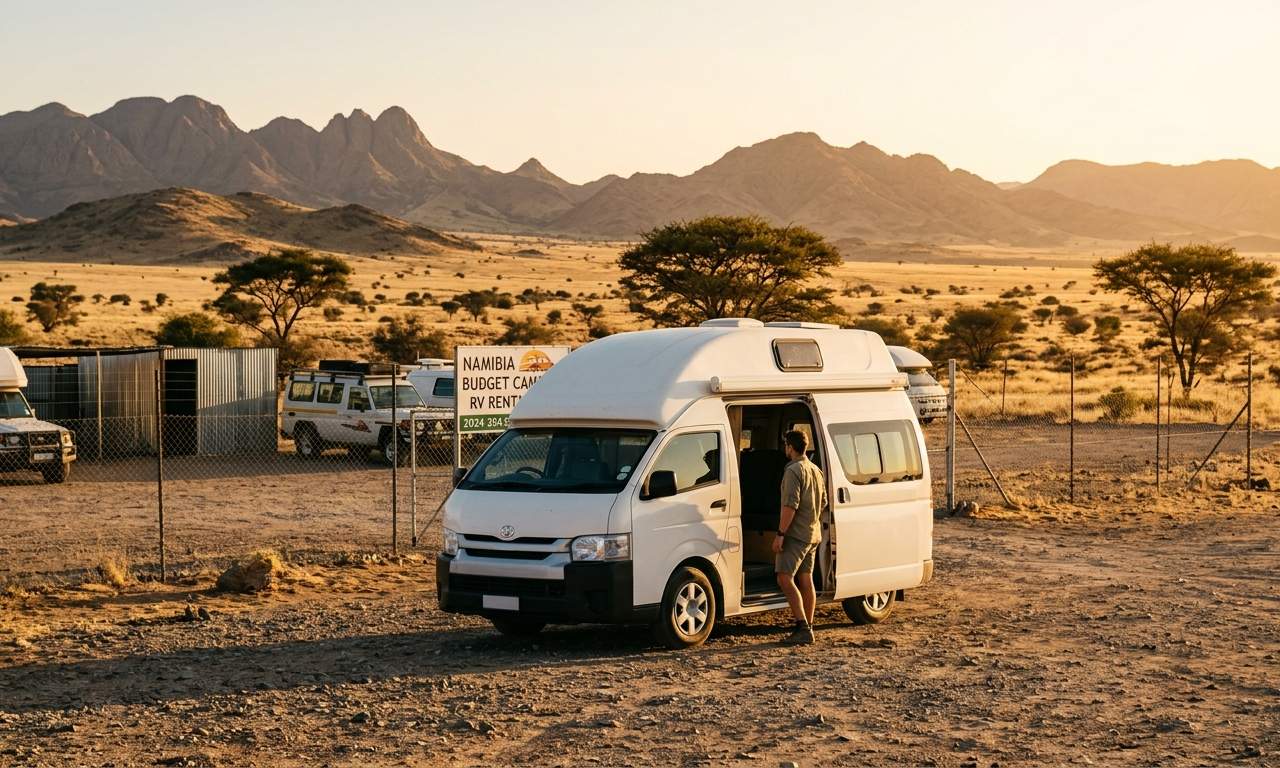
Bandana's Class B - Camper Vans, averaging 5.8 meters in length, are highly maneuverable and economical, ideal for 3.2 sleeping places and 2.7 adults, making them perfect for couples or solo adventurers exploring Namibia. These compact RVs typically offer a load capacity of 37 kg and boast excellent fuel efficiency, often achieving 8-10 Liters/100 km (global fleet average), which is a significant advantage on long Namibian drives. An example is the "2 Berth Hi Top" camper van, featuring automatic transmission and front air conditioning. Camper vans are excellent for navigating diverse Namibian roads, from main highways to more adventurous gravel tracks, and are suitable for both powered campsites and more self-sufficient boondocking experiences, offering a balance of comfort and agility. They are also a popular choice for those interested in a "Cheap RV Rental in Namibia - Budget Guide 2026".
Class A - Integrated RVs for Namibia Camping
Bandana's Class A - Integrated RVs represent the largest and most luxurious option, averaging 7.5 meters in length, designed for 4.4 sleeping places and 4 adults, offering extensive amenities and living space for a premium travel experience in Namibia. With a substantial average load capacity of 209.5 kg, these RVs are well-equipped for longer, comfortable trips, though their fuel consumption averages 8-12 Liters/100 Km (global fleet average, noting a wide range based on model). The "Class A - Thor ACE 30" with 6 sleeping places is a prime example of the luxury and space these vehicles provide. While offering unparalleled comfort, their size can limit access to very remote or challenging campsites in Namibia; they are best suited for well-maintained roads and established, larger RV parks. For more insights on premium options, consider reading our "Luxury RV Rental in Namibia - Premium Prices 2026" guide.
Class TC - Truck Campers for Namibia Camping
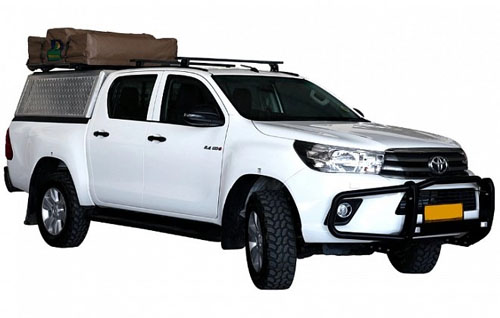
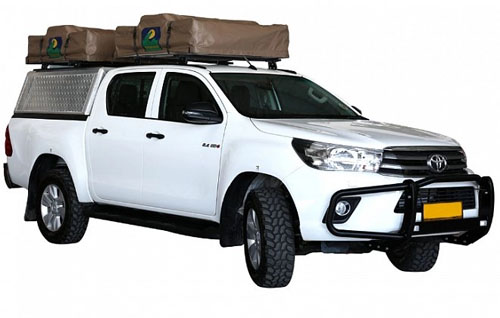
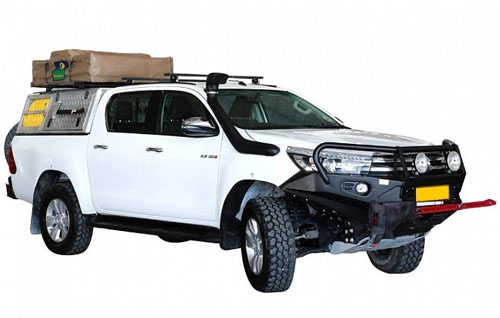
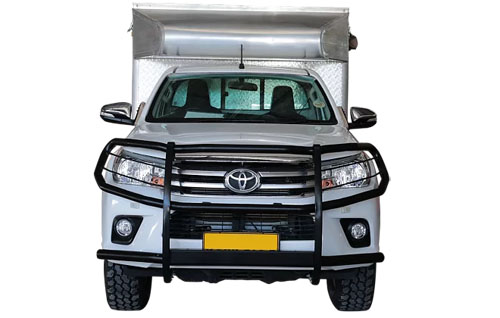
Bandana's Class TC - Truck Campers are a robust and versatile option, averaging 5.5 meters in length, ideal for 2.4 sleeping places and 2.1 adults, providing significant off-road capability essential for Namibia's rugged terrain. These units typically have a higher fuel consumption, ranging from 12-17 Liters/100 km (global fleet average), reflecting their sturdy design and often 4x4 drivetrain. A "4x4 Camper B - TYR" offers shower and toilet facilities, while a "Patagonia Camper 4x4 double cab" is another excellent choice for a couple, both small and robust. Truck campers are excellent for adventurers looking to explore remote and rugged areas of Namibia, offering the flexibility of a 4x4 vehicle with integrated living quarters, making them suitable for truly off-the-beaten-path experiences. For those planning a "One-Way RV Rental in Namibia - Price Guide 2026" through diverse landscapes, a truck camper offers unmatched versatility.
How to Save on Campgrounds in Namibia
To save on campground costs for a last-minute RV rental in Namibia, leveraging discount cards and strategic booking can significantly reduce expenses. Look for campground discount cards, sometimes offered by rental providers or through affiliations, which can provide preferential rates at partner campgrounds across the region. Booking your rented caravan during the shoulder season (typically April-May or September-October) often results in lower rates and fewer crowds compared to the peak dry season, offering a more relaxed experience. Choosing municipal or regional campgrounds over private resorts can also yield savings, as they typically offer more basic facilities at a lower price point, often around N$150 (approximately $10 USD) per night. Additionally, consider staying 3 or more nights at a single location for potential weekly rates, maximizing your budget. When planning your trip with RV PLANET routes, you can itemize and track every expense along the way for easy budgeting, ensuring no surprises.
Is it safe to RV in Namibia
RVing in Namibia is generally safe, provided travelers adhere to key safety protocols, especially when navigating remote areas and encountering wildlife. Before departure, thoroughly check your rented motorhome to ensure all systems are functional, tires are in good condition, and you have essential tools and spares for potential breakdowns on remote gravel roads. Always inform someone of your itinerary, especially when venturing into less-traveled regions, and maintain a safe distance from animals; never feed wildlife, particularly when camping outside fenced park areas where species like elephants and rhinos can roam freely. For enhanced safety and communication in vast, often signal-less regions, consider renting or purchasing a satellite phone or a personal locator beacon (PLB), and ensure you have a comprehensive list of local emergency contacts and mechanics suitable for RVs. Drive slowly and carefully, and you can drive almost anywhere without issues. No need to stress - just use common sense and pay attention.
How much does it cost to RV in Namibia
The cost of RVing in Namibia varies widely based on RV type, rental duration (e.g., a week-long trip versus an extended road trip), chosen route, and travel lifestyle, but typically includes fuel, campsite fees, national park entry permits, and daily provisions. Fuel consumption is a major expense; for example, Bandana's Class SI RVs typically use 10-11 Liters/100 km, while more robust 4x4 Truck Campers might consume 12-17 Liters/100 km, with diesel prices fluctuating across the country. Campsite fees can range from N$150 (approx. $10 USD) per night for basic national park sites to N$400-N$800+ ($25-$50+ USD) for private resorts offering more amenities. Special national park entry permits typically cost around N$80 per person per day, plus an additional N$50 per vehicle per day. Independent travelers should also budget for minimal water/power resupply costs (often included at campsites), potential vehicle maintenance or tire repair on gravel roads, and daily provisions, which can be managed effectively by buying from local supermarkets in larger towns like Windhoek or Swakopmund. Prices are dynamic like flight tickets-they change daily based on availability, seasonality, and supplier marketing decisions, with the final price set at actual booking time.
Do you need a 4x4 for Namibia RV
While a 4x4 RV is not strictly necessary for all of Namibia's main tourist routes, it is highly recommended for exploring more remote areas, especially during certain seasons or for accessing specific campsites. For paved roads and well-maintained gravel roads (e.g., between major towns like Windhoek, Swakopmund, and Etosha), a standard 2WD RV like a Class SI - Semi-integrated or Class C - Alcove motorhome is often sufficient. However, for destinations like Damaraland, Kaokoland, or during the wet season (November-April) when river crossings and sandy tracks are common, a 4x4 RV (such as a Class TC - Truck Camper) provides essential traction, higher ground clearance, and improved safety. Road conditions significantly impact the necessity for a 4x4; always check the current road status, especially for specific routes or during the wet season which can make certain areas impassable for 2WD vehicles. This helps ensure your RV adventure in Namibia is smooth and safe, regardless of vehicle type.
When is the best time to RV in Namibia
The best time to RV in Namibia is generally during the dry winter months, from May to October, offering optimal wildlife viewing and more accessible road conditions. During this period, temperatures are cooler and more pleasant, vegetation is sparse, and animals congregate around waterholes, making them easier to spot from your rented RV. The dry season also means that Namibia's extensive gravel roads are generally in better condition, with less risk of getting stuck or encountering washed-out tracks, making independent travel smoother for all RV types. Conversely, the wet season (November to April) brings lush landscapes and migratory birds, but also higher temperatures, humidity, and significantly impacts road conditions. River crossings, particularly in regions like Kaokoland, can become impassable, and certain areas may be limited to non-4x4 RVs. Planning for a "Weekly RV Rental in Namibia - Pricing 2026" during the dry season offers the most reliable travel experience.
How long does it take to RV around Namibia
The ideal duration to RV around Namibia to experience its diverse landscapes and attractions typically ranges from a 10-day trip to three weeks, depending on the depth of exploration desired. A 10-day itinerary allows for visiting highlights like Etosha National Park for wildlife and the Sossusvlei dunes for iconic desert scenery, though it requires a faster pace and less time for spontaneous detours. A two-week adventure provides a more relaxed journey, enabling visits to additional regions like the Skeleton Coast, Damaraland for cultural sites, or the dramatic Fish River Canyon, with more time to immerse in local experiences and appreciate the vastness. For a comprehensive experience that includes truly off-the-beaten-path locations and deeper local immersion, allowing three weeks or more is recommended, accommodating a slower travel pace of max 100-150 km per day, connecting to the culture, the food, and the scenery, and supporting local businesses directly. Discover top destinations, planning tips, all in one place!
Can you wild camp in Namibia
Wild camping, or freedom camping, is generally discouraged and often illegal in Namibia due to complex land ownership laws, safety concerns related to abundant wildlife, and the critical need for environmental protection. While not explicitly permitted for tourists, truly remote and uninhabited areas might be 'tolerated' if explicit prior permission is obtained from landowners, which is a rare and challenging endeavor for independent travelers. It is crucial to prioritize environmental and cultural responsibility by strictly adhering to designated campsites, properly disposing of all waste, and minimizing impact on Namibia's fragile ecosystems and cultural heritage sites. Independent RVers should focus on utilizing established national park or private campsites, which offer safety, basic amenities, and legal assurance, instead of attempting unauthorized wild camping. These designated sites help preserve Namibia's natural beauty for future generations, while still providing incredible access to its wonders.
What documents do I need to RV in Namibia
To RV in Namibia, travelers typically need a valid driver's license, an International Driving Permit (IDP), their passport, vehicle registration papers, and specific permits for national parks or restricted areas. For foreign nationals, a valid passport with at least six months of validity beyond your intended stay and sufficient blank pages for stamps is essential, along with a visa if required for your nationality (it is always advisable to check current requirements with the Namibian embassy or consulate well in advance of your trip). An International Driving Permit (IDP), carried alongside your national driver's license, is often required or strongly advised for non-SADC (Southern African Development Community) license holders to legally drive a rented RV in Namibia. Independent RVers must also consider national park entry permits, which are purchased at park gates or NWR offices. For very specific areas or activities, such as exploring certain concession areas or research sites, additional bureaucratic processes for permits might be necessary, requiring proactive planning.
What You Shouldn't Miss
- Explore the dramatic dunes of Sossusvlei and climb Big Daddy for an unforgettable sunrise or sunset view, a truly iconic Namibian experience.
- Embark on a wildlife safari in Etosha National Park, especially focusing on waterholes where animals gather, for incredible viewing opportunities from your rented camper.
- Visit the coastal town of Swakopmund for its unique blend of German colonial architecture and adrenaline-pumping desert activities like quad biking or sandboarding.
- Discover the ancient rock art at Twyfelfontein, a UNESCO World Heritage site, and encounter the fascinating Himba people for a rich cultural immersion.
- Experience the profound silence and vastness of the Fish River Canyon, the second-largest canyon in the world, offering breathtaking panoramic vistas.
- Looking for expert insights from Avi Bandana? Top 5 Adventures - recommendations from Avi Bandana.
Final Thoughts
Namibia truly is a destination that comes alive when explored by a rented motorhome or campervan. The freedom to chase horizons, wake up to breathtaking desert sunrises, and immerse yourself in incredible wildlife and culture on your own schedule is unparalleled. With the diverse camping options and the support of a dedicated team, your last-minute RV camping adventure in Namibia can be just as spontaneous and fulfilling as you dream.
Remember to embrace slow travel, aiming for an average of 100-150 km per day, allowing yourself the time to truly connect with this magical country. Whether you're a seasoned RVer or planning your first journey, Namibia promises an unforgettable experience. Plan a trip itinerary in advance with minimal effort and maximum enjoyment.
Don't wait to turn your dreams into reality. Check Namibia RV Rental Prices Now and compare motorhome prices for Namibia to find your perfect vehicle for an incredible journey across this spectacular land. Adventure awaits!