In This Guide
- Where to Camp in Europe — Top Options
- Campground Types in Europe (National, Private, Wild)
- Featured RV Park or Campground in Europe
- Hookups & Amenities — What to Expect
- Booking Windows & Reservations in Europe
- Nearby Supermarkets & Resupply Points
- Best RV Class for Camping in Europe
- How to Save on Campgrounds in Europe
- What is the 3-3-3 rule for RV travel?
- Can you park a motorhome anywhere in Europe?
- What are the best ways to find an RV park last minute?
- What is the 333 rule for campervan?
- Is rving a thing in Europe?
- What is the 3 3 3 rule for RV travel?
- Which European country has the best campsites?
- How to find last minute camping?
- Can you sleep anywhere in a campervan in Europe?
- Which European country is best for camping?
Where to Camp in Europe — Top Options
Europe offers a breathtaking tapestry of camping opportunities, from the sun-drenched Mediterranean coasts to the serene alpine peaks and the rugged, wild landscapes of Scandinavia. When considering your last-minute RV rental in Europe, you'll find diverse regions that cater to every travel style. For those seeking picturesque pitches with stunning natural backdrops, the Italian Dolomites or the German Black Forest are exceptional choices. If you prefer a touch of luxury and well-appointed facilities, the South of France boasts numerous high-quality campsites. Each region presents a unique camping culture and a variety of amenities, ensuring a memorable experience for every traveler.
Campground Types in Europe (National, Private, Wild)
When planning your European RV adventure, understanding the different types of campgrounds available is key. National park campgrounds often provide a more rustic charm, offering unparalleled proximity to nature with facilities that are typically more basic but deliver unique, immersive experiences. On the other hand, private campgrounds, prevalent across countries like France, Italy, and Germany, offer a wider spectrum of amenities. These can range from swimming pools and on-site restaurants to organized activities, though they generally come at a higher price point. Wild camping, often referred to as 'freedom camping,' is a more complex matter; it's largely restricted or illegal in most of Western Europe, with notable exceptions or more relaxed rules often found in parts of Scandinavia and Eastern Europe. It's always crucial to verify local regulations before attempting any form of wild camping to ensure you're respecting the law and local customs.
Featured RV Park or Campground in Europe
When selecting an RV park for your European journey, prioritize sites with excellent user reviews that highlight essential amenities like reliable electric hookups and readily available fresh water. Convenient access to local attractions or public transport is also a significant plus, especially if you plan on exploring cities. Key features that many RVers seek include shaded pitches for comfort during warmer months, modern and meticulously clean sanitary facilities, and dependable internet access for seamless trip planning. Many European campgrounds are exceptionally family-friendly, often featuring playgrounds, organized children's activities, and even direct beach access, making them ideal for longer, more relaxing stays. For instance, consider the "

Hookups & Amenities — What to Expect
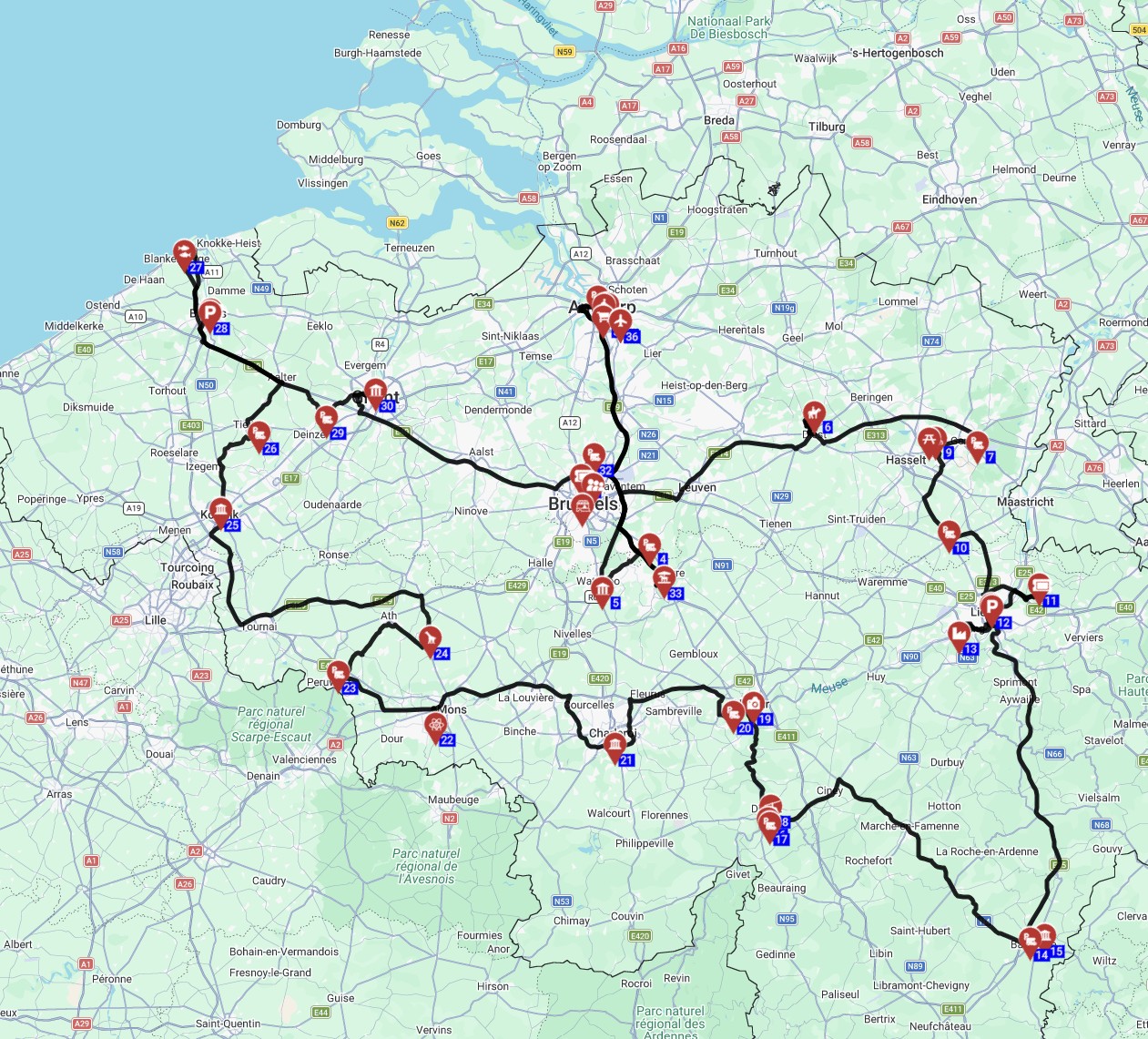
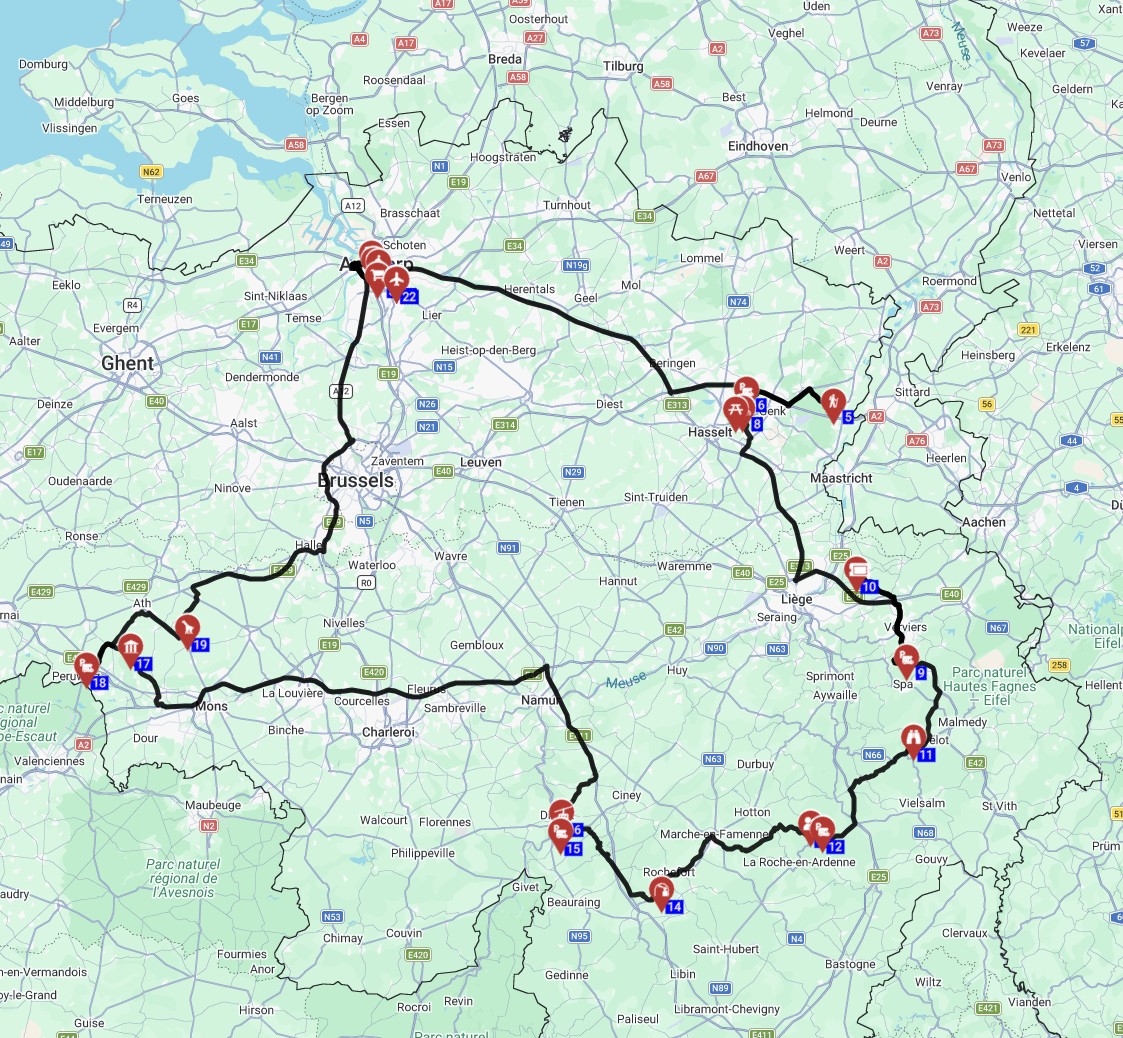
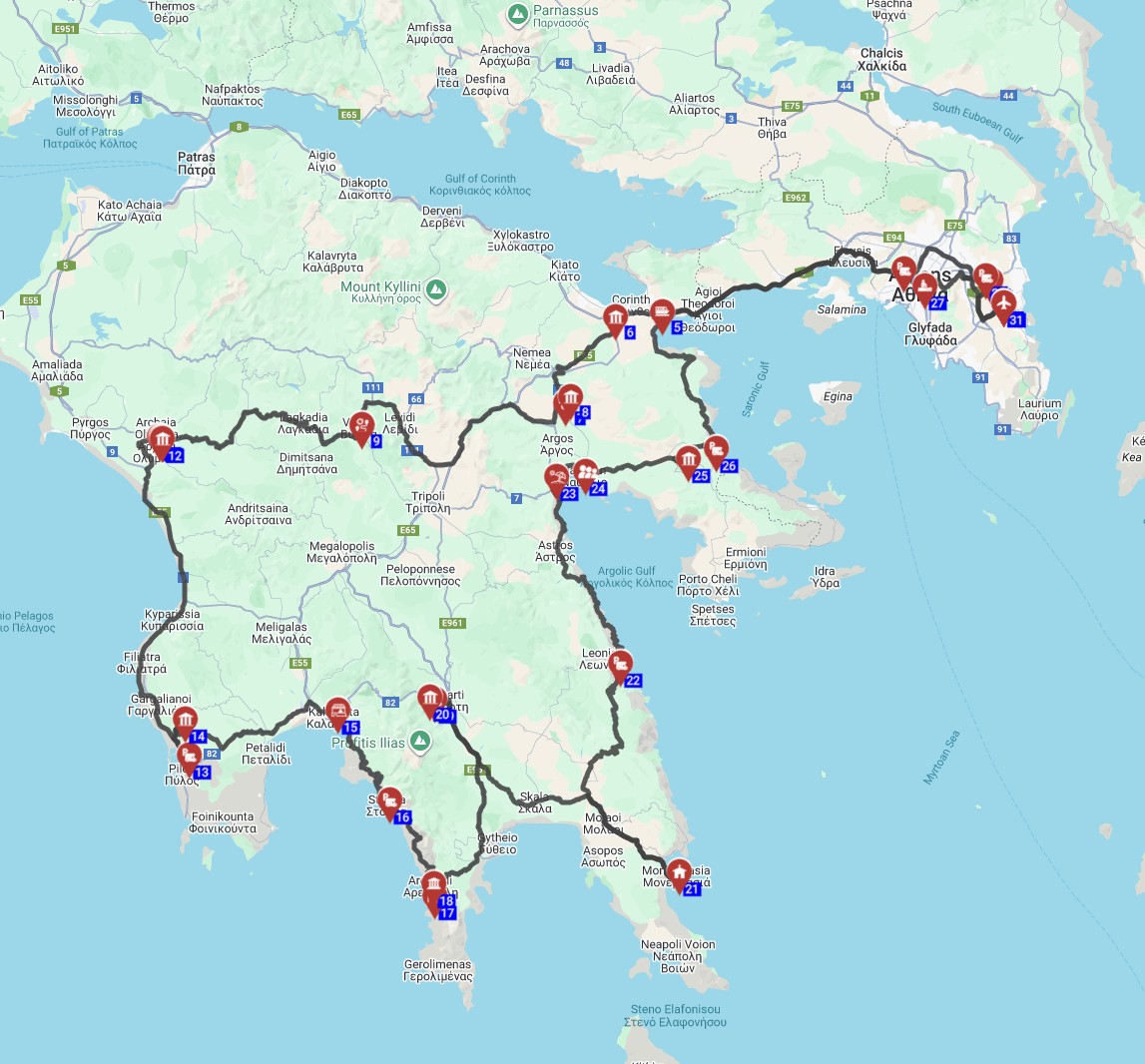
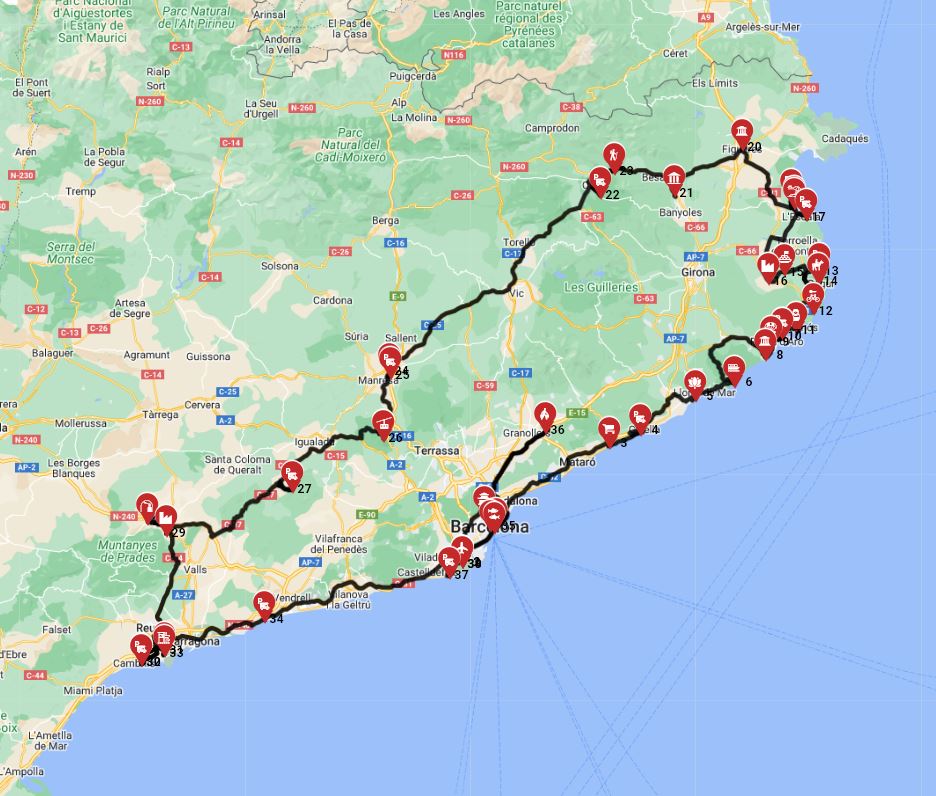
European campgrounds typically provide a standard set of amenities to ensure a comfortable RV experience. You can expect to find electric hookups, usually requiring a 2-pin CEE plug (standard 230V), alongside fresh water taps and convenient grey and black water dump stations at most sites. Beyond these essentials, additional comforts are widely available, such as Wi-Fi connectivity (often an additional charge) and on-site laundry facilities. Hot showers are a common offering at most private and many public camping locations. For those seeking more extensive amenities, larger or resort-style campgrounds may feature swimming pools, grocery stores, restaurants, and diverse recreational areas, adding to the convenience and enjoyment of your stay. On the routes offered through RV PLANET routes, you can itemize and track every expense along the way for easy budgeting.
Booking Windows & Reservations in Europe
Securing a last-minute RV rental in Europe is often achievable, especially if you are flexible with your travel dates or destinations, particularly outside the peak summer season (July-August) or in less frequented regions. While highly popular sites and national parks might fill up quickly, a significant number of campgrounds operate on a first-come, first-served basis or readily accept same-day or next-day reservations. A useful guideline to remember is that many national park campgrounds only release about 25% to 30% of their spots for advance reservations, leaving the majority open for spontaneous arrivals. Therefore, it's always a good practice to call ahead directly to confirm availability before driving to your intended campground, helping to prevent unnecessary travel and potential disappointment.
Nearby Supermarkets & Resupply Points
Restocking your RV provisions in Europe is generally straightforward thanks to the continent's extensive network of supermarkets. Major chains such as Lidl, Aldi, Carrefour, Edeka, and Tesco are widely distributed and offer convenient, affordable options for groceries and essentials. For a more authentic culinary experience, smaller, local markets and independent grocers are also ubiquitous. These local spots are ideal for finding fresh regional produce, artisanal meats, and delicious baked goods, allowing you to savor local flavors. Planning your resupply stops by utilizing navigation apps or simply looking for signage in towns along your route will ensure you can easily find provisions, even when venturing off the beaten path.
Best RV Class for Camping in Europe
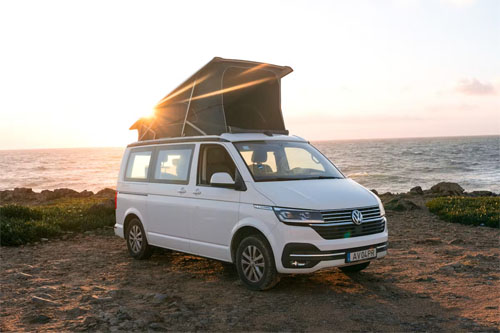
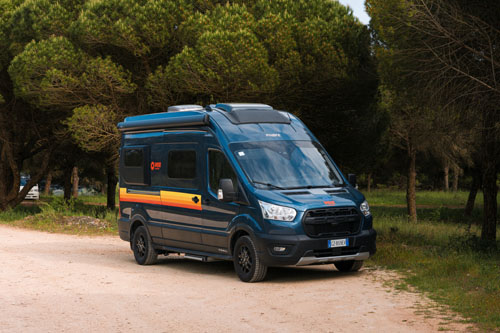
Navigating Europe's diverse roads, from narrow village lanes to scenic mountain passes, calls for choosing the right RV class. Generally, Class B Camper Vans or Class C Semi-integrated RVs are the most suitable. Class B Camper Vans, typically averaging 5.8 meters in length and designed to sleep around 3.2 people, offer excellent maneuverability, impressive fuel efficiency (often around 8-10 Liters/100 Km), and ease of parking. These characteristics make them perfect for spontaneous city explorations and more discreet camping. Alternatively, Class C Semi-integrated RVs, with an average length of 6.9 meters and sleeping capacity for about 3.8 people, strike a great balance between providing spacious comfort and maintaining manageable dimensions for European roads. They typically consume around 10-11 Liters/100 Km.
How to Save on Campgrounds in Europe
Maximizing your budget while enjoying European campgrounds is certainly achievable with a few smart strategies. One effective method is to utilize campground discount cards, which are often offered by rental motorhome partners or available through major European camping associations, potentially securing significant savings on daily pitch fees. Another excellent approach is to opt for travel during the shoulder seasons, such as spring and autumn. During these periods, campground prices are typically lower, and popular sites are considerably less crowded, offering a more relaxed experience. Consider choosing municipal or regional campgrounds over large private resorts; they often provide essential amenities at a more affordable price point and offer a more authentic local feel. Furthermore, booking longer stays, for example, 3 or more nights at a single location, can be beneficial, as many campgrounds provide attractive weekly or multi-night discounts, which can substantially reduce your overall accommodation costs.
What is the 3-3-3 rule for RV travel?
The 3-3-3 rule is a widely embraced guideline for RV travel, promoting a relaxed and enjoyable pace: drive no more than 300 miles (or approximately 3 hours), aim to arrive at your destination by 3 PM, and commit to staying for at least 3 nights. This approach is invaluable for preventing driver fatigue, ensuring you have ample time to set up camp before dusk, and providing sufficient opportunity to truly explore the local area without feeling rushed. While it's a guideline and flexibility is key, adhering to the 3-3-3 rule significantly minimizes travel stress and enhances the overall RV camping experience, especially when navigating Europe's diverse roads and unique campsites.
Can you park a motorhome anywhere in Europe?
Generally, no, you cannot park a motorhome just anywhere in Europe for overnight stays. Strict and varied regulations govern wild camping or 'freedom camping' across most countries, making it essential to be informed. Designated parking areas, often known as 'aires de services' in France or 'Stellplätze' in Germany, are legal and safe overnight spots, sometimes offering basic services like water and waste disposal. It's imperative to research specific country and local regulations, including nuances regarding emission zones, road tolls, and mandatory vignettes, as rules differ significantly. Parking illegally can lead to fines, and respecting private property, local laws, and cultural etiquette is paramount for a positive experience. Always ensure you have reliable roadside assistance and emergency contacts readily available as part of your responsible travel preparations.
What are the best ways to find an RV park last minute?
For finding an RV park on short notice in Europe, utilizing dedicated camping applications is highly recommended. Apps like ACSI Campings Europa, Park4Night, and Campercontact often provide real-time availability, detailed amenity information, and user reviews, which can be invaluable for last-minute planning. Directly calling campgrounds ahead of your arrival is another highly effective strategy, particularly during peak season, as it can confirm vacancies and prevent unnecessary driving. Additionally, don't hesitate to visit local tourist information centers upon arriving in a new area; they can often provide comprehensive lists of nearby campsites and may even assist with bookings, especially for smaller, regional sites that might not be extensively listed online.
What is the 333 rule for campervan?
The 3-3-3 rule, when applied to campervan travel, reinforces a balanced and enriching journey by suggesting you drive no more than 300 miles (or about 3 hours) per day, aim to reach your campsite by 3 PM, and plan to stay for a minimum of 3 nights. This approach is particularly beneficial for campervan travelers, as it promotes a slower, more deliberate pace that allows for deeper immersion in local areas and minimizes the fatigue associated with constant relocation. Embracing the 3-3-3 rule with your campervan enhances flexibility, ensures adequate rest and leisure time, and ultimately provides more opportunities to truly experience the unique charm of each destination without feeling rushed.
Is rving a thing in Europe?
Yes, RVing, widely known as caravanning or motorhoming across the continent, is not only a thing in Europe but is also a hugely popular and deeply ingrained leisure activity, supported by an extensive and mature infrastructure. Millions of Europeans regularly embark on journeys across the continent in their RVs, taking advantage of a vast network of dedicated campsites, service points, and designated 'aires.' The European RV culture is incredibly diverse, offering everything from high-end, full-service resorts to more rustic national park sites, ensuring there's a perfect option for every type of traveler and budget.
What is the 3 3 3 rule for RV travel?
The 3-3-3 rule is a key guideline for RV travel, promoting a sustainable and enjoyable pace: drive a maximum of 300 miles (or about 3 hours), aim to arrive at your camp by 3 PM, and commit to staying for at least 3 nights. This rule is crucial for maintaining energy levels throughout your trip, ensuring a smooth campsite setup before it gets dark, and allowing adequate time for genuinely exploring the local surroundings, thus preventing traveler burnout on longer adventures. Implementing the 3-3-3 rule significantly contributes to a more relaxed, less rushed, and ultimately more memorable RV experience across Europe's diverse landscapes and cultures.
Which European country has the best campsites?
While the definition of "best" is subjective and highly dependent on individual preferences, countries like France, Italy, and Germany are consistently recognized for possessing some of Europe's most extensive, varied, and high-quality camping infrastructures. France, in particular, boasts a vast network of campgrounds, encompassing both basic pitches and luxury sites with superb amenities and breathtaking locations. Italy offers a compelling combination of stunning natural beauty and excellent facilities, especially within regions like Tuscany and the Dolomites. Germany is well-regarded for its efficient, meticulously maintained 'Stellplätze' (dedicated motorhome parking areas) and numerous nature-focused sites.
How to find last minute camping?
To successfully find last-minute camping in Europe, actively leverage mobile applications specifically designed for campers and RVers. Tools like Park4Night, iOverlander, and Campercontact are excellent resources, providing up-to-date information on available sites, crucial amenity details, and valuable user reviews, often with GPS coordinates. Maintaining flexibility with your chosen destination and being open to various types of campgrounds—including smaller, independent sites or designated 'aires'—can significantly increase your chances of finding a last-minute spot, as these often have more availability than large, popular resorts. Additionally, making direct phone calls to campgrounds for the most current availability is highly recommended, especially if you have specific amenity needs or are traveling during peak seasons, as online booking systems may not always reflect real-time changes.
Can you sleep anywhere in a campervan in Europe?
Generally, sleeping anywhere in a campervan in Europe is not permitted due to a complex patchwork of national and local regulations that prohibit wild camping or unauthorized overnight parking. While campervans often offer more discretion than larger motorhomes, it remains crucial to respect local laws. Many areas designate specific parking areas for overnight stays, particularly in urban centers, sensitive natural zones, or protected areas. Always seek out official campsites, designated 'aires,' or clearly marked permitted overnight parking spots to avoid potential fines, ensure your personal safety, and contribute to respectful tourism practices.
Which European country is best for camping?
The designation of the "best" European country for camping largely hinges on individual preferences regarding scenery, desired amenities, and legalities surrounding wild camping. However, several countries consistently stand out for their exceptional offerings. France is frequently celebrated for its unparalleled variety and sheer density of campgrounds, Italy for its captivating blend of historical sites and breathtaking natural beauty, and Germany for its renowned efficiency and well-maintained 'Stellplätze.' For travelers seeking a more rugged and immersive experience, Scandinavia (particularly Norway and Sweden, with their 'Allemansrätten' or 'right to roam') provides incredible opportunities for wild camping amidst pristine natural environments. Additionally, Croatia and Portugal boast beautiful coastlines and increasingly modern camping infrastructures that cater well to RV travelers.
What You Shouldn't Miss
- Drive the scenic Romantic Road in Germany: This 460 km route winds through picturesque medieval towns and stunning Bavarian landscapes, offering numerous charming campsites along the way.
- Explore the Fjords of Norway by RV: Experience the dramatic beauty of Norway's fjords with an RV, enjoying unparalleled access to hiking trails and breathtaking viewpoints, with many campsites offering fjord-side pitches.
- Circumnavigate Iceland's Ring Road: This classic 1,322 km route showcases Iceland's volcanic landscapes, glaciers, and waterfalls, with over 170 campsites offering essential facilities, many with stunning natural surroundings.
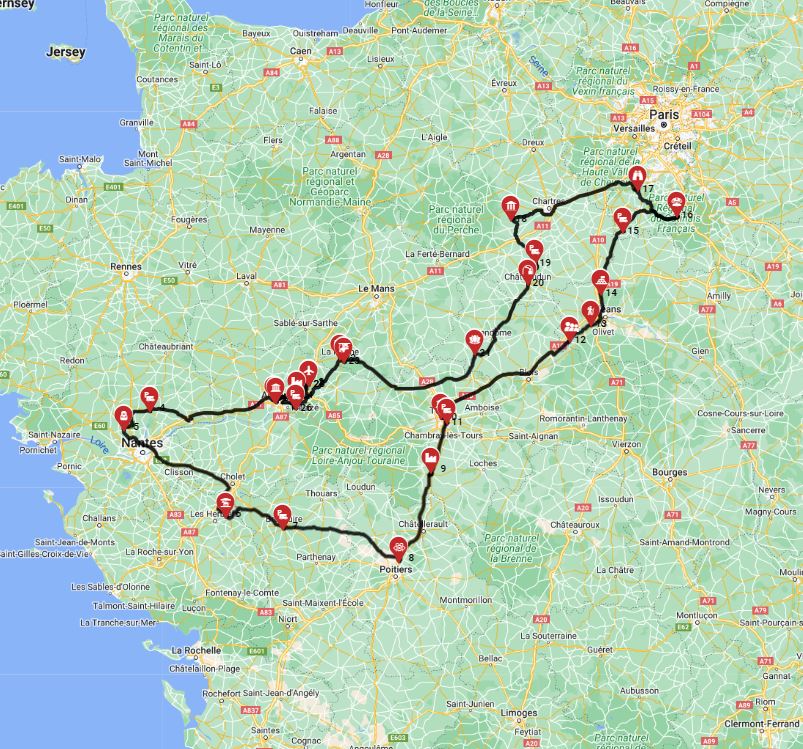
- Discover the Loire Valley's Châteaux by RV: Blend history and scenery by touring the magnificent French castles in your motorhome, with many vineyards and farms offering free overnight parking in exchange for local produce purchases, as highlighted in the "Toulouse Round trip - European Charms & Family Delights" itinerary.
- Experience the Baltic Coastline: Follow a route through Poland, Lithuania, Latvia, and Estonia, enjoying diverse coastal scenery, historic Hanseatic cities, and well-equipped campgrounds that are often less crowded than Western European counterparts.
Final Thoughts
Embarking on an RV adventure in Europe, even on short notice, can be an incredibly rewarding experience. With a little planning and flexibility, you can discover the continent's diverse landscapes and rich cultures at your own pace. The freedom of the open road, combined with the convenience of your mobile home, offers a unique perspective on travel that’s hard to match.
Remember, our goal at Bandana Caravan is to make your RV rental journey as smooth and transparent as possible. We're here to support you through the booking process, ensuring you find the perfect vehicle for your European escapade. So, start dreaming, start planning, and get ready to create unforgettable memories on the road!