In This Guide
- Where to Camp in East Canada — Top Options
- Campground Types in East Canada (National, Private, Wild)
- Featured RV Park or Campground in East Canada
- Hookups & Amenities — What to Expect
- Booking Windows & Reservations in East Canada
- Nearby Supermarkets & Resupply Points
- Best RV Class for Camping in East Canada
- How to Save on Campgrounds in East Canada
- What are the best campgrounds on the East Coast of Canada?
- What is the 3-3-3 rule for RV camping?
- What is the best RV resort on the East Coast?
- How to find a last-minute campground?
- Where can I park my RV for free in Canada?
- What does FF mean in camping?
- Can a US citizen go camping in Canada?
- Do you need to book campsites in Canada?
- What is the average cost of a campsite in Canada?
- Top Cities for RV Rental in East Canada
- Practical Info for RV Travel in East Canada
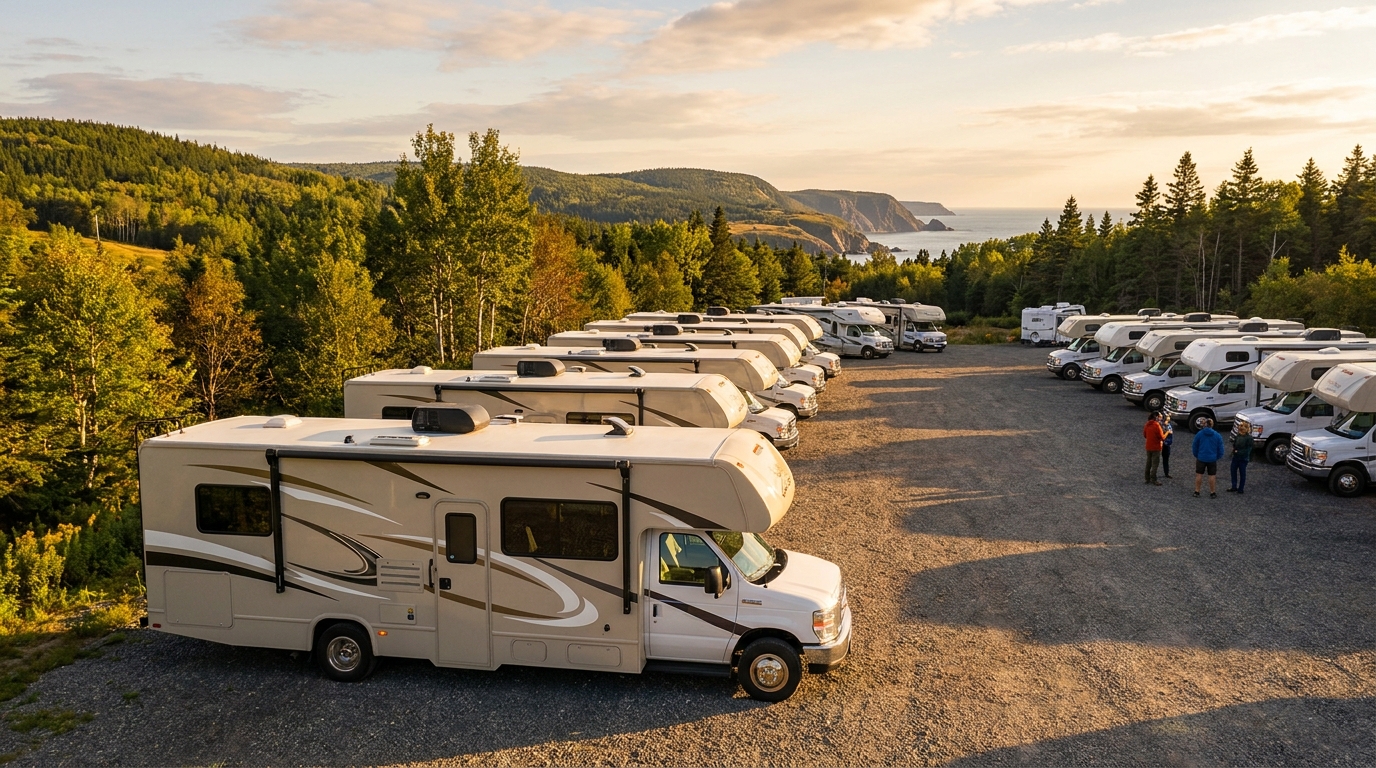
Embarking on a last-minute rv camping adventure in East Canada offers unparalleled freedom to explore its stunning coastlines, vibrant cultures, and charming towns. This region, encompassing Nova Scotia, New Brunswick, Prince Edward Island (PEI), and Newfoundland & Labrador, is a true gem for motorhome travelers seeking spontaneous discoveries. With a rented RV, you have a mobile headquarters to venture out to national parks, coastal trails, and hidden coves, all while enjoying the comforts of home on the road. For live availability and current prices, start with our RV Rental East Canada - Complete Guide 2026 guide.
Where to Camp in East Canada — Top Options
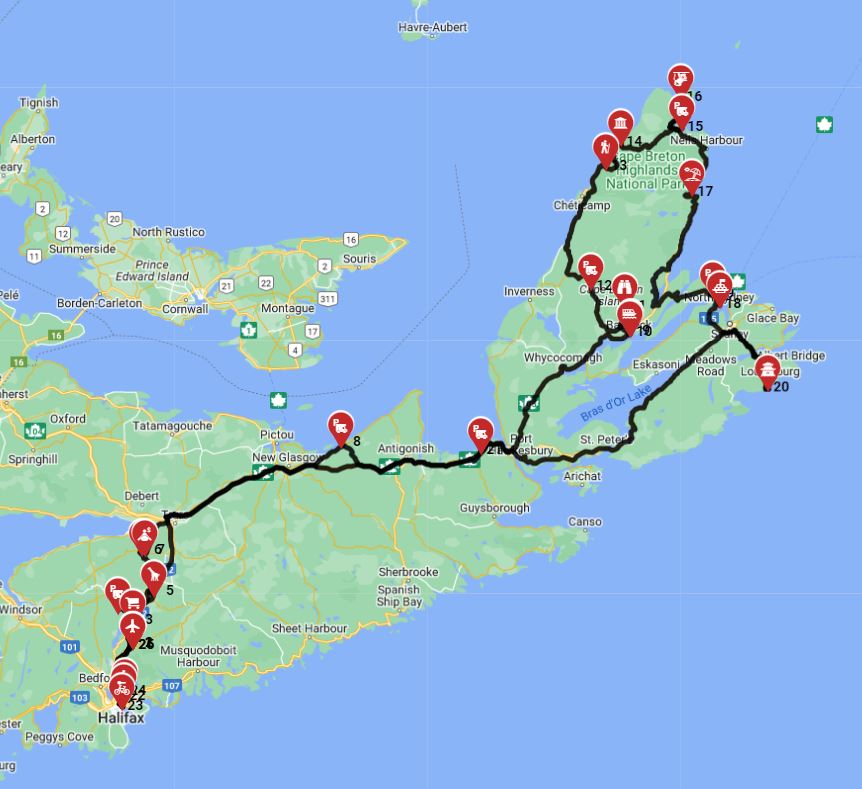
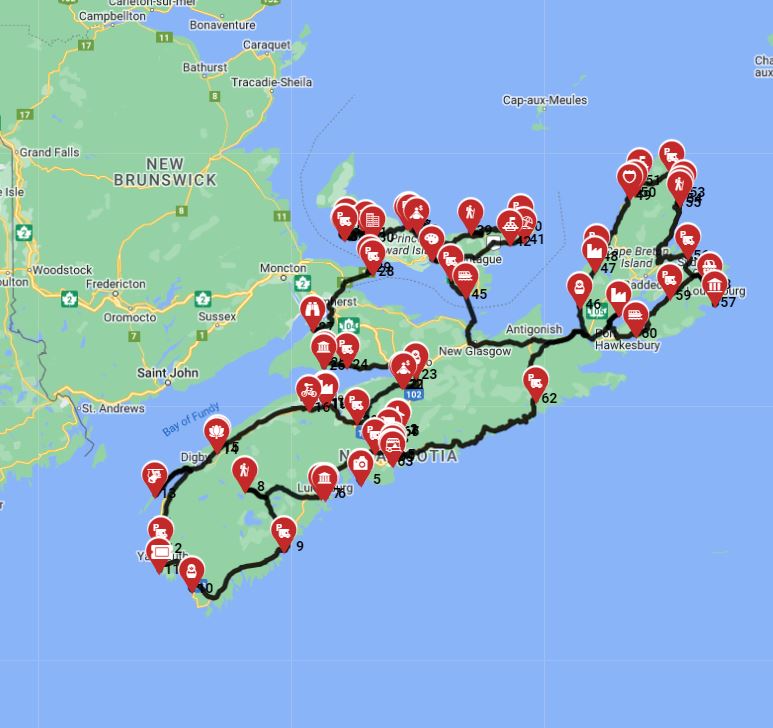
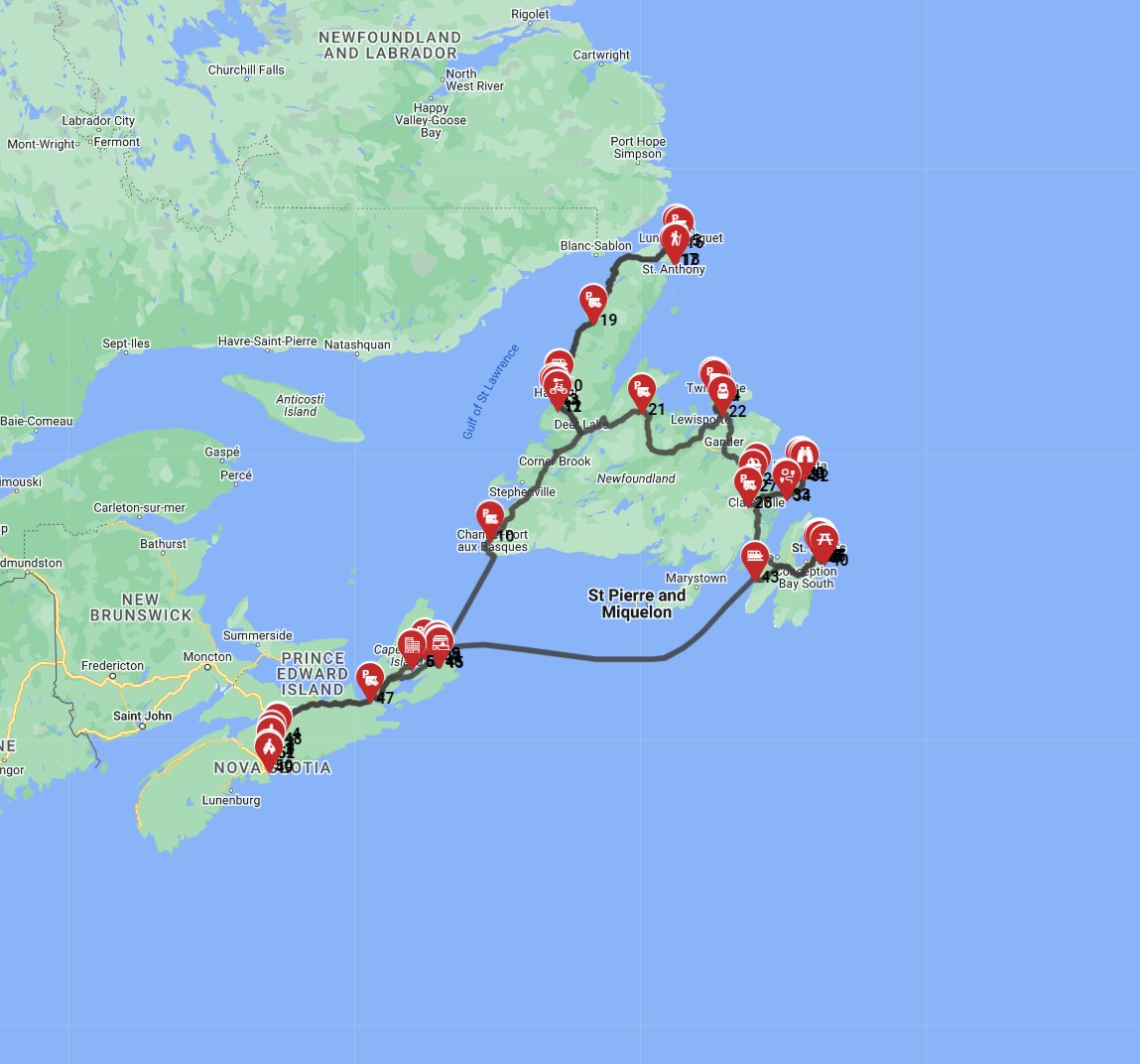
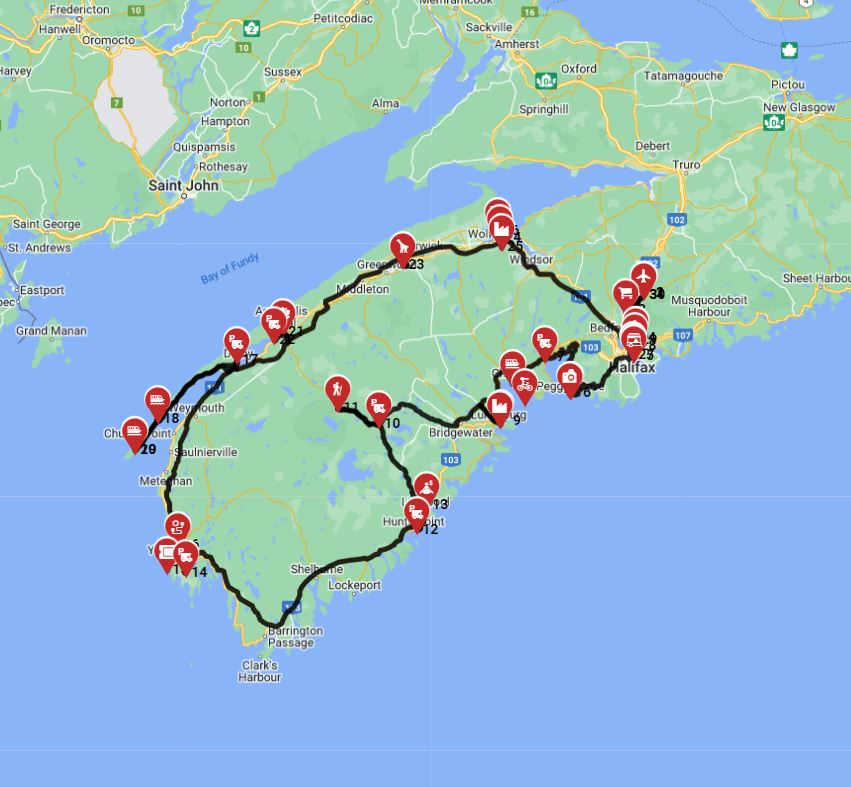
East Canada offers diverse camping experiences across Nova Scotia, New Brunswick, Prince Edward Island, and Newfoundland & Labrador, with numerous top-tier campgrounds for every type of traveler. Consider provincial parks like Fundy National Park in New Brunswick or Cape Breton Highlands National Park in Nova Scotia for stunning natural beauty and well-maintained facilities, often featuring 30-amp electrical hookups and modern amenities. For spontaneous trips, look for campgrounds outside peak tourist zones or those with first-come, first-served (FCFS) availability, especially in less-known regional or municipal parks, where you might find a spot even during busy seasons. The flexibility of a rented campervan means you can chase the weather or a local festival without being tied to strict itineraries.
Campground Types in East Canada (National, Private, Wild)
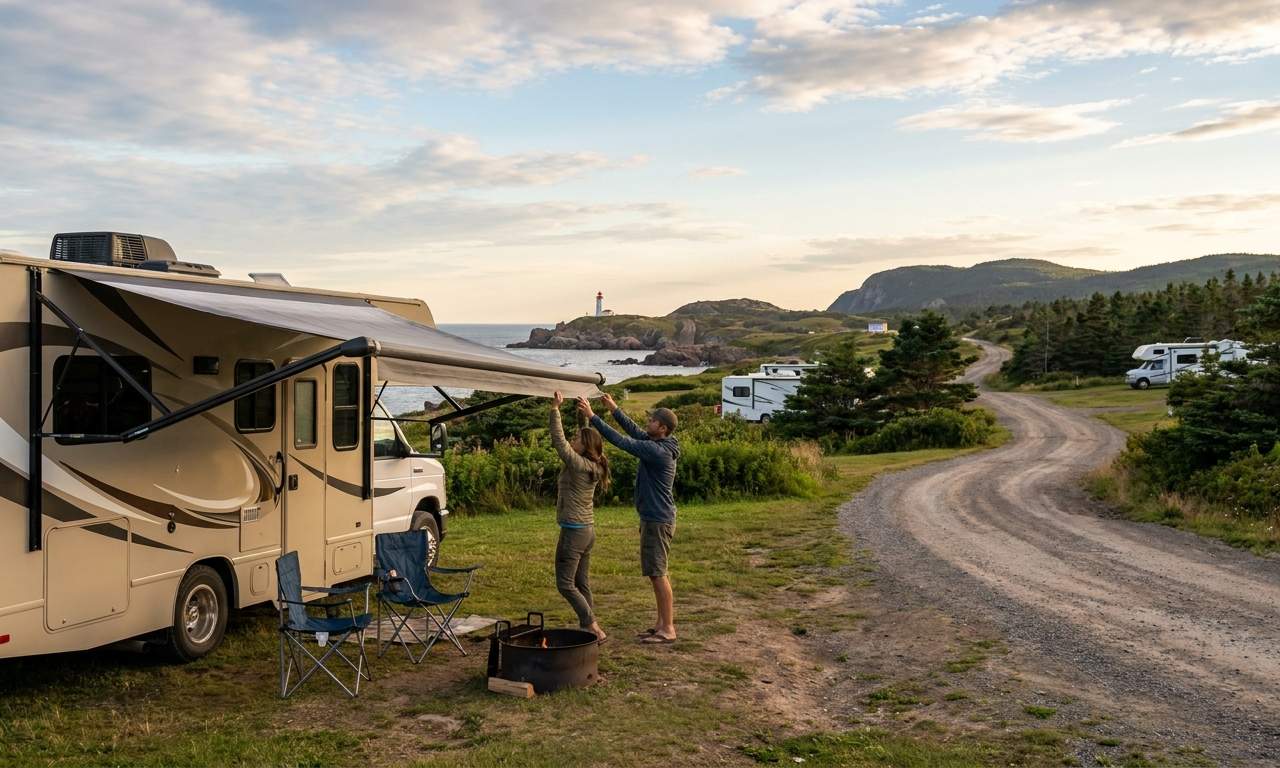
East Canada offers a variety of camping environments, including federal National Parks, provincial parks, private campgrounds, and limited options for wild camping (boondocking). National Parks and Provincial Parks provide structured camping with amenities such as washrooms, hot showers, and potable water, often requiring reservations well in advance for their 25-30% reservable sites. Private campgrounds frequently offer more extensive facilities like pools, themed activities, and reliable Wi-Fi, making them popular among families or those seeking more creature comforts. Wild camping, or boondocking, is generally restricted to specific Crown land areas in Canada and requires adherence to local regulations regarding permits, waste disposal, and minimum impact practices; it is crucial to research specific provincial and municipal rules to avoid fines and ensure you're respecting the environment. Remember to always practice Leave No Trace principles, especially when exploring less developed areas with your rented motorhome.
Featured RV Park or Campground in East Canada
When selecting an RV park or campground in East Canada, consider factors beyond basic amenities, such as location, proximity to attractions, and suitability for your travel style. For example, Cavendish Beach KOA on Prince Edward Island offers a wide range of amenities including full hookups, swimming pools, and organized activities, making it an excellent choice for families with kids seeking a resort-style experience. Conversely, the rustic charm of campgrounds within Cape Breton Highlands National Park in Nova Scotia might appeal to adventure-focused campers prioritizing direct access to hiking trails and stunning ocean views. Researching reviews for specific 'best' campgrounds like those in PEI or Nova Scotia can help identify options that align with your ideal camping experience and provide opportunities for local cultural immersion. Many of these parks are pet-friendly, ensuring your furry friends can join the adventure in your rented campervan.
Hookups & Amenities — What to Expect
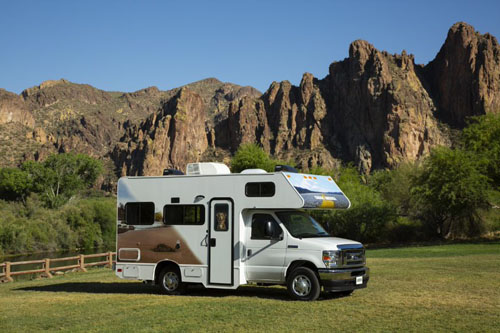
In East Canada, RV campgrounds typically offer a range of hookup options including electric (commonly 30-amp, with some 50-amp available), water, and sewer connections (full hookups). While a Class C motorhome like the "cruise america rv rental example Explorer" often comes with fresh water tanks around 82 liters and waste water tanks around 82 liters, having hookups extends your stay without needing to refill or dump. Beyond essential hookups, expect amenities like washrooms, hot showers, and potable water stations, while larger private resorts often provide Wi-Fi (though connectivity can be spotty in remote East Canada regions), laundry facilities, dump stations, and recreational areas. To stay connected in more remote areas, RVers should consider portable Wi-Fi hotspots or satellite internet solutions, as cellular service can be unreliable depending on the specific location within the Maritimes or Newfoundland and Labrador. Many campsites offer communal fire pits, perfect for cooking up some delicious RV-friendly recipes playlist. On the routes offered through RV PLANET routes, you can itemize and track every expense along the way for easy budgeting.
Booking Windows & Reservations in East Canada
For popular campgrounds and prime seasons in East Canada, booking several months in advance is highly recommended for pre-planners, especially for National Parks which often open reservations in early spring. However, spontaneous last-minute rv rental travelers can still find spots, as many national and provincial park campgrounds reserve 25-30% of their sites for first-come, first-served (FCFS) campers, and private campgrounds frequently have same-day or next-day availability. To secure a last-minute site, it is advisable to call campgrounds directly before driving, especially in the afternoon, and consider arriving early on weekdays to increase FCFS chances; while you might not get your first choice, you will almost certainly find a place in East Canada. Don't stress if your first pick is full; there's always another beautiful spot just down the road. Our guide "RV Rental Deals in East Canada - Latest Offers 2026" might also provide insights into last-minute booking availability.
Nearby Supermarkets & Resupply Points
Resupply is generally straightforward in East Canada, with major grocery chains like Sobeys, Atlantic Superstore (Loblaws), and Walmart found in most towns and cities across Nova Scotia, New Brunswick, and Prince Edward Island. Smaller communities may have independent grocers or convenience stores, which are vital for last-minute needs but often have higher prices. For fresh, local produce and unique culinary experiences, consider visiting local farmers' markets, particularly abundant in agricultural regions like the Annapolis Valley in Nova Scotia or across Prince Edward Island, which also integrates local cultural experiences. When planning your route, be sure to factor in stops for fuel and groceries. For comprehensive route planning and tracking ancillary trip costs, including fuel, campground fees, and groceries, RV PLANET routes allow you to itemize and track every expense for easy budgeting.
Best RV Class for Camping in East Canada
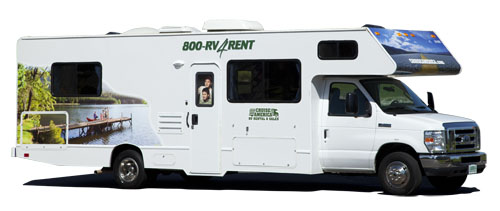
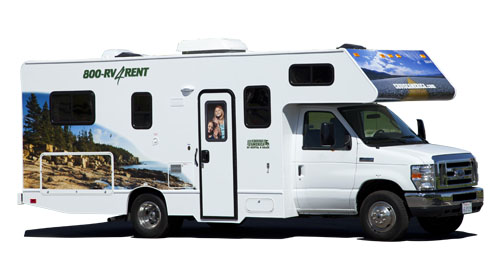
For navigating East Canada’s diverse geography, from coastal roads to national parks, a Class B Camper Van or Class C Alcove RV often provides the best balance of maneuverability and comfort. Class B Camper Vans, averaging 5.8 meters in length and sleeping around 3.2 people (Bandana's global fleet average), are ideal for boondocking and exploring remote areas due to their smaller size and better fuel efficiency (typically 8-10 Liters/100 km). These are excellent for couples or small families, providing a nimble option for getting into tighter spots. Class C Alcove RVs, at an average length of 7.5 meters and sleeping 5.8 people (Bandana's global fleet average), offer more space and amenities for families, suitable for campgrounds with hookups, typically consuming 10-12 Liters/100 km. You can compare options and prices for various models like the "campervan hire new zealand example Euro Tourer" or a larger "Euro Deluxe" for your "Luxury RV Rental in East Canada - Premium Prices 2026" adventure.
How to Save on Campgrounds in East Canada
One significant way to save on campgrounds in East Canada is by utilizing discount cards, such as those offered through rent-motorhome, which can provide savings at participating private parks. Additional savings can be achieved by booking during the shoulder season (late spring or early fall), as prices for a rented motorhome and campsites are generally lower than peak summer rates. Choosing municipal or regional campgrounds over more expensive private resorts can also reduce costs. Opting for longer stays, like a week-long trip, often allows you to take advantage of weekly rates, which are typically more cost-effective than nightly bookings. Consider overall budgeting specifics for your East Canada RV trip, factoring in not just campground fees but also fuel costs, potential ferry fees (especially for Newfoundland and PEI), and attraction costs to manage your expenses effectively. For more financial guidance, check out "Cheap RV Rental in East Canada - Budget Guide 2026".
What are the best campgrounds on the East Coast of Canada?
The best campgrounds on the East Coast of Canada often include those within national and provincial parks, offering a blend of natural beauty, outdoor activities, and well-maintained facilities. Highly-rated options frequently mentioned include the rustic charm of Cape Breton Highlands National Park (Nova Scotia), the coastal beauty of Fundy National Park (New Brunswick), and the family-friendly beaches of Prince Edward Island National Park. What constitutes 'best' varies by traveler type; luxury seekers might prefer private resorts with extensive amenities, while adventure-focused campers might prioritize secluded sites with trail access, and families often look for playgrounds and organized activities. Many of these top campgrounds offer sites with electrical hookups, potable water, and dump stations, ensuring a comfortable stay for any rented RV.
What is the 3-3-3 rule for RV camping?
The '3-3-3 rule' for RV camping is a practical guideline designed to promote safe, enjoyable, and less stressful travel by recommending a manageable pace for your journey. This rule suggests driving no more than 300 miles (approximately 480 km) or 3 hours per day, arriving at your campsite by 3 PM, and staying for a minimum of 3 days. Applying the 3-3-3 rule allows ample time to enjoy your destination in East Canada, set up camp without rushing, manage fatigue, and better cope with unexpected delays or challenges on East Canada's diverse roads, contributing to overall safety and trip enjoyment. We highly recommend slow travel, aiming for a maximum of 100-150 km per day on average, to truly connect with the culture, food, and scenery.
🎬 Video coming soon
What is the best RV resort on the East Coast?
The 'best' RV resort on the East Coast of Canada typically provides extensive amenities and a luxurious camping experience, often featuring full hookups, swimming pools, recreational halls, planned activities, and often prime locations near attractions. While specific top resorts can vary by year and traveler preference, many look for those offering resort-style amenities such as Wi-Fi, cable TV, paved sites, and on-site dining options, catering to those seeking comfort beyond basic camping. For example, some resorts in the Halifax region of Nova Scotia might offer shuttle services to nearby attractions. When choosing an RV resort for your rented campervan, consider what constitutes 'best' for your travel style; some might prefer the entertainment and community of a large resort, while others might value high-end, quieter parks with exclusive features and unique culinary adventures nearby. For premium options, refer to "Luxury RV Rental in East Canada - Premium Prices 2026".
How to find a last-minute campground?
To find a last-minute campground in East Canada, start by using online camping apps like Campendium, Hipcamp, or the official Parks Canada reservation site, filtering for same-day or next-day availability. Calling private campgrounds directly is highly effective, as they often have more flexibility and can offer last-minute spots or cancellations, especially during weekdays or outside peak hours. Additionally, look for provincial parks with first-come, first-served (FCFS) sites, which are typically easier to secure by arriving early in the day. For finding campsites and campgrounds during your trip, we recommend using RV PLANET (rvplan.net) - a great resource for locating available spots along your route. You'll find a spot; if not at the first campground, then the next one. Just call ahead before driving.
Where can I park my RV for free in Canada?
Parking a rented RV for free in Canada, often referred to as boondocking or dry camping, is possible but requires careful research into local regulations, as rules vary significantly by province and municipality. Legal free parking options commonly include designated Crown land areas (requiring prior research on provincial land use regulations and often a permit for extended stays), certain rest areas, truck stops, and in some cases, parking lots of large retailers like Walmart, though policies should always be confirmed with store management for East Canada. When parking for free with your rented motorhome, practice Leave No Trace principles, be mindful of waste disposal regulations, and ensure your RV adheres to any '10-year rules' or specific provincial vehicle registration and insurance requirements. Always prioritize safety and respect private property.
What does FF mean in camping?
In camping terminology, 'FF' typically stands for 'Full Hookups,' indicating a campsite that provides all three essential utility connections for a rented RV. A full hookup site includes an electrical connection (usually 30 or 50 amp), a freshwater hookup, and a sewer connection for wastewater disposal. These 'FF' sites offer the most convenience for RVers, allowing for continuous power, running water, and direct sewage disposal, which is particularly beneficial for longer stays or larger RVs. Having full hookups with your rented caravan ensures maximum comfort, allowing you to use your onboard amenities like the refrigerator and shower without conservation concerns.
Can a US citizen go camping in Canada?
Yes, US citizens can absolutely go camping in Canada, provided they meet standard Canadian entry requirements, which primarily include a valid passport or other approved travel document. When crossing the border with a rented RV, US citizens should be prepared for customs inspection, declare any restricted items, and ensure all vehicle registration and insurance documents are in order; familiarity with Canadian traffic laws and road conditions (e.g., toll roads, specific ferry logistics for Newfoundland/PEI) is also recommended. While the ArriveCAN app was previously mandatory during the pandemic, it is not currently required for entry into Canada, but travelers should always check the latest official government guidelines before their trip for any updates on entry protocols. Our "RV Rental USA - Complete Guide 2026" offers more continental context for North American travel.
Do you need to book campsites in Canada?
While not strictly mandatory for every single campsite, booking campsites in Canada is highly recommended, especially when traveling during peak season (July and August) or to popular national and provincial parks in East Canada. Many sought-after campgrounds fill up months in advance, particularly for weekends and holidays, but last-minute options can often be found in less popular areas, private campgrounds, or through first-come, first-served (FCFS) sites. For a last-minute rv rental in East Canada, it is wise to plan flexibility into your itinerary and be prepared to call campgrounds directly or use camping apps to check for availability on short notice, as spontaneous travelers can still find a spot with a little effort. You will always find a place to stay; it might just require a quick call to the next campground down the road.
What is the average cost of a campsite in Canada?
The average cost of a campsite in Canada typically ranges from CAD $30 to $80 per night, with significant variations based on location, amenities, and the type of park in East Canada. Factors influencing campsite costs include whether it is a basic tent site or a full-hookup RV site, the park type (national, provincial, or private resort), and the season, with peak summer months being the most expensive. For instance, a basic site in a provincial park might be CAD $30-$45, while a full-service site at a private resort could be CAD $60-$80. Budgeting for an East Canada RV trip should also account for additional costs beyond the campsite, such as fuel, ferry fees (especially for Newfoundland and PEI), and potential attraction entrance fees, all of which contribute to the overall trip expense. Our "Weekly RV Rental in East Canada - Pricing 2026" guide can help you understand longer-term costs.
Top Cities for RV Rental in East Canada
East Canada offers several excellent starting points for your RV adventure, with Halifax, Nova Scotia, being a primary hub due to its international airport and robust rental options. From Halifax, you can easily pick up your rented motorhome and embark on a scenic drive along the coast or head inland to discover charming towns. Moncton, New Brunswick, also serves as a convenient pickup location, offering access to the Bay of Fundy and routes into Prince Edward Island. St. John's, Newfoundland, provides a fantastic gateway for exploring the rugged beauty of Canada's easternmost province. Other notable cities for potential rental pickups or as key stops include Fredericton, New Brunswick; Charlottetown, Prince Edward Island; and Sydney, Nova Scotia. Each of these cities provides unique cultural experiences, from fresh seafood markets to historical sites, perfectly complementing your mobile home journey.
Practical Info for RV Travel in East Canada
Navigating East Canada with a rented RV is a rewarding experience, and knowing some practical details can make your trip smoother. Canadians drive on the right side of the road, and speed limits are posted in kilometers per hour (km/h), typically ranging from 50 km/h in urban areas to 100-110 km/h on major highways. While driving large RVs in cities, drive slowly and carefully, and you can drive almost anywhere without issues. No need to stress - just use common sense and pay attention. For emergencies, dial 911 anywhere in Canada. SIM cards for local connectivity are readily available from major providers like Bell, Rogers, or Telus, often found at airports or larger shopping centers in cities like Halifax or Moncton. However, be prepared for limited or no service in very remote national parks or coastal stretches. Many areas feature toll roads, particularly bridges or specific highway sections in Nova Scotia and New Brunswick, so factor these into your budget. Ferry logistics are crucial for visiting Prince Edward Island (Confederation Bridge is an alternative) and Newfoundland. Always book ferry crossings well in advance, especially with a rented campervan, as spots fill up quickly. Remember, local gas stations provide regular unleaded fuel, which is suitable for most rental motorhomes.
What You Shouldn't Miss
- **Drive the Cabot Trail, Nova Scotia:** This iconic scenic highway on Cape Breton Island offers breathtaking coastal vistas, charming fishing villages, and abundant wildlife viewing opportunities.
- **Explore Fundy National Park, New Brunswick:** Witness the world's highest tides, hike through lush forests to waterfalls, and enjoy kayaking or tidal flat walks in this incredible natural wonder.
- **Indulge in Lobster on Prince Edward Island:** Experience the freshest seafood imaginable with a traditional lobster supper at one of PEI's many restaurants or boil your own at a seaside campground.
- **Discover Gros Morne National Park, Newfoundland:** A UNESCO World Heritage site, this park boasts fjords, barren tablelands (exposed Earth's mantle), and dramatic coastlines, perfect for hiking and boat tours.
- **Visit Peggy's Cove, Nova Scotia:** Explore this picturesque fishing village famous for its iconic lighthouse, unique rock formations, and charming artisan shops.
- **Experience a Ceilidh on Cape Breton:** Immerse yourself in the vibrant Celtic music and dance traditions of Cape Breton Island by attending a local community gathering.
Looking for expert insights from Avi Bandana? Top 5 Adventures - recommendations from Avi Bandana
Final Thoughts
East Canada offers a truly unique and breathtaking landscape to explore by RV. From the dramatic cliffs of Newfoundland to the charming fishing villages of Nova Scotia and the serene beauty of Prince Edward Island, every turn in the road reveals a new wonder. The freedom of a rented motorhome allows you to immerse yourself in the local culture, savor fresh seafood, and discover hidden gems at your own pace. With Bandana Caravan, you have a trusted partner to guide you, offering transparent pricing, dedicated support, and expert planning resources to ensure your last-minute rv camping adventure in East Canada is everything you dreamed of.
Whether you're a meticulous planner or a spontaneous traveler, East Canada welcomes you to explore its wonders. Embrace the open road, drive slowly, and let the beauty of the Maritimes and Newfoundland captivate your spirit. Your unforgettable journey begins now!
Get inspired for your next trip! Discover top destinations, planning tips, all in one place!
Check East Canada RV Rental Prices Now