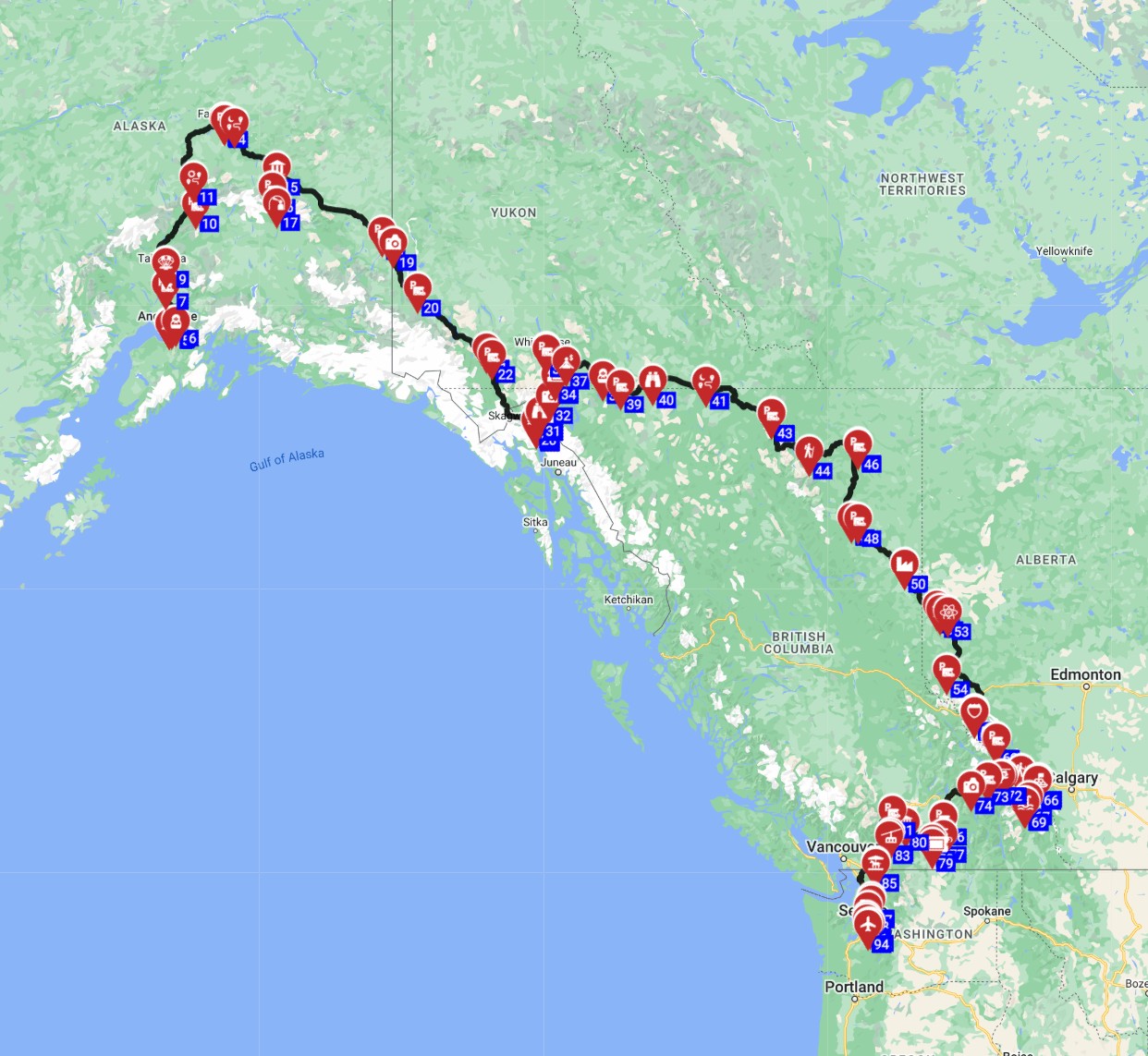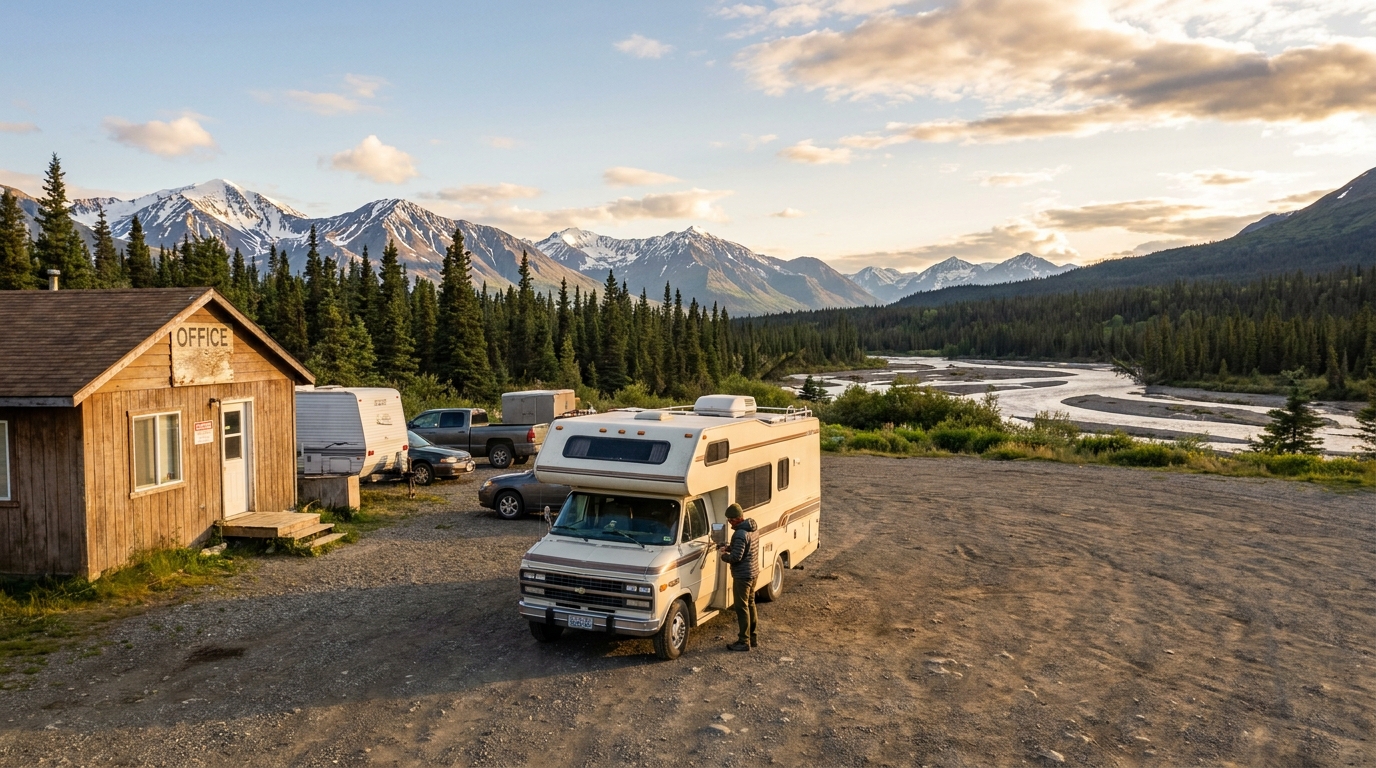
For live availability and current prices, start with our RV Rental Alaska - Complete Guide 2026 guide.
In This Guide
- Where to Camp in Alaska — Top Options
- Campground Types in Alaska (National, Private, Wild)
- Featured RV Park or Campground in Alaska
- Hookups & Amenities — What to Expect
- Booking Windows & Reservations in Alaska
- Nearby Supermarkets & Resupply Points
- Best RV Class for Camping in Alaska
- How to Save on Campgrounds in Alaska
- Can I park my RV anywhere in Alaska?
- What is the 3-3-3 rule for RVs and campers?
- Where is the best place to park an RV for free?
- Is boondocking legal in Alaska?
- Can you park an RV anywhere in Alaska?
- What does FF mean in camping?
- What is the best time of year to RV to Alaska?
- How much are campsites in Alaska?
- What is the 200 rule for camping?
- What You Shouldn't Miss
Exploring Alaska in a rented RV offers unparalleled freedom, allowing you to immerse yourself in the Last Frontier's breathtaking landscapes and vibrant culture at your own pace. With Bandana RV, you’ll find that planning your adventure is straightforward and transparent, ensuring no hidden fees or surprises along the way. For live availability and current prices, start with our RV Rental Alaska - Complete Guide 2024 guide.
Where to Camp in Alaska — Top Options
Alaska offers diverse RV camping experiences, ranging from established national park campgrounds to remote state park sites and amenity-rich private RV resorts, with popular regions including Denali National Park, the Kenai Peninsula, and Interior Alaska.
For iconic wildlife viewing and stunning mountain vistas, Denali National Park is a top choice, though RV access past Savage River is restricted, requiring visitors to utilize shuttle buses for deeper exploration. Riley Creek Campground within Denali is a popular spot, often requiring reservations far in advance during peak season.
The Kenai Peninsula, including towns like Seward, Homer, and Cooper Landing, provides coastal beauty, world-class fishing opportunities, and glacier access, with numerous private and state campgrounds catering to RVs. Imagine cooking fresh salmon, caught just hours before, right in your rented motorhome’s kitchen! For an RV-friendly recipes playlist, check out our YouTube channel.
Fairbanks and Interior Alaska offer gateways to vast wilderness and the Arctic Circle, with options like Chena Hot Springs Resort RV Park providing amenities even in remote settings. There are 170+ campsites in the state, making it easy to find a spot with a little planning or flexibility.
Beyond these popular destinations, public land options managed by the Bureau of Land Management (BLM) and National Forests provide extensive primitive camping opportunities, allowing for true immersion in Alaska's untamed landscapes. These sites often require self-sufficiency but reward travelers with incredible solitude and natural beauty. Remember to travel slowly, averaging a maximum of 100-150 km per day, to truly soak in the scenery and local culture.
Campground Types in Alaska (National, Private, Wild)
RVers in Alaska can choose from three main types of campgrounds: federally managed sites (National Parks, National Forests, BLM), state-run parks, private RV parks, and 'wild camping' or boondocking on public lands, each offering a distinct experience.
National Park Service (NPS) and Alaska State Parks often feature incredibly scenic locations with more basic amenities, sometimes having length restrictions for larger motorhomes, and typically require early reservations or operate on a first-come, first-served (FCFS) basis. For instance, many campgrounds in Denali National Park fall into this category, with spots often booked up several months in advance for the peak season of July and August.
Private RV Parks, on the other hand, usually provide full hookups (electric, water, sewer), along with extensive amenities like laundry facilities, Wi-Fi, and hot showers, and are commonly found in major tourist hubs and cities like Anchorage and Fairbanks. These parks offer convenience and comfort, especially after a few days of remote exploring.
Wild Camping, also known as boondocking, is legal and abundant on vast public lands managed by the Bureau of Land Management (BLM) and National Forests where permitted, necessitating full self-sufficiency and strict adherence to Leave No Trace principles. This option is often free and provides the most secluded and authentic Alaskan experience. Remember that you'll need to manage your fresh water supply (with an average of 100-150 liters in a Class C motorhome) and waste tanks, and be prepared for limited or no cell service in many of these remote areas.
Featured RV Park or Campground in Alaska
One highly-regarded option for RVers seeking a blend of urban convenience and authentic Alaskan charm is the Anchorage Ship Creek RV Park, providing full hookups and easy access to local attractions.
Located at 150 N Ship Creek Ave, Anchorage, AK 99501, this private park offers amenities such as full hookups, Wi-Fi, laundry facilities, modern restrooms, and hot showers, making it a comfortable base camp. It's an excellent choice if you're picking up your RV rental near Alaska Airport - Pickup Pricing 2024 offers details on local rental options.
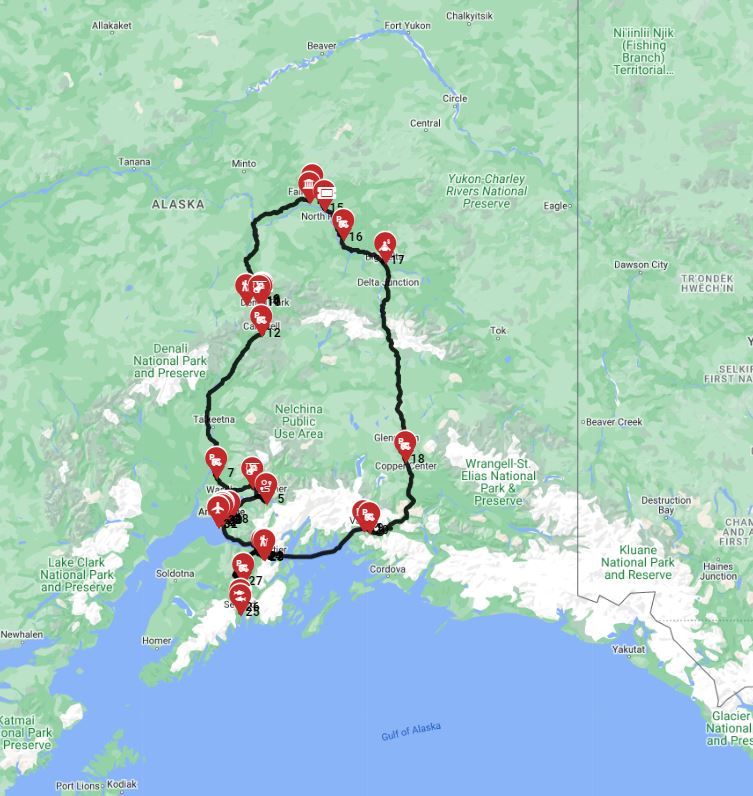
Its prime location provides immediate access to downtown Anchorage, the scenic Coastal Trail for walking or biking, and, famously, the opportunity to watch or even partake in salmon fishing at Ship Creek itself. The park serves as an ideal starting or ending point for an Alaskan RV adventure, combining the comforts of city living with proximity to nature's wonders. For those interested in more pre-planned routes, RV PLANET (rvplan.net) offers itineraries like the 11-day
Hookups & Amenities — What to Expect
RV campgrounds in Alaska offer a range of hookups and amenities, from full-service sites with electric, water, and sewer connections to more primitive sites with no hookups at all, providing flexibility for all types of travelers.
Electric hookups are typically available with either 30-amp or 50-amp service, so it's a good idea to confirm your rental RV's requirements and carry the appropriate adapters if needed. Potable water connections are common in private and some public campgrounds, but always plan to fill your fresh water tank before venturing into areas where boondocking is anticipated, as an average Class C motorhome like the "cruise america rv rental example Explorer" has an 82-liter fresh water tank.
Sewer hookups are a convenient feature at "full hookup" sites, allowing direct waste disposal. For sites without sewer connections, dump stations are widely available at campgrounds, gas stations, and even some municipal facilities, making waste disposal straightforward. Private RV parks frequently go beyond the basics, offering additional amenities such as Wi-Fi access, laundry facilities, hot showers, and modern restrooms, enhancing your comfort in the Alaskan wilderness. On the routes offered through RV PLANET routes, you can itemize and track every expense along the way for easy budgeting.
In contrast, public campgrounds managed by the state or federal agencies often provide more basic facilities, which may include vault toilets and shared water pumps, perfectly suiting those who prefer a more rustic and natural camping experience. No matter your preference, understanding these options helps you budget for ancillary trip costs, including dump fees or laundry services. For easy budgeting, RV PLANET routes allow travelers to itemize and track every expense.
Booking Windows & Reservations in Alaska
For popular RV campgrounds in Alaska, especially those within national parks or prime tourist areas, booking 6-12 months in advance is highly recommended to secure a spot during the peak summer season, although flexibility often yields opportunities for last-minute RV camping in Alaska.
To reserve federal sites, including many in Denali and Kenai Fjords National Parks, utilize Recreation.gov. For state campgrounds, the Alaska State Parks system offers online booking portals. Private RV parks typically have their own dedicated online booking systems. Many national and state park campgrounds reserve 25-30% of their sites for First-Come, First-Served (FCFS) arrivals, so showing up early in the morning, especially on a weekday, can significantly increase your chances of snagging a spot.
Spontaneous travelers, or those looking for last-minute RV camping in Alaska, can often find same-day or next-day availability by calling ahead to private parks or utilizing RV PLANET (rvplan.net) to locate available spots. It's important not to stress too much about booking far in advance for *every* night; often, if the first campground is full, the next one along your route will have space. Always call the campground directly before driving a long distance, particularly for FCFS sites, to verify current availability.
Bandana RV understands that travel plans can evolve, which is why we offer comprehensive support throughout your booking process. Whether you're a meticulous pre-planner or prefer to book day-to-day, we're here to help you compare motorhome prices and ensure your rental experience is smooth and hassle-free.
Nearby Supermarkets & Resupply Points
Resupplying your rented RV in Alaska is generally straightforward in larger towns, with major supermarkets like Fred Meyer and Carrs/Safeway serving as key grocery and supply points.
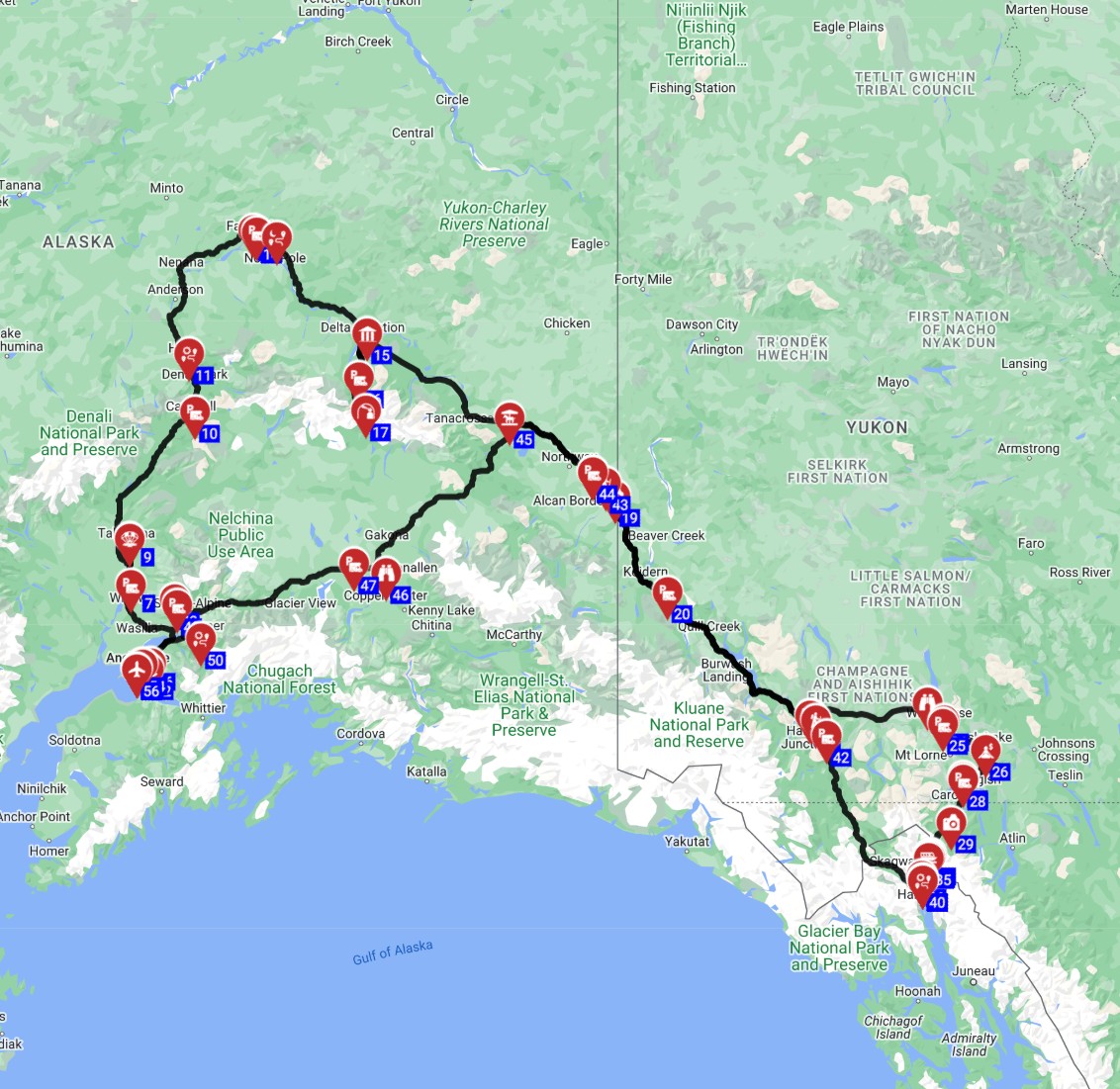
These major chains, with Fred Meyer being a Kroger brand and Carrs/Safeway a part of the Albertsons network, are prominently found in cities such as Anchorage, Fairbanks, and Soldotna. They offer extensive selections of groceries, fresh produce, camping supplies, and often even have fuel stations on site, making them convenient one-stop shops for your RV adventure. For example, on the
In smaller towns and more remote communities, you'll typically find independent or general stores. While these offer essential items, their selections might be more limited, and prices for fresh produce and specialty items can be higher due to logistics. It’s always a good idea to stock up on staples in larger towns before heading into more isolated areas.
Fuel and propane stations are less frequent between towns, particularly on longer stretches of highway, so it is advisable to fill up whenever opportunities arise to avoid running low in remote locations. Potable water can often be refilled at RV parks, select gas stations, and designated state park fill stations, ensuring your fresh water tank (which could be around 100-150 liters on a typical Class C motorhome like the "MH-A" from our partners) stays topped up for comfort and cooking.
Best RV Class for Camping in Alaska
For RV camping in Alaska, Class C Alcove and Class B Camper Van models are often ideal, balancing comfort, maneuverability, and suitability for Alaska’s diverse road conditions, including gravel sections and frost heaves.
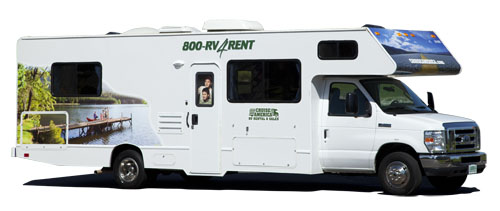
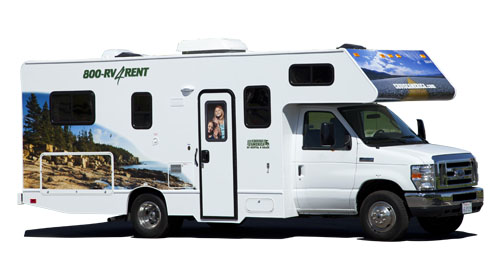
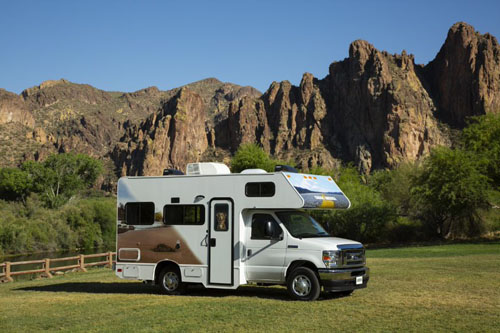
Class C Alcove RVs, which average around 7.5 meters (24 feet) in length globally in Bandana's fleet and comfortably sleep 5-8 people, offer ample space for families or small groups. These motorhomes are generally manageable on Alaskan roads and typically consume around 10-12 Liters per 100 km, making them a practical choice for longer trips.
Class B Camper Vans, averaging 5.8 meters (19 feet) in length and sleeping 2-4 people, are highly maneuverable and more fuel-efficient, typically consuming around 10 Liters per 100 km. Their compact size makes them ideal for navigating remote areas, parking in smaller spots, and easier boondocking. Models like the "Active Pop Top" or "Combi Van" offer excellent flexibility.
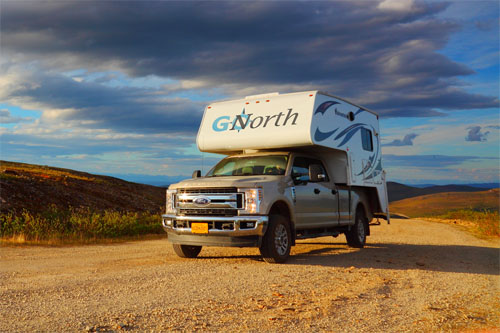
While larger Class A Integrated units offer more luxurious space, their size can be less practical on some of Alaska's unpaved or narrower routes. Drive slowly and carefully, and you can drive almost anywhere without issues. No need to stress - just use common sense and pay attention. When choosing your RV, consider the load capacity; for example, a Class C motorhome usually has a good balance for carrying supplies for an extended road trip. Our team of true RV specialists can help you determine the best fit for your adventure, offering full transparency and 24/7 support during the booking process.
How to Save on Campgrounds in Alaska
To significantly reduce RV camping costs in Alaska, leverage campground discount cards, embrace shoulder season travel, and prioritize municipal or public campgrounds over more expensive private RV resorts.
Many private RV parks across Alaska, including those along popular routes such as the
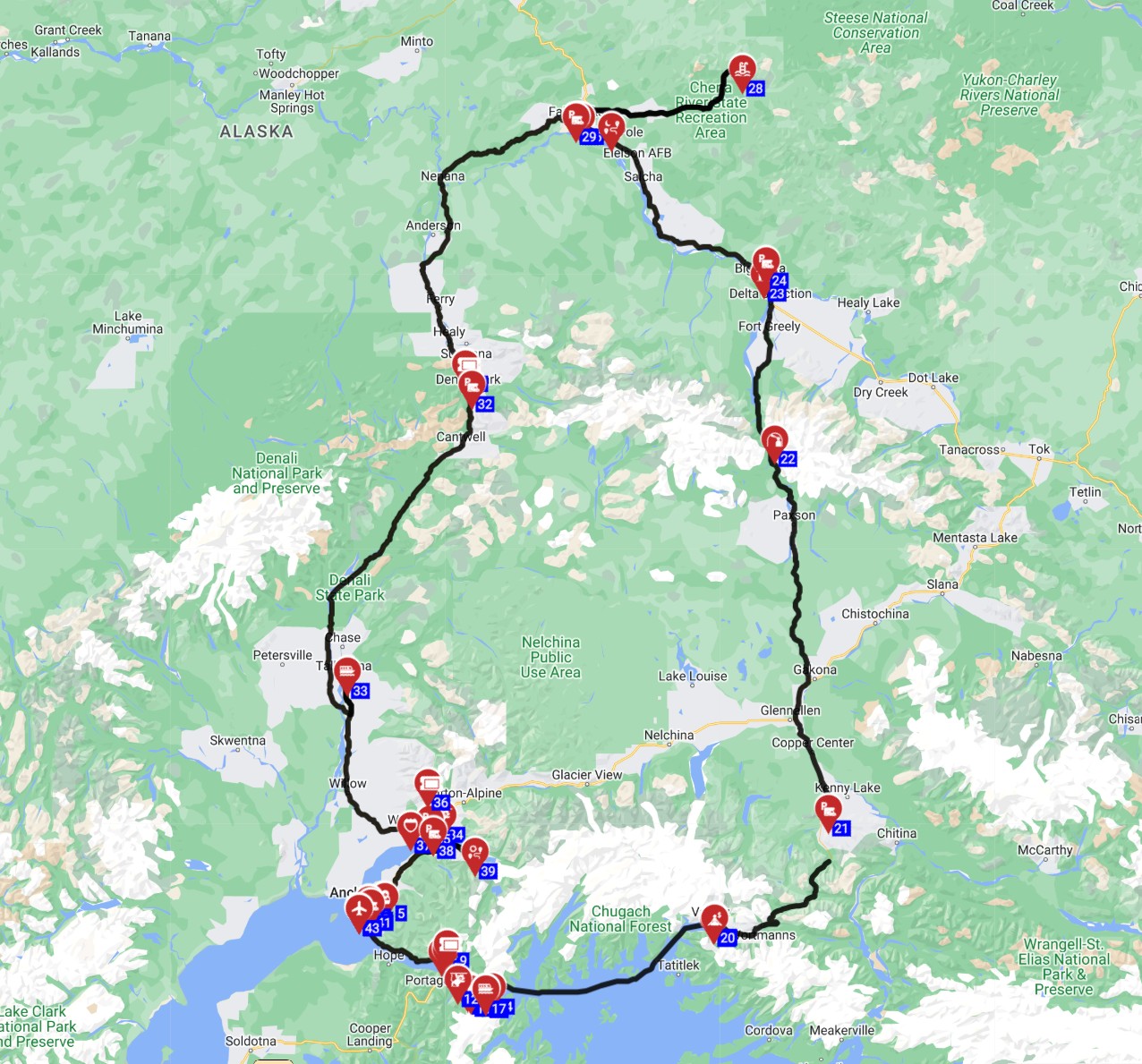
Traveling during the shoulder seasons—typically mid-May to early June or late August to September—can result in notably lower rates at many campgrounds, fewer crowds, and often very pleasant weather conditions. For example, late August offers stunning fall foliage and increased chances to see the Northern Lights, without the peak season price tag.
Opting for public campgrounds, such as those in State Parks, National Forest campgrounds, and vast Bureau of Land Management (BLM) sites, is universally cheaper than private RV resorts. Many BLM sites offer free boondocking, requiring only self-sufficiency and adherence to Leave No Trace principles. While state and federal sites may cost $15-$35 per night, private RV parks in prime locations can easily range from $40-$80+ per night. Additionally, inquire about weekly rates if you plan an extended stay in one location, as these often provide a discount over nightly fees.
Can I park my RV anywhere in Alaska?
While Alaska boasts vast public lands, you cannot legally park your RV *anywhere*; parking is restricted by land ownership, local ordinances, and specific regulations regarding private property and designated areas.
Extensive Bureau of Land Management (BLM) and National Forest lands generally allow dispersed camping (boondocking) for up to 14 days in one spot, provided Leave No Trace principles are followed and no specific area restrictions are posted. These areas are your best bet for free and flexible overnight stops. Always check local guidelines for the specific area you are in, as regulations can vary.
Parking on private land without explicit permission from the owner is illegal and constitutes trespassing, and many cities and towns have specific ordinances prohibiting RV parking on streets or in public lots overnight. Outside of public land boondocking, rented RVs must park in designated campgrounds, whether they are state parks, national parks, or private RV parks. Parking along highways or pull-offs for overnight stays is generally discouraged for safety reasons and may be prohibited in some areas. Our team offers 24/7 support before, during, and after your booking to answer questions about planning your route and adhering to local regulations.
What is the 3-3-3 rule for RVs and campers?
The '3-3-3 rule' for RVs and campers is a widely recommended guideline for safe and enjoyable travel, advising drivers to travel no more than 300 miles a day, arrive by 3 PM, and stay for at least 3 nights.
The '300 miles (or less)' component helps prevent driver fatigue and allows for unexpected stops and scenic detours, which is especially important on Alaska's often-challenging roads that can include gravel sections and frost heaves. For example, driving an "MHC24" motorhome with a 150-liter fresh water tank across a 300-mile stretch, you'll appreciate the conservative pace.
The 'arrive by 3 PM' guideline ensures ample daylight to locate your chosen campground, safely maneuver your rented RV into a site, set up camp, and address any potential issues before dark. This is crucial in Alaska, where daylight hours vary drastically by season, offering up to 19 hours of daylight in summer but very little in spring and fall. The '3 night stay' encourages slower travel, a philosophy we wholeheartedly endorse at Bandana RV. By taking time to feel the place, connect to the local culture, food, and scenery, you maximize your Alaskan adventure rather than rushing through it. Our professional route planners at RV PLANET (rvplan.net) often incorporate this slow travel philosophy into their pre-planned routes.
Where is the best place to park an RV for free?
The best places to park an RV for free in Alaska are generally on vast tracts of public lands managed by the Bureau of Land Management (BLM) and within National Forests, provided you adhere to local regulations and Leave No Trace principles.
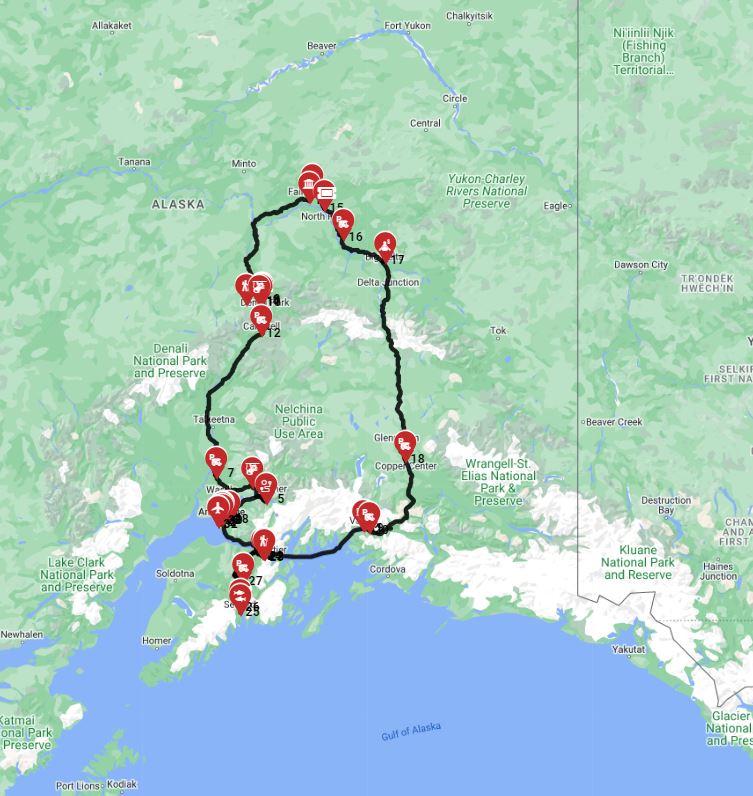
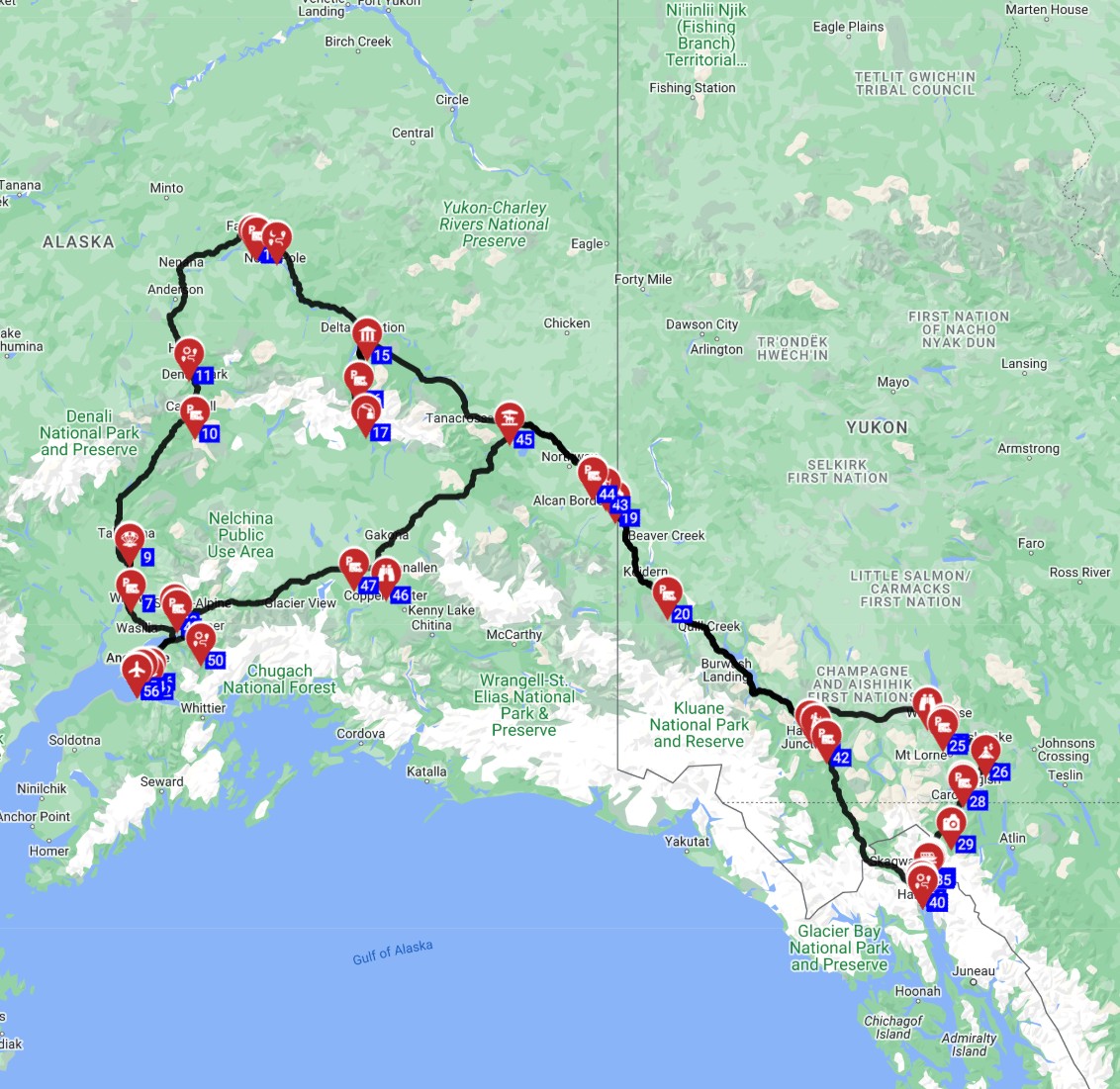
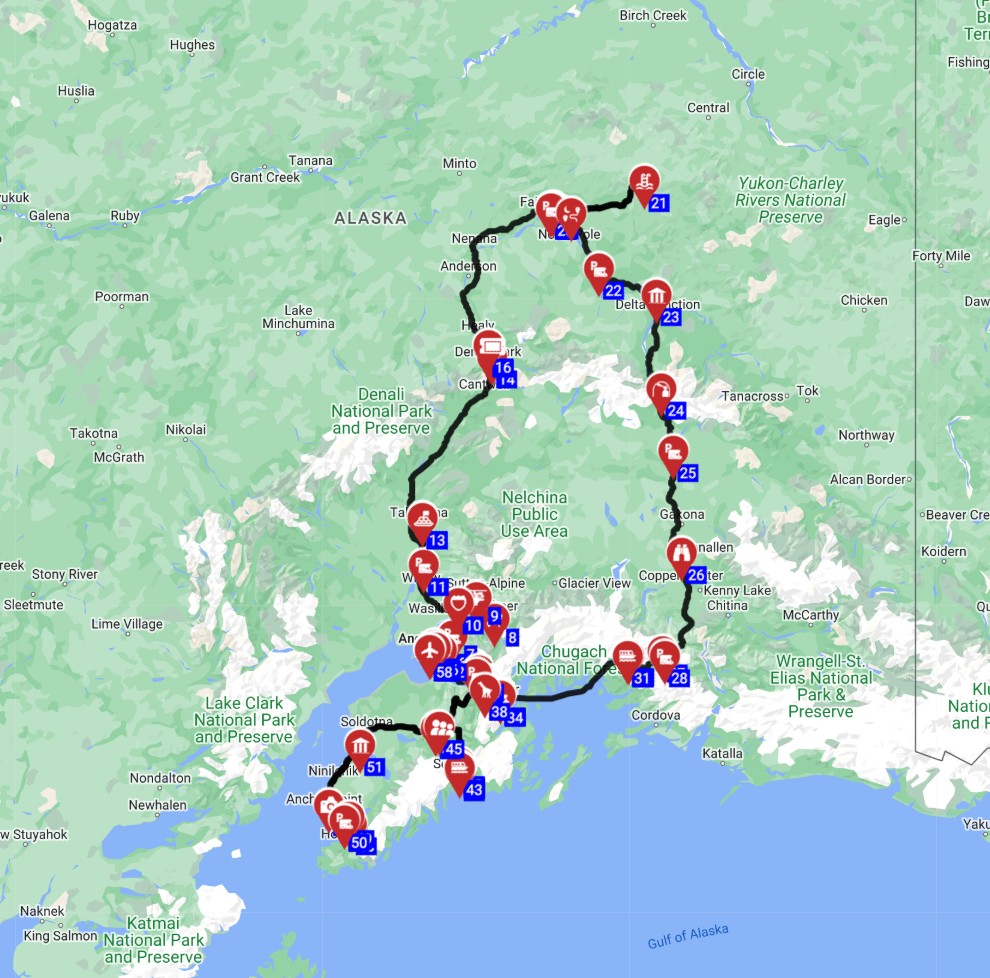
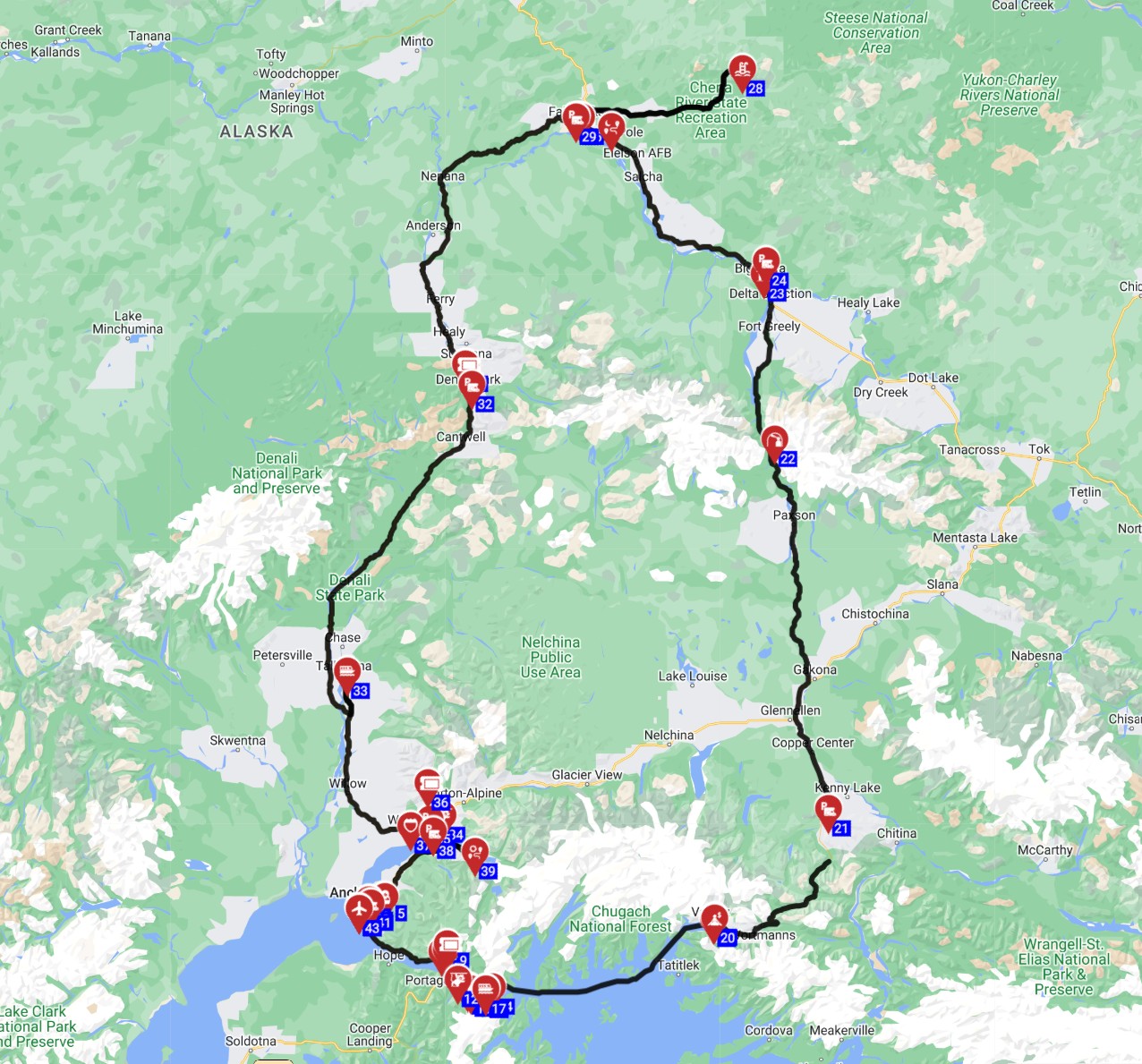
Many BLM-managed areas across Alaska offer abundant dispersed camping opportunities, particularly in the Interior and less populated regions. Always check specific field office websites or local visitor centers for current restrictions and permitted areas before setting up camp. The Chugach and Tongass National Forests also permit dispersed camping, though access may be limited by terrain and road conditions, with some areas featuring designated free sites. For example, the Anchorage Round Trip - Alaska-Yukon Discovery Trail (23 days, 3539.2 km) offers vast stretches where such camping is possible.
Unlike the Lower 48, overnight parking at rest areas or large retail stores like Walmart is less common or explicitly prohibited in many Alaskan locations; always verify with store management or posted signs to avoid issues. When opting for free camping, be prepared for no amenities, which means being self-sufficient with your water, waste (a "MH-A" motorhome has a 105-liter waste water tank), and power. Remember to pack out all trash, properly dispose of human waste, and adhere to any fire restrictions as part of ethical and responsible tourism. For finding campsites and campgrounds during your trip, we recommend using RV PLANET (rvplan.net) - a great resource for locating available spots along your route.
Is boondocking legal in Alaska?
Yes, boondocking (dispersed camping without hookups) is generally legal and widely available on vast public lands in Alaska, primarily those managed by the Bureau of Land Management (BLM) and the National Forest Service, subject to specific regulations and responsible practices.
The legality of boondocking hinges on land ownership; it is typically permitted on BLM and National Forest lands, but usually prohibited in National Parks, State Parks (outside of designated primitive sites), private property, and many urban areas. Adherence to Leave No Trace principles is paramount, including packing out all trash, properly disposing of human waste, minimizing campfire impacts, and respecting wildlife.
Most public lands impose a 14-day stay limit within any 30-day period for a single location, designed to prevent overuse and protect the environment. Boondocking in Alaska requires heightened awareness and preparation for wildlife encounters, especially with bears and moose, by securing all food and scented items in your rented motorhome and carrying bear spray. The remote nature of many boondocking spots also means limited to no cell service, so having alternative navigation and communication methods is wise. For comprehensive route plans that consider boondocking opportunities, check out RV PLANET (rvplan.net).
Can you park an RV anywhere in Alaska?
No, despite Alaska's wild reputation and vast open spaces, you cannot park a rented RV absolutely anywhere; restrictions include private property, designated no-parking zones, urban areas, and environmentally sensitive sites, requiring careful planning for overnight stays.
Parking on private land without the owner's explicit permission is illegal and strictly enforced, just as it is elsewhere in the USA. Many municipalities, such as Anchorage and Fairbanks, have bylaws prohibiting overnight RV parking on city streets, in public parks, or at trailheads to manage traffic and local resources. In National Parks and National Monuments, overnight parking is typically restricted to designated campgrounds or specific pull-offs, with boondocking generally not allowed outside these areas.
Certain fragile ecosystems or wildlife habitats may have seasonal or permanent restrictions on RV access or parking, and Native Corporation lands require specific permission. Always prioritize safety and visibility when choosing a parking spot, especially along busy roads or in remote areas with limited cell service. Even for larger motorhomes like the "MHC30," which is 9.15 meters long, drive slowly and carefully, and you can drive almost anywhere without issues. No need to stress - just use common sense and pay attention to posted signs and local regulations. Bandana offers support before and after your booking to help with route planning and understanding these important details.
What does FF mean in camping?
In RV camping contexts, 'FF' most commonly stands for 'First-Come, First-Served' (FCFS), indicating that campsites are available without prior reservations, or less commonly, 'Full Hookups,' signifying that a site offers electric, water, and sewer connections.
First-Come, First-Served (FCFS) is the prevalent meaning you'll encounter in Alaska, especially for a portion of sites in popular public campgrounds like some Alaska State Parks or National Forest sites. For FCFS sites, campers arrive, find an open site, and claim it, with early arrival being crucial during peak season, particularly for popular spots on routes such as the Anchorage Roundtrip - Alaska (11 days, 1928.5 km).
Less frequently, 'FF' might informally abbreviate 'Full Hookups,' although 'FHU' is the more standard and widely recognized term for sites with electric, water, and sewer connections. Understanding FCFS is vital for flexible travel plans in Alaska due to high demand for popular campgrounds; always verify the meaning with the campground host or ranger if unsure. This flexibility is key when planning last-minute RV camping in Alaska.
What is the best time of year to RV to Alaska?
The best time of year to RV to Alaska typically spans from mid-May through mid-September, with July and August offering the warmest weather and maximum daylight, while the shoulder seasons provide unique advantages like fewer crowds and potentially lower costs.
The Peak Season (July-August) boasts the warmest temperatures, often reaching 60s-70s F (15-20°C), longest daylight hours (up to 19 hours around the summer solstice), and full operational services, making it ideal for all outdoor activities like hiking and wildlife viewing. However, this period also comes with higher prices and increased crowds at popular sites.
Shoulder seasons offer distinct benefits: mid-May to June brings emerging wildlife, vibrant wildflowers, fewer crowds, and potentially lower RV rental rates, allowing you to save money on your Alaska RV Rental Deals 2024. Late August to September presents stunning fall foliage and excellent opportunities for Northern Lights viewing as the nights grow longer, along with a decrease in tourists. Be aware that some services might be limited during the shoulder seasons, and road conditions can be unpredictable, especially with frost heaves in spring or early snow in fall.
RVing in winter (October-April) is extremely challenging due to severe cold, limited road access, and most campgrounds being closed, making it suitable only for highly experienced, fully winterized RVers. For most, the summer and shoulder months provide the most accessible and rewarding experience.
How much are campsites in Alaska?
Campsite costs in Alaska vary significantly based on location, amenities, and ownership, ranging from free for dispersed boondocking to $20-30 per night for state or federal sites, and $40-80+ per night for private RV parks with full hookups.
Free boondocking is abundant on BLM and National Forest lands, offering the most budget-friendly option, but requires campers to be fully self-sufficient without access to amenities like water or sewer connections. State and federal campgrounds, such as those in Alaska State Parks or National Forests, typically cost between $15-35 per night, providing basic amenities like vault toilets and communal water pumps.
Private RV parks are the most expensive, often ranging from $40-80+ per night in prime locations like Seward or near Denali National Park. These parks offer a full suite of amenities including full hookups, showers, laundry, and Wi-Fi. Prices are influenced by location (high-demand areas are pricier), amenities offered, and the season, with peak summer (July-August) being the most expensive. Utilizing campground discount cards, sometimes available through rental providers, can help reduce these costs. For example, when planning a week-long RV rental in Alaska, careful budgeting for these expenses is key.
What is the 200 rule for camping?
The '200 Rule' is not a universally recognized federal RV camping regulation in Alaska or nationwide, but specific local land management agencies or Leave No Trace principles may advise setting up camp at least 200 feet (approximately 70 steps) away from water sources, trails, and roads to protect natural resources and ensure privacy.
This 200-foot guideline is often associated with Leave No Trace ethics for primitive tent camping, aiming to minimize impact on water ecosystems and maintain wilderness solitude. While there is no specific federal '200 rule' directly dictating RV parking across all public lands, the spirit of this guideline generally applies to RVs to avoid disturbing natural areas and to maintain a respectful distance from others. RV parking is primarily governed by road access, designated sites, and specific dispersed camping regulations for different land types.
Always verify with the specific land management agency (e.g., BLM, National Forest, State Parks) for the area you plan to visit, as they may have unique setback requirements or prohibitions. Maintaining a respectful distance from wildlife, often far greater than 200 feet, is critical in Alaska for both human safety and animal well-being, especially with large animals like bears and moose. Prioritizing responsible travel ensures a positive experience for both visitors and Alaska's delicate ecosystems.
What You Shouldn't Miss
- Drive the Seward Highway: This 200 km stretch from Anchorage to Seward is consistently ranked among the most scenic drives in the USA, offering breathtaking views of Turnagain Arm, towering mountains, and potential wildlife sightings like beluga whales.
- Explore Denali National Park: While RVs have limited access beyond Savage River (mile 15), taking the park shuttle bus further into the park is a must for iconic views of Denali (weather permitting) and unparalleled wildlife viewing opportunities for grizzlies, caribou, and Dall sheep.
- Go Glacier Kayaking in Seward: From Seward, embark on a guided kayaking tour into Resurrection Bay or out of Whittier, paddling among icebergs and getting up close to tidewater glaciers. The beauty is truly unforgettable.
- Visit Homer Spit: Drive your rented campervan down this famous narrow strip of land jutting into Kachemak Bay. Homer is known as the "Halibut Fishing Capital of the World," offering fantastic fishing charters and a quirky arts scene.
- Experience the Alaska Marine Highway: For a truly unique "road trip on water," consider driving your RV onto a state ferry from towns like Bellingham, WA, or Prince Rupert, BC, and exploring coastal communities like Juneau, Sitka, or Ketchikan.
Looking for expert insights from Avi Bandana? Top 5 Adventures - recommendations from Avi Bandana
🎬 Video coming soon
Final Thoughts
Embarking on an RV adventure in Alaska, whether it's a meticulously planned two-week adventure or a more spontaneous week-long trip, promises unforgettable memories amidst unparalleled natural beauty. From the majestic glaciers of the Kenai Peninsula to the vast wilderness surrounding Denali, having your own rented motorhome gives you the freedom to explore at your own pace, changing plans as the Alaskan spirit moves you.
Remember that careful planning and flexibility are your best companions. Take advantage of resources like RV PLANET (rvplan.net) for pre-planned routes and campground information, and don't hesitate to embrace the thrill of finding a first-come, first-served spot. With Bandana RV, you have a partner who genuinely knows RV travel and is committed to making your Alaskan dreams a reality, with full transparency and dedicated support every step of the way.
So, get ready to discover the magic of Alaska with a rented RV. Your incredible journey awaits!