In This Guide
- Top 5 Tips for rv rental beginners RV Rental in West Canada
- Before You Book - Class, Dates, Insurance
- Pre-Trip Prep - Packing Checklist for West Canada
- On the Road - Driving, Fueling, Navigation
- At the Campground - Setup, Hookups and Etiquette
- rv rental beginners-Specific Tips for West Canada
- Common Mistakes to Avoid in West Canada
- Is an RV a good idea for West Canada
- What is the best RV for West Canada
- What is the best time of year to RV in West Canada
- How much does it cost to rent an RV in West Canada
- What are the rules for RV camping in Canada
- Where can you boondock in BC
- How do you stay connected in remote Canada
Embarking on your first rented RV adventure in West Canada is an incredibly exciting prospect, offering unparalleled freedom to explore the breathtaking landscapes of British Columbia and Alberta. Imagine waking up to a fresh mountain breeze, sipping coffee with a panoramic view of the Rockies, or enjoying a home-cooked meal by a serene lake.
West Canada, with its majestic mountains, pristine lakes, and vibrant cities like Vancouver and Calgary, is a dream destination for motorhome travel. Whether you're planning a week-long trip to explore the coastal beauty or an extended road trip through the Canadian Rockies, renting a campervan or motorhome gives you a flexible home on wheels. For live availability and current prices, start with our RV Rental West Canada - Complete Guide 2026 guide.
At Bandana RV, we’ve helped tens of thousands of travelers since 2001, providing direct partnerships with over 50 leading RV suppliers worldwide, including trusted names like El Monte, Cruise America, Apollo, and Britz. We're true RV specialists, not just a side department of a generic travel agency. We're here to ensure your first RV rental experience is smooth, transparent, and absolutely unforgettable.
Top 5 Tips for rv rental beginners RV Rental in West Canada
For first-time motorhome renters in West Canada, a successful trip begins with solid planning and understanding key operational aspects.
- Choose the Right RV Class: Selecting an RV class suitable for your driving comfort and group size is paramount. For beginners, a Class C motorhome or a smaller campervan offers easier handling and parking, especially on winding mountain roads. Larger Class A motorhomes provide more space but require more confidence to maneuver.
- Book Campsites in Advance: Secure your campsites, particularly in popular national parks like Banff and Jasper, well in advance. Popular spots can book out within minutes of their release, typically four months prior to your desired date at 7:00 AM PST. Remember, many national and state parks reserve only 25-30% of spots; the rest are first-come-first-serve. You’ll find a spot; if not at the first campground, then the next one. Just remember to call ahead before driving!
- Familiarize Yourself with RV Operations: Before hitting the road, take time to learn basic RV operations such as hookups for electricity, water, and waste disposal. Your rental orientation will cover these, but a quick online video search can provide a helpful refresher. Knowing how to connect a 30-amp or 50-amp shore power, fill a 120-liter fresh water tank, and empty a 100-liter waste tank will save time and stress.
- Pack for Variable Weather: West Canada's mountain weather can be unpredictable, so packing versatile clothing layers is essential. Even in summer, evenings can be cool, and higher elevations often experience different microclimates. Include rain gear and warm layers regardless of the season.
- Budget Thoroughly for All Expenses: Create a comprehensive budget that includes rental fees, estimated fuel costs (CAD$100-200/day depending on distance and RV size), national park passes (e.g., Parks Canada Discovery Pass at CAD$145.25 for a family/group per 2026), campground fees (CAD$30-70/night for serviced sites), and groceries. For a precise overview of all potential ancillary costs and a great tool to itemize and track every expense along the way, explore RV PLANET routes.
Before You Book - Class, Dates, Insurance
Before confirming your rv rental, carefully consider the type of vehicle, your travel dates, and appropriate insurance coverage to ensure a stress-free trip to West Canada.
Choosing an RV class for beginners often means opting for Class C motorhomes or smaller campervan conversions (Class B) due to their easier handling and parking. A Class C motorhome, like the "rv rentals example Comfort Class" with 3 double beds, is ideal for families of 2+2, offering a good balance of living space and maneuverability. A "hire campervan example Paradise S/T" Class B campervan, on the other hand, is excellent for a couple, offering agility for tighter spots and better fuel economy. Lock in your travel dates as early as possible, especially for peak season (July-August) and popular destinations like Banff and Jasper, to secure desired RV models and campsite availability. Prices are dynamic and change daily based on availability, seasonality, and supplier marketing decisions, so booking ahead can often lead to better deals.
Basic insurance is always included with your rental; however, beginners should review options for comprehensive coverage to ensure adequate protection against potential damages or incidents. You can upgrade to a top-level deductible for extra peace of mind. To see prices including the most comprehensive coverage, select that option during your search on our platform - then all relevant insurance options will be clearly shown. We offer full transparency: no hidden fees, no surprises, ensuring what you see is what you get.
Pre-Trip Prep - Packing Checklist for West Canada
Preparing for an RV trip in West Canada involves packing essentials for varying climates, outdoor activities, and self-sufficiency, ensuring comfort on your adventure.
- Rain jacket & waterproof pants
- Warm layers (fleece, wool)
- Hiking boots & comfortable shoes
- Sunscreen & hat
- Insect repellent
- Basic cooking utensils & pots/pans
- Cooler for extra food/drinks
- Reusable water bottles
- First-aid kit
- Bear spray (and knowledge on how to use it)
- Flashlight or headlamp
- RV rental agreement
- Driver's license & passport/ID
- Printed campground reservations
- Physical maps (in case of no signal)
- Parks Canada Discovery Pass (if applicable)
When it comes to cooking on the road, having a well-stocked kitchen ensures cost savings and dietary flexibility on your trip. Many rented motorhomes come equipped with a refrigerator (like the 90-liter unit in the "cruise america rv rental example Explorer"), stove, and sink. For inspiring meal ideas that are easy to prepare in your campervan kitchen, check out our RV-friendly recipes playlist. Additionally, being prepared for wildlife encounters and remote conditions means carrying a first-aid kit and understanding bear safety protocols. Don't forget essential paperwork and navigation tools, as cellular service can be unreliable.
On the Road - Driving, Fueling, Navigation
Driving a rented RV in West Canada requires awareness of the vehicle's size and weight, especially on winding mountain roads and for calculating braking distances.
🎬 Video coming soon
Canada has excellent roads, and with a bit of common sense, driving any size of motorhome is straightforward. Drive slowly and carefully, and you can drive almost anywhere without issues. No need to stress, just use common sense and pay attention. Speed limits are typically 100-110 km/h on highways, but often lower for larger vehicles, so always check signs. Plan your fuel stops carefully in West Canada, as gas stations can be scarce in remote areas, particularly along routes like the Icefields Parkway. A large motorhome like the "MHLUX" (320-liter fuel tank) offers considerable range, but smaller campervans may need more frequent stops. Utilize offline maps or GPS devices with pre-downloaded routes, as cellular service can be spotty or non-existent in many parts of the Canadian Rockies and rural BC. Always be mindful of wildlife, especially at dawn and dusk, as animals like deer, elk, and bears can unexpectedly cross roads.
For more specific driving guidance, you might find our "RV Travel Guide to West Canada - Tips and Top Spots 2026" helpful. For those considering a wider North American adventure, our "RV Rental USA - Complete Guide 2026" offers extensive information.
At the Campground - Setup, Hookups and Etiquette
Setting up an RV at a West Canada campground involves a specific sequence for hookups, generally starting with parking and leveling, then connecting electricity, water, and finally the sewer hose.
Once you arrive at your campsite, first park and level your motorhome. Then, always connect your electrical shore power first to avoid surges, ensuring your RV's internal systems are protected. Next, connect your water hose, remembering to use a pressure regulator to protect your RV's plumbing. Finally, connect the sewer connection, always emptying black water first, followed by grey water to rinse the hose. This standard practice helps maintain hygiene and prevents issues. Adhere to campground quiet hours, typically from 10 PM to 7 AM, to ensure a peaceful experience for all campers. Properly dispose of all waste at designated dump stations and keep your campsite tidy, storing food securely inside your RV or in bear-proof containers to deter local wildlife. On the routes offered through RV PLANET routes, you can itemize and track every expense along the way for easy budgeting.
rv rental beginners-Specific Tips for West Canada
Tailoring your rv rental choice and travel style to your group's needs ensures a more enjoyable experience in West Canada.
For families with children, choose a motorhome with ample sleeping space and consider a Class C motorhome for easy access between the cab and living area during stops. Models with bunk beds, like the "MIC" (7.15m long, with a 147/220cm bed over cab, 128/220cm rear double bed, and 125/188cm middle double bed) are fantastic for larger groups, offering distinct sleeping areas for up to 6 people. Seniors may prefer an ergonomic RV with easy entry/exit, comfortable beds, and automated leveling systems, often found in well-equipped Class C or smaller Class A models, ensuring comfort and accessibility. Remember that the minimum rental age is 21, and there are no young driver surcharges or vehicle class restrictions based on age with Bandana RV, making RV travel accessible for younger couples and groups.
Budget-conscious beginners can save money by utilizing free overnight spots where permitted (like some Walmart Supercentre parking lots), cooking most meals in their rented RV, and opting for shoulder-season travel to benefit from reduced rates. Our "RV Rental in West Canada - Prices and Best Deals 2026" guide offers more insights into finding economical options. Luxury-oriented travelers can enhance their experience with premium RV add-ons such as unlimited mileage packages, kitchen kits, convenience kits, and additional insurance for peace of mind. For those dreaming of a high-end trip, explore "Luxury RV Rental in West Canada - Premium Prices 2026".
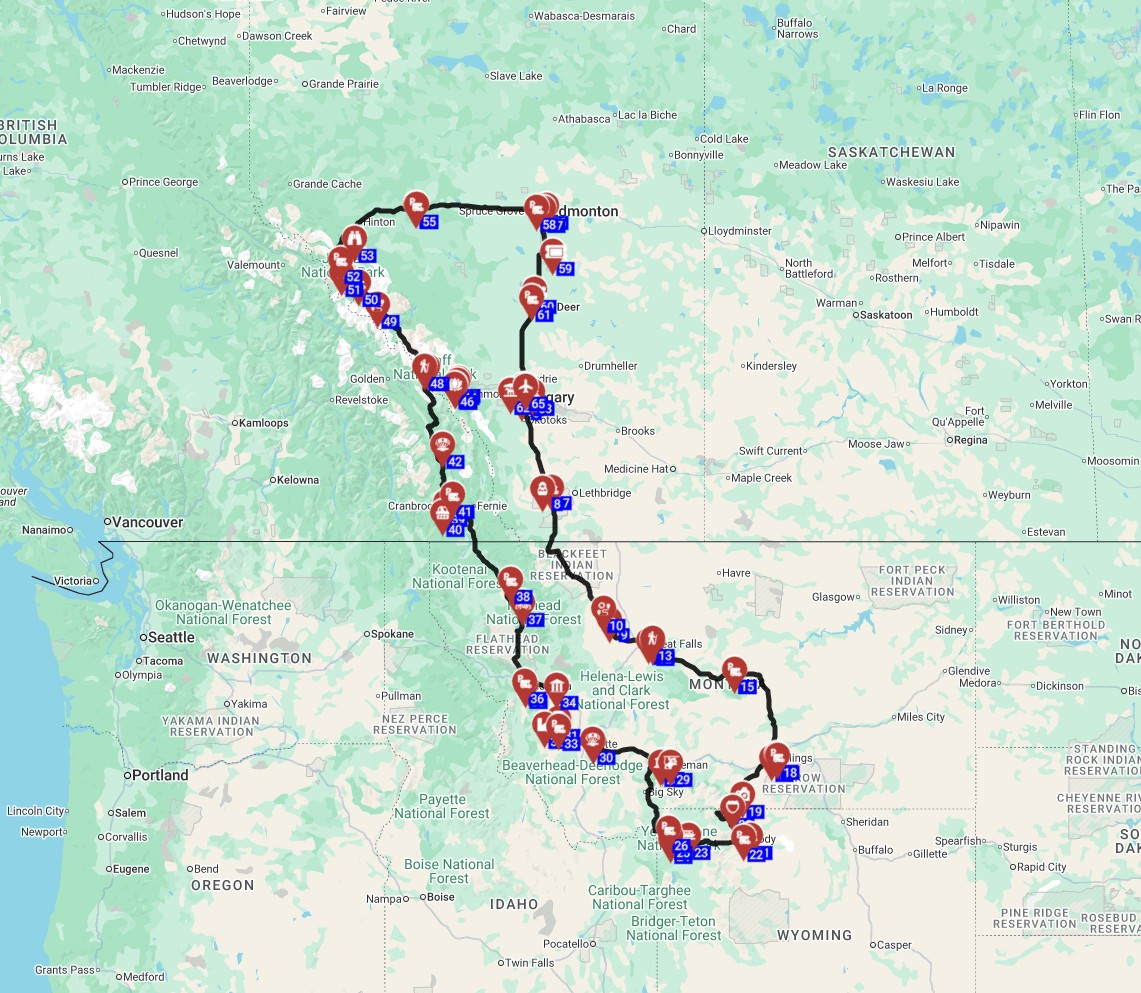
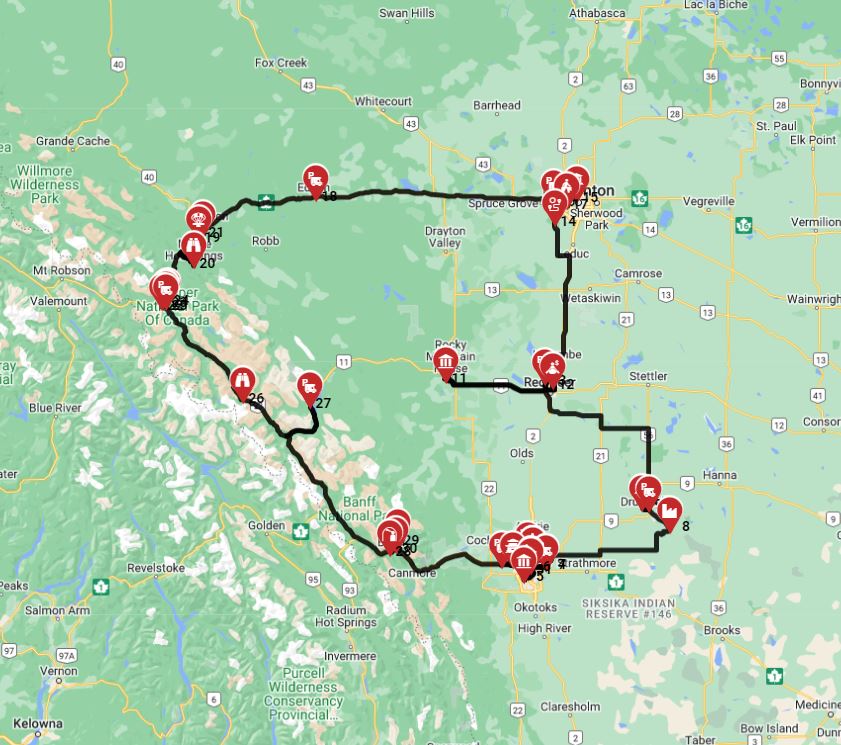
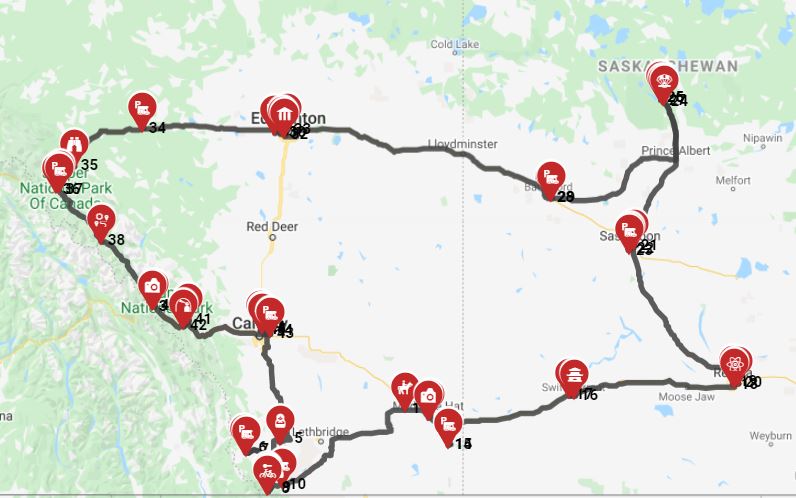
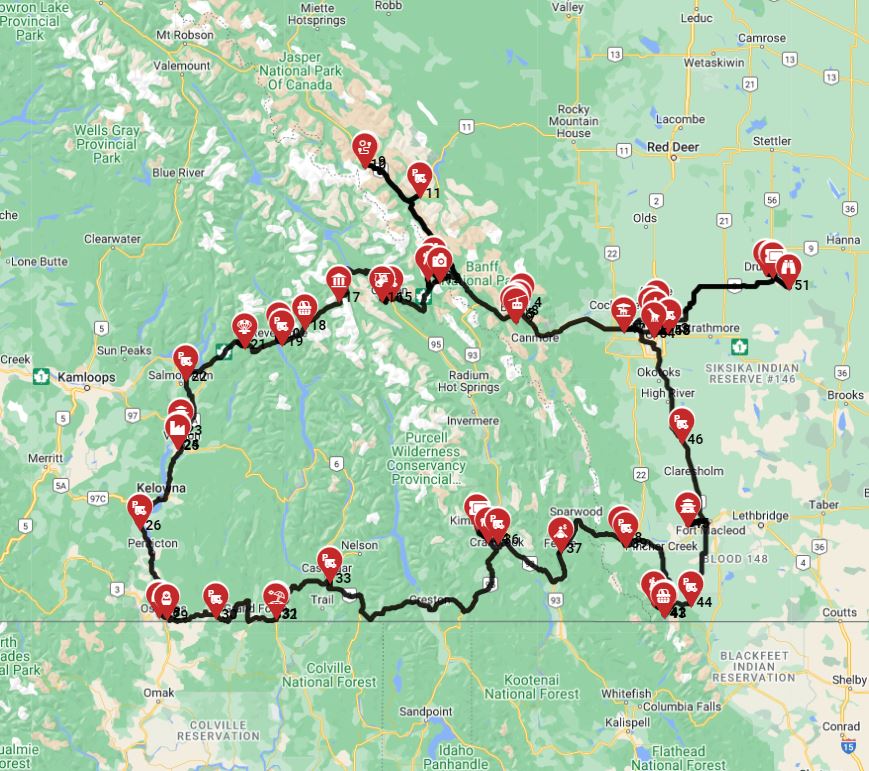
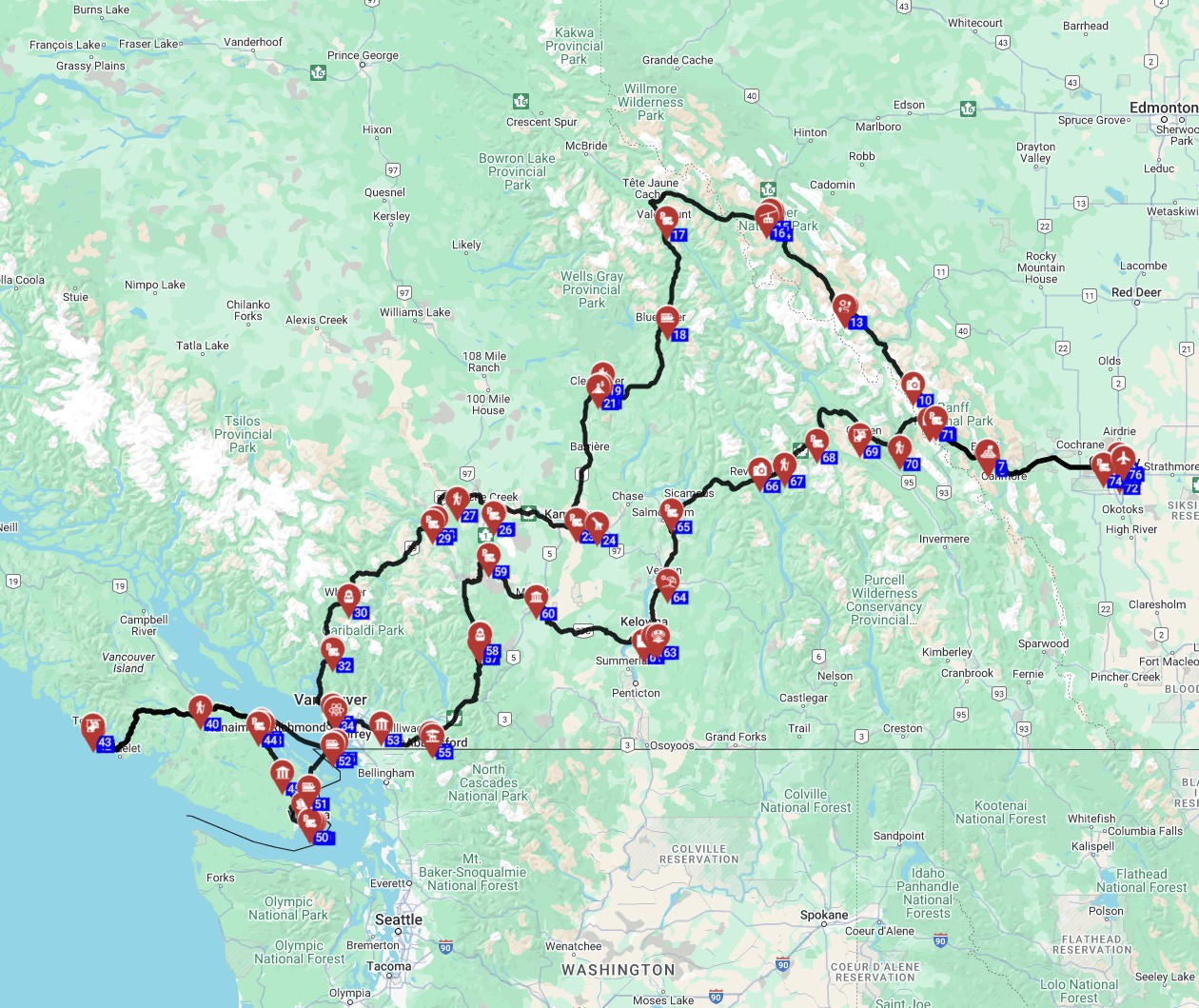
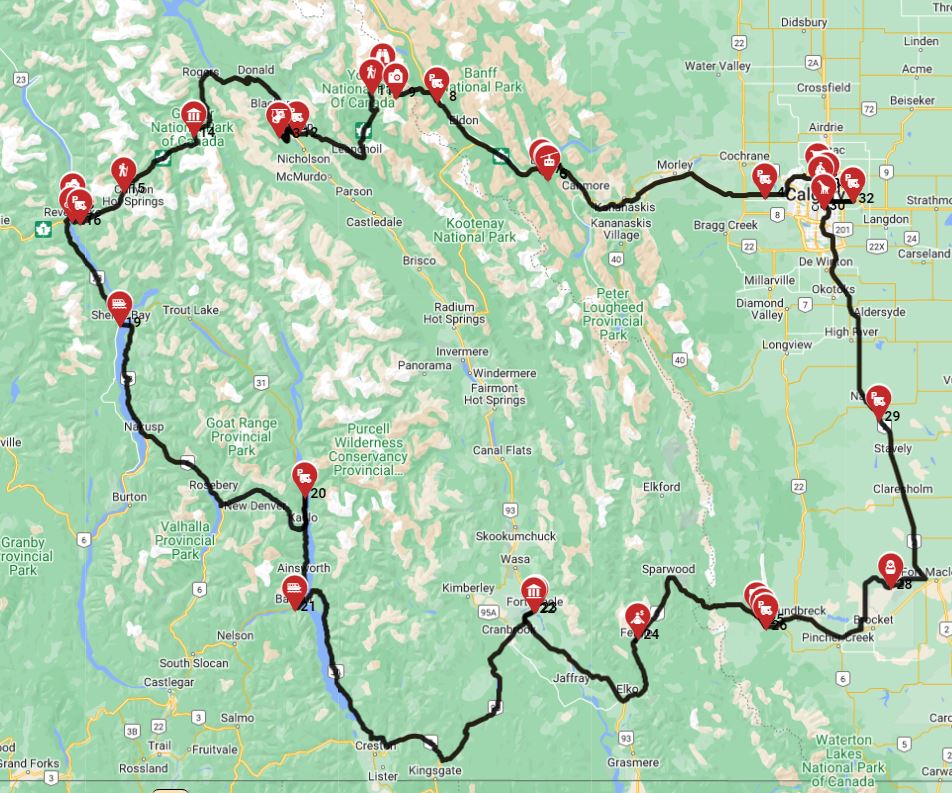
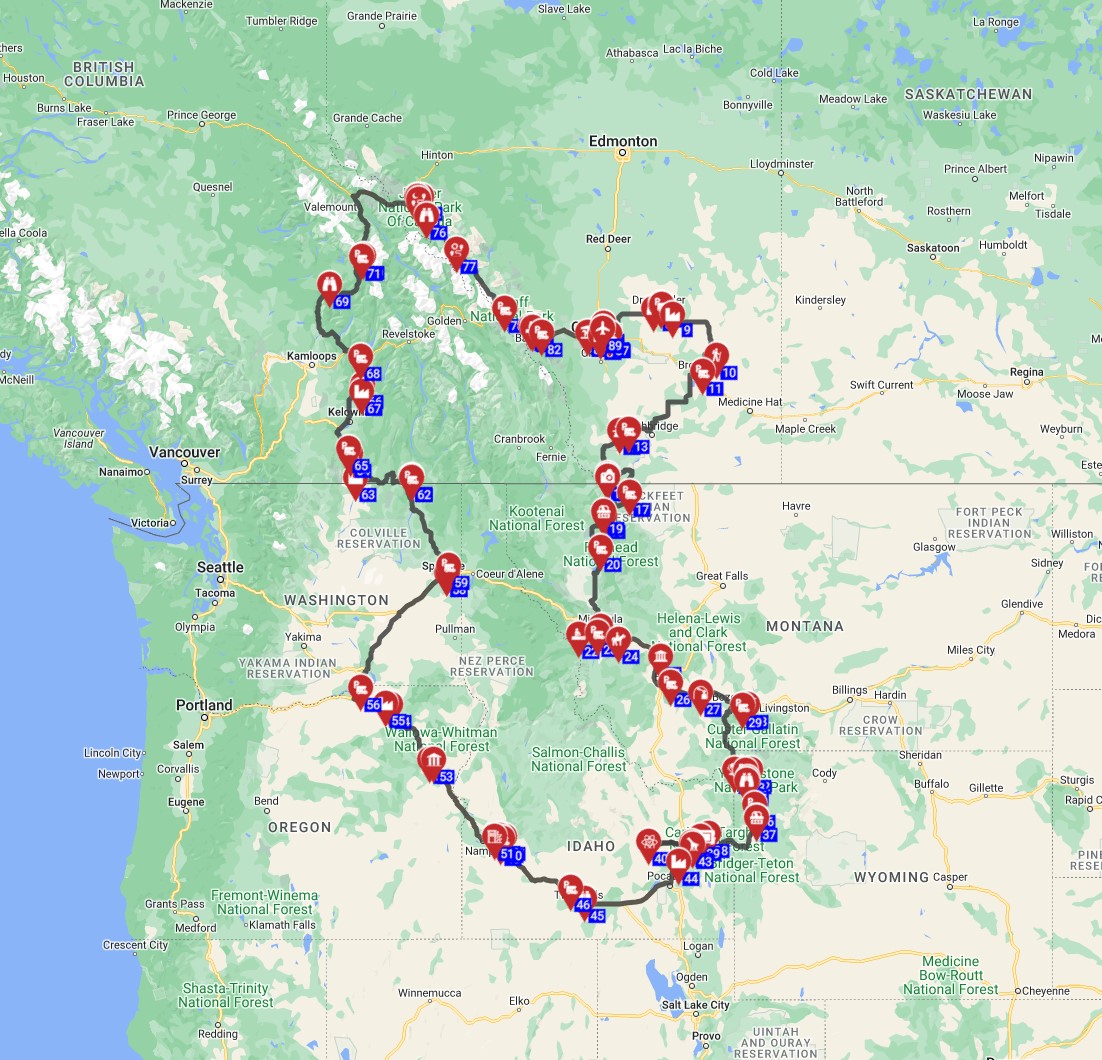
Imagine yourself on the
route, a 19-day, 2659 km journey from Vancouver, including 3 bike rentals, 1 cable railway, and 3 hiking areas. This type of pre-planned route, available through RV PLANET (rvplan.net), makes discovering West Canada effortless. As a bonus, using rvplan.net for route planning provides a 25% planning discount, letting you focus on the adventure instead of the logistics. We handle the details, you live the journey – personal service from day one until your booking is confirmed.Common Mistakes to Avoid in West Canada
Avoiding common pitfalls can significantly improve your first rv rental experience in West Canada, from planning to on-the-road execution.
Instead of underestimating travel times, allow extra hours for scenic stops, wildlife viewing, and navigating mountain passes, as RV travel is inherently slower than car travel. Driving slowly, averaging a maximum of 100-150 km per day, allows you to truly feel the place, connect to the culture, the food, and the scenery. Instead of failing to book campsites in advance, particularly in popular national parks and during peak season, reserve your spots months ahead to avoid fully booked campgrounds. For instance, prime sites in Banff National Park can be reserved 4 months out, exactly at 7:00 AM PST. Instead of solely relying on cell service for navigation, download offline maps or bring a physical map, as many remote areas in West Canada have limited or no cellular coverage. Instead of packing too much, prioritize essential multi-functional items to keep the motorhome lighter and more organized, improving fuel efficiency and maneuverability. Lastly, instead of ignoring wildlife safety protocols, always store food securely, maintain a safe distance from animals, and know how to use bear spray if carrying it, for your safety and theirs.
Is an RV a good idea for West Canada
Yes, a rented RV is an excellent idea for exploring West Canada, offering unparalleled flexibility and a unique way to experience its vast natural beauty.
An RV provides a mobile headquarters, allowing travelers to experience diverse landscapes from the Canadian Rockies to the Pacific coast at their own pace. It combines accommodation and transport, potentially offering a cost-effective travel solution for families or groups. For example, a "Family RV Rental in West Canada - Pricing Guide 2026" can illustrate how rental costs compare to hotels and car rentals. The ability to cook your own meals in a rented RV can lead to significant savings on food costs compared to dining out, further enhancing budget efficiency. RV travel facilitates deeper immersion in nature, with easy access to numerous national parks, provincial parks, and stunning wilderness areas. You can pull into a scenic campsite and feel completely at home amidst the wild.
What is the best RV for West Canada
The best motorhome or campervan for West Canada depends on your experience level, group size, and desired maneuverability on mountain roads and in busy park areas.
Class C motorhomes (typically 20-30 ft long, like the "MHC24" with its 7.3m length and sleeping places for 6) are often recommended for beginners. They offer a good balance of living space and relative ease of driving through winding mountain passes and into smaller campsites. Van conversions (Class B campervans), such as the "DVC" (6.7m long, with a rear double bed of 185/193cm for 2 people), provide excellent maneuverability and fuel efficiency, ideal for solo travelers or couples who prioritize agility and accessing more remote locations. Larger Class A motorhomes offer maximum space and luxury, but they can be more challenging for beginners to navigate on narrow roads and park in crowded areas; they are better suited for highway cruising and confident drivers. Regardless of your choice, remember that a standard car driver's license is sufficient for all motorhome classes, with no special license or permits required.
What is the best time of year to RV in West Canada
The best time to RV in West Canada is generally late spring (May-June) and early fall (September-early October) for fewer crowds, pleasant temperatures, and unique wildlife viewing opportunities.
Summer (July-August) offers the warmest weather and full access to all services and attractions, though popular areas like Banff and Jasper experience significant crowds and require advanced bookings (often 4 months ahead). Shoulder seasons provide benefits like colorful fall foliage or blossoming spring landscapes, and reduced campsite fees. However, some high-elevation roads or specific campgrounds might have limited services or closures. Always check road conditions and park operating hours before you travel. Winter RVing is specialized and often limited to ski resort areas or specific routes like "Icefields Parkway Winter RV Adventure", requiring winterized RVs and preparedness for challenging driving conditions, making it less ideal for first-timers.
How much does it cost to rent an RV in West Canada
The cost to rent an RV in West Canada typically ranges from CAD$150 to CAD$400+ per night, influenced by the RV class, rental season, duration of the trip, and specific amenities or packages.
Prices are dynamic like flight tickets, changing daily based on availability, seasonality, and supplier marketing decisions, so the final price is set at actual booking time. Fuel costs are a significant expense, with larger motorhomes consuming more; budget at least CAD$100-200 per day for fuel depending on mileage and current gas prices. National and Provincial Park entrance fees, such as the Parks Canada Discovery Pass (approx. CAD$145.25 for a family/group per 2026), are essential for accessing iconic areas like Banff, Jasper, and Yoho. Campsite fees generally range from CAD$30-$70 per night for serviced sites (with water and electricity hookups), while unserviced sites or Crown land camping can be free or significantly cheaper. Grocery budgeting strategies include planning meals in advance, utilizing supermarket loyalty programs, and focusing on cooking in your RV to save money on dining out, typically CAD$50-100 per day for a family. Our "RV Rental in West Canada - Prices and Best Deals 2026" and "Weekly RV Rental in West Canada - Pricing 2026" articles provide more in-depth cost breakdowns. Remember, on RV PLANET routes, travelers can itemize and track every expense along the way for easy budgeting.
What are the rules for RV camping in Canada
RV camping in Canada requires adherence to federal, provincial, and municipal regulations concerning designated camping areas, fire safety, waste disposal, and wildlife interactions.
Most overnight RV parking outside designated campgrounds is prohibited, necessitating reservations for national parks, provincial parks, and private campgrounds, especially during peak season. Specific park entry and camping permits are required for Canadian National Parks, often including a daily or annual pass (e.g., Parks Canada Discovery Pass) in addition to campsite fees. Be aware of fire bans, particularly in dry seasons, as non-compliance carries significant penalties; always check local conditions before starting a campfire. Wildlife interaction rules emphasize keeping a safe distance, never feeding animals, and securing all food and scented items inside your RV or bear-proof containers to prevent encounters. These rules are in place for your safety and the preservation of Canada's natural beauty, allowing you to enjoy your vacation with a rented mobile home responsibly.
Where can you boondock in BC
Boondocking, or free camping, in British Columbia is primarily permitted on designated Crown Land, within official Recreation Sites, and in some municipal areas with specific overnight parking allowances.
To find suitable boondocking spots in BC, utilize resources like the iOverlander app, the Recreation Sites and Trails BC website, and specific Facebook groups for RVers in Western Canada. Always research local regulations thoroughly before settling into a spot, as rules can vary greatly. Regulations for boondocking on Crown Land typically include staying within designated areas, adhering to a 14-day stay limit on any one site, and practicing strict 'Leave No Trace' principles to protect the environment. Essential gear for off-grid RVing in BC includes sufficient fresh water capacity (many motorhomes have 100-150 liter tanks), robust battery banks (or solar panels), a way to manage waste water (75-130 liter waste tanks are common), and a strong awareness of local wildlife and emergency protocols. This allows for genuine flexibility during your extended road trip.
How do you stay connected in remote Canada
Staying connected in remote areas of West Canada can be challenging due to limited cellular coverage and Wi-Fi availability in many wilderness and mountain regions.
Practical solutions for staying connected include using a cellular booster antenna to enhance weak signals, or investing in a satellite messenger device for emergency communication outside of cell service range. Prepare for digital disconnection by downloading offline maps, essential documents, and entertainment before venturing into areas with known connectivity issues. Many provincial and national park campgrounds, as well as small towns, offer limited Wi-Fi, often at a fee, which can be sufficient for checking emails or brief internet use. Embrace the opportunity to unplug and enjoy the stunning natural surroundings. After all, the essence of a rented campervan adventure in West Canada is often found off the beaten path.
What You Shouldn't Miss
- Drive the Icefields Parkway (Alberta): This 232-km scenic route (Highway 93N) connecting Banff and Jasper is consistently ranked among the world's most beautiful drives, offering views of ancient glaciers, turquoise lakes, and abundant wildlife.
- Explore Banff National Park (Alberta): Canada's first national park is famous for Lake Louise, Moraine Lake, and epic hiking trails. Book your campsites months in advance for peak season.
- Discover the Okanagan Valley (British Columbia): Beyond the mountains, this region offers warm lakes, orchards, and renowned wineries perfect for a leisurely rented motorhome tour.
- Hike in Yoho National Park (British Columbia): Home to Takakkaw Falls (Canada's second-highest waterfall) and the stunning turquoise waters of Emerald Lake, it's a paradise for nature lovers.
- Relax in Tofino (Vancouver Island, British Columbia): Experience the rugged Pacific coastline, surfing, and storm watching in this charming west coast town (requires a ferry trip with your camper).
Looking for expert insights from Avi Bandana? Top 5 Adventures - recommendations from Avi Bandana.
Final Thoughts
Embarking on your first rented RV trip through West Canada is an adventure filled with stunning scenery, wildlife encounters, and the freedom to explore at your own pace. While it might seem like a lot to learn, remember that every seasoned RVer was once a beginner. With a bit of preparation and an open mind, you'll quickly become comfortable with your temporary home on wheels.
At Bandana RV, we're here to support you every step of the way, offering transparent pricing and expert advice. So take that leap, plan your route through the majestic Rockies or along the beautiful BC coast, and get ready to create memories that will last a lifetime. Discover top destinations, planning tips, all in one place!
Plan a trip itinerary in advance with minimal effort and maximum enjoyment. Your West Canada RV adventure awaits!