In This Guide
- Top 5 Tips for RV Rental Beginners in South Europe
- Before You Book - Class, Dates, Insurance
- Pre-Trip Prep - Packing Checklist for South Europe
- On the Road - Driving, Fueling, Navigation
- At the Campground - Setup, Hookups & Etiquette
- RV Beginners-Specific Tips for South Europe
- Common Mistakes to Avoid in South Europe
- How much does it cost to rent an RV in Europe?
- Is it safe to RV in Europe?
- What are the Best Countries for RVing for Beginners in South Europe?
- What are the rules for wild camping in Europe?
- How do you dispose of RV waste in Europe?
- What is the best time of year to RV in Europe?
- What are the best RV apps for Europe?
- How do tolls work in Europe RV?
- Can you cross borders in an RV in Europe?
- Do you need a special license to drive an RV in Europe?
- Navigating Narrow Roads and City Parking in South Europe
- Cultural Etiquette and Language Tips for RVers in South Europe
- Food and Drink Exploration in South Europe by RV
- Traveling with Pets: Regulations and Pet-Friendly Options in South Europe
- Sustainable RV Travel Practices in South Europe
Embarking on your first RV rental adventure in South Europe promises an unparalleled sense of freedom and discovery. Imagine waking up to the sound of waves on the Portuguese coast, savoring fresh Italian pasta in a charming village, or exploring ancient Greek ruins at your own pace. For live availability and current prices, start with our RV Rental South Europe - Complete Guide 2026 guide. This comprehensive guide is designed specifically for first-time RVers, offering practical advice and insider tips to ensure your journey through the sun-drenched landscapes of Portugal, Spain, Italy, Greece, and Croatia is smooth, enjoyable, and unforgettable. We're here to support you from pre-booking comparisons to post-booking coordination, ensuring you feel confident every step of the way.
Top 5 Tips for RV Rental Beginners in South Europe
To ensure a smooth RV rental experience in South Europe, several key tips can significantly enhance your trip planning and enjoyment. Securing your preferred vehicle and dates, especially during peak seasons like July and August, is crucial, so consider booking 3-6 months ahead. Understanding different RV classes will help you choose a motorhome or campervan suitable for South European roads and your group size; a compact "Luxury" campervan (like a "luxury rv rentals example Carthago Malibu 600") or a "Compact Plus" motorhome (such as a "Camping car example Comfort Plus") might be easier for navigating narrower streets, offering a balance between comfort and maneuverability. Familiarize yourself with local driving rules, including diverse speed limits, various toll systems, and country-specific road signs to avoid surprises. Plan your route with a balanced mix of official campsites and potential wild camping spots, always checking local regulations to ensure compliance and safety. Finally, embrace the rich local culture by visiting markets for fresh produce and trying regional cuisines, which enriches your travel experience beyond just sightseeing. Traveling slowly, aiming for a maximum of 100-150 km per day on average, allows you to truly feel the place, connect to the culture, the food, and the scenery. On the routes offered through RV PLANET routes, you can itemize and track every expense along the way for easy budgeting.
Before You Book — Class, Dates, Insurance
Choosing an RV rental in South Europe involves balancing comfort with maneuverability, with smaller Class B campervans or Class C motorhomes generally being easier for beginners to navigate on narrow roads. For instance, a campervan like the "hire campervan example Paradise S/T" is ideal for a couple, offering a compact solution with amenities, while a "rent rv example EX - Group E" motorhome (a medium RV) could suit a family of 2+2. Lock in your rental dates as early as possible, typically 3-6 months ahead for spring and summer (April-October) trips, to benefit from better availability and potentially lower prices, as rental costs are dynamic and change daily based on demand. Basic insurance is always included with RV rentals in Europe; however, to see prices including the most comprehensive coverage, select that option during your search on Bandana RV, and all relevant insurance options will be displayed clearly, reinforcing our commitment to full transparency with no hidden fees or surprises.
🎬 Video coming soon
A standard car driver's license (Category B) is sufficient for driving all motorhome classes up to 3,500 kg MAM across South Europe, and the minimum rental age is 21 with no young driver surcharges. Consider upgrading to a top-level deductible for extra peace of mind, an optional enhancement that can protect you from significant out-of-pocket expenses in case of an incident.
Pre-Trip Prep - Packing Checklist for South Europe
Preparing a tailored packing checklist ensures you have everything needed for a comfortable and compliant RV trip in South Europe, taking into account the diverse climates and specific requirements across countries like Spain, Italy, and Greece. Essential items range from appropriate clothing for varying temperatures (e.g., lightweight linens for hot days, a light jacket for cooler evenings) to necessary safety equipment and critical travel documents. Ensure your rented motorhome is equipped with a spare tire or repair kit, and basic tools. Don't forget adapters for European electrical sockets and a long extension cord for campground hookups.
- Lightweight, breathable clothing (linens, cottons)
- Swimsuit and beach towel
- Light jacket or cardigan for evenings
- Comfortable walking shoes and sandals
- Sun hat, sunglasses, and high-SPF sunscreen
- Reusable water bottles
- Cooler bag for day trips
- Basic cooking utensils (pots, pans, cutlery, plates)
- Coffee maker or Moka pot
- Dish soap, sponges, and kitchen towels
- First-aid kit with any personal medications
- Reflective vests for all passengers
- Warning triangle
- Fire extinguisher (often supplied with RV)
- Spare fuses and basic tool kit
- Passport or national ID card
- Driver's license (and International Driving Permit if required)
- Vehicle registration and insurance documents
- RV rental agreement
- Copies of all important documents (stored separately)
When packing for your culinary adventures on board your rented RV, remember that local markets in South Europe offer incredibly fresh ingredients, perfect for delicious meals. You can find inspiration and practical ideas in our RV-friendly recipes playlist.
On the Road - Driving, Fueling, Navigation
Navigating South European roads requires awareness of varied speed limits, unique toll systems, and different fuel types. Always be prepared for narrower roads, especially in rural areas and historic towns in countries like Italy and Greece, and ensure your navigation system is updated for large vehicle dimensions. For instance, a compact campervan or a smaller Class C motorhome like the "Category Small AT" (features: Automatic transmission, Ideal for a couple, RV size - Small) will be more nimble. Drive slowly and carefully, and you can drive almost anywhere without issues. No need to stress - just use common sense and pay attention. Understanding that 'petrol' (gasoline) and 'diesel' are the primary fuel types, indicated by different names across countries (e.g., *benzina* vs. *gasolio* in Italy, *gasolina* vs. *gasóleo* in Portugal and Spain), is essential to avoid misfuelling. Many motorways feature electronic toll systems, particularly in Portugal, requiring pre-registration or acquiring a temporary device, so research these systems for your specific route to avoid unexpected fines.
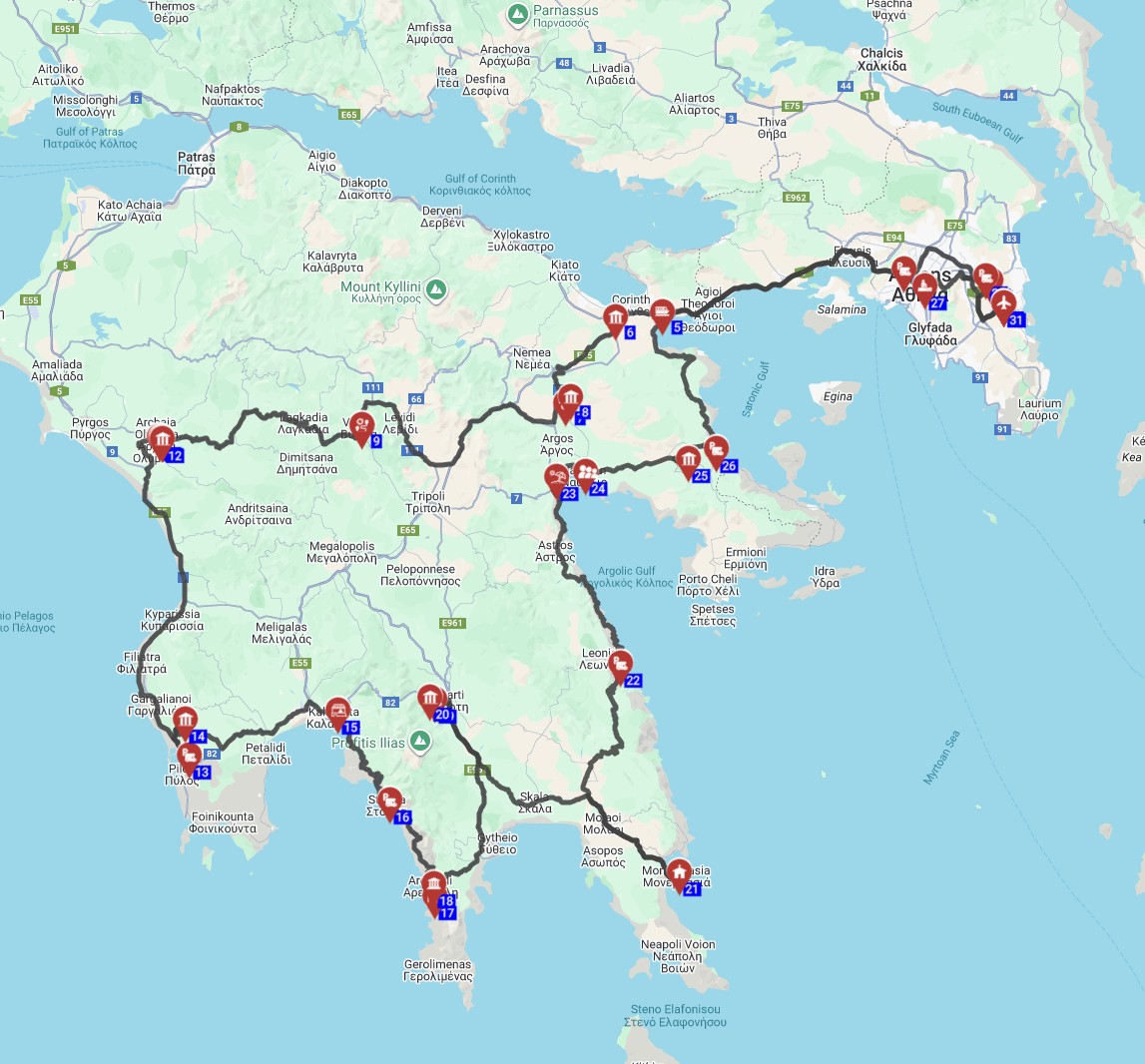
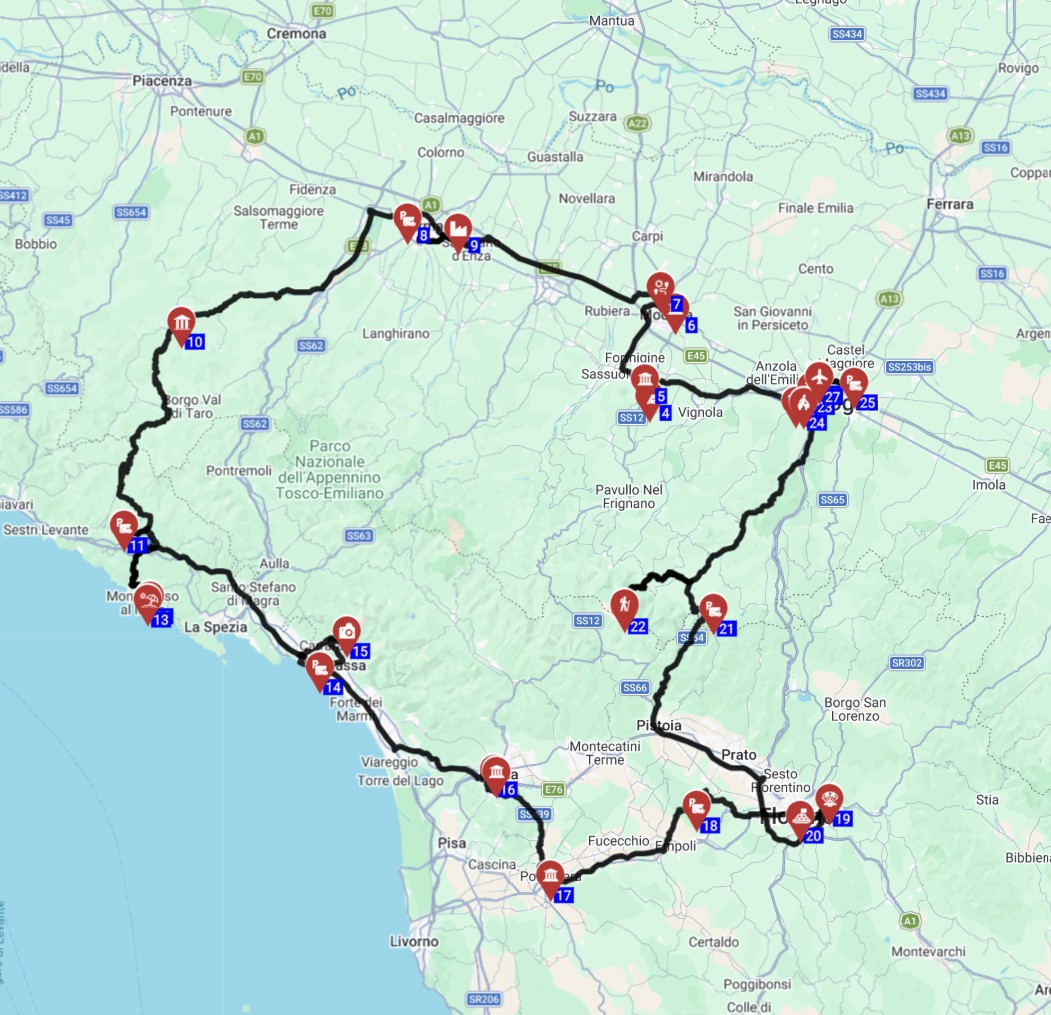
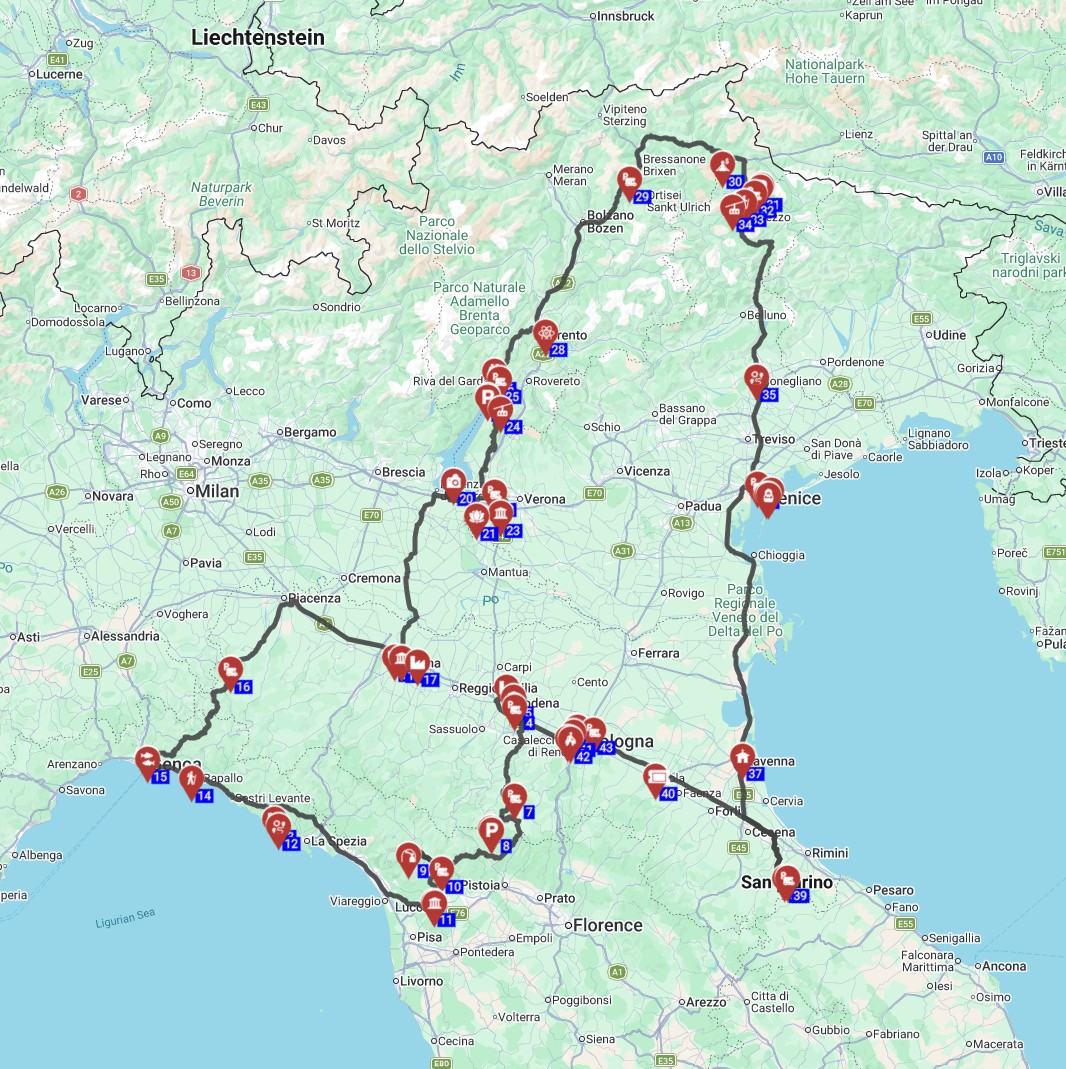
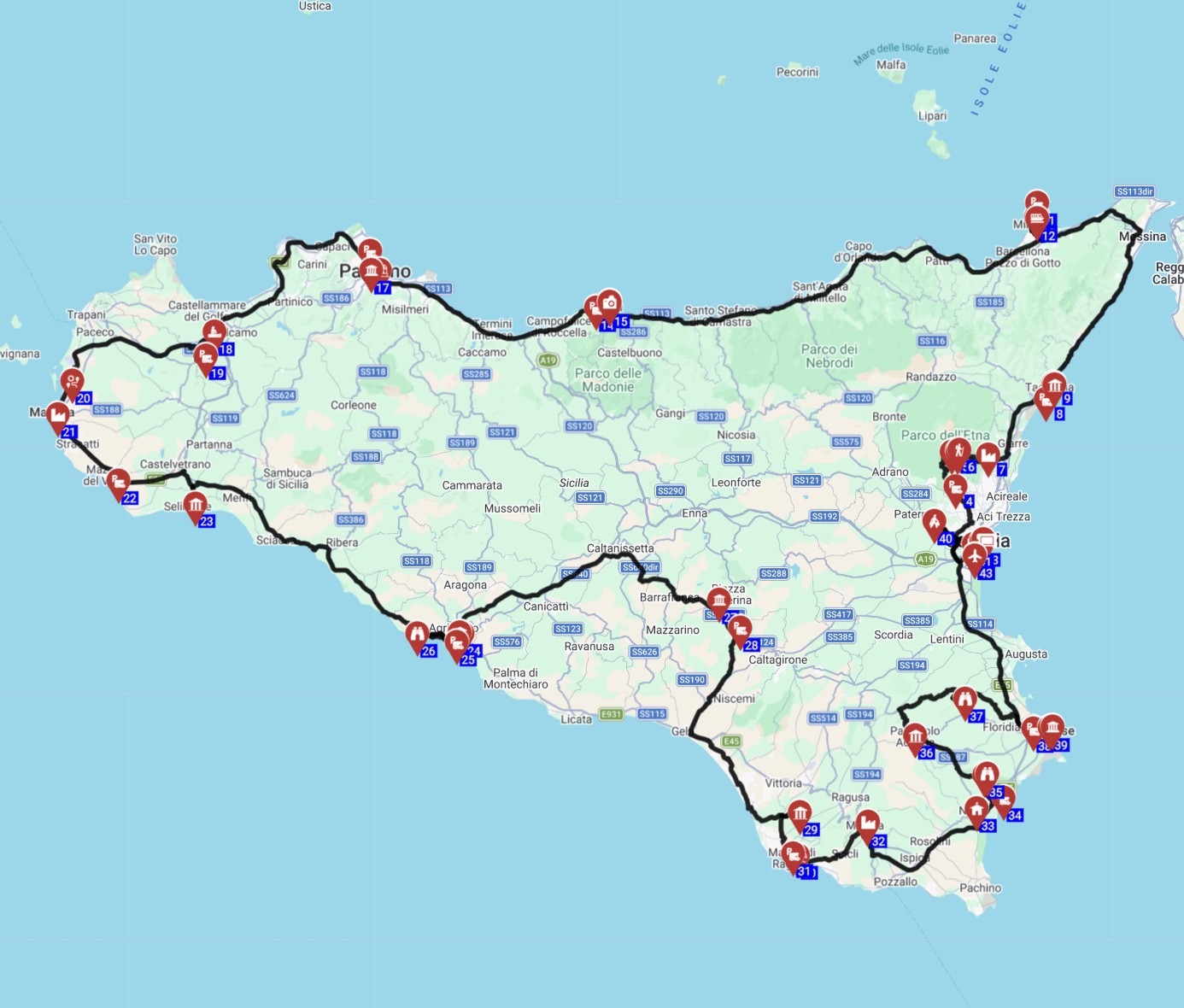
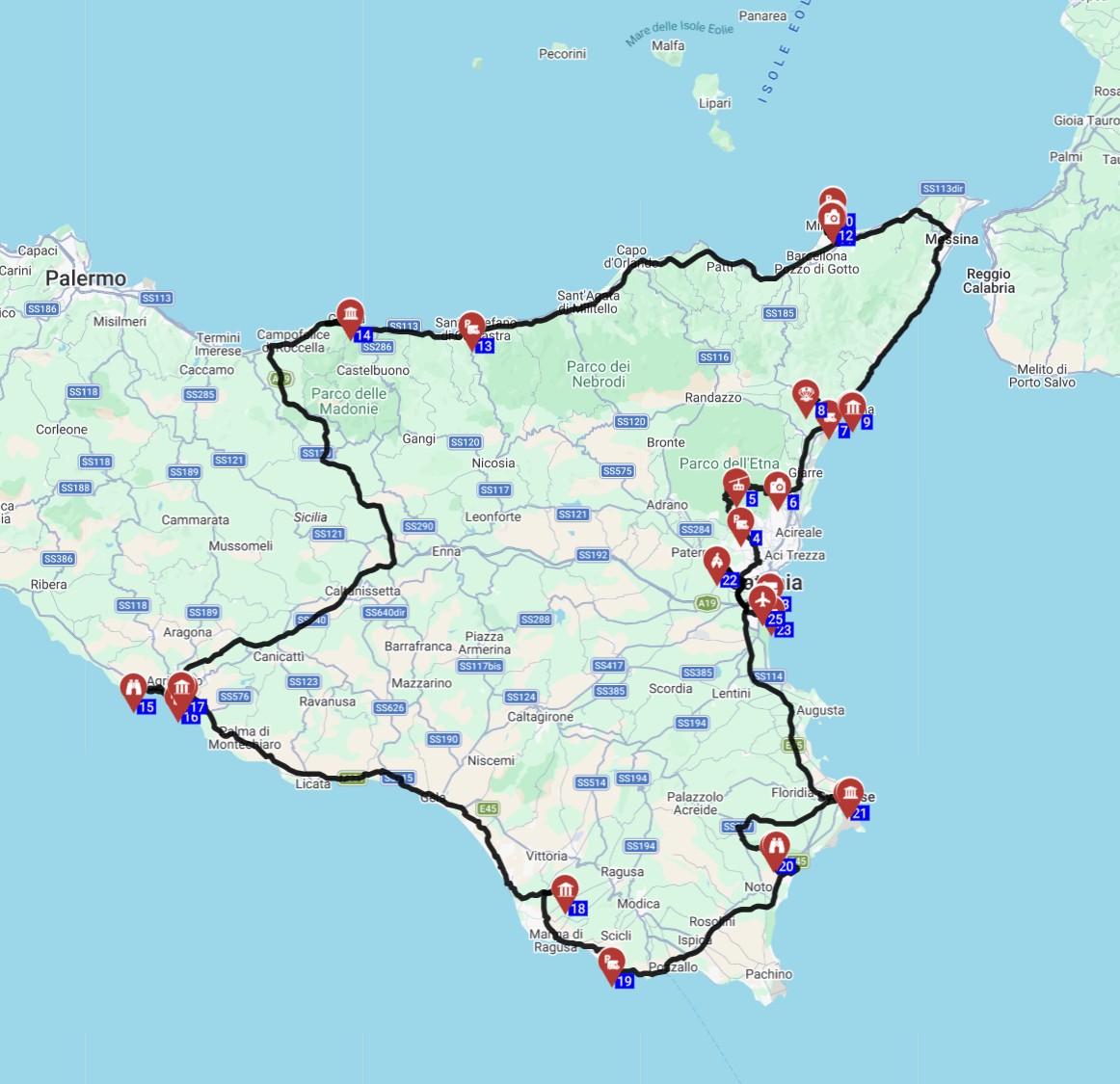
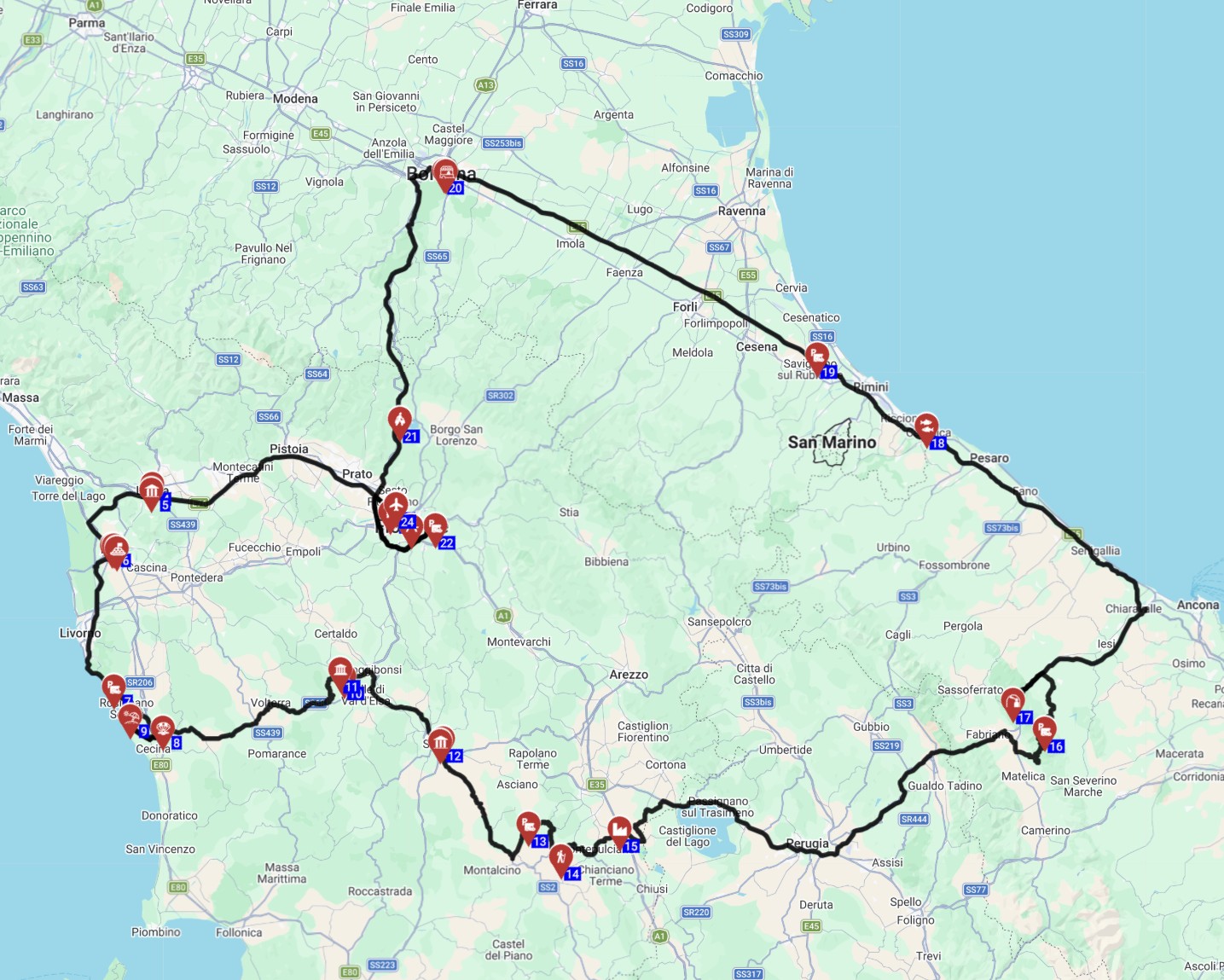
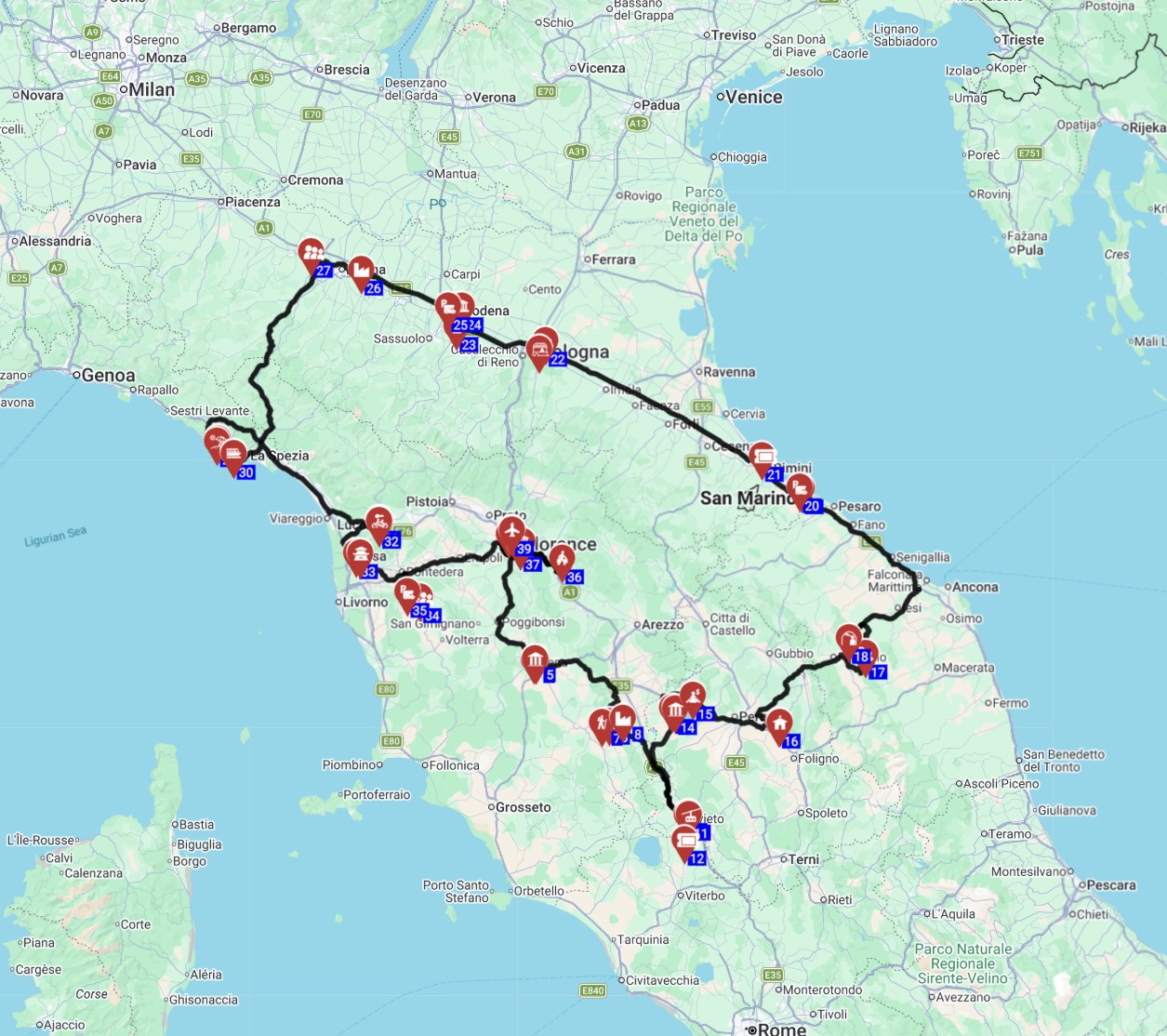
For efficient route planning that accounts for RV-specific needs like fuel stations and suitable roads, consider using RV PLANET routes, which allow you to itemize and track every expense, including fuel and tolls, along the way for easy budgeting. Emergency services in Europe are standardized by calling 112, a single emergency number accessible in all EU countries for police, ambulance, and fire services.
At the Campground - Setup, Hookups & Etiquette
Setting up your RV at a South European campground typically involves parking, leveling, connecting to utilities, and observing local etiquette. The standard hookup order begins with connecting electricity (ensure you have the correct European adapter), followed by fresh water (always use a dedicated hose for potable water), and finally, managing waste water disposal into designated greywater and blackwater points. Respecting quiet hours, usually from late evening to early morning (e.g., 10 PM to 7 AM), and keeping your pitch tidy are key aspects of campground etiquette that contribute to a pleasant experience for everyone. Many campsites also offer amenities such as laundry facilities, mini-markets, and restaurants, making your stay comfortable. For finding campsites and campgrounds during your trip, we recommend using RV PLANET (rvplan.net) - a great resource for locating available spots along your route and checking reviews.
RV Beginners-Specific Tips for South Europe
Different traveler types will find varying RV rental options and strategies most beneficial in South Europe. Families with children, for example, often benefit from Class C motorhomes like the "Family Sleeper (FS)" (features: 3 double beds, large RV size, generator) which offer dedicated sleeping areas, spacious living, and often onboard entertainment options; planning for kid-friendly stops and campgrounds with playgrounds is also helpful. Senior travelers might prefer smaller, automatic transmission campervans or Class B motorhomes for easier driving and seek out campsites with ample amenities and accessible facilities. Budget-conscious travelers can save significantly by utilizing free overnight parking apps where permitted, cooking most meals in their RV, and seeking out off-peak travel times (shoulder seasons like May-June or September-October) for lower rental rates and fewer crowds. Luxury seekers can opt for larger, fully-equipped Class A motorhomes like the "Luxury AT" (features: Class A, Exclusive, Automatic transmission, TV) which often come with added services like premium linen or guided tour packages, providing a truly opulent experience through the stunning landscapes of South Europe.
Common Mistakes to Avoid in South Europe
First-time RV renters in South Europe can enhance their experience by actively avoiding several common pitfalls. Instead of relying solely on GPS, use physical maps or offline navigation apps, and have a backup plan for areas with poor connectivity, especially in mountainous or remote regions of countries like Greece or inland Spain. Avoid overpacking; instead, pack versatile clothing suitable for layering and plan to utilize laundromats or RV washing facilities at larger campgrounds to keep luggage manageable. Do not underestimate the importance of booking popular campsites and attractions in advance, especially during high season (July-August), to secure your spot; while many national/state parks reserve 25-30% of spots for first-come, first-served, calling ahead before driving is always wise. Finally, instead of driving exhaustively each day, plan for shorter drives, ideally max 100-150 km per day on average, with frequent stops to enjoy the scenery and local culture fully, embracing the slow travel philosophy that truly defines an authentic RV adventure.
How much does it cost to rent an RV in Europe?
The cost to rent an RV in South Europe for two weeks typically ranges from €1,000 to €3,000 or more, varying significantly based on RV class, season, rental duration, and included amenities. For instance, a compact campervan might start around €70/day in shoulder season, while a larger, more luxurious Class C motorhome could be €150-€250/day. Beyond rental fees, a detailed budget breakdown for your trip should include fuel costs (a major variable, often €1.70-€2.00 per liter), motorway tolls (which can add €10-€50+ depending on the country and distance), campsite fees (averaging €20-€50 per night for a powered pitch), food (estimated €30-€60 per person daily if eating out partially), and activity estimates. Cost-saving tips include booking during the shoulder season (late April-June, September-October), choosing smaller RV models, cooking most meals in your RV's kitchen, utilizing local markets for fresh ingredients, and researching free overnight parking options where permitted, such as those listed on RV PLANET (rvplan.net). Remember, prices are dynamic, much like flight tickets, changing daily based on availability, seasonality, and supplier marketing decisions, with the final price set at the actual booking time.
Is it safe to RV in Europe?
RV travel in South Europe is generally safe, but like any travel, it requires awareness of your surroundings and adherence to common safety practices to ensure a trouble-free journey. Specific security measures include choosing reputable campsites or well-lit, designated overnight parking areas, especially in urban or high-tourist zones, and always securing all doors and windows, using internal locks or alarms when parked overnight. Personal safety tips involve being mindful of your belongings in crowded tourist areas, avoiding remote or unlit parking spots at night, and keeping valuable items out of sight inside your rented motorhome. By applying common sense and staying vigilant, travelers can enjoy the diverse landscapes of South Europe safely and with peace of mind, knowing that local emergency services (dial 112) are readily available if needed.
What are the Best Countries for RVing for Beginners in South Europe?
For beginner RVers in South Europe, countries like Portugal, parts of Spain (especially the south), and Croatia offer a good balance of well-maintained infrastructure, scenic routes, and welcoming RV culture. Portugal is particularly beginner-friendly due to its extensive network of campsites, favorable climate, and relatively manageable road sizes outside of major cities like Lisbon. Croatia's stunning coastal routes, such as the Adriatic Highway, offer breathtaking views and numerous campsites, though wild camping in National Parks is strictly prohibited. Spain provides diverse landscapes from the Pyrenees to the Andalusian coast, with good support services for RVs and a relaxed pace of life ideal for slow travel. Italy also offers incredible experiences, with dedicated *aree di sosta* (service areas) for motorhomes, making it accessible for first-timers despite its often narrower, winding roads in historical towns.
What are the rules for wild camping in Europe?
Wild camping (boondocking) laws in South Europe vary significantly by country, with some nations strictly prohibiting it, others allowing it with restrictions, and some tolerating it in specific areas. In Portugal, while generally prohibited outside designated areas, wild camping is often tolerated discreetly in rural, non-touristy locations if no 'no camping' signs are present and you leave no trace, emphasizing respect for nature and local communities. Spain has strict regional laws, generally prohibiting it, but some municipalities may allow discreet overnight parking with prior permission, especially on private land with owner consent; always check local signage and regulations which can differ greatly by region. Italy and Greece also largely prohibit wild camping, often enforcing fines, though discrete overnight parking might be tolerated in very remote areas, always prioritizing respect for local communities and the environment. Croatia is notably strict, prohibiting overnight stays in National Parks, Nature Parks, or along roadsides, requiring RVers to use official campgrounds to avoid hefty fines.
How do you dispose of RV waste in Europe?
Disposing of RV waste in South Europe involves utilizing designated facilities at campsites, service areas (*aires de services* in France, *aree di sosta* in Italy, *serviços para autocaravanas* in Portugal), or specific motorhome stops. Greywater (from sinks and showers) and blackwater (from the toilet) must be emptied into marked disposal points, never directly onto the ground, to comply with environmental regulations and maintain public health. Freshwater tanks are refilled at separate, clearly marked taps at these same service points. Always carry a detailed guide or use a specialized RV app like Park4Night or Campercontact that identifies these service points, as specific waste disposal facilities can differ in design and availability across countries and regions. Proper waste disposal is a crucial aspect of responsible and sustainable RV travel.
What is the best time of year to RV in Europe?
The best time of year to enjoy an RV rental in South Europe for beginners is typically during the shoulder seasons: late April to June and September to October, offering pleasant weather and fewer crowds. During these periods, average temperatures are moderate, making both driving and outdoor activities comfortable, and popular campsites and attractions are less crowded and often offer better rates than the peak summer months of July and August. Avoiding the peak summer if possible helps circumvent extreme heat (often reaching 30-40°C), highly crowded tourist destinations, and significantly higher prices for both RV rentals and campgrounds. Winter travel is an option for certain southern regions with milder climates, but it requires an RV equipped for colder temperatures and careful planning for reduced campsite availability.
What are the best RV apps for Europe?
For RV travel in South Europe, essential apps include reliable navigation tools like Google Maps or Waze, alongside specialized RV apps such as Park4Night, Campercontact, and Promobil for finding campsites, service areas, and wild camping spots that align with local regulations. Park4Night, for instance, offers a vast user-generated database with locations for overnight stays (official campgrounds, motorhome service points, and tolerated parking spots) and amenities, often with user reviews and photos. Connectivity on the road can be managed effectively with local SIM cards from major providers (e.g., Vodafone, Orange, Telefónica) offering affordable data packages, or by using portable Wi-Fi devices from your rental supplier. Other useful apps include currency converters (like XE Currency), translation apps (such as Google Translate for basic phrases), and apps for local weather forecasts to plan your daily itinerary. These tools enhance your journey through South Europe, making navigation and planning seamless.
How do tolls work in Europe RV?
Toll systems in South Europe vary widely by country, ranging from traditional toll booths (manual or automated) to electronic vignettes or free-flow systems. In countries like France, Italy, and Spain, you often receive a ticket upon entering a toll road and pay a variable fee at the exit, either by cash or credit card, with dedicated lanes for automatic payment systems like 'Télépéage' (France) or 'Telepass' (Italy). Portugal, for instance, primarily uses an electronic free-flow toll system without physical booths, requiring visitors to link their license plate to a payment method (e.g., EasyToll) or purchase pre-paid passes upon entry into the country; failing to do so can result in significant fines months later. Researching the specific toll requirements for each country on your itinerary is crucial to avoid unexpected costs or legal issues. These ancillary costs, including tolls and fuel, can be tracked efficiently using RV PLANET routes for comprehensive trip budgeting.
Can you cross borders in an RV in Europe?
Yes, you can generally cross borders between South European nations in a rented RV with relative ease, as most of these countries are part of the Schengen Area, meaning minimal or no physical border controls for EU citizens. For non-EU citizens, border crossing procedures typically involve presenting passports and vehicle registration documents; it is crucial to ensure your rental agreement permits international travel across all intended countries. Additionally, carrying specific safety items like reflective vests, warning triangles, and headlamp beam deflectors (for UK vehicles driving in mainland Europe) is mandatory in many countries and can vary even within the Schengen Zone, so check local regulations for each country on your itinerary to ensure compliance. This flexibility makes multi-country RV road trips across Europe incredibly accessible and rewarding.
Do you need a special license to drive an RV in Europe?
For most standard RVs (motorhomes and campervans) with a Maximum Authorized Mass (MAM) up to 3,500 kg, a regular Category B driving license, valid for cars, is sufficient to drive in Europe. This applies to the vast majority of RV rentals, including many Class C motorhomes and all campervans. If the RV's MAM exceeds 3,500 kg, you may require a higher license category (e.g., C1), depending on your home country's licensing rules and the specific vehicle model; however, most rental companies, including Bandana RV, offer vehicles that only require a standard license. An International Driving Permit (IDP) is often recommended or required for non-EU citizens, especially in countries like Italy and Spain, and should always accompany your valid national driver's license, though it is not always strictly mandatory in every country. The minimum rental age is 21 across our partner suppliers, with no young driver surcharges for any vehicle class, making RV travel accessible to a wider range of adventurers.
Navigating Narrow Roads and City Parking in South Europe
Navigating narrow roads in South Europe, particularly in historic towns and rural areas, requires careful planning and a mindful approach, often best achieved by researching routes that explicitly avoid small village centers or tight city streets. For instance, consider using a smaller, more compact Class B campervan like the "Category Van AT" or a mid-size Class C motorhome like the "rent rv example EX - Group F" (RV size - Medium) if your itinerary frequently includes visits to historic towns or less-traveled rural routes, as these are significantly easier to maneuver and park. City parking for RVs is often restricted or very expensive in central areas; seek out designated RV parking areas on the outskirts of major cities like Rome, Lisbon, or Barcelona, or utilize convenient park-and-ride facilities, rather than attempting to squeeze into central, tight spots. Remember, drive slowly and carefully, and you can drive almost anywhere without issues. No need to stress - just use common sense and pay attention to signage.
Cultural Etiquette and Language Tips for RVers in South Europe
Adhering to local cultural etiquette in South Europe involves showing respect through basic greetings, appropriate dress, and understanding local customs, especially in smaller villages where traditions are often more pronounced. Learning a few basic phrases in the local language (e.g., 'hello' - *hola* in Spanish, *ciao* in Italian; 'thank you' - *gracias*/*grazie*; 'please' - *por favor*/*per favore*) can greatly enhance interactions and is almost always appreciated by locals, even if they also speak English. When seeking permission for an overnight stay on private land, approaching property owners politely, introducing yourself, and offering a small gesture of appreciation (like buying local produce or offering a small fee) can facilitate a positive outcome. Remember, the goal is to travel respectfully and engage with the rich cultural tapestry of South Europe.
Food and Drink Exploration in South Europe by RV
Exploring local cuisine from a rented RV in South Europe is made easy and delightful by seeking out fresh, seasonal produce at vibrant local markets, which are abundant in most towns and villages from Portugal to Greece. Regional dishes vary significantly from country to country and even within regions; don't miss opportunities to sample specialties like freshly prepared *tapas* in Spain, homemade *pasta fresca* in Italy, the sweet *pastéis de nata* in Portugal, or incredibly fresh seafood along the Mediterranean coast of Croatia. Understanding local alcohol laws, such as age restrictions (typically 18 in most South European countries) and public consumption rules (often restricted in certain areas), ensures a respectful and lawful enjoyment of local wines and beverages. Cooking some of your meals in your RV, perhaps inspired by local ingredients, is not only budget-friendly but also a deeply authentic way to experience the local flavors; our RV-friendly recipes playlist offers great ideas for meals on the go.
Traveling with Pets: Regulations and Pet-Friendly Options in South Europe
Traveling with pets in an RV across South European countries requires adherence to specific regulations, including mandatory microchipping, up-to-date rabies vaccinations, and a valid EU pet passport or animal health certificate for entry and movement. It's crucial to research country-specific rules regarding breed restrictions and parasite treatments well in advance of your trip, as these can vary significantly (e.g., some breeds may be restricted in Spain). Many campsites and some attractions in South Europe are increasingly pet-friendly, but always confirm policies beforehand and look for 'dog-friendly' designations when planning your route and accommodations. Keeping your pet leashed in public areas and ensuring you clean up after them diligently are essential aspects of responsible pet travel, contributing to a positive experience for all.
Sustainable RV Travel Practices in South Europe
Practicing sustainable RV travel in South Europe involves minimizing your environmental impact through responsible waste management, conserving precious water and energy resources, and reducing plastic use throughout your journey. Always utilize designated waste disposal points for greywater and blackwater, and properly sort your trash for recycling wherever facilities are available. Support local communities by purchasing fresh produce from farmers' markets, dining at family-run restaurants, and visiting small, independent businesses, which injects money directly into the local economy. Most importantly, always adhere to 'leave no trace' principles, especially when exploring natural areas or utilizing wild camping spots, by taking all rubbish with you and respecting natural habitats and wildlife. By adopting these practices, your RV rental adventure in South Europe can be both enriching for you and beneficial for the places you visit.
What You Shouldn't Miss
- **The Amalfi Coast (Italy):** Drive a compact campervan along the winding coastal roads, stopping at picturesque towns like Positano and Ravello. Book campsites in advance for stunning cliffside views.
- **The Algarve Coast (Portugal):** Explore golden beaches and dramatic cliffs with a rented motorhome. Don't miss a boat trip to the Benagil Caves from Faro or Portimão.
- **Andalusia's White Villages (Spain):** Navigate the charming, narrow streets of *pueblos blancos* like Ronda and Grazalema. Park your RV on the outskirts and explore on foot to truly soak in the unique culture.
- **Plitvice Lakes National Park (Croatia):** While overnight RV stays are prohibited inside the park, securing a spot at a nearby official campsite allows you to immerse yourself in the stunning terraced lakes and waterfalls. Book months ahead for peak season visits.
- **Santorini's Sunset (Greece):** Find an RV-friendly spot on the caldera rim of Santorini or a nearby island campground. Witnessing the iconic sunset over the Aegean Sea from your mobile home is an unforgettable experience.
Looking for expert insights from Avi Bandana? Top 5 Adventures - recommendations from Avi Bandana
Final Thoughts
Your first RV rental adventure in South Europe is more than just a trip; it's an opportunity to create lasting memories, explore breathtaking landscapes, and immerse yourself in vibrant cultures at your own pace. With Bandana RV as your trusted partner, you have all the tools and support you need to embark on this journey with confidence and excitement. From choosing the perfect campervan or motorhome to navigating local customs and finding the best campsites, we're here to ensure every detail is handled.
Embrace the freedom of the open road, savor every moment, and discover the magic of South Europe. Remember to travel slowly, enjoy local delicacies, and let the journey itself be the destination. Your adventure awaits, and we're thrilled to be a part of it!
Ready to plan your unforgettable South European RV experience? Check South Europe RV Rental Prices Now and compare your options.