In This Guide
- Top 5 Tips for RV Rental Beginners in Poland
- Before You Book - Class, Dates, Insurance
- Pre-Trip Prep - Packing Checklist for Poland
- On the Road - Driving, Fueling, Navigation
- At the Campground - Setup, Hookups & Etiquette
- RV Beginners-Specific Tips for Poland
- Common Mistakes to Avoid in Poland
- What is the best time to RV in Poland?
- What do you need to rent an RV in Poland?
- How much does it cost to rent an RV in Poland?
- Can you drive a campervan in Poland?
- Is Poland RV friendly?
- Where can I park an RV in Poland?
- Can you wild camp in Poland?
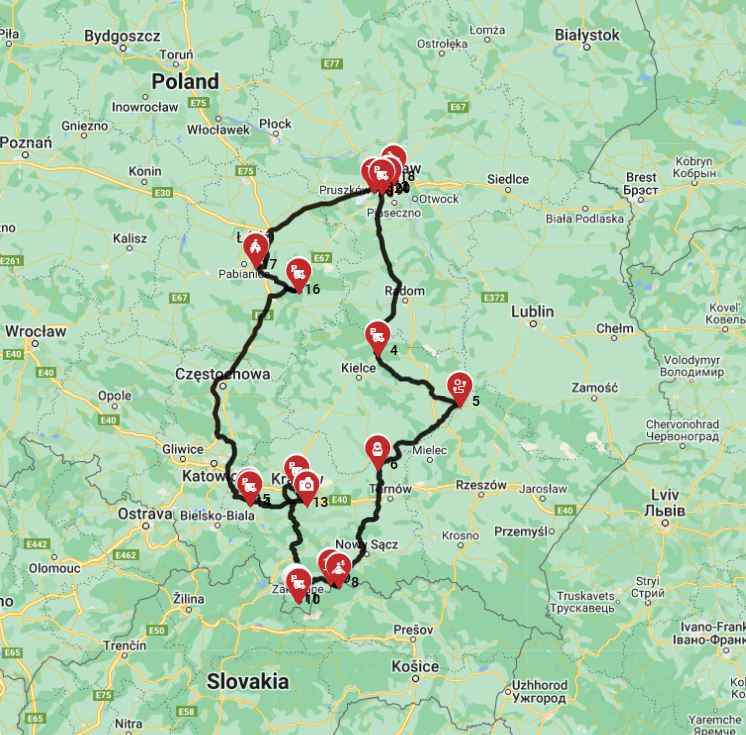
- Discovering Poland: Unique RV Itineraries
Top 5 Tips for RV Rental Beginners in Poland
Booking your motorhome or campervan well in advance, especially for Poland's peak summer season (July-August), ensures better availability and can lead to significant savings, sometimes up to 25% on daily rental rates. Understanding your insurance options, including the basic coverage typically included and the scope of comprehensive upgrades, provides crucial peace of mind before you even start your engine. Familiarizing yourself with Polish road rules and specific RV regulations, such as varying speed limits for vehicles over 3.5 tonnes and the e-TOLL system for certain motorways, is essential for a smooth and legal journey. Planning your route thoughtfully, incorporating a mix of popular attractions and unique, off-the-beaten-path destinations like the Masurian Lakes, truly enriches your travel experience. Finally, learning a few basic Polish phrases like "Dzień dobry" (Good morning) or "Dziękuję" (Thank you) can significantly enhance local interactions and prove helpful in various situations, from ordering food to asking for directions. For live availability and current prices, start with our RV Rental Poland - Complete Guide 2026 guide, where you'll find comprehensive information for planning your adventure.Before You Book - Class, Dates, Insurance
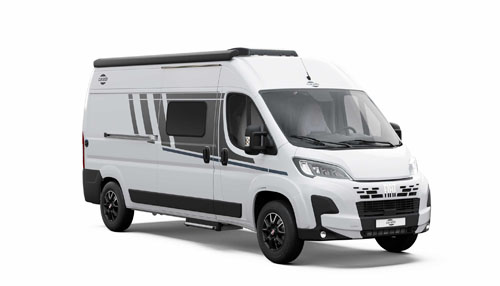
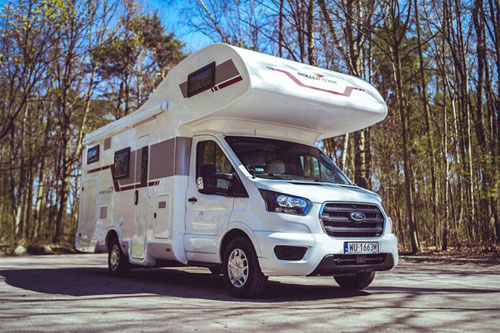
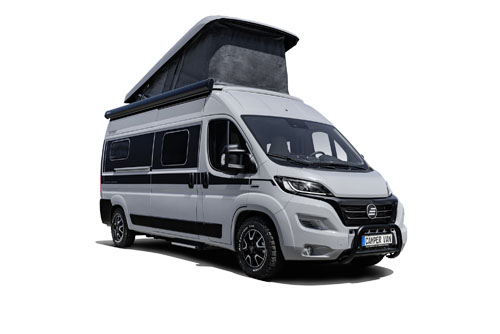
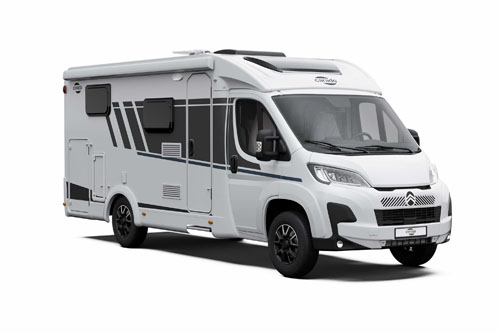
Choosing an RV class suitable for beginners, such as a compact campervan or a smaller Class C motorhome, prioritizes ease of driving and maneuverability on Poland's diverse roads. For instance, a campervan like the "Paradise S/T" is ideal for a couple, offering a blend of comfort and nimble handling, while a "Group C" Class C motorhome might suit a family of 4, providing more living space. Optimal booking periods for motorhome rentals in Poland are typically 3-6 months ahead of your trip, especially if traveling during the popular summer months (June-August) when demand is high and prices for a typical 7-day rental can increase by 15-20%. Basic insurance is always included with RV rentals in Poland, covering minimum legal requirements, but often has a high deductible. To explore prices inclusive of the most comprehensive coverage, which might include a top-level deductible reimbursement option for extra peace of mind, select that option during your initial search on Bandana RV's comparison platform. This transparency means no hidden fees, no surprises, just clear choices for your travel. Consider additional insurance packages for extra protection against damage, theft, or unforeseen circumstances like roadside assistance, tailored to a beginner's needs, as these optional upgrades can save you significant out-of-pocket expenses. We handle the details, you live the journey, ensuring personal service from day one until your booking is confirmed.Pre-Trip Prep - Packing Checklist for Poland
A thoughtful packing checklist for your RV rental adventure in Poland will ensure you're prepared for anything. First, pack layers of clothing suitable for varied Polish weather, including waterproof jackets, comfortable walking shoes for exploring historical sites, and warmer items for cooler evenings, particularly in mountainous regions. Essential kitchen items to bring or ensure are included in your rental might consist of a sharp knife, a small cutting board, reusable containers for leftovers, and your preferred local coffee or tea supplies for those cozy mornings in your mobile home. Remember to pack safety equipment mandated in Poland, such as a reflective safety vest for each occupant, a first-aid kit, and a warning triangle, which are legal requirements and often included by suppliers. Essential documents include your valid driver's license, passport or national ID, an International Driving Permit (IDP) if your license is not from an EU country, and physical copies of your rental agreement and insurance papers. Don't forget adapters for European electrical outlets (Type E or F) and any necessary charging cables for your devices. A Polish phrasebook or translation app can greatly aid in cultural immersion and local communication, making your trip more enjoyable. When planning meals in your rented RV, consider checking out our RV-friendly recipes playlist for delicious and easy meal ideas.On the Road - Driving, Fueling, Navigation
Driving a rented RV in Poland requires adherence to local speed limits, which vary for standard cars and vehicles over 3.5 tonnes (relevant for many larger Class C or Class A motorhomes). For example, cars typically have a limit of 90 km/h outside urban areas and 140 km/h on motorways, while RVs over 3.5 tonnes may have lower limits, usually around 80-90 km/h on highways. Drive slowly and carefully, and you can drive almost anywhere without issues, even in cities; no need to stress, just use common sense and pay attention. Fueling stations are widespread in Poland, offering both diesel (ropa) and petrol (benzyna), with larger stations often accommodating bigger RVs and some providing LPG for heating. Effective navigation can be achieved using a GPS with updated Polish maps or offline map applications, especially useful in rural areas with limited mobile data coverage. Vehicles over 3.5 tonnes, including many motorhomes, are subject to Poland's e-TOLL system for motorways and expressways, requiring prior registration or purchasing an on-board unit, which you can manage via a mobile app. While less common for RVs, some Polish cities have low-emission zones (Strefy Czystego Transportu); it's wise to verify your RV's compliance if planning extensive urban driving in major centers like Warsaw or Krakow to avoid potential fines.At the Campground - Setup, Hookups & Etiquette
Upon arrival at a Polish campsite, the first step is typically to level your rented RV using ramps or blocks to ensure comfort, proper drainage, and optimal functioning of appliances like your refrigerator. Connecting to utilities usually follows a specific order: first connect electricity using your European adapter, then fresh water (if available), and finally position your grey water hose for drainage into a designated catch basin. Proper disposal of grey and black water is crucial for environmental responsibility; always use designated dump stations at campgrounds, which are clearly marked and typically included in your camping fee. Observing campground quiet hours, typically from 10 PM to 7 AM, is a key aspect of respectful camping etiquette in Poland, ensuring a peaceful experience for all campers. Maintaining a clean site, respecting fellow campers' privacy, and being mindful of noise levels contribute significantly to a pleasant experience for everyone, reflecting the warm hospitality often found in Polish campgrounds.RV Beginners-Specific Tips for Poland
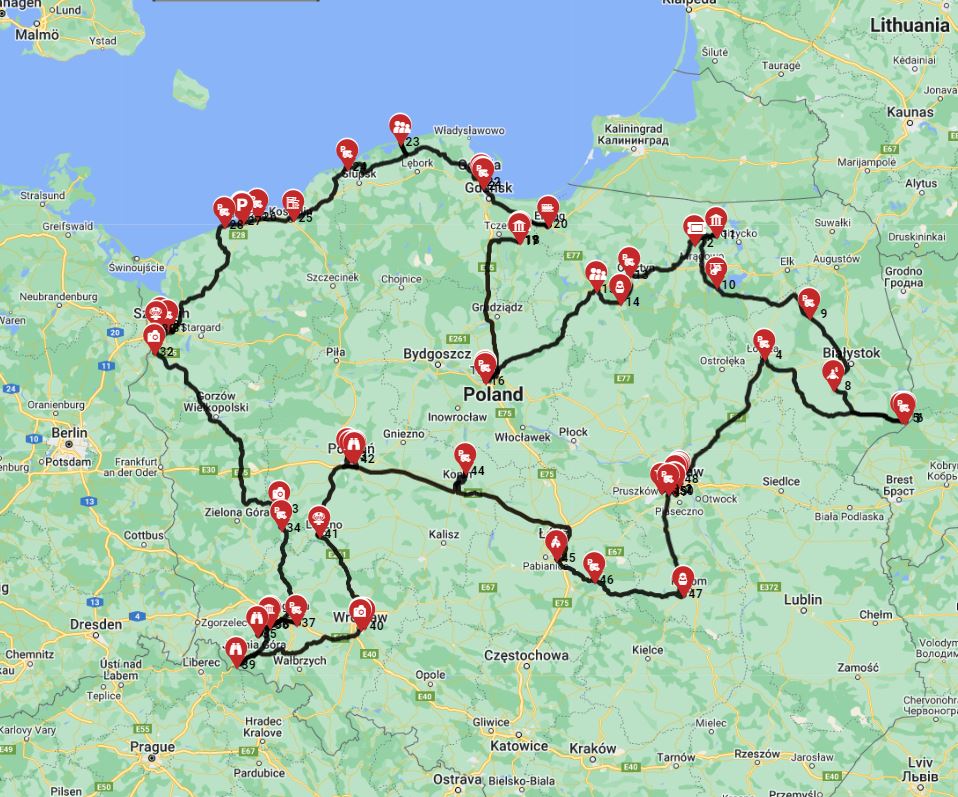
For beginners traveling in Poland, opting for a compact or mid-sized RV, such as a campervan or a Class C motorhome like the "MH2 - IDUNN" with its comfortable double bed, is recommended for easier navigation on Poland's diverse roads, including charming narrow village streets. You could also consider a larger option such as the "Group C" Class C motorhome for a family of up to 4 people. Plan shorter daily driving distances, aiming for a maximum of 100-150 km per day on average, to allow ample time for exploration, relaxation, and spontaneous stops, reducing fatigue common for first-time RVers. Traveling slowly lets you truly feel the place, connect to the local culture, savor the food, and immerse yourself in the scenery. Utilize reputable apps like Park4Night or CamperContact to easily locate designated overnight parking spots and official campsites, helping identify beginner-friendly facilities with clear instructions and reviews. Incorporate visits to local markets and smaller towns into your itinerary to engage with Polish culture more authentically and practice basic local phrases, enhancing your cultural immersion. Prioritize campsites with full hookups (electricity, water, waste disposal) initially, as they offer a more comfortable and less logistically challenging experience for novices. Always perform a thorough pre-departure check of your rented RV, including tire pressure, fluid levels, and securing all interior items, to prevent common beginner mishaps. For a perfect example of a beginner-friendly route that takes you through diverse landscapes, consider the "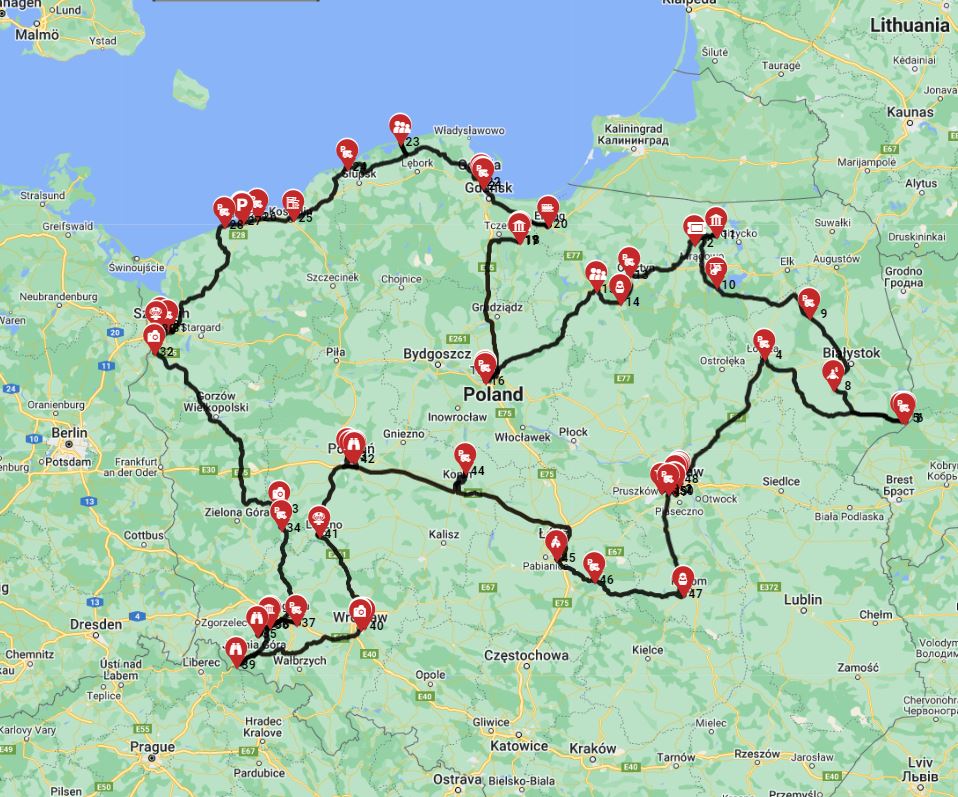
Warsaw Roundtrip - Poland North
Common Mistakes to Avoid in Poland
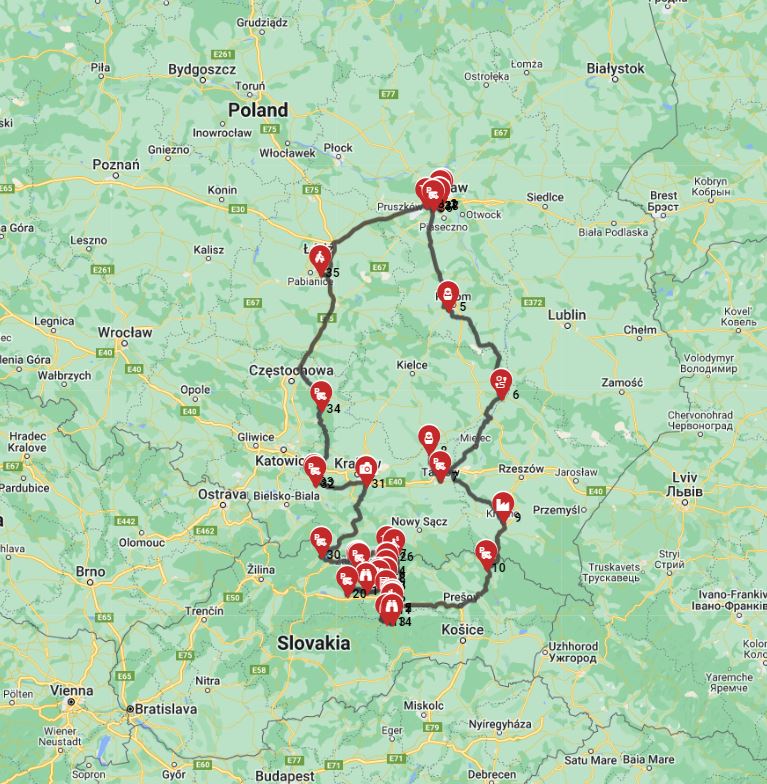
Don't underestimate travel times between destinations in Poland; instead, build in extra buffer time to account for scenic detours, varied road conditions, and spontaneous stops, as an average of 100-150 km per day is ideal for slow travel and reducing first-time RVer fatigue. Avoid relying solely on major tourist hubs; instead, explore Poland's charming rural landscapes and lesser-known national parks accessible by RV for a richer, more authentic experience. Don't forget to carry some Polish Złoty (cash) for smaller vendors or rural areas where card payments might not be accepted; instead, aim for a mix of cash and card for smoother transactions. Avoid overlooking proper waste disposal protocols; instead, plan your route to include designated grey/black water points at campsites or service stations, ensuring environmental responsibility. Don't skip learning basic Polish greetings and phrases; instead, a few simple words can significantly enhance local interactions and show respect, fostering warmer connections with locals. Avoid neglecting essential pre-trip vehicle checks; instead, thoroughly inspect your rented RV's tires, lights, and fluid levels before setting off each day to prevent common beginner mishaps. If you are venturing into multiple countries, consider the "Warsaw Roundtrip - Poland & Slovakia" itinerary which spans 16 days and 1648 km, and includes diverse attractions like an amusement park and multiple caves.What is the best time to RV in Poland?
The best time to RV in Poland for most travelers is during the shoulder seasons of May, early June, and September, which offer pleasant weather with average temperatures around 15-20°C, fewer crowds, and often lower prices compared to peak summer. Summer (July and August) provides the warmest temperatures, averaging 20-25°C, and a lively atmosphere with many festivals and events, though popular areas can be crowded and require booking campsites 3-6 months in advance. Spring (April-May) offers blossoming landscapes and mild weather, ideal for exploring cities and national parks before the main tourist rush, with temperatures typically ranging from 10-18°C. Autumn (September-October) brings stunning fall foliage, comfortable temperatures (10-15°C), and opportunities for hiking and cultural visits in a more tranquil setting. Winter RVing (November-March) is suitable for those interested in winter sports or experiencing Poland's charming Christmas markets, but requires a rented RV equipped for cold weather (winterization) and snow tires, as temperatures can drop below freezing, sometimes to -10°C.What do you need to rent an RV in Poland?
To rent a motorhome or campervan in Poland, you generally need a valid car driver's license held for at least one to three years, depending on the rental company and the specific vehicle class, though all motorhomes can be driven with a standard license. An International Driving Permit (IDP) is highly recommended for non-EU license holders, as it translates your license into multiple languages, simplifying interactions with local authorities even if not always legally mandatory for short tourist visits. The minimum age for RV rental in Poland is typically 21 years across all vehicle classes, and crucially, there are no young driver surcharges applied by Bandana's partners. You will usually be required to present your passport or national ID, a major credit card for the security deposit (which can range from €500-€2000), and your confirmed RV rental booking details. Ensure you understand the rental agreement's terms, including any mileage limits, fuel policy, and the included safety equipment, before signing to ensure full transparency and avoid any surprises.How much does it cost to rent an RV in Poland?
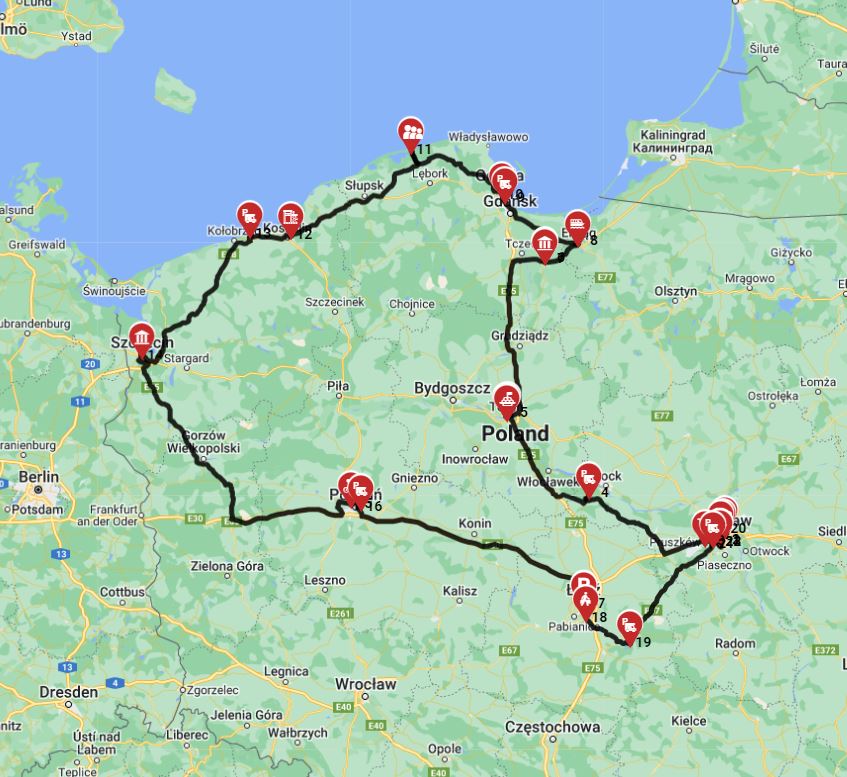
The cost to rent an RV in Poland typically ranges from €70 to €150 per night for smaller campervans in off-peak season (e.g., a "V2L" Class B campervan for 2 people), escalating to €150-€250+ per night for larger, newer motorhomes (such as a "MHA30" Class A motorhome for 6 people) during high season. Fuel expenses are a significant part of the budget, with current prices for diesel (ropa) and petrol (benzyna) fluctuating around €1.50-€1.70 per liter; remember that larger RVs have higher consumption rates, averaging 10-15 liters per 100 km. Expect to budget for tolls, particularly on Polish motorways (like A1, A2, A4), which can be paid via the e-TOLL system for vehicles over 3.5 tonnes or via traditional methods for lighter ones, with costs typically a few euros per section. Camping site fees vary widely, from €15-€40 per night for basic pitches at private campsites to €50+ for premium spots with full hookups and amenities in popular tourist areas. Additional costs include food (budgeting around €20-€40 per person per day for groceries and occasional meals out), entrance fees for attractions, and a contingency fund for unforeseen expenses like minor repairs or emergency supplies. For easy budgeting and tracking all these expenses, consider using the RV PLANET routes, which allow you to itemize and track every cost along your itinerary. A shorter 8-day trip like the "
Warsaw Roundtrip - Poland north Short
Can you drive a campervan in Poland?
Yes, driving a campervan in Poland is not only permitted but also a highly recommended and increasingly popular way to explore the country's diverse landscapes. Campervans, such as the "Category Van" or "Duo," are generally easier to maneuver on Polish roads compared to larger motorhomes, making them ideal for navigating smaller towns, rural routes, and finding parking in more compact spaces. Road regulations for campervans typically align with those for standard cars if the vehicle is under 3.5 tonnes, including speed limits and urban access, making the driving experience straightforward for beginners. Toll requirements for campervans under 3.5 tonnes typically use conventional payment methods, simplifying travel planning as they are not usually subject to the e-TOLL system for heavier vehicles. Poland's growing network of campsites and designated parking spots caters well to campervan travelers, providing convenient access to amenities and scenic locations, allowing for spontaneous adventures.Is Poland RV friendly?
Poland is considered increasingly RV friendly, offering a developing infrastructure that supports motorhome and campervan travel with a growing number of dedicated campsites and parking areas, particularly in tourist-heavy regions like the Baltic coast or the Tatra Mountains. The country's road network, especially the major highways and main routes, is generally well-maintained and suitable for various RV sizes, providing smooth journeys between regions. Local hospitality towards RV travelers is typically warm and welcoming, although having a few basic Polish phrases can greatly enhance interactions, especially in rural communities and smaller shops. RV travel in Poland provides an excellent opportunity for cultural immersion, allowing visitors to explore local markets, experience traditional villages, and engage more deeply with the Polish way of life, offering a truly authentic travel experience. Necessary logistics, such as waste disposal points for grey and black water, are becoming more prevalent at campsites and some service stations, improving the overall RV experience for all travelers.Where can I park an RV in Poland?
RVs can be parked at a wide array of official campsites located throughout Poland, which consistently provide essential amenities like electricity, fresh water hookups, and waste disposal facilities for grey and black water. Many towns and popular tourist attractions offer designated RV parking areas, often signposted as 'parking dla kamperów' or similar, though some may have time limits or require fees, usually paid via parking meters or apps. Mobile applications such as Park4Night and CamperContact are invaluable resources for locating both paid and free overnight parking spots, including certified stellplatze and tolerated informal locations across the country, with user reviews often highlighting accessibility for larger vehicles. While formal wild camping is generally restricted, some larger supermarket car parks or quiet roadside pull-offs in rural areas may tolerate discreet overnight parking; always confirm local regulations or ask permission from property owners. Always check for specific local signage and regulations before parking overnight, especially in sensitive ecological zones like national parks or protected areas, to avoid fines and ensure compliance.Can you wild camp in Poland?
Formal wild camping (camping outside designated sites or private land without explicit permission) is generally not permitted in Poland, particularly in national parks, nature reserves, and strictly regulated urban areas, to protect natural environments and local communities. However, State Forests (Lasy Państwowe) have introduced specific 'experimental wild camping zones' in various forest districts across Poland, where overnight stays are tolerated for up to two consecutive nights under specific conditions, providing a unique legal option for off-grid RV experiences. Within these designated State Forest zones, campers must adhere to strict 'leave no trace' principles, including proper waste disposal and refraining from open fires outside specified, marked locations. It is crucial to consult the official Lasy Państwowe website or local forest district maps for the most current information on permitted areas, duration limits, and specific regulations before planning to wild camp, as rules can vary. For legality and safety, beginners are strongly advised to utilize official campsites, designated overnight parking spots, or the explicitly permitted State Forest zones rather than attempting unauthorized wild camping.Discovering Poland: Unique RV Itineraries
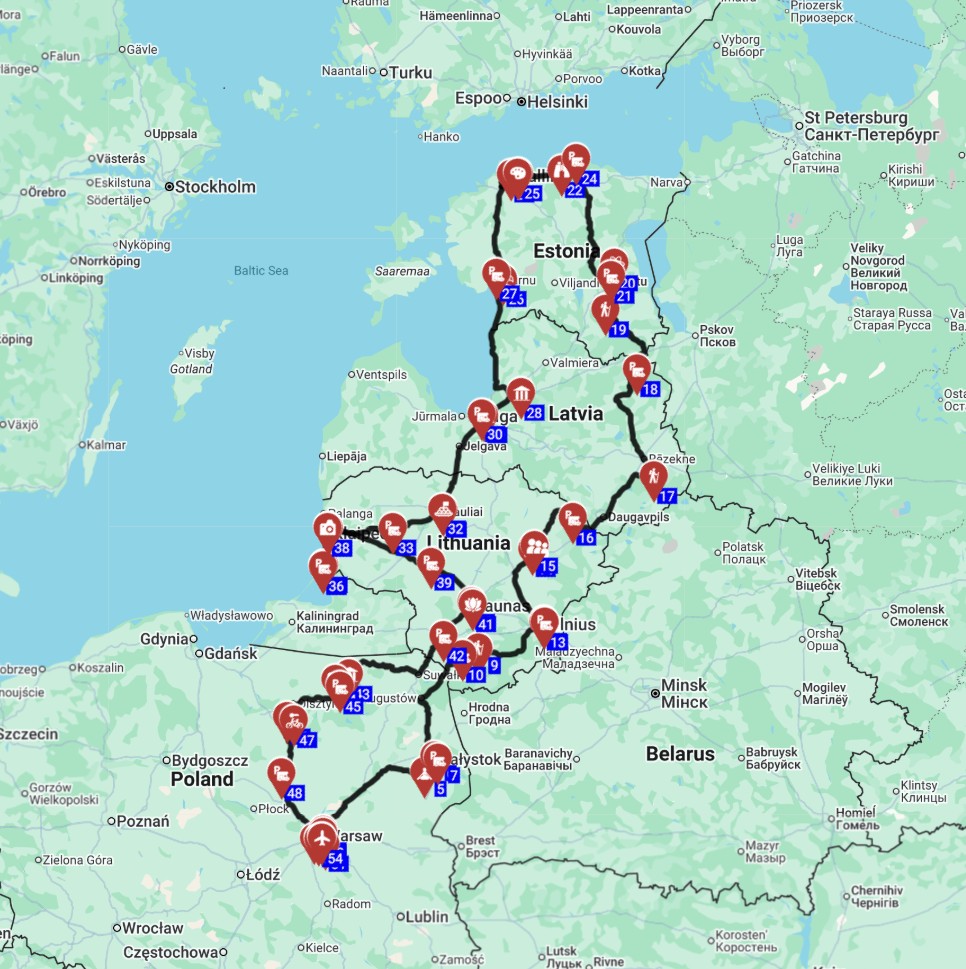
Poland's diverse landscapes offer incredible RV itineraries beyond the typical tourist paths. Embark on a 'Land of a Thousand Lakes' itinerary through Masuria, connecting picturesque lakes, historic castles, and charming towns like Mikołajki and Giżycko, perfect for water activities and relaxation, with numerous campsites offering lake access. Explore the 'Green Lungs of Poland' with a route focusing on the Białowieża Forest region, home to Europe's largest wild European bison population, and the Biebrza National Park, offering unparalleled wildlife viewing and ancient woodlands accessible via well-maintained roads. Journey through the less-traveled Bieszczady Mountains in southeastern Poland, providing stunning hiking trails, tranquil villages, and a sense of remote wilderness for adventure seekers, where smaller campervans are particularly suited to winding mountain roads. Follow the 'Trail of Eagles' Nests' in the Jura Krakowsko-Częstochowska Upland, linking a series of medieval castles and fortified ruins atop dramatic limestone formations, ideal for history enthusiasts exploring by motorhome. You can even create a themed itinerary around specific adventure sports, such as kayaking along the Dunajec River Gorge, cycling the Velo Dunajec route (over 200 km of scenic paths), or exploring the geological wonders of the Świętokrzyskie Mountains. With a rented RV, Poland truly opens up for exploration.What You Shouldn't Miss
- Wawel Castle & Cathedral in Krakow: Explore the historic heart of Poland, a UNESCO World Heritage site, and immerse yourself in centuries of royal history and stunning architecture.
- Masurian Lake District: Navigate the beautiful network of over 2,000 lakes, perfect for kayaking, sailing, or simply relaxing by the water from your rented RV campsite.
- Białowieża Forest: Discover Europe's last primeval forest, home to the majestic European bison, offering guided tours and unique wildlife encounters.
- Gdansk Old Town: Wander through the colorful streets, marvel at the charming gabled houses, and learn about the city's rich maritime history on the Baltic Sea coast.
- Tatra Mountains National Park: Hike through breathtaking alpine landscapes, explore glacial lakes, and enjoy panoramic views in Poland's only high-mountain range.
Looking for expert insights from Avi Bandana? Top 5 Adventures - recommendations from Avi Bandana
🎬 Video coming soon
Final Thoughts
Embarking on your first RV rental adventure in Poland is an exciting prospect, full of potential for discovery and unforgettable memories. From the vibrant cities of Warsaw and Krakow to the serene Masurian Lakes and rugged Tatra Mountains, a rented motorhome or campervan offers unparalleled freedom and flexibility to explore at your own pace. With careful planning, understanding local regulations, and leveraging expert tips, your journey will be smooth and enjoyable. Remember, the beauty of RV travel lies in embracing the journey as much as the destination. Take your time, immerse yourself in the rich Polish culture and stunning natural landscapes, and let the open road guide your way. We are here to support you every step of the pre-booking process, comparing final prices across 50+ suppliers so you don't have to. Ready to start planning your Polish RV adventure? Get inspired for your next trip and find the perfect RV rental in Poland for your needs!On the routes offered through RV PLANET routes, you can itemize and track every expense along the way for easy budgeting.