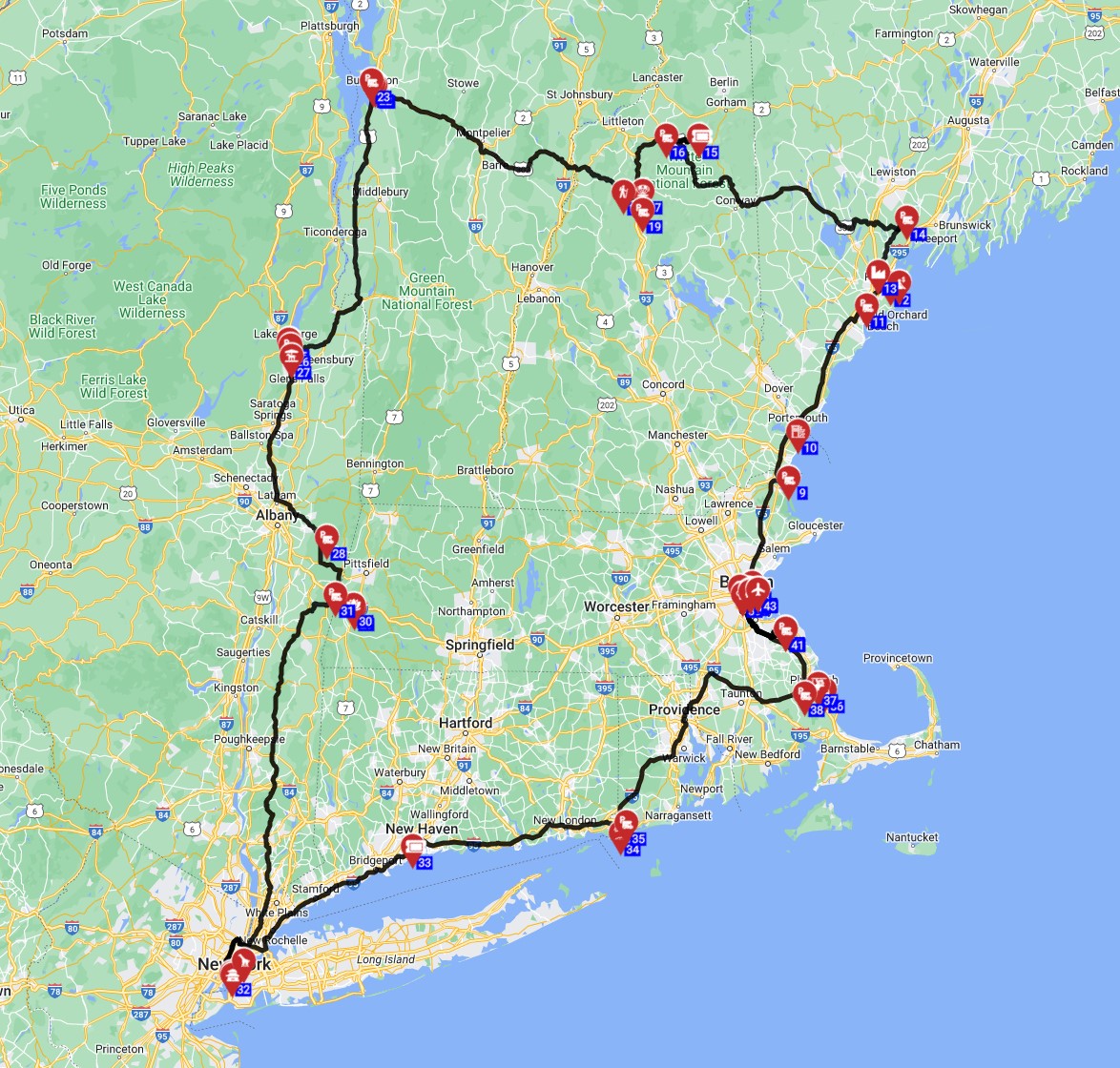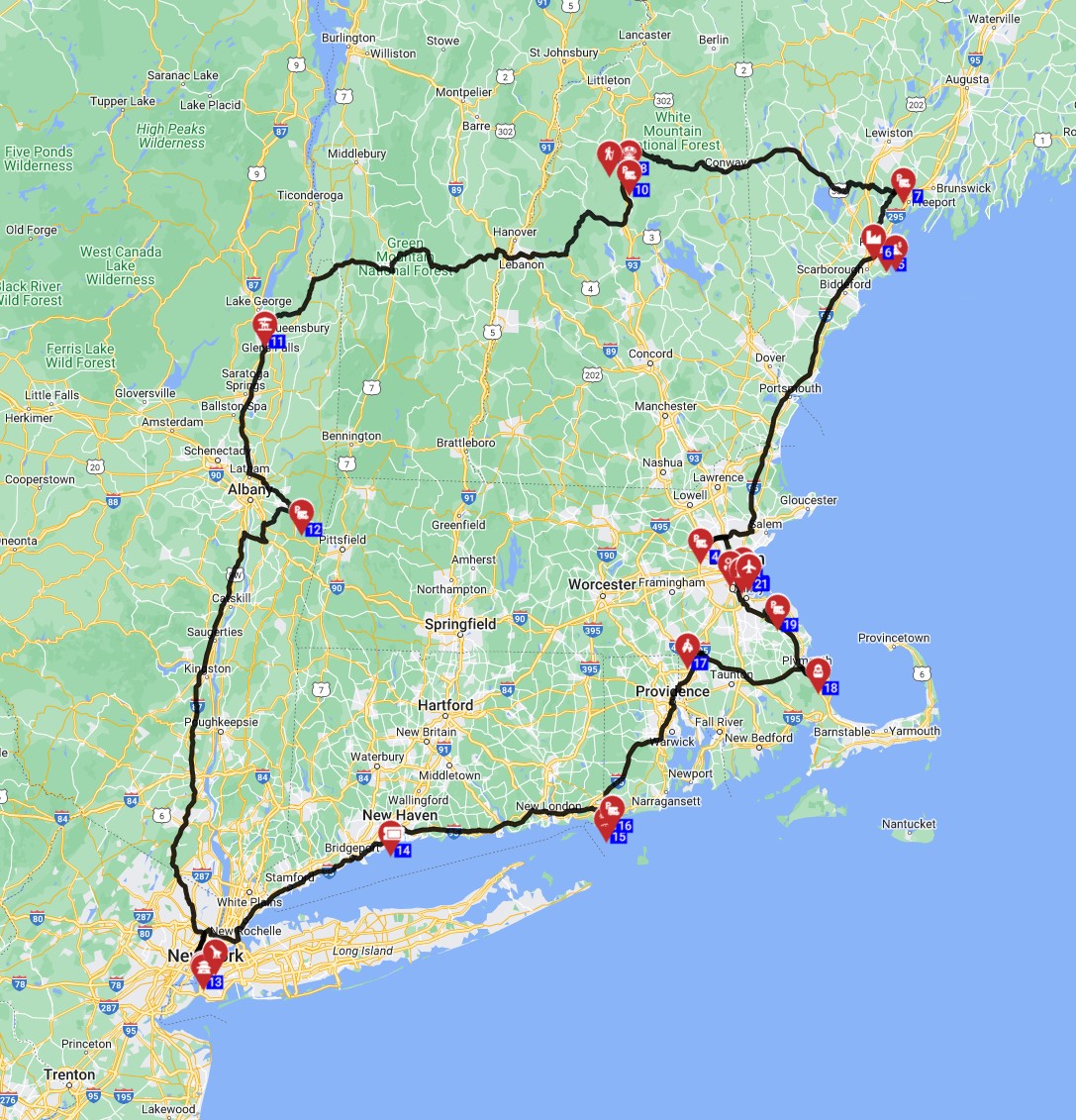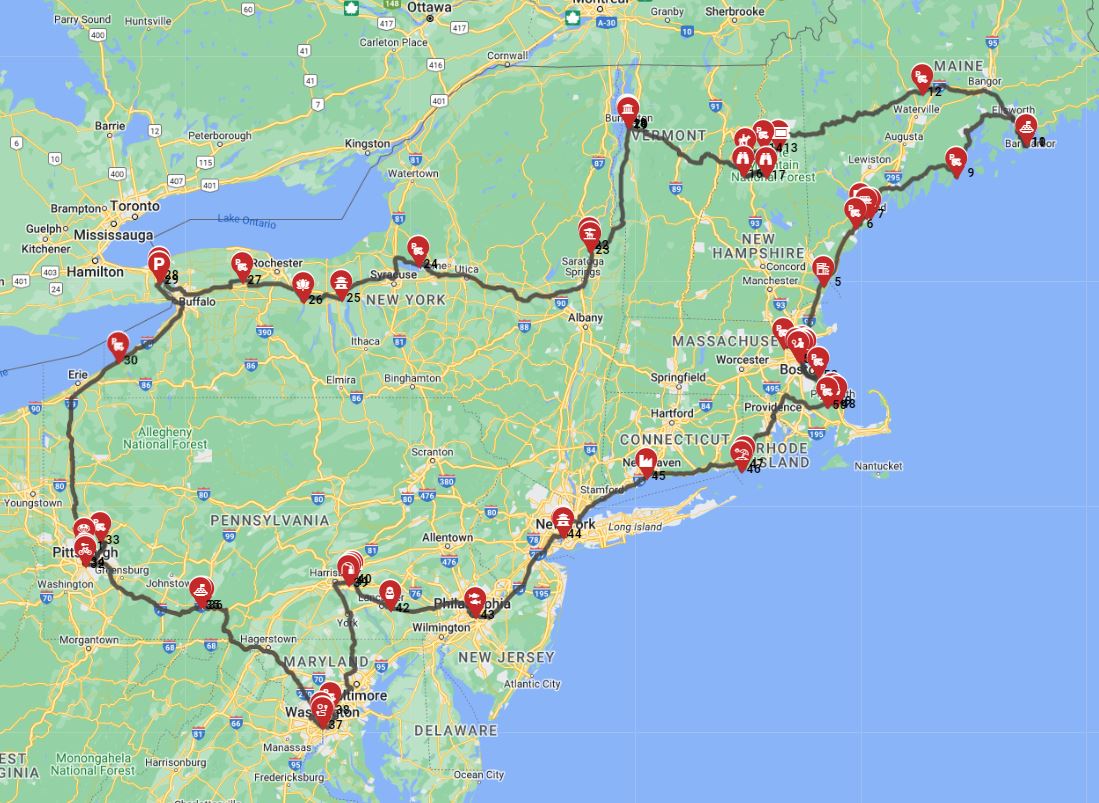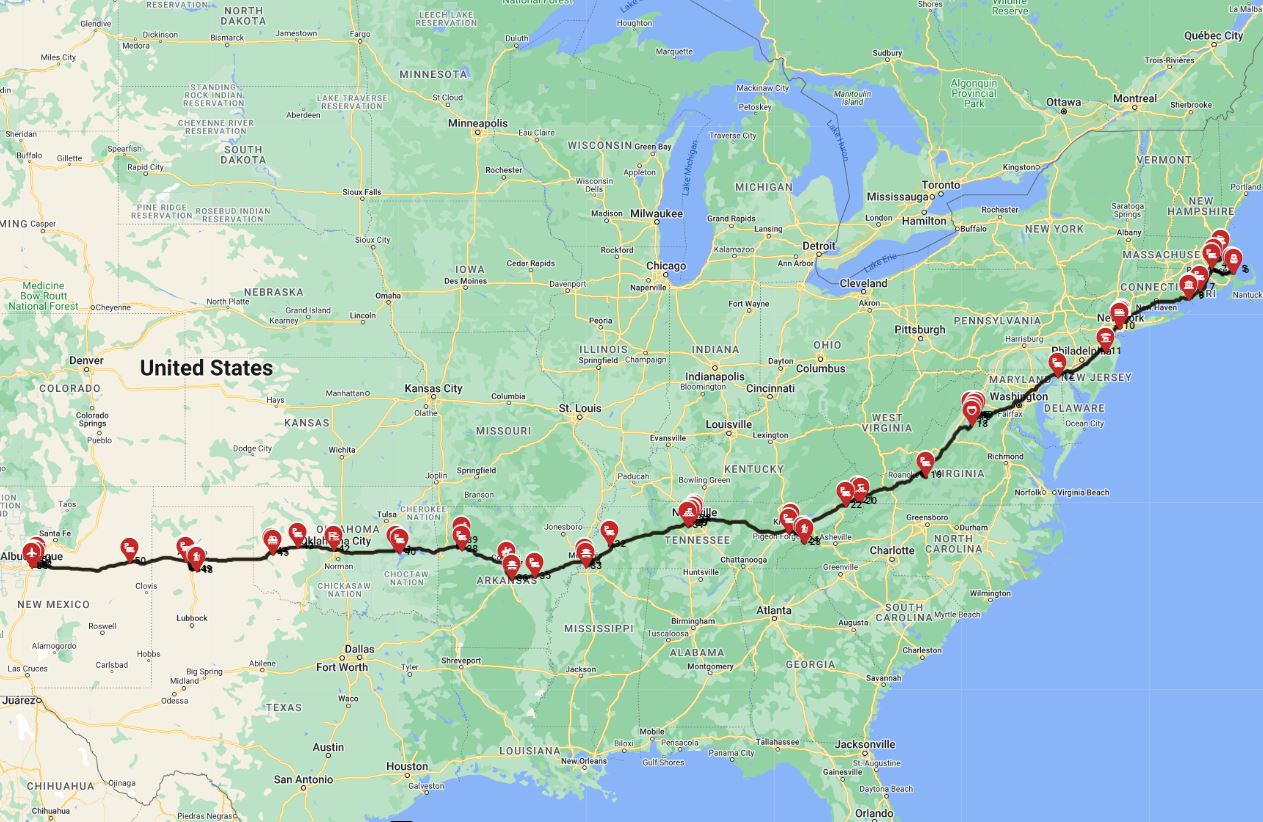
For live availability and current prices, start with our RV Rental North East US - Complete Guide 2026 guide.
In This Guide
- Top 5 Tips for First-Time RV Rental in North East US
- Before You Book — Class, Dates, Insurance
- Pre-Trip Prep — Packing Checklist for North East US
- On the Road — Driving, Fueling, Navigation
- At the Campground — Setup, Hookups & Etiquette
- RV Rental Beginners-Specific Tips for North East US
- Common Mistakes to Avoid in North East US
- What is the 3-3-3 rule for RV?
- What is the 4-4-4 rule for RV?
- What do I need to know before renting an RV?
- What is the 2-2-2 rule for RV riding?
- What is the cheapest way to rent an RV?
- Is it cheaper to rent an RV or stay in a hotel?
Top 5 Tips for First-Time RV Rental in North East US
Embarking on your first RV rental adventure in the North East US is an exciting prospect. To ensure a smooth and enjoyable experience, consider these top tips tailored for beginners. Start small by choosing a Class B campervan or a smaller Class C motorhome. These are often easier to navigate on the winding roads and more manageable for parking in historic towns, which is particularly beneficial for first-time renters. For tips tailored to your specific trip, talk to rent-motorhome.
Booking campgrounds early is crucial in the Northeast. Popular destinations like Acadia National Park in Maine, the picturesque coast of Cape Cod in Massachusetts, and the stunning Adirondack Mountains in New York can fill up months in advance, especially during the summer and the vibrant fall foliage season. Planning for the region's varied terrain is also key; the Northeast includes mountainous areas and winding coastal routes. It’s important to understand your RV's capabilities and plan routes accordingly, paying attention to specific route suggestions for larger rigs to avoid challenging or inaccessible roads. Don't forget to budget for tolls and fuel, as the Northeast states have numerous toll roads, and fuel costs can add up quickly, particularly for larger motorhomes. Finally, check connectivity in advance; cell service can be spotty in rural or mountainous areas. Downloading offline maps and considering a portable Wi-Fi hotspot will help you stay connected and on track throughout your journey. On the routes offered through RV PLANET routes, you can itemize and track every expense along the way for easy budgeting.
Before You Book — Class, Dates, Insurance
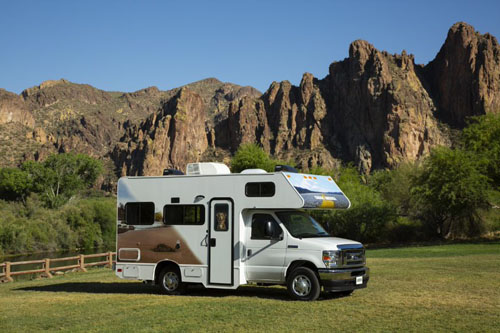
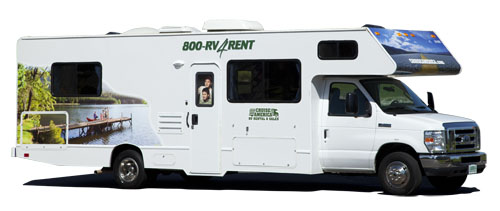
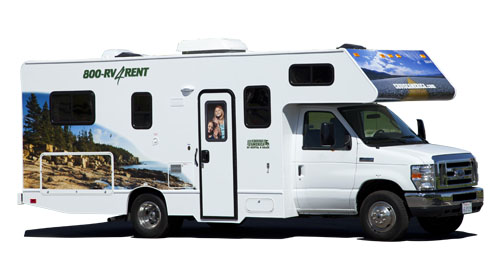
Choosing the right RV class is a critical first step for beginners. Class B campervans or smaller Class C motorhomes are often recommended for their ease of handling and parking, which is particularly beneficial on the Northeast's charming but sometimes narrow roads and in smaller campsites. While a Class A (bus-style) motorhome offers more spacious living, it can present challenges for first-timers in dense urban areas or tight state park campgrounds. Locking in your travel dates is also important; for peak seasons in the Northeast, such as summer or the stunning fall foliage period (late September to mid-October), booking 6-12 months in advance is highly advised to secure your spot. Traveling in the off-peak seasons, like spring or late fall, can offer lower rental rates and fewer crowds. Basic insurance is always included with your rental. To explore options for more comprehensive coverage, select that option during your search, and all relevant insurance details will be displayed. Consider additional coverage for roadside assistance, interior damage, or personal belongings to provide extra peace of mind for your Northeast adventure. For tips tailored to your specific trip, talk to rent-motorhome.
Pre-Trip Prep — Packing Checklist for North East US
When preparing for your Northeast RV trip, a comprehensive packing list tailored to the region's diverse climate is essential for ensuring comfort and readiness across all four seasons. Given the Northeast's variable weather, packing layers is key. Include t-shirts, sweaters, and fleece for adaptable comfort. A reliable rain jacket and waterproof pants are a must, as is a light and heavy coat, depending on the season. Comfortable walking shoes and sturdy hiking boots are essential for exploring the varied terrain. For kitchen essentials, ensure you have basic cookware, utensils, plates, bowls, cups, and mugs. A coffee maker or kettle, a cooler or insulated bag for day trips, and food storage containers will make meal prep easier. Don't forget dish soap, sponges, and dish towels, along with paper towels and trash bags. In terms of safety and gear, a well-stocked first-aid kit, flashlight or headlamp with extra batteries, and effective bug repellent (especially vital for summer in wooded areas) are critical. Sunscreen and after-sun lotion are also important. Consider bringing binoculars for wildlife viewing, along with camp chairs and an outdoor mat for relaxed evenings. Essential RV gear includes leveling blocks and wheel chocks, an electrical surge protector, a fresh water hose (ensure it's drinking water safe) and a pressure regulator. A sewer hose kit with gloves is also necessary. For your documents and tech, pack your RV rental agreement and contact information, driver's license, insurance cards, campground reservations, and any relevant membership cards. Maps (both digital and paper) are invaluable, particularly for rural areas with spotty cell service. Consider a portable Wi-Fi hotspot or booster if connectivity is a priority. Chargers for all your electronic devices are also essential. For tips tailored to your specific trip, talk to rent-motorhome. For ideas you can prep on the road, watch our RV-friendly recipes playlist on YouTube.
On the Road — Driving, Fueling, Navigation
Driving an RV in the Northeast requires mindful attention to its varied terrain, from urban centers to winding mountain roads and coastal routes, ensuring a smooth and safe journey. When driving, always practice wide turns and continuously monitor overhead clearances, especially when navigating under bridges or near tree limbs that are prevalent in historic Northeast towns. Be particularly aware of mountainous terrain in areas like the Adirondacks or Vermont, and plan your routes meticulously. For larger RVs, it’s advisable to research specific routes to avoid roads that might not be suitable for your rig's size or weight. Strategic planning for fuel stops is essential, as larger RVs may find it challenging to maneuver in and out of smaller gas stations. Always confirm whether your RV requires diesel or gasoline, and utilize apps to locate RV-friendly stations that offer ample space. For navigation, an RV-specific GPS is highly recommended, as it can account for vehicle height and weight limitations, helping you avoid low bridges or restricted roads common in the Northeast. Downloading offline maps is a smart move for areas known to have spotty cell service, such as parts of rural Maine or New Hampshire. Always familiarize yourself with and adhere to Northeast-specific driving regulations, which may include various bridge tolls or parking restrictions in historic villages. For tips tailored to your specific trip, talk to rent-motorhome.
At the Campground — Setup, Hookups & Etiquette
Successfully setting up your RV at a Northeast campground involves a systematic approach to hookups and adherence to local etiquette, ensuring a pleasant stay for everyone. Once you've safely parked and leveled your RV using leveling blocks, the first step is to connect your shore power cable; using a surge protector is highly recommended to safeguard your RV's electrical system from campground power fluctuations. Next, connect your fresh water hose, and it’s wise to use a pressure regulator to protect your RV's plumbing. Finally, connect your sewer hose. Always double-check all connections before turning on any water or power. Understanding hookups is vital; be aware of the difference between 30-amp and 50-amp electrical hookups and ensure your RV is compatible or you have the correct adapter. Learn how to connect and disconnect water and sewer lines safely and hygienically, always wearing gloves for sewer connections. Campground etiquette is key to a harmonious stay. Observe quiet hours, typically from 10 PM to 7 AM, to respect your neighbors' peace. Maintain a tidy campsite, dispose of trash properly, and always clean up after your pets. Familiarize yourself with and adhere to fire ring rules, especially regarding local burn bans, and minimize generator use to designated hours. For tips tailored to your specific trip, talk to rent-motorhome.
RV Rental Beginners-Specific Tips for North East US
Tailoring your RV experience to your specific travel needs and preferences can significantly enhance your journey through the diverse landscapes and attractions of the North East US. For family travelers, seek out Northeast campgrounds that offer amenities like playgrounds, pools, or organized activities to keep children engaged. Plan for shorter driving days, ideally 2-3 hours maximum, to prevent kids from getting restless and to allow for frequent stops at kid-friendly attractions, such as children's museums or scenic beaches. Many state parks are excellent choices for families, offering natural beauty and accessible facilities. Senior travelers might find a Class B campervan ideal for its ease of handling and parking, especially in more populated or historic areas. Opting for campgrounds with paved roads and level sites can also improve accessibility. Take advantage of potential senior discounts offered at many Northeast attractions and state parks to make your trip even more budget-friendly. Budget travelers can explore state parks, which are often more affordable than private campgrounds, and research boondocking or free overnight parking opportunities—always verify local regulations first. Cooking most meals in your RV is a fantastic way to maximize savings. For those seeking luxury, consider renting a Class A or a larger, well-appointed Class C RV to enjoy premium amenities. Research luxury RV resorts in scenic Northeast locales, such as the coastal areas of Maine or the Vermont mountains, which often provide full hookups, resort-style facilities, and attentive concierge services. For tips tailored to your specific trip, talk to rent-motorhome.
Common Mistakes to Avoid in North East US
To ensure a smooth and enjoyable RV adventure in the North East US, being aware of common pitfalls and planning proactively can make a significant difference for beginners. One common mistake is over-scheduling your itinerary; instead, build in flexibility to allow for spontaneous stops at scenic overlooks, charming small towns, or unexpected delights like a highly recommended local lobster shack. The Northeast is best explored at a leisurely pace to truly appreciate its unique character and diverse offerings. Another frequent oversight is ignoring bridge clearances; diligently use an RV-specific GPS or map app that clearly highlights low clearances, especially when venturing off major highways into historic areas or rural routes. Underestimating the Northeast's weather variability is also a pitfall; pack versatile layers for all seasons, even in summer, as the weather can change rapidly from refreshing coastal breezes to mountain chills, or bring unexpected rain and even late-season snow. Not booking campsites in advance is a mistake many make, particularly during the popular fall foliage and summer seasons, as premier Northeast campgrounds fill up rapidly, sometimes months ahead. Neglecting to research local regulations is another common error; be aware of state-specific RV rules for parking, waste disposal, and unique requirements, such as specific permits for certain wilderness access points or historical sites in the Northeast. Lastly, neglecting technology connectivity can be problematic, as cell service can be notoriously unreliable in remote and rural parts of states like Maine, Vermont, and the Adirondack region of New York. For tips tailored to your specific trip, talk to rent-motorhome.
What is the 3-3-3 rule for RV?
The 3-3-3 rule is a widely recommended guideline for new RVers, designed to ensure a safe, enjoyable, and less stressful trip. It suggests driving no more than 300 miles a day, which helps prevent driver fatigue and allows for arrival at campgrounds with ample daylight for setup. The rule also advises arriving at your destination by 3 PM, providing enough time to find your site, address any setup issues, and settle in before dark. Finally, it recommends staying at least 3 nights in one location to reduce the frequency of packing and unpacking, and to allow for more relaxed exploration of an area rather than constantly being on the move.
What is the 4-4-4 rule for RV?
The 4-4-4 rule is an alternative guideline for RV travel, similar to the 3-3-3 rule but with a slightly more relaxed pace. It suggests driving no more than 4 hours a day, emphasizing less driving time and more immersion at each destination. Arriving by 4 PM provides a comfortable buffer to set up camp before twilight, ensuring a relaxed arrival. Staying at least 4 nights in one location is encouraged to allow for deeper exploration and relaxation, fostering a more immersive travel experience.
What do I need to know before renting an RV?
Before renting an RV, it's crucial to understand vehicle classes, insurance options, rental costs, and your own comfort level with driving and managing a larger vehicle. Familiarize yourself with Class A, B, and C motorhomes to choose one that best fits your comfort level, group size, and intended travel destinations, especially considering Northeast road conditions. Beyond the base rental fee, remember to factor in additional costs such as fuel, campground fees, insurance, potential mileage charges, cleaning fees, and any optional add-ons you might choose. Ensure you are comfortable driving a larger vehicle; some rental companies offer orientation sessions or driving tutorials to assist beginners. Carefully review the basic insurance coverage included and consider purchasing additional policies for roadside assistance, interior damage, or personal belongings for comprehensive protection. Lastly, understand the basic RV systems for water, electrical, and sewer hookups before your trip, or ensure the rental company provides a thorough walkthrough.
What is the 2-2-2 rule for RV riding?
The 2-2-2 rule is a more conservative guideline specifically tailored for beginners, advocating for driving no more than 200 miles a day. This approach prioritizes leisure and local exploration over covering long distances, making it ideal for those who prefer shorter travel days. Arriving at your destination by 2 PM allows ample daylight for setup, settling in, and enjoying campground amenities or nearby attractions without feeling rushed. The recommendation to stay at least 2 nights in one location provides a minimum duration to avoid feeling hurried and to adequately experience the immediate area and its offerings.
What is the cheapest way to rent an RV?
The cheapest way to rent an RV often involves booking during the off-season, opting for older models or smaller RV classes, and utilizing peer-to-peer rental platforms, which can sometimes offer more competitive pricing than traditional dealerships. Renting in spring (April-May) or late fall (October-November) in the Northeast can significantly reduce rental costs compared to peak summer or fall foliage seasons. Smaller RVs, such as Class B campervans or older, smaller Class C models, are generally less expensive to rent and are also more fuel-efficient. Websites connecting renters directly with RV owners can offer a wider variety of vehicles and more flexible, competitive pricing. Sometimes, renting for a week or more can result in a lower daily rate than shorter trips. Being open to different pick-up/drop-off points or adjusting your travel dates can also uncover better deals. Additionally, save money by bringing your own linens, kitchen supplies, GPS, and other amenities instead of renting them from the provider.
Is it cheaper to rent an RV or stay in a hotel?
Whether renting an RV is cheaper than staying in a hotel largely depends on the duration of your trip, the number of travelers, and your travel style, with RVs often becoming more cost-effective for longer trips involving multiple people. Typical RV costs include rental fees, mileage charges, fuel, campground fees, insurance, and groceries (as cooking in an RV generally saves money compared to dining out). Hotel costs, on the other hand, encompass nightly room rates, dining out for most meals, transportation (car rental, ride-shares, parking fees), and separate activity fees. For families or groups, an RV can be significantly more economical per person than booking multiple hotel rooms and eating every meal at restaurants. While not strictly a financial consideration, RVs offer the flexibility to cook your own meals, visit multiple locations without the hassle of constant packing and unpacking, and enjoy unique outdoor experiences, adding value beyond just the monetary cost. Keep in mind that high demand in popular Northeast areas, such as Boston or the outskirts of NYC, can drive up both hotel and RV rental/campground prices during peak season, making careful budgeting for both options essential.
What You Shouldn't Miss
- Acadia National Park, Maine: Experience the first sunrise in the US from Cadillac Mountain and explore the stunning coastal drives and hiking trails.
- Cape Cod National Seashore, Massachusetts: Discover charming villages, picturesque beaches, and scenic bike paths perfect for RV exploration.
- The Green Mountains, Vermont: Drive scenic byways like the Kancamagus Highway (NH) or explore Vermont's numerous covered bridges, especially beautiful during fall foliage.
- Adirondack Park, New York: Explore this vast wilderness area, larger than many national parks combined, offering diverse camping and outdoor activities.
- Historic Boston, Massachusetts: Park your RV at an outlying campground and take public transport into the city to walk the Freedom Trail and soak in revolutionary history.
- Coastal Maine Lobster Shacks: Sample fresh, local lobster rolls and steamed lobster at authentic seaside eateries accessible by RV.
Final Thoughts
Renting an RV for your first trip in the North East US is a fantastic way to experience the region's diverse beauty and charm. By following these tips, you can navigate the planning process with confidence and set yourself up for an incredible adventure. Remember, flexibility and a spirit of exploration are your best travel companions when RVing.
The Northeast offers everything from rugged coastlines and charming colonial towns to stunning mountain vistas. With a little planning and the right vehicle, you can create memories that will last a lifetime. So, start dreaming, start planning, and get ready to hit the road for an unforgettable RV experience in the enchanting Northeast!
Get inspired for your next trip! Discover top destinations, planning tips, all in one place! Plan a trip itinerary in advance with minimal effort and maximum enjoyment.