In This Guide
- Top 5 Tips for RV Rental Beginners in Netherlands
- Before You Book - Class, Dates, Insurance
- Pre-Trip Prep - Packing Checklist for Netherlands
- On the Road - Driving, Fueling, Navigation
- At the Campground - Setup, Hookups & Etiquette
- RV Rental Beginners-Specific Tips for Netherlands
- Common Mistakes to Avoid in Netherlands
- How much does an RV trip in the Netherlands cost?
- What are the specific RV rules and regulations in the Netherlands?
- What challenges might I face RVing in the Netherlands and how can I overcome them?
- What local culture and etiquette should RVers know in the Netherlands?
- What are the best RV routes and itineraries in the Netherlands?
- What unique camping experiences can I find in the Netherlands?
- Can I combine RV travel with ferries or trains in the Netherlands?
Embarking on your first RV rental adventure in Netherlands promises an unforgettable journey through picturesque landscapes, historic towns, and vibrant cities. Whether you're a seasoned traveler or new to the world of motorhome exploration, this guide will provide essential tips and insights to ensure a smooth and enjoyable trip. For live availability and current prices, start with our RV Rental Netherlands - Complete Guide 2026 guide. We are true RV specialists, founded in 2001, with over 20 years of experience helping tens of thousands of travelers explore the world by RV, and we're committed to full transparency with no hidden fees or surprises.
Top 5 Tips for RV Rental Beginners in Netherlands
1. Book your RV rental well in advance, especially for the high season between May and August, to secure your preferred model and dates and often benefit from better rates. 2. Opt for an RV size appropriate for your comfort level, as many charming Dutch roads and village streets can be narrower than what you might be used to. Drive slowly and carefully, and you can drive almost anywhere without issues. No need to stress - just use common sense and pay attention. 3. Plan your routes using RV-specific navigation tools (such as those recommended on rvplan.net) to avoid low bridges, restricted environmental zones, and tightly packed city centers. 4. Familiarize yourself with Dutch traffic rules, including speed limits (typically 100 km/h on motorways) and the pervasive cycling culture; always give way to bikes. 5. Pack smartly with versatile layers and reliable rain gear, as the weather in Netherlands can be quite unpredictable, often changing quickly.
Before You Book - Class, Dates, Insurance
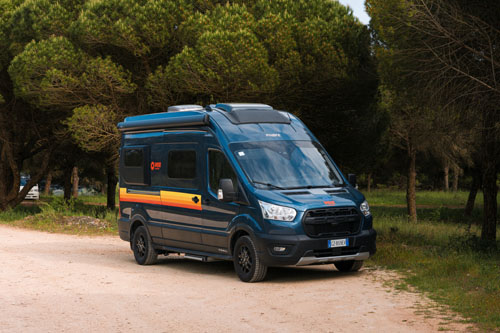
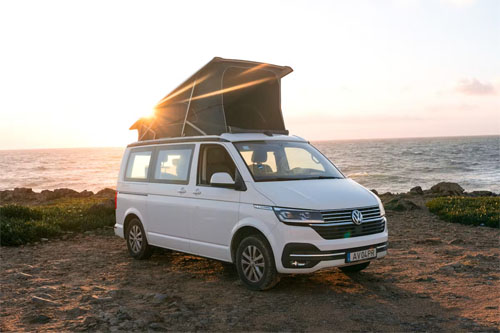
Choosing the right motorhome class, timing your booking, and understanding your insurance options are crucial steps for a successful RV rental in Netherlands. Many beginners find smaller, more nimble campervans or semi-integrated motorhomes, like a "Category Van" or "Active Classic," much easier to maneuver on potentially narrow Dutch roads and in bustling towns. These smaller RVs typically offer all essential amenities without the bulk of larger Class A or Class C models.
Locking in your rental dates, especially for popular travel periods such as summer holidays or during the spring tulip season (April-May), is highly advisable. While it's common to book months in advance, spontaneous travelers can still find availability, as many campgrounds and 'Camperplaatsen' reserve 25-30% of their spots for first-come-first-serve arrivals. You'll find a spot; if not at the first campground, then the next one. Just call ahead before driving.
Basic insurance is always included with your RV rental, but for enhanced peace of mind, you can upgrade to a top-level deductible reimbursement option. This optional upgrade can protect you from significant out-of-pocket expenses in case of unexpected events. We compare final prices across 50+ suppliers so you don't have to worry about hidden fees or surprises.
Pre-Trip Prep - Packing Checklist for Netherlands
Packing for an RV trip in Netherlands should prioritize versatility and practicality, considering the varying weather and diverse activities available. Essential clothing includes layers for fluctuating temperatures, a waterproof jacket, comfortable walking shoes for city explorations and nature trails, swimwear for beach or lake visits, and a hat to protect from sun or rain. For your RV's kitchen, bring reusable shopping bags (many Dutch supermarkets charge for plastic bags), basic cooking essentials like spices and olive oil, travel mugs for coffee on the go, and a small cooler for day trips.
Safety items should include a first-aid kit, a reflective vest and emergency triangle (mandatory in many European vehicles), a portable power bank, and a headlamp for campground evenings. Crucial documents for your RV rental in Netherlands include your valid driving license (an International Driving Permit is recommended for non-EU visitors but not always mandatory), passport/ID, your RV rental agreement, insurance details, a copy of your travel itinerary, and a European Health Insurance Card (EHIC) if applicable. Remember, with a rented RV, you have everything you need for RV-friendly recipes playlist right at your fingertips.
On the Road - Driving, Fueling, Navigation
Navigating Netherlands by RV rental demands careful attention to road signs, ubiquitous cycling paths, and specific fueling practices. In the Netherlands, you drive on the right side of the road, and it is critical to be highly aware of the numerous cyclists, always prioritizing their safety. Speed limits are typically 100 km/h on motorways, 80 km/h on provincial roads, and 50 km/h in urban areas; ensure you adhere to these limits.
Most rental motorhomes run on Diesel fuel. Petrol stations are widely available across the country, accept major credit cards, and often provide dedicated services or larger bays for RVs. For navigation, it's highly recommended to use GPS applications that offer RV-specific routing, such as Campercontact or Sygic Truck & RV, which help avoid narrow roads, low bridges (some as low as 3.5 meters, compared to the standard 4-meter vehicle height), and environmental zones. For city visits, consider parking your RV at designated 'P+R' (Park and Ride) facilities located on the outskirts and utilizing the efficient public transport system to explore urban centers without hassle. This proactive approach saves time and avoids potential parking difficulties. Many Bandana partner suppliers like El Monte and Cruise America equip their vehicles for comfortable travel.
At the Campground - Setup, Hookups & Etiquette
Setting up your RV rental at a Dutch campground is a straightforward process, but understanding local etiquette ensures a pleasant stay for everyone. Upon arrival, you should first level your motorhome using ramps or leveling blocks to ensure comfort and proper functioning of internal systems. Next, connect to electricity using a CEE blue plug (typically providing 10A current), fill your fresh water tanks, and connect grey water drainage if available at your pitch. Always ask a campground staff member if you are unsure about connections.
Ensuring you have the correct adapter for electrical hookups is essential, as European standards may differ from your home country. Wastewater (grey water) and toilet waste (black water) must only be emptied at designated disposal points, often called 'servicepunten,' at campsites or specific public facilities. Adhering to strict quiet hours, usually between 10:00 PM and 7:00 AM, is expected at most Dutch campgrounds. Always respect your neighbors' space, keep your pitch tidy, and follow clear waste separation guidelines, which are often provided upon check-in. Our Rent&Plan service can provide you with pre-planned routes that include excellent campgrounds, taking the guesswork out of where to stay.
RV Rental Beginners-Specific Tips for Netherlands
Beginners renting an RV in Netherlands can significantly enhance their travel experience by focusing on manageable trips and leveraging available resources. Opt for a compact campervan or a semi-integrated motorhome, such as a "V2L" (5.99m length) or a "Group B" (5.99m length, 140/185cm double bed), as these vehicles are considerably easier to navigate on potentially narrow Dutch roads and in quaint villages. Limiting your daily driving distances to a maximum of 100-150 km per day on average allows ample time for setup, exploration, and relaxation, effectively reducing travel fatigue and encouraging slow travel.
Pre-booking your campsites is crucial, especially during peak season, to avoid stress and guarantee a spot at your desired location. While spontaneous arrivals are sometimes possible for the 25-30% of spots reserved at many national and state parks, calling ahead before driving is always a good practice. Before hitting busy roads, take some time in a quiet area to practice parking, reversing, and getting a feel for the RV's dimensions. Familiarize yourself with how to operate essential RV systems, like water and heating, and know the location of the owner's manual for basic troubleshooting.
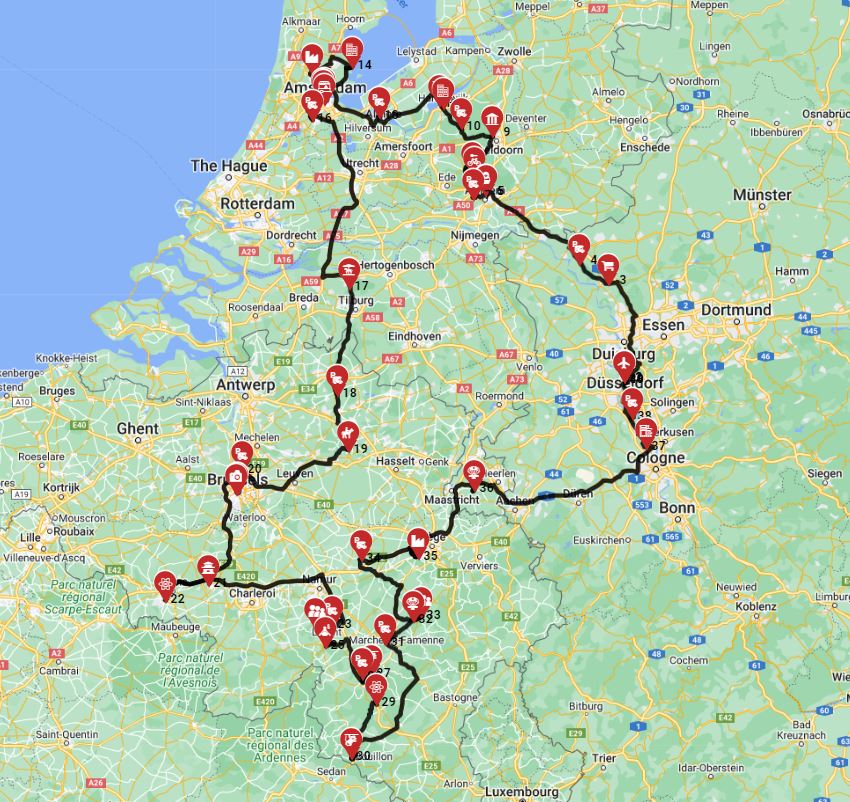
For a perfect introductory experience, consider a pre-planned route by professionals. For instance, the "Dusseldorf Roundtrip - Germany / Netherlands / Belgium" (8 days, 1076.2 km) takes you through diverse attractions including an amusement park, an aquarium, and historical sites, offering a fantastic blend of culture and fun for first-timers in a manageable timeframe.
Common Mistakes to Avoid in Netherlands
Avoiding common pitfalls can significantly improve a beginner's RV rental experience in Netherlands, making your trip smoother and more enjoyable. One frequent mistake is underestimating the RV size needed for comfortable navigation; instead, choose a campervan or motorhome that aligns with your comfort level for driving and maneuvering in compact Dutch spaces. Another common error is not booking campsites ahead, especially during high season, which can lead to stress and limited availability; always reserve your preferred campsites to guarantee a spot and a good location.
Ignoring environmental zones (Milieuzones) is a serious oversight. Always check if your rental RV meets the emission standards for cities with these zones, like Amsterdam or Utrecht, and plan your routes to avoid them if necessary. Relying solely on standard GPS systems, which often don't account for vehicle dimensions, is another pitfall; instead, use RV-specific navigation apps that consider your motorhome's size and road restrictions. Improper waste disposal is both illegal and environmentally damaging, so always use designated 'servicepunten' at campsites for grey and black water disposal to comply with regulations. Lastly, overpacking can limit storage space and decrease fuel efficiency; instead, pack efficiently, bringing only essentials for your week-long or extended road trip. You can also take advantage of our 25% planning discount when using rvplan.net for your travel preparations.
How much does an RV trip in the Netherlands cost?
An RV trip in Netherlands typically involves costs for rental, fuel, tolls, campsites, food, and activities, with daily expenses varying significantly based on travel style and duration. For instance, renting a compact campervan can range from €80-€150 per day during off-peak seasons, while a larger, newer Class C motorhome like a "Glamys 40" or a "Category Family 5" might cost €150-€300+ per day in peak summer months. These prices are dynamic and change daily based on availability, seasonality, and supplier marketing decisions. On the routes offered through RV PLANET routes, you can itemize and track every expense along the way for easy budgeting.
Fuel, primarily Diesel for RVs, costs around €1.70 - €2.00 per liter, with consumption typically 8-12 liters per 100 km for most models. Toll expenses in Netherlands are generally minimal, limited to major passages like the Westerscheldetunnel and Dordtse Kil tunnel. Nightly fees for campsites range from €25 to €50, depending on location, season, and facilities. Food costs for groceries if cooking in the RV average €40-€60 per day for two people; dining out frequently will increase this to €30-€50 per person per meal. For activities and attractions, budget €20-€50 per person per day, as many cities offer discount passes. Factor in miscellaneous costs for insurance excess reduction, occasional waste disposal fees, and unforeseen expenses. Bandana offers full transparency on pricing, ensuring no hidden fees or surprises at booking time. For managing these costs easily, remember that RV PLANET routes allow you to itemize and track every expense along the way.
What are the specific RV rules and regulations in the Netherlands?
Netherlands enforces specific rules for RVs, including environmental zones, maximum vehicle dimensions, and strict waste disposal guidelines, all of which RVers must adhere to. Several Dutch cities, such as Amsterdam, Utrecht, and Rotterdam, have low-emission environmental zones (Milieuzones) where older diesel vehicles may be restricted; it's essential to check current regulations for your rental RV's emission class before entering these areas.
While motorways accommodate larger RVs, be mindful of maximum height (often 4m, but some bridges can be lower), width (2.55m), and length (12m) when planning routes, especially on smaller country roads or in historic city centers. Parking an RV on public roads is generally allowed where not explicitly prohibited, but overnight parking for recreational purposes (wild camping) is strictly forbidden outside designated campsites or 'Camperplaatsen'. It is illegal and environmentally damaging to dispose of greywater or blackwater anywhere other than designated 'servicepunten' at campsites or specific public facilities. Standard speed limits apply: 100 km/h on motorways, 80 km/h outside urban areas, and 50 km/h in urban areas, with heavier RVs (over 3.5 tons) potentially having lower limits. When traveling to the Wadden Islands by ferry, you must book your RV's crossing in advance, as pricing and availability depend on its specific dimensions and weight.
What challenges might I face RVing in the Netherlands and how can I overcome them?
RVing in Netherlands presents unique challenges, such as navigating narrow historic streets and finding suitable city parking, but these can be effectively overcome with thoughtful planning and strategic solutions. Many Dutch towns and cities boast charming but narrow streets that are simply unsuitable for larger motorhomes. You can overcome this by parking on the outskirts, using convenient P+R (Park and Ride) facilities, and then utilizing the excellent public transport or rental bicycles to explore city centers.
Dedicated RV parking in city centers is scarce, leading to another challenge. Plan to use 'Camperplaatsen' outside cities or park at regular parking lots that accommodate larger vehicles, then rely on public transit. Popular campsites fill up quickly, especially during school holidays in peak season; overcome this by booking all campsites well in advance (3-6 months) or opting for quieter 'Boerencampings' or mini-campings. Environmental zones (Milieuzones) in some cities restrict older diesel RVs; check if your rental RV is compliant or plan routes to avoid these zones entirely. While many Dutch people speak excellent English, some signage may only be in Dutch, so using translation apps or a phrasebook can assist with communication, especially in rural areas. Finally, the ubiquitous cycling culture requires vigilance; always stay alert, use your mirrors, and yield to cyclists to prevent accidents. We handle the details, you live the journey-personal service from day one until your booking is confirmed.
What local culture and etiquette should RVers know in the Netherlands?
RVers in Netherlands should be aware of specific local cultural norms and etiquette, particularly concerning camping behavior, driving, and interactions with communities, to ensure a respectful and enjoyable trip. Strict quiet hours, typically from 10:00 PM to 7:00 AM, are enforced at most Dutch campsites, and keeping noise to a minimum during these times is greatly appreciated by fellow campers. Respect for privacy and property is paramount; wild camping is generally not permitted, so always seek permission if you wish to park on private land, or use designated campsites or 'Camperplaatsen'.
When interacting with locals, remember that the Dutch are generally direct and open communicators; a friendly 'Goedendag' (good day) goes a long way, and they appreciate any effort to speak a few Dutch phrases. Given the strong cycling culture, be extremely cautious when driving, indicating turns clearly, and always checking for bikes, especially when turning right, as cyclists often have priority. While on holiday, it's relaxed, but if you have appointments (e.g., ferry booking, campsite check-in), punctuality is appreciated. Finally, always practice leaving no trace: dispose of your waste properly, use designated recycling bins, and leave your campsite pitch as clean as you found it. Discover top destinations, planning tips, all in one place with our comprehensive resources.
What are the best RV routes and itineraries in the Netherlands?
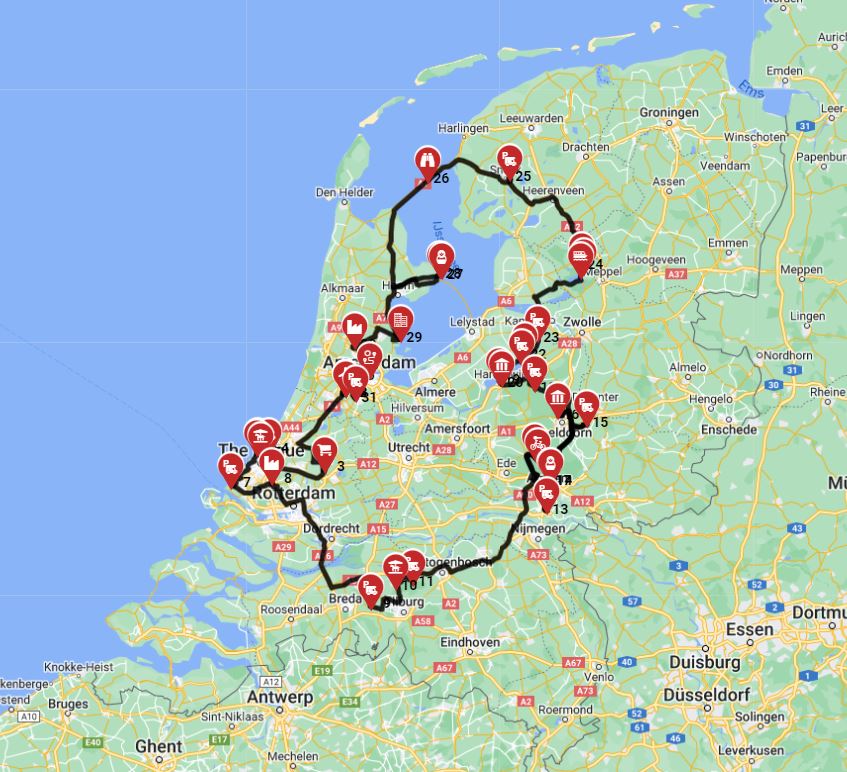
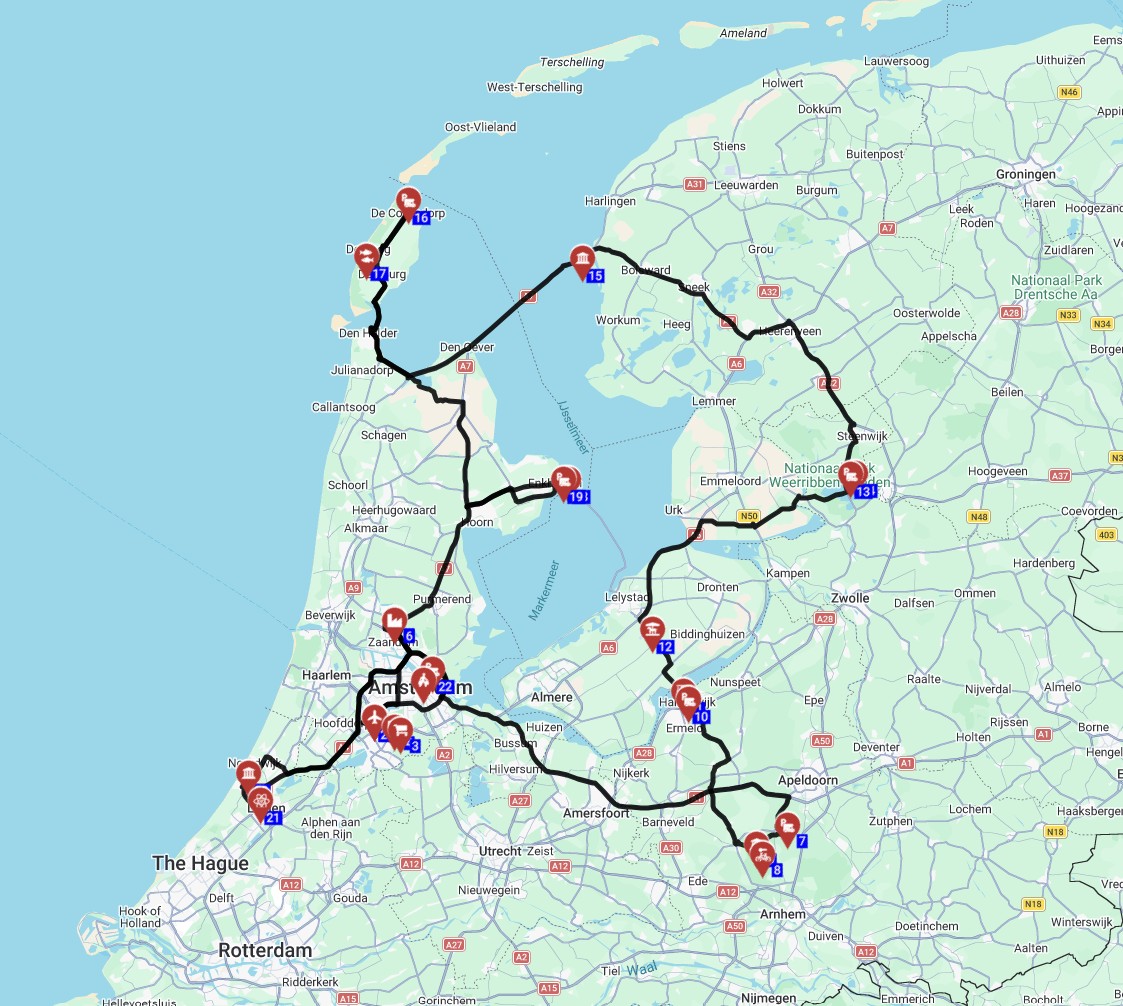
Netherlands offers several RV-specific routes and itineraries designed to maximize scenic beauty and cultural experiences while considering motorhome accessibility and avoiding narrow city centers. The Delta Works Route explores the impressive flood defenses of Zeeland, combining engineering marvels with coastal scenery and charming towns like Zierikzee, and offers ample RV parking near attractions. Another fantastic option is the Cheese & Windmills Trail, journeying through iconic Dutch landscapes to visit traditional cheese markets (e.g., Gouda, Alkmaar) and historic windmills like the Kinderdijk UNESCO site; this route focuses on rural roads and designated RV parking.
For a more extended two-week adventure, consider the "
What unique camping experiences can I find in the Netherlands?
Beyond conventional campgrounds, Netherlands offers a range of unique RV camping experiences, including 'Boerencampings' (farm stays) and mini-campings, which provide a more intimate and local perspective. Boerencampings are small, often family-run campsites situated on working farms, providing a quiet, rural experience, sometimes with fresh farm produce available and a unique insight into Dutch agricultural life. Similarly, mini-campings are smaller, more intimate campsites, not always on farms, but offering fewer facilities and a greater sense of peace and community, perfect for those seeking tranquility away from large holiday parks.
Another popular option for RV rental travelers are 'Camperplaatsen,' which are designated parking areas specifically for motorhomes, often found in picturesque locations, near towns, or by the water. These typically provide basic amenities like fresh water and waste disposal, sometimes for a small fee. Nature Campsites, operated by organizations like 'Natuurkampeerterreinen,' are set in beautiful natural surroundings, emphasizing ecological principles and quiet enjoyment, though they often require a special pass. During major events or festivals, temporary RV parking options may also arise, so check local event guides or dedicated RV apps for information on these specific opportunities. Plan a trip itinerary in advance with minimal effort and maximum enjoyment using RV PLANET.
Can I combine RV travel with ferries or trains in the Netherlands?
Combining RV travel with ferries is a popular and practical option in Netherlands, particularly for accessing the picturesque Wadden Islands, while specialized train services for direct RV transport are less common domestically. RVs can be taken on ferries to several Wadden Islands, most notably Texel, Terschelling, and Ameland. Booking well in advance is crucial, especially during peak season, as space for larger vehicles is limited and priced based on length and height. Always check the specific ferry operator's website, such as TESO for Texel, for detailed vehicle requirements, departure schedules, and booking procedures, and aim to arrive early for boarding. Some smaller local ferries also cross rivers or connect parts of Zeeland, which can be an interesting part of a scenic route.
Direct 'motorail' train services designed to transport RVs and their passengers are not a prominent feature within Netherlands itself. Such services are more typically found for longer distances across Europe, for example, through mountain passes or to southern Europe, originating from or ending in countries bordering Netherlands. A common and highly effective strategy is to park your RV at a 'P+R' facility near a train station or bus stop on the outskirts of major cities and use the excellent Dutch public transport network to explore urban areas without the hassle of driving or parking a motorhome. For example, the "Frankfurt Roundtrip - North West -Exploring Germany, Belgium, and the Netherlands" (22 days, 2254.5 km) itinerary offers plenty of opportunities to explore cities via public transport from a convenient RV base.
🎬 Video coming soon
What You Shouldn't Miss
- Explore the Canals of Amsterdam: Park your campervan at a P+R and take a canal cruise to see the city's iconic gabled houses and bridges.
- Cycle through Kinderdijk: Visit the UNESCO World Heritage site of Kinderdijk to witness 19 beautifully preserved windmills, best explored by bicycle.
- Discover Hoge Veluwe National Park: Rent a free white bicycle at one of the park entrances and explore diverse landscapes, from dense forests to sand dunes, and visit the Kröller-Müller Museum.
- Indulge in Dutch Cheese Markets: Experience the historic cheese markets in Gouda or Alkmaar (seasonal), sampling famous Dutch cheeses and local delicacies.
- Wander through the Tulip Fields (Spring): Drive through the Bollenstreek region in spring to witness the vibrant spectacle of blooming tulip fields, culminating in a visit to Keukenhof Gardens.
- Relax on the Wadden Islands: Take your RV rental on a ferry to one of the Wadden Islands, like Texel, for expansive beaches, birdwatching, and a tranquil escape.
Looking for expert insights from Avi Bandana? Top 5 Adventures - recommendations from Avi Bandana.
Final Thoughts
Embarking on an RV rental journey in Netherlands is an incredible way to experience this unique country, offering freedom, flexibility, and a truly immersive travel experience. While some initial planning is key, especially for beginners, the rewards of waking up to a new Dutch landscape every day are immeasurable. From scenic drives below sea level to charming farm stays and efficient city explorations using public transport, Netherlands is perfectly suited for a memorable motorhome adventure.
Remember, we're with you every step of the way, providing transparent pricing, expert advice, and the tools you need to plan with confidence. So, take the leap, embrace the open road, and discover the magic of Netherlands from the comfort of your rented RV. Get inspired for your next trip and let us help you find the perfect mobile home for your journey!
Compare Motorhome Prices for Netherlands now and start planning your dream adventure today.