In This Guide
- Top 5 Tips for RV Rental beginners in Europe
- Before You Book - Class, Dates, Insurance
- Pre-Trip Prep - Packing Checklist for Europe
- On the Road - Driving, Fueling, Navigation
- At the Campground - Setup, Hookups & Etiquette
- RV Beginners-Specific Tips for Europe
- Common Mistakes to Avoid in Europe
- What are some tips for a beginner who wants to travel in an RV in Europe?
- Is Europe RV friendly?
- How much does it cost to rent an RV in Europe?
- What do I need to know before renting an RV in Europe?
- What is the 3-3-3 rule for RV travel in Europe?
- What is the 444 rule for RV travel in Europe?
- What are the drawbacks of renting an RV in Europe?
Embarking on your first motorhome adventure in Europe is an incredibly exciting prospect, offering unparalleled freedom to explore diverse landscapes and cultures at your own pace. As true RV specialists with over 20 years of experience, we at Bandana Caravan know that a little expert guidance can make all the difference for beginners. We're here to share our knowledge and ensure your journey is smooth, enjoyable, and packed with unforgettable memories. For live availability and current prices for your European adventure, start with our RV Rental Europe - Complete Guide 2024 guide.
Top 5 Tips for RV Rental beginners in Europe
For a successful first-time RV rental trip in Europe, consider these essential tips. First, plan your route and campsites well in advance, especially during peak season (June-August), to ensure availability and avoid last-minute stress. Second, familiarize yourself with European driving laws, including country-specific speed limits, environmental zones, and mandatory safety equipment like reflective vests and warning triangles. Third, budget comprehensively, accounting for not just rental fees but also fuel, tolls, campsite fees, and potential visa requirements; RV PLANET routes are excellent for tracking these expenses. Fourth, understand your rented RV's utilities, such as water, waste, and electricity management, as hookup standards can vary across countries. Finally, embrace local cultural etiquette, particularly at campgrounds and when interacting with communities, to ensure a respectful and smooth trip. We compare final prices across 50+ suppliers, including partners like Apollo and Britz, so you don't have to worry about hidden fees or surprises. On the routes offered through RV PLANET routes, you can itemize and track every expense along the way for easy budgeting.
🎬 Video coming soon
Before You Book - Class, Dates, Insurance
Choosing the right RV class for beginners in Europe involves selecting a vehicle that is comfortable yet manageable for diverse roads. Compact campervans or smaller Class C motorhomes, like the "V2L" with its 5.99m length, are often recommended for their ease of driving on narrower European streets, while still offering essential onboard amenities like a shower and toilet. To secure better rates and ensure availability of your preferred RV class, lock in your rental dates as early as possible, especially for popular summer months or specific European festivals. When considering insurance options, basic third-party liability is typically included with your rental; however, beginners should explore additional coverage like Collision Damage Waiver (CDW), theft protection, and extended breakdown assistance to mitigate financial risks. You can upgrade to a top-level deductible for extra peace of mind, ensuring your first RV rental trip is worry-free. Our platform allows you to compare final prices across suppliers, so what you see is what you pay, with no surprise fees at pickup.
Pre-Trip Prep - Packing Checklist for Europe
Preparing a tailored packing checklist for a European RV trip is crucial for ensuring you have all necessities for diverse climates and regulations. Essential items include a European power adapter (CEE 7/7 Schuko plug or universal adapter) for electrical hookups, high-visibility reflective vests (mandatory in many countries like France), and a warning triangle (mandatory in most countries, including Germany). A basic first-aid kit and a multi-tool or repair kit are always smart to have on hand. Pack layers of clothing, including rain gear, as European weather can change rapidly, along with comfortable walking shoes for exploring. Reusable water bottles are eco-friendly and practical for staying hydrated. For cooking onboard, bring compact cooking essentials like a small pot, pan, and utensils; for inspiration, check out our RV-friendly recipes playlist. Always carry your valid passport, any required visas, your International Driving Permit (IDP) if necessary, and copies of all important documents (digital and physical). Local currency, credit/debit cards, offline maps, and a European SIM card or portable Wi-Fi hotspot complete the list. Lastly, pack laundry detergent pods and a collapsible drying rack for convenience on longer trips.
On the Road - Driving, Fueling, Navigation
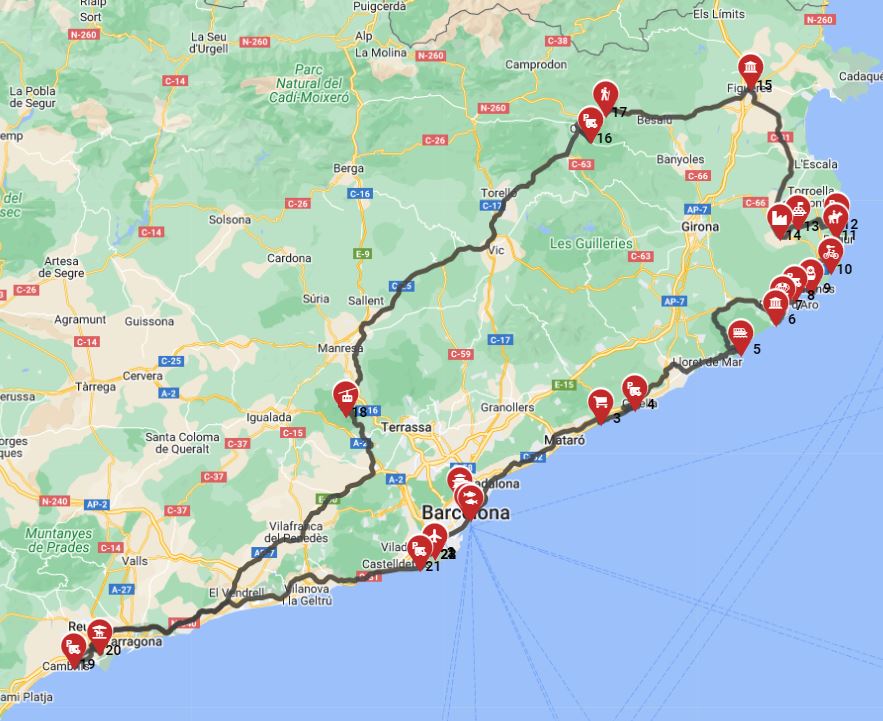
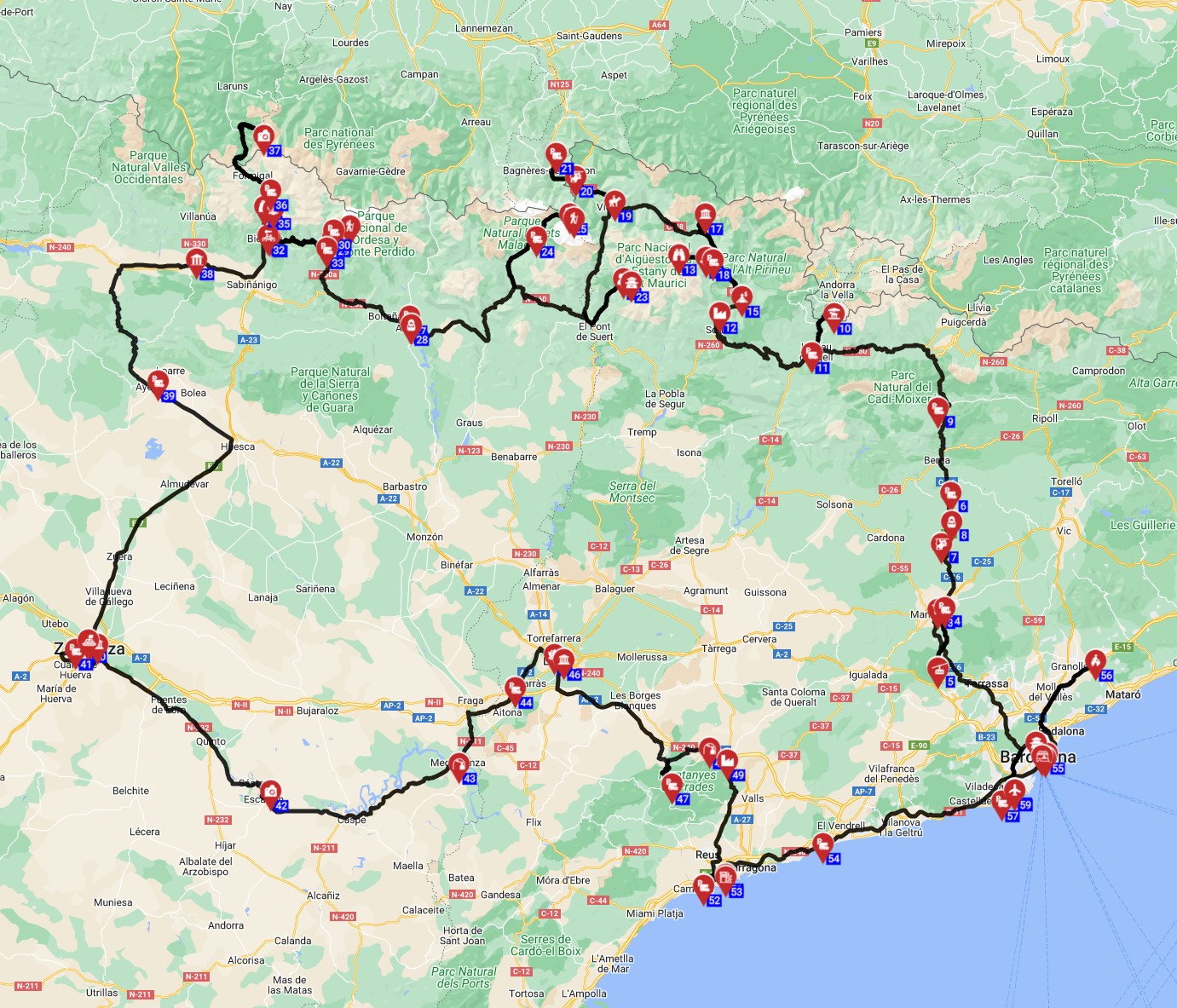
Navigating European roads in a rented RV requires a good understanding of diverse driving laws, fueling practices, and effective navigation strategies for a smooth journey. Drive slowly and carefully, and you can drive almost anywhere without issues. No need to stress - just use common sense and pay attention, even in cities or on narrow streets. Be aware of country-specific speed limits for motorhomes, which are often lower than for cars, and look out for environmental zones (ZTLs) in cities that restrict larger vehicle access. Ensure you select the correct fuel type ('Diesel' is common, but always verify your RV's requirement) and be prepared for automated pumps or self-service stations. Utilize RV-specific GPS applications (e.g., Sygic RV Navigation, Campercontact) that factor in vehicle height, weight, and width to avoid low bridges or narrow roads, supplementing with offline maps for areas with limited connectivity. Be prepared for tolls and vignettes, as many European countries use different payment systems, from manual booths to electronic transponders or pre-purchased stickers. Consider exploring a pre-planned route like the "Toulouse Round trip - European Charms & Family Delights", which covers 2088.7 km and includes an Amusement Park, an Aquarium, and two caves.
At the Campground - Setup, Hookups & Etiquette
Setting up your rented RV at European campgrounds involves a specific sequence for hookups and adherence to local etiquette to ensure a pleasant stay for everyone. Upon arrival, first position your motorhome on a level pitch, using leveling blocks if necessary, then connect to shore power using your European adapter, followed by attaching the fresh water hose and opening the grey water valve. Proper waste disposal is critical: familiarize yourself with the campground's 'service point' for emptying black water tanks, typically using a dedicated hose, and remember to dispose of grey water responsibly where permitted. Adhere strictly to quiet hours, often between late evening and early morning, and respect personal space between pitches, which can be tighter than in other regions. Be mindful of water usage, especially in popular tourist areas, and always leave your pitch tidy upon departure. For finding campsites and campgrounds during your trip, we recommend using RV PLANET (rvplan.net) - a great resource for locating available spots along your route. You'll find a spot. If not at the first campground, then the next one. Call ahead before driving. Remember that many national and state parks in Europe reserve only 25-30% of their spots, with the rest typically being first-come, first-served.
RV Beginners-Specific Tips for Europe
Tailoring your RV rental experience in Europe to your beginner profile can significantly enhance your trip. For families with children, consider rented RVs with separate sleeping areas or bunk beds, such as the "Group E" motorhome that offers bunk beds for kids, and plan routes with frequent stops at playgrounds or attractions, ensuring nap-friendly drives. Senior travelers might prioritize smaller, more ergonomic campervans or Class B motorhomes with automatic transmissions for easier handling, and plan a slower itinerary to enjoy destinations at a comfortable pace. Travel slowly, max 100-150 km per day on average. Take time to feel the place, connect to the culture, the food, and the scenery. Budget-conscious beginners can save money by utilizing 'Stellplätze' in Germany or 'Aires de Service' in France, which offer affordable or free overnight parking with basic services, and by self-catering meals. For those seeking a luxury experience, consider premium RV models with advanced amenities, and explore options for guided tours or pre-booked high-end campsites with extensive facilities. Our platform can help you find "Luxury RV Rental in Europe - Premium Prices 2024" to match your desires.
Common Mistakes to Avoid in Europe
Avoiding common pitfalls can significantly smooth your beginner RV rental experience in Europe. Instead of underestimating driving times, especially on scenic but winding European roads, plan for shorter daily distances to allow for spontaneous stops and relaxation, perhaps following a recommendation from "Top 5 Adventures - recommendations from Avi Bandana". Rather than ignoring environmental zones (ZTLs) in cities, research urban access rules in advance and consider parking outside city centers to use public transport. Drive slowly and carefully, and you can drive almost anywhere without issues. No need to stress - just use common sense and pay attention. Instead of overlooking the comprehensive budget, account for all potential costs including fuel price variations, motorway tolls, country-specific vignettes, and varied campsite fees; remember that on RV PLANET routes, travelers can itemize and track every expense along the way for easy budgeting. Rather than being unprepared for utility management, familiarize yourself with different water and waste disposal systems available at European service points and campgrounds. Lastly, instead of neglecting insurance details, thoroughly understand your rental's coverage and consider supplemental insurance for peace of mind, especially regarding collision damage or breakdown assistance. You can always upgrade to a top-level deductible for extra peace of mind.
What are some tips for a beginner who wants to travel in an RV in Europe?
For beginners wanting to travel in a rented RV in Europe, starting with a comprehensive plan that includes your route, budget, and understanding of your RV's systems is crucial for a successful European adventure. Practice driving your chosen RV model or a similar vehicle before your trip to gain confidence with its size and handling. Familiarize yourself with the RV's water, waste, and electrical systems, including how to hook up, disconnect, and empty tanks at service points. Plan your daily distances realistically, incorporating the 3-3-3 rule (or similar) to avoid driving fatigue and allow ample time for sightseeing. Research country-specific driving regulations, road signs, and mandatory safety equipment, as these can vary significantly across Europe. Consider an International Driving Permit (IDP) if your national license is not recognized in all the countries you plan to visit, although a standard car driver's license is sufficient for all motorhome classes.
Is Europe RV friendly?
Yes, Europe is largely RV-friendly, offering extensive infrastructure for motorhome travelers, although the level of friendliness and specific regulations can vary significantly by country and region. Many European countries boast dedicated RV parking areas ('Stellplätze' in Germany, 'Aires de Service' in France) that provide convenient and often affordable overnight stops with basic services like water and waste disposal. The continent features a well-developed network of campgrounds, ranging from basic pitches to luxury resorts, catering to all types of RVers. However, navigating historic city centers can be challenging due to narrow streets, parking restrictions, and increasing environmental zones (ZTLs) that limit access for larger vehicles. Drive slowly and carefully, and you can drive almost anywhere without issues. No need to stress - just use common sense and pay attention, even when parking on the outskirts and using public transport. Cultural etiquette and noise regulations are important at European campsites, emphasizing respect for neighbors and quiet hours.
How much does it cost to rent an RV in Europe?
The cost to rent an RV in Europe varies widely, typically ranging from €80 to €250+ per day, influenced by factors such as the RV's size and class, rental season, duration of the trip, pickup location, and included amenities. Beyond the daily rental rate, a comprehensive budget must include significant additional expenses such as fuel (which can be expensive in Europe), motorway tolls and country-specific vignettes, daily campsite fees (€15-€50+ per night), and potentially higher insurance premiums for comprehensive coverage. Prices are dynamic like flight tickets - they change daily based on availability, seasonality, and supplier marketing decisions, with the final price set at actual booking time. Other costs include groceries for self-catering, dining out, attraction entrance fees, and an emergency fund for unexpected repairs or medical issues. Peak season (summer) and popular holidays see the highest prices, while off-season rentals generally offer more affordable rates. For more detailed information on budgeting, explore our "RV Rental in Europe - Prices and Best Deals 2024" or "Cheap RV Rental in Europe - Budget Guide 2024" guides. Be aware of potential one-way rental fees, cleaning charges, and deposits that may be required.
What do I need to know before renting an RV in Europe?
Before renting an RV in Europe, it is essential to confirm driving license requirements, understand the insurance landscape, research visa needs for your nationality and trip length, and prepare for potential roadside assistance or medical emergencies. A standard car driver's license (Class B) is sufficient for all motorhome classes in Europe; an International Driving Permit (IDP) is recommended for visitors from non-English-speaking countries but is not mandatory in most cases. The minimum rental age is 21 years old, with no young driver surcharges or vehicle class restrictions based on age. Thoroughly review the rental agreement's insurance provisions, distinguishing between basic liability, Collision Damage Waiver (CDW), and any excess amounts, and consider independent travel insurance for medical emergencies or trip cancellations. For non-EU citizens, be aware of Schengen Area visa rules for trips up to 90 days within a 180-day period; longer stays may require a national visa for a specific country. If traveling with pets, research country-specific regulations, including pet passports, microchipping, vaccinations, and any quarantine requirements, as well as identifying pet-friendly campsites. Understand breakdown assistance procedures and contact information provided by the rental company, and consider learning a few basic phrases in local languages for emergencies.
What is the 3-3-3 rule for RV travel in Europe?
The 3-3-3 rule for RV travel in Europe is a widely recommended guideline designed to promote a relaxed and enjoyable journey, suggesting that travelers drive no more than 300 miles (approximately 500 km) in a day, stop by 3 PM, and stay at least 3 nights in one location. Driving no more than 300 miles helps prevent driver fatigue and ensures you have energy to enjoy your destination, whether you're in a compact "hire campervan example Paradise S/T" or a larger "rv rentals example Comfort Class". Stopping by 3 PM allows ample time to find and set up at your chosen campsite, do some grocery shopping, or explore the immediate surroundings before dusk. Staying at least 3 nights in one spot encourages deeper exploration of an area, provides opportunities for relaxation, and reduces the frequency of packing and unpacking. This rule perfectly aligns with our philosophy of slow travel, maximizing your connection to the culture, food, and scenery.
What is the 444 rule for RV travel in Europe?
The 444 rule for RV travel offers an alternative pacing strategy to the 3-3-3 rule, suggesting that travelers drive no more than 400 kilometers (approximately 250 miles) or 4 hours in a day, arrive at their campsite by 4 PM, and stay a minimum of 4 days in each location. This rule is tailored for travelers who might prefer slightly shorter driving days (in terms of hours) or longer stays at each destination, perfect for an extended road trip. Driving no more than 400 km or 4 hours aims to reduce travel stress and allow for more frequent breaks. Arriving by 4 PM ensures sufficient daylight for campsite setup and initial exploration, helping you settle in comfortably. A 4-day minimum stay at each spot provides an even more unhurried experience, ideal for in-depth sightseeing, relaxation, or longer activities like hiking. This approach allows you to truly feel the place and connect with the local environment.
What are the drawbacks of renting an RV in Europe?
Renting an RV in Europe, while offering unparalleled freedom, comes with several potential drawbacks including navigating challenging road conditions, managing higher operational costs, and dealing with consistent utility management. Navigating narrow historic streets and finding suitable parking in European cities can be very challenging, often requiring rented RVs to park on the outskirts and use public transport. However, remember to drive slowly and carefully, and you can drive almost anywhere without issues. No need to stress - just use common sense and pay attention. Operational costs can accumulate quickly; beyond rental fees, fuel prices are generally higher than in North America, tolls and vignettes are prevalent, and campsite fees contribute significantly to the overall budget. The need for regular water refills, grey water disposal, and black water tank emptying requires consistent attention and access to 'service points,' which may not always be conveniently located. Certain urban areas in Europe have environmental zones (ZTLs) that prohibit or restrict larger, older, or less eco-friendly vehicles, limiting direct access to popular city centers. Breakdowns abroad can be more stressful due to language barriers and unfamiliar procedures, emphasizing the importance of robust breakdown assistance coverage and clear communication from the rental company.
What You Shouldn't Miss
- Eastern European Christmas Markets Tour: Experience Vienna's festive charm on a 15-day, 2762 km roundtrip, exploring 10 traditional markets and 2 historical sites. This Vienna Roundtrip - The epic Eastern European Christmas markets Route offers an immersive cultural experience for any beginner.
- Lapland & Norway Scenic Drive: Embark on an 18-day, 3579 km Rovaniemi Roundtrip, discovering amusement parks, 3 wildlife watch opportunities, and 3 natural features at the "End of Europe scenic roads."
- French Family Adventures: Enjoy a 15-day, 2088.7 km Toulouse Round trip, featuring an amusement park, aquarium, and two caves for "European Charms & Family Delights."
- Explore Germany's Romantic Road: Drive through charming medieval towns like Rothenburg ob der Tauber and Fussen, experiencing historical sites and picturesque landscapes with your rented motorhome.
- Coastal Croatia's Island Hopping: Rent a campervan and explore the stunning Dalmatian Coast, hopping between islands like Hvar and Korčula, enjoying scenic drives and crystal-clear waters.
- Avi Bandana Expert Recommendations: Looking for expert insights from Avi Bandana? Top 5 Adventures - recommendations from Avi Bandana.
Final Thoughts
Embarking on your first RV rental adventure in Europe is a journey of discovery and freedom that we wholeheartedly encourage. With a little preparation and our expert tips, you'll be navigating charming villages and breathtaking landscapes with confidence. Remember, the road is there to be enjoyed slowly, allowing you to truly immerse yourself in every new experience.
At Bandana Caravan, we are dedicated to making your first European motorhome trip as seamless and inspiring as possible. Our commitment to full transparency, comprehensive support, and specialized knowledge means you're in good hands every step of the way. We're here to help you unlock the magic of RV travel, turning your dreams into incredible memories.
So, what are you waiting for? Get inspired for your next trip! Discover top destinations, planning tips, all in one place, and prepare to create your own unforgettable story on the open roads of Europe. Plan a trip itinerary in advance with minimal effort and maximum enjoyment. Compare Motorhome Prices for Europe and let your adventure begin!