In This Guide
- Top 5 Tips for rv rental beginners RV Rental in East Canada
- Before You Book — Class, Dates, Insurance
- Pre-Trip Prep — Packing Checklist for East Canada
- On the Road — Driving, Fueling, Navigation
- At the Campground — Setup, Hookups and Etiquette
- rv rental beginners-Specific Tips for East Canada
- Common Mistakes to Avoid in East Canada
- What is the 3-3-3 rule for RVs?
- How much does it cost to rent an RV for a week in Canada?
- What do you need to rent an RV in Canada?
- How many days do you need for East Coast, Canada?
- What is the 2 2 2 rule for RV travel?
- What is the 4 4 4 rule for RV?
- What are the drawbacks of renting an RV?
- Do RVs get searched at the Canadian border?
Embarking on your first RV rental adventure in East Canada is an exciting prospect, offering unparalleled freedom to explore stunning coastlines, vibrant cities, and lush national parks at your own pace. With a rented motorhome or campervan, you transform the journey into the destination itself, bringing your accommodation with you as you discover everything from Nova Scotia's rugged shores to Quebec's charming villages. At Bandana RV, we've been helping tens of thousands of travelers discover the world by RV since 2001, and we're here to share our expertise to make your maiden voyage unforgettable. For live availability and current prices, start with our RV Rental East Canada - Complete Guide 2026 guide.
Top 5 Tips for rv rental beginners RV Rental in East Canada
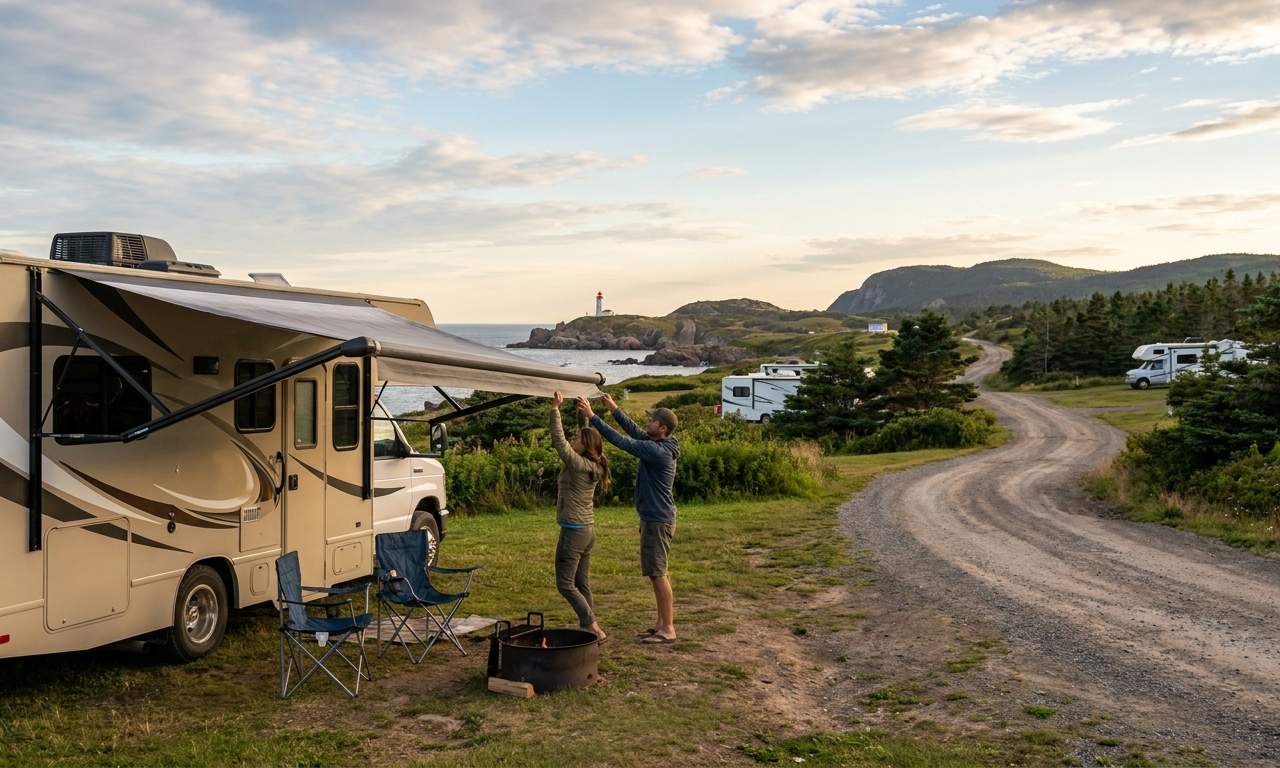
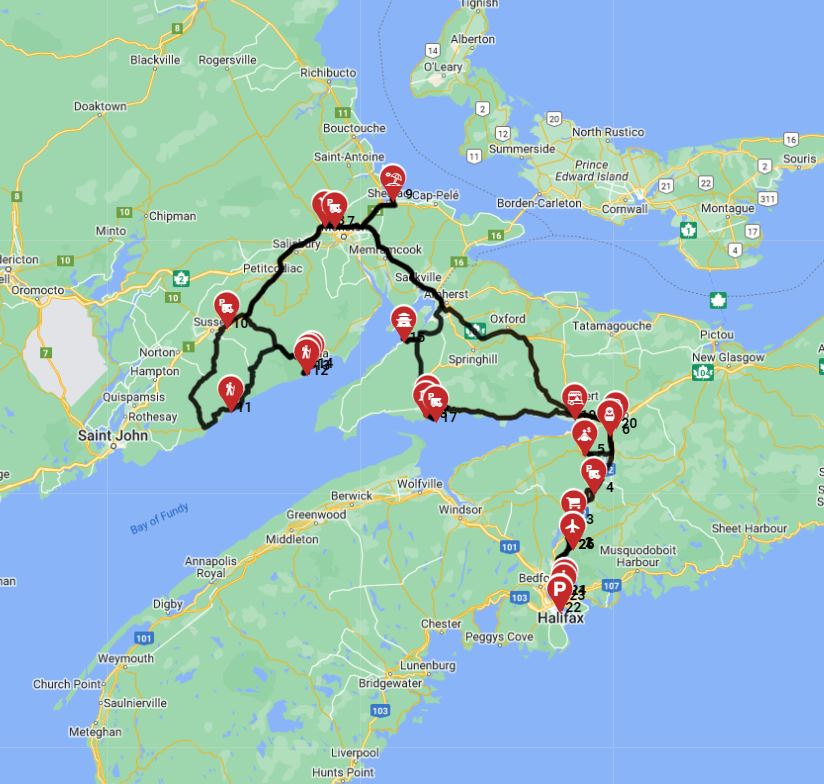
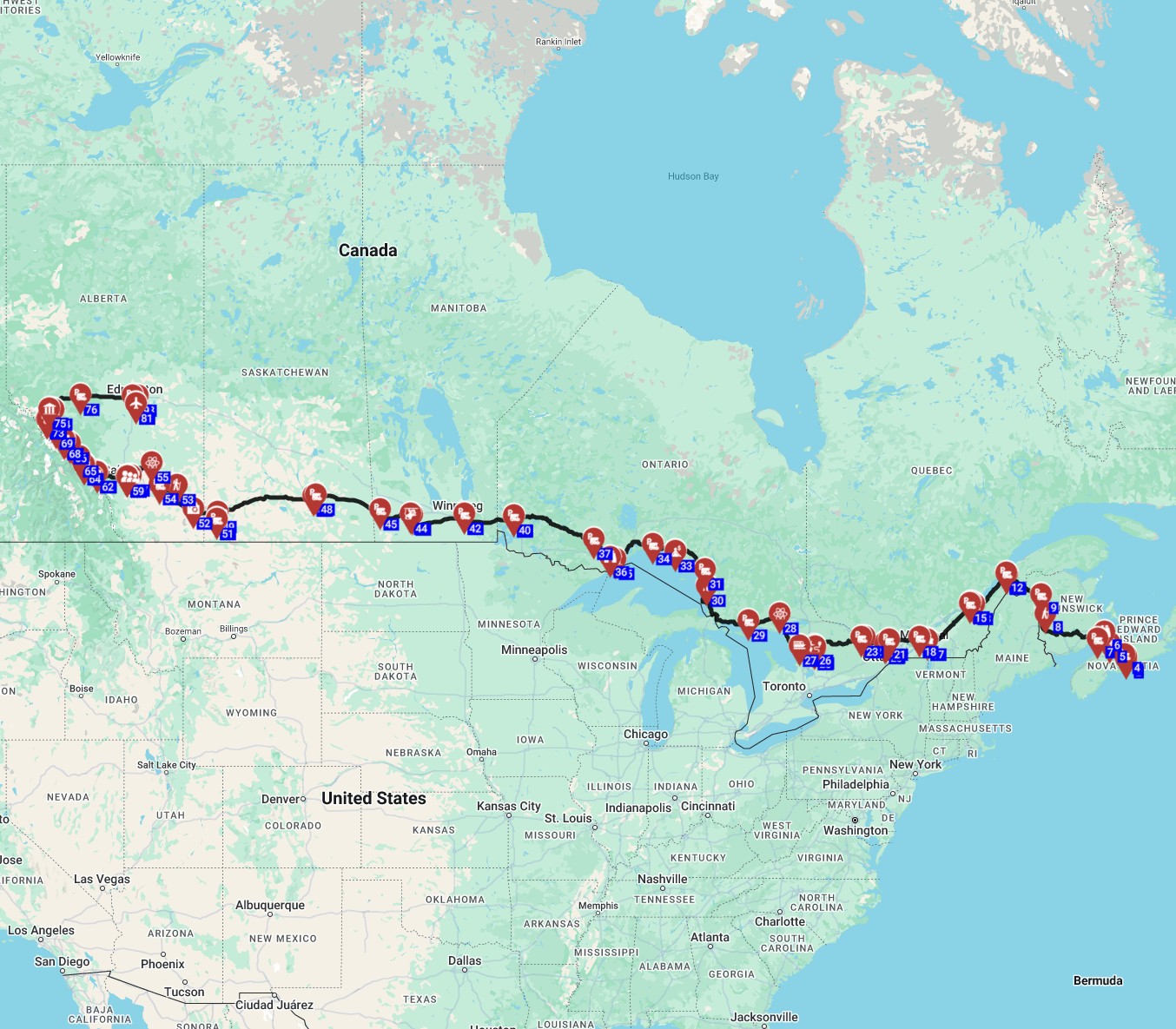
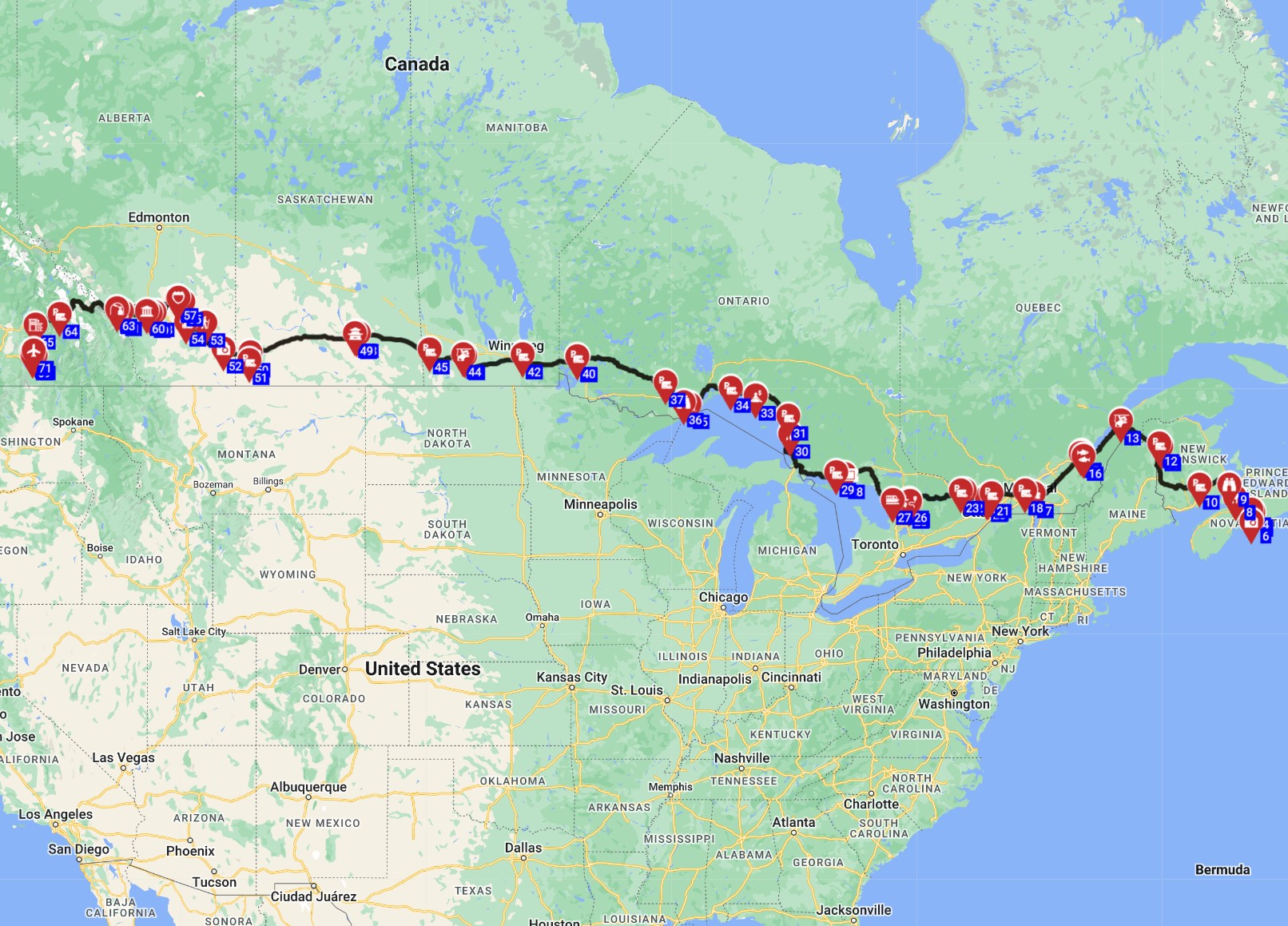
Planning your route and booking campsites well in advance, especially for popular areas and peak season (June through September) in East Canada, is paramount for a stress-free trip. While some national and provincial parks reserve 25-30% of spots for first-come, first-served arrivals, securing your spot ahead of time ensures peace of mind, particularly if you have specific locations in mind or are traveling with family. You can research and plan optimal routes with our RV PLANET routes, which allow you to itemize and track every expense along the way for easy budgeting. Choosing an RV class that matches your comfort level and group size is another crucial step; smaller RVs like Class B campervans or compact Class C motorhomes are often easier to maneuver on the region's winding coastal roads, such as Nova Scotia's Cabot Trail or the scenic drives of the Gaspé Peninsula. On the routes offered through RV PLANET routes, you can itemize and track every expense along the way for easy budgeting.
Understanding the 'X-X-X' rules, like the 3-3-3 rule, for safe and comfortable travel, ensures you don't overcommit on daily distances, which is vital for beginners. We always recommend slow travel, averaging no more than 100-150 km per day, to truly feel the place and connect with the culture, food, and scenery. Budgeting for ancillary costs such as fuel, campsite fees (CAD $30-70+ per night), dumping fees, and potential ferry crossings (e.g., to Prince Edward Island or Newfoundland) is essential for full transparency and no surprises. Finally, familiarize yourself with basic RV systems before hitting the road, including water, waste, and electrical hookups. Many rental suppliers, including our direct partners like El Monte, Cruise America, Apollo, and Britz, offer thorough orientations, and our 24/7 support means real people are behind you before, during, and after your booking to answer questions.
Before You Book — Class, Dates, Insurance
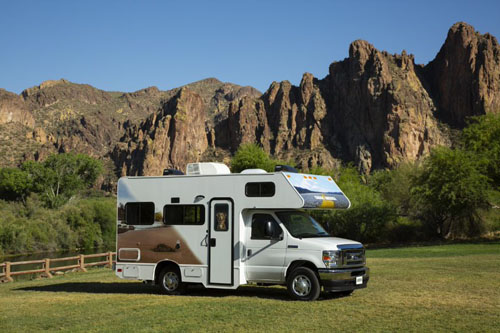
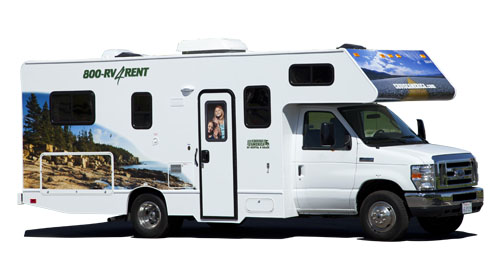
When choosing an RV class for beginners in East Canada, consider smaller, more maneuverable options like Class B or C motorhomes, which balance living space with ease of driving on the region's varied terrain. For example, a compact Class C motorhome like the 'rv rentals example Comfort Class' offers ample sleeping for families of 2+2, while a campervan such as the '2 Berth Hi Top' is ideal for a couple, featuring a front air condition unit and a toilet. Larger Class A motorhomes, while spacious, might be more challenging for first-time RVers on some of East Canada's narrower, winding roads. Lock in your rental dates as early as possible, particularly for trips between June and September, to secure better rates and availability due to high demand. Prices are dynamic like flight tickets, changing daily based on availability, seasonality, and supplier marketing decisions, so planning ahead for your "Weekly RV Rental in East Canada - Pricing 2026" can offer significant value.
Basic liability insurance is always included with Bandana RV rentals, ensuring fundamental protection. To explore prices including the most comprehensive coverage, simply select that option during your search; all relevant insurance options, including additional collision or comprehensive choices, will then be shown. You can also upgrade to a top-level deductible for extra peace of mind, minimizing your out-of-pocket expenses in the event of an incident. Our commitment to full transparency means there are no hidden fees or surprises when you compare final prices across our 50+ leading RV suppliers worldwide. Remember, as true RV specialists, we are not a travel agency side department, but a dedicated platform founded in 2001 with over 20 years of experience.
Pre-Trip Prep — Packing Checklist for East Canada
Packing layers of clothing is essential to accommodate East Canada's variable weather, which can range from cool mornings to warm afternoons and potential rain, even during summer months. A waterproof jacket and fleece are always good additions, particularly if you plan to explore coastal areas or higher elevations. Ensure essential kitchen items are included with your rental, especially if it doesn't come fully stocked. This typically means basic cooking utensils, dinnerware, and non-perishable food items for your first few meals. Preparing meals in your motorhome's kitchen is a fantastic way to save on costs and enjoy fresh, local ingredients. For inspiration, check out our RV-friendly recipes playlist.
Carry safety essentials such as a first-aid kit, roadside assistance contacts, and a flashlight or headlamp, as cell service can be spotty in remote areas like parts of Newfoundland or Cape Breton Highlands National Park. Physical maps are highly recommended as a backup to your GPS, as digital navigation can fail without signal. Keep all necessary documents readily accessible, including your valid driver's license (a standard car license is sufficient for all motorhome classes in Canada, with an International Driving Permit recommended for non-English/French speaking visitors), your RV rental agreement, insurance papers, and any campground reservations. Don't forget binoculars for wildlife viewing and a power bank for charging devices. Remember, a well-prepared trip reduces potential stress and allows you to truly immerse yourself in the journey. Exploring "RV Rental Deals in East Canada - Latest Offers 2026" after you're prepped can help finalize your plans.
On the Road — Driving, Fueling, Navigation
Driving a rented RV in East Canada often involves navigating winding coastal roads, which require slower speeds and increased caution, especially on routes like Nova Scotia's Cabot Trail or parts of Newfoundland's rugged interior. While you might be driving a larger vehicle, remember: drive slowly and carefully, and you can drive almost anywhere without issues. No need to stress - just use common sense and pay attention. Pay particular attention to road signage for height and weight restrictions, which can sometimes apply to older bridges or tunnels. Fueling an RV means budgeting for higher fuel consumption than a standard car; a typical Class C motorhome like the 'MHC24' might have a 200-liter fuel tank and average 18-25 liters per 100 km. Use apps or plan ahead to locate diesel stations if your rental uses diesel, as they might be less frequent in rural areas of New Brunswick or Quebec's Gaspé Peninsula. Always ensure you have sufficient fuel before heading into remote sections.
For navigation, supplement your GPS with physical maps for areas with limited cell service, especially in remote parts of the region where connectivity can be unreliable. It’s also crucial to be aware of bridge height and weight restrictions, particularly on older infrastructure or rural routes. Always check ferry schedules and book in advance for inter-provincial travel, such as to Prince Edward Island or Newfoundland, as spots for RVs can fill quickly, especially during peak travel months. Practicing turns and backing up in an empty parking lot before you hit the main roads can boost your confidence significantly, transforming potential challenges into smooth sailing. When planning your entire trip, including fuel and ferry costs, remember that our RV PLANET routes allow you to track every expense for easy budgeting.
At the Campground — Setup, Hookups and Etiquette
Upon arrival at a campsite in East Canada, the setup typically involves leveling your rented RV first using blocks or an automatic leveling system, then connecting electrical (ensuring the correct amperage, usually 30 or 50 amp, but don't worry about specific technical requirements), followed by water (always use a pressure regulator to protect your RV's plumbing), and finally the sewer hose in that order to maintain hygiene and system integrity. Hooking up correctly means ensuring secure connections for electricity, water, and waste, with a downhill slope for gravity drainage of your sewer. Many campgrounds in East Canada, including popular provincial parks, offer full hookups with 15, 30, and sometimes 50 amp service.
Campground etiquette dictates observing quiet hours, usually from 10 PM to 7 AM, keeping your site tidy, and respecting fellow campers' privacy and space. This is especially important in the serene settings of East Canada's natural parks. Proper waste disposal involves understanding the dump station procedures and never discharging grey or black water outside of designated facilities, respecting East Canada's pristine environment. Most campgrounds will have clearly marked dump stations and instructions. If you need to search for campsites and campgrounds during your trip, we recommend using RV PLANET, a great resource for locating available spots along your route, ensuring you always find a convenient and appropriate place to stay.
rv rental beginners-Specific Tips for East Canada
Families with children benefit significantly from planning shorter driving days in East Canada, incorporating frequent stops at playgrounds, beaches, or scenic lookouts to prevent fatigue and keep everyone entertained. Choosing a rented RV with dedicated sleeping areas, like a Class C motorhome with an overhead bunk or rear beds, offers privacy and convenience for naps and bedtime, such as the '29′ Class C Motorhome' which can sleep a big family or group of friends. Senior travelers might prioritize RVs with easier access, comfortable beds, and automated leveling systems, ensuring a relaxed pace through scenic routes like the Evangeline Trail and avoiding strenuous setup tasks. A Class B campervan, for instance, offers great accessibility.
Budget-conscious beginners can save substantially by utilizing provincial park campgrounds, which are often more affordable than private parks, sometimes costing as little as CAD $25 per night. Seeking out free overnight parking options (where permitted and safe) and cooking most meals in the RV also significantly cuts down on expenses. For those seeking luxury, explore premium RV rentals with amenities like outdoor kitchens, multiple slide-outs, and even delivery services to a pre-booked campsite, enhancing the comfort of their East Canada adventure. The key is to match your rental and itinerary to your lifestyle and budget, ensuring a rewarding trip. You can find more budget advice in our "Cheap RV Rental in East Canada - Budget Guide 2026" and "RV Rental in East Canada - Prices and Best Deals 2026" articles.
Common Mistakes to Avoid in East Canada
A frequent mistake for RV rental beginners in East Canada is over-scheduling their itinerary, attempting to cover too much ground in too little time. Instead, plan realistic daily distances, ideally max 100-150 km per day, and allow for spontaneous stops to fully experience East Canada's charm, especially its unique coastal towns, such as Lunenburg, Nova Scotia, or the natural beauty of Gros Morne National Park. Another common pitfall is neglecting pre-trip checks; always thoroughly inspect your rented RV's tires (including pressure), fluid levels, and lighting before departure to prevent roadside issues, even if the supplier confirms it's ready. Our direct partners like El Monte and Cruise America ensure vehicles are well-maintained, but a quick personal check adds an extra layer of assurance.
Relying solely on cell service for navigation or emergencies is another mistake to avoid, as coverage can be limited in remote areas of East Canada. Always carry physical maps and have a backup communication plan, like satellite messaging, for true wilderness areas. Underestimating weather variability is also common; pack layers and be prepared for sudden changes in temperature or rain, even in summer. Finally, forgetting to book ferries or popular campsites in advance, particularly for high season travel to islands like Prince Edward Island or Newfoundland, can lead to significant delays or disappointment. Many national and provincial parks only reserve 25-30% of spots for first-come, first-serve campers, so call ahead before driving. Remember, you'll find a spot; if not at the first campground, then the next one. This type of proactive planning will make your adventure much smoother, and for more tips, consider checking out the "RV Travel Guide to East Canada - Tips and Top Spots 2026" video.
What is the 3-3-3 rule for RVs?
The 3-3-3 rule for RVs suggests traveling no more than 300 miles (or roughly 500 kilometers) a day, arriving at your campsite by 3 PM, and staying for a minimum of 3 days at each location to ensure a relaxed and enjoyable trip. This rule is particularly beneficial for RV rental beginners in East Canada as it prevents driver fatigue on unfamiliar roads, allows ample time for setup and breakdown, and encourages exploring local attractions rather than rushing. For example, traversing the Cabot Trail in Nova Scotia, while only 300 km long, is best enjoyed over multiple days due to its winding nature and numerous scenic pull-offs. Adhering to the 'arrive by 3 PM' component helps secure preferred campsites, especially during peak season when spots fill quickly, and allows for daylight setup. The 'stay 3 days' aspect fosters a deeper connection with the destination, giving travelers time to hike, explore towns like St. John's, Newfoundland, or simply relax without constant packing and unpacking, which is ideal for experiencing East Canada's diverse culture and landscapes.
How much does it cost to rent an RV for a week in Canada?
Renting an RV for a week in Canada typically ranges from CAD $1,200 to $3,500, with prices varying significantly based on the RV class, time of year, rental duration, and specific region like East Canada. Smaller, older RVs or campervans generally fall on the lower end, starting around CAD $170/day, while larger Class A motorhomes or newer models can command higher weekly rates of CAD $350-$500+ per day. Peak season (July and August) in East Canada sees the highest prices, sometimes doubling off-season rates, due to increased demand and ideal weather conditions. Remember, prices are dynamic and change daily based on availability, seasonality, and supplier marketing decisions.
Additional costs to budget for include fuel (a significant expense for RVs, with larger models consuming 20-25+ liters per 100 km), optional insurance upgrades (beyond basic liability), campsite fees (CAD $30-70+ per night for basic hookups), propane refills, dumping fees (if not done at a campground), and potential mileage charges or convenience fees. For instance, a 7-day trip might require 1,000-1,500 km of driving, easily adding CAD $200-400+ in fuel alone. Booking well in advance and comparing quotes from various rental companies on platforms like Bandana RV can help beginners find more competitive pricing for their East Canada adventure. For an in-depth look at budgeting, consult our "Cheap RV Rental in East Canada - Budget Guide 2026" and "RV Rental in East Canada - Prices and Best Deals 2026" guides.
What do you need to rent an RV in Canada?
To rent an RV in Canada, travelers typically need a valid driver's license, be at least 21 years old (not 25, and there are no young driver surcharges or vehicle class restrictions based on age), and possess a major credit card for a security deposit. A standard car driver's license (e.g., a Class 5 in Canada or equivalent from your home country) is sufficient for operating ALL motorhome classes (Class A, Class B, and Class C) and campervans; no special license, CDL, or additional permits are required. International renters should carry an International Driving Permit (IDP) alongside their home country's driver's license, translated into English or French, if their license is not in one of Canada's official languages, though it is not mandatory in most cases.
Renters must also have comprehensive insurance coverage, which basic liability is usually included, but it's advisable to consider additional collision or comprehensive options for full protection, and you can upgrade to a top-level deductible for extra peace of mind. Some rental agreements may include mileage caps, specific restrictions on travel routes (e.g., unpaved roads), or requirements regarding the '10-year rule' for RVs, which can affect where you can drive or camp in certain private campgrounds in Canada. The '10-year rule' is usually a private campground policy restricting RVs older than 10 years, primarily for aesthetic reasons, but it's not a universal law. Always confirm these details with your specific rental provider, like El Monte, Cruise America, Apollo, or Britz, to ensure full transparency and avoid any surprises. Proof of an onward travel ticket may be required for non-residents at the border. Our detailed "One-Way RV Rental in East Canada - Price Guide 2026" also covers related requirements for cross-country journeys.
How many days do you need for East Coast, Canada?
To comfortably experience a significant portion of East Coast, Canada by RV, a minimum of 10-14 days is recommended for a single province, while a multi-province tour (e.g., Nova Scotia, Prince Edward Island, New Brunswick) ideally requires 3-4 weeks. A week-long trip allows for a focused exploration of a smaller region, such as Nova Scotia's Cabot Trail or the Bay of Fundy in New Brunswick, but it will likely feel rushed for beginners. For a comprehensive East Coast journey including Newfoundland and Labrador, a dedicated trip of three weeks or more is highly advisable, accounting for significant driving distances and ferry travel times, as the ferry to Newfoundland alone can take 7-16 hours and costs hundreds of dollars for a motorhome. Remember to travel slowly, averaging max 100-150 km per day, to take time to feel the place, connect to the culture, the food, and the scenery.
Beginners should factor in extra time for RV setup, breakdown, slower driving speeds due to winding coastal roads, and spontaneous stops at charming fishing villages or scenic vistas. Embracing a more leisurely pace, aligned with the '3-3-3 rule' (driving no more than 300 miles, arriving by 3 PM, staying 3 days), is crucial for optimal enjoyment and less stress. This region is rich in natural beauty and cultural experiences, from whale watching in the Bay of Fundy to exploring the vibrant music scene of Cape Breton. Rushing through it would mean missing out on many hidden gems. To better plan your extended road trip and consider costs, explore "Luxury RV Rental in East Canada - Premium Prices 2026" or "Cheap RV Rental in East Canada - Budget Guide 2026" to match your travel style.
What is the 2-2-2 rule for RV travel?
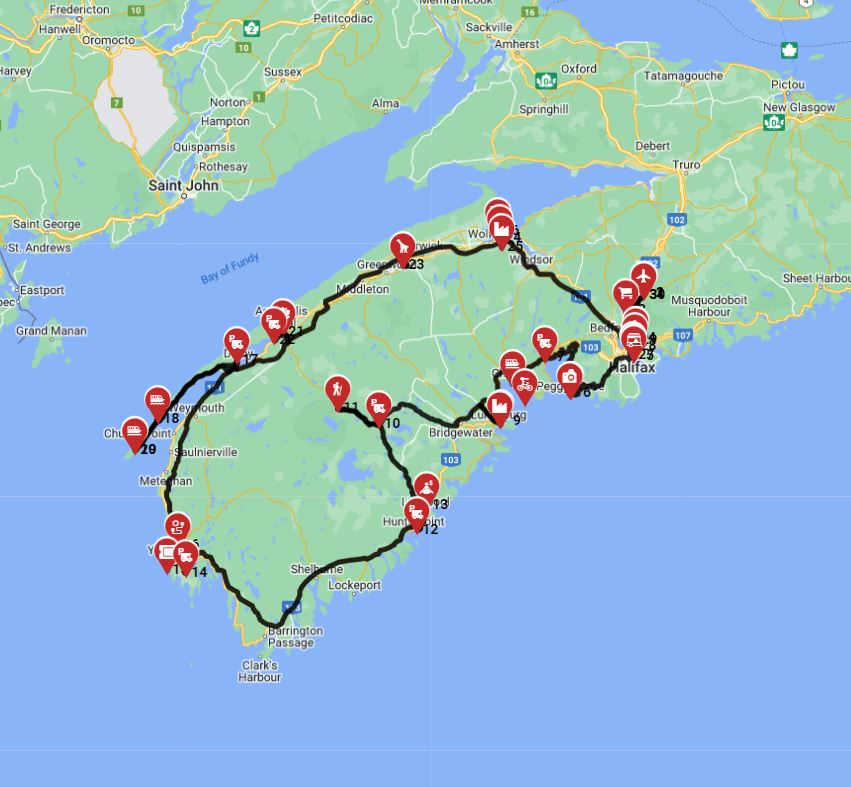
The 2-2-2 rule for RV travel is a variation of the 'X-X-X' rules, suggesting that travelers drive no more than 200 miles (or approximately 320 kilometers) a day, arrive at their destination by 2 PM, and stay for at least 2 nights at each campground. This rule is particularly suited for RV rental beginners and those preferring a more relaxed pace, offering shorter driving segments than the 3-3-3 rule and more time to enjoy each location. For instance, traveling from Halifax to Peggy's Cove (approximately 45 km) and staying two nights allows for a deeper exploration of the iconic fishing village and surrounding coastal areas without feeling rushed. Arriving by 2 PM helps ensure availability at popular East Canada campgrounds, especially during peak season when spots fill quickly, and provides ample daylight for setting up the RV and exploring the immediate area, fostering a less stressful start to your stay.
Staying for at least 2 nights minimizes the effort of frequent packing and unpacking, allowing for a deeper immersion into the local culture, hiking trails (like those in Fundy National Park), or unique regional experiences such as whale watching in the Maritimes. This pace is excellent for soaking in the breathtaking scenery and connecting with the friendly locals. For a rented campervan, the flexibility of short drives and longer stays makes for a truly relaxing escape. Choosing this rule for your East Canada RV adventure prioritizes enjoyment and minimizes the learning curve associated with first-time RV operation, making for a truly memorable experience.
What is the 4-4-4 rule for RV?
The 4-4-4 rule for RV travel, another guideline for trip pacing, recommends driving no more than 400 kilometers (approximately 250 miles) in a day, arriving at your campsite by 4 PM, and staying for a minimum of 4 nights. This rule is generally better suited for more experienced RVers or those with a larger itinerary, balancing longer travel days with extended stays at key destinations, offering more ground coverage than the 2-2-2 or 3-3-3 rules. For example, a traveler might drive 400 km from Quebec City to Moncton, New Brunswick, and then stay four nights to explore the Bay of Fundy, Hopewell Rocks, and Fundy National Park thoroughly. While offering more ground coverage, beginners in East Canada should approach the 4-4-4 rule with caution due to the region's potentially challenging roads, winding coastal routes (like parts of the Viking Trail in Newfoundland), and the need for more frequent breaks to safely manage a rented motorhome, especially a larger Class A or Class C. Our recommendation is always to travel slowly, max 100-150 km per day.
The 'stay 4 nights' component is ideal for establishing a base camp to thoroughly explore a specific area, such as a national park or a cluster of coastal towns, without the daily stress of relocation. This allows for deeper exploration of local attractions, cultural sites, and natural wonders, truly immersing yourself in the destination. However, the longer driving days inherent in the 4-4-4 rule mean less time for spontaneous detours or unexpected stops, which can be part of the charm of an RV adventure in East Canada. Consider your comfort level with driving and managing your RV systems over longer distances before committing to this pace, particularly if you are an RV rental beginner. Our "RV Rental USA - Complete Guide 2026" also provides general advice on various pacing rules for continent-wide travel.
What are the drawbacks of renting an RV?
Renting an RV, especially for beginners in East Canada, can present several drawbacks, including higher overall costs than initially anticipated, less maneuverability on narrow roads, and the learning curve associated with operating complex RV systems. Unexpected costs often arise from high fuel consumption (larger motorhomes can get 15-25 liters/100 km), daily campsite fees (CAD $30-70+), propane refills for heating and cooking, dumping station charges (if not included with a campsite), and potential additional insurance or mileage fees, which can quickly add up to your "One-Way RV Rental in East Canada - Price Guide 2026". Driving large vehicles, whether a Class A, B, or C motorhome, can be challenging on East Canada's winding coastal roads, through historic towns with tight streets like Lunenburg, Nova Scotia, or when parking, requiring careful attention and potentially limiting access to certain areas. However, drive slowly and carefully, and you can drive almost anywhere without issues. No need to stress - just use common sense and pay attention.
The '10-year rule' in some private campgrounds might restrict entry for older RVs, which could limit your camping options if renting an older model, especially in popular destinations. This is a campground-specific policy, not a universal Canadian law, so always check with your chosen campground. Operating an RV involves managing water tanks, waste disposal, and electrical hookups, which can be daunting for first-timers, alongside potential connectivity issues in remote areas of East Canada. Compared to traditional travel, RVing requires more planning for logistics like grocery shopping, laundry, and finding appropriate places to park overnight. However, with full transparency, our 24/7 support for pre-booking and booking coordination, and access to tools like rvplan.net for route planning, Bandana RV aims to minimize these drawbacks and make your first RV rental experience as smooth as possible.
Do RVs get searched at the Canadian border?
Yes, RVs can and do get searched at the Canadian border by Canada Border Services Agency (CBSA) officers, similar to any other vehicle entering the country, with searches being more likely for those carrying undeclared goods, prohibited items, or appearing suspicious. The primary purpose of border searches is to ensure compliance with Canadian laws regarding immigration, customs, agriculture, and public safety, maintaining the security of the country. Officers may inquire about your travel plans, where you are going (e.g., specific cities in East Canada), how long you intend to stay, and inspect your vehicle for prohibited items such as firearms, certain foods (like fresh fruits, vegetables, and meat products), or excessive alcohol/tobacco.
To facilitate a smooth border crossing into East Canada, ensure all occupants have valid identification (passport), declare all goods, and avoid bringing prohibited items. For example, fresh produce and certain meats are often restricted to prevent agricultural pests and diseases. Be prepared to answer questions truthfully and present all necessary documentation, including your RV rental agreement, driver's license (a standard car license is sufficient for all motorhome classes), and insurance papers. Having a clear itinerary or route plans can also help streamline the process. Remember, honesty and transparency are key to a quick and hassle-free border experience, setting the tone for your wonderful East Canada RV adventure.
What You Shouldn't Miss
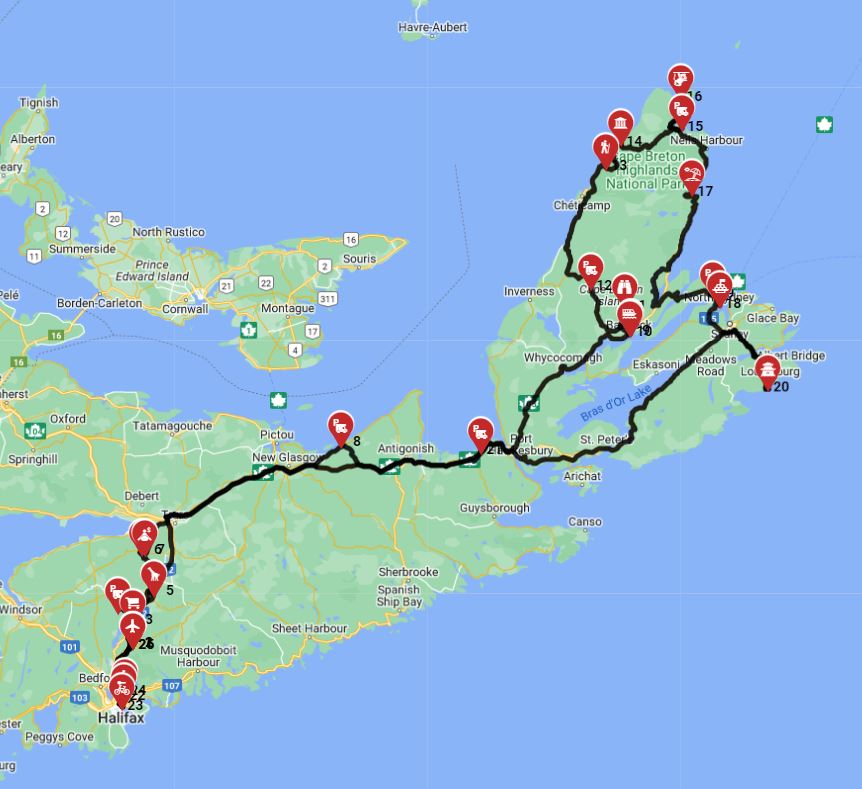
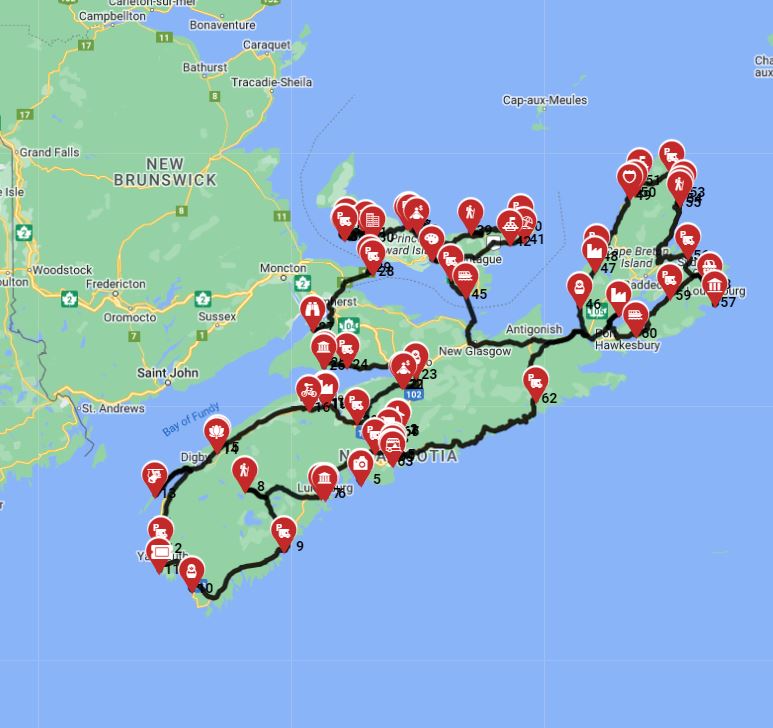
- **Explore the Cabot Trail (Nova Scotia):** Drive one of the world's most scenic routes around Cape Breton Island, offering breathtaking coastal views and charming Acadian villages. Don't rush; take 3-4 days to savor every curve and vista.
- **Witness the Highest Tides at Bay of Fundy (New Brunswick & Nova Scotia):** Experience the dramatic 16-meter tidal changes at Hopewell Rocks and Fundy National Park. Kayak at high tide and walk on the ocean floor at low tide.
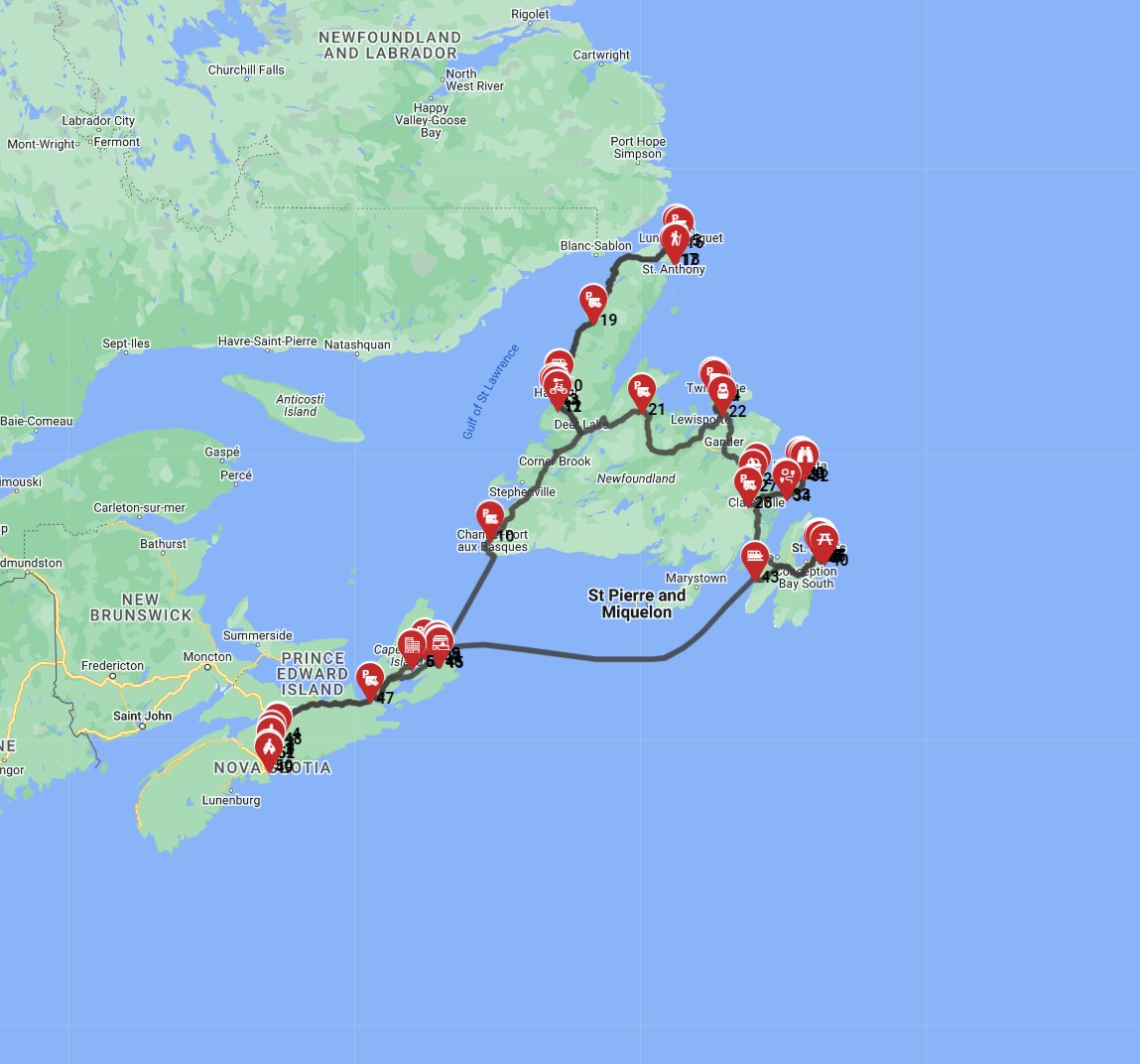
- **Discover Historic St. John's (Newfoundland & Labrador):** Visit Canada's oldest city, with its colorful Jellybean Row houses, vibrant arts scene, and dramatic Signal Hill offering panoramic views of the harbor and Iceberg Alley.
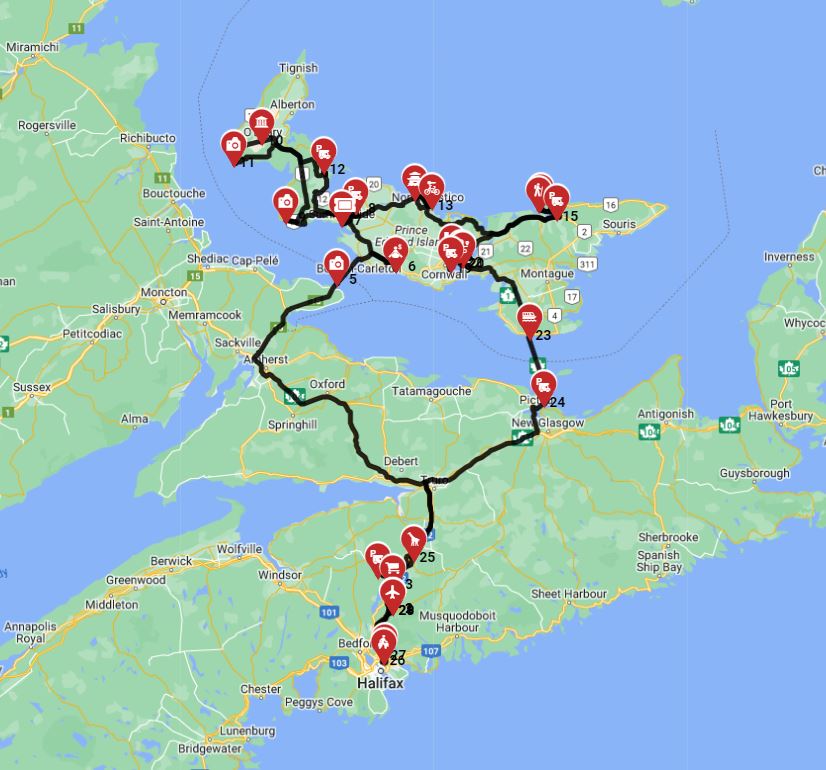
- **Relax on Prince Edward Island's Red Sand Beaches:** Cross the impressive Confederation Bridge and enjoy the gentle pace of PEI, exploring Anne of Green Gables sites and digging for clams on the warm, red sand.
- **Savor the Seafood Feast:** Indulge in fresh lobster, scallops, and oysters directly from the Atlantic. Many RV parks have communal cooking areas perfect for preparing your catch.
Looking for expert insights from Avi Bandana? Top 5 Adventures - recommendations from Avi Bandana.
Final Thoughts
Embarking on your first RV rental journey through East Canada is an experience filled with discovery, freedom, and unforgettable memories. From the moment you decide to hit the road in a comfortable campervan or spacious motorhome, you're not just booking a vehicle; you're unlocking a world of possibilities at your own pace. Don't let the idea of being a beginner hold you back; with careful planning, practical tips, and the right support, your adventure will be as smooth as the rolling hills of Prince Edward Island.
Remember, the heart of RV travel is about slowing down, savoring each moment, and truly connecting with the incredible landscapes and welcoming communities of East Canada. We are here to support you every step of the way, providing the transparency, expertise, and peace of mind you deserve. So, pack your bags, prepare your route, and get ready for the trip of a lifetime.
Get inspired for your next trip! Discover top destinations, planning tips, all in one place! Plan a trip itinerary in advance with minimal effort and maximum enjoyment. Check East Canada RV Rental Prices Now and start your journey with Bandana RV.