In This Guide
- Top 5 Tips for rv rental beginners RV Rental in Boston
- Before You Book - Class, Dates, Insurance
- Pre-Trip Prep - Packing Checklist for Boston
- On the Road - Driving, Fueling, Navigation
- At the Campground - Setup, Hookups & Etiquette
- rv rental beginners-Specific Tips for Boston
- Common Mistakes to Avoid in Boston
- What is the 3-3-3 rule when rving?
- How much is it to rent an RV in Boston?
- How much would it cost to rent an RV for 1 month?
- Is it cheaper to rent an RV or stay in a hotel?
- What is the 3 3 3 rule for RV travel?
- What not to forget on an RV trip?
- What do I need to bring when renting an RV?
- What are the drawbacks of renting an RV?
Embarking on your first RV rental adventure in Boston opens up a world of historic charm and scenic New England beauty. For live availability and current prices, start with our RV Rental Boston - Complete Guide 2026 guide. Whether you dream of exploring coastal routes or diving into the city's rich history, a rented motorhome offers unparalleled freedom. At Bandana Caravan, we’ve helped tens of thousands of travelers since 2001, providing a seamless booking experience with full transparency and no hidden fees.
Top 5 Tips for rv rental beginners RV Rental in Boston
For first-time RV renters in Boston, meticulous planning is key to a smooth journey.
1. Plan your route carefully, accounting for Boston's narrow streets and low bridges, especially for larger Class A or Class C motorhomes. Drive slowly and carefully, and you can drive almost anywhere without issues. No need to stress - just use common sense and pay attention. Utilize RV-specific navigation tools to bypass problematic areas like Storrow Drive and Memorial Drive, which have bridge clearances as low as 10 feet. Consider exploring the region with itineraries found on RV PLANET routes, which provide detailed planning and expense tracking for every stop.
2. Book your RV rental and campground reservations well in advance, particularly for peak seasons like fall foliage (September-October) or summer (June-August). While many national and state parks maintain a 70-75% first-come, first-serve policy for campsites, securing a spot, especially at popular locations like Boston/Cape Cod KOA, ensures peace of mind. Bandana Caravan offers top-level deductible reimbursement options, allowing you to travel with extra security.
3. Familiarize yourself with public transportation options, locally known as 'The T,' to access downtown Boston efficiently from outer campgrounds. Parking an RV in central Boston is challenging and expensive, so using the MBTA's subway and bus system from a park-and-ride lot (like those near the Wonderland or Braintree stations) is highly recommended.
4. Budget for all ancillary trip costs beyond the RV rental, such as campground fees (averaging $40-$80/night), fuel (RV gas mileage is typically 10-15 miles per gallon for Class C), tolls, and groceries. On RV PLANET routes, travelers can itemize and track every expense along the way for easy budgeting, ensuring no surprises. On the routes offered through RV PLANET routes, you can itemize and track every expense along the way for easy budgeting.
5. Consider a smaller Class B campervan or Class C motorhome for easier navigation and parking in the Boston metropolitan area and its charming, historic towns. A smaller rig, like an Adak Argonaut 21 - Bronze (length 7.1m) or a Class B Camper Van such as a Deuce, offers better maneuverability on winding roads and in congested traffic.
Before You Book - Class, Dates, Insurance
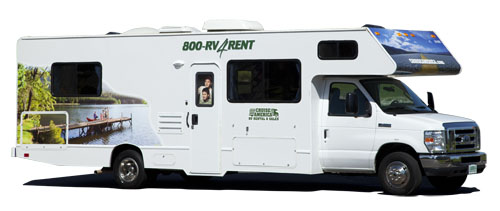
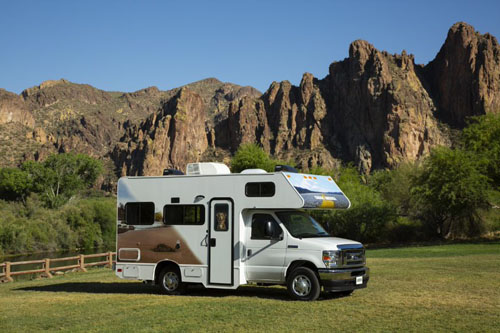
Choosing an RV class for beginners involves balancing comfort with maneuverability, especially when exploring Boston and the surrounding Massachusetts region. Smaller Class B campervans or Class C motorhomes are often recommended for navigating Boston's unique urban landscape and country roads. A Class B campervan, such as a 2 Berth Hi Top with a length of around 5-6 meters, provides excellent flexibility for city access. For families, a compact Class C motorhome like an Adak Argonaut 21 - Bronze, sleeping up to 4, offers more living space while remaining manageable for driving.
Lock in your rental dates as early as possible to secure preferred RV models and rates, especially during high demand periods like summer or autumn for fall foliage tours. Prices for an RV rental in Boston are dynamic, changing daily based on availability, seasonality, and supplier marketing decisions, similar to airline tickets. The final price is set at the actual booking time. Many travelers appreciate the option to plan a trip itinerary in advance with minimal effort and maximum enjoyment through Rent&Plan, which also offers a 25% planning discount when using rvplan.net for pre-planned routes.
Basic insurance is always included with your RV rental; however, you can upgrade to a top-level deductible for extra peace of mind. Bandana Caravan provides full transparency, meaning what you see is what you pay, with no surprise fees at pickup. When searching on our platform, you can select options to view prices that include the most comprehensive coverage, ensuring all relevant insurance choices are clearly displayed.
Pre-Trip Prep - Packing Checklist for Boston
A well-organized packing checklist is essential for a comfortable and stress-free RV rental trip to Boston.
Clothing:
- Layers (even in summer, New England evenings can be cool, especially near the coast).
- Rain gear (a waterproof jacket and a compact umbrella are invaluable for sudden showers).
- Comfortable walking shoes are critical for extensive city exploration, like strolling the Freedom Trail or wandering through Beacon Hill.
- Swimsuit (if visiting coastal areas like Cape Cod, which is about an hour's drive south).
Kitchen:
- Basic cooking utensils and pans are usually included, but confirm with your supplier and bring any specialty items.
- Non-perishable food items and spices can save time and money on the road; you can plan your meals with our RV-friendly recipes playlist.
- Reusable water bottles and coffee cups to stay hydrated and reduce waste.
- A small cooler for day trips from your RV basecamp into Boston.
Safety & Essentials:
- A comprehensive first-aid kit, readily accessible.
- Flashlight or headlamp for navigating campgrounds at night.
- Navigation tools, including a reliable RV-specific GPS that accounts for vehicle height, and a physical map as a backup.
- Sunscreen and insect repellent, especially if visiting natural parks or coastal areas.
Documents:
- Valid driver's license and your RV rental agreement (note: a standard car driver's license is sufficient for all motorhome classes).
- All campground reservations and confirmation details.
- Proof of insurance, including any upgraded top-level deductible reimbursement.
- Information on public transportation passes, such as the MBTA CharlieCard, for seamless city access.
On the Road - Driving, Fueling, Navigation
Driving a rented RV near Boston requires extra vigilance due to narrow, winding, and often one-way streets, especially in historic neighborhoods like Beacon Hill or the North End. Always travel slowly, aiming for a maximum of 100-150 km per day on average, to truly feel the place, connect to the culture, the food, and the scenery. Be acutely aware of low bridge clearances, particularly on parkways like Storrow Drive and Memorial Drive, which have notorious low limits (often under 10 feet); planning alternative routes well in advance using an RV-specific GPS is essential.
Fueling an RV in and around Boston can be challenging due to limited space at urban gas stations; seek out truck stops or larger suburban stations located along major highways such as I-93 or I-95 for easier access. For navigation, rely on RV-specific GPS systems that account for vehicle height and weight, and integrate public transportation from your RV park outside the city. This allows for convenient access to downtown Boston via 'The T' (MBTA subway and bus), such as parking at an MBTA commuter rail station like Wonderland or Braintree, and taking the subway directly into downtown.
Consider a longer RV adventure like the

🎬 Video coming soon
At the Campground - Setup, Hookups & Etiquette
Setting up your rented RV at a campground typically involves parking on a level site, stabilizing the vehicle with leveling blocks, and then connecting utilities in a specific order: electricity first, then water, and finally the sewer hose. Always ensure all hookups are securely fastened to prevent leaks or electrical issues, and use a surge protector for electrical connections to safeguard your RV's systems. This standard procedure ensures a comfortable and safe stay, whether you're in a full-hookup site or a more rustic spot.
Good campground etiquette includes observing designated quiet hours (typically 10 PM to 7 AM), keeping your site tidy, and respecting the privacy and space of your fellow campers. Managing your pets responsibly, including leashing and cleaning up after them, is also crucial for maintaining a harmonious environment. For finding campsites and campgrounds during your trip, we recommend using RV PLANET (rvplan.net) - a great resource for locating available spots along your route.
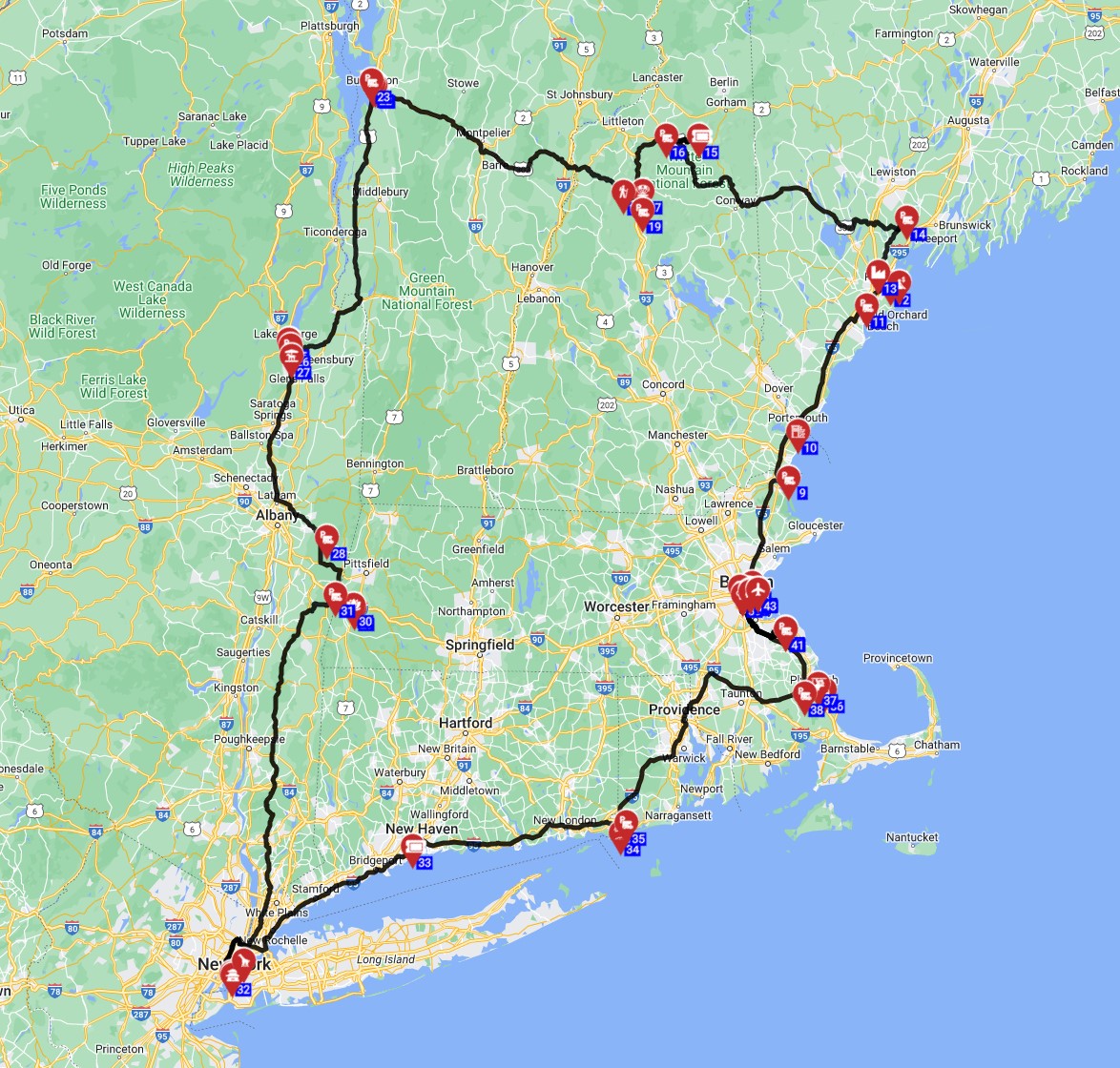
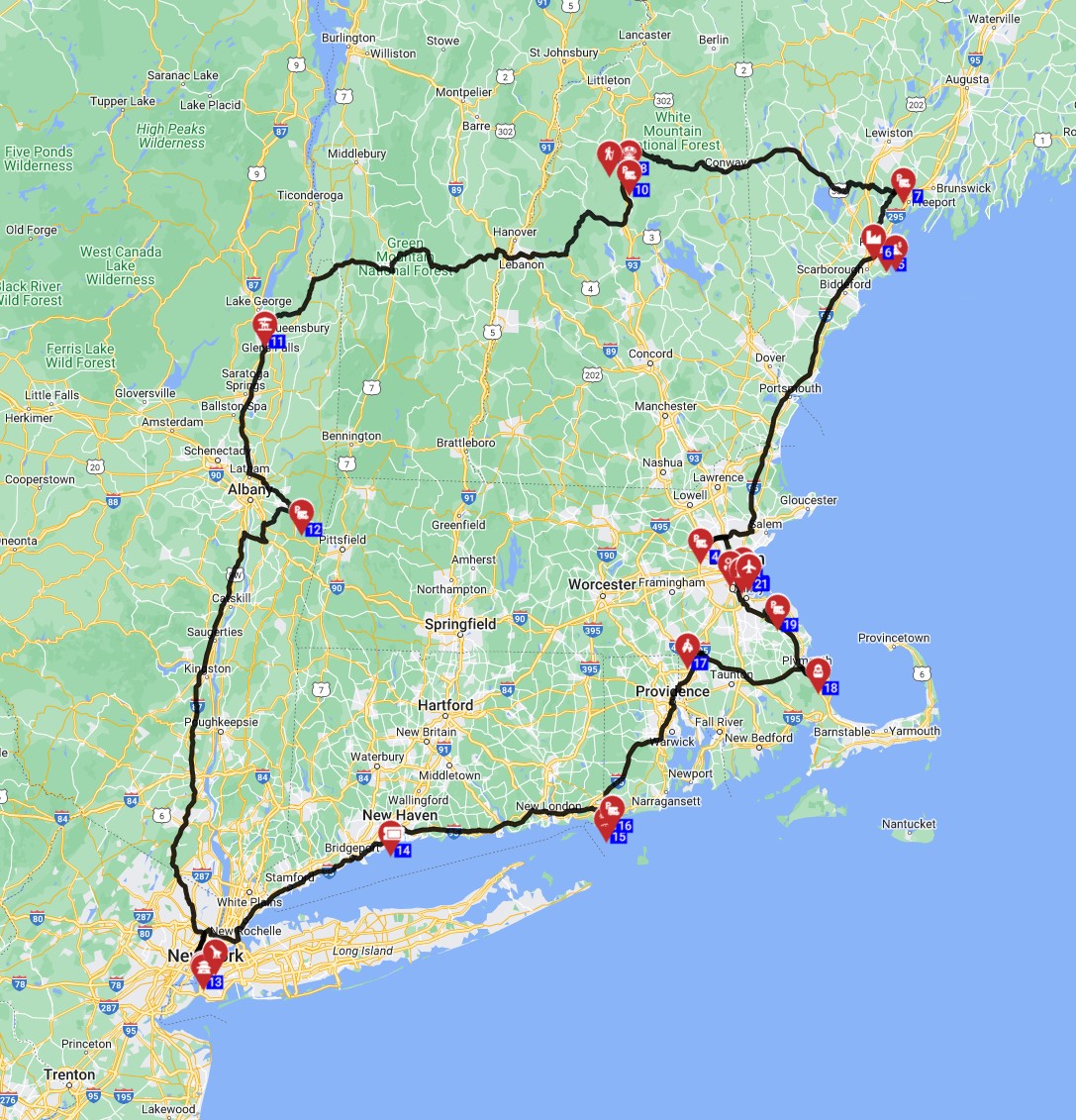
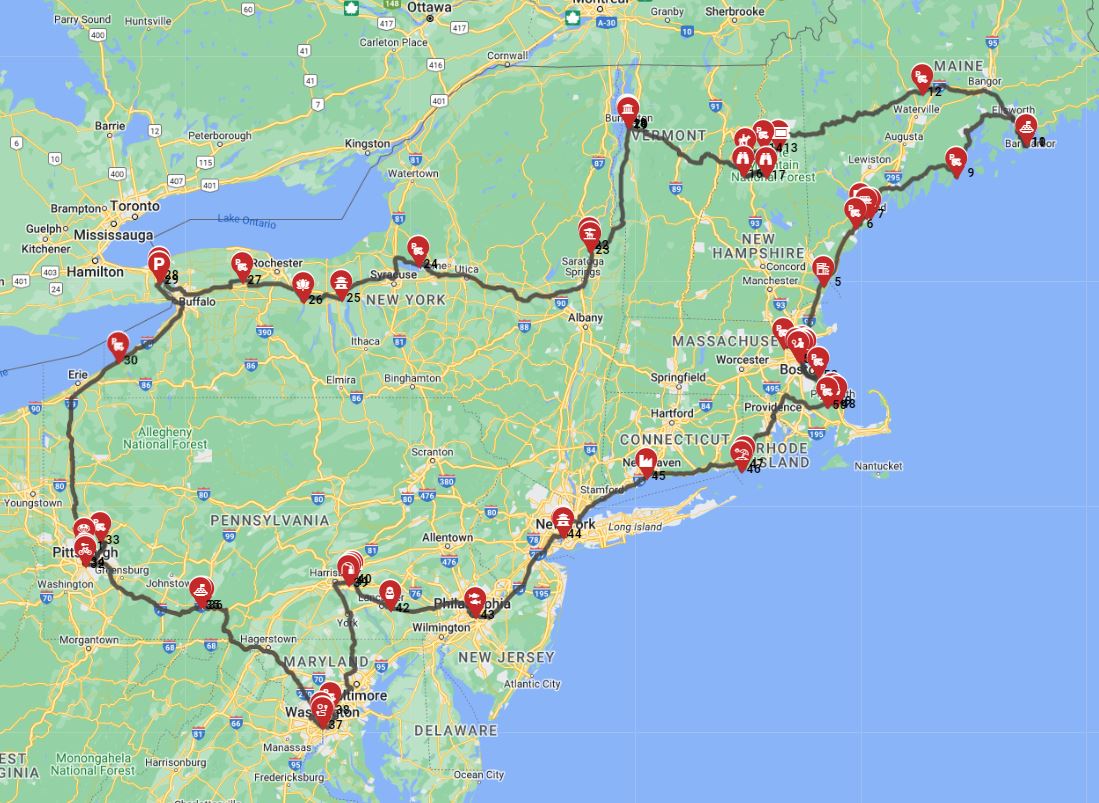
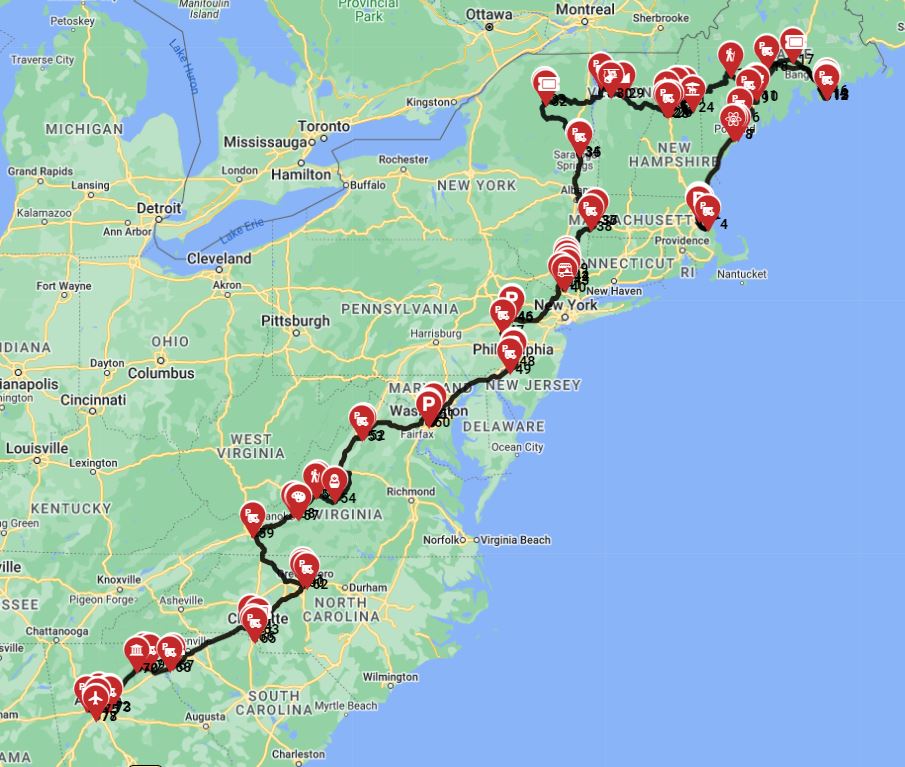
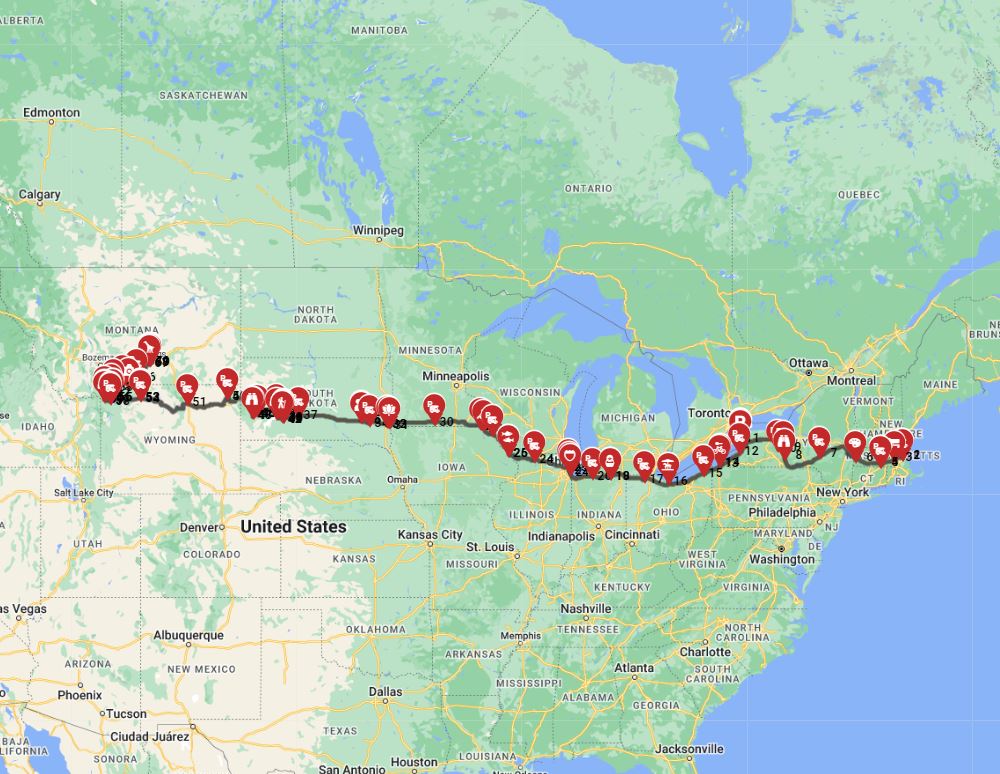
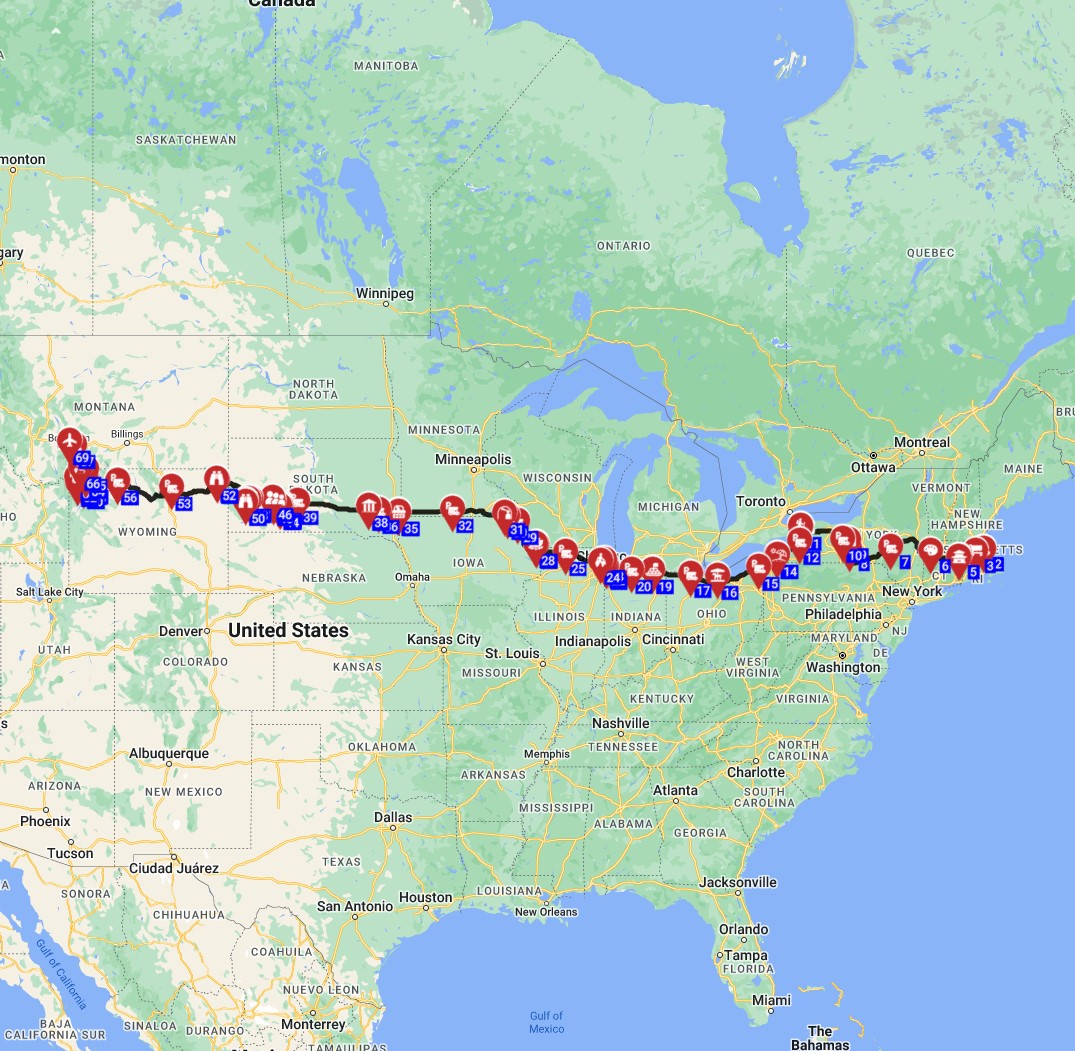
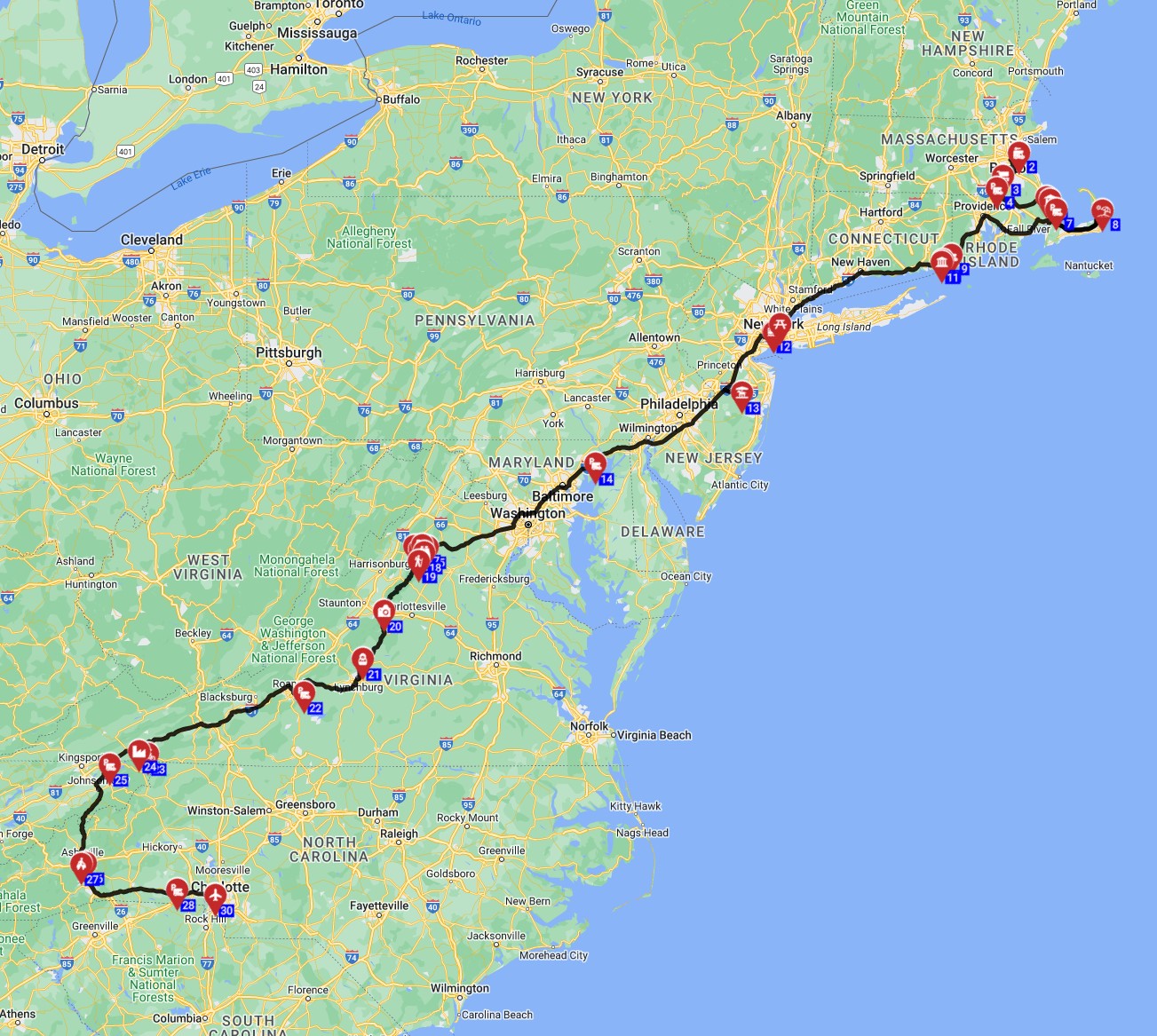
Consider booking RV parks and campgrounds slightly outside the immediate city, such as those in the Boston Harbor Islands National and State Park area (accessible by ferry for camping, with your RV staying on the mainland), or options further afield in Cape Cod, New Hampshire, or Maine. These locations often provide better amenities and easier RV access than urban options, allowing you to commute into Boston using public transport. For example, the Billings to Boston - Mountains, Falls & Freedom Trail: A Family RV Adventure Across 9 States route plan by RV PLANET highlights 10 Natural Features and 4 Tourist Attractions, providing plenty of camping opportunities outside direct city limits.
rv rental beginners-Specific Tips for Boston
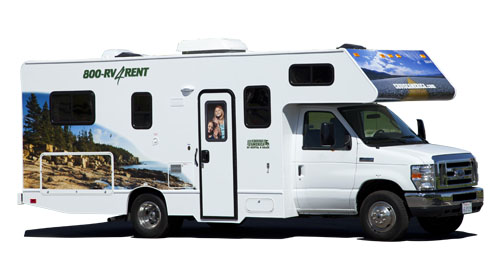
Beginners renting an RV for a Boston adventure should start with a comprehensive pre-trip inspection of the motorhome, including checking tire pressure, fluid levels, and familiarizing themselves with all dashboard controls and utility hookup procedures. This ensures you understand your specific vehicle, such as a Class C cruise america rv rental example Explorer with an 82 Liter fresh water tank and 75 Liter fuel tank.
Practice driving your rented RV in an open lot before hitting Boston's dense traffic; get comfortable with the vehicle's size, turning radius, and braking distance. Planning your parking strategy carefully is vital; research RV-friendly parking lots or park-and-ride options near MBTA stations on the outskirts of Boston (e.g., Alewife, Braintree, Wonderland) before you arrive to avoid the city's challenging parking. Always allow extra time for travel and sightseeing, as Boston's historic layout and traffic can slow down even experienced drivers.
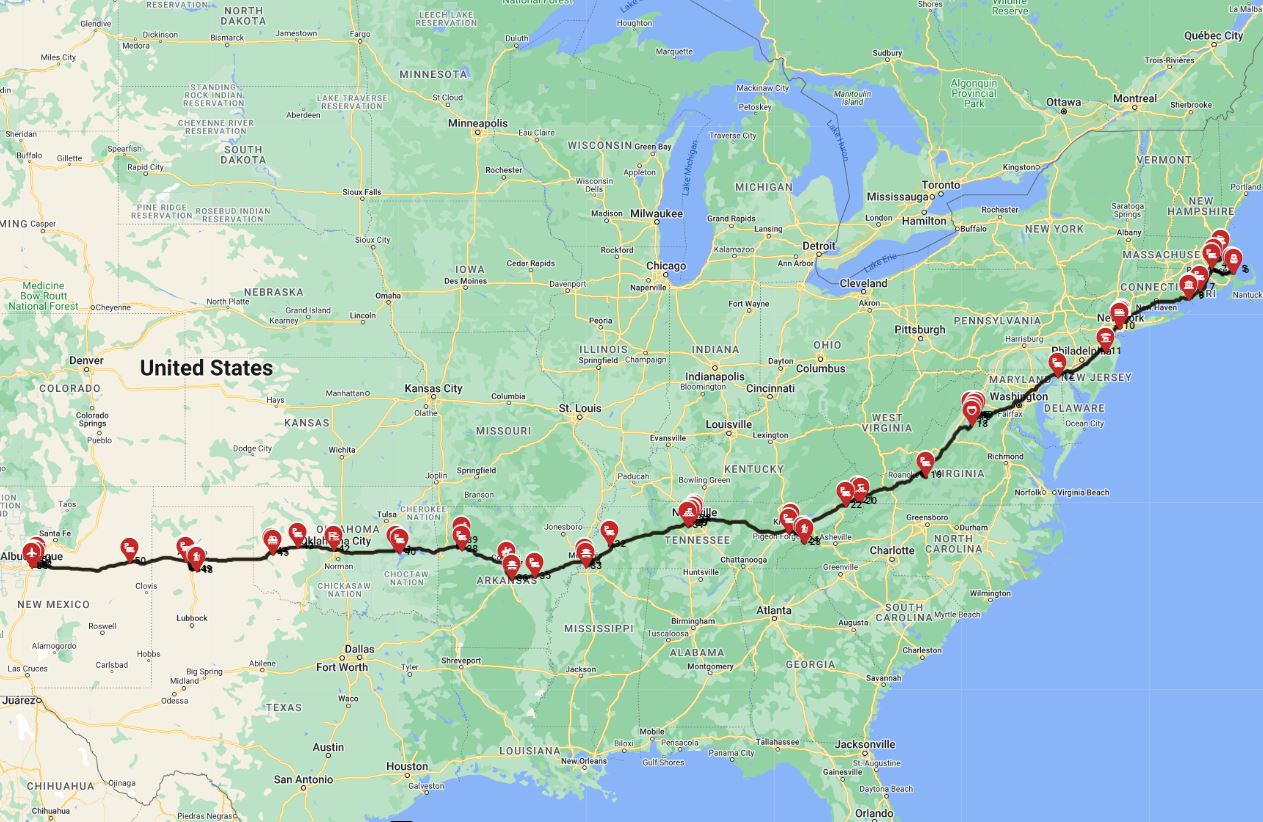
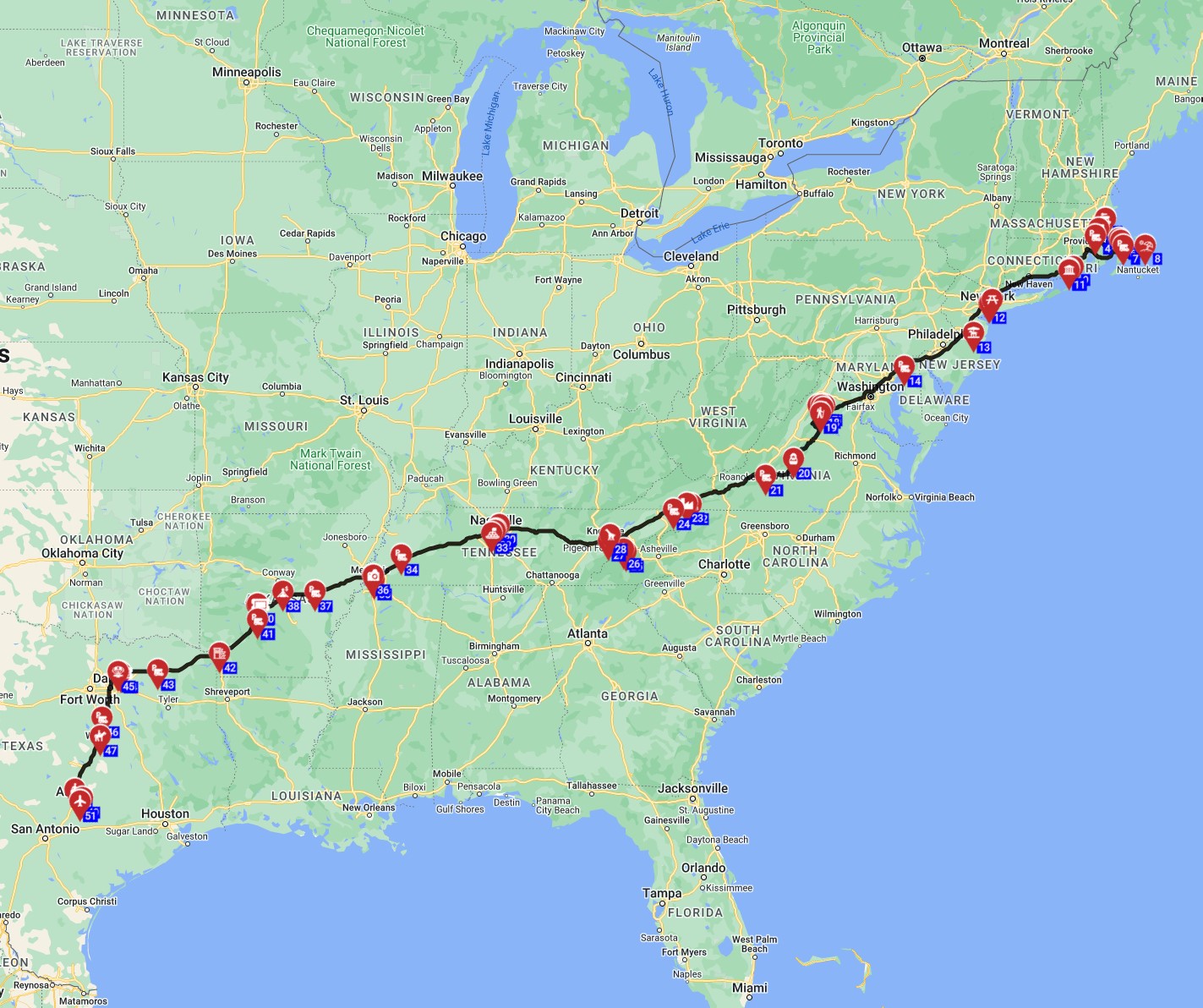
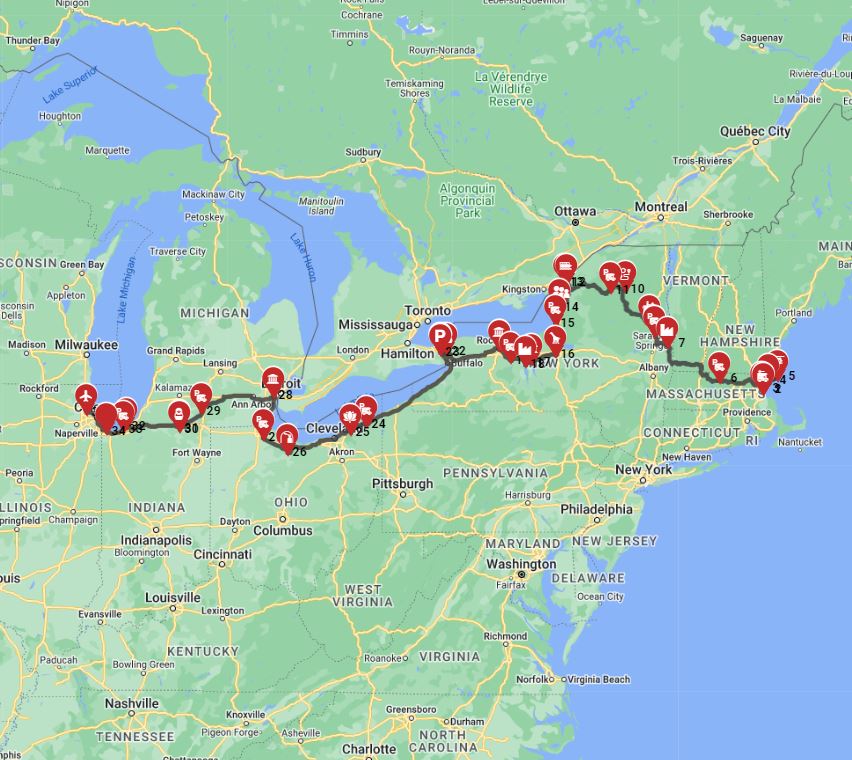
Consider investing in a good Boston-area guide with maps that highlight public transportation routes, allowing you to park your RV and explore the city car-free. The Salt Lake City to Boston - Mountains, Monuments, and Memories route is a great example of an extended 29-day trip (5567.5 km) that incorporates city visits with extensive natural exploration, including 5 hiking areas and 5 museums, demonstrating diverse travel styles. Such a long journey benefits greatly from prior planning, ensuring you have enough supplies and downtime.
Common Mistakes to Avoid in Boston
A common mistake for RV renters is attempting to drive a large motorhome directly into downtown Boston without prior planning; instead, park at a designated RV-friendly commuter lot outside the city (e.g., Wonderland, Braintree) and use the MBTA ('The T'). For a more detailed guide on navigating the city, look into our RV Driving in Boston for Seniors - Comfort Routes 2026 article.
Forgetting about Boston's numerous low bridges and parkways (like Storrow Drive or Memorial Drive) can lead to serious incidents, infamously known as 'Storrowing'; instead, always double-check your RV's height and use an RV-specific GPS for meticulous route planning. Underestimating Boston's challenging parking situation for RVs is frequent; instead, research specific RV-friendly parking in advance or commit to using park-and-ride facilities.
Another pitfall is not integrating public transportation into your visit; instead, plan how to utilize Boston's extensive subway and bus system from your campground or outer parking spot. Neglecting to research Boston-specific campground availability and amenities is a mistake; instead, book your RV park outside the city well in advance, considering distance to the T and available hookups. Finally, forgetting to plan for Boston's narrow, winding streets and often sudden one-way changes is common; instead, review your route carefully, practice navigating tight turns, and consider walking or public transport for dense urban exploration. For pricing comparisons, check out our Cheap RV Rental in Boston - Budget Guide 2026.
What is the 3-3-3 rule when rving?
The 3-3-3 rule for RVing suggests a guideline for comfortable and safe travel, advocating that you drive no more than 300 miles a day, arrive at your campground by 3 PM, and stay for at least 3 nights. This rule helps prevent driver fatigue, allows ample time for campsite setup and enjoyment, and reduces the stress of rushing between destinations. While excellent for long-distance scenic touring, this rule may require adaptation when your rented RV trip focuses on a dense urban environment like Boston, where daily mileage might be minimal but navigation complexity is high.
How much is it to rent an RV in Boston?
The cost to rent an RV in Boston typically ranges from $100 to $250 per night for smaller models like Class B campervans or Class C motorhomes, while larger Class A luxury RVs can cost $300-$500+ per night. Prices fluctuate based on seasonality, rental duration, and specific amenities, just like flight tickets. For a Boston-area trip, additional costs include campground fees (averaging $40-$80/night), fuel (which can be substantial given RV gas mileage of 10-15 miles per gallon for Class C), and potential tolls on major highways. These should all be factored into the overall budget alongside public transport costs if commuting into the city.
How much would it cost to rent an RV for 1 month?
Renting an RV for one month typically offers a discounted daily rate compared to shorter rentals, with costs often ranging from $2,500 to $6,000 or more, depending on the RV class, rental company (like El Monte, Cruise America, Apollo, or Britz), and time of year. Many rental companies provide special rates or packages for extended periods, making longer trips (like a month-long adventure in a Class C cruise america rv rental example Explorer) more cost-effective per day. For current offers, check out RV Rental Deals in Boston - Latest Offers 2026.
Is it cheaper to rent an RV or stay in a hotel?
Whether renting an RV is cheaper than staying in a hotel depends on several factors, including the number of travelers, trip duration, chosen RV class, and destination costs, though RVing can often be more economical for families or longer trips. In a high-cost city like Boston, where hotel rates can be exceptionally high (often $200-$400+ per night for central locations), an RV rental combined with strategically located campgrounds and public transport can present a more budget-friendly option. This is especially true when considering the ability to cook your own meals in a fully equipped kitchen and save significantly on restaurant expenses, and access sites like our RV Travel Guide to Boston - Tips and Top Spots 2026 to maximize your savings.
What is the 3 3 3 rule for RV travel?
The 3-3-3 rule for RV travel recommends limiting daily driving to no more than 300 miles, arriving at your destination by 3 PM, and planning to stay at each campground for a minimum of 3 nights. This approach helps prevent traveler burnout, ensures sufficient time for setting up camp and exploring the local area, and fosters a more relaxed and enjoyable RV experience. While a valuable guideline for open road trips, it’s advisable to adjust this for urban-centric travel in Boston, where you might drive fewer miles but face greater navigational challenges and spend more time exploring on foot or via public transport.
What not to forget on an RV trip?
Key items not to forget on an RV trip include essential documents (driver's license, rental agreement, insurance with optional top-level deductible reimbursement), a well-stocked first-aid kit, and RV-specific gear like leveling blocks, a water pressure regulator, and a surge protector. Personal items such as prescription medications, comfortable layered clothing suitable for variable New England weather, and entertainment options for downtime (like books or downloaded movies) are also crucial for a smooth journey. Don't forget your MBTA CharlieCard for easily navigating Boston's public transit system, and refer to our Family RV Rental in Boston - Pricing Guide 2026 for family-specific advice.
What do I need to bring when renting an RV?
When renting an RV, you primarily need to bring your valid driver's license (a standard car license is sufficient for all motorhome classes), a major credit card for security deposits, and personal items such as clothing, toiletries, and any specific cooking supplies or bedding you prefer. Many rental companies, including Bandana Caravan's partners like El Monte and Cruise America, typically provide basic kitchenware and linens, but it's advisable to confirm what's included and supplement with anything specific to your comfort or itinerary. Consider bringing comfortable shoes for walking Boston's historic streets and a portable power bank for your devices.
What are the drawbacks of renting an RV?
Drawbacks of renting an RV can include higher fuel consumption compared to a car (e.g., a Class C motorhome might average 10-15 miles per gallon), a learning curve for driving a larger vehicle, the effort involved in setting up and tearing down camp, and the challenges of finding suitable parking in urban areas like Boston. Specifically in Boston, navigating historic, narrow streets and finding RV-friendly parking can be particularly challenging, requiring careful planning and often utilizing park-and-ride options or staying in campgrounds outside the city. However, these challenges are manageable with proper preparation and Bandana's supportive approach before and after your booking.
What You Shouldn't Miss
- Walk the historic Freedom Trail: This 4 km (2.5-mile) red-lined route through downtown Boston takes you past 16 historically significant sites, from the Boston Common to the USS Constitution.
- Explore the North End's Italian heritage: Wander the narrow streets, enjoy authentic Italian pastries (cannoli are a must!), and dine at one of the neighborhood's 80+ Italian restaurants.
- Visit the Boston Tea Party Ships & Museum: Experience a dramatic reenactment of the 1773 event, complete with throwing tea chests overboard.
- Catch a Red Sox game at Fenway Park: If visiting during baseball season, immerse yourself in America's oldest active ballpark, a true Boston institution.
- Take a whale watching tour from Boston Harbor: From April to October, deep sea tours depart from the harbor, offering a chance to spot humpback, fin, and minke whales in their natural habitat.
- Stroll through Beacon Hill: Admire the charming cobblestone streets, gas lamps, and historic brick row houses in one of Boston's most picturesque neighborhoods.
Looking for expert insights from Avi Bandana? Top 5 Adventures - recommendations from Avi Bandana
Final Thoughts
Beginning your RV rental adventure in Boston is an exciting prospect, offering a unique blend of urban exploration and New England charm. With careful planning and adherence to these beginner tips, you'll navigate Boston's historic streets, find comfortable campgrounds, and immerse yourself in all the city has to offer. Remember that Bandana Caravan is with you every step of the way, providing transparent pricing, expert advice, and robust support to ensure your trip is a resounding success.
Don't let the thought of driving a larger vehicle in a new city deter you; with common sense and a little preparation, you'll be confidently exploring in no time. Imagine the freedom of having your mobile home base, allowing you to discover hidden gems and picturesque landscapes at your own pace. Get inspired for your next trip and plan a journey of a lifetime.
Ready to hit the road? Discover top destinations and planning tips all in one place!
Find Motorhome Rentals in Boston