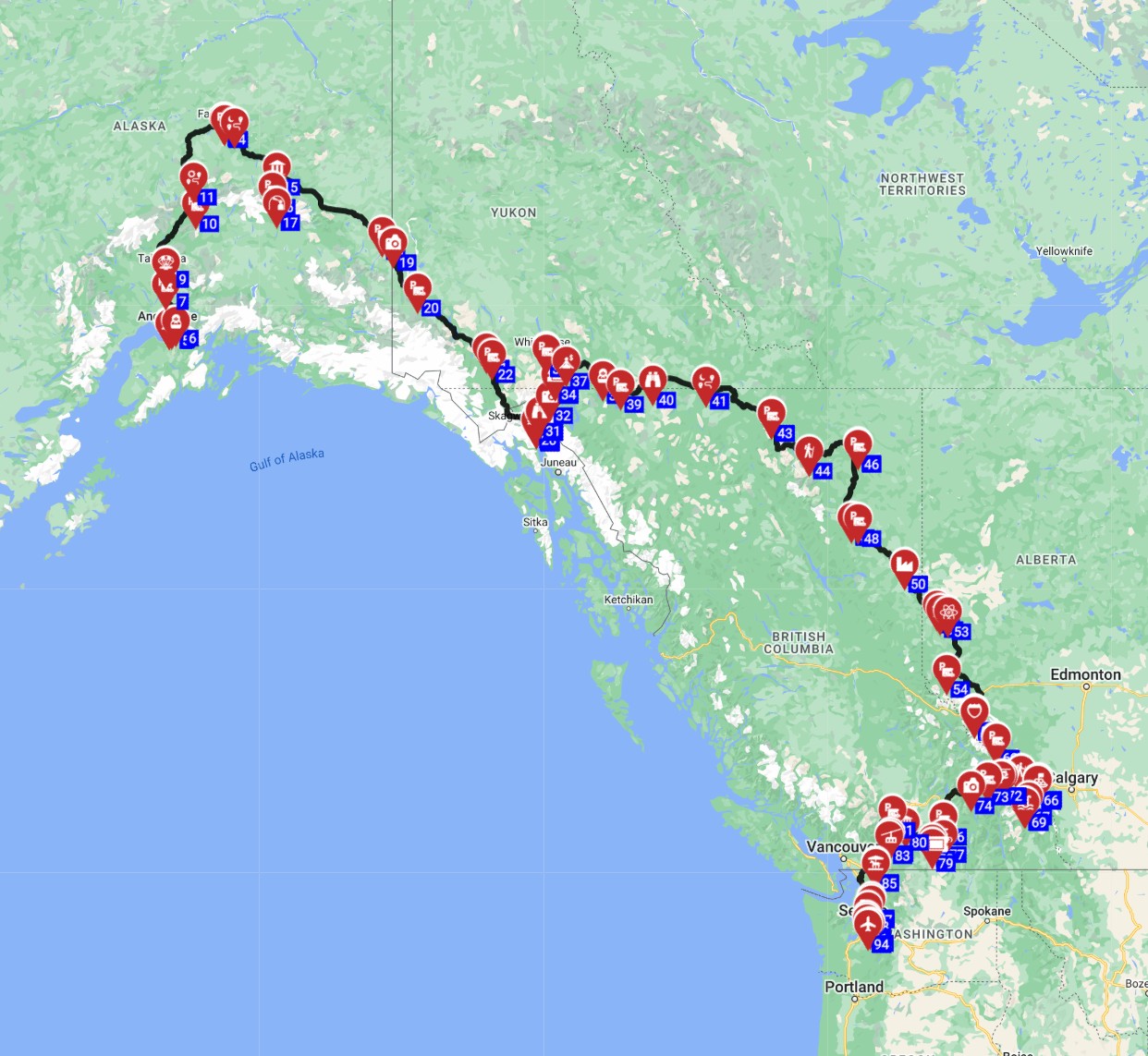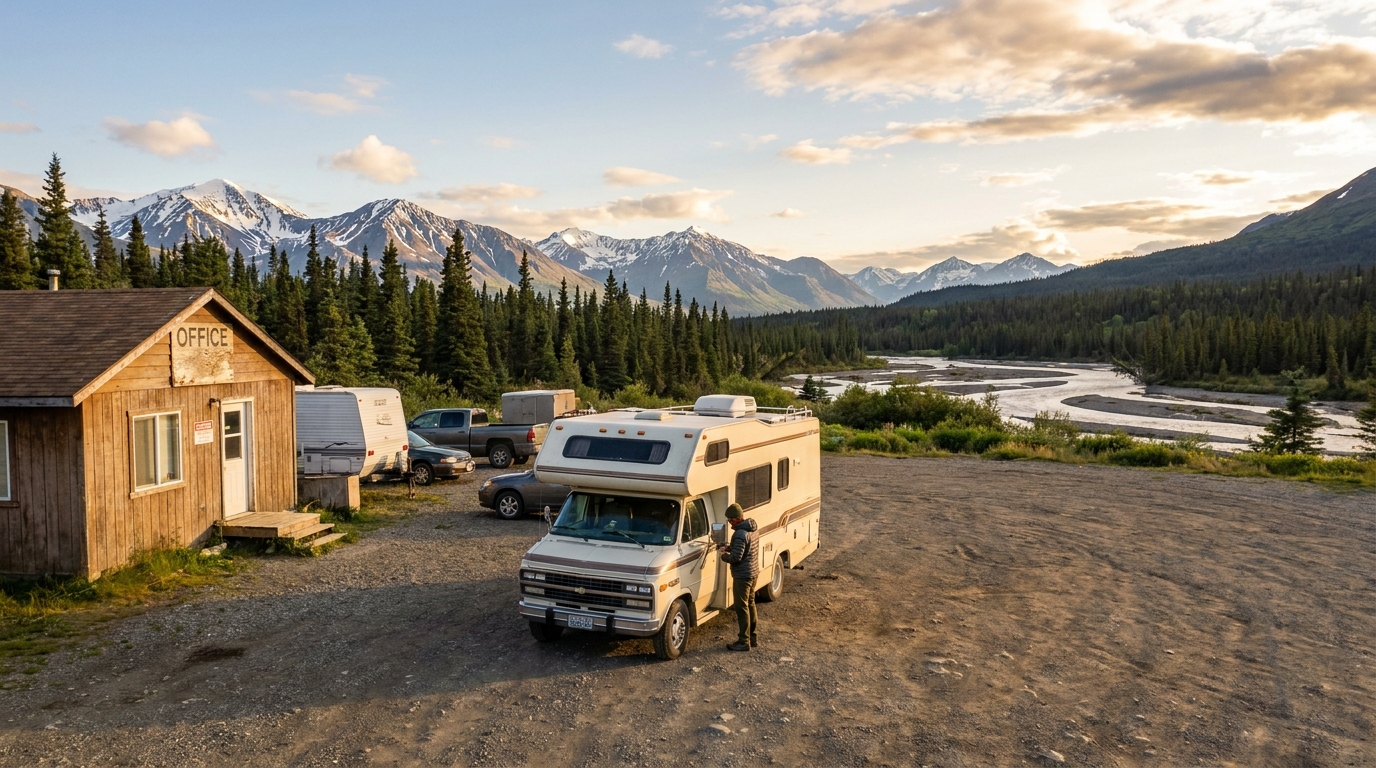
In This Guide
- Top 5 Tips for RV Rental in Alaska
- Before You Book - Class, Dates, Insurance
- Pre-Trip Prep - Packing Checklist for Alaska
- On the Road - Driving, Fueling, Navigation
- At the Campground - Setup, Hookups & Etiquette
- RV Rental-Specific Tips for Alaska
- Common Mistakes to Avoid in Alaska
- What is the 3-3-3 rule for RVs?
- What is the 4-4-4 rule for RV travel?
- Should I rent an RV in Alaska?
- What do I need to know before renting an RV?
- How much rent RV in Alaska average cost?
- Is it cheaper to rent an RV or stay in a hotel?
- What is the best time of year to RV to Alaska?
- What not to forget on an RV trip?
Top 5 Tips for RV Rental in Alaska
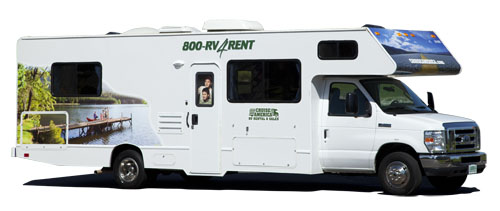
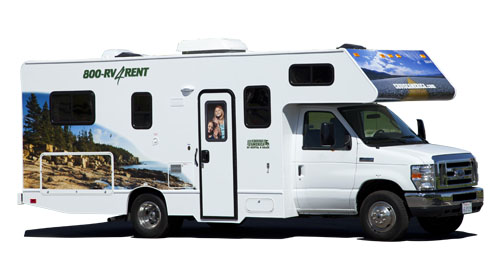
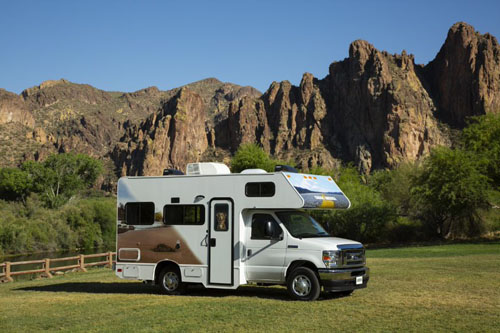
Driving a rented RV through Alaska's diverse landscapes is an unforgettable experience, but a little preparation goes a long way. Our first recommendation is to choose an RV size appropriate for Alaska's diverse roads, which can include extensive gravel sections and winding routes, ensuring better maneuverability and comfort. Secondly, securing your motorhome rental and booking campgrounds well in advance, especially for the popular summer months of July and August, is crucial for availability and better rates. Many national and state parks only reserve 25-30% of their spots, with the rest being first-come-first-serve. You'll find a spot; if not at the first campground, then the next one. Just call ahead before driving!Thirdly, factor in significant fuel costs and plan your stops meticulously, as distances between services can be vast, with prices often higher in remote areas. For instance, a Class C motorhome like the Cruise America Explorer, which has an 82 Liter fresh water tank and a 75 Liter fuel tank, averages around 11-14 Liters per 100 km, making fuel efficiency a key consideration for budgeting. Fourth, prepare for Alaska's rapidly changing weather conditions with layered clothing and essential emergency supplies. Finally, familiarize yourself with wildlife safety protocols, including understanding bear awareness and proper food storage techniques, especially if you plan to enjoy some home-cooked meals in your RV; for culinary inspiration, check out our RV-friendly recipes playlist. On the routes offered through RV PLANET routes, you can itemize and track every expense along the way for easy budgeting.
A well-planned itinerary can help manage these elements, and Bandana's Rent&Plan service offers pre-planned routes by professionals, making your journey smoother. Plus, you get a 25% planning discount when you use rvplan.net for your travel planning.
Before You Book - Class, Dates, Insurance
Selecting the right motorhome class for your Alaska adventure depends on your comfort preferences, group size, and desired travel routes. Class C motorhomes, such as the "rv rentals example Comfort Class" (which offers 3 double beds) or a "24' Class C Motorhome" (sleeping 5 with a 166 Liter fresh water tank), often strike a great balance between amenities and maneuverability for Alaska's varied road conditions, accommodating families of 2+2 perfectly. For couples or solo travelers, a campervan like a "2 Berth Hi Top" or "Class I Van" could be ideal, offering agility and easier parking.Locking in your rental dates as early as possible, ideally 3-6 months out for summer travel, will help secure preferred RV models and often lead to better rates. While some travelers enjoy spontaneous trips, pre-planners appreciate having everything organized. Even if you prefer to book day-to-day, remember that many national and state parks reserve only 25-30% of their spots online; the remaining 70-75% are available on a first-come, first-serve basis. You'll always find a spot; if not at the first campground, then the next one. Always call ahead before driving.
Basic insurance is always included with your RV rental; however, for maximum peace of mind during your extensive Alaskan journey, you can upgrade to a top-level deductible reimbursement option. This additional coverage can be invaluable when navigating unfamiliar roads and potential wildlife encounters. Bandana Caravan is dedicated to full transparency, ensuring you know all costs upfront, with no hidden fees or surprises.
Pre-Trip Prep - Packing Checklist for Alaska
A tailored packing list for an Alaska RV trip is essential, ensuring you are prepared for diverse conditions and activities across the vast state. The weather can change dramatically in a single day, so layered clothing is critical.- Layered Clothing (base layers, fleece, waterproof/windproof outer shell)
- Warm Hat, Gloves, and Waterproof Boots
- Bug Spray (with DEET or Picaridin)
- Bear Spray and Holster (understand proper use and local regulations for carrying)
- Comprehensive First-Aid Kit
- Emergency Communication Device (satellite messenger/phone for limited cell zones)
- Headlamps or Flashlights (essential for the long nights outside of peak summer)
- Binoculars for Wildlife Viewing
- Cooler/Extra Water Jugs (for extended remote travel, a Class C like the "rv rentals utah example Sunrise Escape" has a 167 Liter fresh water tank)
- Maps and GPS (with offline capabilities for areas without cell service)
- Sunscreen and Sunglasses (for bright summer days and snow glare)
- Fishing Licenses (if applicable, regulations vary by area)
- RV Rental Documents, Driver's License, Passport/ID
- Basic Vehicle Emergency Kit (tire repair kit, jumper cables, extra fluids)
Remember that enjoying meals inside your RV can save money and add to the adventure; refer to our RV-friendly recipes playlist for easy meal ideas while exploring Alaska. Packing smart ensures comfort and safety, allowing you to focus on the breathtaking scenery.
On the Road - Driving, Fueling, Navigation
Driving a rented motorhome or campervan in Alaska requires heightened awareness due to specific road conditions such as severe frost heaves, which can appear without warning and potentially damage your RV, extensive gravel sections, and frequent wildlife encounters. Drive slowly and carefully, and you can drive almost anywhere without issues. No need to stress - just use common sense and pay attention to road signs, especially those warning of 'Frost Heaves Next X Miles.' Be vigilant for wildlife like moose, caribou, and bears on or near highways, and always maintain appropriate speeds on gravel roads to manage dust and reduce tire wear.Planning your fuel stops meticulously is crucial for vast distances, as gas stations can be scarce and prices considerably higher in remote areas; a 208-liter fuel tank on a Class C RV like the "MH-B" will still need careful monitoring. Utilize offline maps and consider a satellite communication device, as cell service is limited or non-existent across much of Alaska's wilderness. For comprehensive budgeting that includes fuel, tolls, and other ancillary costs, RV PLANET routes allow you to itemize and track every expense along your trip.
Remember to travel slowly, aiming for a maximum of 100-150 km per day on average, to truly feel the place, connect to the culture, the food, and the scenery. This pace allows for unexpected stops and full enjoyment of Alaska's majestic beauty.
At the Campground - Setup, Hookups & Etiquette
Proper campground setup in Alaska involves ensuring your rented RV is level, connecting hookups in the correct sequence (sewer first, then water, then electricity), and adhering to local etiquette for a respectful stay. Always practice bear-aware food storage, keeping all attractants inside your RV or in bear-resistant containers, and dispose of trash properly in designated bear-proof bins. This is not just a suggestion; it is crucial for both your safety and the wildlife's well-being.Observe quiet hours, typically from 10 PM to 7 AM, to ensure a peaceful experience for all campers enjoying the wilderness. Familiarize yourself with any specific local regulations regarding campfires or dispersed camping, especially within national parks or remote areas; fire restrictions are common during dry periods. Many national parks and state parks maintain a policy of having 70-75% of their campsites available on a first-come, first-serve basis, even during peak season. This means that while pre-booking is wise for busy times, spontaneous travelers can often find a spot, especially if they arrive early in the day and call ahead. For finding campsites and campgrounds during your trip, we recommend using RV PLANET (rvplan.net) - a great resource for locating available spots along your route.
RV Rental-Specific Tips for Alaska
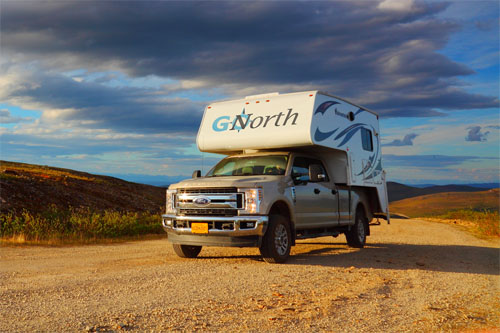
Tailoring your RV choice to your group type can significantly enhance your Alaska adventure. For families with children, consider a Class C RV like the "MHC24" (which has 6 sleeping places, a 150 Liter fresh water tank, and a 200 Liter fuel tank), offering dedicated sleeping areas and dining space to accommodate naps and diverse activities, ensuring comfort on longer drives. A "Category Family 5" motorhome also provides bunk beds (80/205cm) and ample space for up to 6 people.Seniors may prioritize ease of driving and accessibility, making Class C or smaller Class A RVs with automatic leveling systems and comfortable interiors ideal for Alaska's varied terrain. Options like a "Luxury" Class C motorhome (which can sleep up to 4, has a 100 Liter fresh water tank, and a 80 Liter fuel tank) offer a great balance of comfort and features. Budget-conscious travelers can significantly save by seeking out free overnight parking spots (e.g., specific store parking lots, designated public lands) and self-catering meals in their RV's kitchen rather than relying solely on paid campgrounds and restaurants.
Luxury RVers might opt for larger Class A motorhomes, focusing on premium add-ons like satellite internet (where available), upgraded kitchen appliances, and spacious living areas for maximum comfort amidst Alaska's stunning landscapes. Regardless of your travel style, Bandana RV provides direct partnerships with 50+ leading RV suppliers worldwide, including trusted names like El Monte and Cruise America, ensuring you find the right vehicle with full price transparency and no hidden fees.
Common Mistakes to Avoid in Alaska
A common mistake first-time RV renters make in Alaska is underestimating driving distances and time; instead, plan for longer travel times due to winding roads, numerous scenic stops, and potential wildlife delays. Alaska's vastness means that what looks like a short distance on a map can easily take half a day or more. Many travelers also fail to budget adequately for fuel, which is more expensive and consumed rapidly over Alaska's vast distances; instead, allocate a significant portion of your budget to fuel and top off your tank whenever possible, particularly before entering remote stretches.Overlooking the necessity of remote communication is another frequent error; instead, consider renting or bringing a satellite messenger or phone for areas with no cell service. Alaska's wilderness often means extended periods out of cellular range, making emergency communication vital. Neglecting comprehensive wildlife safety protocols is hazardous; instead, educate yourself on bear safety, proper food storage, and how to react during animal encounters. Another mistake is not preparing for diverse weather; instead, pack layers for all conditions, as Alaskan weather can change rapidly from sunny to rainy and cold within hours. Bandana Caravan offers 24/7 support pre-booking and post-booking coordination, ensuring you have assistance with your rental details.
What is the 3-3-3 rule for RVs?
The 3-3-3 rule for RVs is a popular guideline suggesting travelers drive no more than 300 miles (approximately 480 km) a day, arrive at their destination by 3 PM, and stay for at least 3 days to thoroughly enjoy each location without feeling rushed. This rule is particularly beneficial for an Alaska RV trip, promoting a more relaxed pace to absorb the vast landscapes and unpredictable road conditions like frost heaves. Adhering to the 3-3-3 rule can reduce driver fatigue, allow ample time for unexpected stops, and provide flexibility for encountering wildlife.What is the 4-4-4 rule for RV travel?
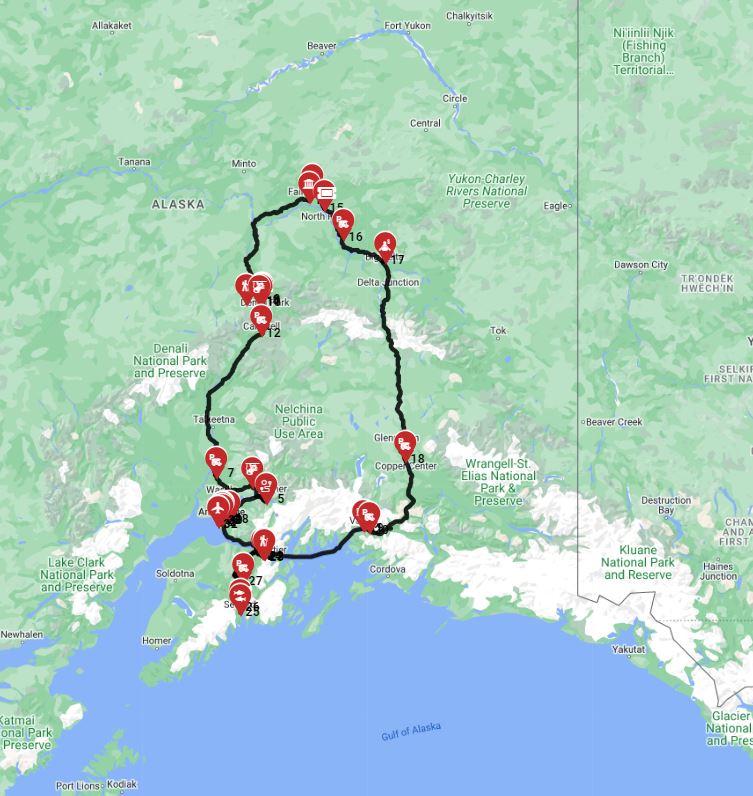
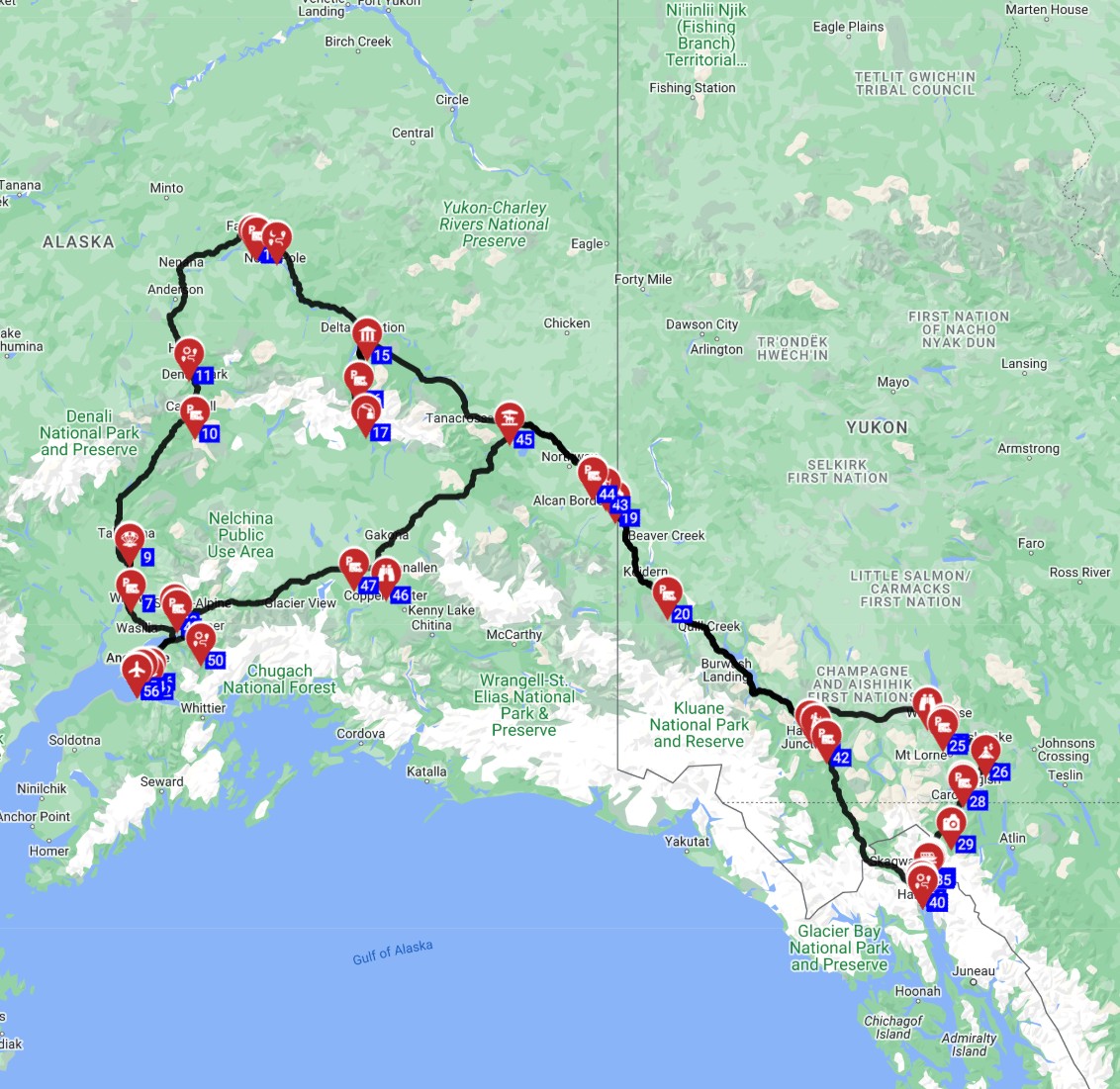
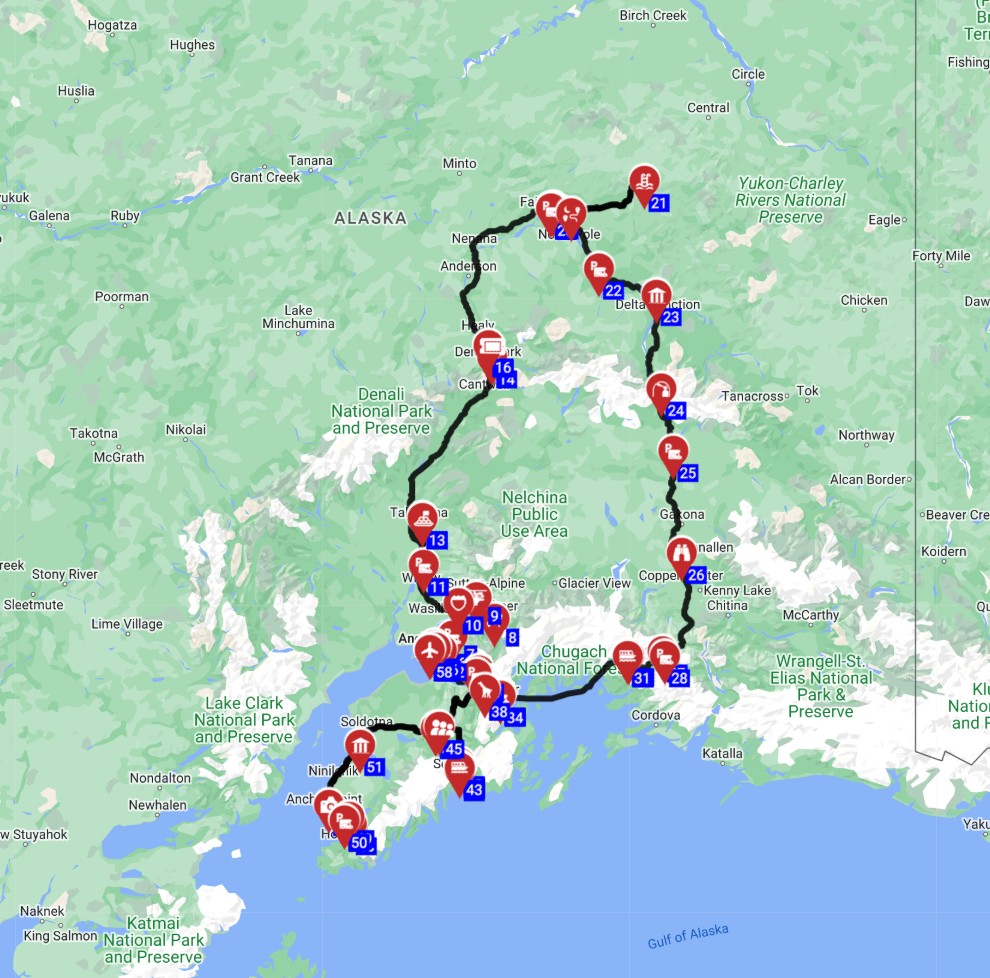
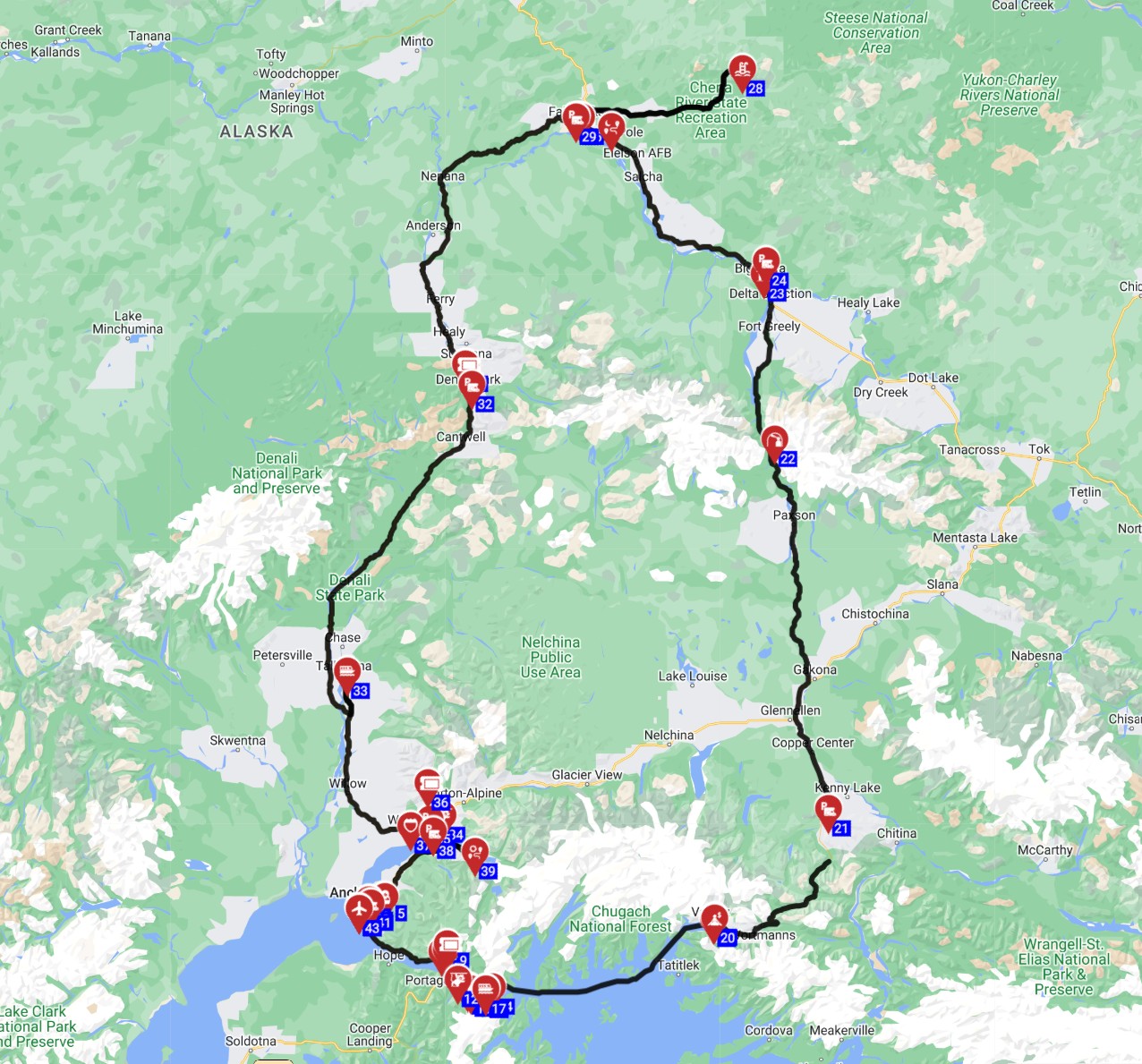
The 4-4-4 rule for RV travel is an alternative to the 3-3-3 rule, recommending driving no more than 400 miles (approximately 640 km) a day, stopping before 4 PM, and staying at each location for at least 4 nights to fully explore and relax. While offering slightly more flexibility for covering ground, applying the 4-4-4 rule in Alaska still encourages a mindful approach to travel, balancing exploration with rest. This guideline can be adapted based on specific Alaskan routes, where some days may involve shorter distances due to scenic attractions or challenging terrain, such as the 1928.5 km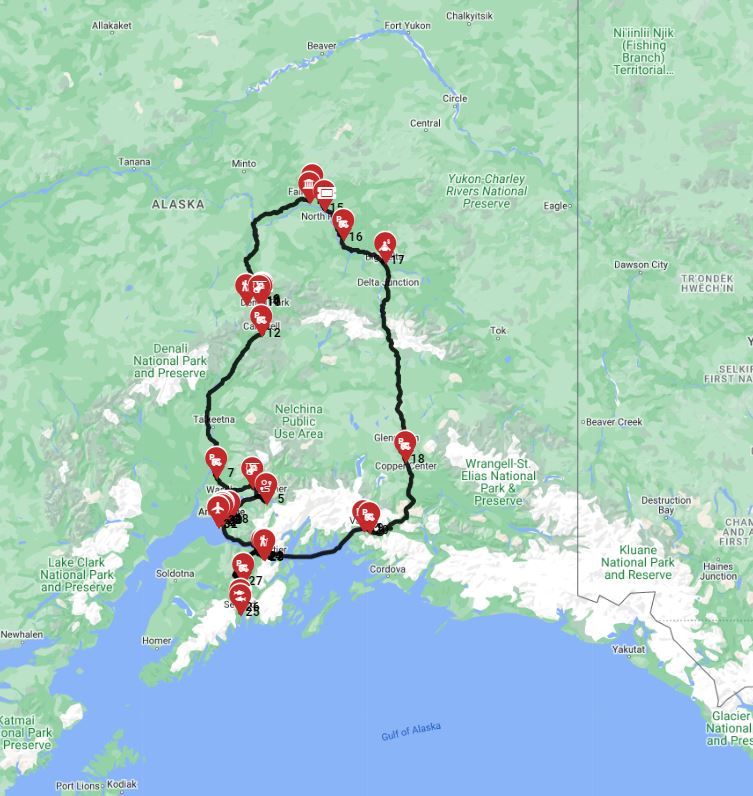
Should I rent an RV in Alaska?
Renting a motorhome in Alaska is an excellent way to experience the state's vast wilderness and flexibility, offering the freedom to explore at your own pace and access remote areas that traditional tours might miss. An RV provides unparalleled access to scenic viewpoints, national parks, and wildlife opportunities, allowing travelers to immerse themselves in nature, such as along the 3539.2 km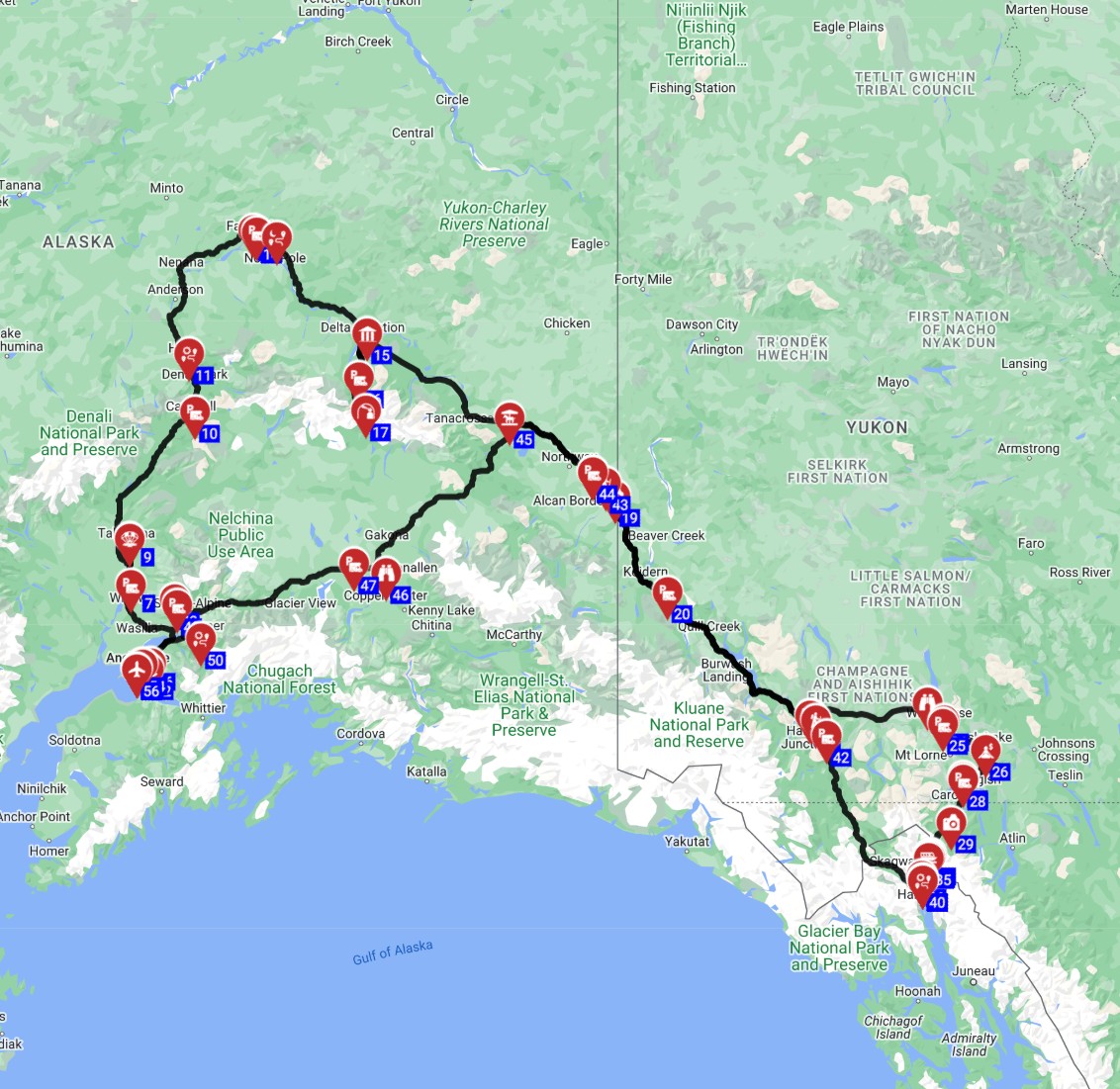
What do I need to know before renting an RV?
Before renting an RV for an Alaska adventure, it's crucial to understand the vehicle's size and class best suited for the state's unique roads, as well as the rental company's specific mileage limits and insurance offerings. A standard car driver's license is sufficient for all motorhome classes (Class A, Class B, and Class C), and the minimum rental age is 21, with no young driver surcharges. Familiarize yourself with the RV's operational aspects, including water, electrical, and sewer systems, and inquire about specific vehicle features like internal heating, which is often essential. Consider the duration of your trip, ensuring you have enough time to cover desired destinations without rushing, and confirm booking policies, including cancellation and deposit requirements. Bandana Caravan offers full transparency in pricing, so what you see is what you pay.How much rent RV in Alaska average cost?
The average cost to rent an RV in Alaska can range from $200 to $500+ per night depending on the RV class, season, and rental duration, with additional significant costs for fuel, which can be considerably higher than in the lower 48 states. For instance, a 7-day trip might cost approximately $1400-$3500 for the rental alone. Beyond the rental fee, budget for substantial fuel expenses due to Alaska's vast distances and higher gas prices, potentially adding hundreds to thousands of dollars to your trip cost. Include costs for campground fees (averaging $30-$70 per night), activity fees (e.g., entry to Denali National Park), food, and a contingency fund for unexpected repairs or remote towing services. A comprehensive cost analysis for an Alaskan RV trip typically spans $4,000 to $10,000+ for a two-week journey, depending on the RV type and travel style. Prices are dynamic, similar to flight tickets, changing daily based on availability, seasonality, and supplier marketing decisions, so the final price is set at the actual booking time.Is it cheaper to rent an RV or stay in a hotel?
Whether it is cheaper to rent an RV or stay in a hotel in Alaska depends heavily on trip duration, number of travelers, and travel style, but RVs often offer cost savings for groups or longer trips when factoring in the ability to cook your own meals. For a family of four on a two-week trip, a rented motorhome can be more economical than paying for two hotel rooms and dining out for every meal. While an RV rental's upfront cost can be higher than a single night in a hotel, it combines transportation and accommodation, potentially reducing overall expenses, especially with self-catering and access to scenic, often more affordable, campgrounds. Consider the total cost, including RV rental fees, fuel for extensive driving, campground fees, and food, versus hotel costs, dining out, and car rental expenses when making a comparison for an Alaska trip.What is the best time of year to RV to Alaska?
The best time of year to RV to Alaska is generally from mid-June to mid-September, when most roads are clear of snow, campgrounds are open, and wildlife viewing opportunities are abundant. July and August offer the warmest temperatures, longest daylight hours (up to 24 hours in some northern areas, making blackout curtains a must!), and peak access to hiking trails and attractions. However, this is also the busiest and most expensive period for RV rentals and tours, with average daily rates for Class C motorhomes potentially reaching the higher end of the $200-$500 range. For fewer crowds and potentially lower prices, consider early June or September, understanding that some services or attractions might have limited hours and weather can be cooler with more precipitation.What not to forget on an RV trip?
Beyond standard packing, an RV trip to Alaska necessitates remembering crucial items like an emergency communication device for areas without cell service, a comprehensive first-aid kit, and sufficient bug repellent to combat mosquitoes and other insects. Do not forget vehicle-specific supplies such as a basic toolkit, tire pressure gauge, and jumper cables, which are vital for self-sufficiency in remote Alaskan environments, especially given the likelihood of encountering frost heaves. Essential documents, including your driver's license (a standard license is sufficient for all motorhome classes), RV rental agreement, and any necessary permits (e.g., fishing licenses), should be readily accessible. A copy of "The MILEPOST" is also highly recommended for navigation and local information.What You Shouldn't Miss
- **Drive the Seward Highway:** This scenic route from Anchorage to Seward, spanning approximately 200 km, offers breathtaking views of fjords, glaciers, and wildlife. Look for beluga whales in Turnagain Arm.
- **Explore Denali National Park & Preserve:** Home to North America's tallest peak, Denali, this park offers incredible wildlife viewing opportunities and numerous hiking trails. Remember that 70-75% of campsites are first-come, first-serve.
- **Visit Kenai Fjords National Park:** Take a boat tour from Seward to witness tidewater glaciers, towering cliffs, and marine wildlife like sea otters, puffins, and orcas.
- **Experience the Alaska Marine Highway:** Consider taking your RV on one of Alaska's iconic ferries, known as the "Marine Highway," to access coastal communities and explore unique islands inaccessible by road.
- **Go Fishing in the Kenai River:** Known for its world-class salmon and trout fishing, the Kenai River offers numerous RV-friendly campgrounds along its banks, allowing you to easily cast a line and prepare a fresh catch in your RV kitchen.
- **Discover Fairbanks and the Northern Lights:** In late summer or early fall, head north to Fairbanks for a chance to witness the spectacular Aurora Borealis, an unforgettable experience from the comfort of your rented motorhome.
🎬 Video coming soon
Looking for expert insights from Avi Bandana? Top 5 Adventures - recommendations from Avi Bandana
Final Thoughts
Embarking on an RV adventure in Alaska is an experience like no other, offering unparalleled freedom and access to some of the world's most pristine wilderness. While planning is key to a successful trip, remember that the most important part is to travel slowly, allowing yourself to fully immerse in the majestic scenery, rich culture, and incredible wildlife that Alaska has to offer.From navigating gravel roads and understanding wildlife safety to ensuring your RV is equipped for changing weather, being prepared transforms potential challenges into memorable moments. With Bandana Caravan as your trusted partner, you'll have the transparency, support, and expertise to make your first-time RV rental in Alaska an absolute dream. Discover top destinations, planning tips, all in one place and plan a trip itinerary in advance with minimal effort and maximum enjoyment.
So, pack your bags, choose your ideal motorhome, and get ready for an Alaskan adventure that will leave you with a lifetime of stories. The Last Frontier is calling!