In This Guide
- The 5 RV Families Compared for West Canada
- Class A (Integrated) — Best For
- Price Comparison by RV Class in West Canada
- Class SI (Semi-Integrated) — Best For
- Class C (Alcove) — Best For
- Class B (Campervan) — Best For
- Class TC (Truck Camper) — Best For
- Side-by-Side Comparison Table
- Our Recommendation for RV rental beginners Travelers in West Canada
- How much does it cost to rent an RV in West Canada for a week?
- What is the cheapest way to RV in West Canada?
- What should a first time RV renter know?
- What is the best RV for traveling West Canada?
- What are the rules for RV camping in Canada?
- What are the busiest months for RV travel in Canada?
- What documentation do I need to cross the Canadian border in an RV?
- Is it hard to drive an RV in the mountains?
- Can you live in an RV in Canada year round?
- How much fuel does an RV consume per 100 km?
- What is the best time of year to visit West Canada by RV?
- Can you boondock in West Canada?
- Do I need a special license to drive an RV in Canada?
- What are the best RV routes in West Canada?
- Is it hard to find RV parks in West Canada?
- Can you take an RV on the Alaska Highway?
- Are RV showers good?
The 5 RV Families Compared for West Canada
RV family choice is crucial for West Canada's diverse terrain and climate, offering a spectrum of travel experiences from rugged exploration to comfortable touring. When selecting your rented RV, consider your trip length, group size, and desired comfort level to ensure a perfect match for your West Canada adventure. Each class offers distinct advantages for beginners, balancing features with ease of use. Bandana's comparison uses average specifications from our global fleet to provide a clear picture.
Class A (Integrated) — Best For
Class A integrated motorhomes are best for luxury travel, large groups, and extended trips across West Canada, offering the most spacious and amenity-rich experience. Bandana's fleet of Class A RVs typically averages 7.5 meters in length and sleeps approximately 4.4 people, providing ample room for comfort. They boast spacious living areas, extensive amenities, and a generally comfortable ride, with common fuel consumption around 11-12 Liters/100 km. These are ideal for those prioritizing premium comfort and who aren't concerned about navigating tighter spaces, though trade-offs include higher rental costs and reduced maneuverability on West Canada's smaller or more winding roads.
Price Comparison by RV Class in West Canada
RV rental prices in West Canada are dynamic, varying significantly by RV class, season, and duration, with Bandana providing full transparency on all costs. Because pricing is flex-rate, similar to airline tickets, the table below pulls real example prices from Bandana's live search to give you an idea of potential costs. These prices are estimates and update daily; use the search box at the top of the page for live availability and current rates to plan your budget effectively. For those seeking to understand the financial aspect of their trip, exploring RV PLANET routes can help itemize every expense along the way for easy budgeting.
Class SI (Semi-Integrated) — Best For
Class SI semi-integrated motorhomes are ideal for couples or small families in West Canada seeking a balance of comfort, maneuverability, and efficiency. Bandana's fleet typically averages 6.9 meters in length and sleeps around 3.8 people, making them easier to drive and park than larger classes. With common fuel consumption around 10-11 Liters/100 km, they offer better economy than integrated models. These RVs provide essential amenities without excessive bulk, suiting beginners who want a versatile and manageable option for exploring West Canada's diverse landscapes.
Class C (Alcove) — Best For
Class C alcove motorhomes are an excellent choice for families or groups of 4-6 beginners in West Canada, primarily due to their extra sleeping space over the cab, averaging 5.8 sleeping places. Bandana's fleet typically averages 7.5 meters in length, providing ample living space without being overly difficult to handle on West Canada's roads. Their common fuel consumption is around 10-12 Liters/100 km, and they offer a good balance of size, amenities, and cost-efficiency, making them very popular for family adventures. The added headroom and sleeping area in the alcove significantly enhances comfort for longer trips.
Class B (Campervan) — Best For
Class B campervans are perfectly suited for adventurous couples or solo travelers in West Canada who prioritize maneuverability, fuel economy, and access to more remote locations. Bandana's fleet typically averages 5.8 meters in length, making them the most compact and easiest to drive among motorhomes. They offer excellent fuel economy, commonly consuming 8-10 Liters/100 km, and are ideal for navigating smaller towns, parking in regular spots, and enjoying West Canada's scenic routes with greater agility. Their compact nature allows for easier access to city centers and tighter national park roads.
Class TC (Truck Camper) — Best For
Class TC truck campers are best for rugged adventurers and off-grid enthusiasts in West Canada seeking versatility, true off-road capability, and the option to detach the camper from the truck. Bandana's fleet typically averages 5.5 meters in length when mounted, offering a compact footprint. While highly versatile for accessing remote areas, they can have higher common fuel consumption, typically 12-17 Liters/100 km. They are ideal for exploring more challenging terrains where a larger RV cannot go, but may have limited internal space and amenities compared to other classes.
Side-by-Side Comparison Table
This table provides a quick side-by-side comparison of the key specifications and ideal use cases for each RV family available in Bandana's fleet for West Canada. It's designed to help beginner RVers quickly assess which model aligns best with their travel plans and comfort preferences.
| Family | Avg Length (m) | Sleeps | Fuel Use (L/100km) | Avg Load Capacity (kg) | Best Use Case in West Canada |
|---|---|---|---|---|---|
| Class A - Integrated | 7.5 | 4.4 | 11-12 | 209.5 | Luxury, large groups, spacious living, extended trips |
| Class SI - Semi-integrated | 6.9 | 3.8 | 10-11 | 72.2 | Couples/small families, balanced comfort and maneuverability |
| Class C - Alcove | 7.5 | 5.8 | 10-12 | 42.4 | Families (4-6), extra sleeping, good balance of size/amenities |
| Class B - Camper Van | 5.8 | 3.2 | 8-10 | 37 | Adventurous couples/solo, maneuverability, fuel economy, remote access |
| Class TC - Truck Camper | 5.5 | 2.4 | 12-17 | 0 | Rugged adventurers, off-grid, versatile (detachable), off-road capable |
Our Recommendation for RV rental beginners Travelers in West Canada
For most RV rental beginners embarking on a West Canada adventure, a Class C Alcove motorhome is the primary recommendation. It offers a superb blend of space, amenities, and relative ease of driving for families, accommodating typical group sizes while providing necessary comforts. The elevated sleeping area (alcove) maximizes living space, crucial for comfort on longer trips, and their robust build handles diverse Canadian roads well. A strong runner-up is the Class B Campervan, particularly for couples or solo travelers prioritizing agility, fuel efficiency, and the ability to access more secluded areas. Its compact size makes navigation and parking significantly simpler, ideal for exploring cities, national parks, and spontaneous detours without the bulk of a larger vehicle. For those planning a broader trip, our guide RV Rental West Canada - Complete Guide 2026 covers everything you need to know about the region.
How much does it cost to rent an RV in West Canada for a week?
The cost to rent an RV in West Canada for a week varies significantly based on the RV class, time of year, and rental provider, with live examples available in our price comparison table above. Generally, smaller units like Class B campervans or truck campers are more affordable to rent than larger Class A or C motorhomes. Beyond the base rental fee, beginners should budget for additional trip costs including fuel, campground fees, dump station charges, propane refills, and potential insurance add-ons. Prices are highest during peak summer months (July-August) and lowest during the shoulder or off-season.
What is the cheapest way to RV in West Canada?
The cheapest way to RV in West Canada typically involves renting a smaller, more fuel-efficient Class B campervan or Class TC truck camper, traveling during the shoulder or off-season, and utilizing boondocking where legally permitted. Choosing a compact RV minimizes both rental costs and significant fuel expenses, which can be considerable on long drives. Opting for shoulder season travel (late spring or early fall) reduces rental rates and campground fees, a key strategy to save money. Exploring legal boondocking or dispersed camping spots on Crown land can eliminate nightly campground expenses, requiring self-sufficiency for water, waste, and power. Cooking your own meals in the RV rather than eating out also significantly lowers overall travel costs. For ideas you can prep on the road, watch our RV-friendly recipes playlist on YouTube.
What should a first time RV renter know?
First-time RV renters should prioritize understanding their vehicle's operational systems, planning their route carefully with West Canada's diverse terrain in mind, and being prepared for varying conditions and service availability. Familiarize yourself with RV logistics and maintenance, including how to operate water systems, empty dump tanks, refill propane, connect to shore power, and locate services like mobile RV repair if needed. Be aware of RV-specific driving challenges, such as navigating mountain passes, gravel roads, and making wider turns, especially with larger vehicles; practice driving in a safe, open area before heading out. Always adhere to 'Leave No Trace' principles by managing waste responsibly and being mindful of wildlife, ensuring a sustainable and enjoyable experience. Prepare for potential connectivity and communication challenges in remote areas by carrying physical maps or considering satellite communication options. If crossing the USA-Canada border, understand the documentation required for both individuals and the RV, along with prohibited items. For detailed route planning, consider our RV PLANET routes which can provide a wealth of information.
What is the best RV for traveling West Canada?
The best RV for traveling West Canada ultimately depends on your group size, budget, comfort preferences, and desired activities, but popular choices for beginners often include Class C motorhomes for families and Class B campervans for couples. Class C offers a good balance of space for multiple occupants and relative ease of driving, suitable for family adventures through national parks. Class B campervans excel in maneuverability and fuel efficiency, perfect for exploring small towns and accessing more secluded spots with fewer amenities. Consider the terrain you'll encounter – smaller RVs are more agile on winding mountain roads, while larger units offer more comfort for longer stretches on main highways. Refer to our detailed RV family comparisons and recommendations above to match an RV to your specific travel style.
What are the rules for RV camping in Canada?
RV camping rules in Canada are governed by provincial, territorial, and park authorities, covering aspects like reservation requirements, fire restrictions, waste disposal, noise levels, and pet policies. National and provincial park campgrounds often require advance reservations, especially during peak season, and have strict rules regarding quiet hours, generator use, and campfires. Responsible waste management is paramount; always use designated dump stations for grey and black water and dispose of trash properly to minimize environmental impact. Observe 'Leave No Trace' principles by staying on marked trails, packing out everything you pack in, and respecting wildlife by securing food and keeping a safe distance. Specific rules apply for pet travel considerations, including leash laws and restrictions in certain park areas, so always check ahead. If planning to boondock or dispersed camp, understand the legalities and local regulations for Crown land and be fully self-sufficient with water and waste disposal.
What are the busiest months for RV travel in Canada?
The busiest months for RV travel in Canada, particularly across West Canada's popular destinations like the Rockies and Okanagan, are typically July and August, coinciding with warm weather and summer holidays. During these peak months, campgrounds, attractions, and popular routes experience higher traffic, requiring advance bookings and potentially leading to higher rental prices. For beginners, navigating crowded areas can be challenging, making the shoulder seasons (late May-June and September-early October) an attractive alternative for a more relaxed experience. Traveling in the shoulder season offers benefits like fewer crowds, pleasant weather, and often better availability and pricing for RV rentals and campsites.
What documentation do I need to cross the Canadian border in an RV?
To smoothly cross the Canadian border in an RV from the USA, international travelers generally need valid passports for all occupants, proof of vehicle ownership or rental agreement, and appropriate insurance, with specific requirements for pets or restricted items. Ensure you have your valid driver's license, vehicle registration, and proof of insurance for the RV, as well as a rental agreement if applicable. For pet travel considerations, bring current vaccination records and potentially a health certificate from a veterinarian. Be aware of prohibited items, such as firearms, certain agricultural products, and excessive amounts of alcohol or tobacco; always declare everything to customs officials. Having all documentation organized and readily accessible will facilitate a smoother border crossing process. For more information, check the official Canada Border Services Agency website.
Is it hard to drive an RV in the mountains?
Driving an RV in West Canada's mountainous regions can be challenging for beginners due to steep ascents and descents, winding roads, and the need for careful speed and gear management. RV-specific driving challenges include managing the vehicle's weight and size, which impacts braking distances and handling on curves. Utilize lower gears for engine braking on descents to prevent overheating your brakes and maintain control. Be mindful of potential seasonal road closures, especially in higher elevations, and check for chain requirements during cooler months, which is a key consideration for off-season travel. Take your time, maintain a safe distance from other vehicles, and pull over at designated turnouts to let faster traffic pass if you are going slowly.
Can you live in an RV in Canada year round?
While technically possible, living in an RV year-round in Canada, especially in West Canada, presents significant practical challenges primarily due to harsh winter conditions, limited access to services, and municipal regulations. Winterizing an RV for Canadian winters is extensive, requiring specialized insulation, heating systems, and antifreeze for water lines, which is complex for beginners. Many campgrounds close for the winter, making it difficult to find consistent access to hookups for water, electricity, and dump stations, impacting detailed RV logistics and maintenance. Fuel and propane consumption for heating can be very high, adding significant costs. Finding legal long-term parking that allows year-round RV living is also a common hurdle, as many areas have bylaws against it.
How much fuel does an RV consume per 100 km?
RV fuel consumption in West Canada typically ranges from 8-10 Liters/100 km for smaller Class B campervans to 10-12+ Liters/100 km for larger Class A and C motorhomes, depending on terrain and driving habits. As detailed in our individual RV class profiles, Class B campervans are the most fuel-efficient option, while Class TC truck campers can have higher consumption due to their truck chassis. Factors influencing fuel consumption include the RV's size and weight, engine type, speed, driving style, and the mountainous terrain prevalent in West Canada. Planning routes to minimize steep climbs and maintaining a consistent, moderate speed can help optimize fuel efficiency.
What is the best time of year to visit West Canada by RV?
The best time of year for RV beginners to visit West Canada is generally the shoulder seasons (late May to June and September to early October) for pleasant weather, fewer crowds, and often better rental rates. Summer (July-August) offers the warmest weather and all attractions open but comes with peak crowds and higher prices for rentals and campsites. Late Spring (May-June) provides blooming landscapes and mild temperatures, with most parks and services opening up, making it ideal for a relaxed trip. Early Fall (September-October) boasts stunning fall foliage, fewer people, and comfortable temperatures, though some amenities in very remote areas may start to close. Winter RV travel (November-April) is generally not recommended for beginners due to challenging RV-specific driving conditions, including snow, ice, and road closures, along with limited open campgrounds.
Can you boondock in West Canada?
Yes, boondocking, or dispersed camping, is legally permissible on vast areas of Crown land in West Canada and at specific recreation sites, offering a free and immersive outdoor experience for prepared RVers. Beginners must research local regulations carefully as rules vary by province and specific areas; boondocking is not allowed in national parks or on private property without permission. For successful boondocking, ensure your RV is self-sufficient with sufficient water, power, and waste management capacity, adhering strictly to 'Leave No Trace' principles. This includes packing out all trash, properly disposing of human waste away from water sources, and respecting wildlife by securing food and camping away from animal paths. Connectivity and communication can be sparse in remote boondocking locations, so always inform someone of your itinerary and consider carrying a satellite communication device for emergencies.
Do I need a special license to drive an RV in Canada?
For most recreational RVs rented in West Canada, a standard Class 5 (or equivalent) driver's license from your home country or province is sufficient, as they typically fall below the weight requiring a commercial license. In British Columbia, for instance, a standard license allows driving an RV up to 11,000 kg (26,000 lbs) as long as it's not for commercial use. Most rental RVs, including Class A, B, C, SI, and TC, fall within these standard license limits. If your driver's license is not in English or French, it's advisable to carry an International Driving Permit (IDP) alongside your original license for clarity at border crossings and for any rental companies that may request it.
What are the best RV routes in West Canada?
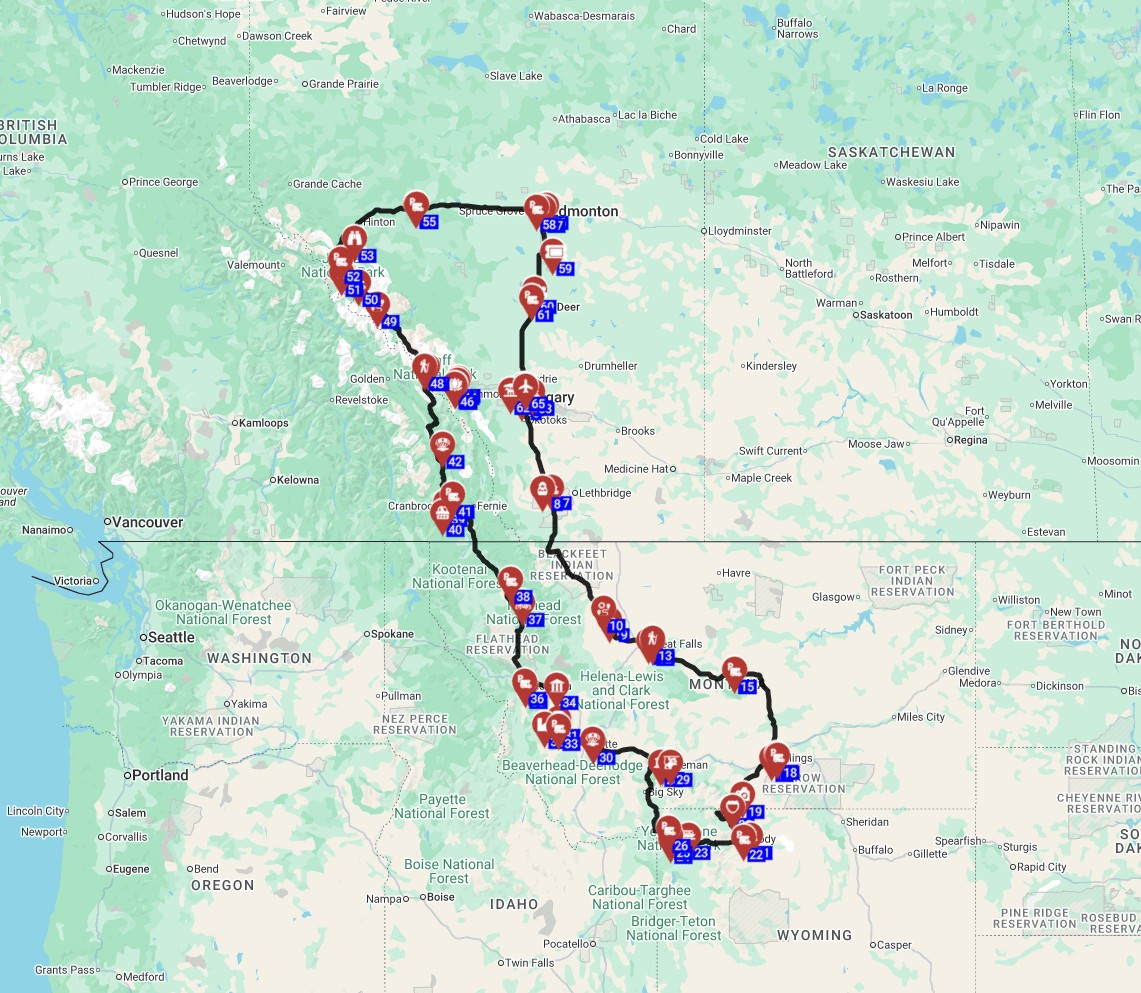
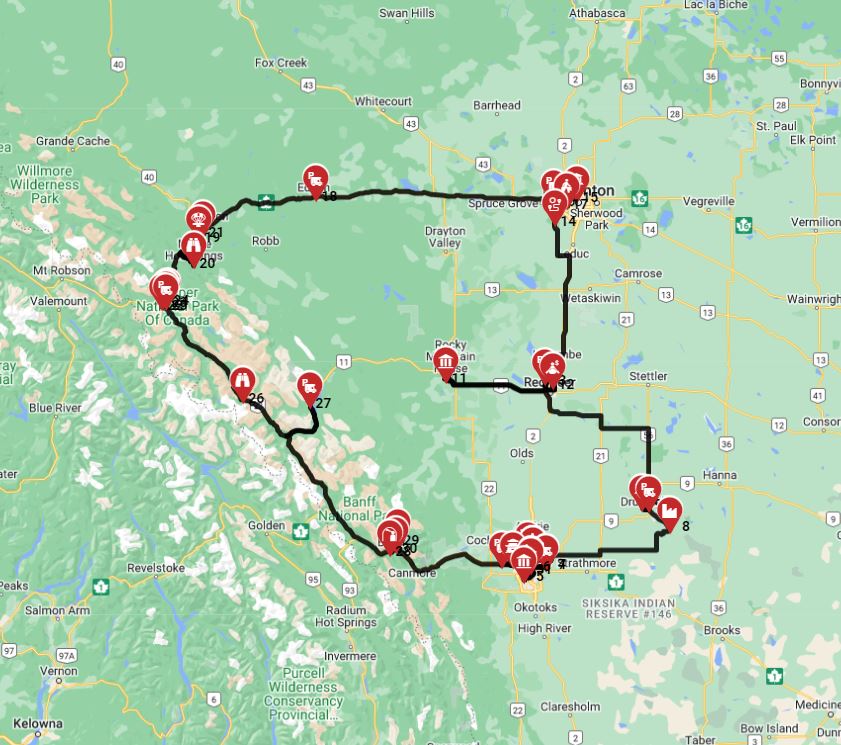
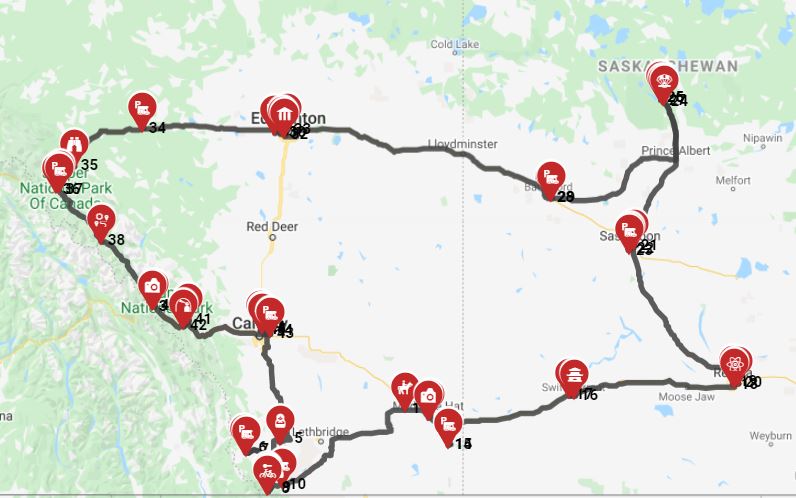
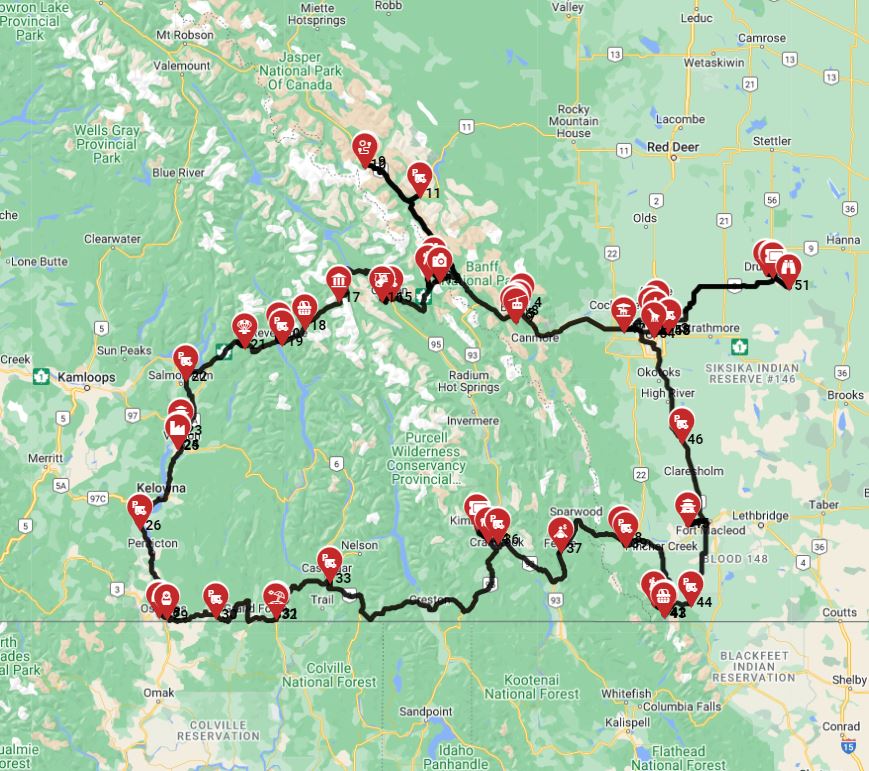
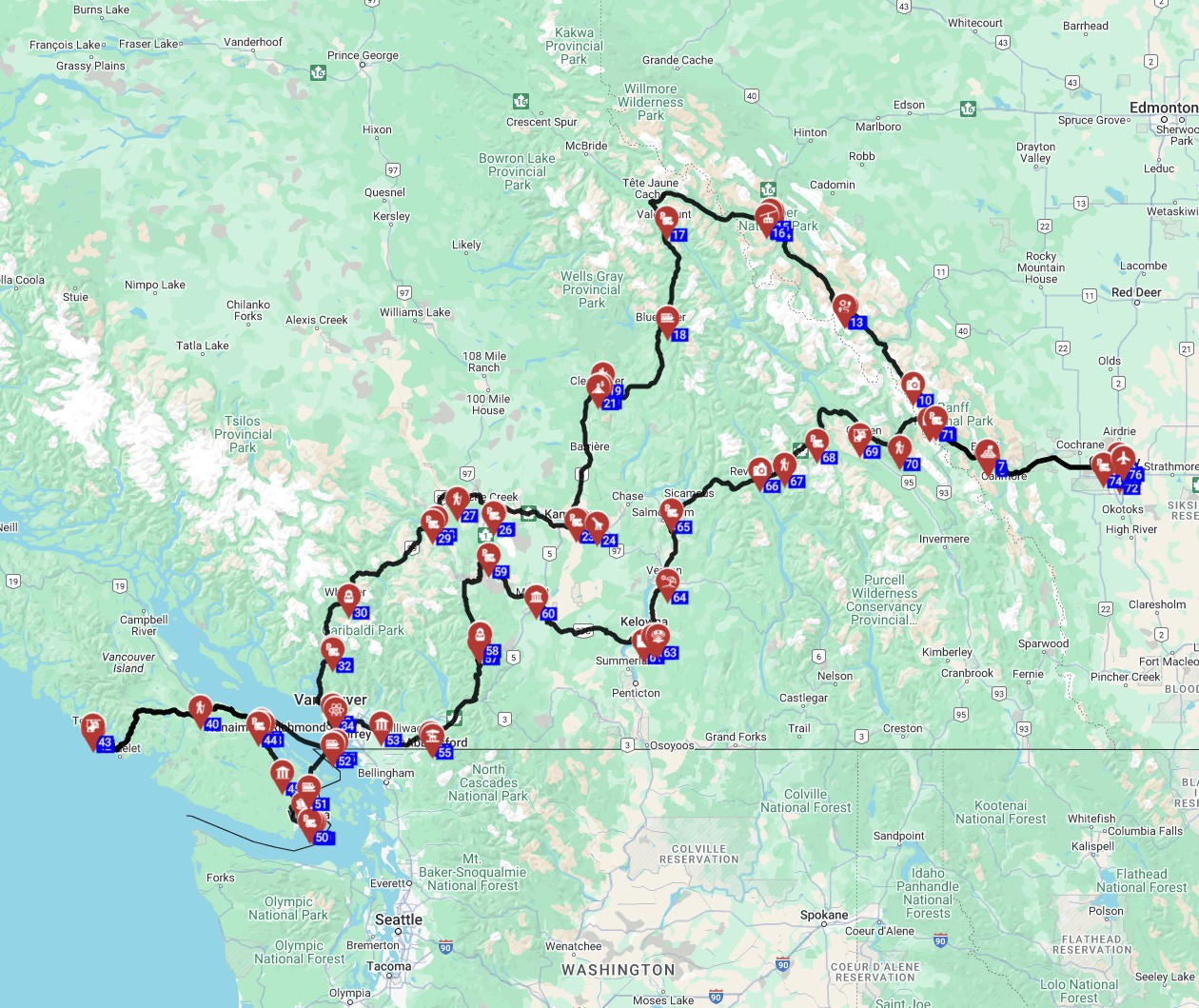
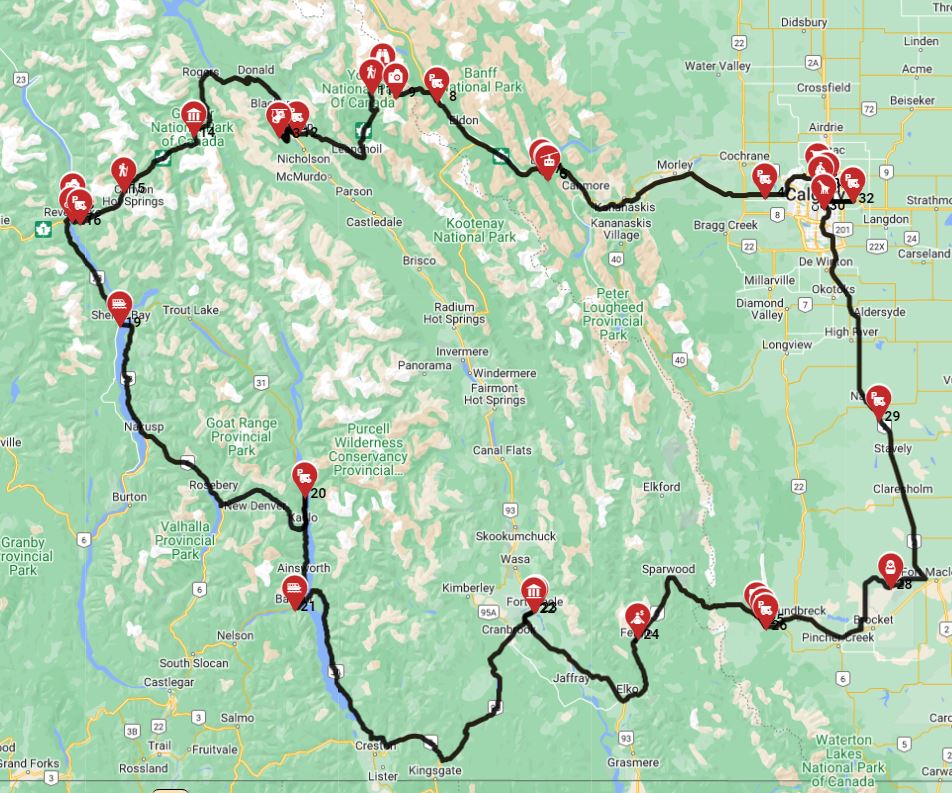
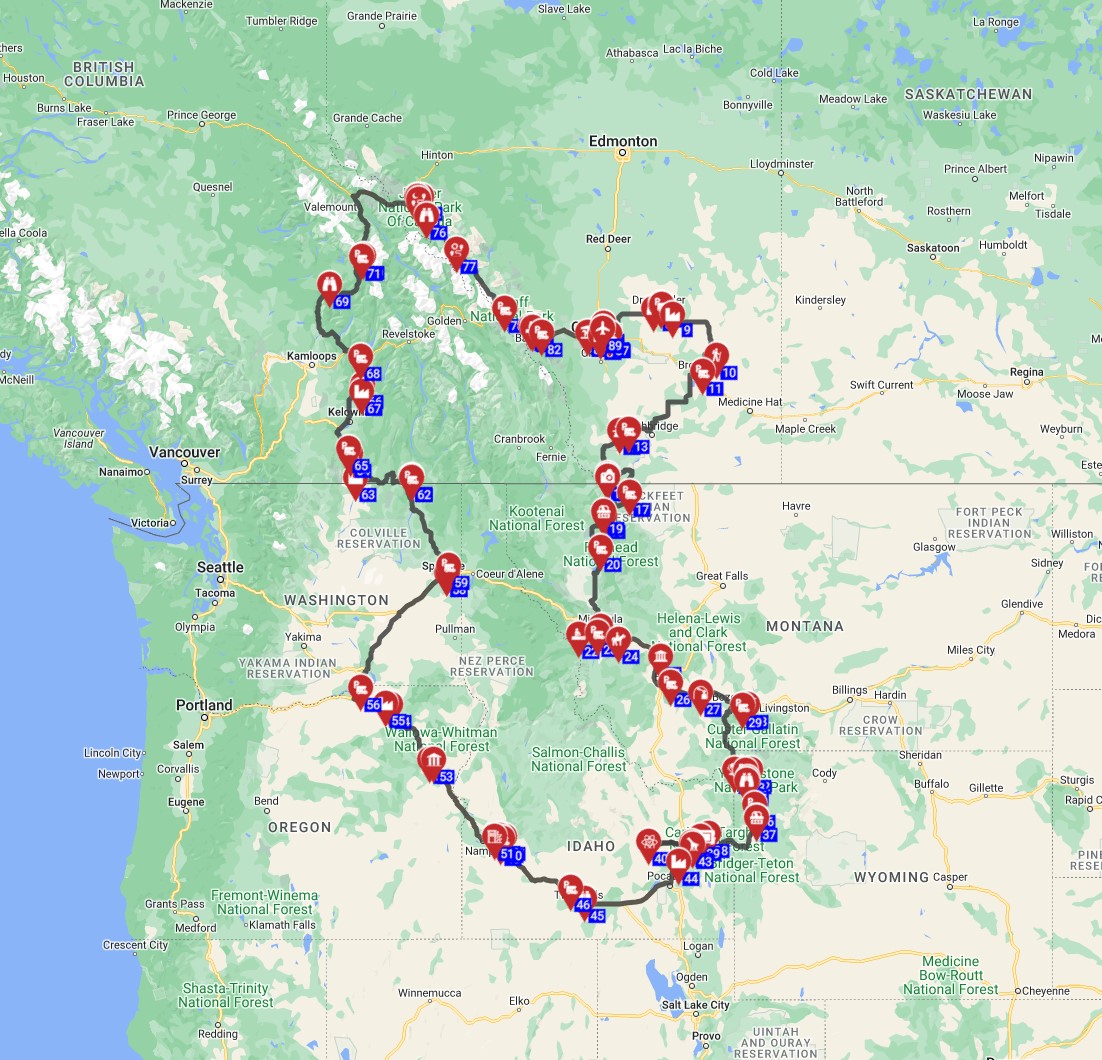
West Canada offers numerous scenic RV routes, with popular choices including the Icefields Parkway, coastal drives in British Columbia, and the scenic loop through the Okanagan Valley, each providing unique natural beauty and attractions. The Icefields Parkway (Alberta) provides stunning mountain vistas, glaciers, and abundant wildlife, though it requires careful navigation due to its winding nature and elevation changes. Coastal British Columbia offers routes like the Sea-to-Sky Highway (Vancouver to Whistler) with ocean views and mountain peaks, or the ferry routes to Vancouver Island. The Okanagan Valley (BC) is known for its lakes, vineyards, and fruit orchards, ideal for a more relaxed touring experience. For those seeking deeper cultural immersion and local experiences, consider routes that pass through smaller communities or indigenous territories, offering unique insights and opportunities to support local businesses. For an unforgettable cycling adventure, consider the
, which spans 19 days and covers approximately 2,659 km, offering a fantastic way to experience the region.Is it hard to find RV parks in West Canada?
Finding RV parks in West Canada can be challenging, especially during the peak summer months (July and August) in popular national and provincial parks, making advance reservations highly recommended. Demand in iconic areas like Banff, Jasper, and on Vancouver Island far exceeds supply during peak season, with bookings often opening months in advance and filling within minutes. During the shoulder seasons (spring and fall), availability generally improves, and you may find more flexibility for last-minute bookings. For alternatives, consider private campgrounds outside popular park boundaries or explore legal boondocking/dispersed camping options on Crown land if you are prepared for off-grid travel.
Can you take an RV on the Alaska Highway?
Yes, an RV can be taken on the Alaska Highway, a legendary road stretching from Dawson Creek, BC, through Yukon to Alaska, but it requires thorough preparation for its remote nature and varying road conditions. This epic journey presents unique RV-specific driving challenges, including long stretches between services, potential gravel sections, and varying road quality. Beginners should ensure their RV is in excellent mechanical condition and carry essential tools, spare tires, and extra fuel, addressing detailed RV logistics and maintenance proactively. Connectivity and communication are often limited along the highway, so relying on physical maps and potentially a satellite communication device is advisable. The best time to travel is typically during summer (late May to early September) when all services are open and road conditions are most favorable, avoiding the challenges of off-season travel.
Are RV showers good?
RV showers are typically functional but offer a more compact experience than home showers, often with limited hot water capacity and lower water pressure, necessitating mindful water conservation. Many RVs feature 'wet baths' where the toilet, sink, and shower share the same small space, designed for efficiency rather than luxury. Hot water supply often comes from smaller tanks (6-10 gallons) or on-demand tankless heaters, requiring careful management to avoid running out. To conserve water, many RVers employ a 'navy shower' technique: get wet, turn off water to lather, then rinse quickly. For longer, more comfortable showers, many campgrounds offer dedicated shower facilities.
What You Shouldn't Miss
- Drive the Icefields Parkway: Experience the breathtaking drive between Banff and Jasper National Parks, encountering glaciers, turquoise lakes, and abundant wildlife.
- Explore Stanley Park in Vancouver: Rent a bike and cycle the Seawall, taking in stunning views of the city, mountains, and ocean.
- Visit Moraine Lake and Lake Louise: Marvel at the iconic, impossibly blue glacial lakes in Banff National Park, perfect for photography and short hikes.
- Discover the Okanagan Valley's Wine Region: Sample local wines and enjoy the picturesque scenery of vineyards and orchards around towns like Kelowna and Penticton.
- Hike in Yoho National Park: Explore the Natural Bridge, Emerald Lake, and the stunning Takakkaw Falls, a truly wild and beautiful corner of the Canadian Rockies.
- Experience the Badlands of Drumheller: Travel back in time to the age of dinosaurs, exploring hoodoos and visiting the Royal Tyrrell Museum of Palaeontology.
Final Thoughts
Embarking on your first RV adventure in West Canada is an incredible way to experience the vast landscapes and natural beauty of this region. By understanding the different RV classes and choosing the one that best suits your needs, you'll be well on your way to a memorable journey. Remember to book in advance, especially for popular seasons and locations, and embrace the freedom and flexibility that RV travel offers.
We're here to support you every step of the way, from initial planning to confirming your booking. Don't hesitate to explore the resources available on RV PLANET for route ideas and inspiration. Get inspired for your next trip and discover the unparalleled joy of exploring West Canada at your own pace!
Discover top destinations, planning tips, all in one place! Plan your trip itinerary in advance with minimal effort and maximum enjoyment. For live availability and current prices, start with our RV Rental West Canada - Complete Guide 2026 guide.