In This Guide
- The 5 RV Families Compared for South Europe
- Class A (Integrated) — Best For
- Class SI (Semi-Integrated) — Best For
- Class C (Alcove) — Best For
- Class B (Campervan) — Best For
- Class TC (Truck Camper) — Best For
- Side-by-Side Comparison Table
- Our Recommendation for rv rental beginners Travelers in South Europe
- How much does it cost to rent an RV in South Europe?
- What do I need to know before renting an RV in Europe?
- What are the disadvantages of renting an RV in Europe?
- Is it better to rent an RV or a car in Europe?
- What are the rules for wild camping in Europe?
- Which RV is easiest to drive in Europe?
- What documents do I need to rent an RV in Europe?
- How long can you legally stay in an RV in Europe?
- Is it safe to RV in Europe?
The 5 RV Families Compared for South Europe
Choosing the right RV family is crucial for beginners in South Europe, as it significantly impacts your travel experience, considering varied terrain, climate, trip length, and group size. For live availability and current prices, start with our RV Rental South Europe - Complete Guide 2026 guide. South Europe features diverse landscapes, from narrow coastal roads to mountain passes and bustling city centers, making vehicle maneuverability and size important factors. This guide compares Class A, Semi-Integrated (SI), Alcove (C), Campervan (B), and Truck Camper (TC) motorhomes, highlighting their suitability for different beginner travel styles. For those seeking budget-friendly options, exploring insights from our Cheap RV Rental in South Europe - Budget Guide 2026 can be very helpful.
Class A (Integrated) — Best For
Class A integrated motorhomes, typically averaging 7.5 meters in length and sleeping 4.4 people (Bandana's global fleet average), are best suited for beginners prioritizing luxury, spacious living, and long-haul comfort in South Europe. These vehicles offer extensive amenities, panoramic views from the large front windshield, and often resemble a small apartment on wheels, accommodating an average of 4 adults with a load capacity of around 209.5kg. They are ideal for larger groups or families seeking a premium experience and planning to primarily use motorways or designated campsites. However, trade-offs include higher average fuel consumption (typically 11-12 Liters/100 km) and potential challenges navigating narrow village streets or finding parking in congested South European towns. If you're looking for specific pricing information, our RV Rental in South Europe - Prices and Best Deals 2026 can provide valuable insights.
Class SI (Semi-The best RV for beginners in South Europe is the Class SI (Semi-Integrated) motorhome.
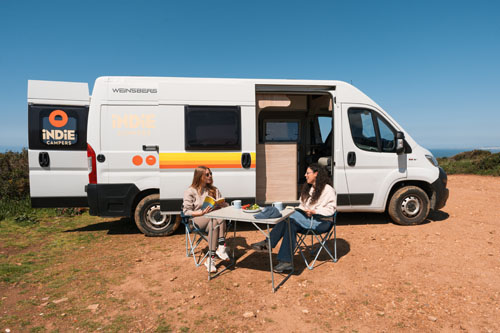
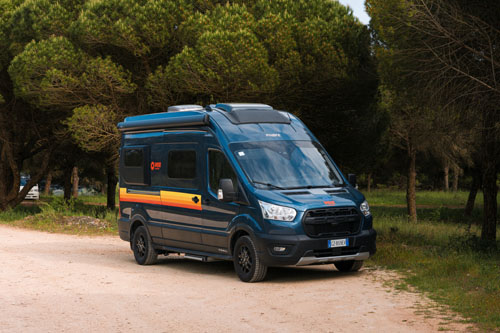
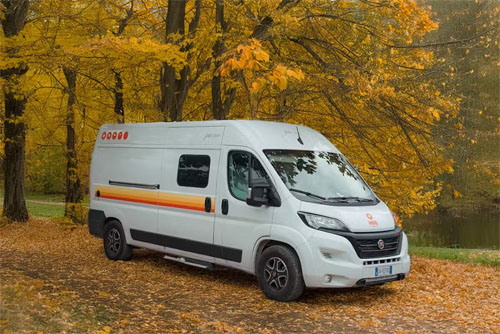
Class SI (Semi-Integrated) motorhomes, with an average length of 6.9 meters and sleeping 3.8 people (Bandana's global fleet average), are best for beginners seeking a balanced blend of comfort, maneuverability, and fuel efficiency in South Europe. Positioned as a versatile choice, these RVs typically accommodate 3.4 adults with a load capacity of approximately 72.2kg, making them suitable for couples or small families. They often outperform larger Class A vehicles in accessibility on smaller, winding South European roads and offer better aerodynamics than alcove models. With common fuel consumption around 10-11 Liters/100 km, they are a practical and economical option for exploring diverse regions. For those interested in exclusive deals, our RV Rental Deals in South Europe - Latest Offers 2026 might be of interest.
Class C (Alcove) — Best For
Class C (Alcove) motorhomes, averaging 7.5 meters in length and offering 5.8 sleeping places (Bandana's global fleet average), are best for beginner families or larger groups traveling in South Europe due to their distinct over-cab sleeping area. These RVs are designed to comfortably accommodate around 4.4 adults, with a load capacity of roughly 42.4kg, providing ample sleeping space without compromising too much on the living area. Their robust design makes them suitable for varied South European road conditions, and their cost-efficiency for larger groups can be a significant advantage. Typical fuel consumption is 10-12 Liters/100 km, making them a practical choice, though their height (due to the alcove) can be a factor for low bridges or specific emission zone restrictions in some urban areas. To compare luxury options, consider our Luxury RV Rental in South Europe - Premium Prices 2026 guide.
Class B (Campervan) — Best For
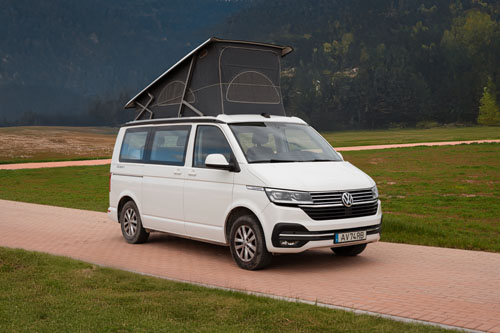
Class B Campervans, averaging 5.8 meters in length and sleeping 3.2 people (Bandana's global fleet average), are best for beginner solo travelers or couples prioritizing maneuverability, fuel economy, and stealth in South Europe. These compact vehicles comfortably accommodate about 2.7 adults with a load capacity of around 37kg, making them feel similar to driving a large car. They excel in navigating narrow South European village streets, fitting into standard parking spaces, and offer excellent fuel efficiency (typically 8-10 Liters/100 km). Campervans are ideal for scenarios requiring frequent stops, exploring urban centers, or discreet overnight parking, providing maximum flexibility for a dynamic itinerary. Consider our Weekly RV Rental in South Europe - Pricing 2026 for budgeting your trip. On the routes offered through RV PLANET routes, you can itemize and track every expense along the way for easy budgeting.
Class TC (Truck Camper) — Best For
Class TC (Truck Camper) RVs, averaging 5.5 meters in length and sleeping 2.4 people (Bandana's global fleet average), are best for beginner adventurers seeking off-grid capabilities and the flexibility to explore rugged terrain in South Europe. Designed to be mounted on a pickup truck, these units accommodate about 2.1 adults, offering the unique advantage of detaching the living unit for greater vehicle mobility. They are particularly suited for reaching remote areas, national parks, or less accessible spots, providing a robust option for those looking to combine RVing with more adventurous activities. With common fuel consumption around 12-17 Liters/100 km, they cater to a niche traveler prioritizing exploration over fuel economy, appealing to those seeking a true wilderness experience. If you're considering a longer trip, our One-Way RV Rental in South Europe - Price Guide 2026 can help with planning.
Side-by-Side Comparison Table
This table offers a direct comparison of key characteristics for each RV class, aiding beginners in choosing the most suitable option for their South Europe adventure:
- Class A (Integrated): Avg Length 7.5m | Sleeps 4.4 | Fuel Use 11-12 L/100km | Best Use Case: Luxury, large groups, long trips, spacious living, less urban.
- Class SI (Semi-Integrated): Avg Length 6.9m | Sleeps 3.8 | Fuel Use 10-11 L/100km | Best Use Case: Balanced comfort & maneuverability, couples/small families, varied terrain.
- Class C (Alcove): Avg Length 7.5m | Sleeps 5.8 | Fuel Use 11-12 L/100km | Best Use Case: Families with children, extra sleeping, cost-efficient for groups.
- Class B (Campervan): Avg Length 5.8m | Sleeps 3.2 | Fuel Use 8-10 L/100km | Best Use Case: Urban agility, fuel efficiency, minimalist travel, solo/couples.
- Class TC (Truck Camper): Avg Length 5.5m | Sleeps 2.4 | Fuel Use 12-17 L/100km | Best Use Case: Off-grid adventure, remote areas, variable terrain, detachable unit.
Our Recommendation for rv rental beginners Travelers in South Europe
For most RV rental beginners in South Europe, a Class SI (Semi-Integrated) motorhome is the primary recommendation, offering an optimal balance of comfort, manageable size, and driving ease. Its average length of 6.9 meters provides sufficient living space for small families or couples while still being nimble enough to navigate South Europe's diverse roads, from motorways to charming village lanes. As a strong runner-up, the Class B (Campervan) is highly recommended for solo travelers or couples prioritizing ultimate maneuverability, ease of parking, and fuel efficiency. These selections provide a comfortable entry point into RV travel, mitigating challenges associated with larger vehicles on less forgiving European infrastructure.
🎬 Video coming soon
How much does it cost to rent an RV in South Europe?
The cost to rent an RV in South Europe varies significantly based on RV class, rental duration, season, and specific country, with daily rates typically ranging from €70 for a small campervan in the off-season to over €200 for a large motorhome during peak summer. Budgeting for RV travel should comprehensively include not only the rental fees and insurance but also significant variable costs such as fuel, tolls, campsite fees, and potential hidden charges like local taxes or specific permits. Fuel prices in South Europe commonly range from 1.70 to 2.00€ per liter, making the fuel consumption (e.g., 8-17 L/100km for different RV classes) a major budget component, especially for longer trips. Many South European countries impose various toll systems (e.g., automated tolls in Portugal, A22 in Italy) and require vignettes for highway use in others, adding layers of cost and administrative complexity not always included in rental rates. Beyond the rental fee, beginners should anticipate costs for security deposits, one-way rental charges (if applicable), cleaning fees, and optional add-ons like bedding, kitchen kits, or specialized navigation systems. For more detailed pricing, consult our RV Rental South Europe - Prices and Best Deals 2026 guide. For ideas you can prep on the road, watch our RV-friendly recipes playlist on YouTube.
What do I need to know before renting an RV in Europe?
Before renting an RV in Europe, understanding specific vehicle requirements and nuances, including emission zones (ZTLs) prevalent in many South European cities, which may restrict access for certain RV types or require advance registration and payment to avoid fines, is paramount for beginners. Awareness of varying size and weight restrictions on certain historic roads, bridges, and tunnels, particularly in mountainous or coastal areas, is critical to avoid difficult situations or damage. Comprehensive information on various toll systems (manual, electronic, vignettes) is essential for seamless travel, as these differ significantly across countries like Italy, Portugal, and Croatia. Detailed logistics for border crossings, especially between Schengen and non-Schengen zones (e.g., from Italy to Croatia), necessitate a valid passport and potentially a visa, along with the RV's registration and insurance documents provided by the rental company. It is prudent to also carry personal travel insurance that covers medical emergencies and trip cancellations, as well as specific health and safety advice, including knowing emergency numbers (112 for the EU) and how to access local medical care. Ensure your credit card has sufficient limits for the security deposit, which can range from €500 to €2,000, and confirm the rental agreement covers cross-border travel and breakdown assistance in all intended countries. For travelers interested in saving money, our Cheap RV Rental in South Europe - Budget Guide 2026 offers great tips.
What are the disadvantages of renting an RV in Europe?
Renting an RV in Europe, particularly for beginners in South Europe, can present disadvantages such as challenging driving conditions on narrow roads, complex and varied regulations regarding parking and wild camping, and differing infrastructure for essential services like water and propane. The size of many motorhomes, especially Class A and larger Class C models (avg 7.5m), can make navigating historic city centers, winding mountain passes, and dense urban traffic quite challenging, leading to stress and limited access. Various toll systems and vignette requirements across South European countries (e.g., in Portugal, Italy, and Slovenia) add complexity and potential hidden costs, requiring careful pre-planning to avoid unexpected expenses or fines. Finding and utilizing water refill/dumping stations can be less straightforward than in some other regions, and propane/gas refill options vary in compatibility and availability across different countries. Nuanced explanations of wild camping/overnight parking regulations highlight country-specific and even local municipal differences, with many popular areas having strict prohibitions, limiting spontaneous overnight stays. Cultural nuances, such as 'siesta' hours affecting service station operations, can impact travel plans and access to essential supplies or repairs during midday. If you're looking for deals, our RV Rental Deals in South Europe - Latest Offers 2026 can be a great starting point.
Is it better to rent an RV or a car in Europe?
Deciding between an RV and a car in Europe depends entirely on your travel priorities and desired experience, with RVs offering self-contained travel and greater flexibility, while cars provide superior urban access and often lower costs. Renting an RV is better for travelers prioritizing freedom from hotel bookings, the ability to cook their own meals, and a closer connection with nature, allowing for spontaneous itinerary changes and remote camping where permitted. A car, conversely, is generally more cost-effective for shorter trips or those focused on city exploration, offering easier parking, lower fuel consumption, and access to areas where RVs are restricted or cumbersome. For beginners in South Europe, a car often presents fewer logistical challenges in terms of navigation, parking, and understanding local driving etiquette, especially on narrow or winding roads. The overall comparative budgeting breakdowns should consider not only the base rental price but also fuel efficiency, toll costs, potential parking fees, and the cost of alternative accommodation, as RVs incur campsite fees while cars incur hotel costs. For those planning a multi-country trip, our RV Rental Europe - Complete Guide 2026 is invaluable.
What are the rules for wild camping in Europe?
Wild camping and overnight parking regulations for RVs in South Europe are highly nuanced, varying significantly by country, region, and even local municipality, generally prohibiting uncontrolled overnight stays in many popular or environmentally sensitive areas. Countries like Portugal have historically been more lenient, though recent changes 2026 have introduced stricter rules requiring registration for wild camping in some zones, while in Italy, Spain, and Greece, wild camping is largely prohibited outside designated areas. Comprehensive information on these regulations emphasizes checking local signage and official municipal websites, as rules can change frequently and local bans are common, especially along coastlines and in national parks. Beginners must prioritize ethical considerations and best practices for responsible RVing, including leaving no trace, proper waste disposal, conserving water, and respecting local wildlife and communities. Utilizing apps such as Park4night or Campercontact is highly recommended to find legal overnight parking spots, including official campsites, 'aires de services', and other permitted informal locations, minimizing the risk of fines.
Which RV is easiest to drive in Europe?
For beginners in South Europe, a Class B Campervan or a smaller Class SI Semi-Integrated RV is generally considered the easiest to drive due to their more compact dimensions, which are better suited for Europe's often narrower roads and bustling towns. Campervans (Class B), averaging around 5.8 meters in length (Bandana's global fleet average), offer car-like maneuverability and can navigate tight urban streets and smaller country lanes with relative ease, simplifying parking. Smaller Semi-Integrated motorhomes (Class SI), with an average length of 6.9 meters, provide a good balance between interior comfort and manageable driving dimensions, making them a popular choice for beginners tackling varied South European terrain. Larger RVs, such as Class A (avg 7.5m) and Class C (avg 7.5m) models, can be significantly more challenging on winding roads, in historic town centers, or when facing size/weight restrictions on certain older roads or bridges. Understanding cultural nuances impacting RV travel, such as local driving etiquette and expectations on narrow roads, is as crucial as vehicle choice for ensuring a stress-free driving experience in South Europe.
What documents do I need to rent an RV in Europe?
To rent an RV in South Europe, travelers typically need a valid national driving license (often accompanied by an International Driving Permit for non-EU citizens), a major credit card for the security deposit, and their passport or national ID for identification. A valid driving license from your country of residence is essential, and an International Driving Permit (IDP) is highly recommended or legally required in many South European countries if your license is not in English, Spanish, Italian, or Portuguese. Detailed logistics for border crossings, especially between Schengen and non-Schengen zones (e.g., from Italy to Croatia), necessitate a valid passport and potentially a visa, along with the RV's registration and insurance documents provided by the rental company. It is prudent to also carry personal travel insurance that covers medical emergencies and trip cancellations, along with specific health and safety advice, including knowing emergency numbers (112 for the EU) and how to access local medical care. Ensure your credit card has sufficient limits for the security deposit, which can range from €500 to €2,000, and confirm the rental agreement covers cross-border travel and breakdown assistance in all intended countries.
How long can you legally stay in an RV in Europe?
The legal duration one can stay in an RV in Europe is primarily governed by visa regulations, particularly the Schengen Area rules for non-EU citizens, which permit a maximum stay of 90 days within any 180-day period. For EU citizens, there are generally no limitations on the length of stay in an RV within EU member states, though national residency laws may apply if planning to stay for periods exceeding typical tourist durations. Non-Schengen countries in South Europe, such as Croatia, Albania, Montenegro, and Turkey, have their own specific visa and entry requirements, which can offer additional periods of stay outside the Schengen limit for those planning longer tours. Beyond visa regulations, nuanced explanations of wild camping/overnight parking rules are critical, as local municipal differences often dictate how long an RV can remain parked in a specific non-campsite location, often limiting it to 24-48 hours. Specific health and safety advice for RVers, including planning for medical care and dealing with extreme weather (like extended summer heatwaves), becomes more pertinent for longer trips, necessitating appropriate travel insurance.
Is it safe to RV in Europe?
RVing in Europe is generally safe, but beginners should proactively implement specific security measures, judiciously choose safe overnight spots, understand common scams, and familiarize themselves with emergency protocols, especially when traveling in South Europe. In-depth safety and security measures tailored for RVs include always locking all doors and windows, utilizing additional security locks or alarms, and never leaving valuables visible or unattended, particularly in tourist-heavy or urban areas. Choosing safe overnight spots is paramount: prioritize official campsites, designated 'aires' or 'stellplatze', or well-lit service stations over isolated or suspicious parking areas, especially in regions known for petty crime. Be aware of common scams such as distraction thefts at petrol stations or rest stops, and remain vigilant about your surroundings and belongings, securing the vehicle completely when leaving it unattended. It is crucial to have easy access to emergency numbers (112 for all emergencies across the EU) and to understand local emergency services, alongside specific health and safety advice for RVers. This includes having a well-stocked first-aid kit, knowing how to access medical care (e.g., with a European Health Insurance Card for EU citizens), and being prepared for extreme weather conditions like intense summer heatwaves common in South Europe.
What You Shouldn't Miss
- Explore the stunning Amalfi Coast in Italy, navigating its winding roads with a rented motorhome for breathtaking views and charming towns.
- Discover the ancient ruins of Rome, finding parking in designated areas and utilizing public transport to explore the city's iconic landmarks.
- Experience the vibrant culture and delicious cuisine of Lisbon, Portugal, by parking your RV in a designated area outside the city center and using local transport to explore.
- Drive through the picturesque Douro Valley in Portugal, a UNESCO World Heritage site, enjoying the scenic vineyards and river views from the comfort of your motorhome.
- Visit the historic cities of Spain, such as Seville or Granada, utilizing RV-friendly parking facilities and exploring the city's rich history and architecture.
- Relax on the beautiful beaches of the Algarve in Portugal, finding designated campsites or 'aires' for overnight stays with easy access to the coast.
Final Thoughts
Embarking on your first RV adventure in South Europe is an incredible way to experience the continent's diverse beauty and rich culture. By understanding the different RV classes and choosing the one that best suits your needs, you'll be well on your way to a memorable journey. Remember to plan ahead, be flexible, and embrace the freedom that RV travel offers.
We're here to support you every step of the way, from comparing options to ensuring you have all the information needed for a fantastic trip. Get inspired for your next adventure and discover the joy of exploring South Europe at your own pace!
Plan your RV adventure today and discover top destinations, planning tips, all in one place! Take advantage of our exclusive 25% planning discount when you use rvplan.net to map out your itinerary. Get ready to create unforgettable memories on the open road!