In This Guide
- The 5 RV Families Compared for Netherlands
- Class A (Integrated) - Best For
- Price Comparison by RV Class in Netherlands
- Class SI (Semi-Integrated) - Best For
- Class C (Alcove) - Best For
- Class B (Campervan) - Best For
- Class TC (Truck Camper) - Best For
- Side-by-Side Comparison Table
- Our Recommendation for rv rental beginners Travelers in Netherlands
- How much does it cost to rent an RV in the Netherlands
- What do I need to know before renting an RV in the Netherlands
- Is it easy to drive an RV in the Netherlands
- What are the rules for RV camping in the Netherlands
- Can you wild camp in the Netherlands
- What are the best RV routes in the Netherlands
- What is the best time of year to RV in the Netherlands
- What You Shouldn't Miss
- Why Book with Bandana Caravan
- Final Thoughts
- Frequently Asked Questions
The 5 RV Families Compared for Netherlands
Choosing the right RV family is crucial for beginners in the Netherlands, directly impacting maneuverability on narrow roads, comfort during varying climates, trip duration, and the number of people it can accommodate. The generally flat terrain of the Netherlands allows for any motorhome class, but exploring charming city centers and historic villages often favors more compact options. When considering a Dutch RV rental, think about vehicle size for navigating ancient infrastructure, fuel efficiency for your planned routes, and sufficient living space for relaxation after a day of exploration. Bandana Caravan, a true RV specialist, helps you compare a wide array of options from over 50 leading suppliers worldwide, ensuring you find the perfect fit with full transparency and no hidden fees.🎬 Video coming soon
Class A (Integrated) - Best For
Class A integrated motorhomes, averaging 7.5 meters in length and typically sleeping 4 to 6 people, are best suited for beginners seeking a luxurious, spacious experience on longer trips in the Netherlands, especially when you plan to avoid historic city centers or park mainly at larger, well-equipped campgrounds. These impressive vehicles offer ample living space and amenities, often featuring large panoramic windows and a robust build. While their larger size can require careful navigation on some narrow Dutch roads and for parking, driving slowly and carefully allows you to drive almost anywhere without issues. No need to stress - just use common sense and pay attention, especially on smaller country roads. Renters can compare various "Luxury RV Rental in Netherlands - Premium Prices 2026" options to find models like the 'rent motorhome example E3' which offers a spacious 140-liter fresh water tank and sleeps up to 4.Price Comparison by RV Class in Netherlands
Pricing for RV rentals in the Netherlands is dynamic and based on factors like demand, season, and duration, making it important to compare options. The table below provides a snapshot of estimated rental costs across different RV classes and trip lengths, drawing from Bandana's live search data. Remember that these prices are flex-rate estimates and can change daily; always use the search box on our platform for the most up-to-date live numbers. Our commitment to full transparency means what you see is what you pay, with no surprise fees at pickup. For those looking for the most economical options, checking "Cheap RV Rental in Netherlands - Budget Guide 2026" can provide useful insights. `Live April Price Comparison — RV Class × Trip Length
| Trip length | Class A | Class B | Class C | Class SI | Class TC |
|---|---|---|---|---|---|
| 1 week 15/04 → 22/04 | [Price_ClassType-A_PickupID-3_DropoffID-3_PickupDate-15/04_DropoffDate-22/04] | [Price_ClassType-B_PickupID-3_DropoffID-3_PickupDate-15/04_DropoffDate-22/04] | [Price_ClassType-C_PickupID-3_DropoffID-3_PickupDate-15/04_DropoffDate-22/04] | [Price_ClassType-SI_PickupID-3_DropoffID-3_PickupDate-15/04_DropoffDate-22/04] | [Price_ClassType-TC_PickupID-3_DropoffID-3_PickupDate-15/04_DropoffDate-22/04] |
| 2 weeks 15/04 → 29/04 | [Price_ClassType-A_PickupID-3_DropoffID-3_PickupDate-15/04_DropoffDate-29/04] | [Price_ClassType-B_PickupID-3_DropoffID-3_PickupDate-15/04_DropoffDate-29/04] | [Price_ClassType-C_PickupID-3_DropoffID-3_PickupDate-15/04_DropoffDate-29/04] | [Price_ClassType-SI_PickupID-3_DropoffID-3_PickupDate-15/04_DropoffDate-29/04] | [Price_ClassType-TC_PickupID-3_DropoffID-3_PickupDate-15/04_DropoffDate-29/04] |
| 1 month 01/04 → 30/04 | [Price_ClassType-A_PickupID-3_DropoffID-3_PickupDate-01/04_DropoffDate-30/04] | [Price_ClassType-B_PickupID-3_DropoffID-3_PickupDate-01/04_DropoffDate-30/04] | [Price_ClassType-C_PickupID-3_DropoffID-3_PickupDate-01/04_DropoffDate-30/04] | [Price_ClassType-SI_PickupID-3_DropoffID-3_PickupDate-01/04_DropoffDate-30/04] | [Price_ClassType-TC_PickupID-3_DropoffID-3_PickupDate-01/04_DropoffDate-30/04] |
Estimates only — flex-rate prices change daily based on availability and season.
Class SI (Semi-Integrated) - Best For
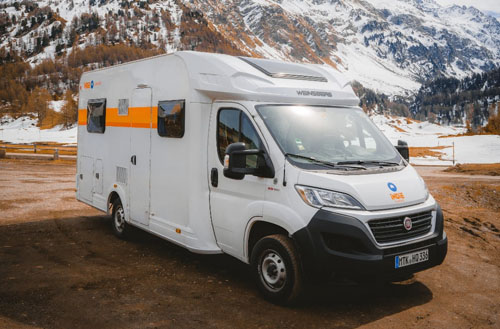
Class SI semi-integrated motorhomes, averaging 6.9 meters in length and typically sleeping 2 to 4 people, are ideal for beginners in the Netherlands seeking a superb balance of comfort, maneuverability, and fuel efficiency. These models offer a streamlined profile that makes driving easier than a Class A, while providing more living space than a campervan, making them a popular choice for couples or small families. With an average fuel consumption around 10-11 liters/100 km, they are a versatile choice for exploring a mix of Dutch countryside and smaller towns. A standard driver's license is sufficient for these vehicles, and with a comfortable interior for preparing meals, you might appreciate our RV-friendly recipes playlist. Options like the 'MH4-5 - SIF' offer a 120-liter fresh water tank and sleep up to 4 people comfortably.Class C (Alcove) - Best For
Class C alcove motorhomes, typically 7.5 meters long and accommodating up to 6 people, are perfectly suited for beginner families or larger groups traveling through the Netherlands. Their dedicated over-cab sleeping area provides extra beds without compromising living space, making them a cost-efficient option for families. These RVs offer ample room for family living and gear, with robust designs that handle Dutch road conditions well, prioritizing sleeping capacity and affordability. While larger, remember that you can drive slowly and carefully, and you can drive almost anywhere without issues. No need to stress - just use common sense and pay attention. For instance, the '24 Class C Motorhome' model offers comfortable sleeping for 5 with generous water tanks.Class B (Campervan) - Best For
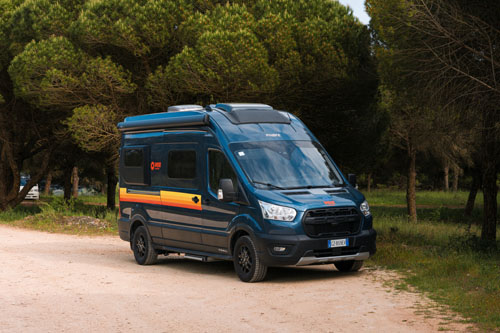
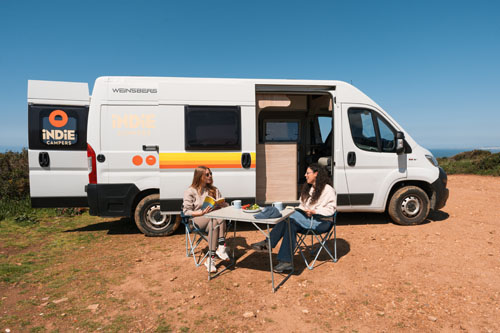
Class B campervans, with an average length of 5.8 meters and sleeping 2 to 4 people, are the top choice for beginners prioritizing maneuverability, fuel economy, and urban accessibility in the Netherlands. These compact vehicles blend seamlessly into regular traffic and are significantly easier to park in popular Dutch cities and smaller villages. Campervans excel for solo travelers, couples, or small groups who prefer a nimble experience, allowing them to explore historic city centers and narrow streets with greater ease. With fuel consumption typically around 8-10 liters/100 km, they offer an economical way to travel. The 'V2L' model, for example, is less than 6 meters long and sleeps 2, perfect for a cozy trip. For information on "Weekly RV Rental in Netherlands - Pricing 2026", campervans often present the most budget-friendly rates.Class TC (Truck Camper) - Best For
Class TC truck campers, averaging 5.5 meters in length and sleeping 2 to 3 people, can be an option for adventurous beginners in the Netherlands seeking a flexible experience, though they are less common for rental here. These units are typically mounted onto a pickup truck chassis, offering robustness. While less frequently seen in European rental fleets, if available, their compact footprint could offer a unique blend of vehicle versatility. Fuel consumption is typically around 12-17 liters/100 km. However, Bandana focuses on motorhomes and campervans, which are generally more widely available and suited to the Dutch infrastructure for rental travelers.Side-by-Side Comparison Table
This table provides a concise overview comparing key specifications and ideal use cases for each motorhome family available for rent in the Netherlands, helping beginners quickly identify the best fit for their adventure. Comparing average lengths, sleeping capacities, fuel efficiency, and recommended scenarios highlights the strengths of each class. The data reflects Bandana's global fleet averages, offering a reliable benchmark for planning your Dutch RV adventure. | RV Class | Average Length (m) | Average Sleepers | Fuel Consumption (L/100km) | Best For | | :-------------- | :----------------- | :--------------- | :------------------------- | :------------------------------------------------------- | | Class A | 7.5 | 4-6 | 11-12 | Luxury, long trips, large groups (avoiding tight city centers) | | Class SI | 6.9 | 2-4 | 10-11 | Couples/small families, balance of comfort & maneuverability | | Class C | 7.5 | 4-6 | 10-12 | Families/larger groups, dedicated beds, cost-efficient | | Class B | 5.8 | 2-4 | 8-10 | Solo/couples, urban exploration, fuel economy, easy parking | | Class TC | 5.5 | 2-3 | 12-17 | Adventurous couples (less common in NL rental fleets) |Our Recommendation for rv rental beginners Travelers in Netherlands
For most RV rental beginners in the Netherlands, we primarily recommend the **Class SI (Semi-integrated) motorhome** due to its optimal balance of comfort, amenities, and relatively manageable size for Dutch roads and diverse destinations. The semi-integrated design (avg. 6.9m length) offers enough living space and sleeping capacity (avg. 3.8 people) for small families or couples, while being significantly easier to navigate and park than a full-sized Class A or C in the Netherlands' charming, often historic towns and scenic routes. For those exploring Amsterdam, Rotterdam, or other vibrant cities, the agility of a Class SI is a real benefit. As a strong runner-up, the **Class B (Campervan)** is highly recommended for solo travelers or couples prioritizing ultimate maneuverability, fuel efficiency (8-10 L/100km), and ease of access to even the narrowest streets and busiest parking spots, especially for those focusing on urban exploration or minimal fuss. These vehicles provide a cozy, intimate travel experience, perfect for slow travel averaging 100-150 km per day, allowing you to truly immerse yourself in the local culture, food, and scenery. Both options offer a comfortable home base without the stress of handling an overly large vehicle for your first RV rental in the Netherlands.How much does it cost to rent an RV in the Netherlands
The total cost to rent an RV in the Netherlands for beginners extends beyond just the rental fee, encompassing fuel, campsite fees, food, and potential attraction costs, averaging a comprehensive budget of €100-€200 per day depending on the RV class and travel style. Fuel costs, especially for larger vehicles consuming 10-12 liters/100 km, can add significantly to the budget, requiring careful planning for routes and distances. Campsite fees in the Netherlands typically range from €20-€45 per night for a basic pitch, while food sourcing from local supermarkets and markets can offer substantial cost savings compared to dining out. Although tolls are minimal in the Netherlands, beginners should budget for ferry crossings if planning trips to the islands, and consider costs for attractions and activities along their chosen routes. For detailed itineraries and an itemized expense tracker, explore the RV PLANET routes. Our commitment to full transparency means you'll always know the full cost upfront.What do I need to know before renting an RV in the Netherlands
Before renting an RV in the Netherlands, beginners should understand local driving regulations, be aware that a standard car driver's license is sufficient for all motorhome classes (no special license or CDL is required), and familiarize themselves with basic RV utility management (water, grey/black water disposal) to ensure a smooth trip. It is crucial to be aware of vehicle size considerations, particularly for historic city centers and narrow village streets, as larger RVs like Class A or C (avg. 7.5m length) can be challenging to navigate and park. Practical advice includes planning routes to avoid restricted zones, learning about local customs for parking and waste management (like waste separation), and understanding that public waste disposal stations are common at camperplaatsen. An International Driving Permit (IDP) is recommended for visitors from non-English-speaking countries but is not mandatory in most cases. Bandana provides 24/7 support for all your pre-booking and post-booking coordination needs, ensuring you're prepared. You can upgrade to a top-level deductible for extra peace of mind, too. For more specific details on costs, check our "RV Rental in Netherlands - Prices and Best Deals 2026" guide.Is it easy to drive an RV in the Netherlands
Driving an RV in the Netherlands is generally easy on main roads and motorways due to excellent infrastructure, but navigating narrow streets in historic towns and finding suitable parking in popular areas can be challenging, especially for larger motorhomes. However, drive slowly and carefully, and you can drive almost anywhere without issues. No need to stress - just use common sense and pay attention. Beginners should select an RV class (like a Class B campervan, avg. 5.8m length, or Class SI, avg. 6.9m length) that matches their comfort level for maneuvering smaller vehicles. The Netherlands' flat terrain makes driving effortless, but its dense network of cycle paths means you'll always need to be aware of cyclists. Planning routes in advance and utilizing dedicated RV parking apps can significantly mitigate challenges related to parking and accessing congested areas, while observing local traffic customs ensures a respectful journey. Bandana works with major suppliers like Apollo and Britz who offer modern, well-maintained vehicles for comfortable driving.What are the rules for RV camping in the Netherlands
In the Netherlands, RV camping is primarily permitted at designated 'Camperplaatsen' (motorhome pitches) or official campsites, where specific rules regarding utility access, waste disposal, and occupancy must be followed. Camperplaatsen often provide basic services like fresh water, grey water disposal, and black water emptying points, and adhering to waste separation guidelines is important for eco-friendly practices in this green country. Understanding local regulations for setting up, noise levels, and duration of stay at these sites ensures compliance and supports sustainable tourism. You'll find a spot. If not at the first campground, then the next one. Call ahead before driving. For finding campsites and campgrounds during your trip, we recommend using RV PLANET (rvplan.net) - a great resource for locating available spots along your route.Can you wild camp in the Netherlands
Wild camping, or unrestricted overnight parking outside of designated areas, is generally not permitted in the Netherlands and can result in fines ranging from €150 to €500. Alternatives to wild camping for RVers include staying at specific 'Camperplaatsen,' which are often free or low-cost designated motorhome parking areas with basic amenities, or utilizing the extensive network of official campsites across the country. There are over 2,000 official campsites and dedicated Camperplaatsen. Always seek out approved overnight parking spots to comply with local laws and support sustainable RV travel, prioritizing safety and respecting private property. Many national parks reserve only 25-30% of spots; the rest are first-come-first-serve. You'll find a spot. If not at the first campground, then the next one. Call ahead before driving.What are the best RV routes in the Netherlands
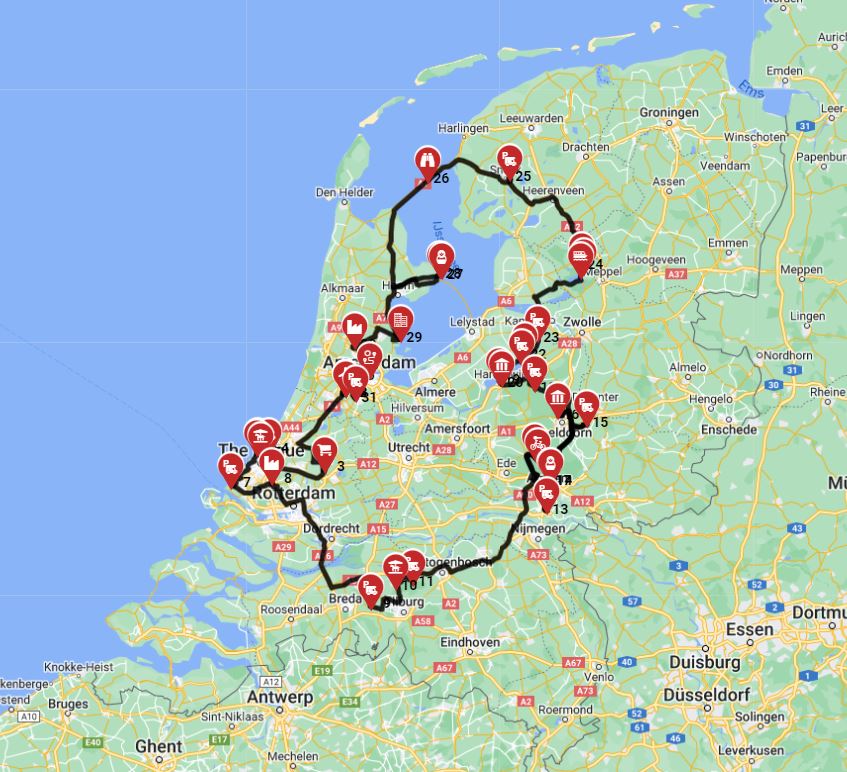
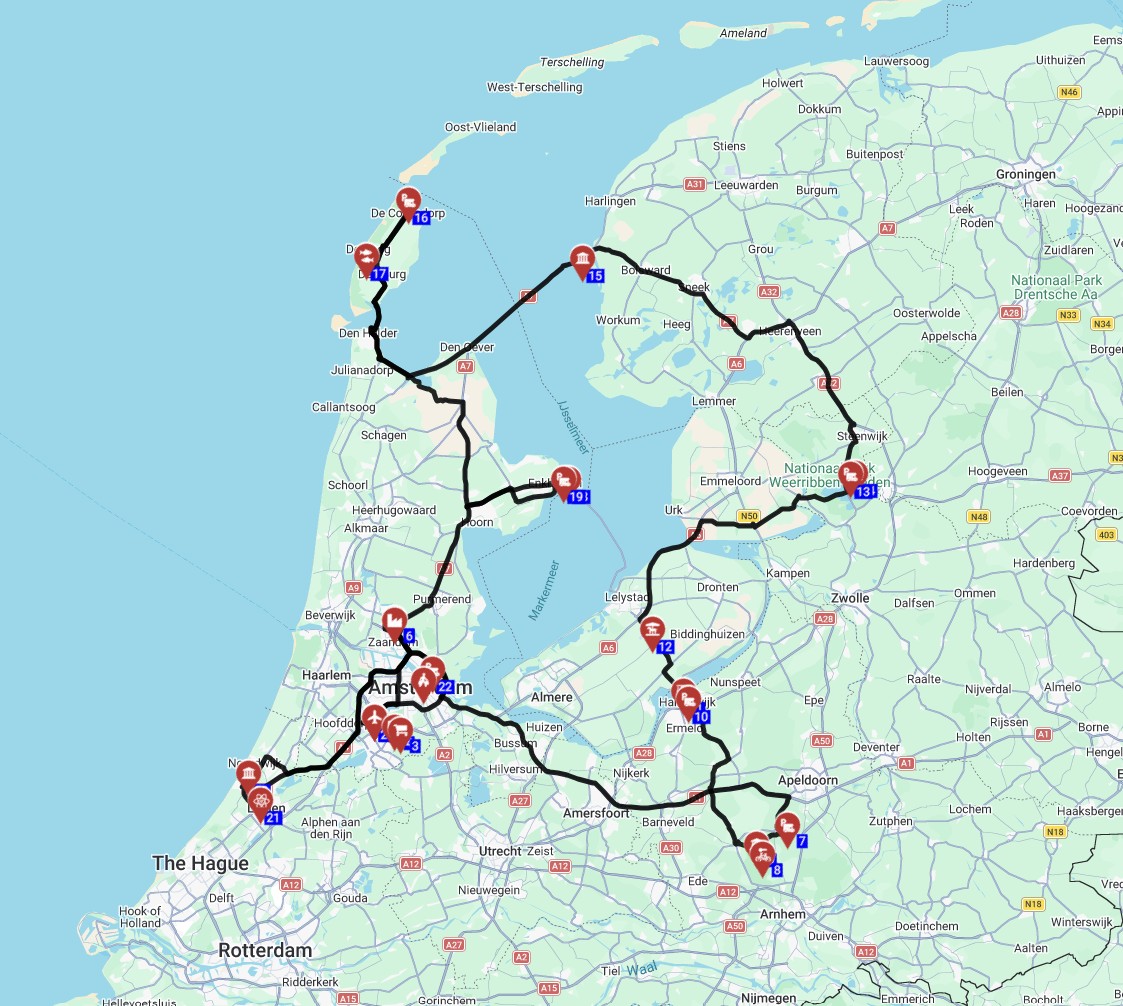
The best RV routes in the Netherlands for beginners often include themed tours like the 'Dutch Coastline RV Tour' for beaches and fishing villages, or the 'Historic Villages by Camper' route exploring iconic windmills and charming towns, offering detailed, multi-day itineraries beyond major cities. Popular routes such as the 'Tulip Route' in spring or tours through the Limburg hills offer unique, off-the-beaten-path experiences accessible by RV, moving beyond just the well-known tourist hubs. Consider routes that incorporate visits to local markets for food sourcing and opportunities to support sustainable businesses, enhancing the eco-friendly aspect of your Dutch RV adventure. For pre-planned routes by professionals, look into Rent&Plan via RV PLANET (rvplan.net), where you can also get a 25% planning discount. You might enjoy a longer adventure like the "Frankfurt Roundtrip - North West -Exploring Germany, Belgium, and the Netherlands" which spans 22 days and 2254.5 km, including visits to 4 family activities and 6 local industries. Another excellent option for beginners is the "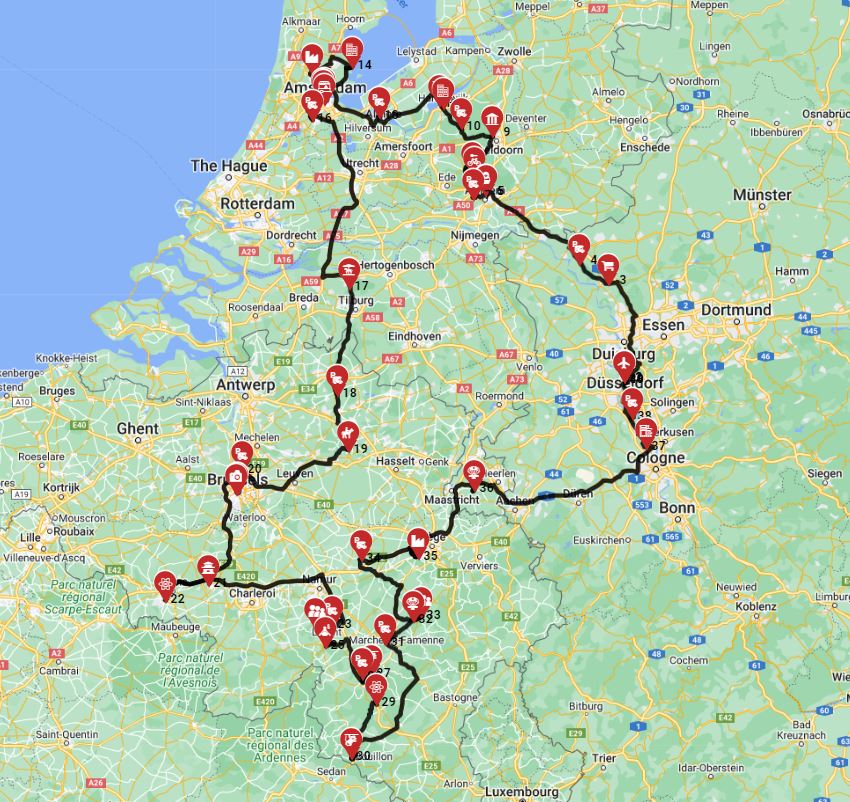
Dusseldorf Roundtrip - Netherlands and Belgian
What is the best time of year to RV in the Netherlands
The best time of year to RV in the Netherlands generally depends on desired activities, with spring (April-May) being popular for tulip season and mild weather, summer (June-August) ideal for beaches and outdoor events, and autumn (September-October) offering stunning foliage and fewer crowds. Each season presents unique pros and cons: spring provides vibrant flowers and average temperatures of 10-15°C, summer boasts longer days and warmer temperatures of 18-25°C, while autumn brings picturesque landscapes and often lower campsite prices with temperatures around 10-14°C. Winter (November-March) can also be appealing for visiting festive Christmas markets and experiencing a quieter side of the country, though beginners should be prepared for colder temperatures (0-5°C) and potentially more limited campsite availability. Planning your RV rental in Europe during the shoulder seasons (spring and autumn) can often result in better deals and fewer crowds.What You Shouldn't Miss
When embarking on your first RV rental adventure in the Netherlands, there's a world of experiences waiting beyond the usual tourist spots.- **Explore the Giethoorn Water Village:** Known as the "Venice of the North," this car-free village offers unique canal cruises and traditional Dutch charm. Park your rented motorhome at a nearby campsite and explore by boat or electric whisper boat.
- **Cycle through Hoge Veluwe National Park:** Rent an RV, then borrow one of the free white bikes available in the park to explore 5,400 hectares of diverse landscapes, from dense forests to sand dunes. It's an ideal way to embrace the RV-to-bike integration that is paramount in Dutch travel.
- **Discover the Delta Works:** This incredible feat of engineering showcases the Netherlands' innovative water management. Drive your campervan along the coast and witness this impressive structure, a testament to Dutch ingenuity.
- **Visit a Local Cheese Market:** Immerse yourself in Dutch culture by visiting an authentic cheese market in towns like Gouda or Alkmaar, typically held from April to September. Sample local delicacies and learn about traditional cheese-making.
- **Wander through Historic Haarlem:** Just west of Amsterdam, Haarlem offers a beautiful city center with rich history, stunning architecture, and less congestion than the capital. Park at a designated Camperplaats and explore on foot or by bicycle.
- **Experience the Wadden Islands (Texel):** Take your RV rental on a ferry to Texel, one of the tranquil Wadden Islands. Enjoy wide beaches, nature reserves, and seal spotting tours, offering a peaceful escape from the mainland.
Final Thoughts
Embarking on your first RV rental adventure in the Netherlands is an incredibly rewarding experience, offering freedom and flexibility to explore this charming country at your own pace. With a variety of motorhome classes available, from nimble campervans ideal for urban exploration to spacious Class A models for luxurious family trips, there's a perfect rented RV waiting for every type of beginner traveler. Remember that planning is part of the fun - embrace the dynamic pricing, research the plentiful Camperplaatsen, and prepare to immerse yourself in the unique Dutch culture. At Bandana Caravan, we are with you every step of the way, from comparing prices with full transparency to offering expert advice and support. Our goal is to handle the details so you can truly live the journey, creating unforgettable memories in the heart of Europe. So, whether you're dreaming of windmills, canals, or vibrant flower fields, a rented motorhome offers the mobile headquarters for your perfect Dutch escape. Get inspired for your next trip and discover top destinations, planning tips, all in one place!On the routes offered through RV PLANET routes, you can itemize and track every expense along the way for easy budgeting.