In This Guide
- The 4 Motorhome Families Compared for Greece
- Class A (Integrated) - Best For Luxurious RV Travel in Greece
- Price Comparison by RV Class in Greece
- Class SI (Semi-Integrated) - Best For Balanced RV Comfort in Greece
- Class C (Alcove) - Best For Family RV Adventures in Greece
- Class B (Campervan) - Best For Agile RV Exploration in Greece
- Side-by-Side Comparison Table for RV Classes in Greece
- Our Recommendation for RV Rental Beginners in Greece
- Essential First-Timer Checklist for RV Rental in Greece
- Detailed Practicalities of Driving a Rented RV in Greece
- Comprehensive Guide to RV-Specific Ferry Logistics for Island Hopping in Greece
- In-Depth Analysis of Wild Camping Legality and Alternatives in Greece
- Budget Breakdown Beyond RV Rental Costs in Greece
- Seasonal Considerations for RV Travel in Greece
- Cultural Etiquette and Interaction Tips for RVers in Greek Communities
- Specific Tips for Sourcing Local Produce and Cooking in a Rented RV in Greece
- Dealing with Emergencies in Remote Greek RV Travel Areas
- What You Shouldn't Miss
- Why Book with Bandana Caravan
- Final Thoughts
- Frequently Asked Questions
The 4 Motorhome Families Compared for Greece
Choosing the right motorhome family is crucial for a beginner's trip to Greece, as it impacts maneuverability on winding roads, parking availability in charming villages, overall comfort in varying climates, and suitability for different group sizes. Greece's diverse terrain, from bustling cities like Athens to narrow island roads and mountainous regions such as the Pindus, makes vehicle dimensions and handling critical considerations for your rental. Your choice of a rented RV will significantly influence fuel efficiency, your driving experience, and your overall travel style, whether you prioritize compact agility for spontaneous exploration or spacious comfort for a more relaxed adventure.
Class A (Integrated) - Best For Luxurious RV Travel in Greece
Class A integrated motorhomes are best suited for beginners in Greece prioritizing luxury, spacious living, and maximum comfort, often accommodating larger groups or those planning extended stays primarily in established campsites. Bandana's fleet typically features Class A motorhomes with an average length of 7.5 meters, sleeping around 4.4 people, and offering a substantial average load capacity of 209.5 kg. These impressive vehicles consume approximately 11-12 liters per 100 km, reflecting their larger size and the extensive amenities they offer. While providing ample space and a premium experience, their considerable size can make navigating Greece's often narrow village roads and busy city streets challenging, and parking may be limited outside dedicated RV parks. If you're looking for a truly opulent and comfortable base for your week-long trip, a Class A rented motorhome might be for you, but be prepared for a more deliberate driving pace.
Price Comparison by RV Class in Greece
Understanding RV rental costs is essential for beginners planning a trip to Greece, as prices can vary significantly based on vehicle class, rental duration, and booking season. Because pricing is dynamic, the table below provides real example prices from Bandana's live search for various trip lengths and RV classes. Rental prices are dynamic and subject to change daily based on availability and demand, influenced by factors like early booking, last-minute deals, and the specific supplier. For the most accurate and up-to-date pricing for your two-week adventure or longer extended road trip, always refer to the live search tool at the top of the page. You can find more detailed pricing breakdowns in guides like RV Rental in Greece - Prices and Best Deals 2026 and Cheap RV Rental in Greece - Budget Guide 2026.
| Family | Avg Length (m) | Sleeps (Avg) | Fuel Use (L/100 km) | Example Daily Rate (Low Season) | Example Daily Rate (High Season) |
|---|---|---|---|---|---|
| Class A (Integrated) | 7.5 | 4.4 | 11-12 | €130 - €250 | €250 - €450 |
| Class SI (Semi-Integrated) | 6.9 | 3.8 | 10-11 | €90 - €180 | €180 - €320 |
| Class C (Alcove) | 7.5 | 5.8 | 10-12 | €100 - €200 | €200 - €380 |
| Class B (Campervan) | 5.8 | ~3.2 | ~10 | €70 - €150 | €150 - €280 |
Class SI (Semi-Integrated) - Best For Balanced RV Comfort in Greece
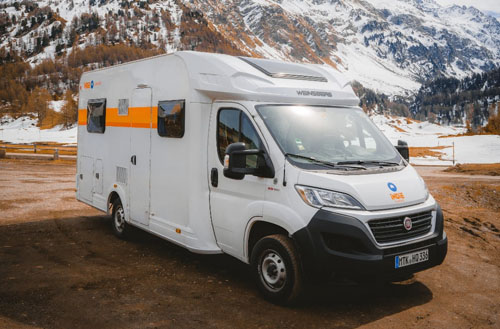
Class SI (Semi-Integrated) motorhomes are an excellent balanced choice for beginner RV travelers in Greece, offering a blend of comfort and reasonable maneuverability suitable for small families or couples seeking more space than a campervan without the bulk of a Class A. Bandana's global fleet typically shows these vehicles with an average length of 6.9 meters, accommodating about 3.8 sleepers, and having an average load capacity of 72.2 kg. Their common fuel consumption ranges from 10-11 liters per 100 km, offering a good balance between size and economy for your rented mobile home. Semi-integrated models are easier to handle on Greece's main roads and offer more amenities than campervans, making them ideal for exploring both coastal and inland areas while still finding suitable parking more readily than larger motorhomes. These are often chosen for a comfortable week-long trip.
Class C (Alcove) - Best For Family RV Adventures in Greece
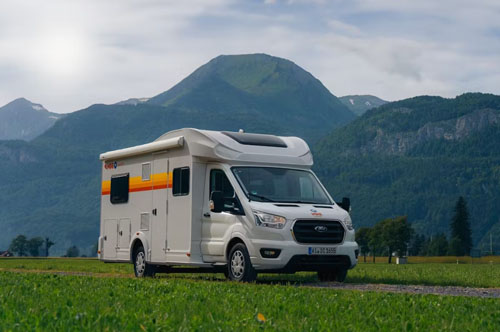
Class C (Alcove) motorhomes are particularly well-suited for beginner RV families traveling in Greece, thanks to their dedicated over-cab sleeping area that maximizes bed count without significantly increasing footprint compared to Class A. From Bandana's global fleet, Class C RVs typically average 7.5 meters in length, offering significant sleeping capacity for around 5.8 people, with an average load capacity of 42.4 kg. Fuel consumption for these family-friendly rented vehicles is usually 10-12 liters per 100 km, making them a cost-efficient option for larger groups. While their height with the alcove can be a consideration for low bridges or certain ferries, their spacious interiors and abundant sleeping options make them perfect for families exploring Greece's diverse landscapes and needing comfortable, affordable accommodation for an extended road trip.
Class B (Campervan) - Best For Agile RV Exploration in Greece
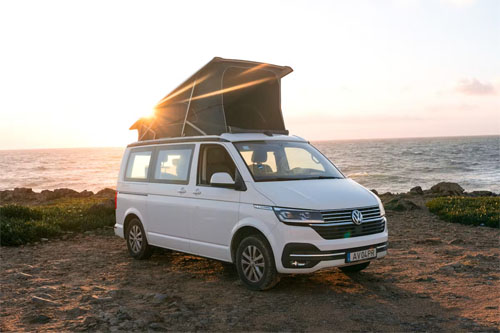
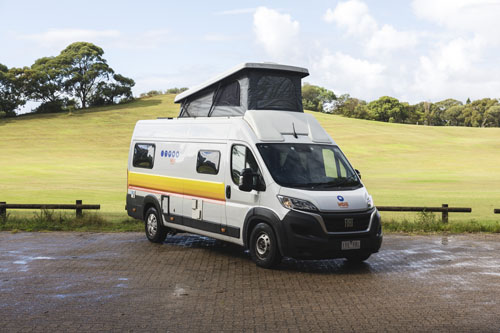
Class B campervans are arguably the most suitable RV choice for many beginner travelers in Greece, excelling in maneuverability, fuel economy, and ease of parking-qualities highly valuable on Greece's winding roads and in its charming, often compact villages. Bandana's fleet typically features Class B campervans with an average length of 5.8 meters, sleeping approximately 3.2 people, and consuming around 10 liters per 100 km. With an average load capacity of 37 kg, they are ideal for solo travelers, couples, or small groups who prioritize agile exploration over expansive living space. Their compact size allows access to many areas inaccessible to larger RVs, making spontaneous stops and discreet overnight parking more feasible, offering a more immersive and flexible Greek adventure. This is the top recommendation for a nimble camper rental in Greece.
Side-by-Side Comparison Table for RV Classes in Greece
This table provides a concise overview of the key specifications for each motorhome family, aiding beginners in making an informed decision for their Greek adventure. Comparing average length, sleeping capacity, fuel consumption, and ideal use cases directly highlights the strengths of each rented RV type in the context of Greek travel. This comparison can help you visualize which mobile home best fits your travel party's size and desired level of comfort and mobility.
| Family | Avg Length (m) | Sleeps (Avg) | Fuel Use (L/100 km) | Best Use Case in Greece |
|---|---|---|---|---|
| Class A (Integrated) | 7.5 | 4.4 | 11-12 | Luxury, spacious living for large groups, established campsites |
| Class SI (Semi-Integrated) | 6.9 | 3.8 | 10-11 | Balanced comfort and maneuverability for small families/couples |
| Class C (Alcove) | 7.5 | 5.8 | 10-12 | Family-friendly, maximum sleeping capacity, comfortable for groups |
| Class B (Campervan) | 5.8 | 3.2 | ~10 | Agility, fuel efficiency, easy parking for couples/solo, narrow roads |
Our Recommendation for RV Rental Beginners in Greece
For beginner RV travelers venturing into Greece, our primary recommendation is the Class B (Campervan) due to its unparalleled maneuverability, fuel efficiency, and ease of parking-which are critical advantages on Greece's often narrow, winding roads and in bustling towns. Campervans offer the flexibility to access more remote locations and integrate seamlessly into local environments, enhancing the overall travel experience for those new to RVing. These compact rented campers are perfect for solo travelers or couples looking for an agile week-long trip. As a strong runner-up, we suggest the Class SI (Semi-Integrated) motorhome for beginners who desire a bit more comfort and space than a campervan but still want a manageable vehicle. The semi-integrated design provides a good balance between living amenities and driving ease, making it suitable for small families or couples seeking a comfortable base while exploring Greece's diverse regions. Remember to travel slowly, averaging a maximum of 100-150 km per day, to truly soak in the stunning Greek scenery and culture.
Essential First-Timer Checklist for RV Rental in Greece
Before embarking on your first RV rental trip in Greece, a structured checklist ensures you cover all the essentials, from paperwork to packing. First, ensure your standard car driver's license is valid; an International Driving Permit (IDP) is recommended if your license is not from an English-speaking country, although it's not strictly mandatory. Minimum rental age is 21 years across all motorhome classes, with no young driver surcharges. For the booking process, use a comparison platform like Bandana RV to compare final prices from multiple suppliers, guaranteeing full transparency and no hidden fees at pickup. Remember that prices are dynamic, changing daily based on availability and seasonality.
Packing essentials for your rented RV should focus on versatility: bring layers for varied temperatures, sturdy shoes for exploring ancient sites, and basic toiletries. Most RV rentals include kitchenware, bedding, and towels, but always confirm with your supplier. Common mistakes first-time RV renters make often include underestimating driving times, failing to pre-book popular campsites in peak season, or neglecting to research local road rules and parking. To avoid stress, familiarize yourself with your chosen route, especially if utilizing RV PLANET routes for professional itinerary planning. Drive slowly and carefully, and you can drive almost anywhere without issues; no need to stress, just use common sense and pay attention to signs and local traffic flow.
Detailed Practicalities of Driving a Rented RV in Greece
Driving a rented RV in Greece requires beginners to be aware of specific road conditions, local etiquette, and navigation challenges to ensure a smooth and enjoyable journey. Major highways are generally well-maintained, but rural and island roads can be narrow, winding, and sometimes unpaved, requiring extra caution, particularly with larger Class C or Class A rented motorhomes. Navigation challenges in remote areas or cities often involve relying on up-to-date GPS systems or offline maps, as cell service can be spotty, and street signage may primarily be in Greek, with smaller towns having complex, compact layouts. Drive slowly and carefully, and you can drive almost anywhere without issues; no need to stress-just use common sense and pay attention to road signs, especially those indicating low bridges or narrow passages.
Understanding local driving etiquette includes expecting more assertive drivers in cities like Athens or Thessaloniki, being highly mindful of scooters and motorcycles, and observing common practices like flashing headlights to indicate a warning rather than yielding. For parking hacks, utilize designated RV parks and campsites, especially in popular tourist areas or near major attractions; in smaller towns, look for larger public parking lots often found near ports or town squares, always ensuring you're not obstructing traffic or private property. Parking a rented campervan (Class B) is significantly easier in these situations. Remember that tolls are common on Greek motorways, particularly on routes connecting major cities, and can be paid in cash or via an electronic transponder like E-Pass, which you might consider arranging if you plan extensive highway travel. On the routes offered through RV PLANET routes, you can itemize and track every expense along the way for easy budgeting.
Comprehensive Guide to RV-Specific Ferry Logistics for Island Hopping in Greece
Navigating RV-specific ferry logistics is crucial for beginners planning to island hop in Greece, as it involves understanding the booking process, precise vehicle dimensions, costs, and selecting suitable islands. The booking process for RVs on Greek ferries typically requires advance reservations, especially during peak season (July-August), as space for oversized vehicles is limited; online booking platforms for major operators like Blue Star Ferries or Minoan Lines allow you to specify the exact vehicle type and dimensions of your rented motorhome. Accurate vehicle dimensions are paramount: you will need your RV's precise length, height (including any roof attachments like AC units or solar panels), and width, as even small discrepancies can lead to issues, additional charges, or even refusal to board at the port.
Ferry costs for RVs are significantly higher than for standard cars, calculated primarily based on length, and can be a substantial part of your budget, so factor these into your overall trip planning. You can easily track these and other ancillary costs on RV PLANET routes. Suitable islands for RVs often include larger ones with more developed infrastructure and roads, such as Crete, Rhodes, Corfu, or Lefkada, which also boast more RV-friendly campsites. Smaller, more rugged islands may present greater logistical and driving challenges, making them less ideal for first-time RVers. Always call ahead to confirm ferry schedules and RV capacity, especially if you're traveling during shoulder seasons or with a larger rented mobile home. Consider looking into "One-Way RV Rental in Greece - Price Guide 2026" if you plan to start in one city and end in another, as this can affect ferry routes and availability.
In-Depth Analysis of Wild Camping Legality and Alternatives in Greece
Wild camping, or free camping, is officially prohibited in Greece, making it essential for RV beginners to understand the legality, practical alternatives, and responsible overnight parking etiquette. Although strictly illegal nationwide, discrete overnight parking in remote, non-touristy areas away from private property or protected zones is sometimes tolerated, especially during the off-season, but always carries a risk of fines. This means you should aim to be as inconspicuous as possible-no awnings out, no tables, and a minimal footprint if you choose to attempt this.
Practical alternatives to wild camping include utilizing Greece's numerous organized campsites, many of which offer excellent facilities like electricity, water hookups, and often direct beach access, providing a legal and comfortable option for overnight stays. These campgrounds are widely available on the mainland and larger islands. Another alternative is seeking out 'agri-camping' spots, which are often private lands or farms that welcome RVers for a small fee, sometimes in exchange for purchasing local produce. Before setting out, research designated campgrounds for your intended route. Many national and state parks reserve only 25-30% of their spots, with the rest being first-come-first-serve; you'll find a spot, and if not at the first campground, then the next one. Always call ahead before driving long distances to confirm availability. Responsible overnight parking etiquette, even in tolerated spots, dictates that you leave absolutely no trace, keep noise to a minimum, avoid lighting fires, and always ask permission from landowners if you are parking on private property. This ensures continued goodwill for all RV rental travelers.
Budget Breakdown Beyond RV Rental Costs in Greece
A comprehensive budget breakdown for RV travel in Greece for beginners extends beyond just rental costs, encompassing fuel, tolls, camping fees, food, and activity expenses. Fuel costs are a significant variable; diesel (Petrel) and gasoline (Venzini) prices in Greece are comparable to Western Europe, and with rented RVs typically consuming 10-17 liters per 100 km depending on size, this can add up quickly, especially for longer trips. Tolls are common on Greek motorways, particularly on routes connecting major cities, and can be paid in cash or via an electronic transponder, so factor these into your route plans.
Camping fees vary widely based on location, amenities, and season, ranging from €15-€40 per night for an RV pitch with electricity, with some premium spots costing more. For food, budgeting involves a choice between more expensive restaurant dining, especially in tourist hubs, or more cost-effective options like sourcing fresh produce from local markets (laiki agora) and cooking delicious meals in your rented motorhome, which also offers a rich cultural experience. Activity costs should also be factored in, including entrance fees for archaeological sites (e.g., Acropolis, Delphi), museum tickets, boat tours, or watersports, which can quickly add to your daily expenses. For finding campsites and campgrounds during your trip, we recommend using RV PLANET (rvplan.net) - a great resource for locating available spots along your route, where you can also itemize and track every expense along the way for easy budgeting on your RV PLANET routes. Check out "Weekly RV Rental in Greece - Pricing 2026" for more detailed cost estimations.
Seasonal Considerations for RV Travel in Greece
Seasonal considerations significantly impact RV travel in Greece for beginners, dictating the best times to avoid crowds, prepare for weather challenges, and leverage off-season benefits. The best times to avoid crowds and enjoy pleasant weather are typically the shoulder seasons: late April to early June and September to October, offering warm temperatures averaging 20-25°C, fewer tourists, and generally lower prices for campsites and ferries. This period is ideal for exploring historical sites and enjoying coastal drives without the intense summer heat. Summer (July-August) brings peak crowds, scorching temperatures often exceeding 30°C, and higher costs, making it less ideal for beginners due to potential difficulty in finding available spots and less comfortable driving conditions.
Weather challenges in Greece can include intense summer heat, which necessitates rented RVs with good air conditioning, and occasional strong winds (Meltemi) in the Aegean during summer that can affect driving or ferry schedules, especially for larger Class A or C motorhomes. Off-season benefits (November-March) include significantly fewer tourists, often dramatically reduced prices for a camper rental in Greece, and a more authentic local experience, though many campsites, restaurants, and attractions may be closed, and temperatures can be cool with more rain. It's also worth noting that many national parks reserve only 25-30% of spots; the rest are first-come-first-serve, meaning you'll likely find a spot even in shoulder season. If not at the first campground, then the next one; just call ahead before driving.
Cultural Etiquette and Interaction Tips for RVers in Greek Communities
Adhering to cultural etiquette and practicing respectful interaction tips is vital for RVers traveling through local Greek villages and communities to foster positive experiences and demonstrate appreciation for local customs. When entering a village, it's polite to greet locals with a friendly 'Kalimera' (good morning) or 'Kalispera' (good evening), and a sincere 'Efharisto' (thank you) goes a long way. Greeks are generally very hospitable, and a smile and a few basic Greek phrases can open doors to wonderful interactions.
Dress modestly when visiting religious sites or traditional villages, covering shoulders and knees, especially for women, to show respect. Be mindful of noise levels, particularly in residential areas, and avoid any actions that could disturb the peace, especially during siesta hours (typically 2 PM - 5 PM), when many businesses might close. Support local businesses by purchasing goods from small shops, bakeries, and tavernas; this not only contributes to the community but also offers an authentic taste of Greek life and potential opportunities for friendly interaction. Always ask permission if you plan to park your rented campervan or motorhome on private property, even for a short time. Remembering these simple courtesies will greatly enhance your RV rental experience in Greece.
Specific Tips for Sourcing Local Produce and Cooking in a Rented RV in Greece
Sourcing local produce and cooking in a rented RV in Greece offers a delicious way to experience the country's culinary heritage, and beginners can benefit from specific tips to make the most of unique Greek ingredients. The best places to find fresh, local produce are the 'laiki agora' (open-air farmer's markets), held weekly in most towns and cities, where you can buy seasonal fruits, vegetables, olives, cheeses, and herbs directly from producers at excellent prices. Look for vibrant tomatoes, cucumbers, peppers, wild greens (horta), and freshly caught seafood in coastal areas.
Look for unique Greek ingredients such as Kalamata olives, authentic Greek feta cheese (ensure it's made from sheep or goat's milk), high-quality virgin olive oil, wild oregano, thyme, and various local honeys. Cooking in your RV can involve simple, fresh meals like classic Greek salads, or more adventurous dishes using fresh seafood or local meats grilled outside if your campsite permits. Don't forget to stock up on Greek yogurt, fresh bread (psomi), and locally produced wine or ouzo for an authentic taste experience. Consider carrying a small Greek cookbook for inspiration, or check out our RV-friendly recipes playlist for simple meal ideas on the go. Your rented motorhome's kitchen is your mobile gourmet station!
Dealing with Emergencies in Remote Greek RV Travel Areas
Dealing with emergencies such as mechanical breakdowns or medical issues when traveling by RV in remote Greek areas requires preparedness and knowledge of local resources. For mechanical breakdowns, your rental agreement should include roadside assistance; ensure you have the emergency contact number readily available and a basic understanding of your RV's common issues. Bandana Caravan works with top-level suppliers including El Monte, Cruise America, Apollo, and Britz, who typically offer 24/7 roadside assistance, but confirming this before your trip is essential. If you encounter a breakdown in a remote area, use your phone to call for assistance (if signal permits) or try to flag down a passing vehicle, as locals are often incredibly helpful.
For medical emergencies, dial 112, the pan-European emergency number, for an ambulance; familiarize yourself with the nearest medical centers or pharmacies (farmakeio) along your planned route, perhaps noting them on your RV PLANET itinerary. Carry a well-stocked first-aid kit, travel insurance that covers medical emergencies and vehicle recovery, and have copies of important documents (passport, driver's license, insurance, rental agreement) in a waterproof bag, both physical and digital. It's also wise to have a basic toolkit for minor issues and a portable power bank for your phone. Traveling with peace of mind is paramount, and you can upgrade to a top-level deductible for extra coverage on your rented RV.
What You Shouldn't Miss
- Meteora Monasteries: Drive your rented motorhome to the awe-inspiring cliff-top monasteries of Meteora, a UNESCO World Heritage site, and marvel at these architectural wonders perched impossibly high.
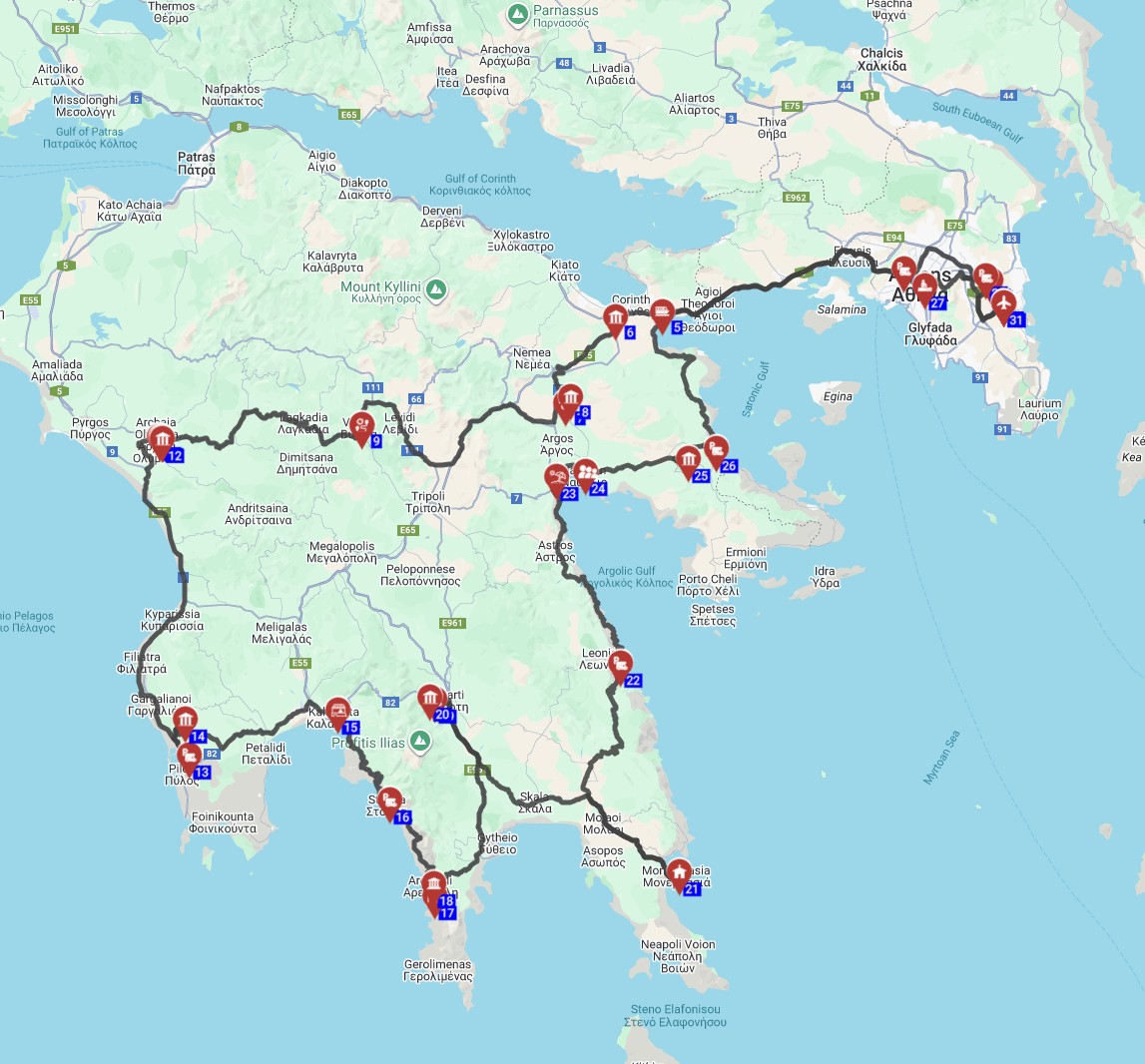
- Peloponnese Coastal Drive: Take a leisurely two-week adventure along the Peloponnese coastline, discovering ancient Olympia, the Venetian charm of Nafplio, and the stunning beaches of Mani. Remember to travel slowly, enjoying every moment.
- Crete Island Exploration: Board an RV-friendly ferry and explore Crete, Greece's largest island. With its diverse landscapes from the Samaria Gorge to vibrant cities like Chania, it offers endless possibilities for your rented campervan.
- Delphi Archaeological Site: Visit the ancient sanctuary of Delphi, nestled on the slopes of Mount Parnassus. The views from the site are as breathtaking as the history it holds, perfect for a day trip from your motorhome base.
- Thessaloniki's Vibrant Culture: Immerse yourself in the bustling northern city of Thessaloniki, known for its Roman, Byzantine, and Ottoman history, delicious food, and lively atmosphere.
Looking for expert insights from Avi Bandana? Top 5 Adventures - recommendations from Avi Bandana
Final Thoughts
Embarking on an RV rental journey through Greece as a beginner is an exciting prospect filled with endless possibilities. With the right preparation-choosing the appropriate motorhome or campervan, understanding local driving nuances, and planning your route with flexibility-you're set for an unforgettable adventure. Greece's enchanting landscapes, rich history, and warm hospitality are best experienced at a slow, immersive pace from the comfort of your own rented mobile home.
Remember that Bandana Caravan is here to support you every step of the way, from comparing the easiest, safest, and most affordable RV rental options to providing professional route plans through RV PLANET. Get inspired for your next trip! The open road and ancient wonders of Greece await your discovery. Your dream of exploring Europe by rented motorhome or campervan is closer than you think, offering freedom you simply can't get any other way.
🎬 Video coming soon
Ready to experience the magic of Greece with a rented RV? Compare Campervan Prices for Greece now and start planning your perfect itinerary!