In This Guide
- The 5 RV Families Compared for Estonia
- Class A (Integrated) — Best For
- Price Comparison by RV Class in Estonia
- Class SI (Semi-Integrated) — Best For
- Class C (Alcove) — Best For
- Class B (Campervan) — Best For
- Class TC (Truck Camper) — Best For
- Side-by-Side Comparison Table
- Our Recommendation for RV Rental Beginners Travelers in Estonia
- When is the best time to rent an RV in Estonia, considering seasons and events?
- What are the detailed costs of an RV trip in Estonia?
- What are the best RV itineraries for beginners in Estonia?
- How can I get internet and stay connected in an RV in Estonia?
- What are the safety considerations for RV travel in Estonia?
- What are the local etiquette and cultural tips for RVers in Estonia?
- How do I manage city logistics with an RV in Estonia, especially in Tallinn?
- Where can RVers find waste disposal and recycling facilities in Estonia?
- What are the border crossing procedures for RVs in Estonia and neighboring countries?
- Can I travel with pets in an RV in Estonia, and what are the tips?
The 5 RV Families Compared for Estonia
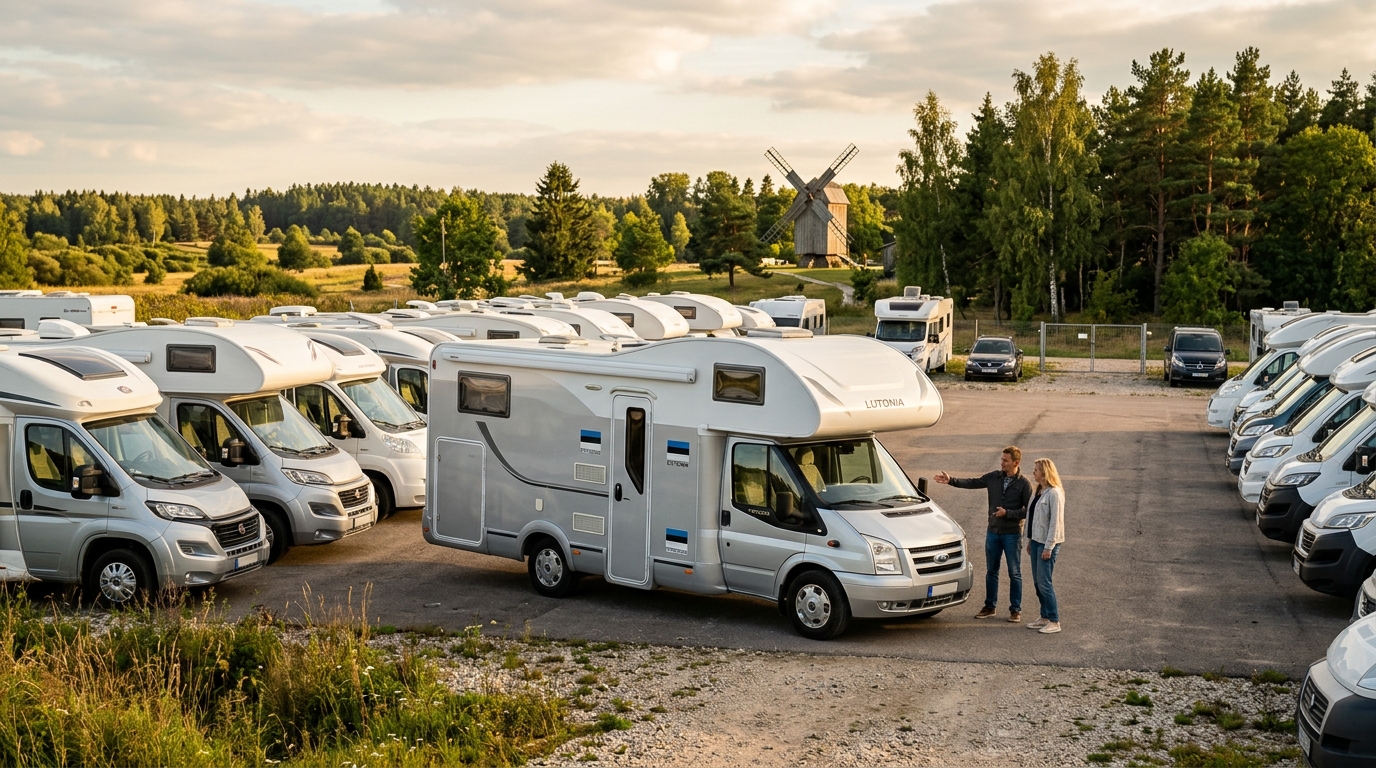
Choosing the right RV family is critical for beginner travelers in Estonia, as it directly impacts comfort, maneuverability on diverse terrain, and overall trip enjoyment. Estonia's landscape, ranging from open highways to narrower forest roads and city streets, necessitates considering factors like RV length and handling. Group size, desired amenities, and planned trip duration are primary considerations when selecting an RV class for a first-time adventure in the Baltics.
Class A (Integrated) — Best For
Bandana's global fleet of Class A (Integrated) motorhomes, averaging 7.5 meters in length and sleeping 4.4 people, are best suited for beginners who prioritize spacious luxury and comfort for larger groups or families on an Estonian adventure. These vehicles, typically consuming 11-12 Liters/100 Km, offer extensive living space and comprehensive amenities, making them ideal for longer trips where the RV serves as a primary hub. While providing a "home-away-from-home" experience, their size can be a trade-off for maneuverability on Estonia's narrower rural roads and in busy city centers like Tallinn, where parking might be challenging.
Price Comparison by RV Class in Estonia
RV rental prices in Estonia fluctuate significantly based on the class of vehicle, rental duration, season, and current availability. Because pricing is flex-rate, the table below pulls real example prices from Bandana's live search, offering a snapshot of potential costs. Please note that these prices are estimates and update daily based on demand and availability; use the search box at the top of the page for the most current live numbers.
| Family | Avg Length (m) | Sleeps (Avg) | Fuel Use (L/100km) | Best Use Case in Estonia |
|---|---|---|---|---|
| Class A (Integrated) | 7.5 | 4.4 | 11-12 | Luxury, larger groups, long trips, comfortable base camp. |
| Class SI (Semi-Integrated) | 6.9 | 3.8 | 10-11 | Balanced comfort, small families/couples, versatile travel. |
| Class C (Alcove) | 7.5 | 5.8 | 10-12 | Families with children, extra sleeping space, robust for varied roads. |
| Class B (Campervan) | 5.8 | 3.2 | 8-10 | Maneuverability, couples/solo, city breaks, fuel efficiency. |
| Class TC (Truck Camper) | 5.5 | 2.4 | 12-17 | Off-grid adventures, remote areas, flexibility, detachable. |
Class SI (Semi-Integrated) — Best For
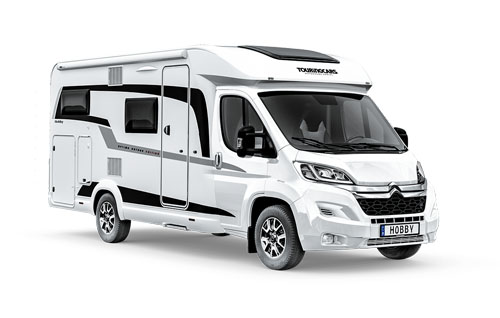
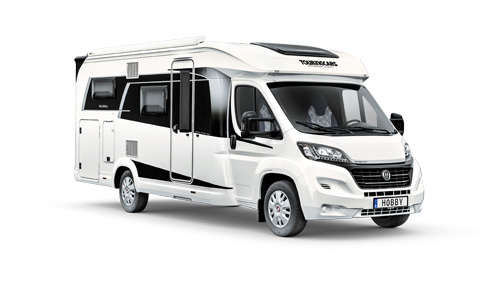
Bandana's global fleet Class SI (Semi-Integrated) motorhomes, averaging 6.9 meters in length and sleeping 3.8 people, are an excellent balanced choice for beginners in Estonia, offering a blend of comfort and easier handling. These RVs typically consume 10-11 Liters/100 km, providing better fuel economy than Class A while still featuring essential amenities and a comfortable living space. Class SI models often outperform larger Class A in maneuverability on Estonian secondary roads and offer more integrated amenities than a Class B, making them a versatile option for couples or small families.
Class C (Alcove) — Best For
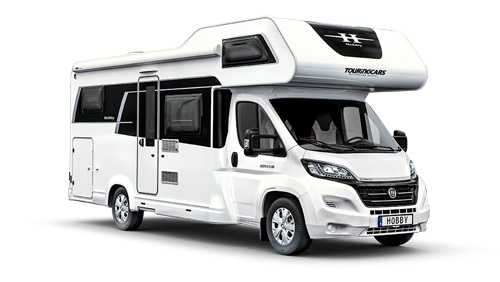
Bandana's global fleet Class C (Alcove) motorhomes, typically 7.5 meters long and sleeping 5.8 people, are ideal for families and larger groups, especially beginners, due to their distinct over-cab sleeping area. With a common fuel consumption range of 10-12 Liters/100 km, these RVs offer a cost-efficient solution for accommodating more passengers without compromising on essential facilities. Their robust construction and design are well-suited for navigating Estonia's diverse road conditions, providing a comfortable and secure journey for families prioritizing ample sleeping space and a separate dining area.
Class B (Campervan) — Best For
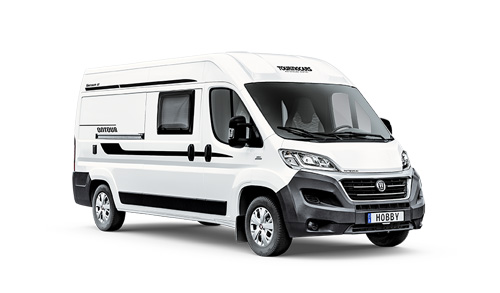
Bandana's global fleet Class B (Campervans), averaging 5.8 meters in length and sleeping 3.2 people, are perfect for beginners in Estonia seeking maximum maneuverability, fuel economy, and a more agile travel experience for small groups. These compact vehicles typically consume 8-10 Liters/100 km, making them highly economical for extensive touring and easily navigable on narrower roads or in city environments. Campervans are particularly favored by solo travelers, couples, or small groups planning to explore Estonia's national parks, remote coastal areas, and urban centers where larger RVs might face parking challenges, offering spontaneity and ease of driving.
Class TC (Truck Camper) — Best For
Bandana's global fleet Truck Campers, averaging 5.5 meters in length and sleeping 2.4 people, are the ideal choice for beginner RVers in Estonia looking for an off-grid, flexible, and adventurous travel experience. These unique RVs, with a common fuel consumption of 12-17 Liters/100 km, offer the advantage of being detachable from the truck, allowing the vehicle to be used independently for exploring remote areas or running errands. Truck campers are best suited for adventurous couples or small groups aiming to explore Estonia's diverse terrain, including unpaved forest roads and more rugged campsites, valuing the flexibility and robust nature of the setup.
Side-by-Side Comparison Table
This comparison table offers a clear overview of the key specifications and ideal use cases for each RV family available for rent in Estonia, helping beginners make an informed decision.
| Family | Avg Length (m) | Sleeps (Avg) | Fuel Use (L/100km) | Best Use Case in Estonia |
|---|---|---|---|---|
| Class A (Integrated) | 7.5 | 4.4 | 11-12 | Luxury, larger groups, long trips, comfortable base camp. |
| Class SI (Semi-Integrated) | 6.9 | 3.8 | 10-11 | Balanced comfort, small families/couples, versatile travel. |
| Class C (Alcove) | 7.5 | 5.8 | 10-12 | Families with children, extra sleeping space, robust for varied roads. |
| Class B (Campervan) | 5.8 | 3.2 | 8-10 | Maneuverability, couples/solo, city breaks, fuel efficiency. |
| Class TC (Truck Camper) | 5.5 | 2.4 | 12-17 | Off-grid adventures, remote areas, flexibility, detachable. |
The averages presented are based on Bandana's global fleet data and provide a general guideline for choosing the best RV for your Estonian adventure.
Our Recommendation for RV Rental Beginners Travelers in Estonia
For most beginner RV travelers in Estonia, the Class SI (Semi-Integrated) motorhome is highly recommended, offering an optimal balance of driving ease, comfortable living space, and amenities suitable for couples or small families. The semi-integrated design allows for good maneuverability on Estonia's diverse roads while still providing ample space for relaxation and essential facilities, making it less intimidating for first-timers. A strong runner-up is the Class B (Campervan), particularly for solo adventurers or couples who prioritize extreme agility, fuel efficiency, and seamless navigation through both urban areas and remote natural sites.
When is the best time to rent an RV in Estonia, considering seasons and events?
The best time to rent an RV in Estonia largely depends on individual preferences, with the summer months (June–August) offering the warmest weather and most daylight for outdoor activities and festivals, while spring and autumn provide unique scenic beauty and fewer crowds. Summer is the peak season, ideal for swimming, hiking, and attending numerous cultural events, though RV rental prices and campsite availability will be at their highest. Spring (April–May) showcases Estonia's nature blooming and migrating birds, perfect for peaceful exploration and lower prices before the summer rush. Autumn (September–October) offers breathtaking fall foliage, cooler temperatures suitable for hiking, and a tranquil atmosphere as tourist numbers decrease. Winter (November–March) RV travel is possible but presents challenges like freezing temperatures, requiring specialized winterized RVs and experience, though it offers opportunities for unique snowy landscapes and winter sports.
🎬 Video coming soon
What are the detailed costs of an RV trip in Estonia?
The detailed costs of an RV trip in Estonia extend beyond the rental fee, encompassing significant expenses like fuel, potential road tolls, camping fees, food budgeting, and attraction admissions, which vary considerably by trip length and style. Fuel will be a primary expense; Bandana's global fleet RVs typically consume between 8-17 Liters/100 km, so budget for current fuel prices and the distances you plan to cover. Camping fees at official sites generally range from €15–€40 per night, with additional costs for electricity or premium spots, while wild camping on public lands (like RMK sites) is often free but lacks amenities. Budgeting around €30–€50 per person per day for food allows for a mix of cooking in your RV and enjoying local Estonian cuisine, with additional costs for museum entries, national park fees, or other activities. For finding campsites and campgrounds during your trip, check out RV PLANET routes, a great tool for locating available spots along your route. For ideas you can prep on the road, watch our RV-friendly recipes playlist on YouTube. On the routes offered through RV PLANET routes, you can itemize and track every expense along the way for easy budgeting.
What are the best RV itineraries for beginners in Estonia?
For RV beginners in Estonia, the best itineraries focus on manageable distances and well-supported routes, such as a "Coastal and Capital Explorer" or a "Southern Estonia Nature Loop," rather than complex, remote expeditions. A popular beginner-friendly route often starts in Tallinn, heads east to Lahemaa National Park for coastal towns and forests, then south to the university city of Tartu, before looping back, offering a mix of culture and nature. The "Island Hopping RV Adventure" to Saaremaa and Muhu islands is excellent for a unique experience, requiring ferry reservations but providing tranquil beaches, historic sites, and generally less traffic. For nature lovers, a "Forest & Bog Explorer Route" could focus on areas like Soomaa or Matsalu National Parks, known for their unique wetlands and wildlife, ensuring campsites with services are along the planned path.
How can I get internet and stay connected in an RV in Estonia?
RVers can easily get internet and stay connected in Estonia due to the country's advanced digital infrastructure, primarily through purchasing a local SIM card, using a portable mobile hotspot, or accessing Wi-Fi at campsites. The most reliable and cost-effective method is to buy a prepaid local SIM card from providers like Telia, Elisa, or Tele2 upon arrival, which offers excellent 4G/5G coverage across most of Estonia, even in many remote areas. A mobile hotspot device, either purchased or rented, can be paired with a local SIM to provide Wi-Fi for multiple devices, ideal for digital nomads or families. Many established RV campsites and even some state-managed (RMK) wild camping spots offer free or paid Wi-Fi, though speeds and reliability can vary depending on the location and number of users.
What are the safety considerations for RV travel in Estonia?
Safety considerations for RV travel in Estonia include navigating various road conditions, being aware of wildlife, implementing theft prevention measures, and knowing how to access emergency services. Estonian main roads are generally in good condition, but be cautious on narrower, unpaved rural and forest roads, especially with larger RVs; adjust your speed accordingly. Wildlife, particularly deer, elk, and wild boars, can frequently cross roads, especially at dawn, dusk, or during the night; maintain vigilance and be prepared to brake suddenly. While Estonia is safe, practice basic theft prevention by always locking your RV, securing valuables out of sight, and parking in well-lit areas or official campsites. In case of emergency, dial 112 for police, ambulance, or fire services, and ensure you can clearly communicate your location for prompt assistance.
What are the local etiquette and cultural tips for RVers in Estonia?
Understanding local etiquette and cultural nuances is important for RVers in Estonia, particularly concerning interactions in rural areas and upholding strong environmental responsibility. Estonians are generally polite and reserved; a simple "Tere" (hello) and "Aitäh" (thank you) are appreciated, especially in smaller communities or when interacting with locals. Respect private property boundaries; while wild camping is permitted on public land, always ensure you are not on private property without explicit permission. Environmental responsibility is highly valued; always adhere to "leave no trace" principles, dispose of all waste properly, and stick to marked trails in national parks and nature reserves. Be mindful of noise levels, especially at campsites and in peaceful natural settings, to ensure a respectful and harmonious experience for both locals and fellow travelers.
How do I manage city logistics with an RV in Estonia, especially in Tallinn?
Managing city logistics with an RV in Estonia, particularly in the capital Tallinn, requires planning due to limited large-vehicle parking within city centers and the convenience of using alternative transport for sightseeing. For Tallinn, it is highly recommended to park your RV at a dedicated campsite or designated RV parking area on the outskirts (e.g., in Pirita or closer to the airport) and utilize Tallinn's efficient public transport system (buses, trams, trolleys) or ride-sharing apps to explore the city. In smaller Estonian towns, finding central parking for an RV might be easier, but always look for designated parking bays or larger supermarket car parks which often accommodate bigger vehicles. When planning day trips from a campsite, consider using bicycles (many RVs have racks) or local buses to avoid driving and parking an RV in congested urban areas, enhancing your sightseeing experience.
Where can RVers find waste disposal and recycling facilities in Estonia?
RVers in Estonia can primarily find waste disposal and recycling facilities at official campsites, designated public service points, and some larger petrol stations, which are essential for responsible grey and black water management and general waste. Most commercial and state-run (RMK) campsites offer dedicated facilities for emptying grey and black water tanks, as well as bins for general waste and sorted recycling. Look for "dump stations" or "RV service points" ("pürgimajad" or "hallvee tühjenduskoht" in Estonian) which are increasingly available at larger petrol stations along main routes. Estonia has a comprehensive recycling system, so be prepared to separate waste into categories like paper, plastic, glass, and mixed waste, as designated bins are common at collection points and campsites.
What are the border crossing procedures for RVs in Estonia and neighboring countries?
Border crossing procedures for RVs between Estonia and its neighboring EU/Schengen countries like Latvia, Lithuania, or Finland are generally straightforward for EU citizens, but require carrying valid documentation for both travelers and the vehicle. As part of the Schengen Area, there are typically no routine border checks when traveling by RV between Estonia, Latvia, and Lithuania; however, always have your passport or national ID card and vehicle registration documents readily accessible. When traveling by ferry from Finland (e.g., Helsinki to Tallinn), pre-booking is essential for RVs, and you will need to present your vehicle registration, insurance documents, and passenger identification at the ferry terminal. For non-EU citizens, ensure all visa requirements are met for each country you plan to visit, and verify that your RV insurance (often indicated by a Green Card) is valid for international travel in all destinations.
Can I travel with pets in an RV in Estonia, and what are the tips?
Yes, traveling with pets in an RV in Estonia is generally pet-friendly, provided you adhere to specific pet import regulations, plan for vet services, and identify pet-friendly attractions and campsites. Pets entering Estonia from other EU countries must have a valid EU Pet Passport, be microchipped, and be up-to-date on rabies vaccinations; stricter rules apply for pets from non-EU countries. Many campsites across Estonia welcome pets, though they usually require dogs to be on a leash and sometimes charge a small additional fee; always confirm pet policies when booking. While many outdoor areas and national parks are pet-friendly, it's advisable to research specific attractions and restaurants beforehand, as some may have restrictions on pets. Ensure your pet has a comfortable and secure travel space in the RV, has access to water, and is accustomed to travel; keep a list of veterinary clinics along your route for any unforeseen needs.
What You Shouldn't Miss
- Explore Lahemaa National Park: Discover Estonia's largest national park, offering diverse landscapes of forests, bogs, coastlines, and historic manors. It's ideal for day trips from Tallinn with your rented RV, with many scenic spots and marked trails.
- Visit Tartu: Experience Estonia's intellectual and cultural heart, known for its charming old town, vibrant student life, and unique museums like the Estonian National Museum. It's a great city to navigate with a smaller RV or campervan.
- Island Hop to Saaremaa and Muhu: Take your RV on a ferry to explore Estonia's largest islands, offering tranquil beaches, unique windmills, the Kaali meteorite crater, and medieval castles. Ferry bookings are recommended, especially in peak season.
- Drive the Baltic Coastal Route: Enjoy scenic drives along the northern coast, connecting charming fishing villages and offering stunning sea views. Many small, free RMK campsites are available along this route.
- Experience Soomaa National Park's Bogs: Rent an RV and explore Estonia's unique bog landscapes via extensive boardwalk trails, often with dedicated parking facilities for vehicles, offering a truly immersive nature experience.
Final Thoughts
Renting an RV for your Estonian adventure opens up a world of freedom and exploration. By choosing the right vehicle and planning your route thoughtfully, you can experience the stunning natural beauty and rich culture of Estonia at your own pace. Remember to pack essentials, stay informed about local conditions, and embrace the journey!
With Bandana Caravan, securing your perfect rental RV is straightforward. We offer a transparent comparison of prices and models, ensuring you get the best value for your trip. Don't hesitate to reach out if you have any questions as you plan your Estonian road trip. Get inspired for your next trip and discover top destinations, planning tips, all in one place!
Ready to hit the road? Compare RV rental prices in Estonia and find the perfect vehicle for your unforgettable Estonian adventure. Plan your trip itinerary in advance with minimal effort and maximum enjoyment!