In This Guide
- Best West Canada RV Itinerary for RV rental beginners — Overview
- 7-Day Classic Route in West Canada
- 14-Day Extended Journey in West Canada
- Recommended RVPlan Trip for West Canada
- Daily Driving Distances & Drive Times in West Canada
- Best RV Class for This Itinerary — Couple & Family Picks
- What is the best month to RV in Canada?
- How much does it cost to RV around Canada?
- What do I need to know before RVing in Canada?
- What is the best RV route in Canada?
- Can you just park an RV anywhere in Canada?
- Is it hard to drive an RV in the Canadian Rockies?
Best West Canada RV Itinerary for RV rental beginners — Overview
Embarking on your first RV rental adventure in West Canada is an exciting prospect, and a well-planned itinerary is key to a smooth and enjoyable experience. For beginners, focusing on accessible routes covering roughly 1,000 to 2,000 kilometers is ideal, allowing ample time to get accustomed to driving and managing a rented RV. A recommended duration for such a trip is between 7 to 14 days, providing a good balance between exploration and relaxation. The prime season for RVing in West Canada is from late spring to early fall, specifically May through October, when the weather is generally pleasant and most attractions are open. These itineraries typically combine breathtaking mountain scenery, pristine lakes, and vibrant cities, offering a diverse taste of the Canadian West. For live availability and current prices, start with our RV Rental West Canada - Complete Guide 2026 guide.
7-Day Classic Route in West Canada
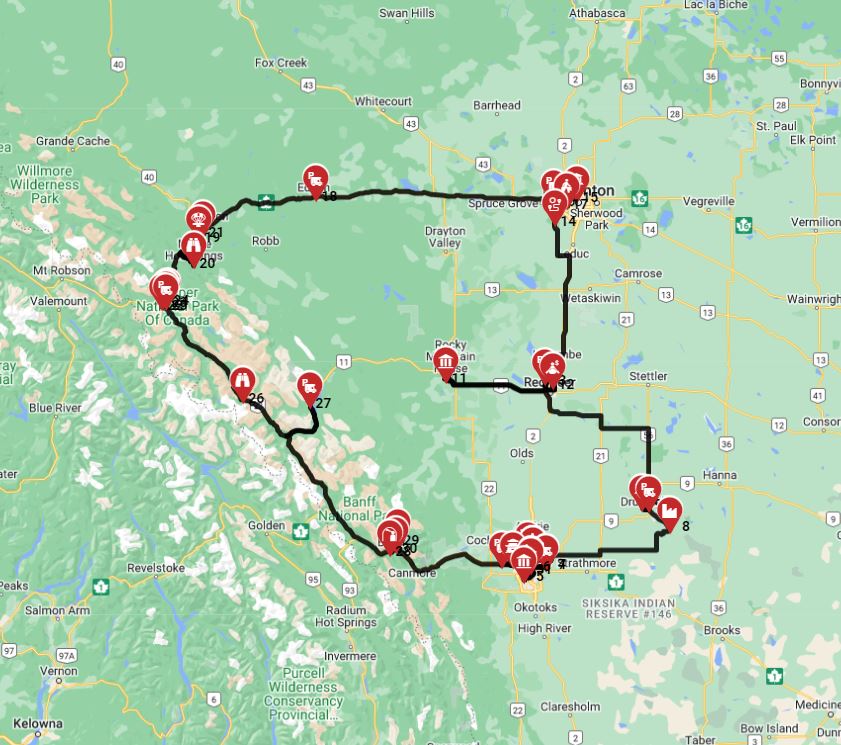
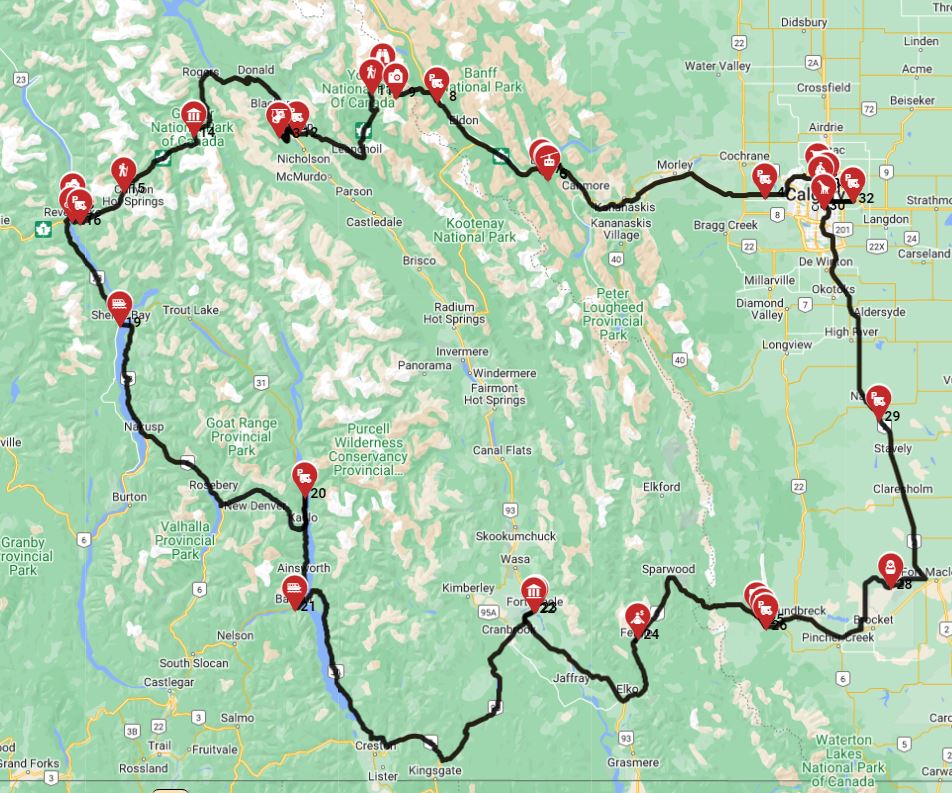
A fantastic 7-day itinerary for first-time RV renters in West Canada often centers around the iconic Canadian Rockies, offering a taste of the country's most stunning natural landscapes. This route is perfectly suited for a Class C motorhome, providing comfortable living space and manageable driving dimensions. The journey begins in Calgary, a convenient starting point with major RV rental depots. From Calgary, you'll drive approximately 125 km west to Banff, the gateway to Banff National Park. Allocate a full day to explore Banff National Park, perhaps driving the scenic Bow Valley Parkway (about 50 km) and taking in sights like Lake Louise. Next, prepare for one of the world's most spectacular drives: the Icefields Parkway from Banff to Jasper, a 285 km stretch offering glaciers, waterfalls, and abundant wildlife viewing opportunities. Spend another day exploring Jasper National Park (around 50 km of driving within the park). The return journey could take you south from Jasper towards Golden (approximately 280 km), passing through Mount Revelstoke National Park if time permits. Then, head east towards Canmore (around 140 km), a charming mountain town near Banff, before completing the loop back to Calgary (about 100 km). This classic route is a perfect introduction to RV travel in West Canada.
14-Day Extended Journey in West Canada
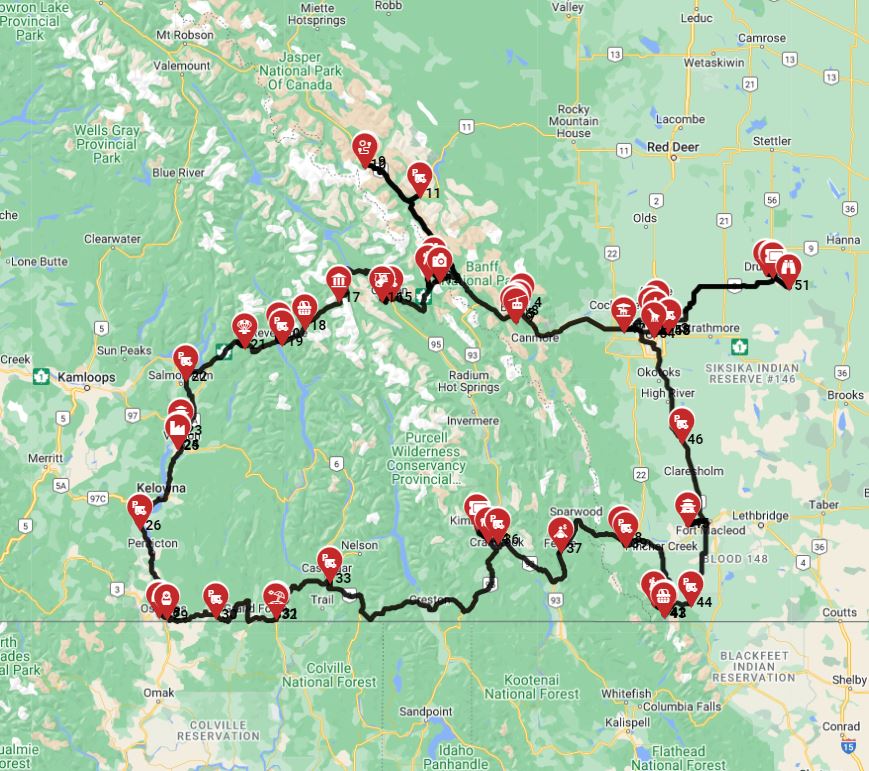
For those with more time, a 14-day RV adventure in West Canada allows for a more in-depth exploration, encompassing coastal beauty and wine country. Begin your journey in Vancouver, British Columbia, a vibrant coastal city. Spend your first 1-3 days exploring Vancouver and the surrounding Fraser Valley, keeping daily driving distances to an average of 150 km per day to allow for sightseeing and settling into your rented RV. From Vancouver, head east into the interior to the picturesque Okanagan Valley (Days 4-6), famous for its vineyards and lakes. Again, aim for around 150 km of driving each day to truly enjoy the region. Continue your eastward journey towards the Kootenay and Yoho National Parks (Days 7-10), immersing yourself in the dramatic mountain scenery and pristine alpine lakes, with similar daily driving targets of about 150 km. This part of the trip offers numerous opportunities for hiking and wildlife viewing. Finally, make your way back towards Vancouver (Days 11-14), perhaps taking a different scenic route or spending more time in a favorite spot. These longer trips allow for a more relaxed pace, offering the chance to truly connect with the diverse landscapes of West Canada. For finding campsites and campgrounds during your trip, check out RV PLANET (rvplan.net) — a great tool for locating available spots along your route.
Recommended RVPlan Trip for West Canada
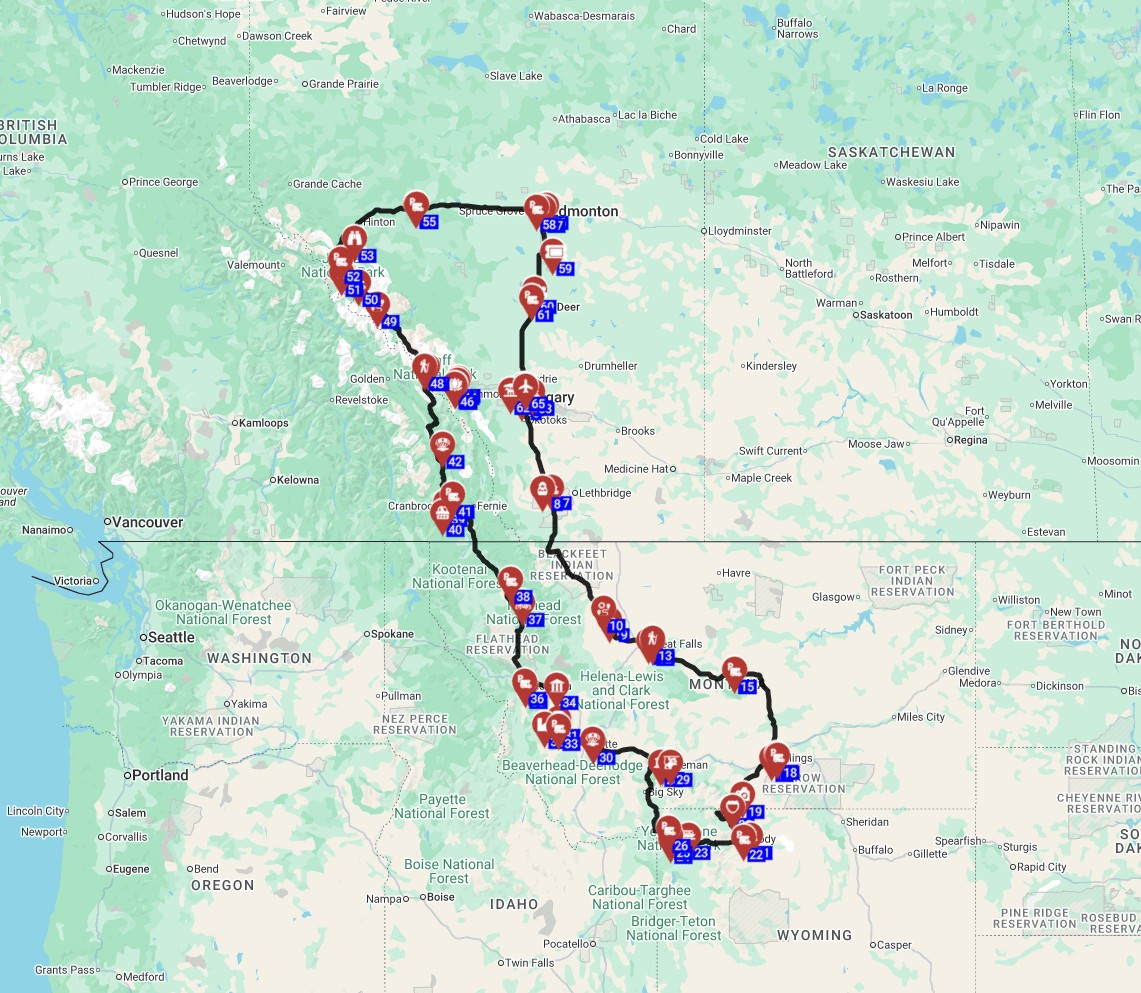
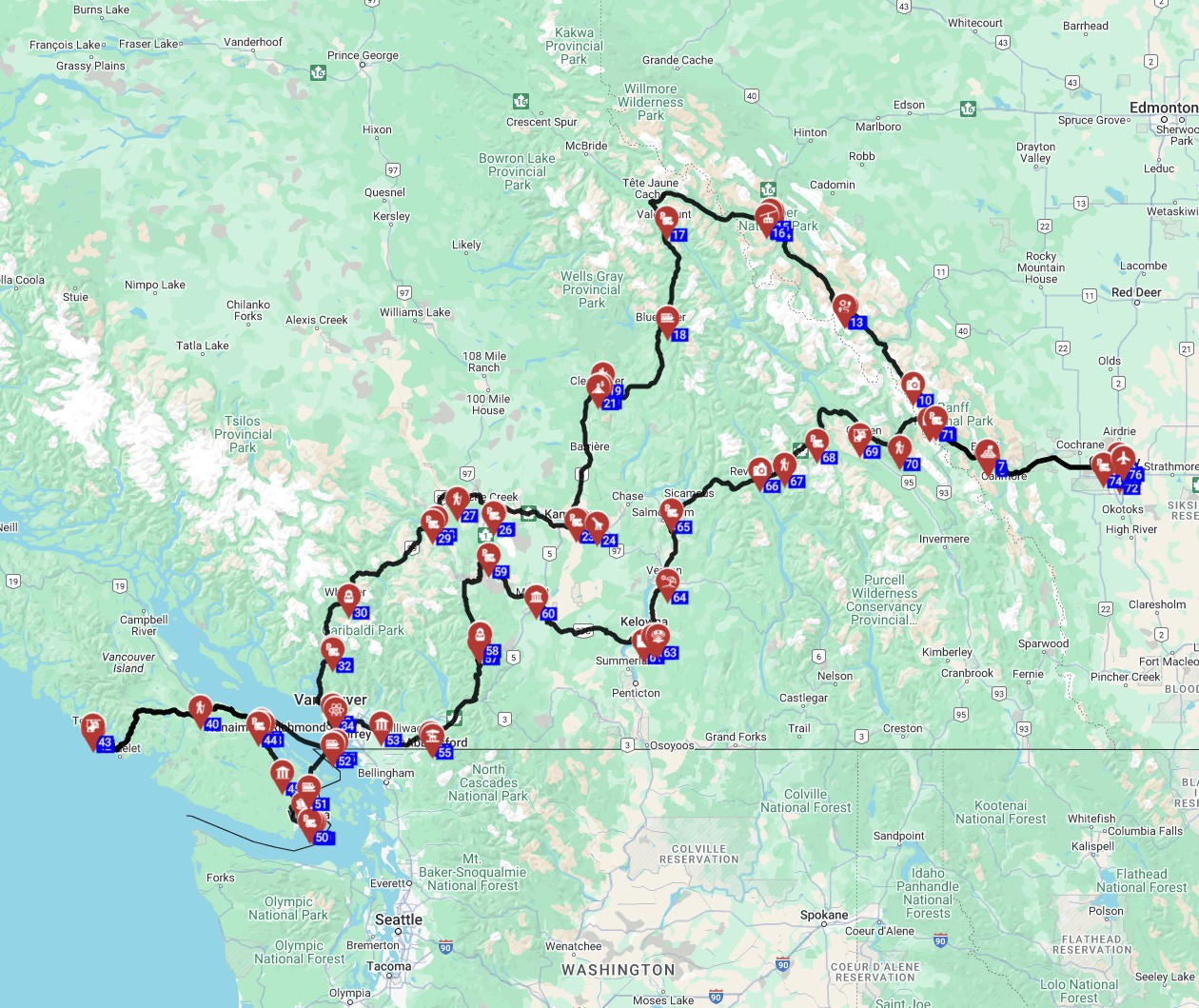
For those who appreciate a curated experience, RV PLANET offers professionally designed itineraries. A highly recommended trip for RV beginners exploring West Canada is the "Vancouver Round Trip - West Canada Cycling Adventure." This 19-day route spans approximately 2,660 kilometers, offering a perfect blend of scenic RV driving and ample opportunities for cycling enthusiasts to explore the diverse terrain. The route takes you on a loop starting and ending in Vancouver, allowing you to experience a comprehensive taste of what West Canada has to offer, from coastal vistas to mountain passes. Using RV PLANET's planning tools means all the major stops, attractions, and potential routes are considered, making your first RV trip significantly less stressful and more enjoyable. You'll find RV Rental in West Canada - Prices and Best Deals 2026 a great resource for understanding the costs involved.
Daily Driving Distances & Drive Times in West Canada
When planning your RV itinerary in West Canada, it's crucial to be realistic about daily driving distances and times, especially for beginners. Avi Bandana, a seasoned RV traveler, recommends averaging no more than 100 miles (approximately 150 kilometers) per day. This slower pace allows for spontaneous stops, enjoying the scenery, and managing the RV with confidence. For instance, the drive from Vancouver to Whistler is about 120 km, typically taking 1.5 to 2 hours, depending on traffic and road conditions. Traveling between Banff and Lake Louise covers around 60 km and usually takes 45 minutes to an hour. A common leg like Golden to Revelstoke is roughly 150 km, equating to a 1.5 to 2-hour drive. Always factor in time for stops for fuel, rest breaks, and navigating using the metric speed limits you'll encounter throughout Canada. Proper planning ensures you don't feel rushed and can truly savor the experience. If you're considering a longer journey, check out the "14-Day Extended Journey in West Canada" section of this guide for more itinerary ideas.
Best RV Class for This Itinerary — Couple & Family Picks
Choosing the right RV class is essential for a comfortable and manageable first-time experience in West Canada. For couples or solo travelers, a Class B motorhome, also known as a camper van, is an excellent choice. These vehicles are typically around 5.8 meters in length, ideal for 2-3 adults, and offer good fuel efficiency, averaging about 10 liters per 100 km. They are easy to maneuver on various roads and often fit into standard parking spaces. For families or larger groups, a Class C motorhome, particularly an alcove model, is recommended. These RVs are generally around 7.5 meters in length and can comfortably accommodate 4-5 adults. They offer more living space, sleeping capacity, and amenities, with fuel consumption typically ranging from 10-12 liters per 100 km. For personalized recommendations and to find a vehicle that perfectly matches your needs, explore Bandana Caravan's 'Rent & Plan' service, which connects you with expert-curated itineraries. You might find models like the "24' Class C Motorhome" or a compact campervan like the "2 Berth Hi Top" suitable for your West Canada adventure. Check out RV Rental Deals in West Canada - Latest Offers 2026 for current pricing.
What is the best month to RV in Canada?
The optimal time for RVing in Canada, particularly for beginners exploring West Canada, is from late May to early October. During this period, you'll find generally pleasant weather conditions, and most national parks and attractions are fully accessible. The shoulder seasons, June and September, are particularly appealing as they offer comfortable temperatures, fewer crowds than the peak summer months, and stunning natural beauty – think blooming wildflowers in spring or vibrant foliage in early fall. Summer, from July to August, boasts the warmest weather and is ideal for enjoying all outdoor activities. However, this is also peak season, meaning campgrounds, especially popular ones in national parks, can fill up quickly. Therefore, booking your RV and campsites well in advance during July and August is highly recommended. Traveling outside these peak months, like in May, June, September, or October, can offer a more relaxed experience and potentially better pricing, while still providing enjoyable weather for exploration. Winter, from late October through April, presents significant challenges for RV travel in West Canada due to snow, ice, road closures, and limited access to many services, making it generally not recommended for first-time RVers.
How much does it cost to RV around Canada?
Budgeting for an RV trip in West Canada involves several key cost factors. For beginners, expect daily expenses to range from approximately CAD $150 to $400+, depending on the RV class, time of year, and chosen amenities. The primary cost is the RV rental itself, which can range from CAD $100 to $300+ per day, with significant seasonal variability – expect higher rates during peak summer months. Fuel is another major consideration; based on average consumption of 10-12 liters per 100 km and current 2026 prices, budget around CAD $25 to $40+ for every 150 km driven. Campground fees can vary widely, from CAD $30 to $100+ per night, depending on the type of site (e.g., unserviced, powered, or full hookups) and location. For access to national parks like Banff and Jasper, purchasing a Parks Canada Discovery Pass is essential; costs vary but are typically around CAD $70-$140 for an annual pass covering multiple parks. Remember to also budget for food, activities, propane refills, potential dump station fees, insurance, and any necessary vehicle permits. Considering a longer trip? Our guide on RV Rental Deals in West Canada - Latest Offers 2026 might offer insights into cost savings. On the routes offered through RV PLANET routes, you can itemize and track every expense along the way for easy budgeting.
What do I need to know before RVing in Canada?
Before you hit the road in your rented RV in Canada, there are a few essential tips to ensure a smooth journey. Firstly, familiarize yourself with the metric system, as Canada uses kilometers per hour for speed limits and distances. This might take a little adjustment if you're used to miles. Practice driving your RV, especially if you've opted for a larger Class A or C motorhome; getting a feel for its dimensions and turning radius is crucial, particularly on winding mountain roads. When crossing the border, be aware of customs regulations regarding prohibited items, pet import requirements, and any restrictions on food, alcohol, or tobacco. Many remote areas in West Canada experience variable cell service; consider downloading offline maps or investing in a satellite communication device for added peace of mind. Packing layers is also key, as weather can change rapidly, even in summer, especially in mountainous regions. Lastly, always be aware of wildlife safety protocols, particularly in national parks. This includes understanding proper food storage in campgrounds and carrying bear spray if hiking in bear country. Learning about these practicalities beforehand will make your first RV trip in Canada much more enjoyable.
What is the best RV route in Canada?
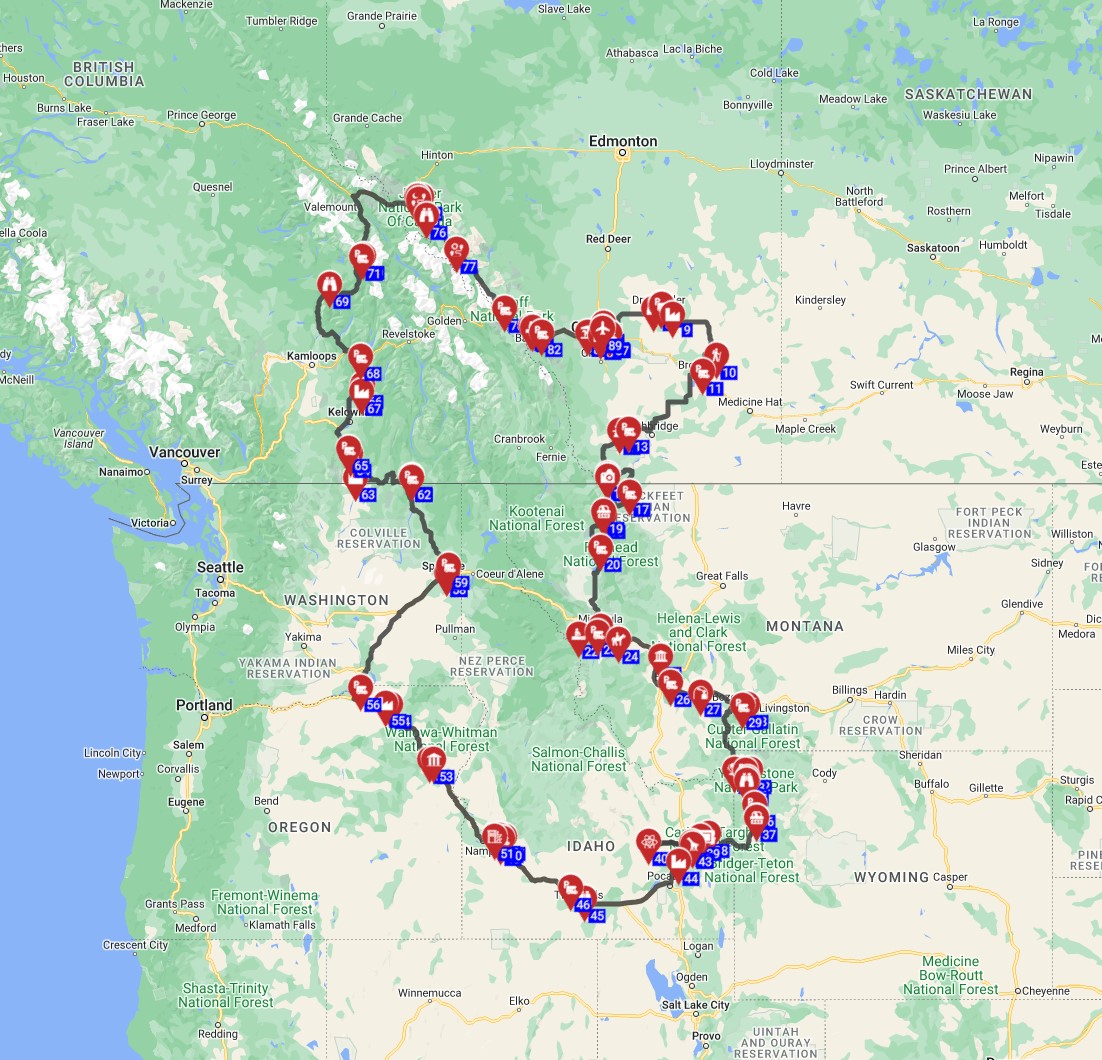
For those new to RVing in Canada, especially in West Canada, the Trans-Canada Highway route through the majestic Canadian Rockies is a top contender. This classic path, often running between Calgary and Vancouver, offers stunning scenery, excellent road conditions, and plentiful RV-friendly services, including campgrounds and rest stops. The Icefields Parkway, a segment of this route between Banff and Jasper, is particularly renowned for its breathtaking glaciers, turquoise lakes, and abundant wildlife. Another highly recommended beginner-friendly option is the Canadian Rockies Loop, which typically includes Banff, Jasper, and potentially covers parts of British Columbia like Yoho National Park. For those starting in coastal British Columbia, the Sea-to-Sky Highway (Highway 99) leading north from Vancouver towards Whistler is a spectacular and manageable drive. The Okanagan Valley is another excellent choice, offering a different landscape with rolling vineyards and warmer temperatures. For a more immersive and less crowded experience, consider exploring some of West Canada's lesser-known provincial parks or charming small towns, which often provide unique cultural and natural discoveries. For more itinerary inspiration, check out the "RV Travel Guide to West Canada - Tips and Top Spots 2026".
Can you just park an RV anywhere in Canada?
No, you cannot park an RV just anywhere overnight in Canada. Regulations regarding RV parking vary significantly by location and type of land. Overnight parking is strictly prohibited outside designated campgrounds in National and Provincial Parks, which often require reservations booked well in advance, especially during peak season. Boondocking, or dispersed camping on Crown land, might be permitted in some areas, but it’s subject to specific provincial regulations, and you'll need to research permits, duration limits, and be mindful of fire bans. Most municipalities have bylaws prohibiting overnight street parking for RVs; always look for designated RV parking areas if available. Parking on private property is only permissible with the explicit permission of the landowner, similar to programs like Harvest Hosts. It is crucial to research and plan your overnight stays carefully to avoid fines or being asked to move. Always consult local signage and park regulations before setting up camp for the night.
Is it hard to drive an RV in the Canadian Rockies?
Driving an RV in the Canadian Rockies is certainly manageable for beginners, but it requires preparation and a heightened sense of caution. The mountainous terrain features steep grades and winding roads that necessitate careful driving. When descending steep inclines, it's essential to use lower gears and engine braking to control your speed and prevent brake overheating – a common concern for RV drivers. Roads can be winding, so maintaining a slower, consistent speed is recommended for both safety and comfort. Be prepared for rapid weather changes, even in summer; fog, rain, and even snow can occur at higher elevations. Also, remember that higher altitudes can slightly reduce engine efficiency, and some drivers may experience mild altitude sickness. Most importantly, always be vigilant for wildlife on or near the roads, especially during dawn and dusk, as animals like elk, deer, and bears are common sights and can pose a hazard.
Must-See Stops Along the Way (Avi Bandana Picks)
- Traditional Visit: Fort Langley National Historic Site. Step back in time at this preserved fur trading post, offering a glimpse into British Columbia's colonial past.
- Traditional Market: Desert Hills Ranch Farm Market. Experience a taste of local agriculture and artisanal products – a perfect stop for fresh, regional produce and unique finds.
- Local Industry: Opportunities to explore local production and trade. Seek out opportunities to visit local breweries, distilleries, or artisan workshops to understand the region's economic roots and craft.
- Traditional Restaurant / Fine Dining: Seek out establishments using local ingredients. Indulge in farm-to-table experiences at restaurants that champion local produce and culinary traditions for an authentic taste of West Canada.
Final Thoughts
Renting an RV for your first trip to West Canada is an incredible way to experience the stunning landscapes and create lasting memories. By focusing on manageable routes, choosing the right vehicle, and planning ahead, you can ensure a comfortable and stress-free adventure. The majestic mountains, crystal-clear lakes, and vibrant towns of Western Canada await. Remember that flexibility with your dates can often lead to better pricing, and booking in advance is always a good strategy, especially for popular destinations and peak seasons.
We're here to support you every step of the way, from comparing RVs to helping you find the perfect itinerary through RV PLANET. So, start planning your dream West Canada road trip today and get ready for an unforgettable journey!